Support

Halls Creek

About

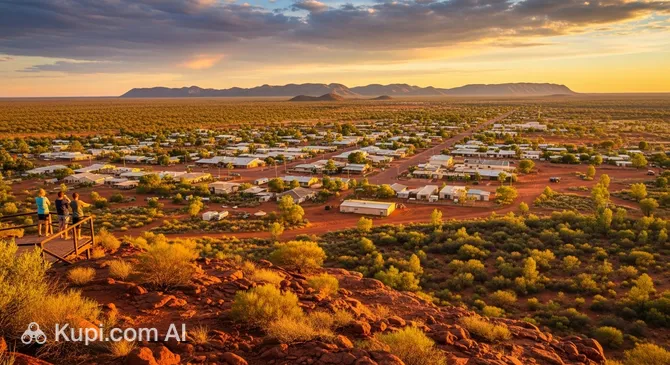
Halls Creek is a fascinating town situated in the East Kimberley region of Australia. Known for its rugged landscapes and authentic outback atmosphere, it serves as a vital hub for travelers exploring the remote northern reaches of Western Australia. The town is located on the edge of the Great Sandy Desert and the Tanami Desert, offering visitors a unique glimpse into life in one of the country's most isolated yet beautiful environments.

This settlement holds a special place in the state's past as the site of the first significant gold discovery in Western Australia. Exploring the history of Halls Creek reveals tales of the 1885 gold rush found in the now-abandoned Old Halls Creek, located just a short drive from the modern town. Today, with a population of approximately 1,500 residents, it remains a culturally rich community with a strong connection to the land.

Halls Creek. Source: Kupi.Binoculars

For nature enthusiasts, the town serves as an excellent base for visiting some of the region's most spectacular sites. The China Wall, a natural quartz wall rising from the creek bed, is a local geological marvel that shouldn't be missed. Additionally, Halls Creek is often the starting point for adventurers heading to the famous Bungle Bungle Range in Purnululu National Park or the impressive Wolfe Creek Crater, the second-largest meteorite crater in the world.

Whether you are passing through on the Great Northern Highway or planning a dedicated trip to see the natural wonders of the Kimberley, Halls Creek offers a genuine Australian adventure. Its warm hospitality and proximity to breathtaking natural monuments make it a memorable stop on any journey through the north.

Weather Overview

The climate in this region is distinctively semi-arid, characterized by defined wet and dry seasons that shape the landscape. To plan the most comfortable trip possible, travelers should consult the detailed forecast for the weather in Halls Creek before departing. Generally, the town remains warm to hot throughout the year, with the most significant changes occurring in humidity and rainfall rather than extreme cold.

During the summer months from December to February, temperatures are at their peak, with December seeing average highs around 38.3°C. This is also the wettest time of year, particularly in January, which typically experiences about 15 days of rain. In contrast, the winter period from June to August is much drier and cooler, with average temperatures dropping to a pleasant 20°C to 23°C and nighttime lows dipping to around 13°C.

Expect hot, humid summers with frequent rain and mild, dry winters perfect for outdoor exploration. The shoulder seasons, such as April and September, also offer excellent conditions with warm days and minimal precipitation, making them popular times for visiting the surrounding natural attractions.

Interesting Facts

Beyond the main attractions and well-trodden paths, Halls Creek holds many fascinating secrets and local legends that define its unique character. Here are some intriguing facts that reveal a different side of this remote outback town.

  • The Legend of Russian Jack: One of the town's most cherished stories involves a prospector known as "Russian Jack." Legend has it that he pushed his sick friend in a wooden wheelbarrow for over 300 kilometers through the harsh, trackless scrub to reach medical help in Halls Creek. A statue stands in the town center today, immortalizing this incredible feat of endurance and "mateship."

  • A Town on the Move: The Halls Creek you visit today is actually the second iteration of the settlement. In 1955, the entire town was officially relocated approximately 15 kilometers away from the original gold rush site. This drastic move was necessary because the rugged terrain of Old Halls Creek was unsuitable for building a modern airport and could not accommodate the route of the new Great Northern Highway.

  • The Toughest Track: This small town serves as the northern terminus for the Canning Stock Route, which is widely regarded as the most challenging four-wheel-drive track in the world. Stretching nearly 1,850 kilometers across the desert, the historic route was originally created to drive cattle south but has since become the ultimate bucket-list challenge for serious off-road adventurers.

  • Hollywood Infamy: While the nearby Wolfe Creek Crater is a geological marvel, it gained a different kind of fame as the inspiration for the cult Australian horror movie, Wolf Creek. Although the film depicts a terrifying fictional narrative, the crater itself is a safe and protected National Park, attracting visitors more for its meteorite history than its cinematic reputation.

How to Get There

Reaching this remote outback town is an integral part of the Kimberley experience, offering travelers a chance to witness the vast and changing landscapes of Western Australia. Whether you are driving the legendary Great Northern Highway or arriving via a nearby regional hub, the journey requires some planning due to the vast distances involved. For detailed information on routes and transport, you can read more about how to get to Halls Creek to help prepare for your trip.

The city of Halls Creek does not have its own major commercial airport for regular passenger jets, so most air travelers fly into a regional hub first and complete the journey by road. The most convenient option is Kununurra Airport (KNX), located in the town of Kununurra. This airport is situated approximately 292 km from Halls Creek. After landing, visitors typically rent a car or take a bus to reach their final destination, a trip that generally takes around 4 to 5 hours depending on road conditions and the type of vehicle. Kununurra Airport serves as a key entry point for the East Kimberley, handling a moderate volume of passengers and connecting the region to larger Australian cities.

For clarity, here is a summary of the main airport:

Airport Name City Passenger Traffic Km from City
Kununurra Airport Kununurra Moderate 292.2

Since there are no railway services operating in this remote part of Western Australia, road transport remains the primary means of accessing the town. Most visitors arrive by vehicle, often as part of a longer road trip between Broome and Kununurra. Coach services are also available, providing a vital link for locals and tourists alike along the highway.

Main Attractions

While Halls Creek serves as a vital stopover in the Kimberley, it is also the gateway to some of Western Australia's most remarkable geological and historical sites. The area surrounding the town is rich with natural wonders that showcase the ancient and rugged beauty of the outback. Visitors can explore a mix of dramatic landscapes, meteorite craters, and remnants of the gold rush era.

One of the most famous landmarks in the region is the Wolfe Creek Crater National Park. Located approximately 150 kilometers south of the town, this is the second-largest meteorite crater in the world, measuring about 880 meters in diameter. The crater was formed around 300,000 years ago and holds significant cultural importance to the local Djaru people, who know it as Kandimalal. A walk to the crater rim offers breathtaking views of the massive depression and the surrounding desert landscape, making it a must-visit for geology enthusiasts and adventurers alike.

Just a short drive from the town center lies the China Wall, a fascinating natural formation that mimics a man-made structure. This vertical vein of white quartz rises from the earth, reaching up to six meters high in some places and winding its way across the rugged terrain. Its striking resemblance to a miniature version of the Great Wall of China makes it a popular spot for photographers, particularly during the golden hour when the setting sun highlights the gleaming white stone against the red earth.

For a journey into the past, travelers should visit Old Halls Creek. This is the site of the original settlement where the Western Australian gold rush began in 1885. Today, it stands as a ghost town with evocative ruins of mud-brick buildings, including the old post office and police station. The nearby pioneer cemetery tells the harsh stories of the early prospectors who tried their luck in this unforgiving environment. It is a poignant place to wander and reflect on the history of the Kimberley.

Although it requires a longer journey, Halls Creek is also a strategic base for accessing the Purnululu National Park, home to the iconic Bungle Bungle Range. These world-famous black and orange striped sandstone domes are a UNESCO World Heritage site and one of Australia's most distinct natural icons. Visitors can access the park via a four-wheel-drive track or opt for a scenic flight from the local airstrip to appreciate the sheer scale of the beehive-like structures from above.

Local Cuisine

Dining in Halls Creek is a true reflection of the Australian outback experience: hearty, unpretentious, and designed to satisfy a traveler's hunger after a long day on the road. While you will not find high-end fine dining establishments in this remote town, the local venues offer reliable, generous meals that often highlight the produce of the wider Kimberley region.

One dish that visitors should definitely try is Barramundi. This iconic Australian fish is native to the northern waters and is a staple on local menus, typically served grilled or battered with a side of chips and fresh salad. For meat lovers, the region is known for its cattle industry, so ordering a high-quality steak or a classic beef burger is always a safe and delicious bet. The Chicken Parmigiana, affectionately known as a "Parmi," is another pub favorite that can be found here, offering a comforting taste of classic Aussie culinary culture.

Given the hot, semi-arid climate, the drink of choice for many is undoubtedly a cold beer. The local hotel bars serve a variety of well-known Australian lagers that provide welcome refreshment after exploring the dusty tracks. For non-alcoholic options, the roadhouses and cafes serve strong coffee and iced drinks, essential for keeping drivers alert during the long stretches of highway travel.

The food culture in Halls Creek revolves around casual dining venues such as hotel bistros, roadhouses, and a local bakery. The atmosphere is consistently relaxed and friendly, with an informal dress code that welcomes dusty boots and travel gear. Many travelers also choose to embrace the outdoor lifestyle by stocking up on supplies and utilizing public barbecue facilities, enjoying their meals under the vast open sky of the East Kimberley.

Travel Tips

Visiting the heart of the Kimberley requires a bit of savvy planning to ensure your outback adventure is as smooth as it is memorable. To help you navigate the remote beauty of Halls Creek safely and comfortably, here are some essential practical tips for your journey.

  1. Clothing and Gear: Given the semi-arid climate, pack lightweight, breathable fabrics like cotton or linen to handle the heat. A broad-brimmed hat, high-quality sunglasses, and strong sunscreen are non-negotiable essentials. If you plan to explore sites like the China Wall or Old Halls Creek, bring sturdy, closed-toe walking shoes or hiking boots to protect your feet from the rocky, uneven terrain.

  2. Transportation: There is no public transport system like metros or buses within the town, and ride-hailing apps are not available. The best way to get around is by private vehicle. A 4WD (four-wheel drive) is highly recommended, and often necessary, if you intend to visit surrounding natural attractions like Wolfe Creek Crater, as unsealed roads can be challenging for standard cars.

  3. Finances: The local currency is the Australian Dollar (AUD). While the local supermarket, fuel stations, and accommodation providers generally accept credit and debit cards, it is wise to carry some cash. ATMs are available in town, but they can be scarce or occasionally out of service in remote areas. Tipping is not mandatory in Australia but is appreciated for exceptional service.

  4. Health and Safety: The town has a hospital for medical emergencies, but for minor ailments, ensure you have a well-stocked personal first-aid kit, as pharmacy hours may be limited. The most critical safety rule in this region is hydration; always carry significantly more water than you think you need. Be aware of wildlife, particularly snakes, when walking through long grass or bushland.

  5. Communication: English is the primary language spoken. Mobile coverage in the outback can be patchy; Telstra is widely considered the most reliable network provider in regional Western Australia, and other carriers may have no signal at all. Wi-Fi is often available at hotels and the local visitor center, though speeds may vary.

  6. Local Etiquette: The Kimberley region has a significant Indigenous population, and it is important to be respectful of local culture. A friendly "G'day" and a wave are standard greetings. Always ask for permission before photographing local people or their artwork. Some areas may be sacred or private land, so observe all signage and respect entry restrictions.

  7. What to Avoid: Avoid driving on highways at dawn, dusk, or night. Wildlife, such as kangaroos, and wandering cattle are most active during these times and pose a serious collision risk. Additionally, never ignore "Road Closed" signs; they are there for your safety, often due to flooding or dangerous road conditions.

  8. Fuel and Supplies: Treat Halls Creek as a vital supply stop. Distances between towns in the Kimberley are vast, so always fill up your fuel tank before leaving town, even if you think you have enough. It is also a good idea to restock snacks and water here before heading out to more isolated locations like Purnululu National Park.

By keeping these practicalities in mind, you will be well-equipped to enjoy the rugged landscapes and warm hospitality that define this unique part of the country. A little preparation goes a long way in the outback, leaving you free to focus on the incredible scenery and rich history of the region.

Entertainment & Nightlife

Nightlife in Halls Creek is a distinctively quiet and relaxed affair, reflecting its status as a remote outback service town. Travelers expecting bustling nightclubs, dance floors, or late-night entertainment districts will need to adjust their expectations. Instead, the evening scene revolves almost entirely around the local hotel bars and restaurants, which serve as the community's primary social hubs.

The atmosphere is casual and welcoming, characterized by the classic Australian "pub culture." The crowd is typically a mix of weary travelers off the Great Northern Highway, road train drivers, and local residents catching up after work. The dress code is informal; comfortable travel gear, jeans, and boots are the norm. Most venues operate with early closing times compared to city standards, with kitchens often taking last orders around 8:00 PM or 8:30 PM.

For a drink and a meal, the Kimberley Hotel is the most prominent venue in town. It features a Saloon Bar and a cocktail bar, offering a green oasis with a pool area where visitors can enjoy a cold beverage under the stars. Another key spot is the restaurant at the Halls Creek Motel, often referred to as Russian Jack's, which provides a hearty meal and a place to unwind. These venues are located along the main highway, effectively forming the center of the town's limited evening activity.

Practical advice for a night out includes planning for higher prices, as freight costs to the Kimberley are significant. Be aware that strict alcohol restrictions apply throughout the region, often limiting the hours for purchasing takeaway alcohol and the quantity you can buy. Since there are no taxi services or ride-sharing apps like Uber in Halls Creek, you must plan your transport carefully. Most visitors dine where they sleep to avoid the need for driving.

Safety at night is generally good within the confines of the hotel grounds and main accommodation areas. However, walking alone on the outskirts of town or away from well-lit areas late at night is not recommended due to the lack of street lighting and the presence of wandering wildlife or stray dogs. It is best to stick to your accommodation complex once the sun goes down.

During the daylight hours, entertainment shifts towards cultural and recreational activities. The Yarliyil Art Centre is a must-visit for art lovers, showcasing vibrant Indigenous paintings and offering a chance to meet local artists. For those looking to cool off, the Halls Creek Aquatic and Recreation Centre provides a modern swimming facility, which is a popular retreat from the desert heat.

Parks & Museums

While Halls Creek may not feature the manicured botanical gardens found in major cities, it compensates with an abundance of raw, natural beauty and significant cultural sites. The town serves as a gateway to untouched wilderness, where "parks" are defined by spring-fed pools and rugged gorges rather than paved paths and flowerbeds. Culturally, the region is a vibrant canvas of Indigenous heritage and pioneer history, offering visitors a chance to connect deeply with the stories of the East Kimberley.

For a refreshing escape into nature, Caroline Pool is a favorite local recreational spot located just a short drive from the town center. This natural waterhole is fed by the Elvire River and is surrounded by shady gum trees, making it an ideal location for a picnic or a cooling swim after the rains. It is historically significant as well, having served as a recreation area for the miners during the gold rush era. Today, it offers a peaceful setting for birdwatching and enjoying the tranquility of the outback.

Another spectacular natural area is Sawpit Gorge, situated approximately 50 kilometers south of the town. Here, the Black Elvire River has carved a dramatic path through the landscape, creating deep pools and towering rock walls. It is a more rugged destination perfect for adventurous travelers looking to swim in pristine waters or fish in a scenic environment. The isolation of the gorge allows for a true sense of connection with the wild landscape of Western Australia.

In terms of culture, the Yarliyil Art Centre stands as the premier artistic venue in Halls Creek. This gallery and studio space is the creative heart of the community, showcasing the vibrant works of local Indigenous artists. Visitors can view and purchase authentic paintings that tell the stories of the land, known as Country, and the Dreaming. The centre often allows tourists to meet the artists and observe them at work, providing a rich, immersive cultural experience that goes far beyond a typical museum visit.

While not a traditional museum building, the site of Old Halls Creek functions as an open-air museum preserving the town's gold rush origins. Walking among the remnants of mud-brick buildings and the old cemetery offers a tangible link to the harsh lives of the early prospectors. To complement this, the town center features the Russian Jack Statue, a monument dedicated to the legendary prospector famous for his feat of mateship. These historical markers provide essential context to the region's past.

For a truly authentic experience, visit Palm Springs, a permanent freshwater spring located about 45 kilometers north of town along the Duncan Road. This oasis is lush with date palms—remnants of the Afghan cameleers who once traversed these routes. It is a lesser-known gem where you can relax by the water's edge, often undisturbed by crowds, and appreciate a unique piece of living history blended with nature.

Getting Around

Travelers visiting Halls Creek should be aware that the town does not possess a public transport system in the traditional sense. Due to its small population and remote location in the East Kimberley, there are no metros, trams, trolleybuses, or municipal bus networks operating within the town limits. The infrastructure is designed primarily for private vehicle use, which is the standard mode of transport for both locals and visitors.

Since there are no local public transport services, there is no need to worry about purchasing travel passes, validating tickets, or downloading transport apps. The concept of travel zones or fare cards does not apply here. Instead of budgeting for bus tickets, tourists should plan their finances around vehicle operational costs, such as fuel, which can be significantly more expensive in this remote region compared to major coastal cities.

The most practical advice for navigating the area is to secure a rental vehicle, preferably a four-wheel drive (4WD). This is essential not only for getting around the town itself but also for accessing the nearby natural attractions, which often require driving on unsealed roads. If you are arriving by air via a regional hub or by intercity coach, ensure you have arranged your car hire in advance, as availability can be limited in such an isolated destination.

Regarding alternatives, it is important to note that ride-sharing apps like Uber and standard metered taxi services are generally not available in Halls Creek. While the town center is compact enough to be walkable—shops, the post office, and the visitor center are relatively close to each other—walking is often discouraged during the heat of the day. If you choose to walk, do so in the early morning or late afternoon, and always carry water.

The only form of public transport that services the town is the long-distance coach network. Greyhound Australia operates services that stop in Halls Creek, connecting it to Broome and Darwin. However, this is strictly for intercity travel and cannot be used for commuting within the town itself. The coach stop is typically located at the local roadhouse or visitor center, serving as the main drop-off and pick-up point for those arriving without their own vehicle.

Accommodation

Accommodation in Halls Creek is practical and straightforward, designed primarily to serve the needs of travelers traversing the vast distances of the Kimberley region. Visitors should not expect luxury resorts or high-end boutique hotels; instead, the town offers functional and comfortable lodging options that cater to road trippers, workers, and families. The selection mainly consists of motels, hotel rooms, and well-equipped caravan parks, providing a welcome rest stop with essential amenities like air conditioning and swimming pools to beat the outback heat.

The majority of accommodation is conveniently located along the Great Northern Highway, which doubles as the town's main street. Staying in this area ensures easy access to local services, including the supermarket, fuel stations, and the visitor center. This central location is ideal for travelers who want to rest for the night without deviating far from their route, making it easy to hop back on the highway the following morning.

For those seeking a solid roof over their heads, the town features a few key establishments that combine accommodation with dining facilities. Places like the Kimberley Hotel and the Halls Creek Motel are the most well-known options. They typically offer motel-style units with en-suite bathrooms, fridges, and tea-making facilities. These venues often serve as social hubs, featuring on-site restaurants and bars where guests can enjoy a meal after a long drive. For campers and those towing caravans, the local caravan park provides powered sites and camping areas, often with access to shared kitchens and laundry facilities.

Booking Tip: It is highly recommended to book your accommodation in advance, especially if you are traveling during the peak dry season (May to September). During these months, the town sees a significant influx of tourists and tour groups, and the limited number of rooms and powered sites can fill up quickly.

In terms of cost, prices in Halls Creek are generally in the mid-range category. While the accommodation is modest, rates can be slightly higher than in coastal cities due to the remote location and the cost of logistics in the outback. Booking can usually be done via major online travel platforms, but for caravan parks or specific motel inquiries, calling the establishment directly is often the most reliable method to secure a spot.

Nearby Cities

For those looking to explore the surroundings, Halls Creek serves as an excellent base for day trips to several interesting nearby locations. While the vast scale of the Kimberley region means that "nearby" often involves a bit of driving, these towns and settlements are the closest major hubs and offer distinct experiences for travelers planning their next stop or a short excursion.

Kununurra is the eastern gateway to the Kimberley, known for its lush landscapes fed by the Ord River Irrigation Scheme. It offers a stark contrast to the arid desert with its abundant water, serving as the perfect launchpad for cruises on Lake Argyle or exploring Mirima National Park. To the west, the historic town of Derby sits on the edge of King Sound. It is famous for having the highest tides in the southern hemisphere and is home to the iconic Boab Prison Tree, a significant cultural and historical site.

Further afield lies Broome, a world-renowned coastal destination where the red dirt meets the turquoise ocean. Famous for its pearling history and the stunning Cable Beach, it provides a relaxing coastal atmosphere that complements the rugged interior adventure of Halls Creek.

City Population Distance (km)
Broome 11547 576
Kununurra 6000 294
Derby 3260 439
Wadeye 2200 483
Telfer 1500 694

These nearby destinations offer a glimpse into the diverse culture and landscapes of the region.

Shopping & Souvenirs

Shopping in Halls Creek is primarily a functional affair designed to cater to the needs of local residents and travelers passing through the rugged Kimberley region. Visitors should not expect high-end fashion boutiques or sprawling retail complexes. Instead, the town offers essential services for restocking supplies, fueling up, and purchasing practical gear for outback travel. However, hidden within this modest retail scene is the opportunity to purchase world-class Indigenous art, which stands out as the town's premier shopping experience.

The main commercial activity is concentrated along the Great Northern Highway and the small town center around Roberta Avenue. This compact area allows visitors to easily walk between the few available shops. Here, you will find the local supermarket, the post office, a newsagency, and a few service stations that double as convenience stores. It is a straightforward layout where the focus is on utility and accessibility rather than leisure browsing.

There are no shopping malls or department stores in Halls Creek. The retail hub of the community is the local IGA supermarket. This is the go-to place for groceries, fresh produce, and general household items. For campers and road-trippers, this is the critical stop to replenish water, food, and other consumables before heading out to remote attractions like the Bungle Bungles or Wolfe Creek Crater.

Traditional open-air markets are not a regular feature of the town's calendar. While community fundraisers or small stalls may pop up occasionally during local events, there is no permanent flea or food market for tourists to visit. The "market" experience here is replaced by the direct sale of goods from local community centers and art hubs.

When it comes to souvenirs, the undisputed highlight is authentic Indigenous art. The Yarliyil Art Centre is the best place to buy meaningful keepsakes. Here, you can purchase vibrant paintings, printed fabrics, and ceramics directly from the artists who created them. Buying from the center ensures that the proceeds go back to the artist and the community. Aside from art, the local Visitor Centre and Post Office often stock smaller items like postcards, stubby holders, and maps of Australia and the Kimberley region.

Store opening hours in Halls Creek reflect the relaxed pace of country life. General shops and the supermarket typically operate from 8:00 AM to 5:00 PM on weekdays. On Saturdays, trading hours are often reduced, closing by midday or early afternoon, and many businesses are closed entirely on Sundays. It is essential to plan your shopping trips accordingly, especially if you arrive on a weekend. Payment methods are modern, with credit and debit cards (Visa and Mastercard) widely accepted, though carrying some cash is always recommended for smaller purchases or in case of system outages.

For international tourists, the Tourist Refund Scheme (TRS) allows you to claim a refund on the Goods and Services Tax (GST) for purchases over $300 AUD from a single business. While this is applicable Australia-wide, the limited number of large retail outlets in Halls Creek means you might only reach this threshold if you are purchasing significant artworks. Be sure to ask for a valid tax invoice if you plan to make a claim at the airport upon your departure.
Reached the end of the page?

That means the route is fully explored