Support

Balgo

About

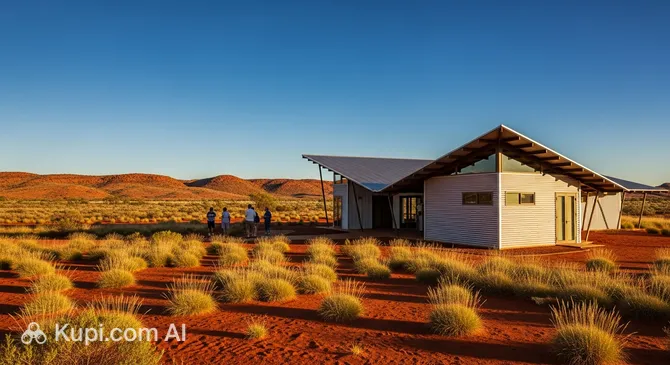
Balgo, also known as Wirrimanu, is a remote and culturally significant community located in the southeast Kimberley region of Western Australia. Situated on the northern edge of the Great Sandy Desert, this settlement offers a profound connection to the ancient landscapes and traditions of Australia. With a population of approximately 800 residents, it serves as a vital hub for several Indigenous language groups, creating a unique atmosphere of linguistic and cultural diversity amidst the vast, red-earth terrain.

Balgo. Source: Kupi.Binoculars

The town is globally renowned for its thriving art scene, which acts as a major draw for visitors interested in Indigenous culture. The Warlayirti Artists art centre is the beating heart of the community, where local artists produce vibrant acrylic paintings and glassworks that tell the stories of their Tjukurrpa (Dreaming). Those delving into the history of Balgo will discover its origins as a mission established in the 20th century and its evolution into a celebrated center for contemporary desert art.

Beyond the art centre, the surrounding landscape offers a stark and mesmerizing beauty, characterized by rugged breakaways and spinifex-covered plains. While it is a remote destination requiring careful planning to visit, Balgo provides an authentic and unforgettable experience for travelers seeking to understand the deep spiritual connection between the people and the land. A visit here is a journey into the artistic soul of the desert.

Weather Overview

Travelers heading to this remote part of Western Australia should prepare for a climate defined by distinct seasonal contrasts. The weather in Balgo is generally characterized by intense heat during the summer months and pleasant, clear conditions during the winter.

From December through February, temperatures are quite high, with average maximums reaching up to 39.8°C in December. This period also brings the most moisture to the region; January typically sees about 10 wet days, although the total rainfall volume remains low. In contrast, the winter season from June to August offers relief with significantly cooler air. During July, the average temperature drops to around 19.6°C, and nights can be brisk with lows near 12.4°C. Expect hot summers with occasional rain and mild, dry winters, which are often considered the best time for visiting.

Interesting Facts

Beyond the main attractions and its celebrated art scene, Balgo holds many fascinating secrets buried within the Great Sandy Desert. This remote outpost is not just a settlement but a place deeply defined by ancient legends and historical shifts.

  • The Legend of Luurnpa: The location of the current community, Wirrimanu, is deeply tied to the Tjukurrpa (Dreaming) of the Luurnpa, or Red-backed Kingfisher. According to local tradition, this ancestral being led the people from the south to this specific site to reveal a vital source of water, making the land spiritually significant long before the town was built.

  • Two Balgos: The community hasn't always been in its current spot. Originally established as a mission in 1939, the settlement was moved in the 1960s due to a lack of water at the first site. Today, the ruins of "Old Balgo" can still be found roughly 20 kilometers away, standing as a silent testament to the town's early colonial history.

  • Gateway to Adventure: Balgo serves as a crucial milestone for extreme travelers. It is often the final civilization point for adventurers preparing to tackle the Canning Stock Route, one of the most challenging and remote four-wheel-drive tracks in the world, or for those traveling the Tanami Road between Alice Springs and the Kimberley.

How to Get There

Reaching Balgo (Wirrimanu) is a true outback adventure, as this remote community is situated deep within the Great Sandy Desert of Western Australia. Due to its isolated location, there are no direct commercial flights or public train services to the town itself. Visitors typically need to combine air travel to a regional hub with an extended overland journey. For a detailed breakdown of routes and travel tips, you can read more about how to get to Balgo.

For international travelers, the most practical approach is to fly into one of Australia’s major gateways, such as Perth Airport (PER) or Darwin International Airport (DRW). From these cities, you can connect to domestic flights heading to regional centers like Broome, Kununurra, or Alice Springs. While Balgo does have a local airstrip, it is strictly used for charter flights, mail delivery, and medical services, rather than scheduled passenger transport.

The final leg of the journey is almost exclusively undertaken by road. Balgo is located off the Tanami Road, approximately 250 kilometers south of Halls Creek. The road is unsealed and can be rough, making a four-wheel-drive (4WD) vehicle essential for safe travel. Since there are no railway stations in this vast desert region, driving remains the primary method of access. Travelers are strongly advised to carry extra fuel, water, and supplies, and to check road conditions before departing.

Main Attractions

Warlayirti Artists is undoubtedly the cultural soul of the community and the primary draw for visitors to this remote region. Established in 1987, this world-renowned art centre is one of Australia’s longest-running Indigenous art organisations. It serves as a creative hub for artists from the Kukatja, Warlpiri, and other language groups, who produce vibrant acrylic paintings known for their bold colours and distinct styles. Tourists can visit the gallery to view and purchase authentic artworks, watch artists at work in the studio, and learn about the Tjukurrpa (Dreaming) stories that inspire these masterpieces. The centre also houses a cultural "keeping place" that preserves significant local history and artifacts.

For those interested in the region's colonial and missionary history, the ruins of Old Balgo offer a hauntingly atmospheric experience. Located approximately 20 kilometers from the current town, this site was the location of the mission from 1942 until 1965, when the community was forced to relocate due to a lack of water. Today, visitors can walk among the crumbling remains of the old stone and mud-brick buildings, which stand as silent sentinels in the desert. It is a poignant place that provides a tangible connection to the past and the resilience of the people who lived there.

The Great Sandy Desert Landscape itself is a major attraction for adventurers and nature enthusiasts. Balgo is situated on the edge of a dramatic escarpment known as "The Pound," offering breathtaking views of rugged breakaways, red earth, and spinifex plains. The striking contrast between the deep blue sky and the fiery red terrain makes for incredible photography, particularly at sunrise and sunset. For 4WD travelers journeying along the Tanami Road, the area provides a quintessential outback experience, showcasing the raw and untouched beauty of Western Australia's interior.

A short distance from the community lies Lake Gregory (Paraku), a site of immense ecological and cultural importance. While technically near the neighbouring community of Mulan, it is a key destination for anyone visiting the area. This permanent freshwater lake is a haven for birdwatchers, supporting over 70 species of waterbirds and serving as a major stopover for migratory birds. It is also a culturally significant site for the local Walmajarri people. Visitors can enjoy the serene environment, go birdwatching, and appreciate the rare sight of such a vast body of water in the middle of the desert.

Local Cuisine

Given Balgo's remote location in the Great Sandy Desert, the local "cuisine" is defined less by restaurants and more by the enduring traditions of the land and the practicalities of outback life. Visitors should not expect commercial dining scenes or cafes; instead, the food culture here is a mix of simple store-bought staples and, for the local Indigenous people, a rich heritage of traditional bush tucker gathered from the surrounding desert.

For those fortunate enough to join a cultural tour or interact with local guides, the most authentic culinary experience is Bush Tucker. The desert landscape, though seemingly harsh, provides sustenance in the form of goanna (sand monitor), bush turkey, and various native seeds and fruits like the bush tomato (kampurarrpa). These foods have sustained the Kukatja and Warlpiri people for thousands of years and represent a profound connection to the country. While you cannot buy these dishes in a shop, learning about how they are hunted and gathered is a fascinating aspect of visiting the region.

For everyday meals, the hub of the community is the local General Store. This is where both locals and travelers stock up on provisions. The fare is typical of remote Australian roadhouses: expect hearty meat pies, sausage rolls, and sandwiches. It is a casual, takeaway-style environment where the focus is on fuel for the day rather than gourmet flavors. Travelers driving the Tanami Road often rely on their own camping supplies, cooking meals over portable stoves or campfires under the stars.

A quintessential experience for any visitor to the Australian outback is trying Damper washed down with Billy Tea. Damper is a simple soda bread traditionally baked in the coals of a fire, often served with golden syrup or jam. It pairs perfectly with strong black tea boiled in a metal can (billy) over an open flame. As Balgo is a dry community where alcohol is restricted, these non-alcoholic traditions take center stage, offering a warm and comforting ritual at the end of a dusty day in the desert.

Travel Tips

Visiting Balgo offers a rare and privileged glimpse into life in a remote Indigenous community, but the harsh desert environment and isolation require careful preparation. To ensure your journey into the Great Sandy Desert is safe, respectful, and enjoyable, keep these practical tips in mind before you set off.

  1. Clothing and Gear: The desert climate dictates your wardrobe; pack lightweight, breathable cotton clothing to handle the intense daytime heat, but always bring a warm fleece or jacket as temperatures drop sharply at night. A broad-brimmed hat, sunglasses, and high-SPF sunscreen are non-negotiable essentials. Since the terrain is rugged and dusty, bring sturdy, closed-toe walking shoes. Don't forget an Australian power adapter (Type I) and a portable power bank, as charging points may be scarce.

  2. Transportation: There is no public transport, metro, or taxi service in Balgo. The only way to get around the region is by private vehicle, and a reliable 4WD (four-wheel drive) is absolutely essential due to the unsealed and often corrugated condition of the Tanami Road. Ensure your vehicle is equipped with two spare tires and extra fuel. Car rentals should be arranged in major hubs like Broome or Alice Springs, as there are no rental agencies in the community itself.

  3. Finances: The local currency is the Australian Dollar (AUD). While the general store and art centre may accept cards (EFTPOS), telecommunications can be unreliable in the outback, so carrying sufficient cash is highly recommended. There are no banks or dedicated ATMs in Balgo, so withdraw all the money you might need before leaving the major towns. Tipping is not customary or expected here.

  4. Health and Safety: The community has a local health clinic (Wirrimanu Clinic) for basic medical needs, but serious emergencies rely on the Royal Flying Doctor Service. Bring a fully stocked personal first-aid kit and an ample supply of any prescription medications you require. The biggest safety risk is dehydration; always carry significantly more water than you think you need. Be cautious of local wildlife, including snakes, and shake out your shoes before putting them on.

  5. Communication: English is widely spoken, though for many residents, it is a second or third language after Kukatja or other local dialects. Mobile coverage is generally limited to the Telstra network; if you are with another provider, your phone will likely not work. Wi-Fi is not readily available for tourists, so download offline maps and essential information before your trip.

  6. Local Etiquette: Respect is paramount. Always ask for clear, verbal permission before taking photographs of local people, their homes, or children; unauthorized photography is considered highly offensive. Be mindful that cultural norms may differ—some locals may avoid direct eye contact as a sign of respect. If you are visiting the art centre, engaging with the artists about their work is welcomed, but avoid asking intrusive personal questions.

  7. What to Avoid: Strictly avoid bringing alcohol or drugs into the community. Balgo is a "dry" community, and the possession or consumption of alcohol is prohibited and can lead to severe legal penalties and expulsion. Additionally, do not wander into private residential areas or restricted sacred sites; stick to the main roads, the store, and the art centre unless invited elsewhere.

  8. Additional Tip: Before you travel, check if you need a transit permit to enter the Aboriginal Lands Trust reserves. While visitors heading straight to the art centre are often welcome, regulations can change, and securing a permit from the Department of Planning, Lands and Heritage (Western Australia) or the Central Land Council ensures you are traveling legally and respectfully.

By planning ahead and respecting the local laws and customs, you will find the community to be a welcoming place rich in history and art. Your preparedness will allow you to focus on the incredible landscapes and the profound cultural experiences that make a trip to Balgo truly unforgettable.

Entertainment & Nightlife

Travelers hoping to find a bustling scene of nightclubs, cocktail bars, or late-night entertainment districts will find a vastly different reality in Balgo. As a remote Indigenous community, the town does not have a commercial nightlife sector. There are no pubs, discos, or night markets here. Crucially, visitors must be aware that Balgo is a dry community, meaning the possession, sale, and consumption of alcohol are strictly prohibited. The "nightlife" here is not about partying; it is about embracing the profound silence and the rhythms of the desert.

Instead of neon lights, the evening entertainment is provided by the spectacular outback sky. Far from the light pollution of major cities, the Milky Way appears with startling clarity, stretching across the horizon in a band of brilliant white. For many visitors, the best way to spend an evening is simply sitting outside their accommodation, stargazing, and listening to the sounds of the Great Sandy Desert. The atmosphere is one of absolute tranquility, where the cooling desert air offers a welcome respite from the heat of the day.

Since there are no restaurants open for dinner service in the way urban travelers might expect, evening meals are typically self-catered. Most visitors prepare their own food using camping equipment or facilities at their accommodation. The social scene is intimate and quiet, often revolving around a shared meal with travel companions or a cup of tea under the stars. The local General Store closes early, so it is essential to purchase any necessary supplies during the day.

When it comes to safety and getting around at night, caution and respect are key. There are no taxis or public transport options. Walking around the community after dark is generally discouraged for tourists. This is partly to respect the privacy of the local residents and partly due to the presence of "camp dogs" which can be active at night. It is advisable to stay within the grounds of your accommodation or designated camping area once the sun goes down. Always carry a torch (flashlight) if you need to move about, as street lighting is minimal.

While the nights are for rest, the daytime offers rich cultural experiences. The primary hub of activity is the Warlayirti Artists centre, where you can spend hours admiring world-class Indigenous art and watching local painters at work. Another significant landmark is the Luurnpa Catholic Church, known for its distinct architecture and cultural integration. For nature lovers, the daylight hours are best spent exploring the dramatic breakaways and red-earth landscapes that surround the town, before returning to the quiet sanctuary of the community for the evening.

Parks & Museums

In the remote community of Balgo, the concept of parks and museums is defined not by manicured lawns or glass cabinets, but by the vast, untamed beauty of the Great Sandy Desert and the living culture of its people. The region's "green spaces" are rugged, red-earth landscapes teeming with resilient flora, while its cultural institutions are dynamic hubs where ancient stories are painted onto canvas.

The Pound and Breakaways serve as the community's most spectacular natural area. Located on the edge of a dramatic escarpment, this geological formation offers sweeping views over the desert plains below. It is a place of raw, elemental beauty where the deep red of the earth contrasts vividly with the spinifex and the endless blue sky. Visitors can explore the edges of these breakaways to appreciate the unique desert vegetation and the silence of the outback, making it a perfect spot for photography and quiet contemplation of the landscape's scale.

Although situated a bit further afield, Paraku (Lake Gregory) is the region's premier natural asset and acts as a vital oasis in the arid environment. This permanent freshwater lake is an ecological marvel, renowned internationally as a haven for birdlife. Unlike a typical city park, Paraku offers a wild, immersive experience where visitors can observe thousands of waterbirds, including black swans and brolgas. It is a designated Indigenous Protected Area, meaning it is managed to preserve both its biodiversity and its deep cultural significance to the Walmajarri people.

The cultural heartbeat of the town is the Warlayirti Artists centre, which functions as both a working studio and a gallery. While primarily known for producing art for the global market, the centre is effectively the town's museum of contemporary culture. It houses a gallery space where visitors can view completed masterpieces that depict complex Tjukurrpa (Dreaming) stories. The centre also maintains a "keeping place" for sacred objects and historical photographs, preserving the community's heritage and offering a profound insight into the continuity of Indigenous traditions.

Another significant cultural landmark that serves as a living gallery is the Luurnpa Catholic Church. This is not a museum in the traditional sense, but its interior is a stunning display of cultural fusion. The church features a celebrated mural painted by local artists, depicting biblical themes through the visual language and symbols of the desert people. It stands as a unique architectural and artistic monument, illustrating the history of the mission era and the way local people have interpreted and integrated Christian beliefs with their own spirituality.

For an authentic insider experience, take the time to simply sit quietly near the art centre's veranda. It is here, rather than in a formal exhibition, that you will witness the true culture of Balgo: elders singing as they paint, dogs resting in the shade, and the community interacting in their local languages. This informal atmosphere offers a connection to the "living museum" of daily life in the desert that no guidebook can fully capture.

Getting Around

Travelers visiting Balgo should be aware that there is no formal public transport system operating within the community. Unlike larger cities, this remote settlement does not have a network of buses, trams, or a metro. There are no scheduled public transit routes to move people around the town or to connect with neighboring regions. Visitors must be completely self-sufficient regarding transportation.

Given the compact size of the community, the main administrative buildings, the General Store, and the Warlayirti Artists centre are located within relatively short distances of each other. Walking is the most common way to move between these specific locations once you have arrived. However, tourists must be mindful of the extreme desert heat; even short walks during the middle of the day can be exhausting, so carrying water and wearing a hat is essential.

For exploring the surrounding landscapes or traveling to and from the community, a private vehicle is the only viable option. There are no taxi ranks, car-sharing apps, or bike rental facilities available in the area. Furthermore, due to the rugged terrain and unsealed roads leading to the town, a four-wheel-drive (4WD) vehicle is not just recommended but necessary. Visitors are expected to arrive with their own transportation arranged from major regional hubs.

Since there are no ticketing systems, travel cards, or transport zones to navigate, you do not need to worry about purchasing passes. Instead, your primary logistical concern should be vehicle maintenance and fuel. While diesel and unleaded petrol are generally available at the local store, supplies can occasionally run low in remote areas, so keeping your tank full and carrying extra fuel is the best practical advice for navigating the region.

Accommodation

Finding a place to stay in Balgo requires a shift in expectations from the typical tourist experience. As a remote Indigenous community deep in the Great Sandy Desert, the town does not offer standard commercial hotels, luxury resorts, or backpacker hostels. Instead, accommodation is extremely limited and primarily geared towards visiting contractors, government workers, and those engaged with the art centre. Options are generally functional and basic, often consisting of "donga" style transportable units or simple guest rooms with shared facilities.

There are no distinct tourist districts or hotel strips here. The available visitor accommodation is centrally located within the main community layout, keeping guests within walking distance of essential services like the General Store, the health clinic, and the Warlayirti Artists centre. Staying in the heart of the community allows for convenient access to these hubs, which is practical given the lack of local transport.

Booking Tip: You cannot simply roll into town and expect to find a vacant room. It is absolutely essential to book your accommodation well in advance. Visitors should contact the local community administration or the art centre prior to their trip to confirm availability and to ensure they have the necessary entry permits for the region. Without a confirmed booking, you may find yourself without a place to stay in a very isolated environment.

Regarding costs and reservations, prices are typically fixed and can be higher than expected for the standard of facilities provided, reflecting the high cost of operating in such a remote location. Do not expect to find these properties on major online booking platforms or travel aggregators. Reservations are almost exclusively handled via direct phone calls or emails to the community organizations. Payment facilities may be limited, so confirming payment methods when you book is highly recommended.

Nearby Cities

Given the immense scale of the Australian outback, the concept of "nearby" cities takes on a different meaning here. Balgo serves as a remote waypoint, and the following locations represent the nearest major service hubs and next destinations for travelers navigating the vast distances of Western Australia and the Northern Territory.

To the north lies Kununurra, situated approximately 490 kilometers away. As the eastern gateway to the Kimberley region, it offers a lush contrast to the desert with its waterways and proximity to the Ord River. It is a key location for restocking supplies and exploring natural landmarks like Mirima National Park.

Traveling west leads to the historic town of Derby, located on the edge of King Sound. Known for having some of the highest tides in the Southern Hemisphere, it serves as a significant service centre for the West Kimberley and offers access to unique regional heritage sites, including the famous Boab Prison Tree.

Further towards the coast is Broome, the celebrated pearling capital. While it requires a journey of over 600 kilometers, it is a world-famous attraction renowned for the white sands of Cable Beach and its multicultural history, making it a popular coastal endpoint for adventures starting in the desert.

For those planning routes eastward or further north, Tennant Creek and the remote community of Wadeye serve as other significant logistical points, though reaching them involves traversing substantial stretches of the interior.

City Population Distance (km)
Broome 11547 651
Kununurra 6000 490
Derby 3260 555
Tennant Creek 3000 652
Wadeye 2200 673

These destinations highlight the vastness of the region, where traveling between towns is a journey in itself rather than a quick commute.

Shopping & Souvenirs

Shopping in Balgo is a unique experience defined by necessity and culture rather than commercial tourism. As a remote community located deep in the Great Sandy Desert, it does not offer the retail variety found in towns or cities. You will not find fashion boutiques, electronics stores, or souvenir trinket shops here. Instead, the shopping scene is split between the practical acquisition of essential supplies for outback survival and the opportunity to purchase world-class Indigenous art directly from the source.

The commercial activity of the community is concentrated in a small central area, making it easy to navigate on foot. The primary retail outlet is the Balgo General Store, which serves as the lifeline for residents and travelers alike. It stocks a range of groceries, fresh and frozen food, basic camping gear, and automotive supplies. Just a short distance away is the celebrated Warlayirti Artists centre, which functions as the town's gallery and cultural store. These two locations essentially comprise the entire shopping district of the community.

Travelers should be aware that there are absolutely no shopping malls, department stores, or chain retailers in Balgo. The infrastructure is designed to support the local population of approximately 800 people rather than mass tourism. If you require specific equipment, clothing, or luxury items, it is crucial to purchase them in major regional hubs like Broome, Kununurra, or Alice Springs before embarking on your journey into the desert.

Unlike larger tourist destinations, Balgo does not host regular flea markets, night markets, or craft fairs. The flow of goods is generally limited to what is available at the store or the art centre. Occasionally, community events may feature stalls, but these are not a scheduled or reliable part of the visitor experience. The focus here is on community life rather than commerce.

When it comes to souvenirs, Balgo offers something far more valuable than typical gift-shop items. The Warlayirti Artists centre is renowned globally for its vibrant acrylic paintings, etchings, and unique glassworks. Buying art here allows you to purchase authentic pieces directly from the artists, ensuring ethical pricing and a genuine connection to the Tjukurrpa (Dreaming) stories depicted. These artworks are the ultimate keepsake from the region, representing a deep piece of Australian cultural heritage.

Store opening hours can be limited and are subject to change without notice. The General Store typically operates during standard business hours on weekdays and Saturday mornings but may close for a lunch break or on Sundays. Payment methods usually include cash and EFTPOS (cards); however, telecommunications in the outback can be unreliable, leading to EFTPOS outages. It is highly recommended to carry sufficient cash (Australian Dollars) to cover your purchases just in case electronic systems are down.

Regarding tax-free shopping, there are no facilities in Balgo to process tax refunds. The Tourist Refund Scheme (TRS) for the Goods and Services Tax (GST) is only available at international airports or cruise terminals upon your departure from Australia. If you purchase significant artworks, be sure to keep your tax invoices, as you may be able to claim a refund at the airport if the items meet the TRS criteria.
Nearby cities

Reached the end of the page?

That means the route is fully explored