Support

Julia Creek

About

Welcome to Julia Creek, a friendly and authentic outback town that captures the spirit of rural life. Situated in the vast landscape of North West Queensland, Australia, this inviting settlement serves as a significant stop on the famous Overlander's Way. With a modest population of around 1,000 residents, the town is known for its tight-knit community and warm hospitality, making every visitor feel right at home amidst the rugged beauty of the region.

The town has deep roots in the pastoral industry, serving as a hub for cattle and sheep farming for over a century. To fully appreciate how this settlement evolved from a simple stopover into a thriving community, exploring the history of Julia Creek provides fascinating insights into the challenges and triumphs of life in the outback. The local heritage is preserved with pride, offering a glimpse into the pioneering days of the region.
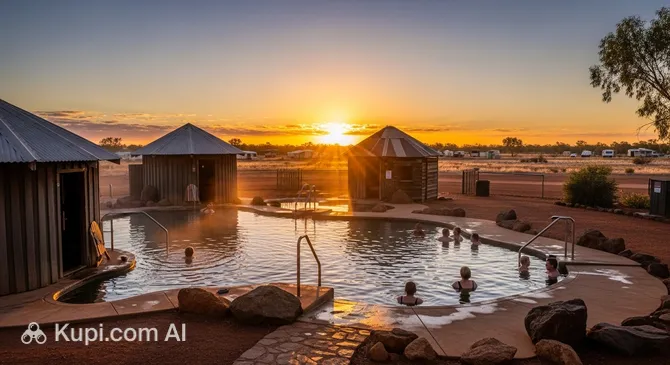
Julia Creek. Source: Kupi.Binoculars

Travelers are often drawn here by the town's unique natural attractions. Julia Creek is famous for being the home of the Julia Creek Dunnart, a rare and shy nocturnal marsupial; visitors can learn about this elusive creature at the award-winning 'At the Creek' Visitor Information Centre. For those seeking relaxation, the Artesian Baths offer a truly rejuvenating experience, allowing guests to soak in mineral-rich waters while enjoying the stunning outback sunset.

Whether you are passing through on a cross-country adventure or visiting for the renowned Dirt N Dust Festival, Julia Creek offers a memorable escape. We invite you to stop, unwind, and experience the genuine charm and tranquility of this unique destination.

Weather Overview

Julia Creek experiences a hot semi-arid climate, characterized by sweltering summers and pleasant, mild winters. Understanding the local conditions is essential for planning your outback adventure, as temperatures can vary significantly throughout the year. Generally, visitors can expect hot summers with some rainfall and comfortable, dry winters perfect for outdoor activities.

The summer months, particularly from December to February, are the hottest time of the year. Average temperatures in December can reach highs of 38.7°C, and while rainfall volume is often low, this period sees the highest frequency of precipitation with up to 9 wet days per month. If you visit during this time, lightweight clothing and sun protection are absolute necessities.

Conversely, the winter season from June to August offers much cooler and drier conditions. During July, the average temperature sits around 19.8°C, with overnight lows dipping to approximately 13.3°C. Rainfall is rare during winter, with months like June often recording zero wet days. For a comprehensive forecast to help you decide when to travel, be sure to check the weather in Julia Creek.

Interesting Facts

Beyond the warm baths and the famous dunnart, Julia Creek holds several unique features that add to its outback charm. This small town is full of delightful surprises that reveal its generous spirit and ancient geological past.

  • A Beacon in the Night: The town's water tower is distinctively shaped like a wineglass and stands 30 meters tall. It serves as a striking landmark visible from a distance; at night, the structure is beautifully illuminated, often glowing in blue, making it a standout feature against the dark outback sky.

  • Free Wheels for Visitors: In a gesture of true country hospitality, the community provides a fleet of free cruiser bikes. Travelers can borrow these bicycles from the Julia Creek Caravan Park to explore the town's streets and sights at a leisurely pace without any rental cost.

  • An Ancient Ocean Bed: Millions of years ago, this arid landscape was submerged under the vast Eromanga Sea. Today, the area is a treasure trove for geology enthusiasts, as the receding waters left behind an abundance of marine fossils, including ammonites and shells found in the local limestone.

  • The Opera House: While the name suggests a grand performance hall, the Julia Creek Opera House has a quirky backstory. It opened in 1973 on the exact same day as the world-famous Sydney Opera House, earning its name through local wit. Rather than concerts, the building serves as a historical gallery, housing an impressive collection of photographs and memorabilia that preserve the district's rich heritage.

How to Get There

Reaching the remote and charming town of Julia Creek is an adventure in itself, often involving a journey through the vast landscapes of Queensland. For travelers looking for all ways to reach the city, a practical method is flying into a nearby regional hub followed by a scenic drive. A convenient option is to arrive at Cloncurry Airport (CNJ) in the city of Cloncurry, which is located about 129 km from Julia Creek. The transfer by rental car from here typically takes approximately 1.5 hours along the highway.

Alternatively, you can choose to fly into Mount Isa Airport (ISA) in Mount Isa. Situated approximately 235 km away, this airport often offers a wider range of connections. The subsequent drive to Julia Creek generally takes between 2.5 to 3 hours, allowing you to experience the rugged beauty of the outback along the way.

For clarity, here is a summary of the main regional airports:

Airport Name City Passenger Traffic Km from City
Mount Isa Airport Mount Isa Medium 235.2
Cloncurry Airport Cloncurry Small 129.4

In addition to air travel, Julia Creek is easily accessible via the Flinders Highway, making it a popular stop for those driving the famous Overlander's Way. The town is also served by the Inlander train, which offers a relaxed and scenic rail journey connecting the coast to the heart of the outback.

Main Attractions

"At the Creek" Visitor Information Centre is much more than just a place to pick up a map; it is the heart of the town's tourism experience. Housed in historic railway fettler's cottages, this award-winning facility features the "Beneath the Creek" interactive display, which offers a deep dive into the region's geology and history. A major highlight here is the daily feeding of the Julia Creek Dunnarts, giving visitors a rare chance to watch these shy, nocturnal marsupials in action. You can also try your hand at a virtual reality cattle muster to get a taste of life on the land.

For a truly unique outback experience, the Julia Creek Artesian Baths are a must-visit. Located at the caravan park, these private bathhouses are designed to resemble corrugated iron water tanks, blending perfectly with the rustic landscape. Guests can relax in large claw-footed tubs filled with naturally heated, mineral-rich water drawn from the Great Artesian Basin. It is an idyllic spot to unwind, especially at sunset when the vast Queensland sky turns a brilliant shade of orange.

History enthusiasts will find plenty to explore at the Duncan McIntyre Museum on Burke Street. The museum preserves the rich heritage of the district, showcasing everything from the wool industry's past to the evolution of local telecommunications. Outside, you can view an impressive collection of vintage machinery, including a Willy Jeep truck and a steam engine. Inside, the displays include ancient fossils from the Eromanga Sea, providing a tangible connection to the time when this arid land was an ocean floor.

Art and history converge at the Spirit of the Light Horse Sculpture, located on the corner of Goldring and Matthews Streets. Created by local artist Sue Tilley, this striking installation pays tribute to the Australian Light Horse Brigade and the ANZAC spirit. The sculpture is crafted from a collection of vintage metal objects found in the local area, adding a layer of authentic rural character to this poignant memorial.

Local Cuisine

The culinary scene in Julia Creek is a reflection of its identity as a thriving hub in the heart of cattle country. Travelers here should not expect haute cuisine, but rather honest, hearty meals prepared with genuine country hospitality. Unsurprisingly, premium local beef is the star of the show. Whether served as a massive rump steak at a local hotel or as a classic burger at a roadhouse, the meat is typically fresh, locally sourced, and cooked to satisfy a hard-earned appetite.

One of the most authentic gastronomic experiences available to visitors is the renowned Bush Dinner held at the local caravan park during the peak tourist season. These communal feasts are a celebration of traditional outback cooking, featuring succulent roasts and vegetables slow-cooked in camp ovens over hot coals. A highlight of these dinners is often the damper, a traditional Australian soda bread baked in the coals, which offers a savory taste of pioneer history.

When it comes to drinks, the culture revolves around beating the outback heat. A classic "cold one"—usually a chilled lager—is the beverage of choice for locals and travelers alike, often enjoyed at the historic Julia Creek Hotel. This venue, affectionately known as the "Top Pub," serves as the social living room of the town. For a non-alcoholic alternative, Billy tea is a cultural staple often served at community events or bush dinners, brewed strong and smoky over an open fire.

The food culture in Julia Creek is defined by its relaxed and social atmosphere. Dining here is rarely a solitary activity; it is an opportunity to swap stories with locals and fellow travelers. Aside from the pubs and the caravan park, visitors can find simple but delicious homemade cakes and strong coffee at the local cafes and the Visitor Information Centre, providing the perfect fuel for those exploring the Overlander's Way.

Travel Tips

Visiting the heart of the Outback requires a bit of local know-how to ensure your trip is as smooth as it is memorable. Here are some practical tips to help you navigate Julia Creek and enjoy the authentic rural lifestyle of North West Queensland.

  1. Clothing and Gear: In the summer months (December to February), the heat can be intense, so lightweight, breathable clothing, a wide-brimmed hat, and high-SPF sunscreen are non-negotiable. Winters bring mild days but crisp, cold nights, so packing a warm jacket is essential. A fly net for your face is highly recommended if you are visiting during the warmer seasons when insects are most active.

  2. Transportation: The town layout is compact and flat, making it easy to explore on foot. A unique local perk is the fleet of free cruiser bikes available at the Caravan Park, which is the most enjoyable way to get around town. While you won't need a car within the settlement, a reliable vehicle is necessary if you plan to explore the surrounding region.

  3. Finances: The local currency is the Australian Dollar (AUD). While major businesses like the pub and fuel stations accept credit cards, it is wise to carry some cash for smaller purchases or local markets. ATM access is available but limited compared to larger cities, so plan your withdrawals accordingly. Tipping is not expected but is always appreciated for good service.

  4. Health and Safety: Dehydration is a real risk in the semi-arid climate; always carry a water bottle, especially if you are soaking in the hot artesian baths. There is a local hospital and a pharmacy for medical needs, but pharmacy hours may be shorter than in the city. In any emergency, dial 000 for assistance.

  5. Communication: English is the primary language spoken. Be aware that mobile phone coverage can be spotty in the Outback; the Telstra network generally provides the best signal in rural Queensland. Free Wi-Fi is available at the "At the Creek" Visitor Information Centre if you need to check maps or send messages.

  6. Local Etiquette: The community is known for its friendliness, so don't be shy to say "G'day" to locals you meet. When driving on rural roads, it is customary to give a small wave to passing drivers—this is known as the "Outback wave." Respect private property and always leave farm gates exactly as you found them.

  7. What to Avoid: Never ignore "Road Closed" signs, even if the road appears dry; outback roads can be treacherous after rain, and fines for bypassing signs are steep. Also, avoid driving at dawn or dusk if possible, as this is when kangaroos and cattle are most active and likely to wander onto the highway.

  8. Check Road Conditions: Before setting off on any day trips, stop by the Visitor Information Centre or check local reports for the latest road conditions. Unsealed roads can change quickly with the weather, and local advice is often the most reliable source of information.

With these tips in hand, you are fully prepared to embrace the laid-back rhythm and rugged beauty of this unique town. We hope your stay is filled with warm baths, stunning sunsets, and the unforgettable hospitality that Julia Creek is famous for.

Entertainment & Nightlife

Entertainment in Julia Creek is defined by the rhythm of the outback, where the setting sun signals a shift from the day's heat to cool, serene evenings. Unlike the neon-lit nightlife of coastal cities, the experience here is grounded in the natural environment and the community's vibrant calendar of events. The nights are less about commercial venues and more about soaking in the vast, open atmosphere that characterizes rural Queensland.

One of the most spectacular evening activities requires no ticket and no reservation: stargazing. With minimal light pollution surrounding the town, the night sky transforms into an endless canopy of brilliance. Visitors can simply step outside to witness the Milky Way stretching across the horizon with a clarity that is rarely seen in urban areas. It is a peaceful, immersive experience that connects travelers with the sheer scale of the landscape.

For those seeking high-energy excitement, the town undergoes a complete transformation during the annual Julia Creek Dirt n Dust Festival. Usually held in April, this event is a major highlight on the Australian tourism calendar, drawing crowds for a weekend of adrenaline and fun. The festival is famous for its grueling triathlon, which tests athletes against the harsh elements, as well as the quirky and beloved Bog Snorkelling championships. The nights during the festival come alive with spectacular bull rides and live outdoor concerts, creating an electric vibe that celebrates the resilient spirit of the bush.

Beyond the major festival, the local social calendar is punctuated by authentic rural gatherings such as campdrafts and horse racing meets. The Julia Creek Turf Club hosts race days that are quintessential outback experiences, where the focus is as much on the "fashions on the field" and socializing as it is on the horses. These events offer a fantastic opportunity to mingle with station owners, ringers, and locals, providing a genuine insight into the culture of the region.

On quieter nights, entertainment is often found in the simple pleasure of an evening walk or a casual gathering. The town's layout encourages leisurely strolls to enjoy the cooling air, where the silence of the plains is only broken by the sounds of local wildlife. It is a place where the entertainment is self-made, driven by conversation, community spirit, and the stunning backdrop of the Australian outback.

Parks & Museums

While the rugged beauty of the outback is the primary backdrop of Julia Creek, the town has cultivated dedicated spaces where nature and history are carefully preserved. For travelers seeking a break from the dusty roads or a deeper understanding of the region's soul, the local parks and cultural venues offer a refreshing and insightful change of pace. These sites allow visitors to connect with both the natural environment and the enduring spirit of the community.

Peter Dawes Park stands as the verdant heart of the town, offering a welcome contrast to the surrounding semi-arid landscape. This well-maintained sanctuary is more than just a recreational space; it is a vital community hub where the lush, green lawns provide a cooling respite from the heat. Travelers will find excellent facilities here, including sheltered picnic tables and free barbecue areas, making it the perfect location for a relaxed lunch. The park also features a modern playground, ensuring that families with children have a safe and enjoyable place to unwind and burn off energy after a long journey.

For those who wish to immerse themselves in the local ecosystem, the Julia Creek Nature Trail offers a serene escape. Winding through the native bushland on the town's fringe, this walking track is designed to showcase the subtle beauty of the Queensland flora. It is an ideal spot for birdwatching, particularly in the cooler hours of the early morning or late afternoon. As you stroll along the path, keep an eye out for iconic local species such as brolgas and bustards, which are frequently spotted foraging in the tall grasses, adding a dynamic element to the peaceful walk.

Another inviting green space is the Lions Park, located at the eastern edge of the town. This open area is easily recognizable by the iconic Dirt n Dust windmill, a symbol of the town's famous annual festival. It provides a spacious grassed area perfect for stretching your legs or enjoying a quiet moment outdoors. The park serves as a pleasant gateway for visitors entering from the east, offering a first glimpse of the community's pride in its public spaces.

A short distance away, the Julia Creek Opera House offers a distinct cultural experience. While its name might spark curiosity—having opened on the same day as its famous Sydney counterpart—the interior is a solemn and fascinating tribute to the people of the district. This venue functions as a visual archive, housing an extensive gallery of historical photographs. These images form a poignant timeline, capturing the faces, celebrations, and hardships of previous generations. It is a place for quiet reflection, where the visual history of the town allows visitors to look directly into the eyes of those who shaped the region.

Getting Around

Due to the intimate size of Julia Creek, the public transport system here differs significantly from what you might find in a bustling metropolis. There is no complex network of subways, trams, or city buses operating within the town limits. Instead, the local transport infrastructure is simple, relaxed, and perfectly suited to the laid-back pace of the outback. Most visitors find that the town is compact enough to navigate easily without relying on motorized public transit.

The most popular and unique form of "public transport" in Julia Creek is the fleet of free cruiser bikes available for visitors. In a wonderful initiative to promote eco-friendly exploration, the local council provides these bicycles at the Julia Creek Caravan Park. There is no complicated payment system, app, or travel card required; you simply sign them out and pedal away. This allows tourists to travel between the museums, the bathhouses, and the shops at their own leisure, enjoying the flat terrain without spending a cent.

For those who prefer not to cycle, walking is a viable and pleasant alternative. The town's grid layout is straightforward, and the main attractions are located within a short distance of one another. Since there are no local bus routes or trolleybuses, you do not need to worry about purchasing tickets, validating passes, or checking operating hours for intra-town travel. The streets are wide and generally quiet, making pedestrian navigation safe and stress-free.

While there is no internal metro, the town is served by a significant piece of regional rail infrastructure: The Inlander. This passenger train connects Julia Creek to the coast and other outback centers, stopping at the local railway station. It operates on a twice-weekly schedule, offering a comfortable, air-conditioned journey with reclining seats. Tickets for the train must be booked in advance via the Queensland Rail website or at a travel center, as there are no ticket machines on the platform. Prices vary depending on the season and seat class, so early booking is recommended.

Regarding taxis and ride-sharing apps, options are extremely limited or non-existent compared to larger cities. You will not find Uber or frequent taxi ranks patrolling the streets. If you require a vehicle to explore the surrounding region beyond the town limits, renting a car is the most practical solution. However, car rental agencies are typically located in the larger neighboring hubs like Mount Isa or Cloncurry, so it is advisable to arrange your vehicle before arriving in Julia Creek.

Long-distance coaches also stop in the town, providing another link to the wider region. Like the train, these services require pre-purchased tickets. For tourists, the lack of a complex internal transport system is actually a benefit; it removes the stress of navigating maps and schedules, allowing you to slow down and experience the genuine charm of this rural community on foot or by bike.

Accommodation

Accommodation:

Accommodation in Julia Creek reflects the town's welcoming and unpretentious character. As a small outback community, the options are not vast, but they are comfortable, clean, and imbued with genuine country hospitality. Visitors can generally choose between well-equipped motels, traditional pub-style rooms, and excellent camping or caravan facilities. There are no 5-star luxury resorts here; instead, you will find practical and cozy lodgings designed to provide a restful stopover for travelers exploring the Overlander's Way.

Most accommodation options are conveniently located along or near the Flinders Highway, which runs through the town. This central positioning means that no matter where you stay, you are likely within walking distance of the main street, the "At the Creek" Visitor Information Centre, and local dining spots. The compact nature of the town ensures that you are never far from the conveniences you need or the attractions you came to see.

A standout option for many visitors is the local caravan park, which is widely renowned across Queensland. Far from being just a place to park a van, it offers modern self-contained cabins for those traveling without camping gear. This location is particularly famous for housing the Artesian Baths, allowing guests to combine their stay with a unique therapeutic experience. For those preferring solid walls and standard amenities, the local motels provide air-conditioned rooms, often with parking right at your door, making them ideal for weary drivers.

When planning your trip, it is important to consider the season. While you can often find a room on arrival during the hotter summer months, the peak tourist season from April to September sees a significant influx of travelers and road trippers. During this cooler period, and especially during the annual Dirt n Dust Festival in April, accommodation is in extremely high demand. It is highly recommended to book your stay well in advance to avoid disappointment.

Price-wise, staying in Julia Creek is generally affordable to mid-range. The cost of a night in a motel or cabin is reasonable compared to coastal tourist hotspots. While some properties appear on major online booking platforms, many local businesses still prefer or offer better rates through direct telephone bookings. Calling ahead not only secures your room but often gives you a chance to have a friendly chat with the owners about current road conditions and local tips.

Nearby Cities

For travelers eager to explore the wider region, Julia Creek serves as a strategic starting point for visiting several iconic outback destinations. Whether you are interested in mining history, aviation heritage, or simply soaking up the vast landscapes, there are fascinating towns within driving distance.

Located approximately 129 kilometers to the west, Cloncurry is the closest major neighbor and a town steeped in history. Known as the "Friendly Heart of the Great North West," it is famous for being the birthplace of the Royal Flying Doctor Service. Visitors can delve into this proud legacy at the John Flynn Place Museum or enjoy a relaxing afternoon at the scenic Chinaman Creek Dam.

Further west lies the bustling industrial hub of Mount Isa, often referred to as the "Oasis of the Outback." As one of the most significant mining cities in the world, it offers unique attractions such as the Hard Times Mine Tour and the Underground Hospital and Museum. The city provides a stark contrast to the smaller rural townships, featuring a wide range of amenities and hosting the largest rodeo in the Southern Hemisphere.

For those willing to venture further to experience the heart of Queensland's pioneer history, Longreach is a pivotal destination. Home to the Qantas Founders Museum and the Australian Stockman's Hall of Fame, this town captures the spirit of the bush legend. Although it requires a longer journey, it is an essential stop for anyone wanting to understand the heritage of rural Australia.

City Population Distance (km)
Mount Isa 21000 235
Charters Towers 8126 476
Longreach 2970 402
Cloncurry 2800 129
Barcaldine 1422 486

These nearby locations offer a diverse mix of experiences, from the rich gold rush architecture of the east to the rugged industrial power of the west, allowing travelers to fully appreciate the variety of the Queensland outback.

Shopping & Souvenirs

Shopping in Julia Creek is a relaxed and authentic experience that reflects the town's small-scale, community-focused lifestyle. Unlike larger coastal cities, this outback settlement does not feature high-end fashion boutiques or sprawling retail complexes. Instead, visitors will find a selection of essential services and locally owned businesses that cater to both residents and travelers passing through along the Overlander's Way. The shopping scene here is about practical necessities and unique regional mementos, served with a smile and a chat with the friendly locals.

The commercial heart of the town is centered along Burke Street, which serves as the main high street. This strip is where you can find the town's primary grocery store, a newsagency, and a few specialty shops. It is a compact area that is easily walkable, allowing you to pick up supplies, grab a newspaper, or browse for small items without needing to drive from place to place. The atmosphere is unhurried, and it is common for shop owners to know their customers by name.

Travelers should be aware that there are no shopping malls or department stores in Julia Creek. The retail landscape is defined by independent, street-front businesses rather than enclosed centers. For major retail therapy or specialized electronics and clothing, locals typically travel to the larger regional hubs of Mount Isa or Townsville. In Julia Creek, the focus is strictly on convenience and supporting local traders.

While the town does not host permanent daily markets, the community spirit shines through in its support for local producers. The "At the Creek" Visitor Information Centre effectively doubles as a marketplace for regional goods. Here, tourists can browse a curated selection of locally made handicrafts, pottery, and artworks created by residents of the McKinlay Shire. It is the best place to find one-of-a-kind items that truly represent the artistic talent of the region.

When it comes to souvenirs, the best keepsakes are those that capture the essence of the outback. Popular items include merchandise featuring the Julia Creek Dunnart, the town's famous marsupial mascot. Additionally, foodies should not leave without visiting the local butcher on Burke Street. The town is renowned for its high-quality beef, and picking up some locally smoked jerky or award-winning sausages is a must for any meat lover. Local honey and homemade jams are also frequently available at the Visitor Centre.

Store opening hours in Julia Creek follow a traditional rural schedule. Most businesses on Burke Street operate from approximately 9:00 AM to 5:00 PM on weekdays. On Saturdays, shops often close by 12:00 PM, and almost all retail outlets are closed on Sundays. Payment methods are modern, with most businesses accepting major credit and debit cards, though carrying a small amount of cash is always advisable for minor purchases or fundraising stalls.

Reached the end of the page?

That means the route is fully explored