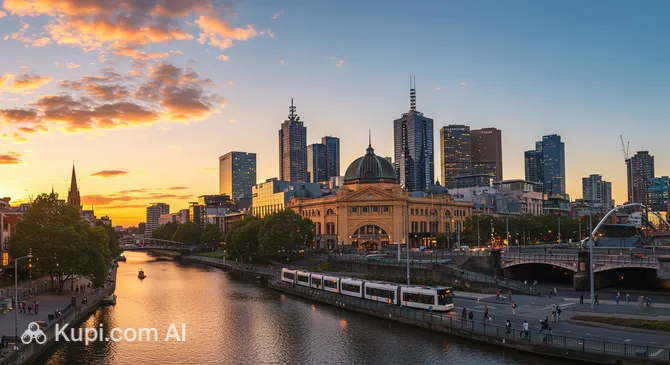
Melbourne is the vibrant coastal capital of the southeastern state of Victoria and is widely celebrated as the cultural heartbeat of the continent. Known for its artistic spirit, world-class coffee culture, and passion for sports, this dynamic metropolis offers a unique blend of European style and Australian ease. Whether you are exploring its bustling city center or relaxing by the bay, the city promises an unforgettable experience for every traveler.
With a population of approximately 4.5 million people, the city is a major hub in Australia. Geographically, it sits at the head of Port Phillip Bay and extends towards the Dandenong and Macedon ranges. The local climate is famous for its variability, often described as having "four seasons in one day," which adds a distinctive character to daily life here. Despite the changeable weather, the city remains a year-round destination with plenty of indoor and outdoor activities.
Melbourne. Illustration.
Source: Kupi.com AI
The fascinating history of Melbourne is woven into the fabric of its streets, particularly visible in the well-preserved Victorian-era architecture that dates back to the gold rush boom of the 1850s. Today, this heritage blends seamlessly with modern design. Visitors are often drawn to the iconic Federation Square, the lush landscapes of the Royal Botanic Gardens, and the city's famous laneways, which are hidden treasure troves of street art, boutique shops, and cozy cafes.
From its culinary delights to its major sporting events, Melbourne is a city that invites exploration. It is a place where creativity thrives and where visitors are welcomed with open arms. If you are looking for a destination that combines urban excitement with relaxed charm, this captivating city should definitely be at the top of your travel list.
Weather Overview
Travelers should pack for a temperate climate that offers distinct experiences depending on the season. The weather in Melbourne generally features warm, pleasant summers and cool, crisp winters. January is typically the hottest time of year, with average temperatures around 20.9°C and highs climbing to 26.3°C, offering ideal conditions for enjoying the city's outdoor attractions.
In contrast, the middle of the year brings a distinct chill, requiring warmer layers. July is usually the coldest month, with average temperatures dropping to 9.6°C and lows of 6.5°C. Although recorded precipitation volume remains consistently low throughout the year, the frequency of rain varies significantly; you can expect up to 13 wet days in August compared to just 4 in February. Overall, visitors can expect warm summers with fewer rainy days and cool winters with more frequent showers.
Average monthly temperature
Average monthly precipitation
Interesting Facts
Beyond the coffee culture and sporting events, Melbourne holds a treasure trove of fascinating stories and records. Here are a few surprising facts that reveal the unique character of this Australian metropolis.
A Unique Name: Before settling on its current name in 1837, the city went by several unusual monikers. It was briefly known as "Batmania" after one of its founders, John Batman, and was also referred to as "Bearbrass" by early settlers before being named in honor of the British Prime Minister, William Lamb, 2nd Viscount Melbourne.
Historic Chinatown: Established during the gold rush of the 1850s, Chinatown Melbourne is recognized as the longest continuous Chinese settlement in the Western World. Unlike others that have moved or been re-established, this vibrant district has thrived in the exact same location for over 170 years.
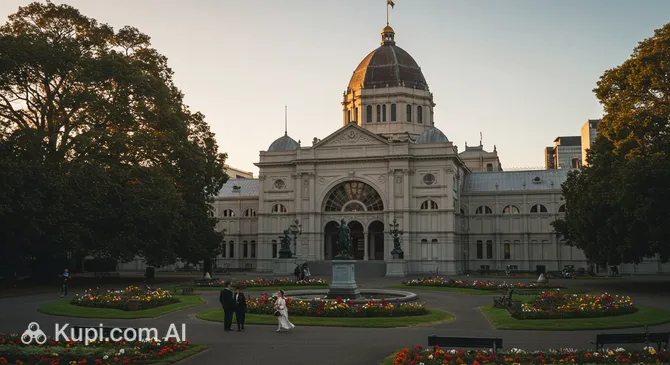
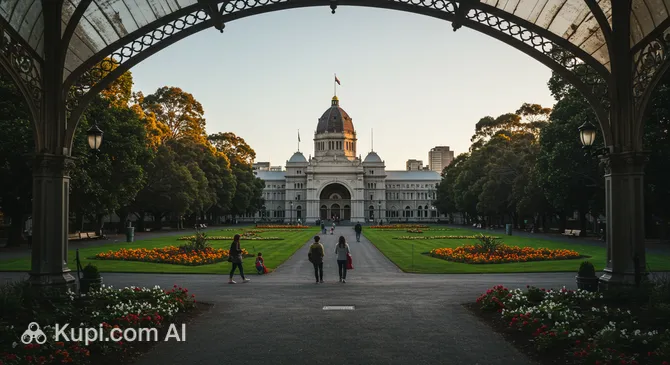
World Heritage Architecture: The magnificent Royal Exhibition Building holds the distinction of being the first building in Australia to be awarded UNESCO World Heritage status. It stands as one of the few remaining major 19th-century exhibition halls globally, originally built for the 1880 Melbourne International Exhibition.
Tram Capital: The city possesses the largest operational tram network in the world. With over 250 kilometers of double track and hundreds of routes, these trams are an iconic part of the urban landscape and a primary mode of transport for locals.
Aviation Innovation: The "black box" flight recorder, a critical device for aviation safety used worldwide, was invented right here. Dr. David Warren developed the first prototype in 1958 at the Aeronautical Research Laboratories in Fisherman's Bend, forever changing air travel safety.
Royal Exhibition Building. Illustration.
Source: Kupi.com AI
Traveler photos:
How to Get There
As a major gateway to Australia, the city is well-connected and easily accessible for international and domestic travelers alike. Whether you are flying in from overseas or hopping over from another Australian city, you will find modern facilities to welcome you. For detailed information on logistics and transfer options, you can read more about how to get to Melbourne to plan your arrival smoothly.
The primary entry point for most visitors is Tullamarine Airport (IATA: MEL), located approximately 19 km from the city center. As a major international hub with very high passenger traffic, it serves as the main artery for the region. The journey into the city is relatively quick; a taxi or shuttle ride typically takes around 50 minutes, depending on traffic conditions. It offers a wide range of services and connections to destinations worldwide.
Another viable option, particularly for budget domestic carriers, is Avalon Airport (IATA: AVV). Although it is situated further out, about 50 km from the central business district, it is a convenient alternative for many travelers. A transfer by car or bus from here generally takes about 1 hour and 35 minutes. While smaller in scale compared to the main hub, it provides a relaxed and efficient arrival experience.
For clarity, here is a summary of the main airports:
There is no shortage of things to see and do in this vibrant metropolis, from sprawling green spaces to world-class sporting venues. Whether you are a history buff, an art enthusiast, or simply looking to soak up the local atmosphere, the city offers a diverse range of experiences. Here are some of the top places you should include in your itinerary.
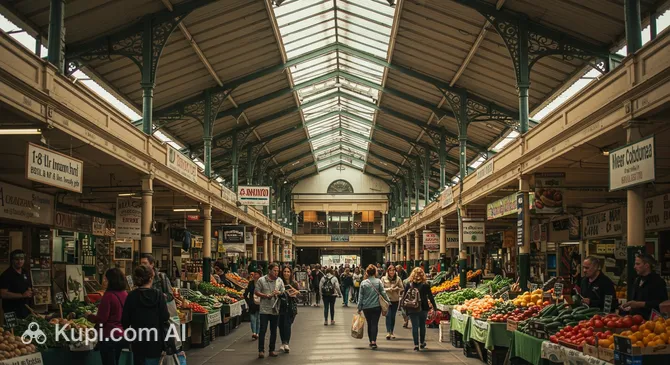
A true icon of the city is the Queen Victoria Market. Established in the 19th century, this bustling marketplace is much more than just a place to shop; it is a historic landmark and a culinary destination. Visitors can wander through the heritage sheds to find fresh local produce, gourmet delicacies, and unique souvenirs. It is the perfect spot to grab a hot doughnut, browse for handmade crafts, and experience the lively energy that has defined the market for over 140 years.
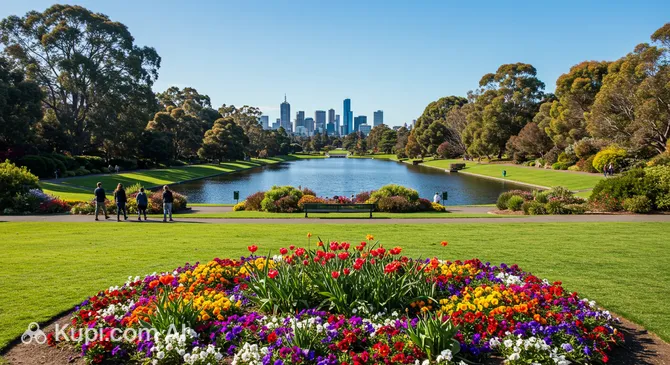
For a peaceful escape from the urban rush, the Royal Botanic Gardens Melbourne offers a stunning sanctuary right in the heart of the city. Spanning 38 hectares, these beautifully landscaped gardens feature thousands of plant species from around the world. It is a favorite spot for picnics, leisurely walks, and enjoying nature. The gardens are not only visually spectacular but also play a vital role in conservation and education.
Royal Botanic Gardens Melbourne. Illustration.
Source: Kupi.com AI
Traveler photos:
Art lovers should head straight to the National Gallery of Victoria, often referred to as the NGV. As Australia's oldest and most visited art museum, it houses an impressive collection that ranges from classical European masterpieces to contemporary Indigenous art. The building itself is an architectural gem, featuring the famous water wall entrance and the magnificent stained-glass ceiling in the Great Hall, making it a feast for the eyes before you even see the exhibits.
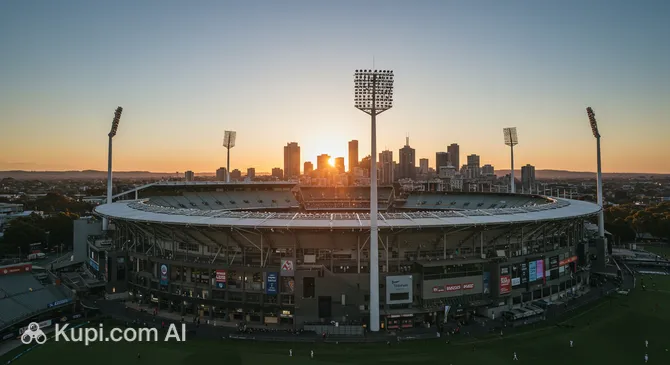
No visit to the sporting capital of Australia would be complete without seeing the Melbourne Cricket Ground. Known locally as "The G," this massive stadium is steeped in history and can hold over 100,000 spectators. Whether catching a thrilling cricket match in the summer or an Australian Rules Football game in the winter, the atmosphere here is electric. Tours are also available for those who want to see the hallowed turf and explore the inner workings of this legendary venue.
Melbourne Cricket Ground. Illustration.
Source: Kupi.com AI
Traveler photos:
For a dose of nostalgia and seaside fun, make your way to St Kilda to visit Luna Park Melbourne. Famous for its giant smiling face entrance, this historic amusement park has been entertaining generations of locals and tourists since 1912. It features the oldest continually operating roller coaster in the world, the Great Scenic Railway, which offers fantastic views of Port Phillip Bay as you ride the rails.
Local Cuisine
Melbourne is widely regarded as the culinary capital of Australia, offering a gastronomic landscape that is as diverse as its population. The city's food scene is a vibrant melting pot of cultures, heavily influenced by waves of immigration from Italy, Greece, Vietnam, and China. For food lovers, the city serves up everything from high-end fusion dining to gritty, hidden laneway eateries, ensuring that every meal is an adventure.
You simply cannot talk about this city without mentioning its obsession with coffee. The local coffee culture is bordering on religion, and the baristas here are world-renowned for their skill. To blend in with the locals, order a "Flat White," a creamy espresso-based drink that has become an Australian icon. Whether you are in a chic cafe in Fitzroy or a hole-in-the-wall spot in the CBD, the quality of the brew is consistently exceptional.
When it comes to iconic dishes, the "Parma" (Chicken Parmigiana) reigns supreme in the local pub culture. This breaded chicken schnitzel topped with tomato sauce, ham, and melted cheese is a hearty staple found on almost every pub menu. Another culinary phenomenon here is the all-day brunch. Locals take their breakfast seriously, and you will find creative variations of smashed avocado on sourdough toast, often paired with poached eggs and feta, at cafes across the city.
For a true taste of local ingredients and street food, a visit to the South Melbourne Market is essential. It is the oldest continuing market in the city and a fantastic place to sample the famous "South Melbourne Dim Sim," a large, tennis-ball-sized dumpling that has been a local favorite for decades. The market is also packed with delis, bakeries, and food stalls offering fresh oysters and gourmet pastries.
South Melbourne Market. Illustration.
Source: Kupi.com AI
Traveler photos:
As the sun sets, the city's nightlife comes alive, particularly in its famous rooftop bars which offer stunning skyline views alongside creative cocktails. The climate is perfect for open-air drinking in the warmer months. Venues like the QT Rooftop Bar provide a sophisticated atmosphere where you can sip on locally produced wines from the nearby Yarra Valley or enjoy a craft beer while soaking up the urban energy.
Travel Tips
Preparing for a trip to Melbourne is exciting, but a little local knowledge goes a long way in making your visit stress-free. These practical tips will help you navigate the city's unique quirks, from its famous variable weather to its specific transport rules, so you can focus on enjoying your stay.
Clothing and Gear: The city is renowned for having "four seasons in one day," so layering is the golden rule. Even in summer, pack a light, breathable waterproof jacket or a sweater, as temperatures can drop quickly. Comfortable walking shoes are essential for exploring the famous laneways. Most importantly, bring a hat and high-SPF sunscreen; the sun here is incredibly strong due to the thinner ozone layer.
Transportation: To use trains, trams, and buses, you will need a reusable smartcard called myki, which you can buy at stations and convenience stores (cash is not accepted on board). However, travel within the central business district's designated Free Tram Zone is free, and you do not need to "touch on" your card within this area. For all other zones, remember to touch on and off to avoid fines.
Finances: The local currency is the Australian Dollar (AUD). This is a very card-friendly city, and "tap-and-go" contactless payments are accepted almost everywhere, from market stalls to cafes. Tipping is not mandatory in Australia as staff earn a living wage, but leaving a 10% tip for exceptional service at restaurants is appreciated.
Health and Safety: The city is generally very safe, but as with any major metropolis, keep an eye on your belongings in crowded areas. For emergencies, dial 000. Pharmacies (often called "chemists") are widely available. Be vigilant about sun safety; UV levels can be extreme even on cloudy days, so apply sunscreen regularly.
Communication: English is the main language, often spoken with local slang that might take a moment to get used to. Free Wi-Fi is available in the city center (VicFreeWiFi) and at major transport hubs. For mobile data, it is easy to pick up a prepaid SIM card from providers like Telstra, Optus, or Vodafone at the airport or supermarkets.
Local Etiquette: Australians are generally relaxed and friendly; a casual "Hi" or "G'day" is a standard greeting. When using escalators, especially during rush hour at train stations, always stand on the left and walk on the right. Blocking the right-hand side is a major faux pas that annoys locals.
What to Avoid: Do not cross the road without looking right first, as traffic drives on the left. Also, avoid forgetting to validate your myki card immediately after the Free Tram Zone ends; inspectors are frequent and strict, and "I didn't know" is rarely accepted as an excuse.
Coffee Culture Tip: You are visiting a global coffee capital, so take advantage of it. Don't just ask for "a coffee." Try ordering a Flat White (an Australian invention similar to a latte but with less foam) or ask for a "Magic" (a double ristretto 3/4 flat white) to drink like a true local.
With these tips in hand, you are ready to dive into the vibrant life of the Victorian capital. Embrace the spontaneous weather, enjoy the world-class culinary scene, and explore the diverse neighborhoods with the confidence of a local.
Entertainment & Nightlife
Entertainment and Nightlife:
When the sun goes down, Melbourne transforms into a bustling playground that caters to every taste, from sophisticated cocktail enthusiasts to live music lovers. The city is famous for its "hidden" nightlife culture, where the best venues are often tucked away behind nondescript doors in laneways, up narrow staircases, or on rooftops. Exploring these secret spots is an adventure in itself, revealing a world of intimate speakeasies, vibrant clubs, and cozy wine bars.
Different neighborhoods offer distinct vibes. The CBD (Central Business District) is the heart of the laneway bar scene and rooftop venues. For a grittier, bohemian atmosphere, head north to Fitzroy and Collingwood, particularly along Brunswick Street and Smith Street, where you will find alternative crowds, craft beer, and live bands. If you prefer glamour and high-energy clubbing, Chapel Street in South Yarra and Prahran is the place to see and be seen, lined with fashionable bars and late-night dance floors. St Kilda offers a relaxed seaside vibe with historic pubs and music venues.
For a sophisticated evening of live music, the Paris Cat Jazz Club is a must-visit institution. Tucked away in a city laneway, this intimate venue channels the spirit of 1930s France and hosts some of the finest local and international jazz artists. It is the perfect spot for a romantic night out or a relaxed evening with friends, offering a refined atmosphere and excellent acoustics.
If you are looking for a quintessential Fitzroy experience, Blackcat Fitzroy is a local icon. Located on Brunswick Street, this bar exudes cool with its retro decor, comfortable couches, and DJ sets that spin funk and soul. It transitions seamlessly from a chilled afternoon hangout to a lively nightspot, attracting a diverse and creative crowd.
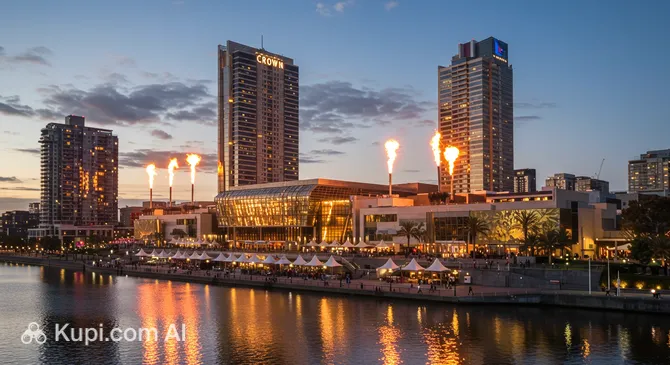
For those seeking a large-scale entertainment complex, Crown Melbourne on the Southbank promenade offers everything under one roof. As a massive resort and casino, it features luxury shopping, high-end restaurants, nightclubs, and bars. It is a hub of activity 24/7 and is particularly dazzling at night when the gas brigades shoot fireballs into the sky along the riverfront.
Crown Melbourne. Illustration.
Source: Kupi.com AI
Traveler photos:
Practicalities are important for a smooth night out. Most bars stay open late, often until 1:00 AM or 3:00 AM, while nightclubs can go until dawn. The dress code varies significantly: it is generally relaxed and casual in the northern suburbs like Fitzroy, but stricter in the CBD and Chapel Street clubs where smart casual or dressy attire is expected. Drink prices are standard for a major Australian city, with cocktails typically costing between $20 and $25 AUD.
Getting around at night is convenient thanks to the Night Network. On weekends (Friday and Saturday nights), trains, trams, and buses run all night, making it easy and safe to get home. Taxis and rideshare services are also plentiful. The city is generally safe for night walks, especially in busy areas like Southbank and the CBD, but it is always wise to stick to well-lit streets and avoid unlit parks after dark.
While the nightlife is legendary, the city also offers exceptional daytime entertainment. Culture vultures can explore the Melbourne Museum in Carlton Gardens to dive into natural history and cultural heritage. Film and digital culture enthusiasts should not miss ACMI (Australian Centre for the Moving Image) at Federation Square, which offers interactive exhibits. Families looking for fun can head to the LEGOLAND Discovery Centre Melbourne for an immersive experience with millions of LEGO bricks.
Parks & Museums
Often referred to as Australia's "Garden City," the Victorian capital balances its urban energy with an abundance of lush green spaces and deep-rooted cultural institutions. From heritage-listed gardens that tell stories of the 19th century to world-class galleries preserving the nation's memory, the city offers diverse environments for relaxation and reflection.
Just a short walk from the city center lies the magnificent Carlton Gardens. This World Heritage-listed site is a stunning example of Victorian-era landscape design, featuring sweeping lawns, ornamental lakes, and grand avenues of European trees. It serves as the picturesque setting for the Royal Exhibition Building and the Melbourne Museum. Visitors love to stroll through the manicured grounds, admire the Hochgurtel Fountain, and enjoy a peaceful picnic in the shadow of history.
Carlton Gardens. Illustration.
Source: Kupi.com AI
Traveler photos:
For a completely different natural experience, travelers can venture slightly out of the city to Organ Pipes National Park. This geological wonder is named after its most famous feature: a set of hexagonal basalt columns that resemble towering organ pipes, formed by cooling lava over a million years ago. It is a fantastic spot for hiking and birdwatching, offering a rugged contrast to the manicured city parks and a glimpse into the ancient volcanic history of the region.
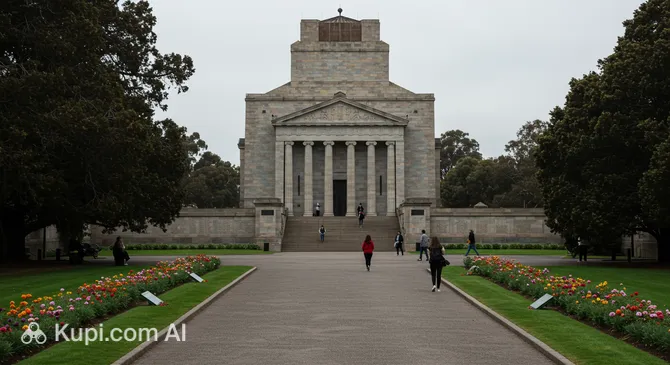
Immersing yourself in the city's history is best done at the Shrine of Remembrance. Originally built to honor the men and women of Victoria who served in World War I, it now stands as a memorial to all Australians who have served in war. Beyond its solemn architecture and the eternal flame, the site houses extensive galleries beneath the shrine that educate visitors about Australia's military history. Climbing to the balcony offers one of the best panoramic views of the city skyline.
Shrine of Remembrance. Illustration.
Source: Kupi.com AI
Traveler photos:
Another cultural cornerstone is the State Library Victoria. While technically a library, it functions as a major cultural museum and is one of the city's most visited landmarks. The centerpiece is the breathtaking La Trobe Reading Room, with its massive domed ceiling and octagonal layout. The library hosts changing exhibitions on literature and history, and it famously displays the original armor worn by the notorious bushranger Ned Kelly, a must-see for anyone interested in Australian folklore.
For those seeking a hidden gem within the greenery, look for Guilfoyle's Volcano within the Royal Botanic Gardens. This historic water reservoir was built in 1876 and has been transformed into a striking succulent garden. It offers commanding views of the city and showcases a unique collection of drought-tolerant plants, making it a fascinating stop for gardening enthusiasts and photographers alike.
Getting Around
Navigating Melbourne is a delightful experience, thanks to its integrated and efficient public transport network operated by Public Transport Victoria (PTV). The city is famous for having the world's largest tram network, which serves as the primary mode of travel within the inner suburbs and the central business district. Complementing the trams is an extensive train system that connects the city center to outer suburbs and beaches, as well as a comprehensive bus network that fills the gaps in areas not serviced by rail.
For tourists spending time in the city center, the Free Tram Zone is a fantastic benefit. This zone encompasses the entire central business district (CBD) and Docklands, allowing you to hop on and off any tram within these boundaries without paying a cent. You do not need a ticket or card to travel in this zone; simply board the tram and enjoy the ride. Announcements on board usually indicate when you are approaching the boundary of the free zone.
To travel outside the Free Tram Zone or to use trains and buses, you will need a myki card. This reusable smart card is your passport to the city's transport system. You can purchase a physical myki card at 7-Eleven stores, train station ticket machines, or the PTV Hub at Southern Cross Station. Alternatively, visitors with Android or iPhone devices can use Mobile myki, which allows you to add a digital card to your phone's wallet app, eliminating the need for a plastic card entirely.
The fare system is based on zones and time. Most tourist attractions are located within Zone 1. Fares are automatically calculated, and there is a daily cap (approximately $10.60 AUD for full fare), meaning once you reach this limit, all subsequent travel that day is free. To use the system, you must "touch on" your myki at the reader when boarding. For trains and buses, you must also "touch off" when you exit. However, on trams, you only need to touch on; you generally do not need to touch off unless your trip is entirely within the outer Zone 2.
Public transport typically runs from around 5:00 AM until midnight. On Fridays and Saturdays, the Night Network keeps the city moving all night long, with trains, trams, and buses running hourly or more frequently 24 hours a day. This is particularly convenient for visitors enjoying the city's vibrant nightlife or returning from late sporting events. For trip planning, the PTV app is highly recommended, offering real-time updates and journey mapping.
A unique feature that every visitor should experience is the City Circle Tram (Route 35). These heritage W-class trams, easily recognizable by their burgundy and gold livery, loop around the perimeter of the CBD. Not only is the ride free, but it also features audio commentary providing historical facts about the landmarks you pass, making it a "museum on wheels" and a perfect introduction to the city's layout.
While public transport is the most popular way to get around, other options are readily available. Rideshare services like Uber and DiDi are widely used and offer a convenient alternative to traditional taxis. For short trips, the city is very bike-friendly, with dedicated lanes and electric bike or scooter rental schemes (such as Lime and Neuron) accessible via smartphone apps. However, given the flat terrain and grid layout of the city center, walking often remains the best way to uncover the hidden laneways and street art.
Accommodation
Finding the perfect place to stay in Melbourne is easy, as the city offers a diverse range of accommodation options to suit every budget and travel style. From gritty, social backpacker hostels and heritage-listed boutique hotels to sprawling luxury resorts and self-contained apartments, the choices are abundant. Whether you are looking for a room with a skyline view or a cozy spot in a trendy suburb, the city's hospitality sector is well-equipped to welcome you.
For most first-time visitors, the Central Business District (CBD) is the most convenient area to base yourself. Staying here puts you within walking distance of major attractions, shopping malls, and the central transport hubs. If you prefer a more scenic, upscale environment, Southbank along the Yarra River offers modern high-rises and easy access to the arts precinct. Alternatively, travelers seeking a bohemian vibe or beachside relaxation often head to Fitzroy or St Kilda, where the atmosphere is more relaxed and the nightlife is vibrant.
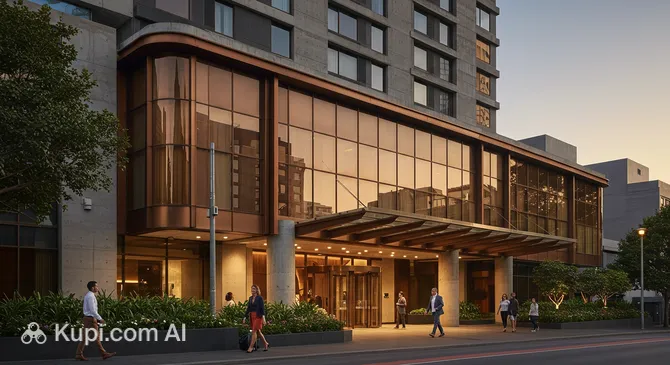
For those seeking a high-end experience right in the heart of the action, the Grand Hyatt Melbourne is a standout choice. Located on the prestigious Collins Street, this hotel is renowned for its luxury amenities and proximity to the city's best high-fashion boutiques and theatres. It serves as an excellent example of the top-tier hospitality available in the city center.
Grand Hyatt Melbourne. Illustration.
Source: Kupi.com AI
Traveler photos:
If you prefer the flexibility of apartment-style living, particularly near the cultural hub of Fitzroy, the Metropole Central Apartment Hotel is a popular option. This type of accommodation is ideal for families or longer stays, offering more space and the convenience of kitchen facilities while still being close to the city's famous dining strips.
Booking Tip: The city hosts several major international events throughout the year, such as the Australian Open in January and the Formula 1 Grand Prix in March. During these times, accommodation prices can skyrocket, and availability becomes scarce. It is highly recommended to book your stay several months in advance if your trip coincides with these peak periods.
In terms of pricing, budget travelers can expect to pay between $30 and $80 AUD per night for a hostel bed. Mid-range hotels typically range from $150 to $250 AUD, while luxury options generally start from $300 AUD and go upwards. Booking is most commonly done through major online travel platforms, though booking directly with hotels can sometimes yield better perks or cancellation policies.
Nearby Cities
For those wishing to venture beyond the capital, the region offers several fascinating destinations within easy reach. Whether you are seeking coastal charm, botanical wonders, or a gateway to further adventures, these nearby cities make for excellent day trips or short excursions.
Located approximately 65 kilometers southwest, Geelong is a vibrant port city that serves as the gateway to the famous Great Ocean Road. Visitors can stroll along the spectacular waterfront, famous for its painted Baywalk Bollards and the 19th-century carousel. The city blends industrial heritage with a lively creative scene, offering plenty of dining and cultural experiences by the bay.
To the southeast lies Frankston, a coastal hub often described as the entrance to the Mornington Peninsula. Known for its expansive sandy beach and scenic pier, it is a popular spot for seaside relaxation. The city also hosts an annual sand sculpting exhibition that draws crowds from all over, adding an artistic touch to its natural appeal.
Nature enthusiasts should consider a visit to Cranbourne, situated about 43 kilometers from the city center. It is renowned for hosting the Royal Botanic Gardens Cranbourne, which features the award-winning Australian Garden. This dramatic landscape showcases the diversity of native flora in a contemporary setting, making it a unique destination for walking and photography.
Here is a summary of these and other nearby locations accessible from Melbourne:
Widely recognized as the fashion capital of the country, Melbourne offers a retail experience that ranges from high-end luxury to eclectic vintage finds. The city’s shopping scene is defined by its diversity, blending glitzy modern complexes with historic 19th-century arcades and gritty laneways filled with independent boutiques. Whether you are hunting for international designer labels or unique locally made crafts, the options here are endless.
The heart of the action in the city center is the Bourke Street Mall, a bustling pedestrian-only strip that houses the flagship stores of major department retailers like Myer and David Jones. Just a short walk away, the "Paris end" of Collins Street offers a sophisticated atmosphere lined with prestigious global fashion houses and heritage architecture. For those who prefer a trendier vibe, Chapel Street in South Yarra and Prahran is famous for its mix of upmarket fashion, streetwear, and second-hand treasures.
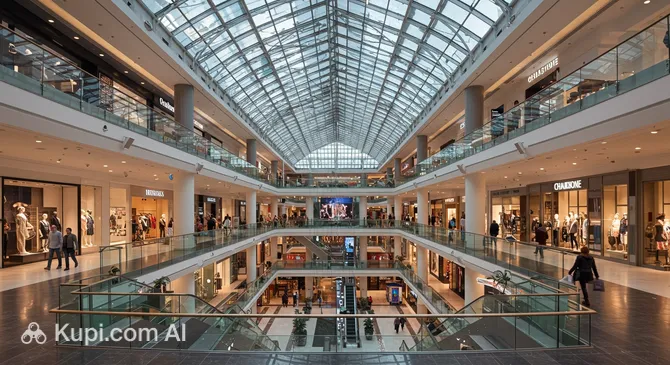
For a comprehensive shopping experience under one roof, the city boasts several impressive malls. Melbourne Central is a key landmark in the CBD, uniquely built around a historic shot tower that has been preserved within a modern glass cone. It connects seamlessly to the railway station and offers hundreds of stores alongside entertainment facilities.
If you are willing to venture a bit further out, Chadstone Shopping Centre is an absolute must-visit. Located in the southeastern suburbs, it claims the title of the largest shopping centre in the Southern Hemisphere. Known as "The Fashion Capital," it features over 500 stores, including luxury boutiques and flagship retailers, making it a destination in its own right.
Chadstone Shopping Centre. Illustration.
Source: Kupi.com AI
Traveler photos:
Markets are an integral part of the local culture and are perfect for finding unique gifts. The historic Queen Victoria Market is the best spot for tourists to browse for souvenirs, clothing, and Australian handicrafts in a lively open-air setting. For a more local feel, the South Melbourne Market offers excellent homewares, fashion stalls, and artisanal products, providing a glimpse into the lifestyle of the city's residents.
When looking for souvenirs to take home, authenticity is key. Popular items include Aboriginal art and artifacts (ensure they are certified authentic), jewelry featuring Australian opals, and high-quality merino wool clothing. Sheepskin boots are a classic choice for comfort, while foodies might appreciate a bag of locally roasted coffee beans or a bottle of wine from the nearby Yarra Valley.
Standard shopping hours are generally from 9:00 AM or 10:00 AM to 5:00 PM, seven days a week. However, the city hosts "late-night shopping" where stores in the CBD stay open until 9:00 PM on Thursdays, and suburban centers like Chadstone often stay open late on Thursdays and Fridays. Payment is incredibly convenient, with credit and debit cards accepted almost everywhere; in fact, many smaller cafes and boutiques now operate as cashless venues.
International travelers should also be aware of the Tourist Refund Scheme (TRS). If you spend $300 AUD or more (including GST) at a single business within 60 days of your departure, you may be eligible to claim a refund of the Goods and Services Tax upon leaving the country. Be sure to keep your original tax invoices and present them at the TRS facility at the airport.