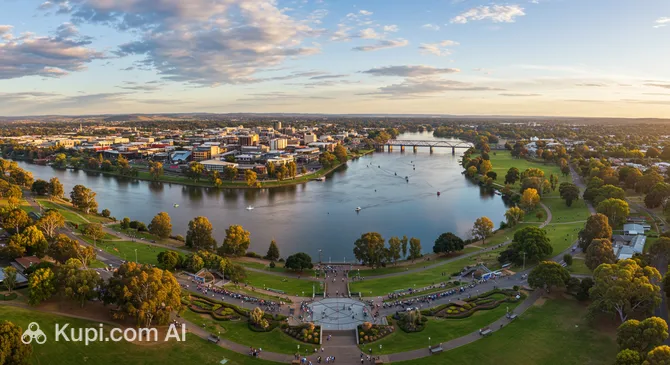
Nestled on the banks of the mighty Murray River, Albury is a vibrant regional city that offers a perfect blend of urban energy and country charm. As a major gateway between New South Wales and Victoria, this bustling destination is known for its tree-lined streets, heritage architecture, and a welcoming atmosphere that captivates visitors from across Australia and beyond.
Albury. Illustration.
Source: Kupi.com AI
Geographically, Albury serves as a key regional hub, often paired with its twin city, Wodonga, across the river. The city enjoys a temperate climate with four distinct seasons, making it a delightful place to explore year-round. While the history of Albury is deeply rooted in its colonial past and the gold rush era, the city has evolved into a modern cultural center with a thriving arts scene and dynamic culinary landscape.
Travelers are drawn to the stunning Albury Botanic Gardens, which have been established for over a century and feature exotic flora and peaceful walking paths. For those seeking outdoor adventure, the nearby Lake Hume offers exceptional opportunities for fishing, boating, and picnicking, while the Murray Art Museum Albury (MAMA) provides a sophisticated touch of contemporary art and culture right in the heart of the city.
Whether you are passing through on a road trip or planning a dedicated getaway, Albury promises a memorable experience filled with relaxation and discovery. It is an ideal spot to unwind by the river, explore local markets, or simply soak in the scenic beauty of the region.
Weather Overview
Albury experiences a temperate climate with four distinct seasons, making it a destination that changes character throughout the year. The weather in Albury generally features warm, dry summers and cool, crisp winters, so packing appropriately for the season is essential. Expect warm summers with occasional rain and cold winters with more frequent wet days.
During the peak of summer in January, temperatures are quite warm, with average highs reaching 30.3°C and lows around 18.0°C. Rainfall frequency is lower during this period, particularly in February, which sees only about 4 wet days. In contrast, the winter months bring significantly cooler conditions; July is typically the coldest month with average daily highs of just 11.9°C and nighttime lows dropping to 3.7°C. Winter also sees a higher frequency of precipitation, with rain occurring on approximately 11 to 12 days per month from June to August.
Average monthly temperature
Average monthly precipitation
Interesting Facts
Beyond its reputation as a convenient stopover, Albury holds fascinating secrets that reveal its pivotal role in Australian history. From heroic aviation rescues to architectural rivalries, the city is full of surprises for the curious traveler.
In 1934, the city became the stage for a dramatic aviation rescue during the London-to-Melbourne air race. When the Dutch airliner "Uiver" became lost in a storm, local residents rushed to the racecourse and used their car headlights to illuminate a makeshift runway, allowing the plane to land safely—a legendary event still celebrated today.
The local railway station boasts one of the longest covered platforms in the Southern Hemisphere, stretching an impressive 455 meters. This grandeur was a result of colonial rivalry and the "break of gauge" between New South Wales and Victoria, which forced all passengers to physically switch trains at the border until 1962.
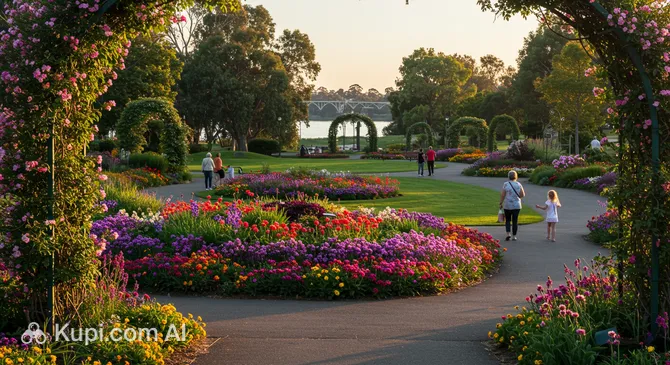
The Albury Botanic Gardens hide a unique design secret: they were originally laid out in 1877 to resemble the pattern of the Union Jack flag. Today, visitors are often surprised to find a life-sized dinosaur named "Digby" residing within the Children's Garden, complete with interactive speaking tubes.
Albury was originally known as "The Crossing Place" after explorers Hume and Hovell marked a river red gum tree here in 1824. The "Hovell Tree" still stands near the riverbank today, marking the spot where they became the first Europeans to cross the Murray River.
The nearby Hume Dam was the largest dam in the Southern Hemisphere when it was completed in 1936. It is an engineering marvel that holds approximately six times the volume of water found in Sydney Harbour, creating a vast inland sea for recreation.
Albury Botanic Gardens. Illustration.
Source: Kupi.com AI
Traveler photos:
How to Get There
Reaching this bustling regional hub is quite convenient, thanks to its strategic location on the border of New South Wales and Victoria. Whether you are flying in from a major capital or taking a scenic drive, there are multiple options to suit your itinerary. For a comprehensive breakdown of all transport modes, you can read more about how to get to Albury on our detailed page.
The most direct way to arrive is via Albury Airport (ABX), located just a short distance from the town center. As a key regional airport, it welcomes regular flights from major cities like Sydney and Melbourne. Since the airport is situated only about 4.5 km from the central business district, the transfer is quick and easy; a taxi or shuttle ride typically takes around 20 to 30 minutes, getting you to your accommodation with minimal fuss.
For international travelers or those preferring a wider range of flight connections, the city of Albury does not have its own major international hub, but you can fly into Tullamarine Airport (MEL) in the city of Melbourne. Located approximately 255.7 km away, this is a large international airport serving millions of passengers annually. From Melbourne, you can rent a car and enjoy a drive of about 3 hours along the Hume Highway, or connect via train or bus services to reach Albury.
Another viable alternative is Canberra Airport (CBR) in the nation's capital, Canberra. Situated roughly 223.7 km from Albury, it serves as a medium-sized gateway. The drive from Canberra takes approximately 2.5 to 3 hours, offering a route through the picturesque landscapes of the Australian Capital Territory and southern New South Wales.
For clarity, here is a summary of the main airports:
In addition to air travel, Albury is well-connected by road and rail. It sits on the major railway line linking Sydney and Melbourne, with regular train services stopping at the historic Albury Railway Station. Driving is also a popular choice, as the city is located on the Hume Highway, making it an ideal stopover for road trippers exploring the region.
Main Attractions
Albury is a city that embraces the outdoors, offering a wonderful selection of parks, gardens, and riverside spots that cater to relaxation and family fun. Whether you are looking to explore local flora, enjoy a meal by the water, or let the children run free in an award-winning playground, the city's main attractions are easily accessible and full of character.
One of the most beloved locations in the city is the Albury Botanic Gardens. Situated at the western end of Dean Street, this verdant oasis has been welcoming visitors for over 140 years. While known for its historical significance, the gardens are also a living display of horticulture, featuring a stunning Rainforest Walk and an impressive collection of native and exotic trees. It is the perfect place for a quiet stroll or a picnic on the manicured lawns, offering a peaceful escape from the city center.
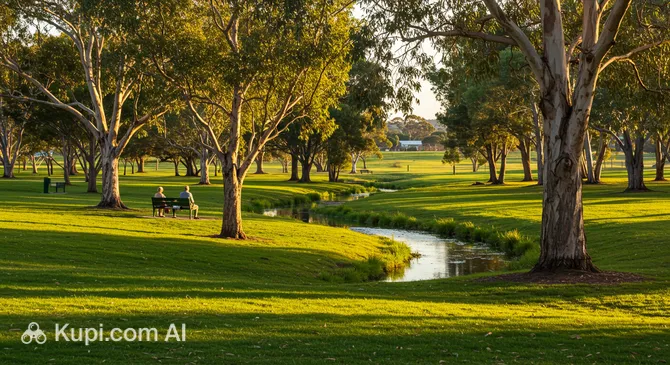
For families and active travelers, Oddies Creek Park is an absolute must-visit. Located near the Murray River, this expansive parkland is famous for its large-scale adventure playground, which includes timber structures, slides, and climbing nets suitable for children of all ages. The park is surrounded by majestic gum trees and offers plenty of grassy areas for recreation, making it a top spot for a sunny afternoon outdoors.
Oddies Creek Park. Illustration.
Source: Kupi.com AI
Traveler photos:
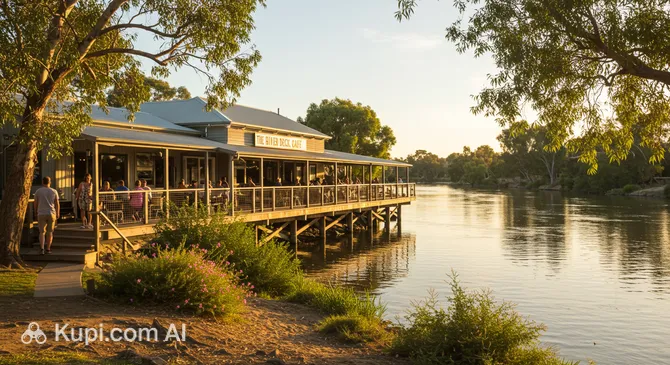
If you want to combine scenic views with delicious local food, make your way to The River Deck Cafe. Uniquely positioned right on the banks of the Murray River in Noreuil Park, this venue offers a dining experience that truly connects you with the region's natural beauty. It is a favorite among locals and tourists alike for its relaxed atmosphere, where you can enjoy coffee or a meal while watching the river flow by.
The River Deck Cafe. Illustration.
Source: Kupi.com AI
Traveler photos:
For those looking to experience the local social scene, the Star Hotel Albury provides a classic Australian pub experience with a modern touch. Known for its vibrant atmosphere and hearty meals, it is a great place to unwind after a day of sightseeing. Whether you are interested in a casual drink or a sit-down dinner, this venue captures the friendly hospitality that Albury is known for.
Local Cuisine
Albury’s culinary landscape is a delightful reflection of its rich agricultural surroundings, offering a "paddock-to-plate" philosophy that champions fresh, local ingredients. Situated on the border of New South Wales and Victoria, the city benefits from the abundance of the Riverina region and the gourmet offerings of the nearby High Country. The food scene here is relaxed yet sophisticated, characterized by a thriving café culture, historic pubs, and a growing number of multicultural dining options.
One of the quintessential experiences in Albury is enjoying a classic Australian "counter meal" at a local hotel. A hearty Chicken Parmigiana, affectionately known as a "Parma," or a premium locally sourced steak are signature dishes that reflect the region's love for comforting, high-quality food. For a taste of this traditional hospitality, visitors can head to the Albion Hotel and Function Centre, a venue that combines history with a lively social atmosphere.
Albion Hotel and Function Centre. Illustration.
Source: Kupi.com AI
Traveler photos:
Brunch has become a serious affair in the city, with locals flocking to trendy cafes for excellent coffee and creative morning meals. Dishes like smashed avocado on sourdough, eggs benedict with local ham, and house-made granolas are staples of the morning menu. A popular spot to experience this vibrant cafe scene is Mr. Benedict, known for its dedication to fresh produce and a welcoming vibe that starts the day off right.
When it comes to drinks, Albury is perfectly positioned near the renowned Rutherglen wine region. The area is famous for its bold red wines, particularly Durif, and its world-class fortified wines like Muscat and Topaque. You will often find these local drops featured on restaurant wine lists alongside a growing selection of regional craft beers. For non-alcoholic options, the local coffee is roasted to perfection, catering to even the most discerning connoisseurs.
Beyond the pubs and cafes, the city offers a variety of international flavors that add spice to the local palate. Dean Street and its surrounds serve as the main dining artery, where you can find everything from Thai and Japanese to authentic curries. For those craving rich and aromatic spices, Authentic Taste of India is a notable destination for a flavorful dinner. Whether you are grabbing a quick bite at Centrepoint or sitting down for a long lunch by the river, Albury’s food culture is sure to leave a lasting impression.
Travel Tips
Welcome to Albury, a charming riverside city where country hospitality meets modern convenience. To help you make the most of your visit to this bustling regional hub on the Murray River, we have compiled a list of essential practical tips for a smooth and enjoyable journey.
Clothing and Gear: Albury experiences four distinct seasons, so your packing list should depend on when you visit. In summer (December to February), the heat can be intense, so bring lightweight clothing, a wide-brimmed hat, and high-SPF sunscreen. Winters (June to August) are crisp and can be frosty, requiring warm layers, a thick coat, and scarves. Comfortable walking shoes are a must year-round for exploring the botanical gardens and the Yindyamarra Sculpture Walk.
Transportation: The city center, particularly around Dean Street, is compact and easily walkable. However, to fully explore the wider region, including Lake Hume and neighboring Wodonga, renting a car is highly recommended. Public transport consists of a local bus network, but services can be less frequent than in capital cities, especially on weekends. Taxis and ride-sharing apps like Uber are readily available for shorter trips.
Finances: The local currency is the Australian Dollar (AUD). Credit and debit cards (Visa and Mastercard) are widely accepted almost everywhere, from hotels to small cafes, using "tap-and-go" technology. It is still wise to carry a small amount of cash for local markets or smaller purchases. ATMs are plentiful in the CBD. Tipping is not mandatory in Australia but is appreciated for exceptional service, typically around 10% in restaurants.
Health and Safety: Albury is generally a very safe destination for travelers. Pharmacies are easy to find in the city center and shopping malls, though they are rarely open 24 hours; check the opening times of "Chemist Warehouse" or local pharmacies for late-night needs. In an emergency, dial 000 for police, ambulance, or fire services. Be mindful of the strong sun; UV levels are high even on cloudy days.
Communication: English is the primary language spoken, often with a friendly, casual Australian accent. Free Wi-Fi is frequently available in public spaces like the library, museum, and many cafes. For mobile data, a prepaid SIM card from a major provider like Telstra is recommended for the best coverage, especially if you plan to drive into more rural areas surrounding the city.
Local Etiquette: The vibe in Albury is laid-back and friendly. It is polite to greet shop assistants and drivers with a simple "G'day" or "How are you?". If you are taking a taxi alone, it is quite common and acceptable to sit in the front seat next to the driver. When waiting for service or a bus, always respect the queue; cutting in line is considered very rude.
What to Avoid: Be extremely cautious about swimming in the Murray River. While it looks inviting, the river is known for cold water temperatures, submerged logs, and unpredictable, strong currents. Only swim in designated areas and never alone. Also, avoid underestimating travel times to nearby regional towns at dusk, as wildlife (kangaroos) frequently cross roads and can pose a driving hazard.
Dining Timing: Unlike major metropolises that never sleep, dining hours in regional cities can be stricter. Many restaurant kitchens in Albury close by 8:30 PM or 9:00 PM, especially on weekdays. If you plan on a late dinner, it is best to check ahead or book a table to ensure you don't miss out on a delicious local meal.
With these practical tips in hand, you are ready to relax and immerse yourself in the unique lifestyle of the Albury-Wodonga region. Enjoy the fresh river air, the friendly locals, and the seamless mix of heritage and nature that makes this border city so special.
Entertainment & Nightlife
While Albury is known for its relaxed country charm by day, the city transforms after sunset into a lively hub of social activity. The nightlife scene here is centered around a vibrant pub culture rather than high-energy nightclubs, offering a welcoming atmosphere where locals and visitors mingle over craft beers, local wines, and live music. The heart of the action is undoubtedly Dean Street and its surrounding laneways, where the majority of the city's evening entertainment venues are clustered.
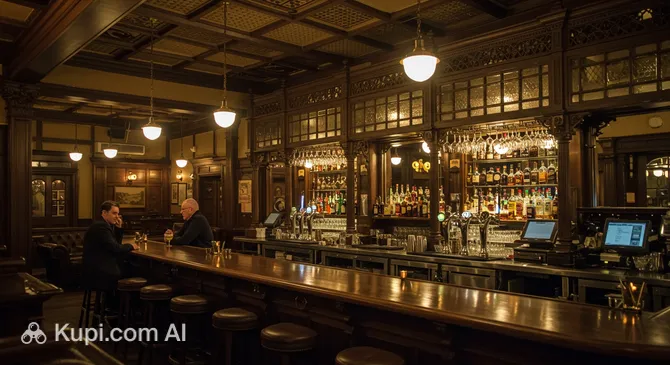
For a quintessential night out, the Star Hotel Albury is a standout destination. This venue seamlessly blends a modern bar aesthetic with traditional hospitality, making it a popular spot for groups to gather. On weekends, it often features live bands or DJs, creating an energetic vibe that keeps the crowd engaged well into the night. It is the perfect place to start your evening with a cocktail or enjoy a few rounds in a spirited setting.
Star Hotel Albury. Illustration.
Source: Kupi.com AI
Traveler photos:
Another cornerstone of the local social scene is the Albion Hotel and Function Centre. Known for its expansive spaces and rooftop area, this historic pub offers a fantastic environment for evening drinks under the stars. The atmosphere here is typically "smart casual," attracting a diverse mix of people looking to unwind. Whether you are after a quiet drink in a corner or a lively night on the dance floor during special events, this venue caters to various moods.
Dining late is also part of the evening culture, with several restaurants keeping their doors open for those seeking a flavorful meal after dark. If you are craving something spicy and aromatic to cap off the night, Authentic Taste of India offers a rich menu of curries and traditional dishes that are perfect for a late dinner. The restaurant scene generally winds down earlier than in major capital cities, so it is advisable to check kitchen closing times if you plan to eat late.
Practical advice for enjoying Albury at night includes dressing in smart casual attire, which is the standard for most bars and pubs. Friday and Saturday nights are the busiest, while weeknights offer a much quieter, more intimate experience. Getting around is safe and convenient; the city center is compact and well-lit, making it suitable for short walks between venues. For longer distances, taxi ranks are located on Dean Street, and ride-sharing services are readily available.
Before the sun sets, the city offers plenty of daytime entertainment to fill your itinerary. Shopaholics can explore the retail options at West End Plaza or Centrepoint, both offering a range of stores and boutiques. For a dose of culture, the city's museums and galleries provide fascinating insights into regional art and history, ensuring that your days are just as engaging as your nights.
Parks & Museums
Beyond its well-known riverside attractions, Albury boasts a sophisticated cultural scene and diverse natural sanctuaries that invite deeper exploration. While the lush Albury Botanic Gardens and the expansive Oddies Creek Park are central to the city's outdoor life, there are several other significant sites where history, art, and ecology come together to create a rich visitor experience.
A focal point of the city's creative energy is the Murray Art Museum Albury (MAMA). Recognized as one of Australia's premier regional art galleries, MAMA is celebrated for its bold and innovative approach. It frequently hosts touring international exhibitions and contemporary Australian works that challenge and inspire. The museum also serves as a community hub, offering workshops, artist talks, and a dynamic program that makes art accessible to everyone, right in the heart of the city.
For those interested in the region's heritage, the Albury LibraryMuseum is an award-winning facility that seamlessly combines a modern library with a dedicated museum space. Its permanent exhibition, "Crossing Place," chronicles the city's fascinating evolution, from its indigenous Wiradjuri roots and early river crossings to its development as a major transport hub. The interactive displays and personal stories provide a comprehensive look at the people and events that shaped the border community.
Perched high above the city streets, the Monument Hill War Memorial offers both a solemn tribute and spectacular vistas. The monument honors the men and women who served in World War I, standing as a stark, white stone memorial visible from many parts of town. Visitors who make the journey to the top are rewarded with sweeping panoramic views over Albury, the Murray River, and the distant hills, making it an ideal spot for photography and quiet reflection.
Nature enthusiasts seeking a tranquil escape should venture to the Wonga Wetlands. Located on the Murray River floodplains, this ecosystem of lagoons and billabongs is a haven for birdwatchers, with over 150 bird species recorded in the area. Restored from former grazing land, the wetlands now feature walking tracks that wind through ancient river red gums and aquatic habitats. It offers a peaceful contrast to the urban center, allowing visitors to immerse themselves in the sounds and sights of the Australian bush.
Another unique outdoor experience is the Yindyamarra Sculpture Walk, a scenic trail that combines art with the environment. Stretching along the river, this path features a series of sculptures created by local Aboriginal artists. Each piece is accompanied by interpretive signage that explains its cultural significance, providing a meaningful way to connect with the land and its traditional custodians while enjoying a leisurely walk or bike ride.
Getting Around
Navigating Albury is relatively straightforward, as the city is compact and well-laid out. The public transport system primarily consists of a bus network that connects the central business district with the surrounding suburbs and the twin city of Wodonga across the border. While there is no metro or tram system, the buses provide a reliable way for locals and visitors to reach key destinations, including shopping centers, the hospital, and the railway station.
For tourists accustomed to the electronic ticketing systems found in major capitals, the payment method in Albury is refreshingly simple but requires some preparation. The "Opal" smartcard used in Sydney is not valid on local regional buses here. Instead, you typically purchase tickets directly from the driver using cash. It is highly recommended to carry small notes and coins, as drivers may not always have change for large denominations. Fares are generally calculated based on zones or the distance traveled.
Travelers should be mindful of operating hours when planning their day. Bus services run regularly on weekdays but are significantly reduced on Saturdays and may not operate at all on Sundays or public holidays on certain routes. It is advisable to check the latest timetables online via the Transport for NSW website or pick up a printed schedule at the visitor information center. Always signal the driver as the bus approaches, as they will not stop unless hailed.
Given the regional nature of the city, many visitors find that alternative transport methods offer more flexibility. Taxis are readily available and can be hailed on the street or booked via phone, and rideshare apps like Uber operate within the city limits. For those looking to explore the wider region, including Lake Hume or the Rutherglen wine areas, renting a car is the most practical option. The roads are generally wide and easy to navigate, with ample parking available in most areas.
Albury is also a very active city, making it ideal for pedestrians and cyclists. The city center is flat and grid-like, allowing for easy walking between cafes, shops, and the botanic gardens. For a more scenic journey, an extensive network of bicycle paths winds along the river and through the parks. Bike rentals are available for those who wish to take advantage of the picturesque trails, offering a healthy and enjoyable way to see the sights at your own pace.
Accommodation
Where to Stay:
Accommodation in Albury caters to a wide spectrum of travelers, reflecting its status as a major stopover on the Hume Highway and a destination in its own right. The city offers a diverse range of lodging options, from classic roadside motels that have been upgraded with modern comforts to self-contained serviced apartments perfect for families or longer stays. For those seeking a touch of character, there are several historic pubs that offer traditional style accommodation, while budget-conscious travelers can find excellent value in the local caravan parks and cabins situated near the river.
When choosing where to stay, location is key to the experience. The most convenient area for tourists is the Central Business District (CBD), particularly around Dean Street. Staying here places you within easy walking distance of the city's best cafes, the Botanic Gardens, and the main shopping precincts. Alternatively, if you prefer a more tranquil setting, look for properties located near the Murray River or close to Lake Hume. These areas offer scenic views and a peaceful atmosphere, ideal for those looking to unwind after a day of driving or sightseeing.
The price range for accommodation in Albury is generally quite reasonable compared to Australia's major capital cities. Visitors can find everything from budget-friendly rooms to mid-range establishments and a few more premium options. Booking is straightforward, with most properties listed on major online travel platforms, though booking directly with the establishment can sometimes secure a better rate or more flexible terms.
A helpful tip for travelers is to book well in advance if you plan to visit during school holidays, public long weekends, or major local events. As Albury is a popular halfway point between Sydney and Melbourne, accommodation can fill up quickly during these peak travel periods. Securing your room early ensures you get the best choice of location and price for your stay.
Nearby Cities
For those looking to explore the surroundings, Albury serves as an excellent base for day trips to several interesting nearby locations:
Just across the Murray River lies Wodonga, Albury's twin city. It offers a seamless extension of the region's charm with attractions like the Sumsion Gardens and the arts precinct at Gateway Island. It is the perfect destination for a quick excursion, offering extensive walking paths and a relaxed atmosphere without the need for a long drive.
Traveling south into Victoria, Wangaratta is a vibrant town known for its rich history and connection to the bushranger Ned Kelly. It serves as a gateway to the famous King Valley wine region and the Milawa Gourmet Region, making it a fantastic spot for food and wine enthusiasts. The town is also renowned for its annual jazz festival, drawing music lovers from all over.
For a slightly longer day trip, Wagga Wagga in New South Wales offers a diverse range of experiences. As the state's largest inland city, it boasts the magnificent Wagga Wagga Botanic Gardens, which includes a zoo and an aviary. Visitors can also relax at Wagga Beach, a popular sandy spot on the banks of the Murrumbidgee River, often cited as one of the best inland beaches in the country.
City
Population
Distance
Wodonga
18 948
6 km
Corowa
6 300
47 km
Wangaratta
17 377
62 km
Mount Buffalo
—
72 km
Bright
2 400
73 km
These nearby destinations offer a glimpse into the diverse culture and landscapes of the region.
Shopping & Souvenirs
Shopping in Albury offers a delightful mix of regional charm and metropolitan convenience, serving as the major retail hub for the surrounding Riverina and North East Victoria regions. Visitors will find a diverse range of options, from well-known national brands and department stores to independent boutiques and specialty shops. The city prides itself on a relaxed shopping environment where you can easily move between modern centers and historic streetscapes, making it an enjoyable experience for those looking to indulge in some retail therapy.
The heart of the city's retail scene is undoubtedly Dean Street. This picturesque, tree-lined thoroughfare is not only the main commercial artery but also a pleasant place to stroll. Here, you will find a collection of fashion boutiques, homeware stores, and bookstores housed in beautiful heritage buildings. The street is flanked by cozy cafes and restaurants, allowing shoppers to take a comfortable break and watch the world go by between purchases.
For those who prefer everything under one roof, Albury boasts several substantial shopping centers located within the central business district. West End Plaza is a key destination, housing major supermarkets, discount department stores, and a variety of fashion and lifestyle retailers. It is a convenient spot for stocking up on essentials or browsing for casual wear.
Another prominent complex is Centrepoint, situated centrally on the corner of Olive and Swift Streets. This modern mall features a range of specialty stores, fashion outlets, and a food court, providing a comfortable air-conditioned environment during the warmer summer months. Both malls are easily accessible and offer ample parking, making them practical stops for travelers.
Centrepoint. Illustration.
Source: Kupi.com AI
Traveler photos:
If you are looking for fresh local produce and unique handmade items, the local market scene is vibrant and welcoming. The Albury Wodonga Farmers Market is a highlight for foodies, typically held on weekends. It showcases the best of the region's agriculture, including seasonal fruits, vegetables, artisan breads, and preserves. Community markets also pop up regularly, offering everything from second-hand treasures and books to local crafts and plants, reflecting the creative spirit of the border community.
When searching for the perfect souvenir to take home, consider the region's strong reputation for food and wine. A bottle of bold red wine or fortified Muscat from the nearby Rutherglen region makes for an excellent gift. Other popular local goods include olive oils, honeys, and handmade chocolates produced in the Riverina. For something more lasting, look for indigenous art pieces or high-quality wool products that represent the area's cultural and agricultural heritage.
Store opening hours in Albury generally follow standard Australian practice. Most shops are open from 9:00 AM to 5:00 PM or 5:30 PM on weekdays and Saturdays, with reduced hours on Sundays. Late-night shopping is typically available on Thursdays, where larger stores and shopping centers may stay open until 7:00 PM or 9:00 PM. Payment is easy and convenient, with credit and debit cards (Visa and Mastercard) widely accepted, and contactless payment is the norm, though carrying some cash for small market stalls is advisable.
International tourists visiting Albury should be aware of the Tourist Refund Scheme (TRS). If you spend $300 (AUD) or more (including GST) at a single business within 60 days of your departure from Australia, you may be eligible to claim a refund of the Goods and Services Tax (GST). While you cannot claim this in Albury itself, you can present your original tax invoices and goods at the TRS facility at your international departure airport (such as Melbourne or Sydney) before leaving the country.