Support

Cooma

About

Welcome to Cooma, a vibrant town often celebrated as the "Gateway to the Snowy Mountains." Nestled in the high country of New South Wales, this historic settlement serves as the capital of the Monaro region and offers a perfect blend of rich heritage and natural beauty. Whether you are heading to the ski fields or exploring the rolling plains, Cooma provides a warm and inviting atmosphere for travelers exploring Australia.
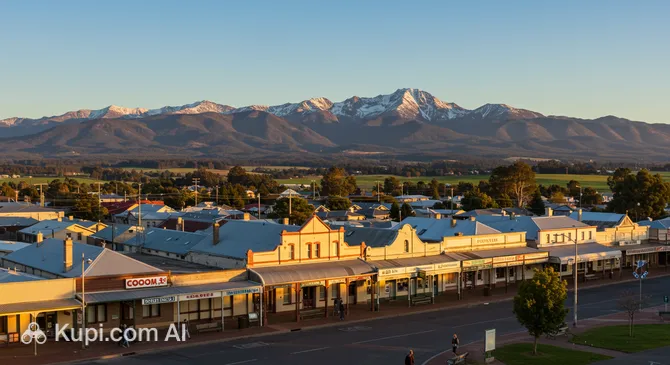
Cooma. Source: Kupi.Binoculars

Geographically, the town is situated at an altitude of approximately 800 meters, giving it a crisp, alpine climate with distinct seasons. With a population of around 6,681 residents, it maintains a friendly, community-focused vibe while providing all the essential amenities for visitors. Its strategic location makes it an ideal base for adventures into the surrounding wilderness, offering stunning vistas of the Australian landscape.

The town underwent a massive transformation in the mid-20th century, becoming the headquarters for the Snowy Mountains Hydro-Electric Scheme. You can delve deeper into this engineering marvel and the multicultural boom it triggered by exploring the history of Cooma. This period of rapid growth left a lasting legacy on the town's architecture and culture, which can still be felt today.

Tourists will find plenty to see and do within the town limits. The Snowy Hydro Discovery Centre is a must-visit to understand the region's power generation heritage, while the NSW State Correctional Museum offers a unique and fascinating look into the history of incarceration in the state. For those who enjoy a leisurely stroll, the Lambie Town Walk showcases beautifully preserved 19th-century buildings and charming streetscapes.

Whether you are passing through on your way to the slopes or looking for a scenic country escape, Cooma is a destination worth discovering. Its unique mix of history, culture, and alpine accessibility ensures a memorable stop on your journey.
Weather Overview

Cooma features a distinct highland climate with four well-defined seasons, largely influenced by its elevation in the Snowy Mountains region. Summers, spanning from December to February, are generally warm and pleasant, with average temperatures ranging between 17°C and 19°C. January is typically the warmest month, where daily highs can reach up to 24.6°C, creating ideal conditions for exploring the local heritage.

In contrast, the winter months of June through August bring a sharp chill to the air. Average temperatures drop significantly to around 5°C, and nights are cold with minimums frequently hovering near 1°C to 2°C. Travelers planning a trip during this time should come prepared for crisp, cold days. To ensure you pack the right gear for your specific travel dates, it is advisable to check the detailed forecast for the weather in Cooma.

Precipitation is distributed throughout the year, though the frequency varies by season. The warmer months, particularly January and November, tend to see a higher number of wet days, while winter is generally drier in terms of rainfall frequency. Overall, you can expect warm summers with occasional rain and cold, drier winters.

Interesting Facts

Beyond the main attractions, Cooma holds many fascinating secrets and historical footnotes that add depth to its character. From aviation mysteries to global cultural milestones, this high-country town has stories that surprise even seasoned travelers.
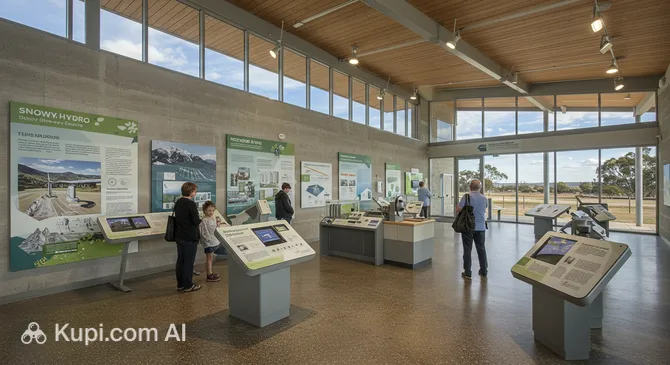
Snowy Hydro Discovery Centre. Source: Kupi.Binoculars
  • Cooma is often recognized as the birthplace of multiculturalism in Australia. The massive Snowy Mountains Hydro-Electric Scheme required a workforce of over 100,000 people from more than 30 different countries. This rich cultural tapestry is celebrated at the Avenue of Flags in Centennial Park, where visitors can see the flags of every nation that contributed to the project.

  • The town is home to a poignant piece of aviation history involving the Southern Cloud, an aircraft that mysteriously vanished in 1931. It remained missing for 27 years until its wreckage was accidentally discovered by a carpenter in the dense bushland of the Snowy Mountains. Today, relics and a memorial dedicated to the flight can be found in the town, preserving the memory of Australia's first major airline disaster.

  • Cooma houses one of the very few correctional museums in the world located adjacent to an operating prison. The NSW State Correctional Museum sits right next to the Cooma Correctional Centre, allowing visitors to explore the history of punishment and rehabilitation in a setting that feels incredibly authentic and atmospheric.

  • While many know it as a gateway to the ski fields, the town is also a hub for engineering enthusiasts. The nearby scheme is considered one of the civil engineering wonders of the modern world, a feat detailed extensively at the Snowy Hydro Discovery Centre, which explains how water is diverted through mountains to generate electricity.

How to Get There

Reaching the capital of the Snowy Mountains is straightforward, with several options available depending on your starting point. Whether you prefer a scenic drive or a quick flight, you can easily plan your journey. For a complete overview of routes and transport modes, check more about how to get to Cooma before you travel.

The most convenient option for air travel is the local Snowy Mountains Airport (IATA: OOM), located directly in Cooma, just 15.2 km from the town center. It is a small regional hub, primarily serving tourists heading to the ski fields. A trip from here to the town center is very quick, taking approximately 15 to 20 minutes by transport.

For a wider range of flight connections, many travelers choose Canberra Airport (IATA: CBR). Please note that this airport is not in Cooma but in the city of Canberra, situated about 103 km away. It is a significantly larger transport hub offering more frequent services. The journey from Canberra to Cooma by road is quite efficient, typically taking between 1 hour and 15 minutes to 1 hour and 30 minutes.

For clarity, here is a summary of the main airports:

Airport Name City Passenger Traffic Km from City
Canberra AirportCanberraLarge103.1
Wagga Wagga AirportWagga WaggaMedium191.5
Merimbula AirportMerimbulaSmall101.9
Snowy Mountains AirportCoomaSmall15.2
Moruya AirportMoruyaSmall98.9

Currently, there are no direct passenger train services operating to Cooma. The railway line that once served the town is now used primarily for heritage or is inactive for regular transport. Visitors typically arrive by road, either driving via the Monaro Highway or taking a coach bus service from major cities like Canberra or Sydney. It is advisable to check local bus schedules for the most up-to-date connections.

Main Attractions

Cooma offers a fascinating mix of historical landmarks, engineering marvels, and cultural sites that reflect its unique heritage as the gateway to the Snowy Mountains. Visitors can explore the town’s pivotal role in Australia’s development, admire local art, or simply enjoy the crisp alpine air in its well-maintained green spaces.

One of the most significant stops for any traveler is the Snowy Hydro Discovery Centre. This state-of-the-art facility provides an in-depth look at the Snowy Mountains Hydro-Electric Scheme, often cited as one of the civil engineering wonders of the modern world. Through interactive displays, a massive topographical model, and informative short films, visitors can learn about the immense effort and multicultural workforce that built this complex power generation network. It is an educational experience that highlights the ingenuity and history of the region.

For those interested in a different aspect of history, the NSW State Correctional Museum offers a compelling glimpse into the Australian penal system. Located adjacent to the operating Cooma Correctional Centre, this museum is one of the few of its kind in the world. It houses a vast collection of artifacts, including contraband seized from prisoners, historical uniforms, and displays detailing the evolution of punishment and rehabilitation over the last two centuries. The experience is both eerie and educational, providing a rare perspective on life behind bars.

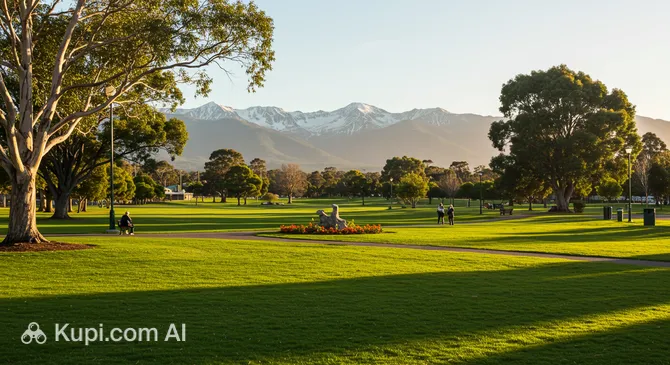
Centennial Park. Source: Kupi.Binoculars

Nature lovers and those seeking a relaxing break should head to Centennial Park. This expansive green space is best known for the Avenue of Flags, a colorful tribute to the 27 nationalities of the workers who contributed to the Snowy Scheme. The park features beautiful mosaic time walks, well-equipped picnic areas, and playgrounds, making it a perfect spot for families or anyone wishing to enjoy a quiet afternoon surrounded by the town's rich multicultural legacy.

Art enthusiasts will appreciate a visit to the Raglan Gallery and Cultural Centre. Housed in the historic Lord Raglan Inn, which dates back to 1854, the gallery showcases a diverse range of works by local and regional artists. The building itself is a piece of history, having served as a hotel, a bank, and a private residence before becoming a hub for the arts. Regular exhibitions, workshops, and a gift shop featuring handmade crafts make it a vibrant part of Cooma’s cultural scene.

Local Cuisine

Cooma’s dining scene is a delightful reflection of its unique history and location. As the service hub for the Snowy Mountains, the town offers a surprising variety of culinary experiences that range from hearty country meals to authentic international flavors. The influx of migrant workers during the construction of the hydro-electric scheme left a lasting legacy on the local palate, ensuring that visitors can find diverse options alongside traditional Australian fare.

Being the capital of the Monaro region, Cooma is surrounded by rich grazing land, making it an excellent place to sample high-quality local produce. Meat lovers should look out for dishes featuring succulent Monaro beef and lamb, which are staples on many local menus. You will find these featured prominently in the town's historic pubs and clubs, often served as classic counter meals like roast dinners, steaks, or the ever-popular chicken parmigiana.

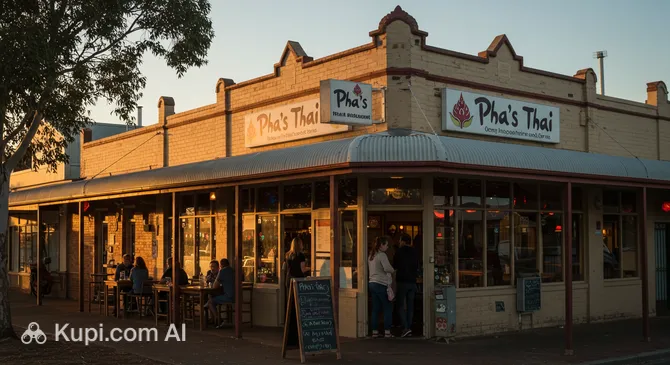
Pha's Thai. Source: Kupi.Binoculars

For those seeking international tastes, the town continues to punch above its weight. The multicultural influence is still strong, with several eateries offering excellent Asian and European cuisine. A notable spot for locals and travelers alike is Pha's Thai, which serves aromatic curries and stir-fries that provide a comforting warm-up after a day in the cool mountain air.

The café culture in Cooma is also vibrant, catering to the early risers heading to the ski fields. Visitors can expect to find excellent coffee, gourmet pies, and fresh pastries at various bakeries along the main streets. When it comes to drinks, the local pubs are the social heart of the town, serving cold Australian lagers and a selection of wines, often sourcing bottles from the nearby cool-climate wine regions of New South Wales.

Travel Tips

Planning a trip to Cooma requires a bit of local know-how, especially given its unique position as the gateway to the high country of Australia. To help you make the most of your visit to the Monaro region, here are some essential practical tips covering everything from packing to local customs.

  • Clothing and Gear: Due to the high altitude, the weather can change rapidly. In winter (June to August), heavy coats, gloves, and beanies are essential as temperatures frequently drop below freezing. Even in summer, evenings can be surprisingly cool, so dressing in layers is recommended. If you plan to hike, bring sturdy walking shoes and high-SPF sunscreen, as the UV levels are intense in the mountains.
  • Transportation: While local services exist, they are limited compared to major cities. The best way to explore Cooma and the surrounding region is by renting a car. This provides the freedom to visit remote attractions at your own pace. If driving during winter, be aware that you may legally need to carry snow chains if you venture further up into Kosciuszko National Park.
  • Driving Safety: Do not underestimate driving distances or the fatigue caused by winding mountain roads. Wildlife poses a significant risk for travelers; kangaroos and wombats are active at dawn and dusk, so drive carefully and adhere to speed limits. Additionally, always check for fire bans and safety warnings during the summer months.
  • Finances: The local currency is the Australian Dollar (AUD). Credit and debit cards are widely accepted at hotels, restaurants, and supermarkets. However, it is wise to carry some cash for smaller purchases at markets or rural shops. Tipping is not mandatory but is appreciated for good service.
  • Communication: Mobile coverage is generally good within the town but can be spotty in the rugged terrain surrounding the region. Major networks offer the best coverage in rural areas. Downloading offline maps before heading out on day trips is a smart move to ensure you can navigate even without a signal.
  • Local Etiquette: The vibe in Cooma is relaxed and friendly. It is customary to greet shopkeepers and drivers with a smile or a simple "G'day." Locals take pride in their environment, so always dispose of trash responsibly, especially when visiting nature reserves and parks.

By keeping these practical tips in mind, you will be well-prepared to enjoy the crisp alpine air and the rich history of this charming town. Whether you are here for the snow, the heritage, or the scenery, a little preparation ensures your adventure is safe and memorable.

Entertainment & Nightlife

Nightlife in Cooma reflects its character as a welcoming country town rather than a bustling metropolis. The evening entertainment scene is relaxed and centered mainly around Sharp Street and Commissioner Street, where locals and visitors gather to unwind. Instead of high-energy nightclubs, you will find historic pubs, hotel bars, and social clubs that offer a warm atmosphere, cold drinks, and often a chance to chat with residents about the region's history.

The classic Australian "pub culture" is the heartbeat of the town after dark. Venues like the Alpine Hotel or the Cooma Hotel are popular meeting spots, often featuring live music on weekends or broadcasting major sporting events. These establishments typically have a casual dress code, making them accessible stops for travelers returning from the ski fields or a day of hiking. For a more quiet evening focused on dining, Pha's Thai is a favorite local restaurant where you can enjoy a flavorful meal in a cozy setting before heading out for a nightcap.

Practicality is key when planning a night out in this alpine region. Most venues close earlier than in major cities like Sydney, so it is best to start your evening around dinner time. Prices for drinks and food are generally reasonable and lower than in the ski resorts. The town center is compact and walkable, but if you are staying further out or it is a particularly cold winter night, local taxi services are available. Cooma is generally very safe for evening strolls, but standard precautions should always be taken, especially in dimly lit areas.

While the nights are quiet, the town offers engaging daytime entertainment to fill your schedule before the sun sets. History buffs and families should not miss the Snowy Hydro Discovery Centre, which offers an immersive look at the region's engineering heritage. For a more laid-back afternoon, Centennial Park provides a scenic backdrop for a walk or a picnic, allowing you to soak in the local culture before the evening chill sets in.

Parks & Museums

Cooma offers a compelling mix of well-maintained green spaces and rich cultural institutions that celebrate its unique heritage. As the gateway to the Snowy Mountains, the town provides visitors with opportunities to enjoy the crisp alpine air in its parks while also delving into the fascinating history of the region through its specialized museums and galleries.

The heart of the town's outdoor life is undoubtedly Centennial Park. This expansive area is more than just a place for a picnic; it serves as a tribute to the multicultural workforce that built the Snowy Mountains Scheme. Visitors can stroll along the Avenue of Flags, which displays the flags of the 27 nations represented by the workers, or enjoy the intricate mosaic time walk. With excellent facilities including playgrounds, a music shell, and shaded barbecue areas, it is the perfect spot for families to relax.

For those seeking a more natural setting, the Cooma Creek Walk provides a peaceful escape right within the town boundaries. This shared path for pedestrians and cyclists meanders along the creek, offering a scenic route lined with native vegetation. It is an ideal location for a morning jog or a quiet evening stroll, connecting various parts of the town while showcasing the local environment.

When it comes to museums, the Snowy Hydro Discovery Centre stands out as a premier attraction. This facility offers a deep dive into the engineering marvel that is the Snowy Mountains Hydro-Electric Scheme. Through interactive displays and a massive topographical model of the region, visitors can grasp the scale of this nation-building project. The centre also features a cafe and a shop, making it a comfortable and educational stop for travelers.

Another significant cultural venue is the NSW State Correctional Museum. Located next to the operating Cooma Correctional Centre, this museum offers a rare and somewhat eerie perspective on the history of incarceration in New South Wales. The collection includes engaging exhibits on the evolution of the penal system, featuring authentic artifacts, uniforms, and stories of daring escapes. It provides a sobering yet captivating look at a side of history often hidden from the public eye.

Art lovers should make time for the Raglan Gallery and Cultural Centre. Housed in the historic Lord Raglan Inn, built in 1854, the gallery is a landmark in itself. It hosts regular exhibitions featuring works by local and regional artists, ranging from paintings and sculptures to textiles. The combination of heritage architecture and contemporary creativity makes it a vibrant part of Cooma’s cultural landscape.

For a truly local experience, consider a visit to the North Ridge Reserve. Less frequented by the average tourist, this area offers walking trails that lead to a lookout with panoramic views over Cooma and the surrounding Monaro plains. It is a fantastic spot for photography, especially during the golden hour when the landscape is bathed in warm light.

Getting Around

Public transport in Cooma is scaled to fit its status as a regional country town, meaning it differs significantly from the extensive networks found in major cities. There is no metro, tram, or light rail system here. Instead, the town relies on a road-based transport network consisting primarily of buses and taxis. For most visitors, the system is simple to understand, though it is much less frequent than in urban centers.

The backbone of local public transport is the bus service. Local routes connect the central business district with surrounding residential areas and key facilities like the hospital. These services are typically operated by local coach companies and run on specific timetables, often aligned with school terms and business hours. It is important to note that services may be limited on weekends and public holidays, so checking the schedule in advance is essential.

For payment on local buses, the system remains traditional. Unlike the tap-on smart card systems used in larger metropolises, local buses in Cooma generally require passengers to purchase tickets directly from the driver. It is highly recommended to carry cash, particularly in smaller denominations, as card machines may not always be available on every vehicle. For long-distance coaches connecting the town to Canberra or the ski fields, tickets usually need to be booked and paid for online in advance.

Taxis serve as a crucial alternative, especially given the limited operating hours of the bus network. A local taxi service operates within the town and the surrounding district, providing a reliable way to get from point A to point B. While ride-sharing apps are popular globally, their availability can be sporadic in smaller regional towns like this, so it is safer to rely on booked taxis or your own vehicle. If you plan to travel late at night, booking your ride ahead of time is practical advice.

Given the compact nature of the town center, walking is often the most efficient way to get around for short trips. Most shops, cafes, and local attractions are located within a comfortable walking distance of each other. However, for those wishing to explore the wider Monaro region or visit the Snowy Mountains, renting a car is the most popular and practical option, offering the freedom to explore without being constrained by public transport schedules.

Accommodation

Accommodation in Cooma is designed to cater primarily to travelers passing through on their way to the Snowy Mountains or those exploring the Monaro region's history. The town offers a practical and comfortable range of options, dominated largely by classic motor inns and motels. These establishments are plentiful and provide convenient amenities like parking and heating, which are essential during the cold winter months. For those seeking a more traditional experience, several historic pubs in the town center offer hotel-style rooms, often with shared facilities, providing a glimpse into the town’s past.

Most accommodation is clustered along the main thoroughfares, particularly Sharp Street and the Monaro Highway. Staying in the town center is highly convenient, placing you within walking distance of supermarkets, cafes, and dining spots like Pha's Thai. For visitors traveling with caravans or looking for budget-friendly cabins, there are well-equipped holiday parks located just on the outskirts of town, offering a quieter atmosphere while still being close to essential services.

Price ranges in Cooma are generally more affordable than staying directly in the ski resorts of Thredbo or Perisher. You will typically find budget to mid-range pricing, making the town an attractive base for skiers and snowboarders looking to save money. While many motels can be booked via major online platforms, calling directly can sometimes secure a better rate or specific room requests.

A crucial tip for booking accommodation here is to be mindful of the season. During the winter ski season (June to August), Cooma becomes extremely busy, and vacancy rates drop significantly. It is highly recommended to book your stay weeks, if not months, in advance if you plan to travel during this peak period. Conversely, the summer months are generally quieter, offering more flexibility for spontaneous trips to explore the local national parks and museums.

Nearby Cities

For those looking to explore the surroundings, Cooma serves as an excellent base for day trips to several interesting nearby locations. The region offers a diverse mix of experiences, ranging from the political heart of the nation to historic inland cities and coastal retreats.

Located just over an hour's drive to the north, Canberra is a must-visit destination. As Australia's capital, it is home to world-class institutions such as the Australian War Memorial, the National Gallery, and the iconic Parliament House. Visitors can spend the day exploring the meticulously planned streets, cycling around Lake Burley Griffin, or visiting the many museums that showcase the country's culture and history.

For those interested in heritage and rural charm, Goulburn makes for a fascinating excursion. Known as Australia's first inland city, it boasts grand historic architecture and the famous "Big Merino," a giant concrete ram that celebrates the region's wool industry. Alternatively, travelers seeking a seaside escape can head to Ulladulla, a picturesque coastal town known for its fishing harbor, fresh seafood, and beautiful beaches perfect for a relaxing afternoon.

City Population Distance (km)
Canberra381488106
Wagga Wagga67364203
Goulburn22419172
Wodonga18948202
Ulladulla15278156

These nearby destinations offer a glimpse into the diverse culture and landscapes of the region, making them perfect additions to your itinerary.

Shopping & Souvenirs

Shopping in Cooma serves as a practical and delightful interlude for travelers passing through the Monaro region. As the primary service hub for the Snowy Mountains, the town offers a mix of essential retail, specialized outdoor gear, and unique country boutiques that cater to both locals and visitors.

A highlight for fashion enthusiasts is the flagship store of Birdsnest. This famous Australian online retailer, which originated in Cooma, draws shoppers from far and wide. Located in the heart of town, it offers a personalized styling experience and a vast selection of clothing, making it a must-visit destination for those looking to update their wardrobe with a touch of country style.

For adventure seekers, the town is the perfect place to equip yourself before hitting the slopes. Numerous ski and snowboard hire outlets line the main streets, providing a wide range of winter apparel and equipment. Renting your gear here is often more affordable than at the ski resorts, and the staff provide expert advice to ensure you are ready for the alpine conditions.

Visitors interested in local culture should explore the town's markets. The Cooma Rotary Markets, typically held on the third Sunday of the month at Centennial Park, feature stalls selling handmade crafts, regional produce, and second-hand treasures. It is an excellent opportunity to find unique souvenirs and support local artisans.

Beyond these specialty stores, Cooma provides all the conveniences required for a road trip. The town center along Sharp Street hosts major supermarkets, pharmacies, and camping supply stores. Whether you need to restock your pantry or pick up last-minute travel essentials, you will find everything you need within a compact and accessible area.

Reached the end of the page?

That means the route is fully explored