Support

Wollongong

About

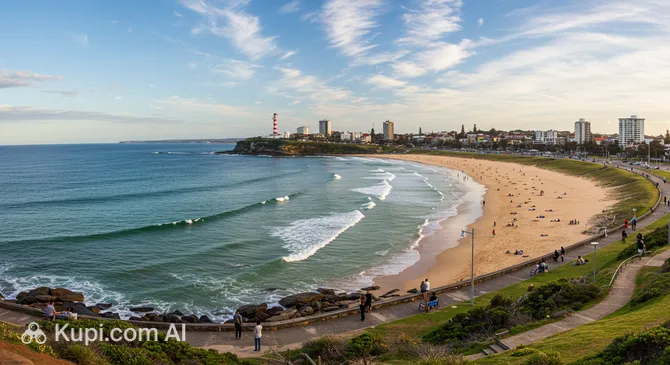
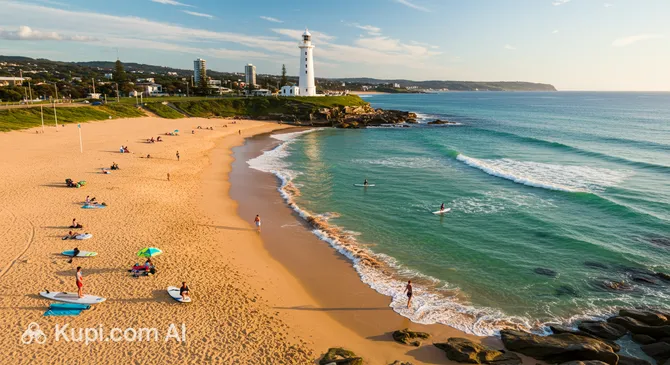
Wollongong, affectionately known to locals as "The Gong," is a vibrant coastal city located in the Illawarra region of New South Wales. Situated just over an hour's drive south of Sydney, this dynamic destination in Australia offers a perfect blend of urban energy and breathtaking natural beauty. With a population of over 260,000 people, it stands as the state's third-largest city, boasting a distinct character defined by its stunning coastline and the dramatic backdrop of the Illawarra Escarpment.
Wollongong. Source: Kupi.Binoculars

While the city was traditionally recognized as an industrial hub famous for steel production and coal mining, it has evolved significantly over the years. The fascinating history of Wollongong reveals its transformation into a modern center for education, arts, and tourism. Today, visitors can explore a city that respects its working-class roots while embracing a lively café culture, a thriving university atmosphere, and a growing arts scene.

Nature lovers are drawn here for the spectacular scenery where the mountains meet the sea. One of the most iconic highlights is the Sea Cliff Bridge, a breathtaking engineering marvel along the Grand Pacific Drive that curves out over the ocean. For a touch of serenity, the Nan Tien Temple, the largest Buddhist temple in the Southern Hemisphere, offers a peaceful cultural retreat. Additionally, the city is renowned for its pristine surf beaches, such as North Wollongong Beach, which provide endless opportunities for relaxation and water sports.

Whether you are looking to skydive over the beach, hike through lush rainforests, or simply enjoy a coffee by the ocean, Wollongong promises an unforgettable experience. It is an ideal getaway for travelers seeking a diverse, relaxed, and welcoming atmosphere on the Australian coast.
Weather Overview

The climate in this coastal region is generally mild and agreeable, making it a welcoming destination throughout the year. Summers, spanning from December to February, are warm and inviting, with average temperatures peaking around 22.3°C in January and daily highs reaching up to 26.0°C. While this is the best time for swimming, it is also the wettest period, with January seeing approximately 16 days with some rainfall.

For those planning a trip later in the year, the weather in Wollongong becomes cooler and crisper. Winters (June to August) are refreshing rather than harsh, with average temperatures dipping to about 11.5°C in July. Nighttime lows can fall to around 7.6°C, so a warm jacket is recommended for evenings. Interestingly, winter tends to have fewer rainy days, with July recording only about 7 wet days.

Spring and autumn provide a comfortable middle ground, with average temperatures ranging from 14.0°C to 20.0°C. Overall, visitors can expect warm summers with frequent showers and cool, drier winters.

Interesting Facts

Beyond the main attractions, Wollongong holds many fascinating secrets and historical quirks that often escape the casual observer. From aviation milestones to unique coastal features, the city is full of stories waiting to be discovered.

Wollongong Breakwater Lighthouse. Source: Kupi.Binoculars
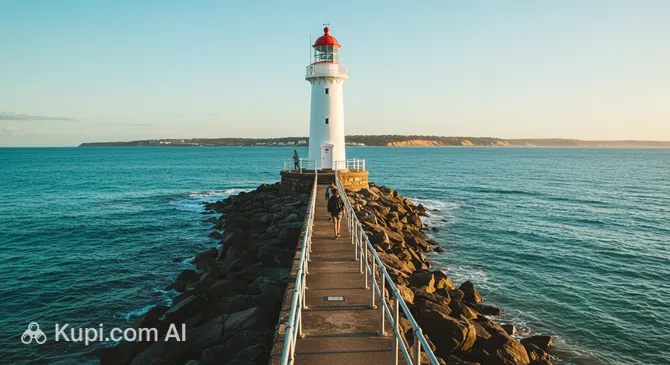
  • Wollongong Harbour is the only point on the eastern coast of Australia to feature two lighthouses in such close proximity. The active Flagstaff Point Lighthouse operates on the headland, while the historic Wollongong Breakwater Lighthouse, which was retired in 1974 and later restored, stands guard at the harbor entrance.

  • The region played a pivotal role in the history of flight. In the northern suburb of Stanwell Park, aviation pioneer Lawrence Hargrave successfully lifted himself into the air using box kites in 1894, an experiment that significantly influenced the design of early aircraft wings.

  • The local landscape is steeped in Indigenous legend. The panoramic view from Mount Keira Lookout overlooks the Five Islands off the coast, which, according to a local Dreaming story, represent the five daughters of the West Wind who were turned to stone.

  • The Wollongong Botanic Garden is home to a rare and significant collection of local flora, specifically preserving the endangered Illawarra Subtropical Rainforest, allowing visitors to walk through a living museum of the area's original vegetation.

How to Get There

Reaching this coastal city is straightforward, with several convenient options available for travelers. Whether arriving from overseas or traveling domestically within Australia, visitors can choose the route that best suits their itinerary. For a comprehensive overview of all transport methods, you can read more about how to get to Wollongong on our detailed page.

The most significant international gateway for visitors is Sydney (Kingsford Smith) Airport (SYD). Located in the city of Sydney, approximately 60 km north of Wollongong, this major hub handles a vast volume of global and domestic traffic. From here, travelers can easily reach the Illawarra region. A journey by taxi or rental car typically takes between 60 and 90 minutes, depending on traffic conditions, while opting for the train or a shuttle bus usually extends the travel time to around 1 hour and 50 minutes. As the busiest airport in the country, it offers extensive services and connections.

For those looking for a closer regional option, Wollongong Airport (WOL), also known as Shellharbour Airport, is situated directly within the local area, about 18 km from the city center. While significantly smaller in scale, it provides convenient access for specific regional flights and private charters. A drive from the airport to the downtown area is quick, taking approximately 20 to 25 minutes. Another alternative for travelers exploring the broader region is Canberra Airport (CBR), located in the capital, though it involves a longer drive of roughly 180 km.

For clarity, here is a summary of the main airports:

Airport Name City Passenger Traffic Km from City
Sydney (Kingsford Smith) Airport Sydney Large 59.2
Canberra Airport Canberra Medium 183.5
Wollongong Wollongong Small 17.8
Moruya Airport Moruya Small 177.1
Western Sydney International Airport Sydney - 62.4

For those preferring rail travel, Wollongong is well-connected to the wider New South Wales train network. The South Coast Line offers a scenic journey from Sydney, hugging the coastline and providing spectacular ocean views along the way. Frequent services run from Sydney's Central Station to Wollongong Station and North Wollongong Station, making it a popular and relaxing choice for commuters and tourists alike. The trip is not only efficient but also serves as a beautiful introduction to the region's landscapes.

Main Attractions

Wollongong is a city that thrives outdoors, offering visitors a delightful mix of coastal relaxation, scenic beauty, and interactive learning. From its golden sands to its historic headlands, the top attractions here invite you to explore the unique character of the Illawarra region.

Wollongong City Beach. Source: Kupi.Binoculars

One of the most popular spots for both locals and tourists is Wollongong City Beach. Conveniently located just moments from the city center, this stretch of golden sand is patrolled and perfect for swimming, surfing, or simply soaking up the sun. It is framed by a scenic promenade and lush grassy areas, making it an ideal place for a morning jog or a relaxing afternoon picnic with ocean views. The beach captures the quintessential Australian coastal lifestyle and serves as a central hub for leisure activities.

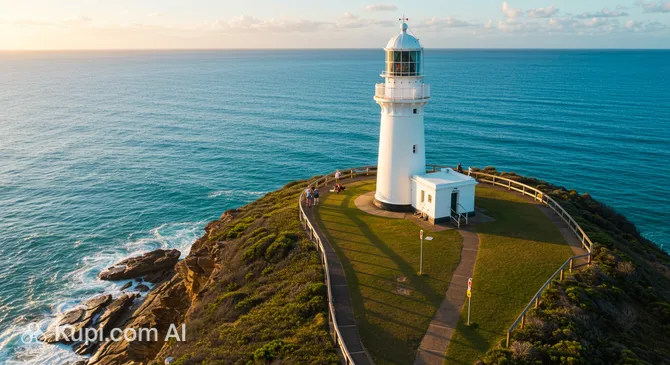
Perched atop the scenic Flagstaff Hill, the Flagstaff Point Lighthouse is a must-visit landmark. Built in 1936, this active lighthouse offers spectacular panoramic views of the coastline and the vast Pacific Ocean. It is a fantastic vantage point for whale watching during migration seasons and provides a picturesque backdrop for photography. The surrounding grassy hill is perfect for a peaceful walk, allowing visitors to enjoy the fresh sea breeze and the stunning scenery of the harbor below.

Flagstaff Point Lighthouse. Source: Kupi.Binoculars

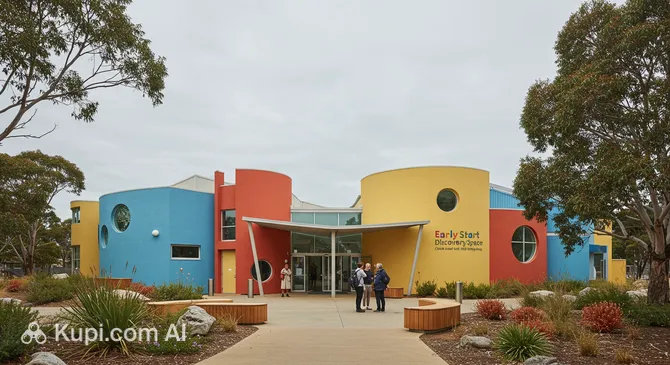
For families traveling with children, the Early Start Discovery Space offers a truly unique experience. Located within the University of Wollongong campus, this is Australia's only dedicated children's museum. It features interactive, hands-on exhibits designed to inspire imagination and learning through play. From constructing buildings to exploring a cave, the facility provides an engaging environment that keeps young minds entertained for hours, making it a standout cultural attraction in the city.

Early Start Discovery Space. Source: Kupi.Binoculars

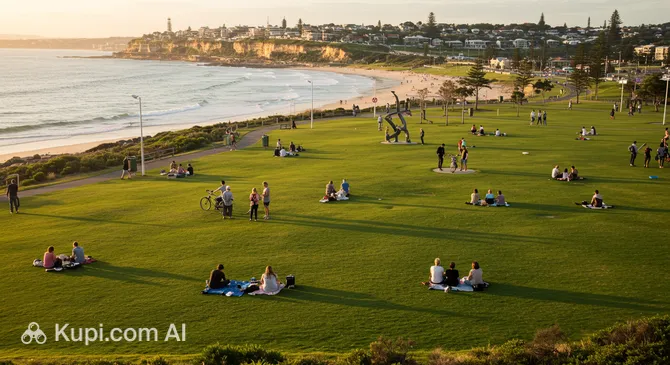
If you are looking for a versatile outdoor space, Stuart Park is the ultimate recreational destination. Situated near North Wollongong Beach, this expansive park is famous as the landing site for local skydivers, offering a thrilling spectacle for onlookers. With its large playground, barbecue facilities, and wide open spaces, it is a favorite spot for family gatherings and social events. The park's relaxed atmosphere and proximity to the water make it an excellent place to unwind after a day of sightseeing.

Stuart Park. Source: Kupi.Binoculars

Local Cuisine

The culinary landscape of Wollongong has blossomed in recent years, transforming from a quiet coastal town into a vibrant foodie destination. Thanks to its seaside location, fresh seafood is a defining feature of the local diet. Visitors can indulge in high-quality local prawns, oysters, and the classic Australian staple of fish and chips, often enjoyed as a takeaway meal on the grassy knolls overlooking the ocean. The connection to the sea ensures that ingredients are fresh and plentiful, making seafood platters a must-try experience.

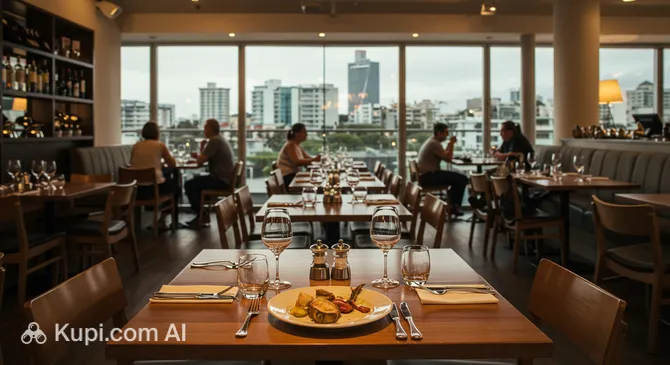
Beyond the catch of the day, the city boasts a rich multicultural heritage that heavily influences its dining scene. You will find a strong European presence, particularly Italian and Macedonian cuisines, which means excellent wood-fired pizzas, handmade pasta, and hearty savory pastries are widely available. For a taste of this modern rustic dining, Kneading Ruby is a popular spot, renowned for its delicious pizzas and shared plates served in a stylish, renovated warehouse setting.

Kneading Ruby. Source: Kupi.Binoculars

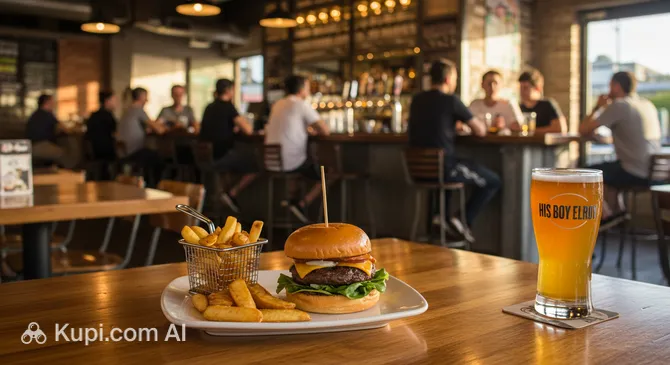
Wollongong also takes its coffee culture very seriously. The city is dotted with independent cafes that serve exceptional roasted blends, making breakfast and brunch a favorite pastime for locals. The "Flat White," an Australian coffee invention, is poured to perfection here. For a more casual lunch or dinner, the burger scene is thriving. Places like His Boy Elroy offer mouth-watering burgers and fried chicken, providing a laid-back atmosphere that perfectly matches the city's relaxed vibe.

His Boy Elroy. Source: Kupi.Binoculars

When it comes to drinks and nightlife, the city offers a mix of traditional pubs and small bars. The local pub culture is strong, with venues like the Coniston Hotel providing a classic setting for a cold beer and a hearty meal. For those seeking entertainment with their beverages, the Mini Golf Bar Wollongong combines refreshing cocktails with a fun round of putt-putt, reflecting the city's playful and youthful energy.

Travel Tips

Preparing for a trip to Wollongong is refreshingly simple, thanks to the city's laid-back atmosphere and modern amenities. To help you make the most of your coastal getaway, here are some practical tips that will ensure your visit to "The Gong" is as smooth and enjoyable as possible.

  1. Clothing and Gear: The vibe here is distinctly casual and beach-oriented. In summer, lightweight clothing, swimwear, and a good hat are essentials, but always bring a high-SPF sunscreen and sunglasses, as the Australian sun can be incredibly harsh even on cloudy days. If you plan to explore the Illawarra Escarpment or walking tracks, pack sturdy, comfortable shoes. For winter visits, bring a windproof jacket and layers, as the ocean breeze can make evenings feel quite crisp.
  2. Transportation: One of the best perks for visitors is the Free Gong Shuttle (routes 55A and 55C). These green buses run frequently in loops connecting the city center, the beach, the harbor, and the university, making it easy to get around without spending a cent. For exploring further afield, such as the Sea Cliff Bridge, renting a car is recommended. Taxis and ride-sharing apps like Uber are also readily available.
  3. Finances: The local currency is the Australian Dollar (AUD). Cashless payments are the norm here; you can use credit or debit cards (Visa and Mastercard) for almost everything, from morning coffee to bus fares on paid routes. ATMs are widely available in the CBD and shopping centers. Tipping is not mandatory in Australia, but rounding up the bill or leaving a small tip for exceptional service at restaurants is appreciated.
  4. Health and Safety: The most important safety rule in Wollongong is to swim between the red and yellow flags at the beach. These areas are patrolled by lifeguards and indicate the safest spot to swim, avoiding dangerous rip currents. Pharmacies, often called "chemists," are easy to find in the Crown Street Mall area. In an emergency, dial 000 for police, ambulance, or fire services.
  5. Communication: English is the primary language, often spoken with a relaxed Australian accent and plenty of slang (e.g., "arvo" for afternoon). Free Wi-Fi is available in many public spaces, including the city library and some parks. If you need a local SIM card, you can easily purchase prepaid options from supermarkets like Woolworths or Coles, or at convenience stores upon arrival.
  6. Local Etiquette: locals are generally friendly and informal. A smile and a "G'day" or "Hello" go a long way. When boarding buses or waiting for service, queueing politely is expected. At the beach, it is polite to keep your music volume low and take all your rubbish with you to keep the coastline pristine.
  7. What to Avoid: Never swim at unpatrolled beaches or at night, as ocean conditions can change rapidly. Also, avoid underestimating the distances if you plan to walk; while the city center is compact, the coastline stretches for miles, so check a map before setting out on foot for distant beaches.
  8. Local Life Hack: If you are in town on a Thursday evening, head to the Crown Street Mall for the Eat Street Markets. It is a favorite local tradition featuring live music and stalls serving diverse street food, offering a perfect and affordable way to soak up the community atmosphere.

With these tips in hand, you are all set to relax and embrace the outdoor lifestyle that makes Wollongong such a special destination. Whether you are catching a free bus to the beach or enjoying a coffee with an ocean view, you will find this city welcoming and easy to navigate.

Entertainment & Nightlife

As a university city with a youthful population and a laid-back coastal culture, Wollongong offers a nightlife and entertainment scene that is energetic yet unpretentious. The landscape has evolved significantly, offering a sophisticated mix of activities that go beyond the traditional pub scene. The main action is concentrated around Crown Street and Corrimal Street in the CBD, where the atmosphere is generally relaxed, with a dress code that leans towards "smart casual"—jeans and a nice top are acceptable almost anywhere.

For those who enjoy shopping and dining in one vibrant location, Wollongong Central serves as a major hub for activity. Located in the heart of the city, this modern precinct offers a wide range of fashion, technology, and lifestyle stores. It is particularly lively on Thursday nights when shops stay open late for "late-night shopping," creating a buzzing social atmosphere. The center also features a dedicated dining precinct, allowing visitors to seamlessly transition from retail therapy to a delicious meal.

Wollongong Central. Source: Kupi.Binoculars

Culture enthusiasts will find plenty to appreciate in the city's performing arts scene. The Illawarra Performing Arts Centre (IPAC) is the region's premier venue for live entertainment, hosting a diverse program that ranges from professional theatre and comedy to music and dance. It is a focal point for the arts community and offers a sophisticated night out for those looking to catch a show. Additionally, the Wollongong Art Gallery nearby provides a daytime cultural fix with its extensive collection of regional and national art.

If you prefer outdoor leisure, Lang Park is an excellent destination situated right next to the beach. This expansive green space frequently hosts food festivals, community markets, and large-scale events, providing a scenic backdrop for entertainment. Even when there isn't a festival on, it is a popular spot for locals to gather, enjoy a picnic, and soak up the coastal views before the sun goes down.

Practical advice for a night out in Wollongong is straightforward. The city is generally safe, but like any urban area, it is best to stay in well-lit, populated streets like the Crown Street Mall. Public transport winds down around midnight, so for late returns, it is reliable to book a ride through apps like Uber or call a local taxi service. Prices are reasonable compared to Sydney, making a night out here both enjoyable and affordable.

Parks & Museums

Beyond its famous surf breaks and golden sands, the city offers a wealth of green sanctuaries and cultural institutions that provide a deeper understanding of the region's heritage and natural environment. Visitors looking to explore the quieter side of the Illawarra will find beautifully maintained gardens, scenic lookouts, and engaging historical sites.

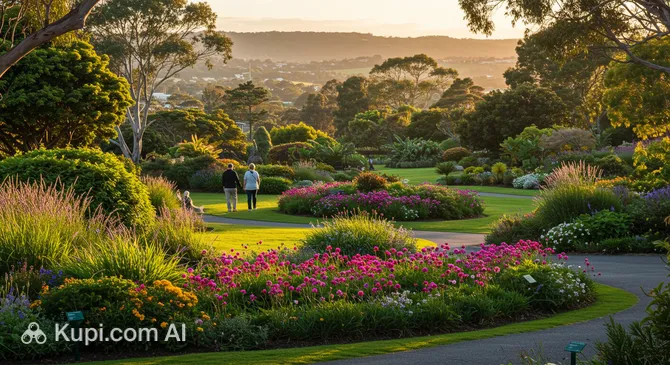
A centerpiece of local horticulture is the Wollongong Botanic Garden. Situated at the foot of Mount Keira, this expansive site features a diverse collection of plants ranging from succulent gardens to lush rainforests. It is an excellent spot for a leisurely walk, with dedicated areas such as the Rose Garden and the Woodland Garden offering distinct floral displays. The garden also hosts educational workshops and community events, making it a vibrant part of the city's outdoor life.

Wollongong Botanic Garden. Source: Kupi.Binoculars

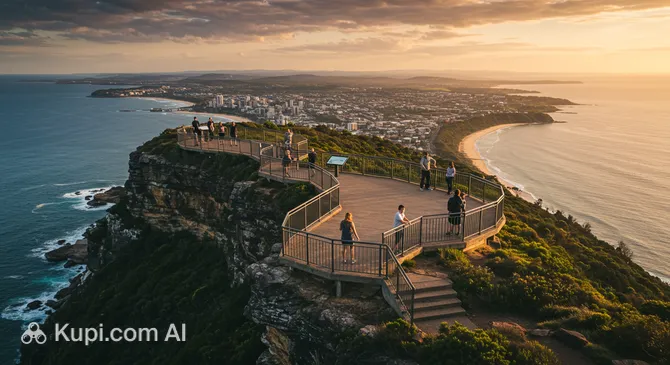
For those who prefer their nature with a view, Mount Keira Lookout is an essential stop. Located within the Illawarra Escarpment State Conservation Area, this vantage point offers sweeping vistas over the city and the coastline, stretching as far as the eye can see. It serves as a gateway to several walking tracks that wind through the bushland, allowing hikers to immerse themselves in the local flora and fauna while enjoying the fresh mountain air.

Mount Keira Lookout. Source: Kupi.Binoculars

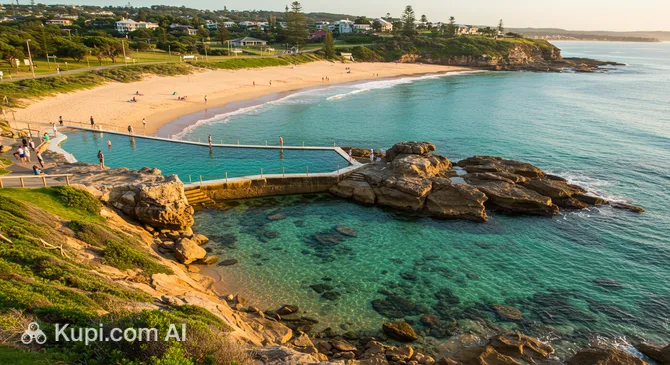
Families and recreational enthusiasts will appreciate the facilities at Towradgi Beach Park. This popular seaside space combines the natural beauty of the coast with excellent amenities, including a large playground, picnic shelters, and barbecue areas. A highlight is the nearby historic rock pool, which provides a safe and scenic spot for swimming away from the surf. The park's open grassy areas are perfect for cricket, kite flying, or simply relaxing by the sea.

Towradgi Beach Park. Source: Kupi.Binoculars

In terms of cultural history, the city preserves its past in several fascinating venues. The Illawarra Museum, housed in the former telegraph and post office building, displays artifacts that tell the story of the region's colonial and industrial development. For a more modern educational experience, the Science Space offers interactive exhibits and a planetarium, complementing the child-focused learning environment found at other local institutions.

Getting Around

Navigating Wollongong is convenient and straightforward, thanks to a well-integrated public transport network that primarily consists of buses and trains. Unlike larger capital cities, Wollongong does not have a metro or tram system. Instead, it relies on a reliable fleet of buses and a heavy rail line that connects the city center with surrounding suburbs and coastal villages. For tourists, the system is easy to use and covers most major attractions, beaches, and shopping districts.

The most valuable service for visitors is undoubtedly the Free Gong Shuttle. These distinctive green buses operate on two loops: the 55A (clockwise) and the 55C (counter-clockwise). They run frequently throughout the day, connecting key locations such as Wollongong Railway Station, the hospital, the university, the CBD, and the beachside precinct. As the name suggests, this service is completely free of charge, allowing you to hop on and off as often as you like without needing a ticket or travel card.

For destinations outside the free shuttle zone, the local bus network is operated by Premier Illawarra and Dion’s Bus Service. These buses cover the wider Illawarra region, taking you to northern suburbs like Bulli and Thirroul, or south towards Shellharbour and Lake Illawarra. Additionally, the South Coast Line train service functions as an efficient commuter rail. Trains run regularly between local stations, making it a fast way to travel between coastal towns or to take a day trip north to Sydney.

The payment system for public transport in Wollongong is fully integrated into the New South Wales Opal network. You do not need to buy paper tickets from a driver. Instead, you can purchase a reloadable Opal card from newsagents, supermarkets, or convenience stores. However, for most short-term visitors, the easiest option is to use a contactless credit or debit card (Amex, Mastercard, or Visa) or a linked device like a smartphone or smartwatch. You simply tap your card or device on the reader when boarding and tap off when disembarking. The fares are the same as using an adult Opal card, and daily or weekly travel caps apply, ensuring you never pay more than a set limit regardless of how much you travel.

A few practical tips will help ensure a smooth journey. Always remember to "tap on" at the start of your trip and "tap off" at the end to avoid being charged a default maximum fare; this applies to both trains and paid bus routes. Transport services generally run from early morning until late at night, but frequencies can drop significantly on weekends and public holidays. To plan your trip effectively, it is highly recommended to download transport apps like TripView or use Google Maps, which provide real-time timetables and platform information.

If you prefer private transport, taxis and ride-sharing services like Uber are widely available and reasonably priced given the short distances within the city. For a more active alternative, Wollongong is a very bike-friendly city. The "Blue Mile" along the coast offers a shared pathway for pedestrians and cyclists, offering spectacular ocean views. While there is no large-scale public bike-share scheme, several local shops offer bicycle rentals, allowing you to explore the scenic coastline at your own pace.

Accommodation

Where to Stay:

Finding the perfect place to stay in Wollongong is easy, with a wide variety of options catering to every budget and travel style. Whether you prefer waking up to the sound of crashing waves, staying in a modern apartment in the heart of the city, or enjoying a family-friendly holiday park, the region offers comfortable accommodation to suit your needs. The city's layout allows you to choose between the bustling convenience of the CBD or the relaxed atmosphere of the northern beachside suburbs.

For travelers who want to combine the comfort of a hotel with the freedom of a coastal getaway, the Wollongong Surf Leisure Resort is a standout choice. Located in Fairy Meadow, just a short distance from the city center, this facility offers direct access to the beach and a range of accommodation types, from self-contained cabins to motel suites. It is particularly well-suited for families and active visitors, featuring an indoor heated pool, tennis courts, and bike hire, making it a destination in itself.

Wollongong Surf Leisure Resort. Source: Kupi.Binoculars

If you are looking for a quintessential Australian holiday experience, the region's tourist parks are exceptional. The Corrimal Beach Tourist Park provides a fantastic beachfront setting that appeals to campers, caravanners, and those seeking cabin accommodation. Situated on absolute beach frontage, it allows guests to step straight onto the sand. The park is well-equipped with modern amenities, BBQ areas, and plenty of open space, offering a relaxed and communal vibe that is perfect for unwinding by the ocean.

Corrimal Beach Tourist Park. Source: Kupi.Binoculars

In the city center, you will find a selection of major international hotel chains and serviced apartments. These are ideal for business travelers or those who want to be within walking distance of the Crown Street Mall, restaurants, and the arts precinct. Many of these high-rise establishments offer rooms with sweeping views of the coastline or the Illawarra Escarpment. Staying in the CBD also places you close to major transport links, including the train station and the free shuttle bus route.

For a more boutique experience, the suburbs surrounding the university and the harbour offer charming bed and breakfasts and guesthouses. Regardless of where you choose to book, it is highly recommended to secure your accommodation well in advance if you are visiting during the peak summer months (December to February), as the city is a popular seaside escape for domestic tourists.

Nearby Cities

For those looking to explore the surroundings, Wollongong serves as an excellent base for day trips to several interesting nearby locations:

Just a short drive or scenic train ride to the north lies Sydney, Australia's largest and most famous city. It is the perfect destination for a day of sightseeing, offering iconic landmarks such as the Sydney Opera House and the Harbour Bridge. Visitors can wander through the historic Rocks district, enjoy world-class dining at Darling Harbour, or take a ferry across the sparkling water to Manly. Its close proximity makes it incredibly easy to experience the hustle and bustle of a global metropolis before returning to the relaxed coastal vibe of Wollongong in the evening.

Heading further inland, the region opens up to the historic landscapes of places like Bathurst. Although a bit further afield, it offers a fascinating glimpse into Australia's colonial past and gold rush history. Known for the famous Mount Panorama racing circuit, it also features charming heritage architecture and crisp country air. Alternatively, traveling south along the coast (outside the list below but worth noting) leads to picturesque towns like Kiama, famous for its blowhole and rugged coastline, offering a quieter but equally beautiful day trip option.

For a broader exploration of the area, the Central Coast region offers extensive waterways and national parks, perfect for nature lovers willing to travel past Sydney for a change of scenery.

City Population Distance (km)
Sydney 4,840,600 68
Central Coast 346,596 136
Gosford 176,060 118
Bathurst 34,303 166
Quakers Hill 27,080 77

These nearby destinations offer a glimpse into the diverse culture and landscapes of the region.

Shopping & Souvenirs

Shopping in Wollongong offers a delightful mix of modern convenience and relaxed coastal charm. The city provides a diverse retail landscape that ranges from bustling open-air malls to quiet suburban centers, ensuring that visitors can find everything from high-end fashion to essential travel supplies without the stress of a crowded metropolis.

The heart of the city's retail action is the Crown Street Mall. This pedestrian-only precinct is the vibrant core of the CBD, lined with a variety of department stores, specialty boutiques, and al fresco cafes. It is designed for leisurely walking, allowing you to browse through fashion outlets and gift shops while enjoying the fresh air. The mall frequently hosts live music and community events, creating a lively atmosphere that extends beyond just buying goods.

Seamlessly integrated with the pedestrian mall is Wollongong Central, the city's premier indoor shopping destination. This architectural landmark houses a vast array of Australian and international brands, along with a dedicated dining precinct. For those staying slightly outside the city center, Figtree Grove Shopping Centre is another excellent option. Located just a short drive away, it offers a more community-focused experience with major supermarkets and a good selection of specialty stores, making it perfect for stocking up on groceries or holiday essentials.

Figtree Grove Shopping Centre. Source: Kupi.Binoculars

For a more local and eclectic experience, the Crown Street Markets are a highlight of the weekly calendar. Held every Friday, these markets transform the city center into a bustling hub of activity. Visitors can explore stalls selling handcrafted jewelry, vintage clothes, and unique arts and crafts. It is also a fantastic spot to sample local street food and pick up fresh produce from regional growers, offering a taste of the community's creative spirit.

When searching for souvenirs, Wollongong offers plenty of distinctively Australian options. Given the city's strong surf culture, high-quality surf wear and beach gear are popular purchases. You can also find beautiful Indigenous art, locally made ceramics, and honey produced in the Illawarra region. These items make for meaningful keepsakes that reflect the area's natural beauty and cultural heritage.

Store opening hours are generally consistent with the rest of Australia. Most shops operate from 9:00 AM to 5:30 PM on weekdays and Saturdays, with Sunday trading often starting slightly later around 10:00 AM. Thursday is the designated late-night shopping day, where many stores in the CBD and major malls remain open until 9:00 PM. Cashless payments are widely preferred, and you will find that almost all retailers accept major credit and debit cards.

International travelers should also be aware of the Tourist Refund Scheme (TRS). If you spend $300 AUD or more (including GST) at a single business, you may be eligible to claim a refund of the Goods and Services Tax upon your departure from Australia. Be sure to keep your original tax invoices and present them at the TRS facility at the airport when you leave.

Reached the end of the page?

That means the route is fully explored