Support

Newcastle

About

Welcome to Newcastle, a dynamic harbor city that perfectly blends a laid-back coastal vibe with a buzzing urban atmosphere. As the second-oldest city in Australia, it offers a fascinating mix of heritage architecture, stunning coastline, and a thriving arts scene. Situated in the heart of the Hunter Region in New South Wales, this destination has successfully transformed from its industrial roots into a modern cultural hub that attracts visitors from around the globe.
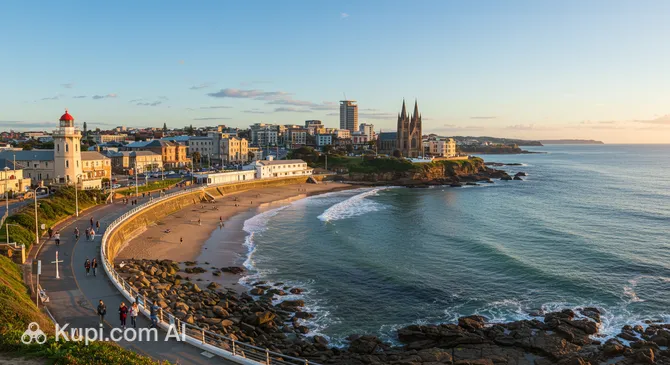
Newcastle. Source: Kupi.Binoculars

Geographically, the city sits at the mouth of the Hunter River, approximately 160 kilometers north of Sydney. With a population of over 150,000 residents, it provides all the amenities of a large metropolis without the overwhelming crowds. The climate here is generally mild and temperate, making it an ideal year-round destination for outdoor enthusiasts. Visitors interested in the past can explore the deep history of Newcastle, which ranges from its origins as a penal settlement to its era as a major steel-making giant.

Travelers are drawn to the city's incredible natural beauty and iconic landmarks. The spectacular Bathers Way coastal walk connects the historic Nobby's Head lighthouse to the famous Merewether Ocean Baths, offering breathtaking ocean views along the route. For a truly unique experience, the heritage-listed Bogey Hole offers a sea bath carved into the rock platform by convicts in the early 19th century. Nature lovers will also appreciate Blackbutt Reserve, where you can encounter native wildlife in a lush bushland setting just minutes from the city center.

Whether you are looking to surf world-class waves, enjoy artisan coffee in a repurposed warehouse, or simply relax by the harbor, Newcastle has something for everyone. Its proximity to the Hunter Valley wine region adds another layer of appeal, making it a perfect base for a diverse and memorable holiday. Pack your bags and get ready to discover the unique charm of this coastal gem.
Weather Overview

Newcastle generally enjoys a moderate climate with warm summers and cool, mild winters, making it a comfortable destination for most of the year. To help you plan your outdoor activities and packing list, it is helpful to review the typical weather in Newcastle before your trip.

The warmest time of year occurs from December to February, with January seeing average temperatures of 24.4°C and highs peaking at 28.0°C. In contrast, the winter season from June to August brings fresher air, with July averages dropping to around 13.4°C and nighttime lows reaching 9.7°C.

Precipitation patterns vary, so expect some wet weather particularly in early autumn; March is often the rainiest month with approximately 16 wet days. Conversely, late winter tends to be drier, with August recording rain on only about 6 days. Overall, visitors can anticipate warm, sunny periods during the summer holidays and cooler, crisper days in the middle of the year.

Interesting Facts

Beyond the popular surf breaks and bustling harbor, Newcastle holds several fascinating secrets that reveal its deep historical roots and resilience. From military feats to geological transformations, the city's past is as dynamic as its modern culture.
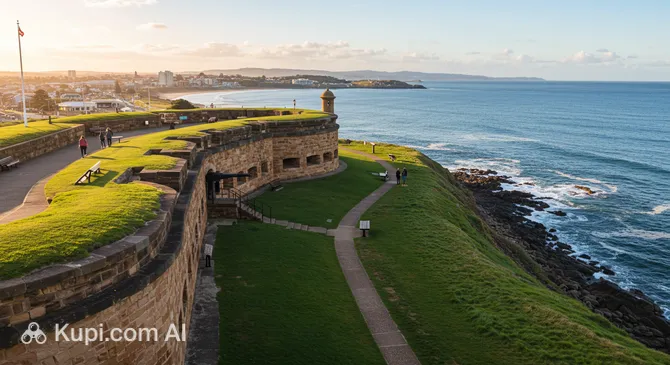
Fort Scratchley. Source: Kupi.Binoculars
  • A Unique Military Distinction: Fort Scratchley holds a singular place in the nation's history as the only Australian coastal fortification to have returned fire against an enemy vessel during World War II. In 1942, the fort's guns engaged a Japanese submarine that had surfaced and shelled the city.

  • The Island That Joined the Mainland: The iconic headland where Nobbys Lighthouse stands was originally an island known as Whibayganba. It was connected to the mainland in the mid-19th century by a breakwall built using convict labor, forever changing the harbor's geography.

  • A City Reshaped: Newcastle was the site of Australia's first fatal earthquake in recorded history. The 1989 event measured 5.6 on the Richter scale and significantly influenced the city's modern architecture and strong sense of community resilience.

  • A Cathedral a Century in the Making: The imposing Christ Church Cathedral, which dominates the city skyline, took nearly 100 years to complete. Construction began in 1883, but due to various delays and funding issues, it was not officially consecrated until 1983.

How to Get There

Reaching this vibrant coastal city is simple, with convenient air connections and excellent road and rail links from major Australian hubs. For a complete guide on all travel options and detailed routes, you can read more about how to get to Newcastle.

The most direct way to arrive is via Newcastle Airport (NTL), situated approximately 15.5 km from the city center. This regional hub offers frequent domestic services and is the quickest entry point for travelers. A taxi or shuttle bus from the terminal into town typically takes about 40 minutes, providing a hassle-free start to your visit.

For international travelers, the city of Newcastle does not have its own long-haul airport. Most visitors fly into Sydney (Kingsford Smith) Airport (SYD) in the city of Sydney, located about 126 km away. As Australia's primary international gateway, it offers connections to destinations worldwide. From Sydney, you can easily reach Newcastle by renting a car, taking a shuttle bus, or catching a train, with the journey generally taking around 2.5 to 3 hours depending on traffic and the mode of transport.

For clarity, here is a summary of the main airports:

Airport Name City Passenger Traffic Km from City
Sydney (Kingsford Smith) Airport Sydney Very Large 126.1
Newcastle Airport Newcastle Medium 15.5
Port Macquarie Airport Port Macquarie Small 194.4
Wollongong Wollongong Small 203.1
Western Sydney International Airport Sydney N/A 146.4

In addition to flying, many visitors choose to arrive by land. The drive north from Sydney along the M1 Pacific Motorway is scenic and efficient. Alternatively, the rail network offers a relaxing journey, with regular trains departing from Sydney's Central Station and arriving at the Newcastle Interchange, allowing you to enjoy the beautiful landscapes of the Central Coast along the way.

Main Attractions

Attractions:

Newcastle boasts a diverse range of sights that celebrate its coastal beauty, industrial heritage, and vibrant culture. From world-class surfing reserves to architectural landmarks, the city provides countless opportunities for exploration. Here are some of the most compelling places to visit during your stay.

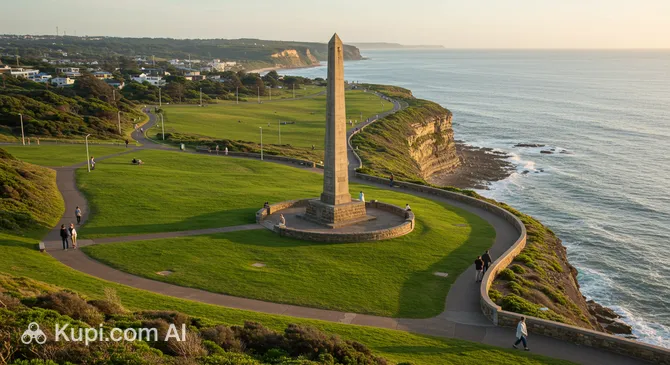
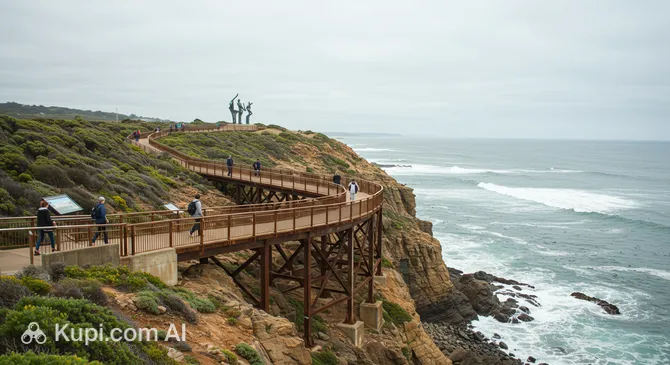
One of the city's most spectacular additions is the Newcastle Memorial Walk. Built to commemorate the 100th anniversary of the ANZAC landing at Gallipoli, this 450-meter cliffside walkway offers unrivaled 360-degree views of the coastline and the city skyline. It connects Strzelecki Lookout to Bar Beach and features steel silhouettes of soldiers inscribed with family names of locals who served in World War I. It is an ideal spot for a scenic walk, especially at sunrise or sunset when the light over the ocean is truly magical.

Newcastle Memorial Walk. Source: Kupi.Binoculars

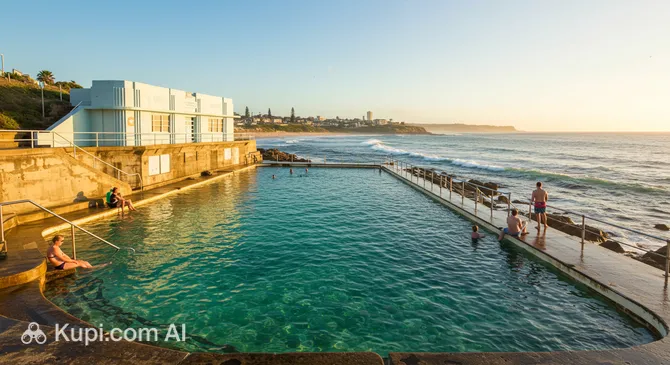
For a dip in history, head to the Newcastle Ocean Baths. Opened in 1922, this iconic swimming spot is instantly recognizable by its distinctive Art Deco pavilion and heritage facade. Unlike the open ocean, the baths provide a sheltered environment for swimmers of all abilities while still allowing the waves to wash over the edges. It is a favorite local gathering place where you can enjoy the saltwater, sunbathe on the steps, and admire the classic architecture that has defined the city's waterfront for a century.

Newcastle Ocean Baths. Source: Kupi.Binoculars

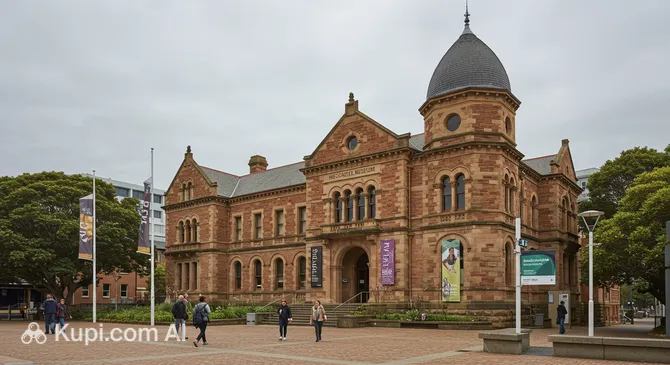
Culture and history enthusiasts will find plenty to discover at the Newcastle Museum. Located in the revitalized Honeysuckle precinct inside historic railway workshops, the museum brings the region's past to life. Exhibits cover everything from the city's coal and steel industrial roots to its social history. It also features a hands-on science center called Supernova, making it a fantastic destination for families. The museum effectively showcases how the city has evolved from a working-class industrial hub to a modern center of innovation.

Newcastle Museum. Source: Kupi.Binoculars

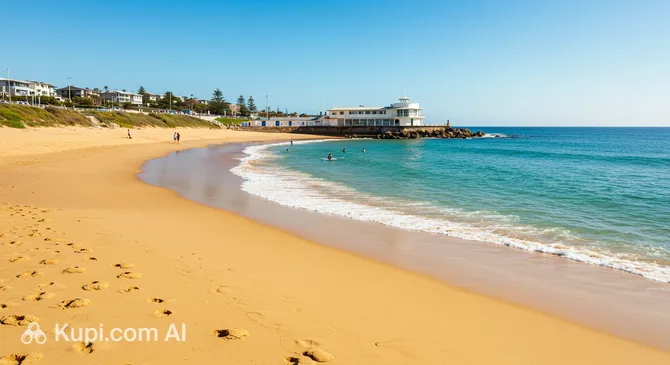
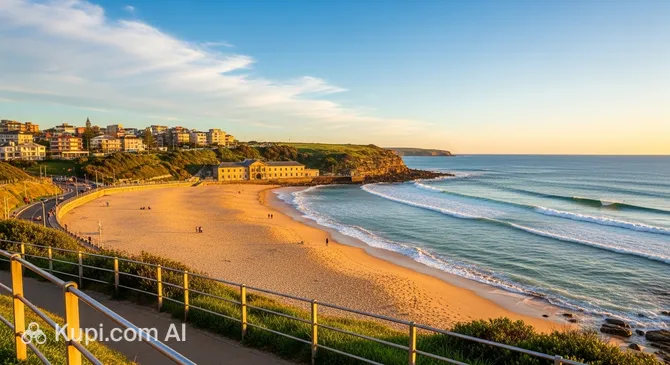
Surfers and beach lovers cannot miss Merewether Beach, which is part of a National Surfing Reserve. Famous for its consistent waves and surfing culture, it is the home of the four-time world champion Mark Richards and hosts the annual international Surfest competition. Even if you don't surf, the beach is perfect for watching the pros in action or enjoying a coffee at a seaside kiosk while soaking up the energetic atmosphere.

Merewether Beach. Source: Kupi.Binoculars

Local Cuisine

Newcastle's culinary landscape is a delightful reflection of its coastal setting and proximity to the fertile Hunter Region. The city has successfully shed its purely industrial skin to embrace a vibrant food culture, characterized by high-quality local produce, buzzing cafes, and a booming craft beer scene. Whether you are looking for a relaxed beachside breakfast or a sophisticated dinner, the options are diverse and exciting.

Given its location by the sea, it is no surprise that fresh seafood is a staple of the local diet. Visitors should definitely try the famous local oysters or a bucket of fresh prawns, often sourced directly from the nearby trawlers. For a classic Australian experience, nothing beats grabbing a serving of fish and chips and heading to the foreshore to eat while watching the waves roll in.

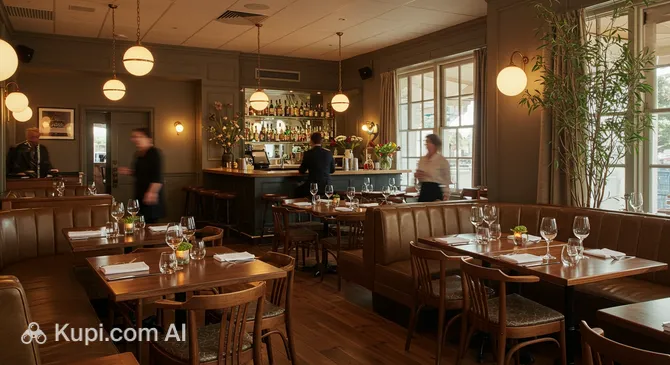
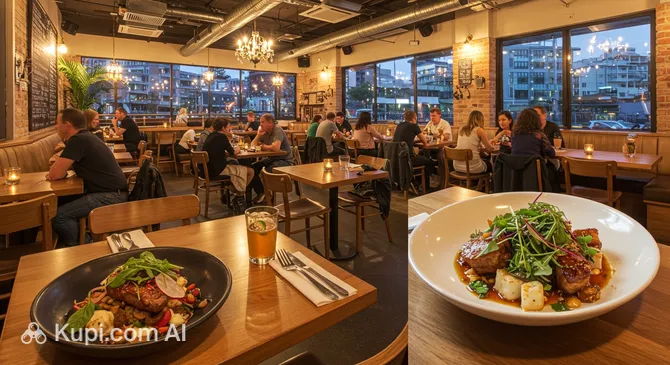
The city is also renowned for its exceptional coffee and breakfast culture. "Brunching" is a serious weekend ritual here, particularly along the trendy Darby Street in Cooks Hill. This precinct is lined with eclectic eateries where you can enjoy artisan coffee and creative dishes. A popular spot to experience this atmosphere is the Autumn Rooms, known for its elegant setting and seasonal menu that perfectly captures the local vibe.

Autumn Rooms. Source: Kupi.Binoculars

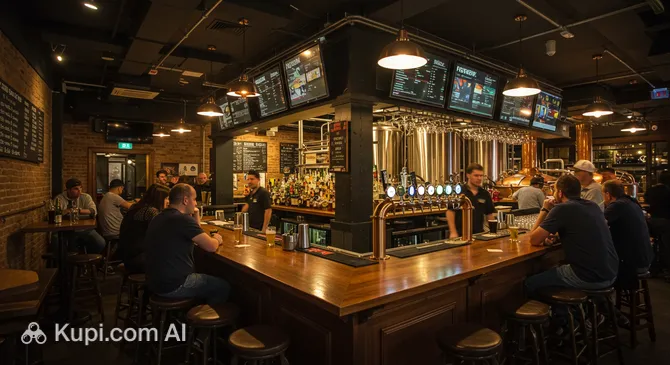
When the sun goes down, the focus often shifts to the city's impressive selection of beverages. Newcastle has a long history of brewing, and today it is a hotspot for craft beer enthusiasts. You can visit the FogHorn Brewery, a venue housed in a historic warehouse where you can taste beers brewed right on the premises paired with hearty pub food.

FogHorn Brewery. Source: Kupi.Binoculars

For those who appreciate a wide variety of taps, the Grain Store Newcastle is an institution dedicated to independent Australian craft beers. If you prefer wine, the city's proximity to the Hunter Valley means that local wine lists are extensive, featuring excellent Semillon and Shiraz. For a modern dining experience with a lively atmosphere, you might also explore places like Light Years, which brings a fun, Asian-fusion energy to the local dining scene.

Travel Tips

Planning a trip to Newcastle is exciting, but a few insider tips can turn a good holiday into a great one. To help you navigate the city like a local and make the most of your coastal getaway, here is a list of practical advice covering everything from packing essentials to local customs.

  1. Clothing and Gear: Sun protection is non-negotiable here; the Australian sun is harsh, so pack a broad-brimmed hat, sunglasses, and high SPF sunscreen regardless of the season. For clothing, think layers—summers are warm and perfect for swimwear, but ocean breezes can cool things down in the evenings, so a light jacket is essential. Don't forget a Type I power adapter for your electronics and comfortable walking shoes for the Bathers Way coastal trek.

  2. Transportation: Getting around Newcastle is easy with the integrated Opal card system, which works on buses, the light rail, and the Stockton ferry; you can also use a contactless credit card or device to tap on and off. The light rail is particularly convenient for hopping between the Newcastle Interchange and Newcastle Beach. While the city center is very walkable, renting a car is recommended if you plan to explore the nearby Hunter Valley vineyards or Port Stephens.

  3. Finances: The currency is the Australian Dollar (AUD). Cash is becoming less common, and "tap-and-go" card payments are accepted almost everywhere, from cafes to markets. ATMs are readily available if you need cash for small purchases. Tipping is not mandatory in Australia, but leaving a 10% tip for exceptional service in restaurants is appreciated and becoming more standard.

  4. Health and Safety: Newcastle is generally a safe city, but the ocean demands respect; always swim between the red and yellow flags at patrolled beaches where lifeguards are present. For medical needs, look for a "Chemist" (pharmacy); many are open late, though 24-hour options are rare. In an emergency, dial 000 for police, ambulance, or fire services.

  5. Communication: English is the primary language, often spoken with a relaxed Australian accent and plenty of slang (e.g., "arvo" for afternoon). Free Wi-Fi is available in many public spaces, cafes, and libraries. To stay connected, you can easily buy a prepaid SIM card from supermarkets like Woolworths or Coles, or at the airport upon arrival.

  6. Local Etiquette: Novocastrians (locals) are known for their friendly and laid-back nature. A smile and a "G'day" or "Hi" go a long way. When taking a taxi or ride-share alone, it is considered polite and quite common to sit in the front seat next to the driver. In public places, especially at coffee shops or bus stops, forming an orderly queue is the norm.

  7. What to Avoid: Never ignore beach safety signs or swim at unpatrolled beaches, as rips and currents can be dangerous even for strong swimmers. Also, avoid smoking in outdoor dining areas, public transport stops, and on beaches, as strict laws prohibit it and fines apply.

  8. Local Tip: For the best budget-friendly view of the city, take the Stockton Ferry from Queens Wharf across the harbor. It costs the same as a standard bus fare (or is included in your daily Opal cap) and offers a scenic 5-minute mini-cruise with fantastic photo opportunities of the skyline and active port.

With these practical tips in hand, you are all set to enjoy the relaxed lifestyle and stunning scenery of Newcastle. Whether you are catching waves or sipping coffee by the harbor, you will find the city welcoming and easy to navigate.

Entertainment & Nightlife

Entertainment and Nightlife:

As the sun sets over the Hunter River, Newcastle transforms from a laid-back coastal city into a vibrant hub of evening entertainment. The nightlife scene here has evolved significantly, moving away from its rough-and-tumble industrial past to offer a sophisticated mix of small bars, craft breweries, and waterfront venues. Whether you are looking for a quiet cocktail in a hidden speakeasy or a lively night out with friends, the city has a precinct to match your mood.

The most popular destination for a scenic evening is the Honeysuckle Precinct. Located right on the harbor, this boardwalk comes alive at night with people enjoying drinks and dinner with a view of the working port. It is the perfect spot for "sundowners" and often attracts a slightly more dressed-up crowd. Just a short distance away, Darby Street in Cooks Hill offers a more bohemian vibe, lined with eclectic small bars and restaurants that spill out onto the street. For a grittier, more energetic atmosphere, the suburb of Hamilton, particularly along Beaumont Street, is known for its classic pubs and live music history.

Newcastle is famous for its craft beer culture, and no visit is complete without stopping by the Grain Store Newcastle. Located in the historic East End, this venue is a temple for beer enthusiasts, featuring 21 taps of exclusively Australian independent craft beer. With its high ceilings, Art Deco features, and relaxed atmosphere, it is an ideal place to start your night and sample some of the region's best brews.

Grain Store Newcastle. Source: Kupi.Binoculars

For those seeking live entertainment and fresh flavors, FogHorn Brewery offers a unique industrial-chic setting. As a fully functioning brewery in the heart of the city, it serves beers straight from the tanks alongside a menu of hearty food. It is also a key player in the local music scene, frequently hosting local bands and acoustic sets, making it a great spot to soak up the local culture.

If you prefer cocktails and a modern dining vibe, Light Years provides a fun, energetic atmosphere with an Asian-fusion menu and creative drinks list. It captures the trendy, youthful spirit that now defines much of the city's nightlife.

Light Years. Source: Kupi.Binoculars

Practical Tips for Nightlife: Most bars and clubs are open late on Fridays and Saturdays, with a standard closing time of around midnight to 3:00 AM for larger venues. The dress code is generally "smart casual"—jeans and a nice shirt are acceptable almost anywhere, though beachwear is not permitted after dark. The city is generally safe for walking in the main precincts, but it is always wise to stick to well-lit areas. For transport, ride-sharing services like Uber are widely available, and a taxi rank is located on Hunter Street. If you are staying centrally, many venues are within comfortable walking distance.

While the nights are exciting, the city also offers plenty of daytime entertainment. Culture lovers can visit the Civic Theatre, one of Australia's finest historic theater buildings, to catch a show or simply admire the architecture. Alternatively, you can explore the Newcastle Museum (mentioned earlier) or the local art galleries to get a fix of history and creativity before the evening festivities begin.

Parks & Museums

For those seeking a break from the surf and sand, Newcastle offers an impressive array of green spaces and cultural institutions. The city's parks are not just patches of grass but historical landmarks offering some of the best vantage points in the region, while its museums provide a deep dive into the area's industrial and military past.

One of the most scenic spots is King Edward Park, located on the headland just south of Newcastle Beach. Dedicated as a recreation reserve in 1863, it features a stunning sunken garden that is a popular backdrop for weddings and picnics. The park offers sweeping views of the ocean and is a perfect place to watch whales migrating during the winter months. The majestic Norfolk Island pines and wide open lawns make it an ideal location for a relaxing afternoon in the fresh sea air.

King Edward Park. Source: Kupi.Binoculars

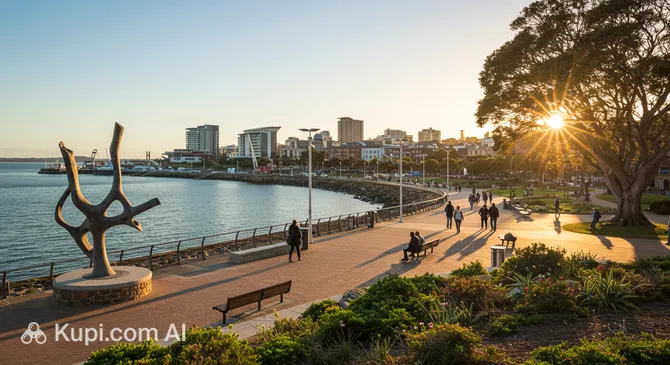
Closer to the harbor, Foreshore Park provides a fantastic blend of history and leisure. Situated on reclaimed land, this expansive park is home to the historic Carriage Shed, a remnant of the city's rail heritage. With its large playground, frog pond, and ample picnic tables, it is a favorite among families. The park connects the city to the waterfront, allowing visitors to watch tugboats and freighters navigate the busy harbor channel while enjoying a barbecue or a stroll along the paths.

Foreshore Park. Source: Kupi.Binoculars

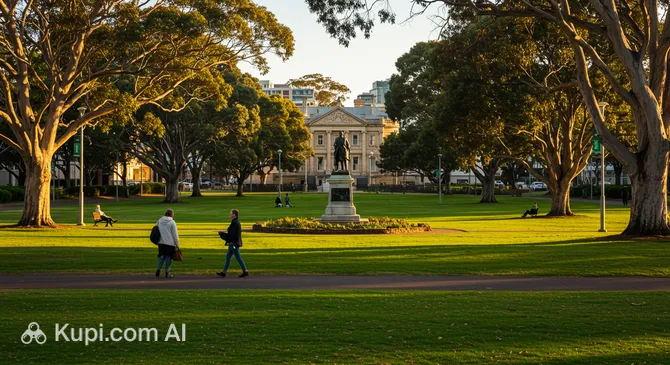
In the heart of the cultural precinct lies Newcastle Civic Park, a lush urban oasis framed by some of the city's most significant buildings. The centerpiece is the Captain Cook Memorial Fountain, a modernist sculpture that lights up at night. It is a peaceful spot to sit with a coffee, situated near the library and the city's art gallery. The park frequently hosts markets and community events, adding to the vibrancy of the city center.

Newcastle Civic Park. Source: Kupi.Binoculars

For a dose of history and culture, the city does not disappoint. The Newcastle Museum is the premier destination for understanding the region's story, from coal mining to surf culture. Additionally, Fort Scratchley offers more than just panoramic views; it is a living museum where you can explore underground tunnels and learn about the city's defense during World War II. Both institutions provide engaging, interactive experiences that bring the heritage of Newcastle to life.

Getting Around

Getting around Newcastle is straightforward and efficient, thanks to a fully integrated public transport network operated by Newcastle Transport. The system is designed to connect the city center, beaches, and outer suburbs seamlessly. The primary modes of transport include a modern light rail system, an extensive bus network, and a harbour ferry service. While the city does not have an underground metro, the light rail serves as the main artery for moving through the central business district, connecting the transport interchange to the beach.

The Light Rail is a favorite among visitors for its convenience and frequency. It runs from the Newcastle Interchange in the west to Newcastle Beach in the east, with key stops at the Civic precinct and Queens Wharf along the way. Services run frequently, typically every 7 to 15 minutes, making it an excellent way to hop between the city's main attractions without needing a timetable. For destinations further afield, the bus network covers the wider region, including routes to major shopping centers and the John Hunter Hospital.

One of the most enjoyable ways to travel is via the Stockton Ferry. This service crosses the harbour from Queens Wharf in the city center to the seaside suburb of Stockton. The journey takes only about five minutes and offers some of the best views of the working port and city skyline. It is not just a commuter service but a popular "mini-cruise" for tourists, allowing you to explore the northern side of the harbour and the massive breakwall.

Paying for transport is simple and unified across all modes using the Opal card system, which is also used in Sydney and the wider New South Wales region. You can purchase a reusable Opal card at newsagents, supermarkets, or convenience stores and top it up with credit. Alternatively, the system accepts contactless payments, so you can simply use your Amex, Visa, or Mastercard, or a linked device like a smartphone or watch, directly at the card readers. Fares are calculated based on distance, but a daily cap applies, meaning you can travel as much as you like for a fixed maximum price, which is particularly beneficial for full days of sightseeing.

To use the system, you must remember to tap on at the beginning of your trip and tap off at the end using the readers located at station platforms, on board buses, or at ferry wharves. This ensures you are charged the correct fare. Failure to tap off may result in a default maximum fare being charged. For trip planning, it is highly recommended to download apps like TripView or Opal Travel, which provide real-time updates, route maps, and timetable information.

Operating hours are generally tourist-friendly. The light rail and major bus routes operate from approximately 5:00 AM until midnight, with reduced frequency late at night and on weekends. The ferry runs regularly throughout the day but finishes earlier on weeknights compared to weekends. If you are traveling outside these hours or prefer a direct route, alternatives are readily available.

For those who prefer private transport, taxis and ride-sharing services like Uber are widely available and reliable throughout the city. Given Newcastle's flat terrain and scenic coastal paths, cycling is another popular option; bike sharing schemes and rental shops near the harbour allow you to explore the Bathers Way and foreshore at your own pace. Additionally, the city center is highly walkable, with many key attractions located within a comfortable distance of each other.

Accommodation

Where to Stay:

Accommodation in Newcastle is as diverse as the city itself, catering to everyone from backpackers and surfers to luxury travelers and families. The city offers a broad spectrum of lodging options, including major international hotel chains, boutique guest houses, serviced apartments, and budget-friendly hostels. Whether you prefer waking up to ocean views or staying in the heart of the urban action, you will find a place that suits your needs and budget.

For those who want to be close to the main attractions and dining precincts, the CBD and Honeysuckle areas are the most convenient choices. Staying here places you within walking distance of the harbour, the Newcastle Museum, and the transport interchange. This area is particularly popular for its modern apartment-style hotels that offer harbour views and easy access to the boardwalk restaurants.

If a beach holiday is your priority, look for accommodation in the East End or near Newcastle Beach. This historic part of town offers a mix of grand older hotels and modern apartments, all just steps away from the sand and the ocean baths. It is an ideal location for early risers who want to catch the sunrise or enjoy a morning swim before starting their day.

Newcastle Beach. Source: Kupi.Binoculars

Travelers seeking a more local, village-like atmosphere might consider staying in Cooks Hill. This leafy suburb is home to the vibrant Darby Street, famous for its cafe culture and boutique shopping. Accommodation here tends to be smaller and more intimate, often found in restored heritage terraces or bed and breakfasts.

Booking Tips and Prices: Prices in Newcastle are generally more affordable than in Sydney, but they can spike during peak periods. The summer months (December to February) and major annual events like Surfest or large sporting competitions attract large crowds, so it is highly recommended to book well in advance if you plan to visit during these times. In terms of cost, you can expect to find budget hostels starting from a low price point, while mid-range hotels and luxury waterfront apartments command higher rates. Most accommodations can be easily booked via major online platforms or directly through their websites.

Nearby Cities

For those looking to explore the surroundings, Newcastle serves as an excellent base for day trips to several interesting nearby locations:

City Population Distance (km)
Sydney 4,840,600 117
Central Coast 346,596 63
Gosford 176,060 69
Quakers Hill 27,080 122
Camden 26,057 162

Among these destinations, Sydney stands out as the most famous option for a day trip. Located roughly two hours away by train or car, the state capital offers iconic landmarks such as the Sydney Opera House and the Harbour Bridge. Visitors can easily spend a day exploring the historic Rocks district, taking a ferry across the harbour, or enjoying world-class dining and shopping before returning to the quieter pace of Newcastle in the evening.

Closer to home, the Central Coast and its major hub, Gosford, provide a relaxed atmosphere centered around nature and waterways. This region is situated halfway between Newcastle and Sydney, making it an easy drive. It is known for its beautiful beaches, national parks, and family-friendly attractions like the Australian Reptile Park. The area offers excellent opportunities for boating, fishing, and bushwalking, providing a scenic escape that contrasts with the urban environment.

These nearby destinations offer a glimpse into the diverse culture and landscapes of the region.

Shopping & Souvenirs

Shopping in Newcastle offers a delightful mix of coastal charm and urban creativity, far removed from the high-pressure environment of larger capitals. The retail scene here is defined by independent boutiques, thriving local markets, and convenient modern centers. Whether you are looking for unique fashion, surf gear, or artisan homewares, the city provides a relaxed atmosphere where you can browse at your own pace.

For a truly local experience, Darby Street in the suburb of Cooks Hill is the city's premier lifestyle precinct. This vibrant strip is lined with eclectic boutiques, vintage stores, and independent bookshops, all nestled among some of the city's best cafes. It is the perfect place to find one-of-a-kind clothing, handmade jewelry, and quirky gifts. Another key area is the revitalized East End around Hunter Street, where you can find a growing selection of local designers and specialty stores set against a backdrop of heritage architecture.

If you need a one-stop destination for essentials, fashion, and groceries within the city center, the Marketown Shopping Centre is the most convenient option. Located in Newcastle West, it houses major supermarkets, a variety of specialty retailers, and service providers. For those willing to travel a short distance, the larger suburban hubs of Westfield Kotara and Charlestown Square offer extensive department stores and international brands just a 15-minute drive away.

Marketown Shopping Centre. Source: Kupi.Binoculars

Markets are the beating heart of Newcastle's shopping culture and are a must-visit for tourists. The Olive Tree Market, held monthly at Civic Park, is the leading art and design market in the region, showcasing high-quality handmade goods from local artisans. For foodies, the Newcastle City Farmers Market at the showgrounds is an institution, offering fresh produce, gourmet treats, and artisan products from the fertile Hunter Region every Sunday.

When searching for the perfect souvenir, consider items that reflect the region's identity. Given the city's world-class surfing heritage, locally shaped surfboards or branded beachwear make excellent keepsakes. Alternatively, art pieces purchased directly from creators at the markets or a bottle of wine from the nearby Hunter Valley vineyards serve as wonderful reminders of your trip.

Standard shopping hours in Newcastle are generally from 9:00 AM to 5:00 PM or 5:30 PM on weekdays and Saturdays, with Sunday trading often starting later around 10:00 AM and finishing by 4:00 PM. Many shops in major centers stay open later on Thursday nights for "late-night shopping." Payment is seamless, with credit and debit cards (Visa, Mastercard, and Amex) widely accepted everywhere, including market stalls, though carrying a small amount of cash can be useful for smaller vendors.

International travelers should note that the Tourist Refund Scheme (TRS) allows you to claim a refund on the Goods and Services Tax (GST) for purchases over AUD 300 made at a single store within 60 days of departure. To claim this, you will need to present your original tax invoices at the TRS facility at your international departure airport (usually Sydney) before leaving Australia.

Reached the end of the page?

That means the route is fully explored