Support

Orange

About

Welcome to Orange, a sophisticated and charming city located in the Central West region of New South Wales. Renowned as one of the premier food and wine destinations in Australia, this vibrant regional hub offers a perfect blend of country hospitality and cosmopolitan lifestyle. With a population of approximately 38,000 people, Orange provides a relaxed atmosphere while boasting high-quality dining, boutique shopping, and stunning natural surroundings.

Geographically, the city is defined by its high altitude and its position at the foot of an extinct volcano, Mount Canobolas. This unique location gifts Orange with a distinct cool climate and four separate seasons, a rarity in many parts of the country. Visitors are often captivated by the spectacular display of golden foliage in autumn, the crisp, occasionally snowy winters, and the lush, colourful blooms of spring.

Orange. Source: Kupi.Binoculars

The history of Orange adds another layer of depth to the visitor experience, with heritage buildings and historic streetscapes reflecting its growth from a village to a major regional centre. The city's past is well-preserved, offering culture enthusiasts a chance to explore its architectural legacy alongside its modern attractions.

For nature lovers and adventurers, a trip to the summit of Mount Canobolas is essential, offering 360-degree views of the countryside. Within the city itself, Cook Park stands out as a heritage-listed gem, featuring century-old trees, a sunken garden, and an aviary. Of course, no visit is complete without exploring the region's famous vineyards, where you can taste the exceptional cool-climate wines that have put this area on the global map.

Whether you are seeking a culinary escape, a journey through heritage, or simply a breath of fresh country air, Orange is a delightful destination that promises a memorable stay. We invite you to explore its scenic roads and discover the warmth of the local community.
Weather Overview

The climate in Orange is defined by its high altitude, offering four distinct seasons that are somewhat rare for this part of the country. Summers are generally warm and pleasant, with January seeing average temperatures around 22.5°C and daily highs reaching up to 28.3°C. This time of year is ideal for exploring the outdoors, though you should be prepared for about 8 to 10 wet days per month.

As the year progresses into winter, the city becomes significantly cooler. By July, the average temperature drops to approximately 6.9°C, with nights getting quite cold as minimums dip to around 2.7°C. If you are planning a trip during these months, packing warm clothing is essential. For those looking for specific forecasts or historical trends, you can consult the detailed guide to weather in Orange before you pack.

Overall, the precipitation is fairly evenly distributed throughout the year in terms of frequency, with wet days ranging from 6 in April and September to 11 in November. Expect warm summers with frequent sunny spells and cold winters where crisp, fresh air is the norm.

Interesting Facts

Beyond its reputation for fine wine and vibrant foliage, Orange holds several historical and cultural surprises that often escape the casual visitor. Here are a few fascinating details that make this city truly unique.
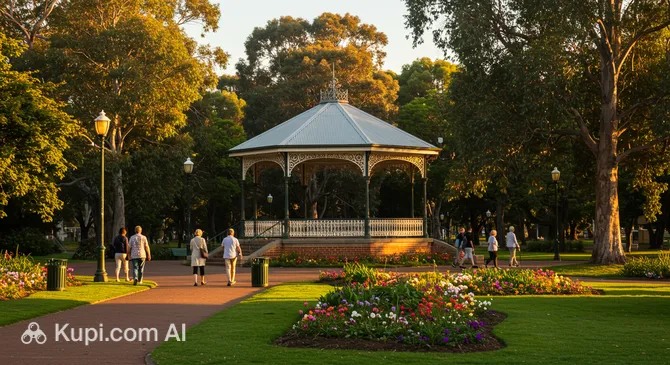
Cook Park. Source: Kupi.Binoculars
  • Contrary to popular belief, the city was not named after the citrus fruit. In 1846, surveyor Thomas Mitchell named the settlement in honour of Prince William of Orange, a future King of the Netherlands with whom he had served in the Peninsular War. Ironically, the local cool climate is generally too cold for growing commercial oranges.

  • Orange is deeply connected to Australian literary history as the birthplace of A.B. "Banjo" Paterson, one of the country's most famous bush poets. He was born at the nearby property of Narrambla in 1864, and today, a statue and park mark the site where the author of "The Man from Snowy River" began his life.

  • The region is historically significant as the cradle of the Australian gold rush. The first payable gold in Australia was officially discovered at Ophir, just north of Orange, in 1851. This discovery triggered a massive influx of prospectors and forever changed the nation's economy and demographics.

  • The city's beloved Cook Park is a rare example of a Victorian-era park that has maintained its original design integrity for over a century. Established in 1873, it features heritage trees, a sunken garden, and a vintage bandstand that transport visitors back to the 19th century.

How to Get There

Reaching the picturesque city of Orange is straightforward, with several transport options available depending on your starting point and preferences. For a comprehensive overview, you can read more about how to get to Orange, but for many travellers, flying is the most time-efficient choice.

The city is served by its own facility, Orange Airport (OAG), which is located approximately 12 km from the city centre. This regional airport offers regular direct flights, primarily connecting with Sydney. Once you land, the journey into town takes about 20 to 25 minutes by taxi or shuttle bus. With an annual passenger traffic of around 95,000, it is a convenient and busy hub for the region.

Alternatively, if direct flights are not suitable, you can fly into Parkes Airport (PKE), situated in the town of Parkes, about 81 km away. The drive from Parkes to Orange takes roughly one hour and 15 minutes. Another viable option is the Dubbo City Regional Airport (DBO) in Dubbo, which is approximately 127 km from Orange. As a larger regional hub, it offers more flight frequencies, though you should plan for a transfer time of nearly two hours by road.

For clarity, here is a summary of the main airports:

Airport Name City Passenger Traffic Km from City
Dubbo City Regional Airport Dubbo Medium 127.5
Orange Airport Orange Medium 11.9
Mudgee Mudgee Small 93.6
Parkes Airport Parkes Small 80.7
Western Sydney International Airport Sydney N/A 164.1

Beyond air travel, Orange is well-connected to the rest of New South Wales by road and rail. A scenic train service runs daily from Sydney, winding through the Blue Mountains and offering a relaxing way to view the countryside. For those who prefer to drive, the city is accessible via major highways, making for a pleasant road trip from nearby capital cities.

Main Attractions

Orange is a city that delights visitors with its blend of natural beauty, historical charm, and culinary excellence. The city's attractions cater to those who love the outdoors as well as those seeking a taste of the local lifestyle, making it a well-rounded destination for any traveller.

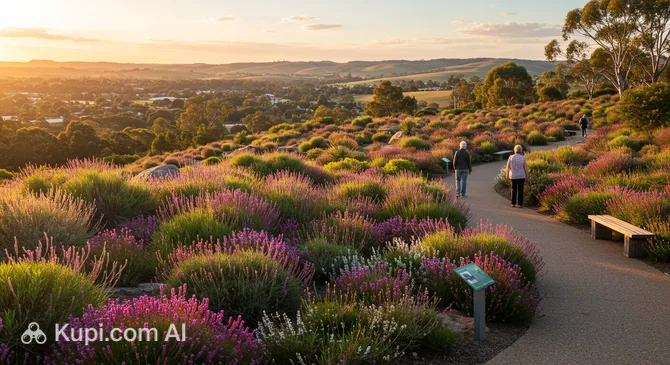
One of the premier natural sites is the Orange Botanic Gardens. Spanning 17 hectares, this beautiful space features a diverse collection of native and exotic plants. Visitors can wander through the Heritage Rose Garden, explore the billabong, or enjoy a picnic on the expansive lawns of Clover Hill. It is a perfect spot for a relaxing afternoon surrounded by the changing colours of the seasons.

Orange Botanic Gardens. Source: Kupi.Binoculars

For those interested in the city's heritage and garden design, Cook Park is a must-visit destination. This Victorian-era park in the heart of the city is renowned for its magnificent established trees, the begonia house, and a sunken garden. It provides a tranquil escape and a glimpse into the botanical history of the region, maintaining its original 19th-century charm.

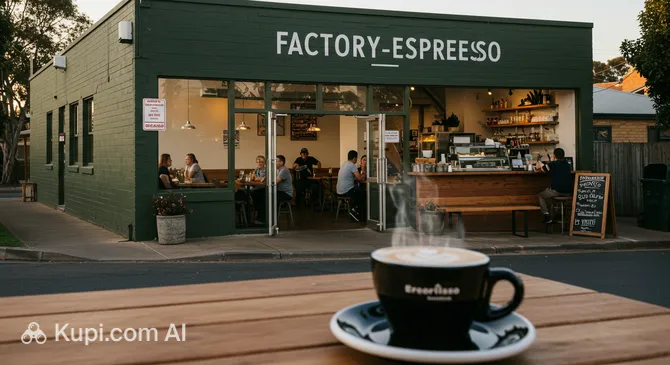
Orange is also celebrated for its vibrant food and coffee culture. Factory Espresso is a popular choice for locals and tourists alike, offering a lively atmosphere to enjoy excellent coffee and delicious meals. It represents the modern, cosmopolitan side of the city, making it a great stop for brunch or a mid-day energy boost.

Factory Espresso. Source: Kupi.Binoculars

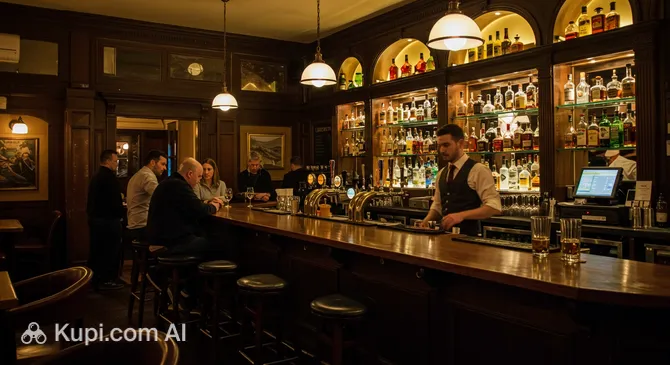
To experience the social history of the area, a visit to the Parkview Hotel offers a classic Australian pub atmosphere. Known for its hospitality and hearty food, it is a great venue to unwind after a day of sightseeing. The building itself adds to the architectural character of the streetscape, inviting visitors to enjoy a drink in a friendly, traditional setting.

Parkview Hotel. Source: Kupi.Binoculars

Local Cuisine

Orange has earned a well-deserved reputation as one of the country's premier food and wine destinations, often referred to as "Australia's Food Basket." The city's high altitude, cool climate, and rich volcanic soil create the perfect conditions for growing high-quality produce. Gastronomy here is defined by a strong "paddock to plate" philosophy, where local chefs work closely with regional farmers to showcase the freshest seasonal ingredients on their menus.

The region is particularly famous for its stone fruit and orchards. Depending on the season, visitors can enjoy crisp apples, juicy pears, and sweet cherries, often bought directly from farm gates. In the cooler months, the local food scene highlights earthy ingredients like truffles and mushrooms, often paired with premium local meats such as lamb and beef raised on the surrounding pastures. Venison is another specialty often found in the city's fine dining establishments.

When it comes to beverages, Orange is a powerhouse in the Australian wine industry. The region is renowned for its award-winning cool-climate wines, with Shiraz, Cabernet Sauvignon, and Chardonnay being the standout varietals. For those who prefer beer or cider, the area's apple heritage supports excellent local cideries, and craft breweries are gaining popularity. Coffee culture is also deeply ingrained in the local lifestyle, with roasters and baristas taking great pride in their craft.

The dining landscape offers everything from hatted restaurants to casual, buzzing cafes. For a relaxed start to the day, locals often flock to spots like Factory Espresso, which serves as a hub for excellent coffee and breakfast made with local produce. It perfectly illustrates the city's modern cafe culture, where the atmosphere is as important as the quality of the beans.

For a more traditional Australian dining experience, the city's historic pubs provide hearty meals in a welcoming setting. The Parkview Hotel is a fine example, offering classic pub fare such as schnitzels and steaks, which are best enjoyed with a glass of local wine or beer. Beyond individual eateries, the community celebrates its abundance through regular farmers' markets and annual festivals, making Orange a true paradise for food lovers.

Travel Tips

To ensure your visit to this beautiful cool-climate region is as relaxing and enjoyable as possible, we have compiled a list of essential practical tips. Whether you are here for the wine, the heritage walks, or the country charm, these insights will help you navigate Orange like a local.

  1. Clothing and Gear: Because of the high altitude, the weather here can be significantly cooler than in Sydney or coastal areas. In winter, bring a heavy coat, gloves, and a beanie, as snow is not uncommon. Even in summer, evenings can be crisp, so packing layers is smart. If you plan to visit vineyards or walk up Mount Canobolas, sturdy and comfortable walking shoes are a must.
  2. Transportation: While the city centre is walkable, the best way to explore the surrounding wineries and natural attractions is by car. Rental agencies are available at the airport and in town. Taxis and ride-sharing apps like Uber operate here, but availability can be lower than in capital cities, especially late at night. There is a local bus network, but it is generally less convenient for tourist itineraries.
  3. Finances: The local currency is the Australian Dollar (AUD). Credit and debit cards are widely accepted at hotels, restaurants, and cellar doors. However, it is useful to carry a small amount of cash for markets or smaller farm-gate stalls. ATMs are plentiful in the CBD. Tipping is not mandatory but is appreciated for exceptional service, typically around 10% in restaurants.
  4. Health and Safety: Orange is a safe and family-friendly city. For medical needs, the Orange Health Service is the main public hospital, and there are several pharmacies (chemists) in the city centre, some open 7 days a week. In any emergency requiring police, ambulance, or fire services, dial 000. The sun can be stronger at high altitudes, so wear sunscreen even on cooler days.
  5. Communication: English is the sole language spoken. Mobile coverage is generally excellent within the city and main tourist areas, though it can be patchy in remote national park sections; the Telstra network usually offers the widest rural coverage. Free Wi-Fi is often available in cafes, hotels, and the public library.
  6. Local Etiquette: The vibe in Orange is relaxed and friendly. It is polite to greet shopkeepers and drivers with a "G'day" or "Hello." When visiting cellar doors, casual attire is acceptable, but smart casual is recommended for evening dining. If you are doing a wine tasting, it is courteous to ask questions and show interest in the produce, as locals are very proud of their region.
  7. What to Avoid: Do not enter private farmland or orchards without permission. This is not only a matter of privacy but also of biosecurity, as carrying pests or diseases on your shoes can devastate local crops. Always stick to marked paths and public entrances.
  8. Additional Tip: Dining out is a major pastime here, and popular restaurants can book out weeks in advance, especially on weekends. Always make a reservation for dinner to avoid disappointment. Also, be aware that shops often close around 1:00 PM or 2:00 PM on Saturdays and may be closed on Sundays, so plan your retail therapy for weekdays or Saturday mornings.

By keeping these simple tips in mind, you will be well-prepared to embrace the distinct seasons and warm hospitality that define Orange. We hope your stay is filled with delicious discoveries and peaceful moments in the heart of New South Wales.

Entertainment & Nightlife

Entertainment in Orange reflects the city's character: sophisticated, welcoming, and deeply connected to its reputation for food and wine. While you will not find a rowdy clubbing scene typical of major metropolises, the nightlife here is vibrant in its own right. The evening culture revolves around high-quality wine bars, historic pubs, and intimate cocktail lounges where conversation and local flavours take centre stage.

The heart of the action is undoubtedly located along and around Summer Street in the CBD. As the sun sets, this area transforms into a hub for locals and visitors looking to unwind. For a traditional Australian experience, the Parkview Hotel remains a cornerstone of the local social scene. It offers a lively yet relaxed atmosphere where you can enjoy a cold beer or a glass of regional wine, making it a perfect spot to mingle with the friendly local community well into the evening.

For those seeking a more specialized drink, the city boasts several excellent venues. Washington & Co is a standout for whiskey and cocktail enthusiasts, channelling a prohibition-style vibe with an extensive menu. Similarly, The Union Bank is a celebrated institution, offering a stunning courtyard and a wine list that showcases the very best of the Orange region. These venues typically attract a crowd that appreciates a smart-casual setting, with opening hours often extending until midnight on weekends.

When planning your night out, keep in mind that the dress code is generally relaxed but neat; "smart casual" will get you into almost any venue in town. Prices are comparable to Sydney, reflecting the high quality of the offerings. Practicality is key regarding the weather: evenings in Orange can be surprisingly cold, even in summer, so always bring a warm jacket if you plan to walk between venues.

Orange is considered a very safe city for night walks, particularly in the well-lit centre. However, as the temperature drops, walking long distances can be uncomfortable. Taxis are available, with the local rank located on Summer Street, and ride-sharing services operate in the area, though wait times can be longer than in capital cities. It is advisable to book a taxi in advance if you are leaving a venue late on a busy Friday or Saturday night.

Beyond the nightlife, the city offers plenty of daytime entertainment to fill your itinerary. Culture lovers should visit the Orange Regional Gallery and the Orange Regional Museum to explore local art and history. For families or those seeking lighthearted fun, the city features well-maintained parks and recreational facilities, ensuring that there is something to do from the moment you wake up until the last call at the bar.

Parks & Museums

Orange seamlessly blends its natural beauty with a thriving cultural scene, offering visitors a mix of sophisticated museums and expansive green spaces. The city's commitment to arts and heritage is best experienced in the dedicated Cultural Precinct, while its parks provide a refreshing escape into the cool-climate environment.

A focal point for culture enthusiasts is the Orange Regional Museum. Known for its striking contemporary architecture, the building features a sloping grass roof that doubles as a public park and amphitheatre. Inside, the museum presents engaging, rotating exhibitions that explore the stories of the region, from its First Nations history to its gold rush heritage and agricultural evolution. It is a space where the past is interpreted through modern storytelling.

Directly adjacent is the Orange Regional Gallery, one of the leading art institutions in regional New South Wales. The gallery is celebrated for its dynamic program, which includes touring exhibitions from major national institutions as well as showcases of local talent from the Central West. It serves as a creative hub for the community, offering a quiet space to appreciate modern Australian art.

For those seeking immersion in nature, the Orange Botanic Gardens provide a diverse botanical experience on the northern edge of the city. While the site is a beautiful place for a stroll, it also serves an important scientific role in the conservation of cool-climate plants. The gardens are particularly rewarding for birdwatchers, as the native woodlands and billabong attract a wide variety of local bird species throughout the year.

Just a short drive from the city centre lies Lake Canobolas Reserve, a favourite recreational spot for both locals and visitors. Situated at the foot of the mountain, this man-made lake offers a more rugged natural setting compared to the manicured city parks. In the warmer months, it is a popular location for swimming and canoeing, while the walking track around the water provides a peaceful loop where you might spot echidnas or even a shy platypus in the early morning.

Getting Around

The public transport system in Orange is reliable and straightforward, primarily relying on a network of buses that serve the city centre and surrounding suburbs. Unlike larger metropolitan areas, there is no metro or tram system here. The main operator, Orange Buslines, provides regular services that connect key locations such as the Central Business District (CBD), the hospital, the university campus, and major shopping precincts. For most visitors, these buses are the most economical way to navigate the city during the day.

When it comes to paying for your journey, the system is modern and user-friendly. Buses in Orange accept contactless payments, meaning you can simply tap your credit card, debit card, or smartphone with a digital wallet upon boarding. Cash is also accepted if you prefer to pay the driver directly, but it is advisable to have small change ready. It is important to note that the Opal card system, which is widely used in Sydney and surrounding regions, is not valid on local buses in Orange.

For those planning to explore beyond the bus routes or needing travel late at night, taxis and rideshare services are readily available. Orange Taxis operate throughout the city and can be booked via phone or their app, while Uber is also active in the area. These options are particularly recommended if you are visiting local vineyards or dining out in the evening, as bus services may be less frequent after dark and on weekends.

Cycling is another popular alternative, especially given the city's scenic surroundings. While the city centre is compact enough to be explored comfortably on foot, hiring a bike can be a delightful way to reach nearby attractions. For a more relaxed experience, especially for wine enthusiasts, look out for specialized "hop-on hop-off" tourist shuttle buses that operate on specific days, allowing you to visit multiple cellar doors without worrying about driving.

The city is also served by the Orange Railway Station, which is a stop for regional NSW TrainLink XPT services connecting to Sydney and Dubbo. While the train is an excellent way to arrive in or depart from the region, it is not used for local intra-city transport. Tourists are advised to check the latest timetables on the Transport for NSW website or app, as schedules can vary, particularly on public holidays.

Accommodation

Accommodation:

Finding the perfect place to stay in Orange is part of the experience, with options ranging from charming bed and breakfasts to modern motels and luxury rural retreats. The city caters to a diverse crowd, offering everything from budget-friendly accommodation for families and backpackers to high-end boutique cottages designed for romantic getaways. Whether you prefer the convenience of the city centre or the tranquility of a vineyard stay, there is something to suit every taste and budget.

For those who want to be close to the action, staying within the central business district (CBD) is highly recommended. Accommodation here places you within walking distance of the city's best cafes, restaurants, and shops, making it easy to enjoy the local lifestyle without needing a car for dinner. Alternatively, the outskirts of Orange offer a completely different vibe. Many visitors choose to stay in self-contained cottages or farm stays nestled among the rolling hills and vineyards, providing a peaceful escape with stunning views of Mount Canobolas.

The cost of accommodation varies significantly depending on the season and the type of lodging. You can generally find affordable motels and caravan parks on the main approach roads, while exclusive vineyard estates and heritage guesthouses command a premium price, particularly on weekends. Booking platforms and direct websites are the most common ways to secure a room. A crucial tip for travellers is to book well in advance, especially if you plan to visit during major local events like the F.O.O.D Week in April or the Wine Festival in October, as the city often reaches full capacity during these peak times.

Nearby Cities

For those looking to explore the surroundings, Orange serves as an excellent base for day trips to several interesting nearby locations:

Located just a short drive to the east, Bathurst is a destination rich in heritage and excitement. As Australia's oldest inland settlement, it boasts impressive Victorian architecture and a history deeply rooted in the gold rush era. Motorsport enthusiasts will also recognise it as the home of the world-famous Mount Panorama racing circuit, making it a diverse spot for a day out.

Heading northwest, Dubbo offers a completely different experience and is well worth the longer drive. It is best known for the Taronga Western Plains Zoo, an expansive open-range sanctuary that allows visitors to see exotic animals in a natural setting. The city also features the Old Dubbo Gaol, a heritage-listed site that provides a fascinating, albeit eerie, glimpse into 19th-century prison life.

City Population Distance (km)
Dubbo 38943 123
Bathurst 34303 48
Quakers Hill 27080 174
Camden 26057 173
Goulburn 22419 174

These nearby destinations offer a glimpse into the diverse culture and landscapes of the region.

Shopping & Souvenirs

Shopping in Orange offers a delightful mix of country charm and cosmopolitan style, reflecting the city's status as a major regional hub. Visitors will find that the retail experience here is far more personal than in larger cities, with a strong focus on independent boutiques, high-quality homewares, and, naturally, gourmet local produce. Whether you are looking for the latest fashion, unique antiques, or a bottle of award-winning local wine, the city provides a relaxed and inviting atmosphere to browse and buy.

The heart of the retail action is located along Summer Street and its surrounding laneways. This picturesque main thoroughfare is lined with heritage buildings that house an array of specialty stores. Here, you can wander through fashion boutiques offering Australian and international labels, explore stylish interior design shops, and discover bookstores that invite you to linger. The area is compact and walkable, making it easy to combine a shopping spree with a coffee break at one of the many nearby cafes.

For those seeking a more concentrated collection of stores, the city features convenient shopping centres. Central Square Shopping Centre is a key destination in the CBD, providing a range of essential services, fashion retailers, and supermarkets under one roof. Along with the nearby Orange City Centre, these malls ensure that visitors have access to major national brands and everyday necessities in a comfortable, climate-controlled environment.

Central Square Shopping Centre. Source: Kupi.Binoculars

A highlight of the local shopping scene is undoubtedly the markets. The Orange Region Farmers Market is an institution, held monthly and drawing crowds from all over the district. It is the best place to connect directly with producers and sample the region's famous bounty, from crisp apples and cherries to artisan cheeses and freshly baked bread. For vintage lovers, occasional flea markets and community fairs offer the chance to uncover second-hand treasures and local crafts.

When it comes to souvenirs, the best mementos are edible or drinkable. A bottle of cool-climate Shiraz or Chardonnay from a local vineyard is a classic choice. Other popular items include jars of locally made jam, honey, or truffle products, which capture the flavours of the region. For non-food items, look for high-quality merino wool products or handmade ceramics created by local artisans, which are often available in the boutique gift shops around town.

Store opening hours in Orange generally follow standard Australian regional patterns. Most shops are open from 9:00 AM to 5:30 PM on weekdays and from 9:00 AM to 4:00 PM on Saturdays. On Sundays, many smaller boutiques may be closed or operate with reduced hours, typically from 10:00 AM to 2:00 PM, so it is wise to check ahead. Payment is easy, with credit and debit cards (Visa and Mastercard) widely accepted everywhere, although carrying a little cash is helpful for smaller market stalls.

International tourists should be aware of the Tourist Refund Scheme (TRS). If you spend $300 (AUD) or more in a single store and obtain a valid tax invoice, you may be eligible to claim a refund of the Goods and Services Tax (GST) upon departure from Australia. Be sure to keep your receipts and present your goods at the customs office at the international airport when you leave the country.

Reached the end of the page?

That means the route is fully explored