Support

Wagga Wagga

About

Wagga Wagga, affectionately known to locals simply as "Wagga," is a vibrant regional hub located in the heart of the Riverina region in New South Wales. As the largest inland city in the state, it serves as an important center for agriculture, military, and transport, while offering a welcoming atmosphere that perfectly blends urban convenience with country charm. The name itself is derived from the local Wiradjuri Aboriginal language, meaning "place of many crows," reflecting the area's deep connection to the land and nature.

Geographically, the city is situated midway between the two largest cities in Australia, Sydney and Melbourne, making it a popular stopover and destination in its own right. The city rests on the banks of the majestic Murrumbidgee River, which provides a scenic backdrop for many outdoor activities. With a population of approximately 67,000 residents, Wagga Wagga enjoys a temperate climate with four distinct seasons, featuring hot summers and cool, crisp winters that often transform the surrounding landscapes into picturesque scenes.

The region has a fascinating heritage, and visitors are encouraged to delve into the history of Wagga Wagga to understand its development from a crossing point on the river to a bustling modern city. The area was originally inhabited by the Wiradjuri people, and their enduring culture is celebrated throughout the community today. From the gold rush era to its growth as a major railway town, the stories of the past are woven into the streets and buildings of the city center.
Wagga Wagga. Source: Kupi.Binoculars

Travelers will find plenty to see and do here. One of the most unique features is Wagga Wagga Beach, which has been recognized as one of the top beaches in the country despite being hundreds of kilometers from the ocean. It is a perfect spot for a picnic or a swim in the river. For culture enthusiasts, the National Art Glass Gallery houses a world-class collection of contemporary art glass. Nature lovers should not miss the Wagga Wagga Botanic Gardens, which features a mini zoo and a free-flight aviary, making it a hit with families.

Whether you are passing through or planning a dedicated trip to the Riverina, Wagga Wagga offers a delightful mix of cultural experiences, natural beauty, and friendly hospitality. It is a destination that invites you to relax by the river, explore local art, and enjoy the authentic spirit of regional Australia.
Weather Overview

The climate in this region is characterized by distinct seasonal changes, offering visitors a different experience depending on when they travel. Generally, you can expect hot summers with occasional rain and cool, crisp winters. To help pack the right gear for your trip, it is helpful to review the current weather in Wagga Wagga before you arrive.

Summer, which runs from December to February, is the warmest period. January is typically the hottest month, with average maximum temperatures reaching 31.8°C and minimums around 18.9°C. This season is ideal for enjoying the river, though the heat can be significant. In contrast, winter brings much cooler conditions between June and August. July is often the coldest month, where the average minimum temperature drops to 3.9°C and daytime highs hover around 13.0°C.

Precipitation is fairly moderate throughout the year. The number of wet days ranges from a low of 4 days in February to about 9 days in July and November. The shoulder seasons of spring and autumn provide mild and comfortable weather, with March seeing average temperatures of 21.0°C and October settling around 15.9°C, making these excellent times for exploring the city's parks and gardens.

Interesting Facts

Beyond the main attractions, Wagga Wagga holds many fascinating secrets and unique claims to fame that surprise many visitors. From culinary history to sporting prowess, there are several intriguing aspects that define the local character.
  • Birthplace of a Snack: It is a point of local pride that the Chiko Roll, an iconic Australian snack, reportedly made its first public appearance at the Wagga Wagga Agricultural Show in 1951.

  • Top-Ranked River Beach: In a surprising twist for an inland city, Wagga Beach was named one of the top 10 beaches in Australia in 2020, becoming the first river beach to ever receive this prestigious honor.

  • The Wagga Effect: The city is famously known as the "City of Good Sports" due to a phenomenon called the "Wagga Effect," which refers to the disproportionately large number of elite athletes and sporting heroes hailing from this region.

  • Free Wildlife Encounters: Located within the Wagga Wagga Botanic Gardens, the city zoo and free-flight aviary are among the few facilities of their kind in the state that remain completely free for the public to enjoy.

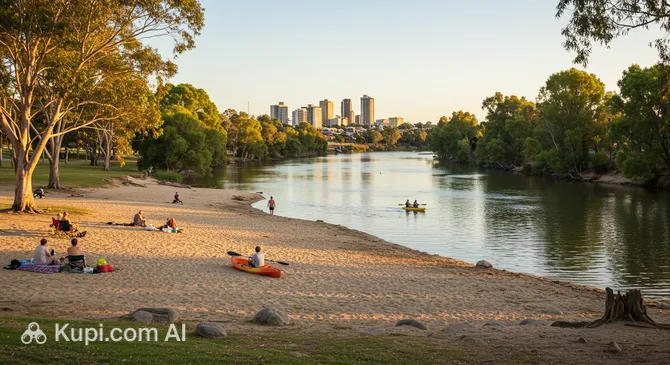
Wagga Beach. Source: Kupi.Binoculars

How to Get There

Reaching the largest inland city in New South Wales is quite convenient, with several transport options available depending on your starting point. Whether you are traveling from major capitals like Sydney or Melbourne, or from regional hubs, the journey takes you through the scenic Riverina region. For a detailed breakdown of routes and transport modes, you can read more about how to get to Wagga Wagga to plan your trip effectively.

The most direct air route is to fly into Wagga Wagga Airport (WGA), which is conveniently located just 11.5 km from the city center. As a key regional hub, it handles a significant volume of passengers annually. The short commute from the airport to the downtown area typically takes about 15 to 20 minutes by taxi or shuttle. This is the preferred option for those looking to save time and arrive right at the city's doorstep.

If direct flights are unavailable, you might consider arriving at Albury Airport (ABX) in the city of Albury. Situated approximately 113 km away, it serves as a viable alternative gateway to the region. From Albury, the drive to Wagga Wagga takes roughly 1.5 hours via the Hume and Olympic Highways. Another significant option is Canberra Airport (CBR) in the nation's capital, Canberra. Although it is about 168 km away, it offers a wider range of connections. The drive from Canberra takes approximately 2 to 2.5 hours, offering a scenic road trip through the Australian countryside.

For clarity, here is a summary of the main airports:

Airport Name City Passenger Traffic Km from City
Canberra Airport Canberra Large 168.1
Albury Airport Albury Medium 113.3
Wagga Wagga Airport Wagga Wagga Medium 11.5
Parkes Airport Parkes Small 233.0
Snowy Mountains Airport Cooma Small 196.6

Main Attractions

Wagga Wagga is renowned as the "City of Good Sports," but it is equally famous for its lush landscapes, vibrant parks, and unique riverside recreation. The city seamlessly blends natural beauty with cultural heritage, offering visitors a variety of engaging sites to explore. From manicured gardens to a sandy river shoreline, the local attractions cater to families, nature lovers, and history buffs alike.

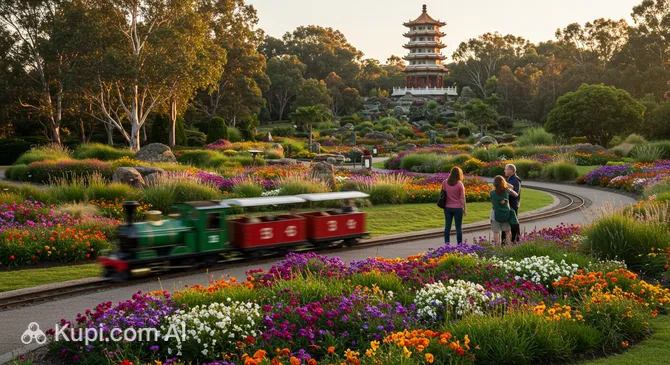
One of the city's most beloved treasures is the Wagga Wagga Botanic Gardens. Spanning over 20 hectares at the base of Willans Hill, this expansive park is a masterpiece of landscape design. Visitors can wander through the Camellia Garden, which boasts a stunning collection of blooms, or enjoy a peaceful moment in the Shakespearian Garden. It is also home to a miniature railway and a music bowl, making it a perfect destination for a full day of leisure and exploration.

Wagga Wagga Botanic Gardens. Source: Kupi.Binoculars

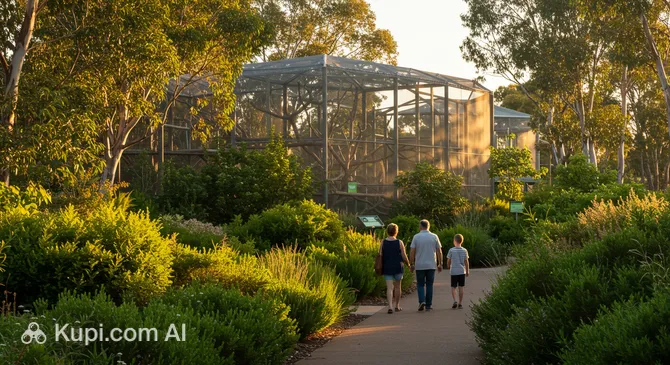
Located within the Botanic Gardens precinct is the Wagga Wagga Zoo and Aviary. This facility is a favorite for families and animal enthusiasts, offering a rare opportunity to see native and exotic wildlife up close without an admission fee. The zoo features a diverse range of animals, including kangaroos, wallabies, and emus, while the free-flight aviary allows guests to walk among colorful birdlife. It is an educational and fun experience that highlights the region's dedication to wildlife conservation.

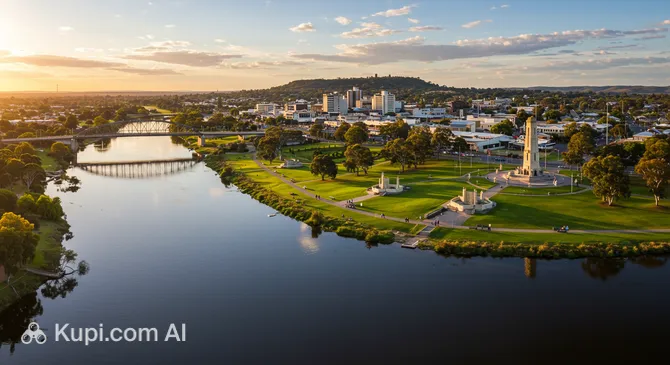
In the heart of the city center, you will find the Victory Memorial Gardens. Situated on the banks of the Wollundry Lagoon, this park was established as a tribute to those who served in the First World War. The gardens are beautifully maintained, featuring the Cenotaph, an avenue of Poplar trees, and the eternal flame. It is a serene spot for reflection, as well as a popular venue for community events and markets.

Victory Memorial Gardens. Source: Kupi.Binoculars

No visit to the city is complete without spending time at Wagga Beach. This sandy stretch along the Murrumbidgee River is a unique natural attraction that defies the expectation that great beaches must be on the coast. It is an ideal location for swimming, kayaking, or simply relaxing on the grass under the shade of ancient gum trees. In the warmer months, it becomes the social hub of the town, offering a cool respite from the inland heat.

Local Cuisine

As the beating heart of the Riverina region, often referred to as the "food bowl of Australia," Wagga Wagga offers a culinary landscape defined by fresh, locally sourced produce. The city's location ensures a steady supply of high-quality ingredients, from succulent meats to vibrant fruits and vegetables, creating a "paddock to plate" philosophy that many local chefs embrace. Visitors can expect a dining scene that is unpretentious yet sophisticated, celebrating the rich agricultural heritage of the surrounding area.

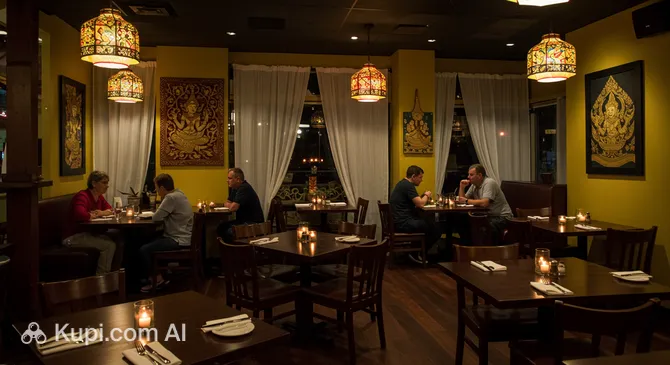
When it comes to signature dishes, Riverina Lamb is undoubtedly the star of the show. Renowned across the country for its tenderness and flavor, it is a staple on many dinner menus, often roasted to perfection or served as cutlets. The region is also gaining a reputation for its artisan produce, including boutique cheeses, olives, and olive oils. For a taste of the modern local dining scene, travelers might visit Thaigga, a popular spot that fuses contemporary flavors with fresh regional ingredients, offering a unique twist on fusion cuisine.

Thaigga. Source: Kupi.Binoculars

The beverage culture in Wagga Wagga is equally impressive, deeply rooted in the Riverina's status as one of the largest wine-producing regions in the state. While the area is famous for its volume of production, there is a growing number of boutique wineries crafting excellent Shiraz and Chardonnay. The region is particularly celebrated for its Botrytis Semillon, a sweet dessert wine that makes for a perfect after-dinner treat. For beer lovers, the local craft brewing scene is thriving, with microbreweries serving up refreshing ales and lagers made from local grain.

For a casual bite or to stock up on supplies, locals often frequent the bustling shopping precincts. Places like the Wagga Wagga Marketplace provide a range of convenient food options and fresh ingredients. However, the true spirit of the community is best experienced at the local farmers markets held on weekends. Here, tourists can mingle with growers, sample seasonal stone fruits, and enjoy the strong coffee culture that fuels the city's mornings.

Travel Tips

Welcome to the heart of the Riverina! While Wagga Wagga is known for its relaxed country charm and welcoming locals, a little preparation goes a long way in making your visit truly stress-free. Here are some practical tips to help you navigate the city like a pro and enjoy everything this vibrant regional hub has to offer.

  1. Clothing and Gear: The weather here varies significantly by season, so packing strategically is key. In summer, the heat can be intense, so bring lightweight, breathable clothing, a wide-brimmed hat, and high-SPF sunscreen. Winters are crisp and cool, requiring warm layers and a good coat. If you plan to walk the Wiradjuri Walking Track, sturdy and comfortable walking shoes are a must. Dress codes are generally casual everywhere, including dining venues.
  2. Transportation: While there is a local bus network operated by Busabout Wagga, it may not run as frequently as in major capital cities, especially on weekends. To fully explore the city and the surrounding Riverina region, renting a car is highly recommended. Taxis and ride-sharing apps like Uber are available and reliable for short trips within the town center.
  3. Finances: The local currency is the Australian Dollar (AUD). Credit and debit cards (Visa and Mastercard) are accepted almost everywhere, from cafes to retail stores, and "tap-and-go" payments are the norm. ATMs are plentiful along Baylis Street and in shopping centers. Tipping is not mandatory but is appreciated for exceptional service in restaurants, usually around 10%.
  4. Health and Safety: Wagga Wagga is a safe destination, but visitors should be cautious around the Murrumbidgee River; submerged logs and strong currents can be dangerous, so only swim in designated areas like Wagga Beach. For medical needs, the Wagga Wagga Base Hospital is the main facility. Pharmacies are easily found in the CBD and shopping malls, with some open late, though not typically 24/7.
  5. Communication: English is the primary language spoken. Free Wi-Fi is often available in the library, major fast-food chains, and some public spaces, but having a local SIM card (Telstra offers the best regional coverage) is advisable for reliable internet access on the go. Useful apps include Google Maps for navigation and local weather apps to track seasonal changes.
  6. Local Etiquette: The vibe here is friendly and egalitarian. It is common to greet shop assistants or bus drivers with a smile and a "G'day" or "How are you?" When queuing, always wait your turn patiently. If you are invited to a local's home for a BBQ, bringing a small contribution, such as a drink or dessert, is a polite gesture.
  7. What to Avoid: Do not ignore fire ban warnings during the summer months; lighting fires in open spaces when a total fire ban is in place is illegal and dangerous. Also, avoid swimming in the river alone or at night, as the water conditions can be unpredictable even for experienced swimmers.
  8. Local Market Tip: If you are in town on a Thursday afternoon, don't miss the Riverina Producers Market at the showgrounds. It is the best place to buy fresh local produce directly from the growers and experience the community spirit that defines the region.

With these tips in hand, you are all set to explore the "City of Good Sports" with confidence and ease. Enjoy the stunning river views, the delicious local food, and the warm hospitality that makes Wagga Wagga such a memorable destination!

Entertainment & Nightlife

While Wagga Wagga is not known for a high-energy clubbing scene comparable to major capitals, it offers a vibrant and welcoming nightlife centered around socializing, live music, and excellent dining. The evening atmosphere here is relaxed and friendly, reflecting the city's country hospitality. The nightlife is primarily concentrated along the central spine of the city, particularly on Fitzmaurice Street and Baylis Street, where you will find a cluster of historic pubs, modern bars, and restaurants that stay open late.

For many locals and visitors, a night out begins with a hearty meal. You might start your evening at Thaigga, a popular venue known for its modern fusion cuisine that sets the tone for a sophisticated yet casual night. After dinner, the crowd often migrates to the local hotels and breweries. The Thirsty Crow Brewing Co. is a local institution, famous for its craft beers and lively atmosphere, making it a perfect spot to mingle. Another favorite is Romano’s Hotel on Fitzmaurice Street, which often features live bands and a buzzing beer garden.

The dress code in most venues is "smart casual." You will rarely need formal attire, but neat clothing is appreciated, especially in the evening. Most bars and pubs are open until late, with peak times being Friday and Saturday nights. Prices are generally more affordable than in Sydney or Melbourne, with a pint of beer or a glass of wine costing significantly less. For cultural entertainment, the Wagga Wagga Civic Theatre hosts regular performances, ranging from comedy shows to plays and concerts, offering a more laid-back alternative to the pub scene.

Getting around at night is straightforward and safe. The city center is compact and walkable, but if you are venturing further or returning to your accommodation late, it is best to book a taxi or use a ride-sharing service like Uber. Baylis Street is well-lit and generally safe for walking, but as with any river city, it is advisable to avoid the unlit riverside paths and parks after dark.

During the daylight hours, the city offers a different kind of entertainment. Shopaholics can explore the Sturt Mall or the nearby Wagga Wagga Marketplace for fashion and essentials. For a family-friendly experience, the Wagga Wagga Zoo and Aviary provides a delightful way to spend an afternoon seeing native wildlife before the sun goes down.

Wagga Wagga Zoo and Aviary. Source: Kupi.Binoculars

Parks & Museums

Wagga Wagga seamlessly intertwines its rich cultural narrative with an abundance of verdant landscapes, earning its reputation as a "Garden City" within the Riverina. From world-class art collections to serene riverbanks, the city offers a diverse array of spaces where nature and heritage flourish side by side, providing visitors with ample opportunities for relaxation and discovery.

The crown jewel of the city's green spaces is undoubtedly the Wagga Wagga Botanic Gardens. Situated at the base of Willans Hill, this extensive parkland is a community hub that goes far beyond simple flower beds. It features a dedicated Camellia Garden, a Shakespearian Garden, and a music bowl, making it a versatile destination for leisure. For those seeking a more reflective atmosphere, the Victory Memorial Gardens in the city center offer a tranquil escape along the banks of the Wollundry Lagoon. This beautifully manicured park honors the region's military history and is a perfect spot for a quiet stroll among the ducks and native trees.

Culturally, the city punches above its weight, particularly with the National Art Glass Gallery. Housed within the Civic Centre, it boasts the most significant collection of contemporary art glass in Australia, showcasing dazzling works from both local and international artists. History enthusiasts should also visit the Museum of the Riverina, which operates across two sites: the Historic Council Chambers and the Botanic Gardens site. These venues provide a deep dive into local heritage, featuring exhibits on everything from First Nations history to the sporting legends that define the region's athletic prowess.

Nature lovers will appreciate the unique setting of Wagga Beach. While famous for swimming, the surrounding reserve is also an excellent natural area for picnicking under the shade of ancient River Red Gums. Adjacent to the parklands, the Wagga Wagga Zoo and Aviary serves as an engaging cultural venue where visitors can learn about Australian wildlife conservation in a hands-on environment.

The city's past is also etched into the architecture of Fitzmaurice Street, where well-preserved heritage buildings now house trendy cafes and boutiques, offering a glimpse into the prosperous gold rush and railway eras. For a specific slice of history, the RAAF Wagga Aviation Heritage Centre showcases the city's long-standing connection with the Royal Australian Air Force, displaying historic aircraft and memorabilia just outside the active base.

For a truly authentic and quiet experience, head to the Marrambidya Wetland. Located just a few minutes from the CBD, this rehabilitated site is a sanctuary for birdlife and offers peaceful walking tracks and viewing platforms that feel worlds away from the urban center, providing a perfect end to a day of exploration.

Getting Around

The public transport system in Wagga Wagga is primarily reliant on a network of buses, as there are no local metro, tram, or light rail services within the city. For most tourists, getting around involves a mix of bus travel, taxi services, and walking, especially within the compact city center. The local bus network is operated by Busabout Wagga, which provides reliable connections between the Central Business District (CBD), the railway station, the university, and major suburbs such as Kooringal, Lake Albert, and Tolland.

When it comes to paying for your ride, the system is designed to be user-friendly for visitors. Unlike in Sydney and its surrounding regions, the Opal card is not valid for use on buses in Wagga Wagga. Instead, the fleet has been upgraded to accept contactless payments. You can simply tap on with your credit card, debit card, or a linked device like a smartphone or smartwatch when boarding. Cash is also still accepted on board; if you choose this method, it is best to have small change ready to pay the driver directly.

For tourists planning to use the bus, it is important to know that services operate quite frequently during weekdays but can be limited on weekends and public holidays. Most routes run from early morning until the early evening, so it is wise to check the timetable in advance if you are planning a night out. You can find route maps and schedules on the Transport for NSW website or by using popular navigation apps on your phone. Remember to hail the bus by signaling the driver as it approaches your stop, as they will not stop automatically.

If you prefer a more direct mode of transport, taxis and rideshare services are readily available and popular alternatives. Wagga Radio Cabs operates a 24-hour service, which can be booked via phone or their app, and there are designated taxi ranks in the CBD. Ridesharing apps like Uber are also active in the city, offering a convenient way to get to specific destinations like the Wagga Wagga Airport or the Botanic Gardens without waiting for a scheduled bus.

For those who enjoy active travel, Wagga Wagga is a very cycle-friendly city. While there is no public bike-share scheme, you can rent bicycles from local shops such as Kidsons Cycles. The city boasts an extensive network of cycling paths, including the scenic Wiradjuri Walking Track, which loops around the city and offers a beautiful way to explore the riverbanks and parklands at your own pace.

Accommodation

Finding the perfect place to stay in Wagga Wagga is generally a straightforward experience, with options catering to a wide variety of budgets and travel styles. As a major regional hub, the city is well-equipped to host visitors, offering everything from classic motor inns and budget-friendly caravan parks to modern serviced apartments and stylish boutique hotels. While you won't find ultra-luxury 5-star resorts, the standard of accommodation is high, focusing on comfort, cleanliness, and country hospitality.

For those who want to be in the heart of the action, the Central Business District (CBD) is the most popular area to stay. Accommodation situated near Fitzmaurice Street and Baylis Street places you within easy walking distance of the city's best cafes, restaurants, and shops, as well as the scenic riverside precincts. This area is ideal for travelers who prefer to leave the car behind and explore the town on foot in the evenings.

Another common location for accommodation is along the Sturt Highway (Edward Street). This strip is famous for its high concentration of motels and motor inns. These establishments are particularly convenient for road trippers and families, typically offering spacious rooms, on-site parking, and easy access to the main arterial roads for quick departures. For a more relaxed experience, there are several caravan and holiday parks located slightly further out, often near the river, providing cabins and camping sites surrounded by nature.

When planning your trip, a useful booking tip is to check the local events calendar. Wagga Wagga hosts significant annual events, such as the Wagga Gold Cup and large university graduation ceremonies, during which accommodation can be fully booked weeks or even months in advance. Securing your room early during these peak times is essential to avoid disappointment.

In terms of pricing, the city is generally more affordable than Sydney or Melbourne. Budget travelers can find excellent value in hostels and cabin parks, while the mid-range market is dominated by reliable motels and hotels that offer great amenities for a reasonable nightly rate. Serviced apartments are available at the higher end of the price spectrum, perfect for longer stays or groups. Most properties can be booked easily through major online travel platforms, though contacting smaller motels directly can sometimes result in a better deal or more flexible check-in arrangements.

Nearby Cities

For those looking to explore the surroundings, Wagga Wagga serves as an excellent base for day trips to several interesting nearby locations:

Just over a two-hour drive to the east lies Canberra, the nation's capital. It is a fantastic destination for culture and history enthusiasts, offering world-class institutions such as the Australian War Memorial, the National Gallery, and the National Museum. Visitors can explore the manicured parklands around Lake Burley Griffin or enjoy the vibrant dining scene in the city's modern precincts.

Heading west, travelers will find Griffith, a thriving regional center known as the food and wine capital of the Riverina. With a strong Italian heritage, the town is famous for its excellent wineries, local produce, and the annual salami festival. A visit to the Hermit's Cave lookout offers panoramic views of the agricultural landscape that defines this productive region.

To the south is the city of Wodonga, situated on the banks of the Murray River at the border with Victoria. Often visited alongside its twin city Albury, Wodonga provides great opportunities for outdoor recreation, including walking tracks along the river and water sports at the nearby Lake Hume. It serves as a gateway to the high country and offers a relaxed atmosphere for a day out.

City Population Distance (km)
Canberra 381488 162
Wodonga 18948 121
Griffith 18196 152
Wangaratta 17377 169
Kingston 10409 164

These nearby destinations offer a glimpse into the diverse culture and landscapes of the region.

Shopping & Souvenirs

Shopping:

As the primary service center for the Riverina region, Wagga Wagga offers a comprehensive shopping experience that blends the convenience of major metropolitan brands with the charm of country boutiques. Visitors will find that the city caters to all needs, from high-end fashion and homewares to locally crafted goods and fresh regional produce. Whether you are looking to update your wardrobe or hunt for unique treasures, the city's compact layout makes retail therapy both accessible and enjoyable.

The retail heart of the city beats strongest along Baylis Street and Fitzmaurice Street. Baylis Street serves as the main commercial spine, bustling with activity and lined with a mix of well-known chain stores, banks, and cafes perfect for a mid-shop coffee break. Further north, Fitzmaurice Street offers a slightly different vibe, characterized by its beautiful heritage buildings. This area is often the go-to destination for independent boutiques, specialty stores, and lifestyle shops, where you can find distinct clothing and gifts that you won't see in the average department store.

For those who prefer everything under one roof, the city boasts two major shopping centers located conveniently close to one another. The Wagga Wagga Marketplace is a modern complex that houses a large supermarket, a discount department store, and numerous fashion and specialty retailers. It is a popular hub for locals and provides a comfortable, air-conditioned environment for browsing.

Wagga Wagga Marketplace. Source: Kupi.Binoculars

Just a short walk away is the Sturt Mall, another key pillar of the local shopping scene. This center complements the Marketplace by offering additional major department stores and a variety of smaller retail outlets. Between these two centers and the connecting street shops, visitors can easily find everything from electronics and cosmetics to camping gear and books without needing to travel far.

To truly taste the flavor of the region, a visit to the local markets is essential. The Riverina Producers Market, held every Thursday afternoon at the Wagga Wagga Showground, is a highlight for foodies. Here, local farmers sell meat, bread, honey, and jams directly to the public. On the second Saturday of each month, the Wagga Wagga Farmers Market takes place near the Wollundry Lagoon, offering a vibrant atmosphere filled with fresh fruit, vegetables, flowers, and handmade crafts.

When searching for souvenirs, look for items that celebrate the "food bowl" reputation of the Riverina. Bottles of locally produced olive oil, jars of artisan honey, or a selection of regional wines make for excellent gifts to take home. Additionally, given the city's reputation for glass art, you may find smaller glassworks or jewelry inspired by the local gallery collections in some of the independent gift shops.

Store opening hours in Wagga Wagga generally follow standard Australian regional patterns. Most shops are open from 9:00 AM to 5:00 PM on weekdays and Saturdays, with some closing slightly earlier on Saturdays. Sunday trading is available, particularly for larger malls and supermarkets, though smaller boutiques may be closed or operate with reduced hours (typically 10:00 AM to 4:00 PM). Thursday is often the designated late-night shopping day, with major retailers staying open until 7:00 PM or 9:00 PM. Payments are overwhelmingly digital, with credit and debit cards accepted almost everywhere, though keeping a small amount of cash for market stalls is a good idea.

International tourists should be aware of the Tourist Refund Scheme (TRS). If you spend $300 (AUD) or more (including GST) at a single business, you may be eligible to claim a refund of the Goods and Services Tax upon your departure from Australia. Be sure to keep your tax invoices and present them at the TRS facility at the international airport when you leave the country.

Reached the end of the page?

That means the route is fully explored