Support

Moruya

About

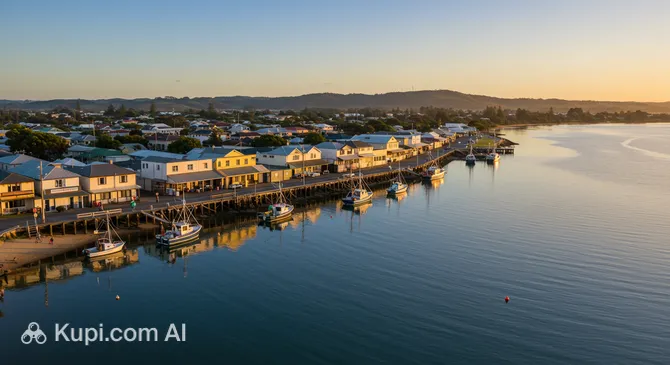
Welcome to Moruya, a picturesque town nestled on the banks of the beautiful Moruya River. Known for its laid-back atmosphere and stunning natural surroundings, this gem on the Eurobodalla Coast offers a perfect blend of rural charm and coastal beauty. It is a delightful destination for travelers exploring Australia, providing a genuine taste of life in New South Wales.

The town serves as an important commercial hub for the surrounding region, which is home to a welcoming community of approximately 11,000 people. Its geography is defined by the sweeping river that meets the sea, lush farmlands, and a backdrop of rugged mountains. The climate is generally temperate and pleasant, creating an ideal environment for outdoor enthusiasts to enjoy the scenery year-round.

Moruya. Source: Kupi.Binoculars

Visitors are often drawn to the town's fascinating heritage. You can explore the history of Moruya to discover how its famous granite was quarried to build iconic structures, including the pylons of the Sydney Harbour Bridge. Today, the town is perhaps best celebrated for the vibrant Moruya Country Markets, held every Saturday on the riverbank, where locals gather to sell fresh produce, arts, and handmade crafts.

Beyond the markets and heritage sites, nature lovers will appreciate the proximity to pristine coastal spots such as Shelly Beach and the expansive Eurobodalla National Park. Whether you are keen on fishing, kayaking along the river, or simply soaking up the relaxed country vibe, Moruya is an inviting stop that truly captures the heart of the South Coast.

Weather Overview

Moruya experiences a pleasant temperate climate, making it a comfortable destination to visit throughout the year. The weather is generally mild, characterized by warm summers and cool winters, allowing for plenty of outdoor exploration. For a more comprehensive breakdown of conditions during your specific travel dates, you can consult the guide to the weather in Moruya.

During the summer months of December through February, temperatures typically reach daytime highs of around 24°C to 25°C, while nights remain mild with averages near 16°C. This season tends to see a higher frequency of rainfall, with January often recording up to 16 wet days. In contrast, the winter period from June to August brings cooler air, with daily maximums dropping to approximately 14°C and overnight lows averaging around 6°C to 7°C.

Travelers should be prepared for varying conditions depending on the season. Expect warm summers with regular showers and cool, drier winters perfect for brisk coastal walks.

Interesting Facts

Beyond the main attractions, Moruya holds many fascinating secrets that reveal its deep connection to Australian history and culture. Dig a little deeper to uncover these unique details about the town that often go unnoticed by the casual observer.

Adelaide Hotel Moruya. Source: Kupi.Binoculars
  • The name "Moruya" is derived from a local Aboriginal word believed to mean "home of the black swan." This poetic title reflects the abundance of these graceful birds that can still be seen gliding along the river and local lagoons today.

  • While the local granite is famous for the Sydney Harbour Bridge pylons, it was also chosen for other prestigious Australian monuments. The stone was used to construct the Cenotaph in Sydney's Martin Place and the majestic columns of the General Post Office.

  • During World War II, the town played a strategic role in coastal defense. The local airfield served as an operational base for the Royal Australian Air Force, hosting squadrons tasked with anti-submarine patrols along the coastline.

  • The town preserves its architectural heritage with landmarks like the Adelaide Hotel Moruya, which stands as a testament to the region's bustling social life and hospitality dating back to the 19th century.

How to Get There

Planning a trip to the Eurobodalla Coast is straightforward, with several transport options available depending on your starting point. For a detailed breakdown of routes and tips, you can read more about how to get to Moruya.

The most direct way to arrive by air is via Moruya Airport (IATA: MYA), conveniently located within the town of Moruya itself, just 5.7 km from the center. This regional facility welcomes visitors right to the doorstep of the coast. A trip from the terminal to the town center by taxi or transfer is very quick, typically taking only about 5 to 10 minutes. Although it handles a smaller volume of travelers compared to major capitals, it offers the easiest access to the area.

For those traveling from further afield or requiring more flight connections, Canberra Airport (IATA: CBR) in Canberra is a significant alternative. Situated approximately 104 km from Moruya, this major airport serves a large number of passengers annually. It is important to note that the drive from Canberra to the coast takes approximately 3 hours by car or shuttle bus. This duration is due to the scenic and winding nature of the route, which traverses the mountain ranges, making it a beautiful but slower journey than the distance suggests.

For clarity, here is a summary of the main airports:

Airport Name City Passenger Traffic Km from City
Canberra Airport Canberra Large 104.2
Merimbula Airport Merimbula Medium 112.5
Wollongong Wollongong Small 162.5
Snowy Mountains Airport Cooma Small 108.7
Moruya Airport Moruya Small 5.7

Main Attractions

Moruya is a destination where history, nature, and community spirit come together to create a memorable travel experience. From its famous riverside markets to its rich heritage as a granite town, there is plenty to explore. Whether you are looking for a relaxing day by the water or a dive into the local past, the town offers a variety of attractions to suit every interest.

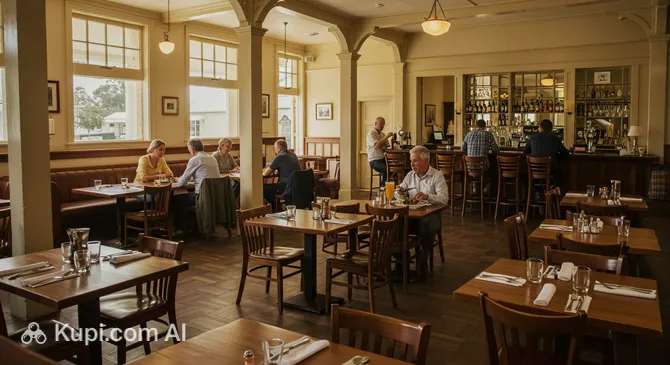
One of the most iconic spots in town is the Adelaide Hotel Moruya. This historic establishment is not just a place to grab a meal; it is a piece of the town's living history. Known for its classic architecture and welcoming atmosphere, it serves as a popular social hub for both locals and visitors. Tourists often stop here to enjoy hearty pub food and experience the genuine hospitality that the region is known for, making it a perfect resting point after a day of sightseeing.

For those who love shopping and local culture, the Moruya Country Markets are an absolute must-visit. Held every Saturday morning at Riverside Park, this vibrant market is renowned across the South Coast. Visitors can browse through over 140 stalls featuring fresh local produce, handmade arts and crafts, and delicious street food. The picturesque setting along the Moruya River, combined with live music and a bustling atmosphere, makes it a highlight of the week for the community.

To deepen your understanding of the region, a trip to the Moruya Museum is highly recommended. Managed by the local historical society, this museum houses a fascinating collection of artifacts, including the beautifully restored Abernethy and Co. Stonemason's Lathe. It offers a unique insight into the town's granite-quarrying heritage, detailing how local stone was used to build famous Australian landmarks. It is an educational stop that brings the stories of the past to life.

Nature lovers should head towards the coast to discover Shelly Beach, located at Moruya Heads. This pristine stretch of sand is situated near the mouth of the river and is a favorite spot for families. With its calm waters and picnic facilities, it provides a relaxing escape where you can swim, fish, or simply enjoy the stunning ocean views. The nearby lookout also offers a great vantage point for whale watching during the migration season.

Local Cuisine

The culinary scene in Moruya is a delightful reflection of its location, where fertile farmlands meet the pristine waters of the Eurobodalla Coast. The town is often referred to as part of the region's "food bowl," offering visitors an abundance of fresh, locally sourced ingredients. From succulent seafood caught in the nearby estuaries to rich dairy products and artisan meats produced in the hinterland, the focus here is on quality and freshness.

Given its position on the river and proximity to the ocean, seafood is a staple of the local diet. You simply cannot visit this area without trying the famous Sydney Rock Oysters. Grown in the clean waters of the local river systems, they are renowned for their creamy texture and distinct mineral flavor. For a more casual feast, grabbing a serving of classic fish and chips and eating it by the riverbank is a quintessential Moruya experience that perfectly captures the laid-back coastal lifestyle.

The town's food culture is heavily centered around the vibrant Moruya Country Markets. While it is a place to buy crafts, for foodies, it is a paradise of street food and raw ingredients. Locals flock here on Saturday mornings to stock up on organic vegetables, crusty sourdough bread, and local honey. It is also the perfect spot to grab a freshly brewed coffee and enjoy a diverse range of ready-to-eat treats, from homemade pies to international street food snacks.

Adelaide Hotel Moruya. Source: Kupi.Binoculars

For a taste of traditional Australian hospitality, the local pub scene offers hearty meals in historic settings. The Adelaide Hotel Moruya is a prime example of this enduring culture. Here, you can enjoy classic pub favorites such as chicken schnitzel, steaks, and burgers, served in an atmosphere that encourages conversation and community. These establishments are often the heartbeat of the town, where tourists can mingle with residents over a good meal.

When it comes to drinks, the region takes its beverages seriously. Coffee culture is strong, with several cafes along Vulcan Street serving excellent blends that rival those in big cities. For something stronger, the South Coast is home to a burgeoning craft beer scene and boutique wineries. While you explore the town, be sure to ask for locally produced wines or beers, which often feature on the menus of restaurants and bars, providing a perfect accompaniment to the fresh local flavors.

Travel Tips

To ensure your visit to the charming town of Moruya is as relaxing and enjoyable as possible, we have compiled a list of essential practical advice. These tips will help you navigate the local lifestyle, handle logistics with ease, and make the most of your time on the beautiful Eurobodalla Coast.

  1. Clothing and Gear: Moruya has a laid-back, coastal vibe, so casual and comfortable clothing is appropriate almost everywhere. In summer, lightweight fabrics and swimwear are essential, but always bring a hat, high-SPF sunscreen, and sunglasses to protect against the strong Australian sun. If you visit in winter, pack layers and a warm jacket, as evenings near the river can get quite crisp. Don't forget sturdy walking shoes if you plan to explore the national parks.

  2. Transportation: The best way to explore Moruya and the surrounding region is undoubtedly by car. While there are some local bus services and taxi operators, public transport is limited and does not reach many of the secluded beaches or nature trails. Renting a vehicle gives you the freedom to visit attractions at your own pace. Ride-hailing apps are generally not reliable in this rural area, so plan ahead.

  3. Finances: The local currency is the Australian Dollar (AUD). Credit and debit cards (Visa and Mastercard) are widely accepted in supermarkets, restaurants, and most shops. However, it is highly recommended to carry some cash, particularly for the famous Moruya Country Markets on Saturdays, where smaller stallholders may not have card facilities. ATMs are easily found along the main street, Vulcan Street.

  4. Health and Safety: Moruya is a safe and friendly town, but natural hazards should be respected. Always swim between the red and yellow flags at patrolled beaches like South Head to avoid strong rips. For medical needs, the town is well-serviced by the Moruya District Hospital and several pharmacies located in the town center; however, pharmacies are generally not open 24/7, so purchase essential medications during business hours.

  5. Communication: English is the primary language spoken, often with a distinct Australian accent and local slang. A friendly "G'day" goes a long way! Mobile coverage is generally good within the town, with Telstra offering the most reliable reception in remote surrounding areas. You can buy a prepaid SIM card at the local post office or supermarkets. Free Wi-Fi is often available in cafes and the local library.

  6. Local Etiquette: The community is known for being warm and welcoming. It is polite to greet shopkeepers and bus drivers when entering. In rural Australia, the pace of life is slower; rushing or showing impatience is often frowned upon. Tipping is not mandatory in Australia, but leaving a small tip (around 10%) for exceptional service at a restaurant is appreciated.

  7. What to Avoid: Avoid swimming at unpatrolled beaches if you are not a strong swimmer, as ocean conditions can change rapidly. Additionally, be mindful of the pristine environment; littering is taken seriously, so always take your rubbish with you, especially when visiting national parks or the riverbank.

  8. Local Insight: Be aware of trading hours. Unlike major cities, many shops in Moruya close by 1:00 PM on Saturdays and may be closed entirely on Sundays. Plan your shopping and errands for weekday mornings or Saturday mornings to coincide with the market bustle.

By keeping these practical tips in mind, you will be well-prepared to embrace the easygoing rhythm of Moruya. Whether you are bargaining for fresh produce at the markets or catching a wave at the beach, a little preparation ensures your holiday remains stress-free and memorable.

Entertainment & Nightlife

Nightlife in Moruya reflects the town's laid-back, country-coastal charm. You will not find pulsating nightclubs or high-end discos here; instead, the evening scene revolves around historic pubs, social clubs, and friendly venues where the community gathers to unwind. The atmosphere is consistently welcoming and casual, making it easy for visitors to strike up a conversation with locals over a cold drink or a hearty meal.

The heart of the action is primarily found along Vulcan Street and the riverfront areas. A standout venue is the Adelaide Hotel Moruya, affectionately known as "The Addie" by residents. This classic pub is a hub of social activity, offering a spacious beer garden, a lively front bar, and regular screenings of major sporting events. Just a short distance away, situated right on the banks of the river, the Moruya Waterfront Hotel Motel is another favorite. It is renowned for its scenic beer garden, which is the perfect spot for sunset drinks, and it frequently hosts live bands playing everything from blues and roots to classic pub rock.

For a truly local experience, the Moruya Golf Club is well worth a visit. Beyond its sporting facilities, the club serves as a major entertainment venue, featuring regular raffles, trivia nights, and occasional comedy shows or touring musical acts. The vibe across all these venues is distinctly informal; there is no strict dress code, so smart-casual attire is perfectly acceptable everywhere. Evenings tend to start and finish earlier than in major cities, with most kitchens closing by 8:30 PM or 9:00 PM, though bars may stay open until midnight on weekends.

Getting around at night requires a bit of planning. While the town center is compact and generally safe for walking, street lighting can be limited in residential areas. Taxis are available but can be scarce late at night, so it is wise to book in advance. A fantastic local perk is that several venues, including the Adelaide Hotel, often offer a courtesy bus service to pick up and drop off patrons within a certain radius, ensuring a safe and convenient way to get home.

While the nights are relaxed, daytime entertainment in Moruya offers a different kind of engagement. Culture enthusiasts can visit the Moruya Museum to delve into the region's granite-mining past, while outdoor lovers can explore the famous SAGE Farmers Market on Tuesday afternoons (and the Country Markets on Saturdays) for a taste of the region's vibrant community spirit and fresh local produce.

Parks & Museums

Moruya offers a delightful mix of natural splendor and rich cultural heritage, making it a rewarding destination for those who enjoy exploring the outdoors as much as delving into local history. From the tranquil banks of the river to the rugged coastline and the stories etched in stone, the town’s parks and museums provide a fascinating glimpse into the soul of the Eurobodalla region.

Nature enthusiasts will find plenty to admire in the Eurobodalla National Park, which stretches along the coastline near the town. This protected area is a haven of biodiversity, featuring spotted gum forests, wetlands, and pristine beaches. It is an excellent spot for walking, birdwatching, and spotting eastern grey kangaroos, which are often seen grazing near the shore at dusk. The park’s coastal track offers sweeping views of the ocean, making it a perfect escape for hikers seeking fresh air and scenic beauty.

Closer to the town center, Riverside Park serves as the community's green heart. Situated directly on the banks of the Moruya River, this manicured space is ideal for a relaxing family picnic or a gentle stroll along the water's edge. It offers well-maintained facilities, including barbecue areas and playgrounds, and provides easy access to the river for kayaking or fishing. The park’s open spaces come alive during community events, offering a genuine slice of local life against a backdrop of mountain views.

For a deep dive into the region's past, the Moruya Museum is an essential stop. Managed by the local historical society, this museum preserves a vast collection of artifacts that tell the story of the town’s development. A highlight of the collection is the focus on the famous Moruya granite, which was used to build the pylons of the Sydney Harbour Bridge. Visitors can see the restored Abernethy and Co. Stonemason’s Lathe and explore displays covering maritime history, gold mining, and domestic life from the 19th century.

Art lovers should not miss the Basil Sellers Exhibition Centre, affectionately known as "The Bas." As the Eurobodalla Shire’s major purpose-built art space, it hosts a dynamic rotation of touring exhibitions and showcases works by talented local and national artists. The gallery plays a pivotal role in the cultural landscape of the South Coast, offering workshops and events that celebrate creativity and foster community engagement.

The town’s architectural landscape also reflects its storied heritage. A walk through the streets reveals several significant buildings constructed from the local granite and brick. Among these historical landmarks is the Adelaide Hotel Moruya, a classic example of an Australian country pub that has served travelers and locals since the late 1800s. Its enduring presence stands as a testament to the town's long tradition of hospitality and social gathering.

For a unique insider experience, take the time to visit the Moruya Heads area, specifically the historic breakwall. While often visited for fishing, a walk here offers not just ocean views but a connection to the engineering history of the river mouth. It is a quieter alternative to the main beaches, perfect for watching the sunrise or spotting seals playing in the channel.
Getting Around

The public transport system in Moruya is scaled to fit its status as a quiet regional town. Unlike major metropolitan areas, there is no metro, tram, or train network operating directly within the town limits. Instead, the community relies primarily on a local bus network and private transport. For tourists, understanding the limitations and schedules of these services is key to getting around efficiently.

The backbone of the local public transport is the bus service, which connects the town center with surrounding residential areas and nearby coastal spots like Moruya Heads and Tuross Head. These buses are operated by local companies such as Priors Bus Service. While they provide essential links for residents, particularly school students and shoppers, the frequency is much lower than in big cities. Services often run only a few times a day and may be significantly reduced or non-existent on weekends and public holidays.

regarding payment, the sophisticated smart card systems found in larger cities (like the Opal card used in Sydney) are generally not applicable for local travel here. Passengers should be prepared to pay the driver directly upon boarding. It is highly advisable to carry cash, particularly small change, as credit card facilities may not always be available on older buses. Fares are calculated based on the distance traveled, but they remain quite affordable for short trips across town.

For a smooth experience, tourists should plan their journeys in advance. Timetables are not always posted at every stop, so it is best to check schedules online or visit the local visitor information center for a printed guide. When waiting for a bus, remember to hail the driver by raising your arm, as buses will not stop unless signaled. Be aware that services often finish early in the evening, so public transport is not a viable option for late-night outings.

Given the infrequent nature of the buses, many visitors find that alternatives offer more freedom. Taxis are available and can be booked via phone; they are a reliable way to get to specific destinations like the airport or secluded beaches that buses do not reach. Ride-sharing apps may operate in the region, but availability can be sporadic compared to urban centers. For those staying within the central commercial district, walking is a pleasant and feasible option, as most shops and cafes are concentrated along Vulcan Street.

Ultimately, to fully explore the scenic beauty of the Eurobodalla Coast beyond the town center, renting a car is the most practical choice. This allows you to visit national parks and coastal lookouts at your own pace, without being constrained by the limited local bus timetable. Cycling is also popular for short trips, with flat terrain making it an enjoyable way to see the riverfront.

Accommodation

Accommodation in Moruya caters largely to those seeking a relaxed, unpretentious getaway, reflecting the town's laid-back coastal character. The options generally focus on comfort and practicality rather than high-end luxury. Visitors can choose from a solid selection of classic roadside motels, family-friendly holiday parks, and riverside campgrounds. For those looking for a more self-contained experience, there are numerous holiday rental homes and cottages scattered throughout the region, offering a "home away from home" atmosphere.

When choosing where to stay, location plays a key role in the experience. The town center is the most convenient area for those who want easy access to supermarkets, cafes, and historic pubs without needing to drive far. Staying here places you within walking distance of the Saturday markets and local shops. Alternatively, the riverfront areas offer scenic caravan parks and cabins that are perfect for fishing enthusiasts and families. For travelers who prioritize the ocean, Moruya Heads provides accommodation options closer to the beach, allowing for quick access to the surf and sand.

As a popular destination on the Eurobodalla Coast, particularly during school holidays and the peak summer season, it is highly advisable to book well in advance. The December and January period can see the town reach capacity quickly, so securing your spot months ahead is a smart move to avoid disappointment.

In terms of cost, Moruya is generally affordable compared to larger city destinations. The price range spans from budget-friendly campsites and basic motel rooms to mid-range serviced apartments and holiday rentals. While some premium holiday homes may command a higher price, most options remain accessible for the average traveler. Booking is easily done through major online platforms, though many local motels and caravan parks also welcome direct inquiries by phone or via their own websites.

Nearby Cities

For those looking to explore the surroundings, Moruya serves as an excellent base for day trips to several interesting nearby locations. Just a scenic drive inland lies Canberra, the nation's capital, where visitors can spend the day exploring world-class museums, national galleries, and the beautiful Lake Burley Griffin. For a coastal escape, Ulladulla is a vibrant harbour town located to the north, renowned for its fishing fleet, fresh seafood, and picturesque beaches. Alternatively, history enthusiasts might enjoy a trip to Goulburn, Australia’s first inland city, which offers a rich heritage, historic architecture, and the famous Big Merino.

City Population Distance (km)
Canberra 381488 111
Wollongong 261896 180
Camden 26057 212
Goulburn 22419 132
Ulladulla 15278 70

These nearby destinations offer a glimpse into the diverse culture and landscapes of the region.

Shopping & Souvenirs

Shopping in Moruya offers a refreshing change of pace from the hustle and bustle of large commercial centers. Instead of sprawling mega-malls and international chains, the town prides itself on a collection of independent boutiques, family-run businesses, and vibrant community markets. Visitors will find a relaxed atmosphere where the focus is on locally made goods, vintage treasures, and friendly service, reflecting the authentic country charm of the New South Wales South Coast.

The primary retail hub is located along Vulcan Street, the town's main thoroughfare. Lined with historic buildings, this street is perfect for a leisurely stroll. Here, you can browse through an array of specialty stores offering women’s fashion, homewares, and surf gear. It is also a great place to hunt for unique second-hand books and antiques, with several shops dedicated to pre-loved items that invite you to rummage for hidden gems.

Travelers looking for large shopping complexes should be aware that Moruya does not have major shopping malls. The retail experience is distinctly "high street," centered around open-air sidewalks rather than enclosed centers. While you will find essential supermarkets and smaller arcades for daily conveniences, the joy of shopping here lies in exploring the standalone storefronts rather than navigating multi-story department stores.

The crown jewel of the local shopping scene is undoubtedly the markets. The Moruya Country Markets, held every Saturday morning at Riverside Park, are famous throughout the region. With over 140 stalls, this is the best place to find everything from handmade clothing and jewelry to native plants and woodwork. For foodies, the SAGE Farmers Market on Tuesday afternoons is an award-winning event dedicated to sustainable agriculture, selling exclusively locally grown produce and artisan foods directly from the farmers.

When it comes to souvenirs, the best mementos are those that capture the flavor and creativity of the region. Look for jars of local honey, jams, and chutneys made from the area's rich produce. Handcrafted pottery and artworks by local creators are also popular choices, often depicting the stunning landscapes of the Eurobodalla Coast. These items can typically be found at the markets or in the small galleries scattered around the town center.

Standard trading hours in Moruya are generally from 9:00 AM to 5:00 PM on weekdays. It is important to note that the town operates on a more traditional country schedule; many shops close by 12:30 PM or 1:00 PM on Saturdays and remain closed on Sundays. Major supermarkets are exceptions, usually staying open longer. Credit and debit cards are widely accepted in stores on Vulcan Street, but it is highly recommended to carry cash for the markets, as some smaller stallholders may not have electronic payment facilities.

For international visitors, the Tourist Refund Scheme (TRS) allows you to claim a refund on the Goods and Services Tax (GST) for purchases over $300 from a single retailer. While Moruya does not have specialized duty-free stores, you can keep your tax invoices from local boutiques to present at the customs office when departing Australia from an international airport.

Reached the end of the page?

That means the route is fully explored