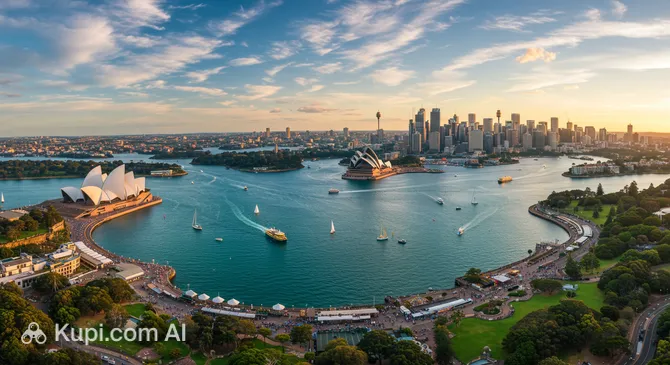
Sydney is widely recognized as one of the most vibrant and iconic cities in the world. As the state capital of New South Wales and the most populous city in Australia, it serves as a bustling hub of culture, finance, and tourism. Famous for its spectacular harbor setting and relaxed outdoor lifestyle, the city offers a unique blend of cosmopolitan energy and natural beauty.
Located on the country's east coast, the city is home to approximately 4.8 million residents. The region enjoys a temperate climate with warm summers and mild winters, making it a year-round destination for travelers. While the modern skyline is impressive, the rich history of Sydney is equally captivating, tracing back to its deep indigenous heritage and its establishment as the first European settlement on the continent.
Sydney. Illustration.
Source: Kupi.com AI
Visitors are immediately drawn to the city's world-famous landmarks. The architectural masterpiece of the Sydney Opera House and the imposing Sydney Harbour Bridge define the cityscape and offer unforgettable photo opportunities. Beyond the harbor, the city is renowned for its pristine coastline, including the legendary golden sands of Bondi Beach, which attracts surfers and sunbathers alike.
Whether you are exploring its lush botanic gardens, dining at world-class waterfront restaurants, or taking a ferry across the glittering bay, Sydney promises an unforgettable experience. It is a destination that perfectly balances urban sophistication with the laid-back charm of the coast, inviting everyone to explore its many wonders.
Weather Overview
Sydney is known for its pleasant, temperate climate, offering warm summers and mild winters that invite exploration year-round. During the peak summer month of January, average temperatures hover around 23.8°C, with daytime highs often reaching 27.6°C. While this season is perfect for enjoying the coast, it also brings a fair amount of humidity and rain, with approximately 12 to 13 wet days each month.
In contrast, the winter months are cooler but rarely freezing. July is typically the coldest month, with an average temperature of 12.5°C and lows dipping to 7.9°C. Interestingly, late winter and early spring tend to see fewer rainy days, with August recording only about 6 wet days. Expect warm summers with occasional rain and mild, drier winters.
Spring and autumn offer comfortable transition periods with moderate temperatures, making them excellent times for sightseeing. For a comprehensive overview of what to expect during your visit, check the detailed guide to the weather in Sydney.
Average monthly temperature
Average monthly precipitation
Interesting Facts
Beyond the postcard-perfect views and famous landmarks, Sydney is a city filled with intriguing stories and unexpected details. Dig a little deeper into its history and geography to discover these fascinating facts that often surprise visitors.
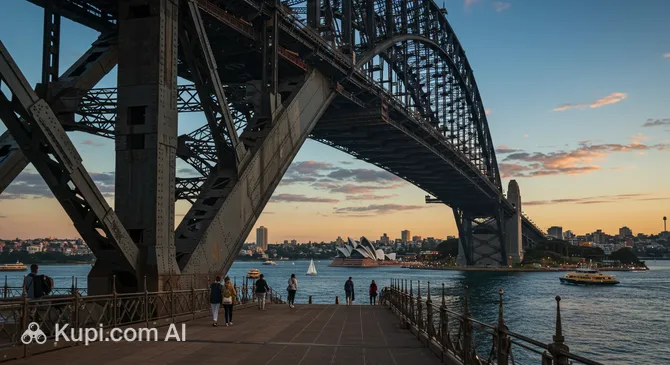
Sydney Harbour Bridge. Illustration.
Source: Kupi.com AI
Traveler photos:
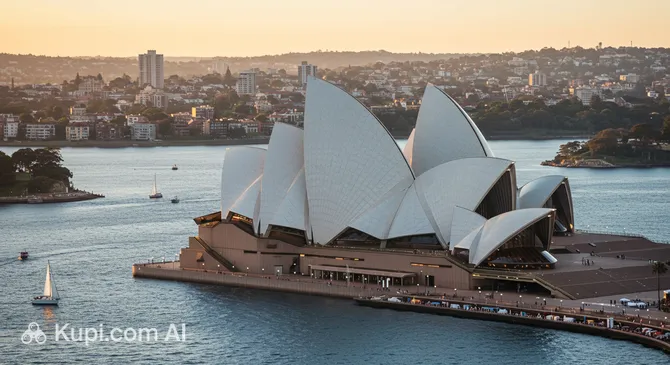
The iconic Sydney Opera House features a roof covered with exactly 1,056,006 self-cleaning tiles. Despite their glistening white appearance from a distance, the tiles are actually a mix of glossy white and matte cream, arranged in a specific chevron pattern inspired by bowls found in ancient culture.
Locals affectionately call the Sydney Harbour Bridge "The Coathanger" due to its distinct arch-based design. It is often said that the bridge requires such a vast amount of paint that by the time the maintenance team finishes one end, it is almost time to start all over again at the beginning.
While Bondi Beach is the most famous strip of sand, the city actually boasts over 100 different beaches ranging from calm harbor coves to surf-ready ocean breaks. You could visit a new beach every day for three months and still not see them all.
The historic Queen Victoria Building is now a celebrated shopping destination, but it famously faced serious threats of demolition in the late 20th century to make way for a car park before being saved and restored to its former glory.
How to Get There
Reaching this iconic destination is straightforward, with multiple options available for international and domestic travelers. For a detailed breakdown of routes and transport modes, you can check all ways to reach the city.
The most convenient and significant gateway is Sydney (Kingsford Smith) Airport (SYD). Located just 9.1 km from the city center, it is a major international hub handling a large volume of passengers. A trip by taxi or shuttle from this airport to the downtown area typically takes about 35 minutes.
Visitors might also consider flying into regional hubs such as Wollongong airport (WOL), situated approximately 86 km away. While less central, it serves as an alternative entry point, with the transfer to Sydney taking roughly 2.5 hours. Other regional options like Newcastle Airport are further afield but available for specific travel plans.
For clarity, here is a summary of the main airports:
In addition to air travel, Sydney is well-connected by an extensive rail network. Central Station acts as the primary hub for the city, receiving interstate trains from cities like Melbourne and Brisbane, as well as regional services from across New South Wales. This makes arriving by train a scenic and practical alternative for many visitors.
Main Attractions
Sydney is a city that effortlessly combines natural beauty with world-class entertainment, offering a diverse range of experiences for every type of traveler. From architectural marvels to lush green spaces and vibrant waterfront precincts, the city's main sights are as varied as they are impressive. Exploring these key locations provides a perfect introduction to the unique character of this Australian metropolis.
Undoubtedly the most recognizable symbol of the city is the Sydney Opera House. Perched on Bennelong Point, this UNESCO World Heritage site is famous for its distinct sail-like shells that glisten over the harbor. Tourists flock here not just to admire the stunning exterior, but to take guided tours that reveal the building's controversial history and engineering secrets, or to catch a world-class performance in one of its many venues.
Sydney Opera House. Illustration.
Source: Kupi.com AI
Traveler photos:
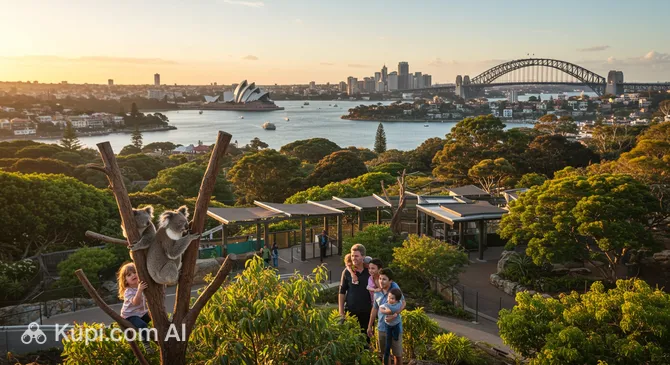
For a perfect blend of wildlife and spectacular city views, a visit to Taronga Zoo Sydney is a must. Located on the shores of the harbor, just a short ferry ride from the city center, the zoo is home to thousands of animals, including native Australian favorites like koalas and kangaroos. The backdrop of the city skyline makes it one of the most scenic zoos in the world, offering an unforgettable day out for families and nature lovers.
Taronga Zoo Sydney. Illustration.
Source: Kupi.com AI
Traveler photos:
If you are looking for a bustling hub of activity, Darling Harbour is the place to be. This lively waterfront precinct is packed with attractions, restaurants, and entertainment venues. Visitors can explore the maritime museum, enjoy waterfront dining, or simply stroll along the promenade. It is a fantastic spot for an evening out, often hosting fireworks and festivals that light up the waterside atmosphere.
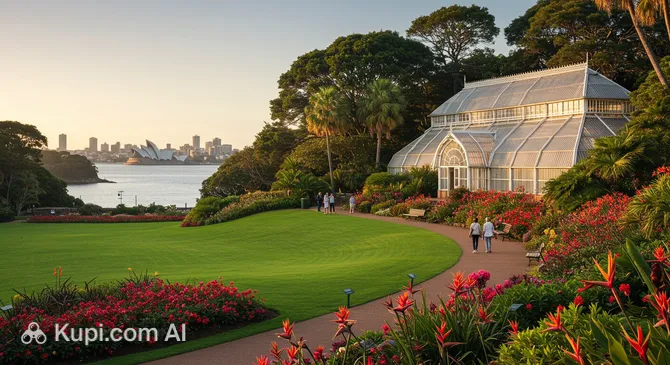
For a moment of tranquility amidst the urban energy, the Royal Botanic Garden Sydney offers a lush escape. Established in 1816, it is the oldest botanic garden in Australia and wraps around the harbor's edge, providing stunning views of the Opera House and Bridge. It is an ideal spot for a relaxing picnic, a guided heritage walk, or simply admiring the vast collection of native and exotic plants.
Royal Botanic Garden Sydney. Illustration.
Source: Kupi.com AI
Traveler photos:
Local Cuisine
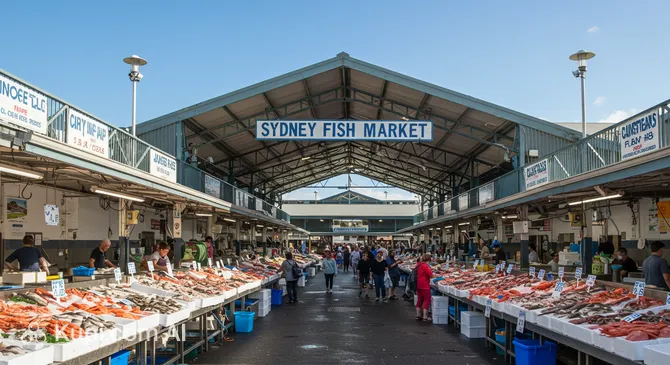
Sydney's culinary landscape is a delicious reflection of its multicultural population and prime coastal location. The city is renowned for its exceptional seafood, sourced fresh from the surrounding ocean. A visit would not be complete without tasting the famous Sydney Rock Oysters, prized for their distinct, mineral-rich flavor, or enjoying a platter of fresh tiger prawns. For the ultimate seafood experience, locals and tourists alike flock to the Sydney Fish Market, where you can select your catch and enjoy it fresh on the wharf overlooking the water.
Sydney Fish Market. Illustration.
Source: Kupi.com AI
Traveler photos:
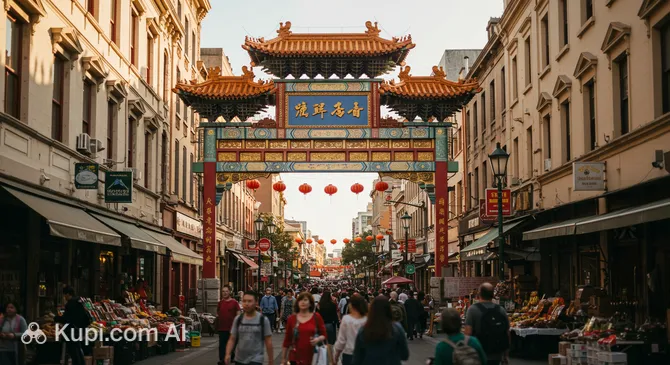
Beyond the ocean's bounty, the city offers a vibrant array of international flavors, with a particularly strong influence from Asian cuisine. The bustling Chinatown Sydney is a central hub for authentic dumplings, spicy noodles, and late-night dining, showcasing how deeply these flavors are woven into the local palate. For a more traditional Australian snack, look for a classic meat pie—a hand-sized pastry filled with minced meat and gravy—which is a staple comfort food found in bakeries across the city.
Chinatown Sydney. Illustration.
Source: Kupi.com AI
Traveler photos:
The city also takes its coffee culture very seriously. The "flat white"—a double shot of espresso topped with silky microfoam—is the local drink of choice and is best enjoyed during a leisurely "brekkie" (breakfast). Cafes are institutions here, serving elaborate morning meals like avocado on toast with poached eggs. When the sun goes down, the bar scene comes alive. You can sample excellent Australian wines or visit sophisticated venues like The Baxter Inn, a celebrated basement bar known for its impressive whisky collection and atmosphere.
Dining in Sydney ranges from relaxed beachside kiosks to high-end gastronomic temples. The emphasis is almost always on fresh, seasonal produce. For those seeking a memorable dinner with a touch of old-world charm, Restaurant Hubert offers classic French cuisine in a stunning underground setting. Whether you are grabbing a quick bite at a street market or sitting down for a multi-course tasting menu, the city's food scene promises to be a highlight of your trip.
Travel Tips
Welcome to Sydney! To help you navigate the Harbour City like a pro and make the most of your Australian adventure, we have compiled a list of essential practical advice. From mastering the public transport network to understanding local beach culture, these tips will ensure your trip is smooth, safe, and enjoyable.
Clothing and Sun Protection. The vibe in Sydney is generally relaxed and casual, so comfortable clothing is key. However, the most important accessory you can pack is high-quality sun protection. The sun here is exceptionally strong, even on cloudy days. Always wear a wide-brimmed hat, sunglasses, and broad-spectrum sunscreen (SPF 50+). Layering is also smart, as the weather can change quickly, especially if you are out on the harbor in the evening.
Getting Around. The city has an extensive public transport system comprising trains, buses, light rail, and the iconic ferries. You do not need to buy a specific ticket for every trip; simply use an Opal card (available at convenience stores) or tap on and off with your contactless credit or debit card (Amex, Mastercard, or Visa). Riding a ferry is not just transport; it is one of the most scenic ways to see the harbor.
Finances and Tipping. The local currency is the Australian Dollar (AUD). Cashless payments are the norm, and you can pay by card almost everywhere, from high-end restaurants to small cafes. Tipping is not mandatory in Australia, as service workers are paid a living wage. However, it is appreciated in restaurants for good service, where a 10% tip or rounding up the bill is a kind gesture.
Beach Safety. If you plan to swim at famous spots like Bondi or Manly, safety is paramount. Always swim between the red and yellow flags. These areas are patrolled by lifeguards and mark the safest part of the beach, avoiding dangerous rip currents. If you are unsure about conditions, ask a lifeguard—they are there to help.
Communication and Connectivity. English is the main language, often peppered with local slang (like "arvo" for afternoon). Free Wi-Fi is available in many hotels, cafes, and public spaces. For constant connectivity, you can easily purchase a prepaid SIM card from providers like Telstra, Optus, or Vodafone at the airport upon arrival or at supermarkets and convenience stores throughout the city.
Local Etiquette. Sydneysiders are generally friendly and informal. A simple "Hi" or "G'day" is a common greeting. When using escalators, particularly in train stations, the strict unwritten rule is to stand on the left and walk on the right. Blocking the right-hand side can be frustrating for locals rushing to work.
What to Avoid. Do not underestimate the strict laws regarding smoking. Smoking is banned in many public areas, including beaches, parks, and near public transport stops. Also, avoid climbing on monuments or ignoring safety signs along coastal cliffs; the fences are there for your protection.
Shopping Hours. Be aware that standard retail trading hours might be shorter than you expect. Most shops close around 5:00 PM or 6:00 PM daily. The exception is "Late Night Shopping" on Thursdays, when stores in the city center and major shopping malls typically stay open until 9:00 PM.
By keeping these practical tips in mind, you will be well-prepared to embrace the laid-back lifestyle and vibrant energy of the city. Whether you are catching a ferry to the zoo or enjoying a coffee by the beach, you can look forward to a hassle-free and unforgettable experience in this spectacular corner of the world.
Entertainment & Nightlife
As the sun sets over the harbor, Sydney transforms into a pulsating hub of energy, offering a nightlife scene that rivals its daytime beauty. The city caters to every taste, from sophisticated rooftop bars with panoramic views to gritty underground clubs and vibrant night markets. Whether you are looking to sip cocktails by the water or dance until dawn, the after-dark landscape here is diverse and welcoming.
For those seeking an upscale experience, the precinct of Barangaroo and the historic area of The Rocks are top choices. Here, you can enjoy a drink in style at Crown Sydney, a destination known for its luxury bars and stunning architecture. It is the perfect spot to dress up and soak in the glittering skyline. Nearby, in the heart of The Rocks, 6HEAD offers a premium dining and drinking experience where the views of the Opera House are as impressive as the menu.
Crown Sydney. Illustration.
Source: Kupi.com AI
Traveler photos:
If you prefer a more bohemian or energetic vibe, head to the inner-city neighborhoods. Surry Hills is famous for its trendy small bars and pubs, while Newtown offers a quirky mix of live music venues and alternative culture. Oxford Street in Darlinghurst remains the historic heart of the city's LGBTQ+ nightlife, bustling with colorful clubs and drag shows. For large-scale concerts and international acts, the Sydney Super Dome at Sydney Olympic Park is the premier arena, hosting the biggest names in music and entertainment.
Practicality is key to enjoying a night out here. The dress code in most bars and clubs is "smart casual"—leave the flip-flops (thongs) at home, but a suit is rarely required unless you are visiting high-end venues. Entry prices for clubs can range from $15 to $30 AUD, and cocktails typically cost between $20 and $25 AUD. Be aware that security is strict; you will almost always need to present a valid photo ID (such as a passport) to enter licensed venues, regardless of your age.
Getting around at night is generally safe and convenient. Trains run until around midnight, after which "NightRide" buses replace most train services, covering major routes across the city. Rideshare apps and taxis are plentiful; you can hail a taxi on the street if the roof light is on, or book one via phone or app. While Sydney is a safe city, it is always wise to stick to well-lit, busy streets like George Street or the Darling Harbour promenade when walking late at night.
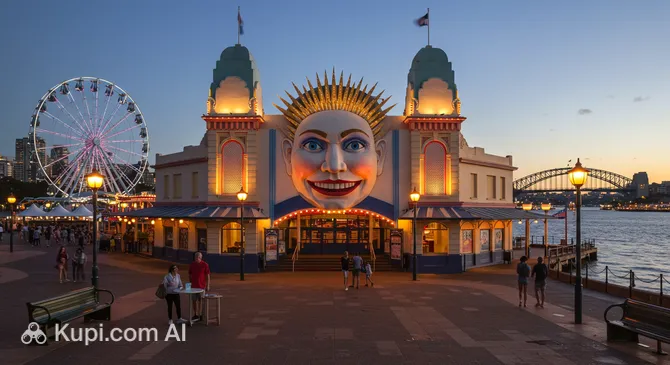
While the nightlife is thrilling, the city also offers fantastic daytime and early evening entertainment. Families and thrill-seekers should not miss Luna Park Sydney, a heritage-listed amusement park located just across the bridge. With its smiling face entrance and carnival atmosphere, it provides fun rides and spectacular views of the harbor, making it a great transition from a day of sightseeing to an evening of fun.
Luna Park Sydney. Illustration.
Source: Kupi.com AI
Traveler photos:
Cultural enthusiasts can also explore the city's vibrant theater scene, with local venues hosting world-class musicals and plays. From the adrenaline of an amusement park to the elegance of a harbor-side bar, the city ensures that your entertainment options are limitless.
Parks & Museums
Sydney seamlessly blends its urban energy with an abundance of lush green spaces and a rich cultural tapestry. Beyond the sparkling harbor, visitors will find a city deeply connected to nature and proud of its artistic and historical heritage. From sprawling national parks to world-class galleries, there are endless opportunities to explore the greener and more contemplative side of the New South Wales capital.
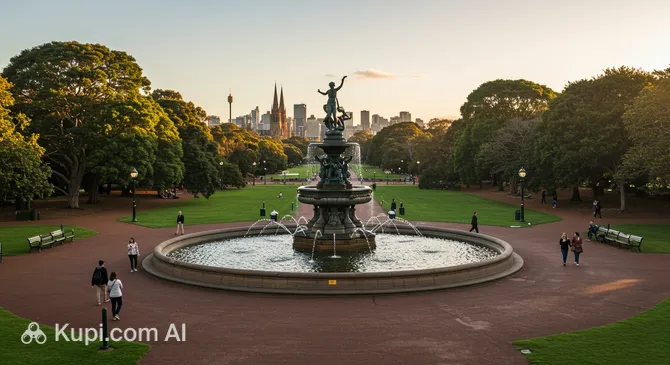
For a breath of fresh air right in the city center, Hyde Park is the perfect destination. As Australia's oldest public parkland, it offers a majestic avenue of fig trees and manicured gardens that provide a shady retreat from the bustling streets. It is a favorite spot for locals to enjoy a lunch break or a leisurely walk. Within the park, you will find the solemn and architecturally striking Anzac Memorial, a significant monument dedicated to the memory of Australians who have served in the armed forces.
Hyde Park. Illustration.
Source: Kupi.com AI
Traveler photos:
If you are willing to venture a little further afield, the Royal National Park awaits just south of the city. Established in 1879, it is the second-oldest national park in the world and offers a dramatic landscape of coastal cliffs, secluded beaches, and eucalyptus bushland. It is a haven for hikers and nature lovers, featuring iconic landmarks like Eagle Rock, a distinct rock formation that resembles an eagle's beak. The park provides a genuine immersion into the Australian wilderness just a short drive from the metropolis.
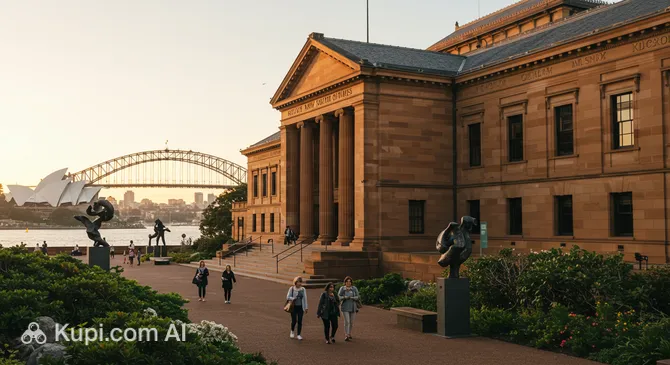
Culture enthusiasts will be captivated by the city's impressive art scene. The Art Gallery of New South Wales is one of the country's foremost cultural institutions. Located near the Domain, it houses an extensive collection of Australian, European, and Asian art, including a significant gallery dedicated to Aboriginal and Torres Strait Islander works. The building itself is a grand architectural statement, mixing classical Greek, Roman, and modern styles.
Art Gallery of New South Wales. Illustration.
Source: Kupi.com AI
Traveler photos:
For a more modern perspective, the Museum of Contemporary Art Australia (MCA) stands prominently at Circular Quay. Dedicated to exhibiting, interpreting, and collecting contemporary art from across Australia and around the world, the MCA is known for its cutting-edge exhibitions and provocative installations. Its prime location also offers stunning views of the Opera House from the rooftop cafe.
History buffs should not miss the Hyde Park Barracks, a UNESCO World Heritage site that offers a glimpse into the city's convict past. Originally built to house convicts, it has served many purposes over the centuries and now stands as a dynamic museum telling the stories of those who lived within its walls. Nearby, the towering spires of St Mary's Cathedral dominate the skyline. This Gothic Revival masterpiece is not only a spiritual center but also an architectural marvel with magnificent stained glass windows and a serene atmosphere.
For a quieter experience with one of the best views in the city, head to Observatory Hill Park. Located on a hill near The Rocks, it offers panoramic vistas of the Harbour Bridge and the harbor below, making it an exceptional spot for a sunset picnic away from the heavier tourist crowds.
Getting Around
Navigating Sydney is relatively easy thanks to its extensive and integrated public transport network, managed by Transport for NSW. The system connects the city center with the suburbs, beaches, and surrounding regions through a combination of trains, metro lines, buses, light rail, and iconic ferries. For most visitors, the train network serves as the backbone of travel, with distinctive double-decker trains offering frequent services to key destinations. Complementing this is the modern, driverless Sydney Metro, which provides rapid transit between major hubs and is rapidly expanding.
One of the most unique and enjoyable ways to get around is by ferry. Departing primarily from Circular Quay, these vessels offer what is arguably the most scenic commute in the world. Taking a ferry to Manly or Taronga Zoo is not just a mode of transport but a sightseeing experience in itself, offering unparalleled views of the harbor landmarks. For shorter trips within the central business district and inner suburbs, the Light Rail (tram) network is highly convenient, particularly the lines running down George Street and out to the eastern beaches.
The payment system is seamless and user-friendly. You do not need to purchase paper tickets; instead, you can use an Opal card, which is a smart travel card available at convenience stores and newsagents. Alternatively, and perhaps most conveniently for tourists, you can simply tap on and off with your contactless credit or debit card (American Express, Mastercard, or Visa) or a linked device. The fares are the same for both methods, and the system automatically calculates the cost based on the distance traveled.
A major benefit for travelers is the daily and weekly fare cap. Once you reach a certain spend limit in a day or week, the rest of your travel is free, making it very affordable to explore extensively. Remember that you must tap on at the beginning of your journey and tap off at the end to ensure you are charged the correct fare. Failure to tap off usually results in being charged the maximum default fare for that route.
Trains and buses generally run from early morning until around midnight. After the trains stop running, a network of NightRide buses replaces train services on most lines, ensuring you can get back to your accommodation safely at any hour. To plan your journey, it is highly recommended to download apps like TripView or Google Maps, which provide real-time updates, platform numbers, and service alerts.
If you prefer private transport, taxis and rideshare services like Uber, DiDi, and Ola are widely available and reliable. You can hail taxis on the street if their roof light is on, or find them at designated ranks near major hotels and transport hubs. Car rentals are available but are generally not recommended for exploring the city center due to heavy traffic and high parking costs. Cycling is another option, with bike-share schemes operating in the city, but be aware that wearing a helmet is mandatory by law, and fines apply for non-compliance.
Accommodation
Accommodation
Sydney offers a comprehensive range of accommodation options to suit every budget and travel style, from backpacker-friendly hostels to five-star luxury resorts. Whether you are looking for a modern serviced apartment with harbor views, a boutique hotel in a trendy neighborhood, or a cost-effective bed in a shared dormitory, the city is well-equipped to host its millions of annual visitors.
The location you choose can greatly shape your experience. The Central Business District (CBD) and The Rocks are the most popular areas for first-time visitors, offering unbeatable proximity to major transport hubs, the Opera House, and the Harbour Bridge. For families and those seeking entertainment on their doorstep, Darling Harbour is a convenient choice. Alternatively, travelers wanting a relaxed coastal vibe often prefer staying in beachside suburbs like Bondi or Manly, though this involves a slightly longer commute to the city center.
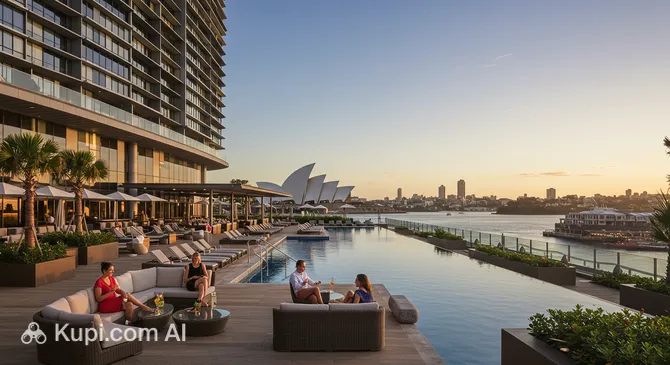
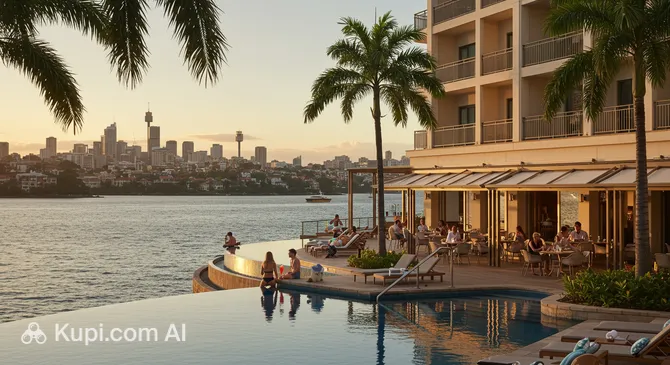
For those seeking a truly luxurious stay with iconic vistas, the Four Seasons Hotel Sydney is a premier option. Located in The Rocks, it is renowned for its panoramic views of the harbor and its proximity to the city's most famous landmarks, making it a favorite for travelers who want to experience the city in style.
Four Seasons Hotel Sydney. Illustration.
Source: Kupi.com AI
Traveler photos:
Prices vary significantly depending on the season and location. Budget travelers can expect to pay between $40 and $100 AUD per night for hostel beds, while mid-range hotels typically charge between $180 and $350 AUD. Luxury accommodations often start from $450 AUD and can go much higher. Booking platforms and direct hotel websites are the most common ways to secure a room.
Booking Tip: Sydney is a year-round destination, but demand peaks during the Australian summer (December to February) and major events like New Year's Eve. To secure the best rates and availability, it is highly recommended to book your accommodation at least a few months in advance, especially if you plan to visit during these busy periods.
Nearby Cities
For those looking to explore the surroundings, Sydney serves as an excellent base for day trips to several interesting nearby locations:
Just a scenic drive south along the coast lies Wollongong, often affectionately known as "The Gong." This vibrant coastal city is renowned for its spectacular surf beaches and the iconic Sea Cliff Bridge, which sweeps dramatically out over the ocean. It offers a relaxed seaside atmosphere that is perfect for swimming, dining, and enjoying the outdoors.
To the north, Newcastle stands as Australia's second-oldest city, boasting a rich history and a dynamic arts scene. Visitors can explore the historic Fort Scratchley, swim in the famous ocean baths, or stroll along the Bathers Way coastal walk. It combines fascinating industrial heritage with a cool, modern surf culture.
Closer to the capital, Gosford serves as the gateway to the stunning Central Coast region. It provides a peaceful escape featuring pristine waterways and lush national parks. This area is ideal for nature lovers, offering opportunities for boating, fishing, and visiting local wildlife sanctuaries.
City
Population
Distance
Windarra
—
0 km
Waterloo
—
3 km
Waverley
—
6 km
Mount Gordon
—
14 km
Oatlands
683
19 km
These nearby destinations offer a glimpse into the diverse culture and landscapes of the region, making them well worth the journey for travelers seeking to see more of New South Wales.
Shopping & Souvenirs
Shopping:
Sydney is a world-class shopping destination that caters to every style and budget, offering everything from high-end international luxury brands to quirky local boutiques. The city’s retail scene is a delightful mix of historic arcades, modern glass towers, and vibrant open-air markets. Whether you are looking for the latest fashion trends, unique Australian designs, or traditional handicrafts, the shopping experience here is as diverse as the city itself.
The heart of the city's retail action is Pitt Street Mall, a pedestrianized precinct in the Central Business District that ranks among the busiest shopping strips in the world. Here, you will find major department stores and flagship outlets. For those seeking something more eclectic, Oxford Street in Paddington provides a charming stretch of high-street fashion, designer boutiques, and heritage architecture, making it perfect for a leisurely afternoon stroll.
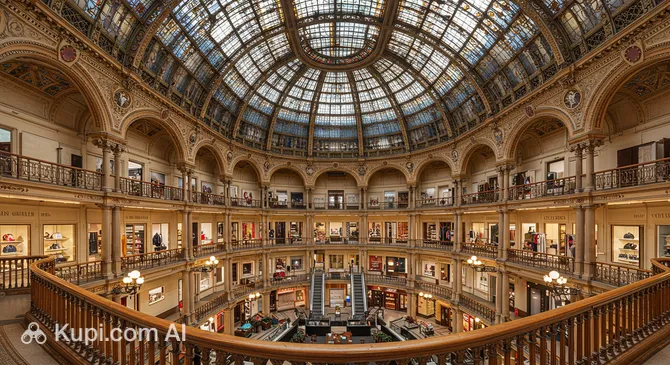
When it comes to shopping centers, the historic Queen Victoria Building (QVB) is an absolute must-visit. Completed in 1898, this architectural masterpiece occupies an entire city block and houses upscale fashion, jewelry, and gift shops within its stunning Romanesque Revival interiors. It is widely regarded as one of the most beautiful shopping centers in the world.
Queen Victoria Building. Illustration.
Source: Kupi.com AI
Traveler photos:
For a more contemporary experience, Westfield Sydney stands directly beneath the iconic Sydney Tower. This multi-level complex features a comprehensive selection of global luxury labels and high-street favorites, along with a premium food court that offers excellent dining options for weary shoppers.
Westfield Sydney. Illustration.
Source: Kupi.com AI
Traveler photos:
Markets are an integral part of the local culture, offering a more relaxed atmosphere and the chance to buy direct from makers. The Rocks Markets, held on weekends, are fantastic for finding unique jewelry, art, and homewares amidst historic cobblestone laneways. For foodies, the Saturday Farmers Market at Carriageworks offers fresh regional produce and gourmet treats in an industrial-chic setting. Meanwhile, Paddy's Markets in Haymarket is the go-to spot for budget-friendly souvenirs and accessories.
If you are looking for the perfect memento to take home, Australia offers several distinct items. Opals are a popular choice, as the country produces the vast majority of the world's supply; just be sure to buy from a reputable dealer. Authentic Aboriginal art is another meaningful souvenir, but always look for certification to ensure the artist is fairly compensated. Other favorites include sheepskin Ugg boots, Akubra hats, and local treats like macadamia nuts or Haigh's chocolates.
Most shops in Sydney open around 9:00 AM or 10:00 AM and close by 5:30 PM or 6:00 PM. A notable exception is Thursday, known as "Late Night Shopping," when many stores in the city and major centers stay open until 9:00 PM. Payment is incredibly convenient, with contactless credit and debit cards accepted almost everywhere, even for small purchases at market stalls.
International tourists may be eligible for the Tourist Refund Scheme (TRS), which allows you to claim a refund on the Goods and Services Tax (GST) for purchases over $300 AUD made at a single retailer. To claim this, you must present your original tax invoice and the goods to the TRS facility at the airport upon your departure.