Support

Wollongong

About the Airport

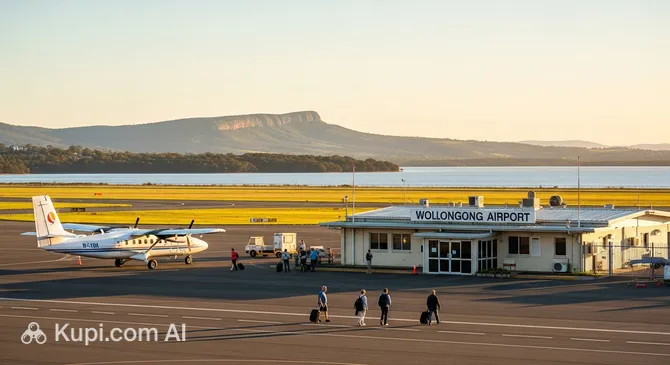
Wollongong. Illustration.
Source: Kupi.com AI

Wollongong Airport, also known as Shellharbour Airport, is not just a transport hub, but a true aerial gateway to the picturesque Illawarra region. Landing here, you enter an atmosphere of tranquillity and comfort, free from the hustle of huge terminals, where breathtaking views of the ocean and green hills greet you right from the aircraft window. However, the main highlight of the airport is its unique proximity to living history: the famous aviation museum is located right on the grounds, turning even a short wait for a flight into a fascinating adventure.

PropertyValue
IATA CodeWOL
ICAO CodeYSHL
CityWollongong
CountryAustralia
TimezoneAustralia/Sydney
ScheduleOnline Timetable

Airport Features and Benefits:

The main pride of the airport is the Historical Aircraft Restoration Society (HARS) Aviation Museum. This is a place where you can not only see legendary aircraft, including a Boeing 747, but also book a tour inside them. For many tourists, the museum becomes the primary reason for their visit.

The compact size of the terminal ensures incredible speed of service. There are virtually no queues for check-in or security screening here, allowing you to arrive at the airport just an hour before departure, saving precious holiday time.

The airport's location makes it an ideal starting point for travels along the South Coast. From here, you can easily reach popular tourist spots such as Kiama with its famous "blowholes" or the pristine white beaches of Jervis Bay, bypassing the heavy traffic of Sydney.

Contact Information

For your convenience, we have compiled the main contact information for Wollongong Airport (WOL), also known as Shellharbour Airport.

  • Official Website: www.shellharbourairport.com.au
  • Help Desk Phone: +61 2 4221 6111
  • Airport Address: Cnr Airport Rd & Hargraves Ave, Albion Park Rail NSW 2527, Australia
  • Email: For most enquiries, it is recommended to use the contact form on the official website.
  • Social Media: Up-to-date information and news can be found on the airport's official Facebook page.
  • Lost Luggage Information: If your items were lost within the terminal building, please contact +61 2 4221 6111. If luggage was lost during a flight, you must contact your airline directly.
  • Passenger Support Contacts: For general questions and assistance at the airport, you may call the main help desk number.

How to Get to the Airport

Getting to Wollongong Airport, also known as Shellharbour Airport, from the city centre of Wollongong is quite simple. The airport is located approximately 22 kilometres south of the central part of the city, and travellers have several transport options varying in cost, speed, and convenience. When planning your trip around Australia, you can easily select the method that suits you best.

Public Transport is the most budget-friendly option. You will need a combined route: first, take the South Coast Line train to Albion Park or Shellharbour Junction station. From there, local buses run to the airport terminal. The entire journey usually takes between 45 to 60 minutes. Be sure to check the train and bus schedules in advance, as service intervals can be long, especially on weekends.

Taxi and Ridesharing (such as Uber) is the fastest and most comfortable way to reach the airport. The trip from central Wollongong will take about 20–30 minutes depending on traffic conditions. This is significantly more expensive than public transport but ensures maximum convenience, especially if you have a lot of luggage or are travelling with family. A car can be booked via an app or found at designated stands in the city.

Car Rental or Private Transport offers complete freedom of movement. If you plan to explore the picturesque surroundings, renting a car can be an excellent solution. Offices of major rental companies operate at the airport and in Wollongong itself. The drive is via the Princes Highway. The airport provides parking offering both short-term and long-term vehicle storage options. The cost depends on the duration of parking.

It is worth noting that Wollongong Airport mainly serves regional flights. For many international flights, travellers use the larger airports of Sydney. Sydney Kingsford Smith Airport (SYD) and the new Western Sydney International Airport (WSI) are located approximately 75-80 km to the north. Alternatively, you can consider Canberra Airport (CBR), located 170 km southwest of Wollongong.

Terminals and Map

Wollongong Airport (WOL), also known as Shellharbour Airport, is a small regional aviation hub with a structure that is extremely simple and easy for travellers to navigate. There is one passenger terminal operating here, handling both departing and arriving flights. Thanks to its compact size, navigating the airport poses no difficulties.

The terminal building is arranged very logically. Immediately upon entering, you find yourself in the public area where airline check-in counters are located. After completing registration and dropping off luggage, passengers proceed to pre-flight security screening, which is located right there. Since there is only one terminal, there is no need for long walks or shuttle buses — everything is within walking distance.

Departure and arrival zones are located in the same building. After passing security control, passengers enter a small waiting lounge where the boarding gates are situated. The arrivals area is also integrated into the general structure: after landing, passengers proceed to the baggage claim hall, which is next to the main entrance/exit of the terminal. The entire flow is intuitive and clearly marked with signs.

One of the main advantages of Wollongong Airport is the speed of completing all formalities. Flight check-in and pre-flight screening usually take significantly less time than in major international airports. Typically, the entire process from entering the terminal to the waiting lounge takes no more than 20-30 minutes. Nevertheless, it is recommended to arrive at the airport approximately one hour before departure to avoid rushing.

Airport History

The history of Wollongong Airport, also known as Shellharbour Airport, begins during the war years. It was established in 1940 as a Royal Australian Air Force (RAAF) base named RAAF Albion Park. The airfield's main task during World War II was pilot training, hosting one of the country's key flight schools. This heritage laid a solid foundation for the future development of aviation in the region.

After the war ended, the airfield was transferred to civil management and became the main air hub for the Illawarra region and the city of Wollongong. Over the decades, the airport went through various stages of development, serving both private aviation and commercial flights. Its history saw periods of ups and downs with various airlines attempting to establish regular connections with major cities like Sydney and Melbourne.

A significant step in modernization was the recent reconstruction, culminating in the opening of a new modern passenger terminal in 2021. This project aimed to improve passenger comfort and attract major carriers, allowing for the resumption of regular flights and strengthening the airport's status as an important gateway to the region. Infrastructure around the airport is also actively developing, including the creation of an aviation business park.

One of the most interesting facts in the airport's history is its close connection to aviation heritage. It is home to the famous Historical Aircraft Restoration Society (HARS) museum, which houses an impressive collection of aircraft. The crown jewel of the exhibition is considered to be the legendary Boeing 747-400 — the first aircraft of this type delivered to Qantas. This fact makes the airport not just a transport facility, but a true centre of attraction for anyone passionate about aviation history.

Services and Amenities

Wollongong Airport (WOL), also known as Illawarra Regional Airport, is a compact and convenient aviation hub focused on ensuring comfort for all passengers. Despite its size, it offers all necessary services for a pleasant start or end to a journey. The terminal features a café where you can have a snack before departure, ordering sandwiches, pastries, and hot drinks. Here you can also purchase essential items and souvenirs to remember your trip to Australia.

Comfortable lounges are equipped for waiting for flights. Although there are no separate VIP lounges, the general waiting area is quite spacious. Passengers can utilize free Wi-Fi throughout the terminal, as well as find charging stations for their electronic devices, allowing them to stay connected or work before their flight.

Financial services are represented by ATMs where cash can be withdrawn. There are no currency exchange bureaus at the airport, so it is recommended to arrange this in the city beforehand. A medical point is provided at the airport for first aid. Families with small children will appreciate the presence of baby care rooms, equipped with changing tables and everything necessary for infant care.

The airport is fully adapted for passengers with reduced mobility. There are specially equipped restrooms, ramps, and designated parking spaces. Passengers requiring additional assistance can contact the airline or the airport information desk in advance to arrange accompaniment.

There are no hotels within the airport building itself, however, in the immediate vicinity and in the city of Wollongong, there are many accommodation options to suit every taste and budget. Specialized conference rooms or business centres are not provided at the airport, but the quiet atmosphere of the terminal and the availability of Wi-Fi allow for urgent work matters to be resolved before departure.

Where to Eat

Wollongong Airport (WOL), being a compact regional airport, offers passengers basic but convenient dining options. It is important to understand that the selection here does not compare to major international hubs, and all food services are concentrated in one establishment within the main terminal building.

The main place to eat is the Hangar Cafe, located in the public area of the terminal (landside), before security control. This makes it convenient for both departing passengers and those meeting them. The café offers a standard range for a quick and satisfying snack.

For those short on time, coffee, tea, pastries, or a sandwich are ideal. If you are looking for something more substantial, the menu usually includes hot Australian meat pies, rolls, or salads. This is a good option for a light lunch before departure. Regarding special dietary requirements (such as Halal, vegetarian, or gluten-free), the selection is likely to be very limited. It is recommended to check the availability of suitable dishes with staff on-site.

The café's opening hours depend directly on the flight schedule — it is open to serve all departing and arriving passengers. The price range can be described as average for airports in Australia: slightly higher than in the city, but quite affordable. Hangar Cafe is a simple and functional place to comfortably wait for your flight.

Travel Tips

Travelling through a regional airport like Wollongong Airport has its advantages — less bustle and a calmer atmosphere. However, to ensure your trip goes as smoothly as possible, it is worth considering a few tips. Plan to arrive at the airport approximately 1.5–2 hours before your domestic flight departure. This time will be sufficient to check in, drop off luggage, and pass through security without rushing.

To save time, take advantage of online check-in, which most airlines offer. This will allow you to proceed immediately to the baggage drop counter or, if travelling light, directly to the security checkpoint. The security procedure at Wollongong airport is standard: be prepared to present your boarding pass, and remove laptops and other large electronics from your hand luggage. Liquids, aerosols, and gels must be in containers of no more than 100 ml and packed in a transparent bag.

When choosing a seat on the plane, consider that flights from this region often offer picturesque views. If you wish to admire the coast from above, choose a window seat. An aisle seat is suitable for those who value the ability to stand up and move freely. It is prohibited to carry sharp objects, weapons (including toys), and flammable substances in hand luggage. Always check the current rules of your specific airline before flying.

If you have a connecting flight, it will likely be in one of the major hubs, such as Sydney or Melbourne. Wollongong Airport is small, so navigation here is simple, and you will quickly reach your boarding gate. Regarding customs control, this is relevant for passengers arriving in Australia from abroad. Remember Australia's strict biosecurity rules: it is necessary to declare all food products, plants, and goods of animal origin.

Want to save money? Book your airport transfer in advance or study the public transport schedule. Bring an empty water bottle to fill after passing security, and light snacks — this helps avoid extra expenses while waiting for the flight. Travelling with only hand luggage not only saves money on baggage fees but also significantly reduces time spent at the airport upon arrival.

In case of a flight delay, the first step is to contact your airline representative for the latest information. Inquire about your rights to compensation, provision of meals, or vouchers. There is a café and Wi-Fi access in the departure lounge, which will help pass the time. The main thing is to remain calm and keep all necessary documents at hand.

Reached the end of the page?

That means the route is fully explored