Support

Canberra

About

Welcome to Canberra, the sophisticated and purpose-built capital of Australia. Unlike the coastal metropolises often associated with the country, this inland city is renowned for its meticulous planning, geometric layout, and the seamless integration of nature into its urban design. Often referred to as "The Bush Capital," it offers a unique atmosphere where monumental architecture meets native eucalyptus forests.

Located within the Australian Capital Territory, roughly halfway between Sydney and Melbourne, Canberra is home to a population of approximately 381,000 people. The city enjoys a distinct four-season climate, featuring crisp, cool winters and warm, dry summers, providing a diverse backdrop for exploration throughout the year.
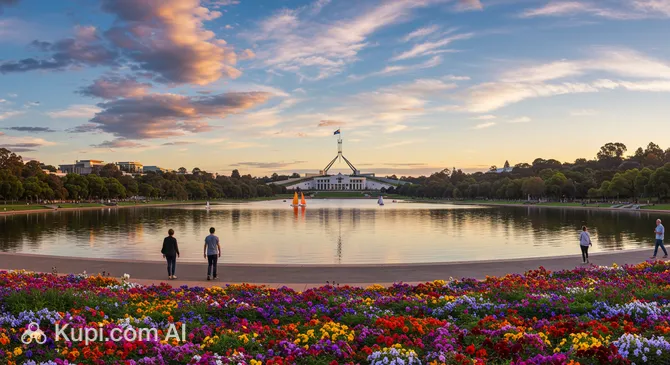
Canberra. Source: Kupi.Binoculars

The city's origins are rooted in a fascinating compromise between rival cities, leading to an international design competition won by American architects Walter Burley Griffin and Marion Mahony Griffin. You can learn more about this unique development and the history of Canberra by visiting its many museums and heritage sites. The result is a city of grand boulevards and striking vistas that reflect the nation's democratic spirit.

Travelers will find an impressive array of attractions to explore. The centerpiece is the stunning Lake Burley Griffin, a man-made lake perfect for cycling, walking, or a scenic boat cruise. Dominating the skyline is the modern Parliament House, where visitors can walk on the grass-covered roof for panoramic views of the city. For culture lovers, the National Gallery of Australia holds a world-class collection of art, including significant Indigenous works.

Whether you are drawn by political history, vibrant seasonal festivals, or the thriving local food and wine scene, Canberra promises an enriching travel experience. It is an inviting destination that perfectly balances cultural depth with outdoor relaxation.
Weather Overview

Canberra experiences a defined four-season climate, providing travelers with distinct atmospheric changes throughout the year. While the city is often sunny, it is advisable to consult the latest updates on the weather in Canberra to pack suitable clothing for your visit. The capital is known for its clean, crisp air and generally manageable rainfall, which is spread relatively evenly across the calendar.

Summer, spanning December to February, brings the warmest weather, with January reaching average highs of 26.3°C. It is a pleasant time to explore, though you should be prepared for some rainfall, as January typically sees around 11 wet days. As autumn arrives, temperatures begin to cool, dropping from a comfortable average of 16.9°C in March to a brisk 8.8°C by May, creating a fresh environment for sightseeing.

Winter in Canberra can be quite cold compared to coastal Australian cities. In July, the average temperature hovers around 5.8°C, with overnight lows dipping to 1.5°C, so warm layers are essential. The city warms up again during spring, with November seeing average highs of 21.2°C. Expect warm summers with occasional rain and cold, dry winters.

Interesting Facts

Beyond the main attractions and political institutions, Canberra holds many fascinating secrets and quirky details that often surprise visitors. From its indigenous roots to its unique urban design features, the city offers plenty of trivia to uncover.

National Arboretum Canberra. Source: Kupi.Binoculars
  • The city's name is widely believed to be derived from the local Ngunnawal word "Kamberra," which translates to "meeting place," reflecting its status as a significant gathering point long before it was chosen as the nation's capital.

  • Canberra is one of the very few planned capital cities in the world where you can legally fly a hot air balloon directly over the parliament and other government buildings, providing a stunning aerial perspective of the city's geometric layout.

  • The Royal Australian Mint produces every single circulating coin for the country and is home to "Titan," a massive orange robot capable of lifting drums of coins weighing hundreds of kilograms.

  • Following the devastating bushfires of 2003, the city created the National Arboretum Canberra, which is now home to over 44,000 rare and endangered trees across 94 distinct forests, serving as a living seed bank for the planet.

  • Locals often joke about the city's layout, earning it the nickname "the roundabout capital" of Australia due to the extensive use of traffic circles rather than traffic lights to manage flow in the suburbs.

How to Get There

Reaching the Australian capital is a straightforward experience due to its strategic location and well-maintained transport network. Whether you are traveling from within the country or arriving from overseas, there are multiple options to suit your itinerary. You can find detailed information on how to get to Canberra and the specific transport modes available on our dedicated page.

The primary gateway for most visitors is Canberra Airport (IATA: CBR). Located just 6.5 km from the city center, it offers a quick and efficient arrival process. A taxi or rideshare from the terminal to the heart of the city typically takes only 10 to 15 minutes outside of peak traffic hours. Shuttle buses and rental car services are also readily available for those preferring alternative transport.

For those exploring the broader region, particularly the alpine areas, Snowy Mountains Airport (IATA: OOM) in Cooma is another option. However, it is important to note that this airport is approximately 113 km away. It primarily serves visitors heading to the ski fields, and a transfer or rental car is necessary to reach the capital, with the drive taking about 1.5 to 2 hours.

Below is a summary of the nearest airports and their distances from the city:

Airport Name City Passenger Traffic Km from City
Canberra Airport Canberra Large 6.5
Wagga Wagga Airport Wagga Wagga Medium 152.1
Wollongong Wollongong Small 171.2
Snowy Mountains Airport Cooma Small 113.4
Moruya Airport Moruya Small 114.6

In addition to flying, the city is well-connected by road and rail. Regular train services operate from Sydney to Kingston Railway Station, providing a scenic route through the countryside. Extensive coach networks also link the capital with major cities like Sydney and Melbourne, making it an accessible destination for road trips.

Main Attractions

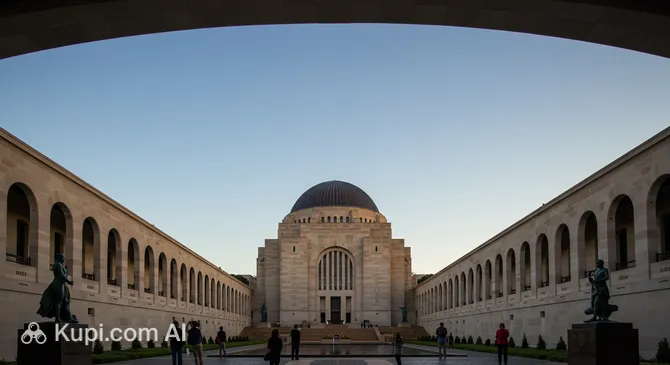
Canberra is home to some of Australia's most significant cultural and historical institutions, offering visitors a deep dive into the nation's heritage. One of the most visited sites is the Australian War Memorial. This poignant landmark combines a shrine, a world-class museum, and an extensive archive. It offers a moving tribute to the sacrifices of Australians and includes fascinating displays of military aircraft, vehicles, and personal artifacts that bring history to life.

Australian War Memorial. Source: Kupi.Binoculars

For art enthusiasts, the National Gallery of Australia is an absolute must-see. Located on the shores of Lake Burley Griffin, it houses the nation's largest art collection, featuring over 155,000 works. Visitors can admire an incredible array of pieces ranging from significant Australian Indigenous art and Asian collections to masterpieces by famous European and American artists.

If you are traveling with family or simply have a curious mind, Questacon – National Science and Technology Centre provides hours of entertainment. This interactive facility makes science fun and accessible with hands-on exhibits that cover everything from physics and biology to natural disasters. It is a vibrant place where you can experience an earthquake simulator or watch lightning strike in a controlled environment.

Nature lovers will appreciate the serenity of the Australian National Botanic Gardens. Situated at the foot of Black Mountain, this expansive garden is dedicated to the collection and display of native Australian flora. It is a perfect spot for a relaxing stroll among eucalypts and rainforest plants, offering a quiet escape from the city center while showcasing the diversity of the continent's plant life.

Local Cuisine

Canberra has rapidly evolved into one of Australia’s most exciting food destinations, shedding its former reputation to embrace a vibrant culinary culture that rivals its larger neighbors. The city’s dining scene is heavily influenced by the "paddock-to-plate" philosophy, thanks to the rich agricultural lands surrounding the capital. Visitors can expect high-quality, seasonal produce served in settings ranging from hipster cafes in Braddon to elegant waterfront establishments.

When it comes to signature treats, the city is the birthplace of the "Freakshake." These monstrous, indulgent milkshakes, overflowing with cream, cakes, and sauces, became a global viral sensation and remain a fun "must-try" for those with a sweet tooth. On the savory side, the region is celebrated as truffle country. During the winter months, the prized Black Winter Truffle features heavily on menus across the city, adding an earthy luxury to everything from scrambled eggs to pasta.

The beverage culture in the capital is world-class, starting with its obsession with coffee. The city is home to award-winning baristas and roasters, making a morning cup a serious ritual rather than just a caffeine fix. For something stronger, the local cool-climate wines, particularly Shiraz and Riesling, are exceptional. The craft beer movement is also thriving, with venues like BentSpoke Brewing serving innovative ales right in the heart of the city.

BentSpoke Brewing. Source: Kupi.Binoculars

For a true taste of local life, weekend markets are an institution. The Capital Region Farmers Market is where locals gather on Saturday mornings to buy fresh produce and enjoy hot breakfasts. Another hub for gourmands is the Fyshwick Fresh Food Markets, a bustling complex filled with delis, bakeries, and seafood mongers that has been serving the community for decades.

Dining out is often centered around lively precincts. The Kingston Foreshore offers a picturesque setting with numerous restaurants lining the harbor, perfect for a sunny lunch or sunset dinner. For those seeking an energetic atmosphere and bold flavors, Akiba is a crowd favorite, renowned for its fast-paced service and creative Asian-fusion dishes that perfectly capture the modern spirit of Canberra's food scene.

Travel Tips

Welcome to Canberra, a city where meticulously planned avenues meet the rugged beauty of the Australian bush. To help you navigate the capital's unique layout and make the most of your visit, here are some practical tips to ensure a smooth and enjoyable journey.

  1. Clothing and Gear: The weather here is distinctively seasonal, so layers are essential. Winters (June to August) can be frosty with temperatures dropping below freezing, so bring a heavy coat, scarf, and gloves. Summers (December to February) are dry and hot, requiring lightweight fabrics and a hat. Since Canberra is designed on a grand scale, comfortable walking shoes are a must for exploring the Parliamentary Triangle. Don't forget an electrical adapter for Type I sockets (three flat pins) if you are visiting from overseas.

  2. Transportation: The city has an efficient public transport network operated by Transport Canberra, consisting of buses and a modern Light Rail system that connects the northern suburbs to the city center. You can pay using a reloadable MyWay card or, on the Light Rail, often with a contactless credit card. However, because attractions are spread out, renting a car is highly recommended if you plan to visit nature reserves like Tidbinbilla or the Deep Space Communication Complex.

  3. Finances: The currency is the Australian Dollar (AUD). Canberra is very much a cashless society; credit and debit cards (Visa and Mastercard) are accepted almost everywhere, from museums to market stalls. ATMs are widely available if you need cash. Tipping is not mandatory in Australia, but leaving a 10% tip for exceptional service in restaurants is appreciated.

  4. Health and Safety: Canberra is an incredibly safe city, but the sun is stronger here than in many other parts of the world due to the thin ozone layer. Always wear high-SPF sunscreen, sunglasses, and a hat, even on cloudy days. Pharmacies (often called "chemists") are easy to find in shopping centers like the Canberra Centre; look for "Late Night" chemists if you need help after hours. For emergencies, dial 000.

  5. Communication: English is the primary language, and locals are generally relaxed and chatty. You can buy SIM cards from major providers like Telstra, Optus, or Vodafone at Canberra Airport or in the city center. The city also offers a public Wi-Fi network called CBRfree, which provides complimentary internet access in major town centers and tourist precincts.

  6. Local Etiquette: Australians are egalitarian and value politeness. It is customary to greet drivers when boarding a bus and thank them when getting off. When using escalators in shopping malls, always stand to the left to let others pass on the right. At the Australian War Memorial, maintain a respectful silence, as it is considered a sacred place of remembrance.

  7. What to Avoid: Do not underestimate the distances between buildings in the Parliamentary Triangle. While landmarks like the National Library and Parliament House look close together, the walk can be long and exposed to the elements. Also, avoid climbing on statues or memorials; this is seen as highly disrespectful, particularly at sites dedicated to military history.

  8. Bonus Tip: Take advantage of the free entry policy at most national institutions. The National Gallery, National Museum, and Portrait Gallery generally do not charge for permanent exhibitions. Also, be aware that most retail shops close by 5:30 PM daily, except for Friday nights, so plan your souvenir shopping for the morning or early afternoon.

With these tips in hand, you are ready to explore the rich history and vibrant culture of Australia's capital. Whether you are cycling around the lake or delving into the nation's stories at a museum, Canberra offers a welcoming and sophisticated experience for every traveler.

Entertainment & Nightlife

Canberra's entertainment scene has undergone a remarkable transformation in recent years, shedding its quiet reputation to reveal a vibrant and diverse nightlife. As the sun sets, the city shifts gear, offering everything from sophisticated speakeasies and pulsating dance floors to laid-back pubs with live music. Whether you are looking for a craft beer tasting paddle or a late-night dance session, the capital has plenty to offer.

The nightlife is concentrated in a few key districts, each with its own distinct personality. Civic (the city center) is the main hub for late-night revelry, particularly around Garema Place and Bunda Street, where you will find a mix of nightclubs and energetic bars. Just a short walk away, the suburb of Braddon—specifically Lonsdale Street—is the hipster heart of the city, lined with trendy breweries, food trucks, and cocktail lounges. for a more upscale and relaxed evening, the Kingston Foreshore offers stylish waterfront venues perfect for sipping wine while overlooking the lake.

For lovers of fine spirits and jazz, Hippo Co is an institution in the city center. Perched above the street, this venue is famous for its extensive whisky collection and intimate, lodge-like atmosphere. If you prefer a setting steeped in history, The Old Canberra Inn in Lyneham is a must-visit. Dating back to 1857, this rustic pub features roaring fireplaces, a family-friendly beer garden, and regular live music gigs that attract a loyal local crowd.

Hippo Co. Source: Kupi.Binoculars

Those seeking a more active night out should head to Kingpin Canberra. This is not just a bowling alley; it is a comprehensive entertainment complex featuring arcade games, karaoke rooms, and a fully stocked bar, making it an excellent choice for groups or parties. The atmosphere here is lively and fun, bridging the gap between evening dining and late-night entertainment.

Practicalities for a night out in Canberra are straightforward. The dress code is generally "smart casual," though some clubs in Civic may have stricter policies on footwear. Most bars are open until late, especially on Fridays and Saturdays, while Sunday evenings tend to be quieter. Prices are comparable to Sydney or Melbourne; expect to pay around $20-$25 AUD for a cocktail and $10-$15 AUD for a pint of craft beer.

The city is very safe for night walks, particularly in well-lit areas like Civic and Kingston. However, public transport frequencies drop late at night, so using rideshare apps like Uber or booking a taxi is the most convenient way to get around safely. There are secure taxi ranks located in the city center for easy access after a night out.

While the nights are exciting, daytime entertainment in the capital is equally engaging. Beyond the major national museums, families can enjoy outdoor fun at Yarralumla Play Station, which features a miniature railway and mini-golf. For culture vultures, the Canberra Theatre Centre hosts a regular rotation of plays, concerts, and comedy shows, ensuring there is always a performance to catch before the evening festivities begin.

Parks & Museums

Canberra is celebrated as a city where culture and nature exist in perfect harmony. Known as the "Bush Capital," it seamlessly integrates world-class cultural institutions with expansive green spaces and native reserves. Visitors can spend the morning exploring the nation's political and social history before enjoying a peaceful afternoon hike with panoramic views, all without leaving the city limits.

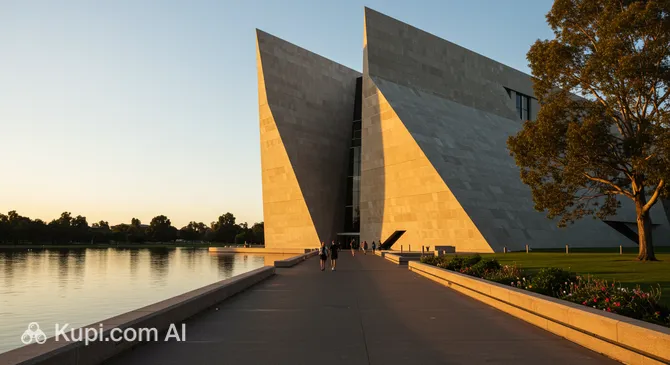
One of the most striking architectural landmarks is the National Museum of Australia. Located on the Acton Peninsula, this institution explores the land, nation, and people of Australia through immersive exhibitions. The building itself is a work of art, featuring a colorful loop design that represents the tangled destiny of the continent's stories and a Garden of Australian Dreams that interprets the country's geography.

National Museum of Australia. Source: Kupi.Binoculars

For those interested in political heritage, the Old Parliament House is an essential stop. Now home to the Museum of Australian Democracy, this heritage building offers a fascinating glimpse into the country's political past. You can walk through the Prime Minister’s suite, sit in the legislative chambers, and learn about the democratic process in a setting that feels frozen in time.

Art and media lovers will find plenty to admire at the National Portrait Gallery, which displays the faces of people who have shaped the nation, from entertainers to politicians. Nearby, the National Film and Sound Archive of Australia preserves the country's audiovisual history, housed in a beautiful Art Deco building that was once the Institute of Anatomy.

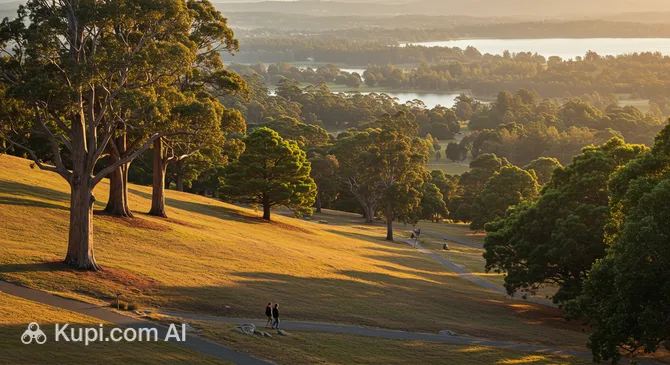
When it comes to outdoor spaces, the city is surrounded by nature reserves that offer spectacular vantage points. Mount Ainslie Lookout provides perhaps the most iconic view of Canberra, perfectly aligning with the War Memorial and Parliament House. It is a popular spot for photographers and locals alike, especially at sunrise or sunset when the light softens over the geometric city layout.

For a more immersed nature experience, the Red Hill Nature Reserve offers extensive walking trails through endangered box-gum grassy woodland. It is a fantastic place to spot local wildlife, including kangaroos and echidnas. If you prefer a more urban setting, Civic Square serves as the city's cultural heart, often hosting events and surrounded by key institutions like the Canberra Museum and Gallery, which focuses on the region's local social history and visual arts.

Getting Around

Navigating Canberra is a breeze thanks to an integrated and efficient public transport network managed by Transport Canberra. The system is designed to serve the city’s unique layout, connecting the civic center with the sprawling suburbs and major attractions. The primary modes of transport are the bus network and the modern Light Rail (tram) system. There is no heavy underground metro or trolleybus system, but the Light Rail serves as a high-speed backbone for the city's northern corridor.

The Light Rail is particularly popular with visitors. It runs frequently between Gungahlin and the City/Civic, with stops along the major avenue, Northbourne Avenue. It is sleek, quiet, and offers a scenic way to approach the city center. Complementing the trams is an extensive fleet of buses. The "Rapid" bus routes (marked in blue) run at high frequencies—at least every 15 minutes during the day—connecting major town centers and landmarks, while local routes service the residential streets.

For payment, the city uses a modern ticketing system known as MyWay+. This is incredibly convenient for tourists, as you do not necessarily need to purchase a specific travel card. You can simply use your contactless credit or debit card (Visa, Mastercard, or American Express) or a smartphone wallet to pay for your fare directly at the validator. If you prefer, physical MyWay+ cards can still be purchased and topped up at newsagencies and ticket vending machines located at Light Rail stops and major bus interchanges.

Fares are calculated based on the duration of your trip rather than distance, allowing for unlimited transfers within a 90-minute window. To ensure you are charged the correct amount, you must tap on when boarding and tap off when exiting both buses and light rail vehicles. Failure to tap off may result in a default fare, which is higher than a standard trip. Daily caps apply, so once you reach a certain spend limit, the rest of your travel for the day is free.

Transport services generally operate from around 6:00 AM until midnight, though frequencies reduce significantly on weekends and public holidays. To plan your journey, it is highly recommended to use the Transport Canberra website or standard navigation apps like Google Maps, which provide real-time updates. For late-night travel, especially on weekends, "Night Rapid" buses may be available, but checking the schedule in advance is advisable.

Beyond public transit, Canberra is often cited as the cycling capital of the nation. The city is flat and features an extensive network of shared paths that are separate from the road, making cycling a safe and popular alternative. You can easily rent a bike or use one of the ubiquitous electric scooters (such as Beam or Neuron) available via mobile apps. These are perfect for short trips around the Parliamentary Triangle or along the shores of Lake Burley Griffin.

If you prefer a direct route, taxis and rideshare services like Uber are widely available and reliable. Taxis can be hailed in the street in busy areas or found at designated ranks, while rideshares are best booked via their respective apps. Car-sharing services are also present for those who need a vehicle for a few hours to explore the outer nature reserves.

Accommodation

Where to Stay:

Accommodation in Canberra is as diverse as its landscape, catering to everyone from backpacking students and business travelers to families and luxury seekers. The city offers a broad spectrum of lodging options, including modern high-rise hotels, serviced apartments, charming heritage stays, and budget-friendly hostels. Because the city is planned with distinct town centers, visitors can choose between staying in the energetic heart of the action or retreating to quieter, leafy suburbs.

For most tourists, the most convenient area to stay is Civic (the city center) or the adjacent suburb of Braddon. Staying here places you within walking distance of the primary shopping districts, the theater, and a high concentration of restaurants and bars. If you prefer a more scenic and relaxed atmosphere, the precincts of Kingston and Manuka in the inner south are excellent choices. These areas are known for their boutique hotels and proximity to Lake Burley Griffin, offering a sophisticated village feel with plenty of cafes nearby.

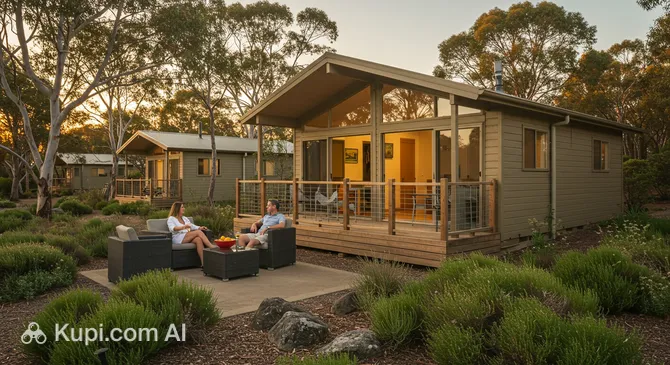
Travelers looking for a resort-style experience that feels removed from the urban bustle while still being close to the city attractions might consider Alivio Tourist Park. Located in a bushland setting just minutes from the center, it provides a range of accommodation from cabins to motel rooms, making it a popular choice for families and those who enjoy outdoor amenities like swimming pools and tennis courts.

Alivio Tourist Park. Source: Kupi.Binoculars

When planning your trip, it is crucial to consider the city's unique calendar. Canberra is the seat of government, meaning hotel prices can spike and availability can plummet during Parliamentary sitting weeks. It is highly recommended to check the parliamentary schedule or book well in advance if your dates are inflexible. Similarly, the spring festival of Floriade (mid-September to mid-October) draws huge crowds, so securing accommodation months ahead is advisable for this period.

In terms of pricing, budget travelers can find hostel beds or basic motel rooms starting from around $80 to $120 AUD per night. Mid-range hotels typically range from $150 to $250 AUD, while luxury establishments and boutique stays can exceed $300 AUD per night. Booking is most commonly done through major online platforms, though booking directly with the hotel can sometimes yield better cancellation terms or small perks.

Nearby Cities

For those looking to explore the surroundings, Canberra serves as an excellent base for day trips to several interesting nearby locations:

Goulburn is located just over an hour's drive away and holds the distinction of being Australia's first inland city. It is a hub of heritage architecture and rural history, making it a fascinating stop for history buffs. Visitors can admire the grand cathedral, explore the historic railway museum, or take a photo with the "Big Merino," a giant concrete ram that celebrates the region's rich wool industry.

For those craving the ocean, Batemans Bay is widely considered "Canberra's beach." Situated at the mouth of the Clyde River, this coastal town offers a complete contrast to the capital's inland setting. It is the perfect spot for a day of swimming, kayaking, or enjoying fresh local seafood, particularly the famous Clyde River oysters.

Further north along the coast lies Wollongong, a vibrant city framed by the Pacific Ocean and the Illawarra Escarpment. Known for its surf beaches and the spectacular Sea Cliff Bridge nearby, it offers a mix of natural beauty and urban energy. It is an excellent destination for those wanting to combine coastal drives with visits to botanical gardens or science centres.

City Population Distance (km)
Wollongong 261,896 187
Wagga Wagga 67,364 162
Goulburn 22,419 79
Ulladulla 15,278 122
Batemans Bay 11,294 107

These nearby destinations offer a glimpse into the diverse culture and landscapes of the region.

Shopping & Souvenirs

Shopping in Canberra offers a relaxed alternative to the frenetic pace of larger cities, blending modern retail precincts with charming boutiques and vibrant weekend markets. The city’s layout allows for distinct shopping experiences, from the glossy aisles of the city center to the independent designer stores in hip suburbs.

The primary destination for retail therapy is the Canberra Centre in the heart of Civic. This expansive mall spans several city blocks and houses major department stores, international fashion chains, and a dedicated beauty precinct. Just a short walk away lies the suburb of Braddon, particularly Lonsdale Street, which is the go-to spot for unique finds. Here, you can browse through independent boutiques selling Australian fashion, handmade jewelry, and bespoke homewares.

For a mix of lifestyle and leisure, the Kingston Foreshore and the nearby historic suburbs of Kingston and Manuka offer a sophisticated selection of high-end fashion and antique stores. These leafy areas are perfect for a leisurely stroll, allowing you to combine window shopping with a coffee break at one of the many alfresco cafes.

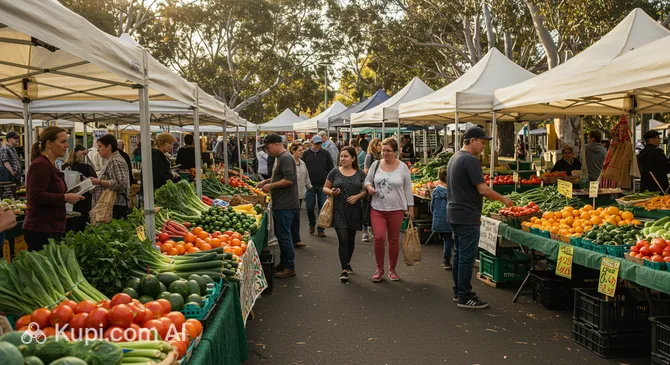
One of the city's most beloved traditions is its market culture. On Saturdays, the Capital Region Farmers Market at Exhibition Park is bustling with activity. While it is primarily known for fresh produce, it is also an excellent place to pick up gourmet gifts, local honey, and artisan treats directly from the producers.

Capital Region Farmers Market. Source: Kupi.Binoculars

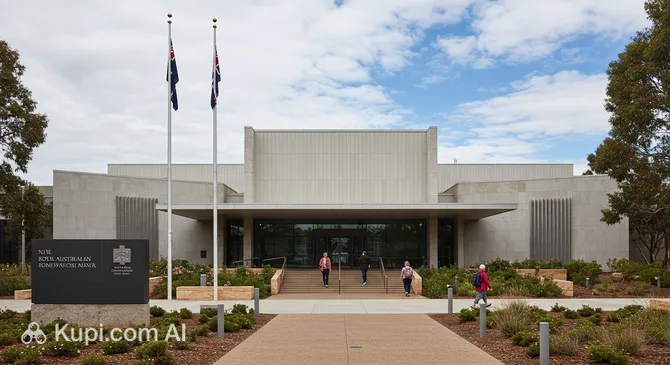
If you are looking for distinctive souvenirs, the museum shops at the National Gallery and National Museum are outstanding. However, for a truly unique memento, a visit to the Royal Australian Mint is essential. Beyond the factory tour, the shop offers a wide range of collector coins, and you can even mint your own legal tender coin as a keepsake of your trip.

Royal Australian Mint. Source: Kupi.Binoculars

For those visiting on a Sunday, the Old Bus Depot Markets in Kingston are a must-visit. Housed in a historic industrial building, this market focuses on hand-crafted goods, clothing, and artworks, making it the ideal spot to find something special that you won't see anywhere else.

Reached the end of the page?

That means the route is fully explored