Support

Darling Harbour

About

Darling Harbour is one of the most famous and vibrant districts in the heart of Sydney, serving as a large pedestrian and recreational precinct. Located adjacent to the Central Business District, this waterfront oasis is where metropolitan energy meets the tranquility of a scenic harbour, creating a unique atmosphere.

Once a thriving industrial and shipping hub, this vast area has undergone a massive transformation over recent decades. Today, Darling Harbour stands as a brilliant example of successful urban planning, where a rich history harmoniously blends with modern urban charm and a dynamic present.
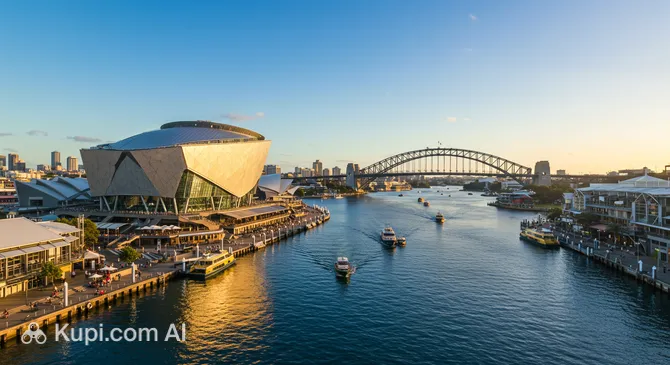
Darling Harbour. Illustration.
Source: Kupi.com AI

Traveler photos:

It is a true magnet for both tourists and locals, offering endless entertainment—from renowned museums and one of the world's largest aquariums to world-class restaurants, cozy cafes, and spacious playgrounds. Thanks to its lively atmosphere and variety of family-friendly activities, Darling Harbour is rightfully considered a top travel gem not only in Sydney but in all of Australia.

Contacts

Darling Harbour is a vast public precinct home to numerous attractions, so there is no single contact center for the entire district. For the latest event information, opening hours of individual venues, and special activities, it is best to check the official website or visit an information center. The harbour is easily accessible by various modes of transport, including ferry, train, bus, and light rail.

How to contactContact
AddressSydney NSW 2000, Australia
Phone number+61 2 9240 8500
Websitewww.darlingharbour.com

What to Do

Darling Harbour is a true hub of activity, home to many iconic attractions and entertainment options. One of the top highlights is the famous SEA LIFE Sydney Aquarium, where you can discover Australia’s incredible underwater world. Nearby, the Australian National Maritime Museum showcases the country's rich seafaring history and even allows visitors to board historic vessels. Shoppers will love the Harbourside shopping center, while business travelers will appreciate the proximity to major venues like the International Convention Centre Sydney.

Beyond museums and exhibitions, the area is perfect for leisurely walks and outdoor relaxation. The heart of Darling Harbour is Tumbalong Park—a popular spot for family picnics and various events. From here, you can stroll along the boulevard connecting the precinct's main sites or visit the picturesque Chinese Garden of Friendship, which offers a peaceful Asian-inspired retreat. Numerous pedestrian paths and waterfronts, such as Cockle Bay, provide stunning views of the harbour and surrounding architecture.

As evening falls, Darling Harbour transforms into one of the city's most romantic and lively destinations. Countless restaurants and bars along the waterfront offer something for every palate—from fine dining to casual cafes. Having dinner with a view of the water is a must for many visitors. The city lights reflecting in the harbour and the skyline create a truly spectacular panorama.

Getting There

Getting to Darling Harbour is incredibly easy thanks to its central location right next to the business heart of Sydney. One of the most pleasant ways to arrive is on foot; from many central points, such as Town Hall Station or The Rocks, the walk takes about 10–20 minutes. The route passes through scenic city streets, and clear signage will help you find your way.

The most picturesque and popular way to reach the harbour is by ferry. Ferries depart regularly from Circular Quay, turning the commute into a mini-tour with stunning views of the Opera House and Harbour Bridge. The area is also well-served by the Light Rail (L1 line). The line runs right through Darling Harbour and has several convenient stops, such as Convention and Pyrmont Bay, making it an ideal choice for those coming from Central Station.

If you prefer the train, the closest station is Town Hall, located just a 10-minute walk from the harbour. Additionally, numerous bus routes pass through the city center and stop on streets adjacent to Darling Harbour, such as Market Street or Druitt Street. Of course, you can always use taxis or rideshare services to be whisked comfortably to the waterfront from anywhere in the city.

Nearest city: Sydney

History & Facts

The history of Darling Harbour stretches back long before the arrival of Europeans. This area was originally home to the Gadigal and Wangal peoples, who called it "Tumbalong"—meaning "place where seafood is found." With the arrival of colonists in the late 18th century, the bay became known as Cockle Bay, and it received its current name in 1826 in honor of Sir Ralph Darling, the Governor of New South Wales. Over time, it evolved into a bustling industrial and port hub for Sydney.

A key turning point in the area's modern history was the massive redevelopment project undertaken for Australia's Bicentenary in 1988. The state government made the ambitious decision to transform the declining industrial site into a vibrant public space, "giving the harbour back to the people of Sydney." This project became one of the country’s largest and most successful examples of urban renewal, resulting in the exhibition centers, museums, parks, and promenades we see today. The official opening took place on May 4, 1988, with Queen Elizabeth II in attendance.

One of the most recognizable symbols of the new Darling Harbour was the monorail, also launched in 1988. Connecting the harbour to the city center, it was a futuristic attraction for many years, though not without controversy. Despite its popularity with tourists, the monorail was closed and dismantled in 2013. This remains an interesting chapter in the history of a district that continues to evolve while honoring its industrial past and grand transformation.

Time Needed

When planning a visit to Darling Harbour, keep in mind that the length of your stay depends entirely on your interests. For a quick overview, a leisurely stroll along the waterfront, and soaking up the atmosphere, 1–2 hours might suffice. However, to truly experience everything this place has to offer, it's better to set aside at least half a day, or ideally, a full day.

If you plan to visit major attractions like the SEA LIFE Sydney Aquarium or the Australian National Maritime Museum, count on spending 2–3 hours at each. Shopping at the Harbourside complex or a relaxed lunch at one of the many waterfront restaurants will add another couple of hours. By combining several activities, you can easily spend most of the day here.

Ultimately, Darling Harbour is a destination that fits any schedule. Families with children can spend an entire day moving between attractions, playgrounds, and cafes. If you simply want to enjoy the evening lights of Sydney, a few hours for dinner and a walk will be perfect. The area is so multi-faceted that it can be explored through short visits or as a full-day highlight of your trip to Australia.

Working Hours

Since Darling Harbour is a large public precinct rather than a single building, it does not have set operating hours. The waterfront and parks are open for strolls almost 24 hours a day, year-round, allowing you to enjoy the harbour views both day and night. Access to the precinct itself is free, and no tickets are required for a general visit.

However, all the attractions, restaurants, shops, and entertainment centers located within Darling Harbour—such as SEA LIFE Sydney Aquarium, the Australian National Maritime Museum, or the Chinese Garden of Friendship—operate on their own schedules. For these venues, it is highly recommended to check their official websites in advance for current opening hours and admission prices. Pre-booking tickets online may be necessary for some popular attractions, especially on weekends and public holidays, to avoid long queues.

Nearby

A visit to Darling Harbour is just the beginning of your exploration of Sydney's vibrant center. Thanks to its prime location, the precinct serves as an ideal starting point for discovering many other iconic landmarks just steps away. Wandering through the surrounding areas allows you to dive deeper into the city's atmosphere and uncover its cultural and entertainment diversity.

World-famous attractions, cozy venues, and unique spots are concentrated in the immediate vicinity, each offering its own memorable experience. Exploring these nearby sites won't take much time but will significantly enrich your journey through Australia.

NameDistance
Sydney Aquarium0.6 km
Australian National Maritime Museum0.6 km
Macchiato Wood Fire Pizza and Coffee Roasters0.7 km
The Baxter Inn0.7 km
Escape Room Sydney0.8 km
King Street Wharf0.9 km
Anzac Memorial0.9 km

Have you reached the end of the page?

So the route has been studied inside and out