Support

Tableland

About

Tableland is a cozy and welcoming town located in the state of Queensland, across the vast expanses of Australia. It attracts travelers with its peaceful atmosphere and the chance to escape the noise of large metropolises, offering an authentic experience of regional life.
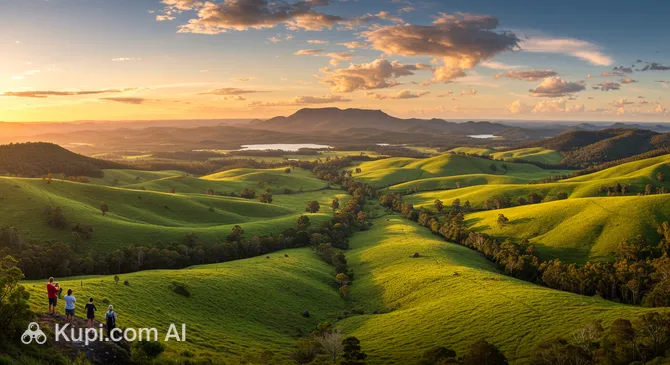
Tableland. Illustration.
Source: Kupi.com AI

The town is situated in a picturesque area characteristic of this part of Queensland. The climate allows for comfortable travel throughout most of the year, though it is best to check details before your trip. Tableland is not a major tourist hub, but that is precisely its charm—here, you can enjoy a leisurely pace of life and the hospitality of the locals.

Among Tableland's attractive features is its proximity to natural beauty. It is an excellent spot for those who enjoy hiking, exploring the surrounding nature, and observing unique Australian flora and fauna. The town can also serve as a convenient starting point for journeys through the wider Queensland region, providing access to diverse landscapes and interesting sites.

If you are seeking tranquility, want to immerse yourself in the true Australian atmosphere away from the tourist trails, or simply wish to make a pleasant stop on your journey, Tableland will warmly welcome you. Discover the charm of this small but distinctive corner of the Great Southern Land!

You can find more interesting facts on the history of Tableland page.

Weather Overview

The weather in Tableland, located in the Australian state of Queensland, is characterized by a warm climate throughout most of the year. The hottest months are the summer period from December to March, when the average temperature is around 25-26°C, and daytime highs regularly exceed 30-31°C. Winter, falling between June and August, is mild here, with average temperatures around 16-17°C and nighttime lows around 10-11°C.

In Tableland, expect a hot summer with occasional but generally light rainfall (around 2-3 mm per month and 9-11 rainy days at the peak of the season), and a mild, very dry winter when rainfall is minimal (around 1 mm per month, with almost none in September) and only 3-4 rainy days.

For more detailed planning of your visit based on weather conditions, you can explore detailed information about the climate of Tableland.

Average monthly temperature

Average monthly precipitation

Interesting Facts

Tableland is not only a picturesque spot in Queensland, Australia, but also a place full of intriguing stories and little-known details. Here are just a few curious facts that will help you see this town in a new light:

  • Tableland owes much of its origin to the development of the region's railway network. It was initially founded as a station that played a key role in serving nearby coal mining operations.

  • There is an interesting theory regarding the town's name. It is said that "Tableland" was named after the unique rock formations in the vicinity, which really do resemble tables with their flat tops.

  • For nature and Australian wildlife enthusiasts, the surroundings of Tableland may hold a pleasant surprise: a fairly rare species of wallaby lives here, and encountering one in the wild is an unforgettable experience.

  • Local legends tell of treasure supposedly hidden in the vicinity of Tableland by a famous historical outlaw known as "Red Bill." Legend has it that the hoard has never been found and continues to stir the imagination of adventurers and treasure hunters.

How to Get There

When planning a trip to this picturesque corner of Queensland, it's important to think about your route in advance, as there is no direct air service to the town. The main way to get here is by flying into one of the nearby major regional centers followed by a trip by car or bus. You can find out more about how to get to Tableland by exploring the available options below.

The most convenient transit hub is Gladstone Airport (GLT), located in the city of Gladstone. This is the closest airport to Tableland, situated approximately 55 km away. It serves a significant number of passengers annually, providing regular connections to Australia's major cities. A trip from the airport to Tableland by taxi or rental car takes roughly 1.5–2 hours, depending on road conditions.

Another popular option is Rockhampton Airport (ROK), located in the city of Rockhampton, about 112 km from Tableland. This is a major regional transport hub with high passenger traffic, receiving flights from Australia's main airlines. Traveling from Rockhampton to your destination will take more time—expect about 3 hours by ground transport.

For your convenience, here is a summary of the main airports:

AirportPassenger trafficDistance
Gladstone Airport240 27555 km
Rockhampton Airport656 000112 km
Bundaberg Airport174 000155 km
Hervey Bay Airport168 616227 km
Emerald Airport215 000292 km

There is no direct rail link to Tableland, so if you prefer ground transport, a car remains the primary option. The road network in this region of Queensland is well-developed, and a road trip will allow you to enjoy views of the Australian outback. It is recommended to rent a car at one of the arrival airports or use intercity buses that run between the state's towns.

Main Attractions

The town of Tableland, nestled in the Australian state of Queensland, offers its guests various opportunities to explore the region's nature and history. Everyone will find something to their liking here—from a relaxing day by the river to exploring unique landscapes.

One of the main natural arteries is the Dawson River. Flowing near or through Tableland, it provides excellent conditions for fishing, boating, and kayaking. The river's picturesque banks are ideal for picnics and leisurely strolls, allowing you to enjoy the silence and observe the local flora and fauna.

For lovers of breathtaking scenery, a trip to Isla Gorge National Park is well worth considering. Although it may be some distance away, its majestic sandstone cliffs, deep gorges, and panoramic views leave a lasting impression. The park offers walking tracks to explore this unique ecosystem.

To gain a deeper understanding of the history and culture of Tableland and its surrounding region, visit the local historical museum. The exhibits tell the stories of the land's original inhabitants, the daily lives of early European settlers, the exploration of the territories, and the development of agriculture, which still plays a vital role in Queensland life today.

Don't miss the chance to visit the Tableland Panorama Lookout. From this vantage point, located on one of the local hills, you can enjoy impressive views of the sprawling farmlands, the winding riverbed, and the endless horizons. It is particularly beautiful at sunset when the sun's final rays paint the landscape in warm hues.

Local Cuisine

The gastronomic scene in Tableland will charm you with its laid-back atmosphere and emphasis on fresh, quality products, typical of sunny Queensland. Here, you can enjoy dishes that reflect the Australian way of life—simple, hearty, and cooked with soul. The town's cuisine offers both traditional Australian treats and modern culinary interpretations.

You should definitely try the classics of Australian cuisine. Start with a juicy steak or flavorful sausages cooked on the grill—the barbecue (or "barbie") is an integral part of the culture here. Don't pass by the famous Australian meat pie—it's a hearty and delicious dish perfect for lunch. Thanks to the proximity to fertile lands, Tableland dishes often feature fresh local vegetables and fruits. For dessert, we recommend trying Lamington—a sponge cake covered in chocolate icing and desiccated coconut—or a light Pavlova cake with berries and whipped cream.

Among drinks in Tableland, local varieties of Australian beer are popular and perfectly refreshing in hot weather. Wine connoisseurs can enjoy excellent Australian wines, especially Shiraz or Chardonnay varieties. For non-alcoholic options, look for a variety of freshly squeezed juices and, of course, the famous Bundaberg ginger beer—a pride of Queensland. Australians are also big coffee fans, so you'll easily find a place serving a great espresso or cappuccino.

The dining culture in Tableland reflects the relaxed lifestyle. Locals and tourists alike love to start the day with breakfast or brunch at a cozy cafe. For lunch or dinner, they often choose traditional pubs, where you can not only have a tasty meal but also experience the local character. The town also has restaurants offering both modern Australian cuisine and international favorites. Don't forget the tradition of picnics and barbecues outdoors, which is particularly pleasant in Queensland's warm climate.

Travel Tips

Welcome to Tableland! To ensure your journey through this corner of Australia is as comfortable as possible and leaves only pleasant impressions, we've prepared a few practical tips. They will help you navigate better and enjoy every moment of your stay.

  1. Clothing and Essentials:

    The climate in Queensland, where Tableland is located, is predominantly warm and sunny. In summer (December-February), choose light, breathable clothing made from natural fabrics, and be sure to bring a hat, sunglasses, and sunscreen with high SPF. In winter (June-August), it can be warm during the day, but evenings can be chilly, so a light jacket or sweater won't hurt. Don't forget comfortable shoes for walking and exploring the surroundings. You will also need an adapter for Australian power outlets (Type I). If you plan on visiting beaches or nature parks, bring swimwear and insect repellent. There is generally no strict dress code in Australia, but covering shoulders and knees may be required when visiting some religious sites.

  2. Transport:

    For getting around Tableland and its vicinity, renting a car is often the most convenient option, especially if you plan to explore Queensland's natural beauty. Remember that driving in Australia is on the left-hand side. Public transport in small towns like Tableland is usually limited to bus routes; we recommend checking schedules in advance. Taxis and services like Uber may be available, but their availability and wait times may differ from major cities.

  3. Finance:

    The local currency is the Australian Dollar (AUD). Bank cards (Visa, Mastercard) are accepted almost everywhere—in shops, restaurants, and hotels. American Express cards are accepted less frequently. ATMs are easy to find in the town center and shopping areas. You can exchange currency at banks or specialized exchange points, but it's often more economical to withdraw cash from an ATM. Tipping in Australia is not mandatory, but always appreciated for good service in restaurants (usually 10-15%). In cafes and bars, you can simply round up the bill.

  4. Health and Safety:

    Pharmacies (look for signs saying "Chemist" or "Pharmacy") are available in most towns. Some stay open late, but 24-hour pharmacies are rare for small towns. Having travel medical insurance is highly recommended. In emergencies (ambulance, police, fire service), dial 000. Tableland, like most Australian towns, is considered safe. However, follow standard precautions: don't leave valuables unattended, especially in a car or on the beach, and avoid walking in poorly lit or deserted areas after dark. Be wary of wildlife: do not approach or feed wild animals. Remember the strong sun—always use sunscreen.

  5. Communication:

    The official language in Australia is English. You will have no trouble communicating with locals. For convenience and mobile internet access, you can purchase a local SIM card (major providers are Telstra, Optus, and Vodafone) at the airport, supermarkets, or mobile phone stores. Free Wi-Fi is often available in hotels, cafes, and some public spaces. Useful apps include maps (Google Maps, Waze), weather forecast apps (like BOM Weather from the Australian Bureau of Meteorology), and potentially specific Queensland transport apps.

  6. Local Etiquette:

    Australians are known for their friendliness, openness, and informal communication style. A common greeting is "G'day" (short for "Good day") or simply "Hello." A handshake is appropriate when first meeting someone. People often quickly move to using first names in conversation. Politeness is valued: the words "please" and "thank you" are used everywhere. In public places like shops or at transport stops, it's customary to wait in line (queueing).

  7. What to Avoid:

    Underestimating the sun: Even on a cloudy day, you can easily get a sunburn. Always use a high SPF sunscreen, wear a hat, and drink plenty of water. Feeding wild animals: This can harm their health, disrupt natural behavior, and even be dangerous for you. Admire them from a distance.

  8. Additional Tip:

    Immerse yourself in the "Aussie lifestyle": Being in Queensland, Tableland offers great opportunities to get to know the Australian way of life. Visit a local pub, try a barbecue (or "barbie," as the locals say), and chat with the residents. Queensland is also famous for its stunning nature—look into nearby national parks, beaches, or other interesting spots to visit to fully experience the spirit of the "Sunshine State."

We hope these tips help you plan an unforgettable trip to Tableland. Enjoy Queensland's hospitality, its unique nature, and its relaxed atmosphere. Have a great trip!

Entertainment & Nightlife

Nightlife in Tableland is fundamentally different from that of bustling metropolises. Here, you won't find the neon signs of nightclubs, 24-hour discos, or lively bar districts. Evenings in this corner of Queensland are spent in an atmosphere of calm and tranquility, making it an ideal place for those who want to escape the urban rush and enjoy the silence of the Australian outback.

The main center of attraction in the evenings is traditionally the classic Australian pub (often called "Hotels"). These are the places where locals and travelers gather to discuss the news, have a pint of cold beer, and enjoy a hearty dinner. The atmosphere is as casual and friendly as it gets: there's no dress code (regular jeans and t-shirts will do), and the crowd is always happy to see new faces. If you want to feel the true local flavor, a pub like this is the best place to be.

Due to the lack of light pollution typical of large cities, Tableland offers stunning opportunities for stargazing. On a clear night, the sky is literally blanketed with constellations, and the Milky Way is visible to the naked eye. For a romantic evening or a quiet rest in nature, this is perhaps the most spectacular "night show" the region can offer.

Travelers should keep a few practical points in mind:

  • Opening Hours: Most establishments (cafes, shops) close quite early, often by 5:00 PM – 6:00 PM. Pubs may stay open longer, but their kitchens also have specific hours (usually until 8:00 PM – 9:00 PM).
  • Transport: There is no public transport at night, and taxi or rideshare services (like Uber) may be unavailable. If you're planning a dinner with alcohol, think in advance about how you'll get back to your hotel, or choose accommodation within walking distance.
  • Safety: Tableland itself is very safe for walking. However, the main "threat" at night is wildlife. If you're driving after dark, be extremely cautious: kangaroos and wallabies frequently wander onto the road.

As for daytime entertainment, it harmoniously complements the quiet evening rest. During the day, guests of Tableland can spend time exploring natural parks, hiking scenic trails, or visiting local museums that tell the story of the region's development. This is a place where entertainment is inextricably linked with nature and a slow pace of life.

Parks & Museums

Tableland and its surroundings invite travelers to enjoy not only Queensland's impressive natural landscapes but also to discover the region's rich cultural heritage. Here, opportunities for active outdoor recreation and exploring history and art are harmoniously combined.

For nature lovers, a true gem is Isla Gorge National Park. Known for its dramatic landscapes, deep sandstone gorges, and sheer cliffs, this park offers an unforgettable experience. Take a walk along one of the trails to admire panoramic views from lookouts such as Flagstaff Hill or the main Isla Gorge lookout. It's a wonderful opportunity for birdwatching and encountering the unique flora of the Australian bush.

In addition to large national parks, the towns in the Tableland region likely feature more intimate green zones. These might be local botanical gardens, housing collections of regional plants, or well-kept city parks with shaded avenues, picnic areas, and playgrounds for children—ideal for a quiet family getaway and leisurely strolls.

To dive into the Tableland region's past, we recommend visiting the local historical museum. Such institutions, often lovingly maintained by locals, house artifacts and stories of pioneer days, agricultural development (such as cattle ranching or grain farming), and the contributions of various communities to shaping the region. You'll see vintage photographs, household items, and tools that help bring history to life.

Art enthusiasts should look out for small art galleries or cultural centers that may be found in Tableland or neighboring towns. These often exhibit works by local artists and craftspeople who draw inspiration from Queensland's unique landscapes and cultural traditions. Occasionally, you might catch an exhibition dedicated to the art of the Indigenous peoples of Australia, adding a special touch to your journey.

As you stroll through the settlements of the Tableland region, keep an eye out for preserved historical buildings. These could be old churches, post offices, pubs, or residential houses with characteristic Australian verandas. These architectural witnesses to the past give the area a special charm and tell its story without words.

For a more authentic experience, try to visit a local farmers' market if one is held during your visit—it's a great chance to taste fresh produce, chat with farmers, and buy handmade souvenirs. And for a quiet break, you can always find a cozy cafe overlooking one of the green spaces to soak in the relaxed atmosphere of the Australian outback.

Getting Around

When planning your travel around Tableland, it's important to keep in mind that the transport system here is typical of a small Australian settlement. The main focus is on private transport, and public options may be limited.

The most common and convenient way to get around Tableland and its surrounding areas is by car. If you are traveling in your own vehicle, it will provide you with maximum freedom. You should also consider renting a car, especially if you plan to explore the picturesque region of Queensland. As for public transport, in small towns like Tableland, it is usually represented by bus routes, if any exist. Their network is likely not very extensive, and intervals between buses can be significant. It's best to check route and schedule information locally or on the local council's website.

If buses are operating in Tableland, the fare system is generally simple. You will likely be able to pay for your trip in cash directly to the driver when boarding. There aren't usually special transport cards or passes for tourists in small settlements. Therefore, always carry some small change to pay your fare.

Alternative ways to get around Tableland are also worth considering. Taxi services may be available, but their number is likely limited. It is recommended to book a car in advance, especially if the trip is planned for a specific time or a significant distance. For short trips around the town itself and a leisurely exploration of its atmosphere, a bicycle is a great choice. You should check the possibility of bike rentals upon arrival—some tourist spots may have rental points.

Travelers planning a trip to Tableland are advised to think through their logistics in advance. If you're without a car, look into possible bus routes (if they exist) or be prepared to use taxi services. For exploring the surrounding area, renting a car will be the most practical solution. Walking is also an excellent way to get to know the town itself.

Accommodation

In Tableland, travelers will find a variety of accommodation options to suit any budget and preference. Choices range from budget hostels and guesthouses, ideal for cost-conscious tourists, to comfortable mid-range hotels and luxury hotel complexes. For those seeking more privacy or planning a long stay, apartments and private rental options are also available.

When choosing a place to stay in Tableland, it's worth paying attention to areas located near the main tourist routes or those with convenient transport links. Central areas usually offer easy access to shops, restaurants, and cultural sites, while quieter outskirts might appeal for their peace and proximity to nature. The town features both international hotel chains and small family-run inns and boutique hotels, each offering its own level of service and unique atmosphere. Your choice of hotel will depend on your preferences for comfort and location.

When planning a trip to Tableland, especially during the peak tourist season or during major events, it is highly recommended to book accommodation in advance. This not only guarantees you a room in your preferred choice but often allows you to take advantage of better rates.

The price range for accommodation in Tableland is quite broad: from very affordable options for travelers on a tight budget to premium offers for the most discerning guests. You can book accommodation in various ways: through popular international online booking platforms, directly on official hotel websites, or by using the services of local travel agencies. Comparing offers on several resources will help you find the best value for your stay.

Nearby Cities

For those looking to explore the surroundings, Tableland serves as an excellent starting point for day trips to several interesting nearby locations. Here are a few options that can add variety to your journey through Australia:

Gladstone, located just 59 km away, is not only an important industrial center and port but also the gateway to the southern part of the Great Barrier Reef, including islands like Heron. Visitors can explore the picturesque Tondoon Botanic Gardens or enjoy some excellent fishing.

Gracemere (107 km), situated in the Rockhampton region, offers a unique opportunity to experience life in the Australian outback. This town is known for its traditional rodeos, which vividly showcase the local culture.

A trip to Bundaberg (156 km) will be a real treat for fans of the famous Australian Bundaberg Rum, as you can visit the historic distillery here. Additionally, Bundaberg is famous for the Mon Repos Turtle Centre, where you can observe sea turtles in season, and its magnificent botanical gardens.

For more detailed planning of your trip, below is a table with information about some other nearby towns, their populations, and distances from Tableland:

CityPopulationDistance
Thangool1 30043 km
Biloela5 75845 km
Gladstone34 70359 km
Monto1 30066 km
Kalpowar72 km

These nearby destinations provide insight into the diverse culture and landscapes of the Queensland region, making your stay in Tableland even more rewarding and interesting.

Shopping & Souvenirs

Shopping in Tableland will likely offer you a more authentic and relaxed experience than in the major metropolises of Australia. The town is not a major commercial hub, but you can find stores with essential goods, as well as unique items from local craftspeople and farm produce. The main focus is likely to be on goods that reflect the local flavor and culture of the Queensland region.

Generally, in towns the size of Tableland, most shopping activity is centered on one or two main streets. Here, you will likely find small independent shops, boutiques, pharmacies, and grocery stores. A walk along these streets allows you not only to shop but also to feel the town's atmosphere.

Large, modern shopping malls typical of big cities are likely absent in Tableland. However, there may be small shopping complexes or plazas that bring together shops offering everyday goods and services. They are convenient for one-stop shopping.

If you're lucky enough to be in Tableland on local market days, be sure to visit them. These could be farmers' markets with fresh products from local producers, as well as craft fairs where you can buy unique handmade souvenirs. Such markets are a great opportunity to get to know the local culture and support local businesses.

From Tableland and the Queensland region, it's worth bringing back souvenirs that reflect Australian nature and culture. Look for items made by local artisans—perhaps Indigenous Australian art (if represented in the region), items made from natural materials, local honey, jams, or other delicacies. Souvenirs featuring Australian animals are also popular.

Shops in Tableland, like in most small Australian towns, typically operate Monday to Friday from about 9:00 AM to 5:00 PM or 5:30 PM. On Saturdays, hours may be reduced (for example, until 1:00 PM or 4:00 PM), and on Sundays, many small shops may be closed, except for some supermarkets or stores in tourist areas. Bank cards (Visa, Mastercard) are accepted almost everywhere, and you can also pay with cash.

Tourists shopping in Australia may be eligible for a refund of the Goods and Services Tax (GST) under the Tourist Refund Scheme (TRS). To qualify, you must spend at least 300 Australian dollars (including GST) in one store within 60 days of departure, obtain a special tax invoice, and present the goods and invoice to customs at the airport when leaving the country. Check the scheme's details and refund conditions before making large purchases.

Reached the end of the page?

That means the route is fully explored