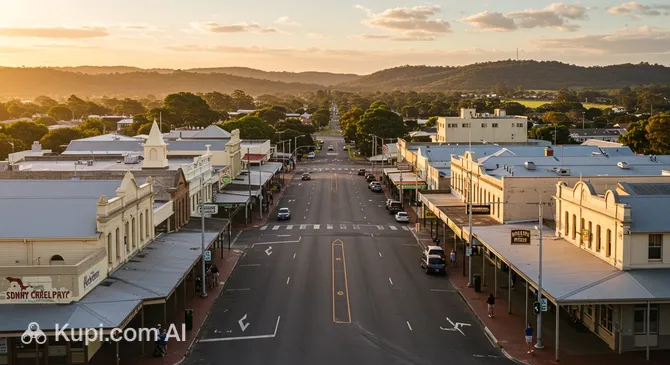
Gympie is a charming and cozy town nestled among the emerald hills and valleys of the sunny state of Queensland. A special atmosphere of tranquility reigns here, making it perfect for leisurely strolls and enjoying nature. Located approximately 170 kilometers north of Brisbane, this town serves as an excellent starting point for exploring the amazing world of Australia.
Gympie. Illustration.
Source: Kupi.com AI
Despite its modest size and population of about 10,800 people, the town plays an important role as the region's cultural center. Gympie is literally steeped in the spirit of the past: well-kept streets, historic buildings, and local galleries create a sense of traveling back in time. Gympie's fascinating history is felt in every corner, giving the place a unique charm and identity.
Travelers should stay here for at least a couple of days. The town is only an hour and a half's drive from the coast, but there is much to admire in its surroundings as well—from picturesque rivers to dense forests. It is an ideal place for those seeking a harmonious holiday away from the noise of major cities who want to discover the true soul of the Australian outback.
Weather Overview
The climate in Gympie can be described as humid subtropical, making the region attractive to visit almost year-round. Summer here, lasting from December to February, is typically hot and humid. The average temperature in January is about 25.5°C, with daily maximums often reaching 29.8°C. This is also the rainiest season: precipitation falls an average of 12–14 days per month, refreshing the air after a hot day.
Winter (June–August), by contrast, brings cool weather and clear skies. In July, the average temperature drops to 15.5°C, and nights become quite fresh with minimums around 10.1°C. This is the driest time of year, when the number of rainy days decreases to 4–7 per month. Expect a warm summer with occasional downpours and mild, mostly dry winters, ideal for walking.
Spring and autumn delight with comfortable transitional conditions. For example, in October the air warms up to 21.9°C, and in April—up to 21.3°C. To plan your travel wardrobe correctly and choose the best days for excursions, we recommend checking in advance what weather in Gympie is expected on your visit dates.
Average monthly temperature
Average monthly precipitation
Interesting Facts
Beyond its main attractions, Gympie holds many fascinating secrets and stories that make it a truly unique place on the map of Australia. This town will surprise you with its contribution to state history and unusual natural phenomena.
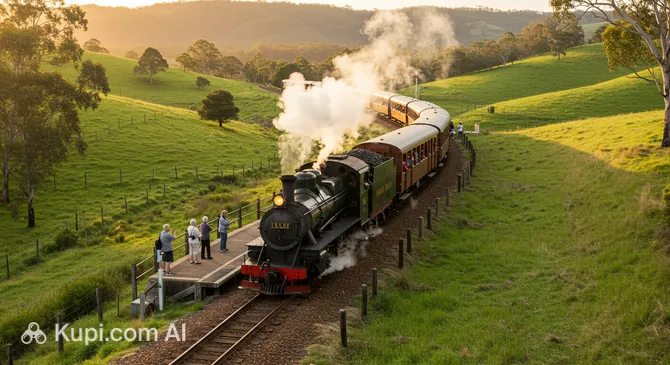
Mary Valley Rattler. Illustration.
Source: Kupi.com AI
Traveler photos:
The State Savior. Gympie bears the proud unofficial title of "the town that saved Queensland." In 1867, when the state was on the brink of total financial collapse, gold was discovered here. The ensuing gold rush not only instantly revived the regional economy but also filled the treasury, literally preventing the entire state from going bankrupt.
A Dangerous Namesake. The town gave its name to one of the world's most stinging plants—the "Gympie-Gympie" (stinging tree). Contact with its leaves causes excruciating pain that can last for months. A surprising fact remains that local kangaroos seem to have immunity to its toxin and sometimes even consume this dangerous plant for food.
Time Travel. One of the most atmospheric features of the town is the operating historic Mary Valley Rattler train. This retro steam locomotive is not just a museum piece but a full-fledged attraction that runs through the picturesque valley, transporting passengers into the atmosphere of the early 20th century.
Living History. Gold mining traditions are not forgotten here: the town regularly hosts festivals that reconstruct the life of prospectors. Guests can not only observe ancient trades but also try their own luck at finding gold, touching the heritage of the first settlers.
How to Get There
When planning a trip to this historical corner of Queensland, it is worth thinking through your route in advance. Gympie enjoys good transport accessibility due to its proximity to the state's major highways and transport hubs. You can find out more about how to get to Gympie, and below we will look at the most popular options used by tourists.
There is no airport in Gympie itself that accepts regular passenger flights, but you can fly into one of the neighboring air hubs. The closest and most convenient option is Sunshine Coast Airport (MCY), located in the city of Sunshine Coast, about 63 km from Gympie. This is a regional airport that receives flights from key Australian cities. A trip from here by bus or taxi takes about 2 hours.
For international travelers, the main gateway to the region is Brisbane Airport (IATA: BNE). This is a major international airport located in the state capital, Brisbane, approximately 140 km from Gympie. Numerous transfers and buses depart from here; travel time is about 3.5–4 hours, depending on the chosen transport and traffic.
For clarity, here is a summary of the main airports located in relative proximity to the town:
In addition to air travel, you can reach Gympie by rail. The town is served by the Gympie North station, which is located slightly away from the center. High-speed Tilt Train and Spirit of Queensland services, traveling from Brisbane to the north of the state, arrive here regularly. Special shuttle buses, synchronized with the train schedule, run from the station to the town center.
Many tourists also prefer to reach the town by car. The main Queensland thoroughfare—the Bruce Highway (A1)—passes through Gympie, making the car trip simple and comfortable. The drive from Brisbane takes about two hours and passes through picturesque landscapes.
Main Attractions
Gympie is a town that takes pride in its rich heritage and its ability to preserve traditions while harmoniously weaving them into modern life. The main attractions here are linked to the gold rush era and the region's unique nature, but lovers of urban comfort will also find interesting locations. A tour of the town should begin with the places that shape its unique character.
The absolute symbol of the town and a magnet for tourists is the historic Mary Valley Rattler railway. This is not just transport, but a living museum on wheels. The restored C17 steam locomotive departs from the historic station in the center of Gympie and takes passengers through the picturesque hills and farmland of the Mary Valley. The journey allows you to immerse yourself in the atmosphere of the early 20th century, enjoying the rhythmic clatter of wheels and the magnificent Queensland landscapes that unfold from the windows of vintage carriages.
Mary Valley Rattler. Illustration.
Source: Kupi.com AI
Traveler photos:
For an immersion into the region's history, the Gympie Gold Mining and Historical Museum is a must-visit. Located near Lake Alford, this open-air complex includes over 30 buildings telling the story of how the town saved the state from bankruptcy thanks to the discovery of gold in 1867. Here you can see vintage equipment, the house of former Prime Minister Andrew Fisher, and even try your hand at gold panning.
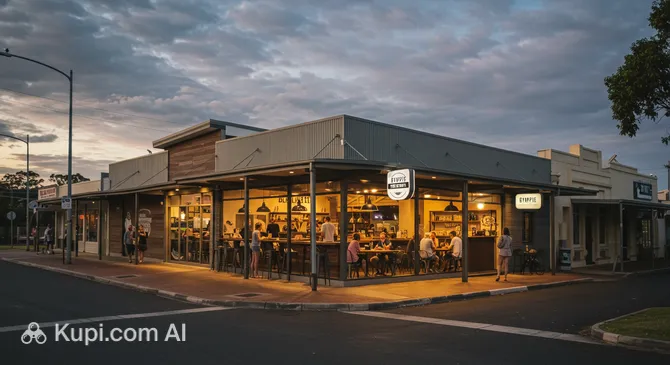
If you want to feel the modern rhythm of the town and its "flavor," stop by Soma Soma. This venue has become a true local landmark thanks to its unique atmosphere, combining the functions of a cozy cafe and a community space. Tourists come here not only for the excellent coffee but also to experience the friendliness of the locals and the relaxed vibe characteristic of this corner of Australia.
For those seeking outdoor adventure, visiting the Deep Creek Fossicking Area is an interesting experience. This is one of the few zones where anyone (with an inexpensive license) can try their luck searching for real gold in the creek using traditional pans. For practical matters and shopping between excursions, it is convenient to visit Goldfields Plaza—the main shopping center where the town's commercial life is concentrated.
Local Cuisine
Gympie's gastronomic scene is a true feast for those who appreciate the "farm-to-table" concept. Thanks to the fertile lands surrounding the town, local cuisine is based on the freshest, high-quality ingredients. Here, food is not just about satisfying hunger, but a way to get to know the richness of the Queensland region, where farmers proudly offer the fruits of their labor: from juicy vegetables and fruits to home-produced honey and macadamia nuts.
Meat dishes hold a special place on the menus of local restaurants and pubs. Travelers should definitely try beef steaks or tender lamb raised on the surrounding pastures. Meat is often grilled, preserving its natural flavor. River fish is equally popular, served with a side of seasonal vegetables. For a quick but filling snack, traditional Australian meat pies—crispy pastries with a hot filling—are perfect and can be found in almost every bakery.
For those with a sweet tooth, Gympie offers a chance to get acquainted with the iconic Australian dessert—the lamington. These are squares of sponge cake covered in chocolate icing and rolled in desiccated coconut. In local cafes, they are often served sliced in half with a layer of thick cream and homemade jam, making the taste even richer. It is the perfect accompaniment to a cup of aromatic coffee, the cult of which is very developed in the town.
SoMa SoMa. Illustration.
Source: Kupi.com AI
Traveler photos:
As for drinks, Gympie is famous for its coffee shops, where baristas treat coffee making as an art. Regarding alcoholic beverages, the region is beginning to gain a reputation thanks to local wineries. Tourists can try local wines, which pair perfectly with farm cheeses. Also, pubs always feature a wide selection of Australian beers, from classic lagers to craft varieties.
Dining culture in the town is closely linked to socializing and unhurried relaxation. Locals love spending time at farmers' markets, where you can not only buy groceries but also have breakfast with fresh pastries right at the counter. For a cozy lunch or brunch, the popular Soma Soma is an excellent choice, known for its friendly atmosphere and creative approach to using local ingredients. Here you can fully experience the taste and hospitality of Gympie.
Travel Tips
A trip to Gympie is an immersion into the atmosphere of the true Australian outback, where history sits alongside magnificent nature. To ensure your holiday is as comfortable as possible and free from organizational surprises, we have gathered some useful recommendations to help you feel confident in this hospitable town.
Clothing and Sun Protection. The climate here is subtropical: in summer (December–February) it is hot and humid, so choose loose clothing made of natural fabrics (cotton, linen). In winter (June–August) days are warm, but nights can be cool—be sure to bring a fleece or light jacket. The main rule of Australia: the sun is very strong, so a hat, sunglasses, and high-SPF sunscreen are always needed. For excursions to parks and open-air museums, comfortable closed shoes are required.
Transport Independence. Public transport in Gympie is less developed than in major cities and is primarily oriented toward students and locals (trips can be infrequent). The best solution for a tourist is to rent a car. This will provide freedom to move around the town and its picturesque surroundings. Taxi apps (like Uber) work, but the wait for a car can be long, especially in the evening.
Finances and Cash. The official currency is the Australian dollar (AUD). While Visa and Mastercard are accepted in most shops and restaurants, we strongly recommend having some cash on hand. You'll need it at farmers' markets, in small souvenir shops, or at historical kiosks. Tipping is not mandatory, but rounding up the bill or leaving 10% for good service in a cafe will be appreciated.
Health and Safety. Gympie is a safe town, but nature here dictates its own rules. Always use insect repellent, especially when walking near lakes or in the evening. The emergency services number (police, ambulance, fire) is 000. Note that there may be no 24-hour pharmacies in town—most close around 5:30 PM—so it's better to pack a basic first-aid kit in advance.
Communication and Internet. The primary language is English. There is good mobile coverage in town, but if you plan to travel to remote national parks, it's better to choose a provider with maximum regional coverage (such as Telstra). Free Wi-Fi is often available in libraries, large shopping centers, and popular cafes, but don't count on high speeds.
Local Etiquette. Australians are famous for their friendliness and informal communication. It is customary to greet the driver when boarding a bus and thank them when leaving. Addressing someone as "mate" is perfectly acceptable even with strangers in an informal setting. In queues (at bus stops or in cafes), maintain order—attempting to push ahead will be seen as rude.
What to Avoid. Never touch unfamiliar plants in the bush. Gympie is known for giving its name to the stinging tree (Gympie-Gympie), touching whose leaves causes excruciating pain that lasts for weeks. Also, don't count on a late dinner without checking first: kitchens in many pubs close early, around 8:00–8:30 PM.
Business Hours. Life in town starts early and quietens down early too. Many coffee shops open as early as 6:00–7:00 AM but may close by 2:00 PM. Shops, except for major supermarkets, usually work until 5:00 PM. Plan your shopping and lunches with this schedule in mind to avoid arriving at closed doors.
Gympie is a place where simplicity, sincerity, and respect for nature are valued. By following these simple tips, you can easily blend into the town's steady pace of life and get the most out of getting to know the historic heart of Queensland.
Entertainment & Nightlife
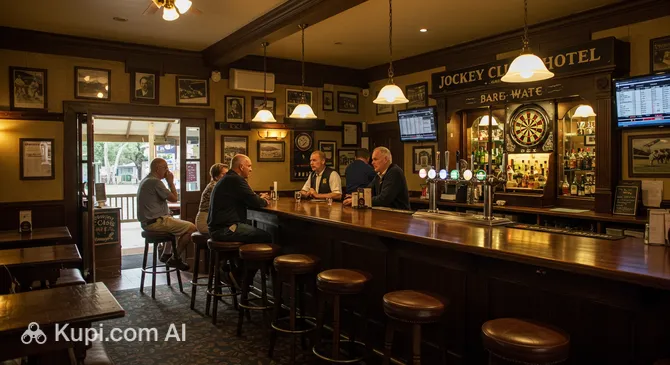
Nightlife in Gympie has its own unique charm, distinct from the boisterous parties of major cities. You won't find massive nightclubs with laser shows running until dawn here. Instead, the town offers a cozy, relaxed atmosphere in historic Australian pubs (traditionally called "hotels"), where you can have a great time with a cold beer, live music, and a hearty dinner in the company of friendly locals.
Main evening activity is concentrated in the town center, around Mary Street and its surrounding blocks. This is where you'll find venues that preserve the spirit of old Australia. The atmosphere in local bars is democratic and unpretentious. There is practically no dress code: "casual" style (jeans and a t-shirt) will be appropriate in any establishment. The crowd here is diverse—from farmers and workers to tourists and young people—creating a sense of a large, friendly community.
To experience the region's classic bar culture, we recommend visiting the Jockey Club Hotel. This place is popular for its authentic setting and is a great example of traditional evening leisure in the Australian outback. Sports matches are often broadcast here, and you can hear the latest town news firsthand.
Jockey Club Hotel. Illustration.
Source: Kupi.com AI
Traveler photos:
If you prefer a quieter evening with an emphasis on gastronomy and pleasant conversation, look into Soma Soma. Although this venue is better known as a daytime cafe, its cozy atmosphere and high-quality cuisine make it a lovely spot for an early evening to relax after a busy day.
Practical tips for tourists:
Opening hours: Be prepared for the fact that nightlife here quiets down quite early. Most pubs and kitchens close by 9:00–10:00 PM on weekdays, and only on Fridays and Saturdays might the fun last until midnight.
Safety: Gympie is a safe town, and walking through the center in the evening poses no threats. However, as elsewhere, it is best to stick to well-lit streets.
Transport: Public transport does not run at night. If you plan to stay out late, write down the number of a local taxi service in advance, as hailing a car on the street can be problematic.
Beyond evening entertainment, Gympie offers a rich daytime program. History and machinery enthusiasts should definitely ride the famous Mary Valley Rattler steam train, while those wanting to spend time shopping or simply hide from the midday heat can head to the Goldfields Plaza shopping center. The town harmoniously combines provincial tranquility with enough entertainment to make your stay interesting.
Parks & Museums
Gympie is a town that knows how to surprise with its careful attitude toward history and nature. For travelers, it offers a wonderful opportunity to combine strolls through picturesque green zones with an immersion into the region's rich cultural heritage. The town's parks and museums create a complete picture of life in Queensland, from the gold rush era to the present day.
Among the town's green zones, Lake Alford Recreational Park deserves special attention. This is a favorite leisure spot for both locals and tourists, located at the southern entrance to the town. The park is famous for its ponds, which are home to many waterfowl, making it an excellent location for wildlife observation. It is equipped with comfortable picnic areas, playgrounds, and walking paths, allowing you to rest under the shade of spreading trees after a long journey.
In the heart of the town lies Memorial Park—a historical oasis of tranquility. Its main features are an antique bandstand rotunda and alleys lined with jacarandas, which turn the park into bright lilac tones in spring. This place is ideal for leisurely walks and getting to know the town's architectural context, as the park is surrounded by beautiful historic buildings.
The cultural program should begin with a visit to the Gympie Gold Mining and Historical Museum. This extensive open-air complex includes over 30 buildings and exhibits telling the story of how James Nash's discovery of gold saved Queensland from bankruptcy. Tourists can see working steam engines, vintage machinery, and even try their hand at gold panning, making history tangible and engaging.
Art lovers will find the Gympie Regional Gallery interesting, located in a majestic former School of Arts building constructed in 1905. The gallery regularly hosts exhibitions by contemporary Australian artists and local masters, reflecting the region's creative spirit. It is not just a museum, but a living cultural space where workshops and educational programs are often held.
From an architectural standpoint, the town center itself can be called an open-air museum. A walk along Mary Street allows you to enjoy magnificently preserved Victorian-era facades. Of particular interest are the courthouse and post office, which are vivid examples of colonial style and reminders of the town's prosperity during the gold boom era.
Insider Tip: If you are interested in industrial history, check out the Woodworks Museum. It is slightly off the beaten path but offers a unique look at the region's timber industry. Here you can see giant steam saws in action and learn about the lives of loggers from the last century—an experience rarely found in typical travel guides.
Getting Around
The public transport system in Gympie matches the steady pace of life in a small regional town. You won't find subways, trams, or trolleybuses here. The primary way to get around for locals and tourists without a private car is by bus or taxi. The town is quite compact, so many logistical issues are simpler than in major cities; however, it's worth planning trips in advance due to limited service frequency.
The town's bus network is operated by local provider Polleys Coaches. Routes cover the town center, main residential areas, shopping centers, and the hospital. Buses are a reliable and clean mode of transport, but it's important to remember that they run on a schedule that may include long intervals, especially on weekends. In the evenings and on Sundays, the number of services is significantly reduced, and some lines stop running entirely.
Rail transport plays an important role in connecting Gympie with other regions but is not used for travel within the town itself. Gympie North station is located away from the center. To get from the station to the town (or vice-versa), a special Railbus Coach Connection shuttle operates, with a schedule synchronized with the arrival and departure of long-distance trains. This is a convenient option for those arriving from Brisbane or heading north.
The fare payment system here is quite conservative. Unlike major cities in the state where Go Cards are used everywhere, on local Gympie buses, the most reliable payment method remains purchasing a paper ticket from the driver with cash. It is recommended to have small bills or coins. The fare depends on the number of zones crossed, but within the town, it remains very affordable. For route planning and checking costs, you can use the TransLink app or website, which covers the entire state of Queensland.
Given the specific public transport schedule, the most convenient alternative for tourists is car rental. This provides freedom of movement and allows you to reach remote natural attractions. Taxi services also operate in the town, which can be called by phone or found at special stands in the center. Popular ridesharing apps may be available, but the number of cars on the line is often limited, so it's best not to rely solely on them.
The town's historic center, especially Mary Street, is excellent for walking. All major shops, cafes, and some historic buildings are within walking distance of each other. It's important not to confuse public transport with the "Mary Valley Rattler" tourist train: although it is a functioning railway, it operates exclusively as an attraction for excursion trips through the valley rather than as a means of getting from point A to point B.
Accommodation
In Gympie, travelers will find a wide selection of accommodation options that match the relaxed and welcoming character of this regional town. Don't look for grandiose luxury resorts here; instead, the town offers comfortable and affordable housing. The core of the offerings consists of classic roadside motels, ideal for road trippers, cozy bed and breakfast (B&B) guest houses, as well as well-equipped caravan parks and campgrounds for nature lovers.
When choosing an area, you should be guided by the goals of your trip. If you want to immerse yourself in the atmosphere of the past and be closer to cafes and shops, look for accommodation in the historic center, within walking distance of Mary Street. For transit tourists making a stop along the coast, motels located along the main thoroughfare—the Bruce Highway—will be the most convenient. The Southside area is also popular, offering a quieter, residential setting.
Traditional Australian pubs, which are still called "hotels" here in the old-fashioned way, add a special flavor to staying in Gympie. Many of them offer simple but authentic rooms on the upper floors of historic buildings, allowing guests to feel the spirit of the gold rush era.
Booking Tip: While it is usually not difficult to find a free room, the situation changes drastically during major local events. We strongly recommend booking accommodation several months in advance if your trip coincides with the legendary Gympie Music Muster country festival (usually held in August), when thousands of guests from all over the country flock to the town.
The price range in Gympie varies from budget to mid-range, making the town accessible to most tourists. You can book accommodation through popular international online aggregators or directly. In small motels and guest houses, personal contact is often valued, so a call or email directly to the owners can sometimes secure better terms or the choice of a specific room.
Nearby Cities
For those looking to explore the surroundings, Gympie serves as an excellent starting point for day trips to several interesting nearby locations:
Sunshine Coast — located about an hour's drive to the south, this region attracts beach lovers and surfers. Here you can enjoy the laid-back atmosphere of resort towns like Noosa or visit the famous Australia Zoo, founded by Steve Irwin.
Hervey Bay — a picturesque coastal city to the northeast, known as the whale-watching capital of the world. It is also the main gateway to K'gari (Fraser Island), the largest sand island in the world, making it an ideal destination for wildlife enthusiasts.
Bundaberg — a city whose name is associated with legendary Australian rum and ginger beer. Besides tastings, it's worth visiting Mon Repos beach, where you can observe sea turtles during the season.
These nearby destinations provide an insight into the diverse culture and landscapes of the region.
Shopping & Souvenirs
General Overview: Shopping in Gympie is a calm and measured activity, radically different from the bustle of major cities. The town doesn't chase high fashion, so you're unlikely to find boutiques of world-famous luxury brands here. Instead, Gympie charms with its soulful approach: small family-run shops, home and garden stores, and places where you can buy unique items from local artisans and the freshest produce from farmers thrive here.
Main Shopping Areas: The heart of the town's commercial and social life is the historic Mary Street. A stroll along it will provide true pleasure to admirers of Victorian architecture. Under the shady verandas of historic buildings, you'll find cozy cafes, bookstores, pharmacies, and clothing boutiques. It is the perfect place to leisurely choose gifts, update your wardrobe, and feel the town's real atmosphere.
Shopping Centers: If you are looking for a wide range of goods in one place and the comfort of a modern mall, head to Goldfields Plaza. This is the town's largest shopping complex, where supermarkets, electronics stores, bank branches, and various retailers are concentrated. Here you can buy everything you need—from groceries and beach supplies to household items—while enjoying the cool of air-conditioned halls.
Goldfields Plaza. Illustration.
Source: Kupi.com AI
Traveler photos:
Markets: Market culture in Gympie is excellently developed, which is not surprising for such an agricultural region. Be sure to check out the farmers' markets (such as the Gympie Town Centre Growers Market), which usually operate on weekend mornings. There you can buy fresh vegetables, fruits, local honey, and pastries directly from the producers. Also of interest are local flea markets, where you can find real treasures among vintage items.
Souvenirs: To remember your trip to Gympie, it's worth bringing back items that reflect its "golden" past and natural riches. Wooden crafts, handmade ceramics, and, of course, macadamia nuts grown in the surrounding area are popular. A great souvenir would be products featuring the symbol of the famous Mary Valley Rattler train, which can be found in the station shop. Also, look for souvenir vials with gold flakes—a symbol of the town's history.
Opening Hours and Payment: Shops in Gympie usually operate from 9:00 AM to 5:00 PM on weekdays and until 12:00–1:00 PM on Saturdays. On Sundays, many small shops are closed, but large supermarkets and shopping centers remain open. Bank cards (Visa, Mastercard) are accepted almost everywhere, though it is recommended to have some Australian dollars in cash when visiting markets.
Tax Free: Tourists leaving Australia can use the Tourist Refund Scheme (TRS) for goods purchased in a single store totaling 300 AUD or more. Keep your original receipts marked "Tax Invoice" to present them at the departure airport and reclaim part of the funds spent.