Support

Tangalooma

About

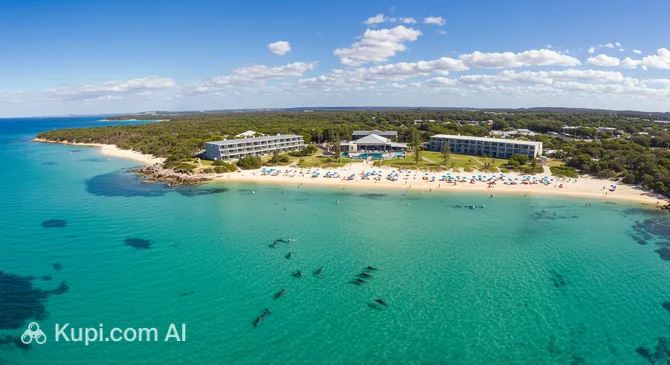
Tangalooma is more than just a point on the map; it is a true oasis of wildlife and serene relaxation. Located on the picturesque Moreton Island, this resort town attracts travelers with its unique atmosphere, where the comforts of civilization exist in harmony with pristine white-sand beaches and a rich underwater world. It is a place where time slows down, allowing you to enjoy every moment of connecting with nature.

Geographically, the settlement is located on the west coast of the island, washed by the azure waters of Moreton Bay, just a few dozen kilometers from Brisbane. The climate here is mild subtropical, ensuring comfortable warm weather practically year-round. Although the permanent population of the village is very small and consists mainly of resort staff, Tangalooma is a major tourist magnet proudly represented by Australia.
Tangalooma. Illustration.
Source: Kupi.com AI

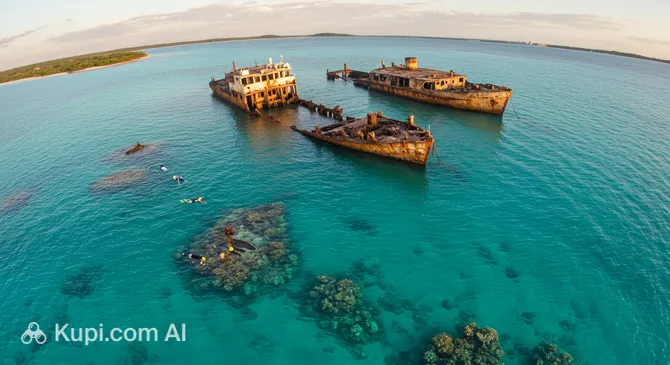
Despite the relaxed pace of life, this place has quite a rich past. The fascinating history of Tangalooma has seen it evolve from an Indigenous base and a whaling station in the mid-20th century to a world-class eco-tourism center. Today, the main "magnets" for guests are the famous shipwrecks, which have turned into a picturesque artificial reef for snorkeling, and the unique opportunity to feed wild dolphins that swim up to the pier every evening.

Tangalooma is an ideal destination for those who want to escape the city bustle and dive into a world of adventure. Whether it's sandboarding down high dunes, whale watching, or simply contemplating a fantastic sunset over the ocean, this corner of Queensland will provide you with memories that stay with you forever. Come here to see a different side of the continent!
Weather Overview

The climate in Tangalooma can be described as mild subtropical, making the resort attractive for visits almost any time of year. Summer here lasts from December to February and is characterized by comfortable warmth: the average temperature stays around 24–25°C, rarely exceeding 26°C. However, it is also the wettest season—January and February see about 16 rainy days per month, so short tropical showers are not uncommon.

The winter months (June, July, August) bring freshness: the air warms up to an average of 17–18°C, and nights can be brisk (around 15°C). This time of year features clear skies and minimal precipitation—only 7–8 rainy days per month. Expect warm summers with periodic rain and cool, dry winters.

Spring and autumn serve as pleasant transitions between seasons with temperatures around 20–22°C. To plan the perfect vacation and choose the best days for snorkeling or walking on the dunes, we recommend checking the expected weather in Tangalooma for your travel dates in advance.

Average monthly temperature

Average monthly precipitation

Interesting Facts

Beyond its main attractions, Tangalooma holds many fascinating secrets, from remarkable geological features to incredible stories of transformation. This corner of Australia is sure to surprise even seasoned travelers with the facts hidden behind the facade of this popular resort.
  • From hunters to protectors. The modern Tangalooma Island Resort is located on the site of a former whaling station that was active in the 1950s. This is one of the rare and inspiring global examples where an industrial facility that damaged the whale population was completely repurposed into an eco-tourism center dedicated to their protection and observation.

  • The man-made origin of a legend. The famous Tangalooma Wrecks were not victims of a sudden storm or sea battle. Fifteen retired vessels (including old barges and dredges) were intentionally sunk by the state government between 1963 and 1984. The goal was to create a breakwater for safe boat mooring, but nature took over, turning them into a thriving coral reef.

  • A sandy record-breaker. Moreton Island, where the settlement is located, is the third-largest sand island in the world. Furthermore, it is home to Mount Tempest—the highest stabilized coastal sand dune on the planet, rising 285 meters above sea level. The climb up is considered a serious challenge, but the reward is a 360-degree panoramic view.

  • A sanctuary for sea cows. The waters of Moreton Bay, which wash the shores of Tangalooma, are home to one of the largest populations of dugongs (sea cows) in Australia. These rare and shy mammals live here thanks to the extensive seagrass meadows, preserved in their pristine state due to the region's strict environmental protection status.

Tangalooma Wrecks. Illustration.
Source: Kupi.com AI

Traveler photos:

How to Get There

Since Tangalooma is located on Moreton Island, it can only be reached by water, but most travelers' journeys begin with a flight to the mainland. You can learn more about how to get to Tangalooma by studying all available ferry routes and schedules.

There is no airport in the town of Tangalooma itself, so the main transit hub is Brisbane Airport (BNE). This is a major international hub receiving flights from all over the world. It is located about 34 km from the resort (as the crow flies across the bay). A taxi or bus ride from the terminal to the Holt Street Wharf, where boats depart for the island, takes about 1 hour 10 minutes (estimated time depending on traffic).

An alternative could be Sunshine Coast Airport (MCY). The distance to Tangalooma is about 70 km, and the car journey to the wharf in Brisbane will take approximately 2 hours. You can also consider flying into Gold Coast Airport (OOL), which is 110 km away; the journey from there takes about 3 hours. Both of these airports have smaller passenger traffic compared to Brisbane but are convenient for those planning to combine the trip with visits to other regions of Queensland.

For convenience, here is a summary of the main airports:

AirportPassenger trafficDistance
Brisbane Airport22.6 mln34 km
Sunshine Coast Airport1.9 mln70 km
Gold Coast Airport6.3 mln110 km
Toowoomba Wellcamp Airport112 000162 km
Ballina Byron Airport650 323184 km

As for rail connections, there are no railways directly in Tangalooma or on Moreton Island. However, you can use Queensland's extensive train network to reach Brisbane. The nearest major stations are in central Brisbane or near the airport, from where it is easy to take a taxi or transfer to the Holt Street Wharf to board a passenger ferry to the resort.

Main Attractions

Tangalooma's main attractions are inextricably linked to the ocean and the unique nature of Moreton Island. There are no ancient castles or grand museums here, but there are places that take the breath away from even the most seasoned travelers. The main point of attraction is the coastline, where man-made objects have become part of the ecosystem, and wild animals initiate contact with humans.

The undisputed symbol of this place is the famous Tangalooma Wrecks. This is a chain of fifteen ships intentionally sunk offshore several decades ago to create a breakwater. Over time, the ship hulls have become overgrown with coral and transformed into a thriving artificial reef. Tourists love this spot for the chance to go snorkeling or diving in crystal-clear water literally teeming with colorful fish and sea turtles. Tours in transparent kayaks are also popular, allowing you to see the underwater world without getting wet.

Tangalooma Wrecks. Illustration.
Source: Kupi.com AI

Traveler photos:

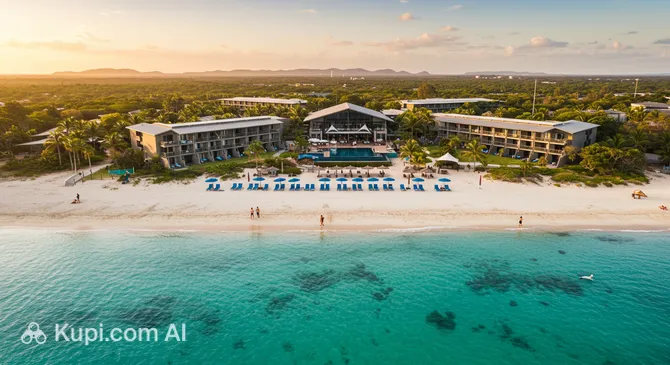
The heart of all tourist life is the Tangalooma Island Resort. This is not just a place to stay, but a full-scale entertainment complex covering a significant part of the coast. All infrastructure is concentrated here: from restaurants and pools to active recreation centers. The resort serves as a starting point for island safaris, helicopter tours, and boat excursions. Its well-maintained grounds with tropical gardens and direct beach access are an attraction in themselves, creating an atmosphere of a serene paradise.

One cannot forget the unique wild dolphin feeding program. Every evening, a pod of bottlenose dolphins swims to the resort's illuminated pier, waiting for a treat. This is one of the few programs in the world where interaction with wildlife is strictly regulated by rangers, ensuring safety for both people and animals. The chance to step into the water and hand-feed a dolphin attracts thousands of guests annually.

For active lifestyle fans, "The Desert" is a must-visit. This is a vast area of sand dunes located in the interior of the island. People come here for thrilling sandboarding—descending steep sandy slopes on special boards, reaching speeds of up to 40 km/h. The contrast between the green forest and the golden sands creates incredible landscapes for photography.

Local Cuisine

Tangalooma's culinary scene is entirely dictated by its island location and resort status. You won't find scattered street stalls or bustling city markets here; all culinary life is centered around restaurants and cafes offering the freshest produce in a relaxed atmosphere overlooking the ocean. Local chefs emphasize a "sea to plate" concept, using seafood caught right in Queensland waters.

The most iconic delicacy that every guest must try is Moreton Bay Bugs. These are a type of flathead lobster with delicate, sweet meat found in these specific waters. They are usually served grilled with garlic butter or in salads. Also, look out for barramundi, the iconic Australian fish, which is prepared excellently here. Meat lovers will find juicy Australian beef steaks or classic burgers, perfect for lunch after a swim.

Tangalooma Island Resort. Illustration.
Source: Kupi.com AI

Traveler photos:

Regarding drinks, Tangalooma is the perfect place to get acquainted with the wine list of the Green Continent. Local bars offer an excellent selection of Australian wines, from rich Shiraz from the Barossa Valley to refreshing Sauvignon Blanc. Signature cocktails, traditionally ordered at sunset while enjoying the fading sun, are particularly popular. For non-alcoholic options, try fresh tropical fruit juices.

The dining culture here is as democratic as possible. Since the main attraction is the Tangalooma Island Resort, its territory houses the main venues: from Asian fusion restaurants to outdoor cafes right by the beach. There is practically no dress code anywhere—shorts and sandals are considered perfectly appropriate for dinner. Many tourists also enjoy picnics on the shore while watching the sea or grabbing snacks between activities.

Travel Tips

Tangalooma is a unique island resort where the lack of city bustle is combined with wild nature, so preparing for a trip here requires special attention to detail. To make your holiday as comfortable as possible and free from unpleasant surprises, we have gathered the most important recommendations to help you wisely plan your trip to Moreton Island.

  1. Clothing and Sun Protection. Since the climate is subtropical, your wardrobe should consist of light clothing, swimwear, and comfortable shoes (sandals or sneakers for walking on sand). However, be sure to bring high-quality sunglasses, a hat, and SPF 50+ sunscreen—the sun in this region is very strong even on cloudy days. A light windbreaker or hoodie will be useful for the ferry ride and cool evenings.

  2. Transport Isolation. Forget about traditional public transport or taxis—they simply don't exist in Tangalooma. Everyone gets around the resort on foot. If you want to explore the island beyond the hotel, you will need a 4WD vehicle, as there are no paved roads. It's best to rent a car on the mainland in advance or use organized off-road tours.

  3. Finance and Payment. The currency is the Australian Dollar (AUD). Bank cards are accepted almost everywhere on the resort grounds, and cashless payment is preferred. ATMs are very scarce on the island, so we recommend withdrawing a small amount of cash in Brisbane for small expenses or in case of communication issues. Tipping in Australia is not mandatory, but 10% of the bill will be received with gratitude.

  4. Health and First Aid. There are no 24-hour pharmacies or large hospitals on the island; the local shop sells only basic first aid supplies at elevated prices. We strongly recommend bringing a personal first aid kit with all necessary medications, motion sickness remedies (for the ferry), and insect repellent.

  5. Communication and Internet. The main language is English. Free Wi-Fi is available in the lobby and some rooms, but speeds can be slow. If you need stable mobile internet, buy a SIM card (Telstra provides the best coverage in remote areas) at the airport or in the city before departing for the island.

  6. Etiquette and Wildlife. Locals are open and friendly; it's customary to say hello and smile when meeting people. The main rules of etiquette concern interacting with animals: during the famous dolphin feeding, strictly follow the rangers' instructions, do not use flash, and do not try to touch the animals without permission—it's a matter of both their safety and yours.

  7. What to Avoid. Under no circumstances should you feed wild birds (pelicans, kookaburras) outside of official programs. Birds can become aggressive and snatch food right from your hands, injuring you. Also, avoid swimming in the ocean at night and in unmonitored areas due to strong currents and the possible presence of sharks.

  8. Important Booking. Since Tangalooma is a popular destination, ferry spots and key activities (such as quad bike tours or snorkeling at the wrecks) often sell out in advance. Book your transfer and entertainment online at least a couple of weeks before your visit to guarantee a spot.

Observing these simple rules will allow you to fully relax and focus on the main thing—the incredible beauty of nature and the unique experience of interacting with marine life. May your journey to Tangalooma be one of the brightest and most carefree adventures of your life!

Entertainment & Nightlife

Nightlife in Tangalooma is fundamentally different from the usual rhythm of noisy metropolises or party capitals. You won't find neon signs for strip bars or techno clubs thumping until dawn here. Evening leisure on the island is imbued with an atmosphere of relaxation, unity with nature, and cozy gatherings to the sound of the ocean. This is a place where "nightlife" means a sunset cocktail and observing the starry sky of the Southern Hemisphere, rather than dancing until you drop.

The epicenter of all evening activity is the Tangalooma Island Resort. This is where the main establishments are concentrated, where tourists spend their time after sundown. The most popular spot for evening relaxation is B&B’s Resort Bar. This is a casual-style venue where you can play pool, watch sports broadcasts, and enjoy a glass of Australian wine or beer. The atmosphere here is as democratic as possible: there is no dress code, and guests often come straight in shorts and flip-flops.

Tangalooma Island Resort. Illustration.
Source: Kupi.com AI

Traveler photos:

For those seeking more unique experiences, the ocean itself becomes the main "nightclub." One of the most exciting activities is a night tour in transparent kayaks or boats to the Tangalooma Wrecks. Under-boat lighting attracts marine life, creating a fantastic spectacle right beneath your feet. This is a rare opportunity to see the reef's underwater life in the mysterious night light, offering emotions that no ordinary bar can provide.

Practical Tips:

  • Safety: Tangalooma is an exceptionally safe place. You can calmly walk along the beach or the resort grounds late at night. There are no high-crime areas to avoid.
  • Transport: At night, the only way to get around is on foot. There are no taxis here, but all entertainment is within walking distance within the resort zone.
  • Prices: Be prepared for "island pricing." The cost of cocktails and dinner will be slightly higher than on the mainland (average bill for dinner with drinks is about 40–60 AUD per person).

During the day, Tangalooma offers a classic set of resort activities: from relaxed lounge time by the pools and beach volleyball to educational excursions at the Marine Education Center. However, it is with the onset of twilight, when the lights on the pier turn on and dolphins swim to the shore, that the town gains its true, magical charm.

Parks & Museums

Tangalooma is a unique place where vast sand dunes and tropical forests act as exhibition halls, and the ocean's living inhabitants are the main exhibits. Since the settlement is part of a massive nature reserve, the boundaries between man-made parks and wild nature are almost non-existent, and the cultural heritage is inextricably linked to the history of the island's development and environmental protection.

The region's primary natural treasure is Moreton Island National Park (Gheebulum Kunungai). It occupies about 98% of the island's entire territory, surrounding the Tangalooma resort area with a green ring. This place is striking for its diversity of landscapes: from tall eucalyptus forests and banksia groves to heathlands with wildflowers. For tourists, the park is primarily interesting for its walking trails of varying difficulty, leading to panoramic lookouts from which whales can be seen during migration season.

Another gem not to be missed is Blue Lagoon. This is a freshwater lake filled by rainwater and colored in incredible shades of blue thanks to the tea tree oils from the trees growing along its shores. Swimming here is considered healing and relaxing. The lagoon is located in a natural depression among the dunes and serves as a home for many birds, making it an ideal spot for birdwatching and picnics in the heart of untouched nature.

While Tangalooma has no classic art galleries, the role of the main cultural and educational institution is filled by the Eco Centre (Marine Education and Conservation Centre). It is located on the grounds of the Tangalooma Island Resort and is managed by a team of eco-rangers. Here, visitors can learn everything about the biodiversity of Moreton Bay, study the skeletons of marine mammals, and understand the importance of preserving the ecosystem. The center holds free lectures before the dolphin feeding, turning science into an engaging show.

Tangalooma Island Resort. Illustration.
Source: Kupi.com AI

Traveler photos:

The Tangalooma Wrecks serve as a kind of open-air (and underwater) museum. They are not just a snorkeling spot but also a monument to Queensland's industrial history. A line of old steam dredges and barges sunk here in the last century now provides a home for corals and fish. Viewing these rusting giants protruding from the turquoise water makes a strong impression and offers unique opportunities for underwater photography.

History buffs should also take note of the remains of the Whaling Station. Although the station itself closed in 1962, historical elements such as the old Flensing Deck have been preserved on the resort grounds. Today, this site serves as a reminder of the long journey the island has taken from a processing center to a world-class sanctuary where the primary value is the life of every marine inhabitant.

Insider Tip: If you want to see nature from an unusual perspective, take a trip to Cape Moreton. There you will find Queensland's oldest lighthouse, built from sandstone in 1857. It is not only an architectural monument but also the best point on the island for spotting dolphins, turtles, and sharks from a bird's-eye view.

Getting Around

The public transport system in Tangalooma is unique because, in the traditional urban sense, it simply doesn't exist. Since the resort is located on the sandy Moreton Island, you won't find a metro, scheduled buses, trams, or trolleys here. The lack of paved roads and the compactness of the settlement make a traditional transport network unnecessary, turning movement into part of the adventure.

The main way to get around the resort grounds is on foot. All infrastructure—from hotels to restaurants and the beach—is within walking distance. For guests with heavy luggage, staff organize transfers by electric carts or buggies upon arrival and departure, but you cannot call such transport like a taxi to go to a shop.

The only regular "route" connecting Tangalooma to the outside world is the passenger ferry. Comfortable catamarans run between the resort's jetty and the Holt Street Wharf on the mainland several times a day. Payment for travel here differs from the city: transport cards (like the Go Card) do not work. Tickets must be booked and paid for in advance online through the resort's website or a tour operator. The price is often included in the cost of accommodation or a day tour.

For travel beyond the resort zone, 4WD vehicles serve as the alternative to public transport. Ordinary cars cannot drive here, so tourists either rent four-wheel-drive vehicles or join organized excursions on specially equipped off-road buses. There are no traditional taxi services, car-sharing, or ride-hailing apps on the island.

It is important for tourists to remember the strict transport schedule. Ferries depart exactly on time, and being late could mean being stuck on the mainland or island until the next service (which might not be until the following day). It is recommended to arrive for boarding at least 30–40 minutes before departure for luggage check-in and to receive boarding passes.

Accommodation

Accommodation in Tangalooma is structured differently than in typical tourist towns. You won't find an endless line of competing hotels or hostels here. The entire tourist sector is concentrated around one main location and the private sector, which greatly simplifies the choice but requires careful planning. The range of accommodation varies from standard hotel rooms to luxury private residences.

The foundation of the hospitality infrastructure is the Tangalooma Island Resort. This is a massive complex that effectively constitutes the settlement itself. Its uniqueness lies in the fact that it offers accommodation options for almost any budget: from simple hotel-style rooms for couples to spacious family suites with ocean views. The resort territory covers the beach area, so most buildings are within walking distance of the water and restaurants.

Tangalooma Island Resort. Illustration.
Source: Kupi.com AI

Traveler photos:

An alternative to hotel rooms is renting private real estate. Numerous private villas and apartments (Holiday Homes) are located on the hills overlooking the resort. This is an excellent choice for large groups or families planning a long vacation. Staying here provides more privacy and often includes private kitchens and terraces with panoramic views of Moreton Bay; however, keep in mind that descending to the beach and climbing back up may require physical effort or a rented buggy.

Booking Tip: It is critically important to book accommodation in advance, especially during school holidays and festivals. Since the number of places on the island is strictly limited, a spontaneous overnight trip is practically impossible. Additionally, accommodation bookings often need to be synchronized with ferry ticket purchases, as ferry spots can also sell out.

Price levels in Tangalooma range from mid-range to high. There are almost no budget options in the usual sense (cheap hostels or central campgrounds) here. Bookings are primarily made through the resort's official website or popular international online platforms for private villa rentals.

Nearby Cities

For those looking to explore the surroundings, Tangalooma serves as an excellent starting point for day trips to several interesting spots in the region. Since the resort is located on an island, any journey begins with a scenic ferry crossing to the mainland, from where it is easy to reach Queensland's main gems.

First and foremost, it is worth visiting Brisbane, the dynamic state capital. Here you can stroll along the famous South Bank promenade with its man-made beach in the middle of the city, visit the Gallery of Modern Art, or enjoy shopping at the Queen Street Mall. This is an ideal way to experience Australian urban culture without long commutes.

Active recreation and entertainment enthusiasts will enjoy a trip to the Gold Coast. This city is famous for its endless golden beaches, excellent surfing conditions, and, of course, world-class theme parks. It is a bright and energetic metropolis where skyscrapers sit alongside ocean waves.

If you are looking for a more relaxed atmosphere, head to the Sunshine Coast. This region attracts tourists with its cozy coastal towns, national parks, and the famous Australia Zoo. Here you can enjoy untouched nature and a peaceful pace of life.

CityPopulationDistance
Moreton11 km
Bongaree13 64924 km
Stradbroke Island4 30040 km
Caboolture26 43343 km
Narangba18 57343 km

These nearby destinations allow you to get a full picture of the diverse culture and landscapes of this part of Australia.

Shopping & Souvenirs

General Overview

Shopping in Tangalooma is purely resort-oriented. Since the town is located on Moreton Island and is part of a protected zone, you won't find the usual shopping malls, high-fashion boutiques, or outlets here. All trade is focused on providing guests with essentials, beach gear, and mementos. If your goal is a major shopping spree, it's better to plan it in Brisbane before or after your island visit, and enjoy the nature and minimalism while you're here.

Main Shopping Areas/Streets

There are no shopping streets in Tangalooma in the traditional sense. All commercial life bustles within the Tangalooma Island Resort complex. In the central part of the resort (Resort Centre), there are several shops that satisfy the basic needs of tourists. This is the only place on the island where you can make purchases, so it's impossible to get lost.

Shopping Centers

There are no large shopping malls on the island. The nearest major shopping centers are on the mainland in Brisbane (about 75 minutes by ferry). Within Tangalooma itself, only the Tangalooma Resort Shop operates—a general store combining the functions of a minimarket, souvenir shop, and beachwear boutique. You can buy everything here: from swimsuits and hats to snacks and magazines.

Markets

Regular markets, such as farmers' or flea markets, are not held in Tangalooma. Fresh produce and delicacies are supplied directly to the resort's restaurants from the mainland. Occasionally, during special events or festivals, temporary stalls with local crafts may appear on the resort grounds, but this is the exception rather than the rule.

Tangalooma Island Resort. Illustration.
Source: Kupi.com AI

Traveler photos:

Souvenirs

Despite the modest selection of shops, you won't leave without a memento. The most popular souvenirs are:

  • Plush Dolphins: A symbol of the resort, reminding you of the famous wild dolphin feeding.
  • Photographs: At the photo center (Tangalooma Photo Shop), you can purchase professional shots of your dolphin interaction or quad biking frames.
  • Beachwear: High-quality T-shirts, caps, and towels featuring the Moreton Island logo or Aboriginal patterns.
  • Local Jewelry: Small items made from shells or themed marine-style costume jewelry.

Opening Hours and Payment

Shops on the resort grounds usually operate seven days a week, adjusting to the rhythm of tourist life. Typical hours are from 8:00 AM to 5:00 PM or 6:00 PM, though hours can change depending on the season. Bank cards (Visa, MasterCard, Amex) and contactless payments are accepted everywhere. Cash is used rarely, but it will also be accepted. There is an ATM at the resort, but it's better to have your card with you.

Tax Free

Australia has a Tourist Refund Scheme (TRS). You can claim a 10% tax (GST) refund for goods purchased in one store totaling 300 AUD or more. However, given the assortment of shops in Tangalooma, gathering enough purchases for this amount on a single receipt might be difficult unless you are buying expensive photography equipment or jewelry. The refund process takes place at the departure airport (e.g., Brisbane) upon presentation of the receipt and the goods.

Reached the end of the page?

That means the route is fully explored