Support

Moreton

About

Moreton is not just a city in the conventional sense, but an amazing island paradise located off the coast of Queensland in Australia. Only 35 kilometers separate it from Brisbane, and a one-hour ferry journey across the turquoise waters of the bay immediately sets the mood for adventure and discovery. From the very first minutes, you are greeted by white sandy shores and lush emerald greenery, promising an unforgettable vacation.
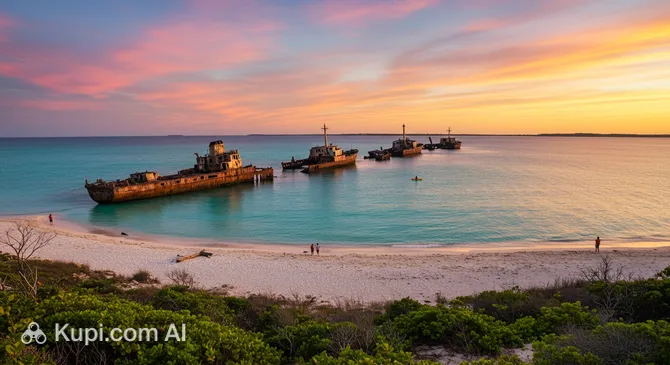
Moreton. Illustration.
Source: Kupi.com AI

As the third-largest sand island in the world, Moreton stretches for 38 kilometers. Its uniqueness is highlighted by the absence of paved roads—travel here is only possible by 4WD vehicles or on foot, which adds a special flair to your stay. The island is famous for its pristine natural beauty: towering sand dunes reaching 285 meters in height, sparkling freshwater lakes, dense forests, and secluded beaches where it is easy to feel like a true explorer. The atmosphere on Moreton is relaxed and tropical, ideal for those seeking peace and connection with nature.

Moreton offers many activities and attractions. One of the main highlights is the opportunity to go snorkeling among the Tangalooma Wrecks, which have formed an artificial reef teeming with marine life. In the evening, you can have an unforgettable experience feeding wild dolphins that swim right up to the shore. Outdoor enthusiasts will appreciate sandboarding on giant dunes or walking along the island's many trails. During certain seasons, you can also observe whale migrations here.

Moreton Island is a place where everyone will find something to their liking, whether it's a quiet beach holiday, exploring unique flora and fauna, or exciting adventures. Visit this amazing corner of tropical paradise to recharge your energy and take home bright memories.

You can find more interesting facts on the Moreton city history page.

Weather Overview

The weather in Moreton, located in the state of Queensland, Australia, is characterized by a warm climate all year round. Average annual temperatures range from approximately 18°C in the winter months (June-August) to 25-26°C in the summer months (December-March). Precipitation is moderate, with the highest number of rainy days and rainfall occurring from January to March (up to 8 mm and 22 rainy days), while August and September are the driest months with minimal precipitation (around 1 mm).

Thus, a warm climate awaits you in Moreton, with wetter summers and drier but still warm winters. To learn more about weather conditions, you can check the detailed information about the Moreton climate.

Average monthly temperature

Average monthly precipitation

Interesting Facts

Beyond its picturesque beaches and crystal-clear waters, Moreton Island, often simply called Moreton, hides many amazing stories and unique features that make it a truly special place. Here are just a few curious facts that will add zest to your perception of this corner of Australia:

  • Moreton consists almost entirely of sand and is rightfully considered one of the largest sand islands on the planet. It is home to one of the world's highest coastal sand dunes—Mount Tempest, which reaches 285 meters in height. Climbing to its summit is a real adventure for outdoor enthusiasts, rewarded with stunning views.

  • Off the coast of Tangalooma on Moreton Island, you can see the famous shipwrecks. In the 1960s, several ships were intentionally scuttled here to create an artificial barrier reef. Today, this spot has turned into a popular snorkeling and diving site where you can explore the wrecks surrounded by colorful fish and even sea turtles.

  • One of the most touching traditions of Moreton Island is the nightly feeding of wild dolphins on the beach at Tangalooma Resort. Every evening, bottlenose dolphins swim to the shore, and visitors have the unique opportunity to hand-feed them under the supervision of specialists. In addition to dolphins, the island is home to dugongs, and whales can be observed off its shores during migration season.

  • The oldest building on Moreton Island is the Cape Moreton Lighthouse, erected back in 1857. It is not only an important historical site but also an active lighthouse and a magnificent observation deck. Breathtaking views of the ocean and coast open from its height, and during the whale migration period, it is one of the best places for spotting them.

How to Get There

A journey to Moreton Island is a small adventure in itself, as this amazing corner of nature can only be reached by water or air. Since there are no direct roads from the mainland, most tourists fly into the nearest major cities and then transfer to a ferry. You can find out all the details and plan your route by studying all the ways to get to the city.

The main air gateway for travelers is Brisbane Airport (IATA: BNE). There is no airport in the city of Moreton itself, so tourists fly into this major international hub located in Brisbane, about 44 km from the island. This is the most convenient option with the largest number of flights. After landing, you will need to take a taxi or transfer to one of the ferry crossings (for example, in the Pinkenba area or the Port of Brisbane), which will take about 15–20 minutes.

An alternative option is Gold Coast Airport (IATA: OOL), located in the city of Gold Coast. It is further away, about 120 km from Moreton, but often hosts flights from low-cost airlines. The journey from here to the Brisbane ferry terminals by car or bus takes about 1.5–2 hours. You can also consider flying into Sunshine Coast Airport, located in the city of Sunshine Coast (about 62 km from the destination), which is convenient for those traveling from the north.

For clarity, here is summary information on the main airports:

AirportPassenger trafficDistance
Brisbane Airport22.6 mln44 km
Sunshine Coast Airport1.9 mln63 km
Gold Coast Airport6.3 mln120 km
Toowoomba Wellcamp Airport112 000169 km
Ballina Byron Airport650 323194 km

As for rail connections, there is no railway station in the city of Moreton itself, as the island is not connected to the mainland by bridges or tunnels. However, you can use Queensland's extensive rail network to reach Brisbane's central stations (e.g., Roma Street or Central). From there, it is easy to get by taxi or bus to the wharf from which passenger and car ferries depart for Moreton Island.

Main Attractions

The Tangalooma Wrecks are perhaps one of Moreton's most iconic attractions. This group of fifteen ships, specifically scuttled just offshore, has created a stunning artificial reef. Tourists come here for breathtaking snorkeling and diving to explore the coral-encrusted hulls and observe the abundant marine life, including colorful fish and sometimes even turtles. It is an excellent spot for both beginners and experienced divers.

Most of the island is occupied by Moreton Island National Park, a true paradise for nature lovers. The park is famous for its pristine white-sand beaches, high sand dunes like the famous Mount Tempest (one of the highest coastal sand dunes in the world), freshwater lakes, and diverse flora and fauna. Here you can go hiking, embark on a 4WD safari, or simply enjoy solitude in the heart of the wilderness.

The historical gem of the island is the Cape Moreton Lighthouse. This is the oldest lighthouse in Queensland, built in 1857. From its observation deck, breathtaking panoramic views of the ocean, coastline, and passing ships open up. During migration season (usually from June to November), humpback whales can be spotted from here, making a visit to the lighthouse particularly memorable.

For a refreshing swim and quiet relaxation, the Blue Lagoon is perfect. This beautiful freshwater lake is filled with crystal-clear water, slightly stained by natural tea tree oils from the surrounding vegetation. The lake is a popular spot for picnics and swimming, offering a tranquil atmosphere away from the hustle and bustle.

Active travelers and thrill-seekers should visit "The Desert"—a vast area of sand dunes in the southern part of the island. It is an ideal place for sandboarding, where you can slide down steep slopes on a special board. This fun activity is suitable for all ages and skill levels, adding an adventurous touch to your trip to Moreton.

Local Cuisine

The gastronomic scene of Moreton is inextricably linked to its coastal location and the generous gifts of the ocean. Here, a true feast of taste awaits you, based on the freshest seafood and local products prepared with Australian flair.

The main star of the local cuisine is undoubtedly fresh oysters, which are often grown right on the island. They are served classically with a slice of lemon or with signature sauces that reveal their delicate flavor. This is a must for gourmets! Be sure to try other seafood as well: fragrant grilled freshly caught fish, such as the famous Australian barramundi, juicy prawns, or calamari. Many cafes and restaurants offer dishes where seafood is skillfully combined with tropical fruits, creating unique taste experiences.

The dining culture in Moreton encourages leisurely enjoyment of food in the fresh air. Beach barbecues and picnics are particularly popular, where you can taste freshly prepared seafood, sandwiches with fresh fish and vegetables. For a more diverse gastronomic experience on the island, for example, at the Tangalooma resort, various restaurants and bars operate, offering both classic dishes and modern interpretations of Australian cuisine.

You can complement your meal with a glass of refreshing Australian wine, which pairs perfectly with seafood, or choose a local craft beer. Among non-alcoholic drinks, fresh juices from tropical fruits are popular, perfectly quenching thirst on a warm day.

Moreton's gastronomy is, above all, an emphasis on the freshness and quality of local ingredients, especially seafood. Seafood lovers will find a true paradise here, from simple but exquisite oysters to restaurant-grade dishes. During peak season, the island may also host gastronomic events and festivals dedicated to seafood and local wines, while farmers' markets offer an even deeper dive into the region's culinary traditions.

Travel Tips

Welcome to Moreton! To make your trip to this amazing island off the coast of Australia as comfortable and memorable as possible, we have prepared some practical tips. They will help you better navigate and enjoy every moment of your stay.

  1. Clothing and items for the weather: The climate on Moreton Island, as in all of Queensland, is predominantly warm and sunny. Bring light, breathable clothing made from natural fabrics (cotton, linen), swimwear, a mandatory head covering (hat or cap), sunglasses, and sunscreen with high SPF—the sun here is very active. Don't forget comfortable shoes for walking on sand and perhaps water shoes. For electrical appliances, you will need an adapter for Australian sockets (Type I).

  2. Getting around and accessing the island: There are no paved roads or public transport like buses on Moreton Island itself. The main way to get around is by 4WD vehicles (4WD), which can be rented on the mainland and transported by ferry, or you can use the services of tour operators who provide transport for excursions. Many explore the island on foot, especially around the resorts and beaches; some resorts may also offer their own transport for guests. You can reach Moreton Island by passenger and car ferries departing from the mainland (e.g., from Brisbane or Redcliffe). To reach the ferry terminals on the mainland, you can use public transport (TransLink buses), taxis, or rideshare services. Remember that driving in Australia is on the left if you plan to drive a 4WD.

  3. Financial matters: The local currency is the Australian dollar (AUD). ATMs on Moreton Island may be limited to resort areas, so it is recommended to have enough cash on hand or withdraw it on the mainland before your trip. Credit and debit cards (Visa, Mastercard) are accepted at most resorts, some shops, and by tour operators. Contactless payments are common. Tipping in Australia is not mandatory and is not automatically included in the bill, but it is always welcome for good service (usually 5-10%).

  4. Health and safety: It is best to bring a first-aid kit with basic medications. Access to full-service pharmacies on the island is limited; small sections with essential items may be available at resort shops. The emergency service number (police, ambulance, fire) is 000. It is strongly recommended to take out travel medical insurance before your trip. Moreton Island is considered safe, but standard precautions are important: watch your belongings, especially on beaches. Most importantly, protect yourself from the sun: use sunscreen, wear a hat, and drink enough water. When swimming, pay attention to warning signs, possible currents, and marine life.

  5. Language and communication: The official language is English. Australians are very friendly and ready to help. Wi-Fi is usually available at resorts and in some public areas but may be paid. Mobile signal quality may vary across the island; Telstra usually has the best coverage. It is more convenient to purchase a local SIM card on the mainland at the airport or mobile phone stores. It’s useful to know a couple of phrases: "G'day" (Hello), "Ta" (Thank you), "No worries" (No problem / You're welcome).

  6. Local etiquette and interaction: Australians are known for their casualness and friendliness. It is customary to say hello and thank you in service industries. Follow the "queue up" rule. Smoking is prohibited in public buildings and on many beach areas (in designated zones). Respect nature: do not leave trash and do not disturb wild animals.

  7. What to avoid: Do not underestimate the strength of the Australian sun—sunburn can occur very quickly. Do not feed wild animals, especially dolphins and birds, as it harms their health and natural behavior. Avoid swimming in unpatrolled areas without checking safety information, especially near river mouths or strong currents.

  8. Special tip for Moreton: Be sure to explore the underwater world at the Tangalooma Wrecks—it is an excellent spot for snorkeling and diving. Try sandboarding on the giant sand dunes. From June to November, there is a chance to see migrating humpback whales. Kayaking and observing dolphins, turtles, and dugongs in the calm bay waters are also popular.

We hope these tips make your stay on Moreton Island even more pleasant and worry-free. Enjoy the unique nature, sun, and hospitality of this beautiful corner of Australia!

Entertainment & Nightlife

When the sun sets over Moreton Island, guests can expect a calm and peaceful atmosphere, perfect for evening relaxation. This is not a place for noisy city discos until dawn; rather, Moreton offers a chance to enjoy natural beauty and hospitality in a relaxed setting, mostly within the grounds of resorts like the famous Tangalooma Island Resort.

Evening entertainment on Moreton Island is primarily concentrated within resort zones. For example, at Tangalooma Island Resort, you will find several inviting spots. The Wrecks Bar is popular, where you can enjoy drinks with a view of the sunset and the famous shipwrecks. The resort's restaurants, such as Fire & Stone Restaurant or the Beach Cafe, offer various dining options, from casual to more refined, and are open until late evening. While there are no large night clubs here, some venues may offer evenings with live music or themed entertainment programs, creating a pleasant resort atmosphere.

The evening atmosphere on Moreton is generally very relaxed and friendly, suitable for family holidays or romantic evenings. The crowd here consists mostly of resort guests. The dress code in most venues is casual, so no special preparation is required. Bars and restaurants usually liven up towards the evening after daytime activities, with peak attendance occurring during dinner and the early evening. Food and drink prices are consistent with resort standards.

To get around the resort grounds after dark, walking is usually sufficient, as the main facilities are within walking distance and well-lit. Some larger resorts may offer shuttle services for moving around their territory. It is important to understand that taxis in the traditional urban sense do not exist on Moreton Island. When planning your evening, check with your accommodation's administration about available transport options and recommended routes. In general, the resort areas are safe for evening walks, but you should always take reasonable precautions.

During the day, Moreton Island offers completely different but equally exciting leisure activities. Guests can enjoy snorkeling or diving at the shipwrecks, go on a desert safari on ATVs, try sandboarding on giant dunes, or simply relax on white beaches. These daytime adventures will perfectly complement your quiet evening experiences in this unique corner of Australia.

Parks & Museums

Moreton Island, the jewel of Queensland, offers tourists not only magnificent beaches but also a deep dive into the world of unique natural ecosystems and historical evidence of the past. Here, everyone will find something to their liking, whether it's exploring protected areas or getting acquainted with the maritime heritage of Australia.

Parks and Natural Areas

The heart of the island is undoubtedly Moreton Island National Park. This vast protected territory covers almost the entire island, preserving unique sand landscapes, including the majestic Mount Tempest dune, crystal-clear freshwater lakes like Blue Lagoon, and diverse eucalyptus forests and mangroves. The park is a true paradise for ecotourism enthusiasts, offering opportunities for spotting rare bird species, studying unique flora, and meeting representatives of Australian fauna in their natural habitat.

The waters surrounding the island are part of Moreton Bay Marine Park, which plays a key role in preserving the rich underwater world. Dugongs, dolphins, sea turtles, and many species of fish live here. Visiting this marine park allows you to realize the importance of protecting fragile marine ecosystems and enjoy their beauty, for example, during kayaking or glass-bottom boat tours.

The Tangalooma Wrecks hold a special place among natural attractions. This artificial reef, formed from specifically scuttled ships, has turned into a thriving ecosystem attracting divers and snorkelers from all over the world. It serves as a clear example of how human intervention can create a new environment for marine inhabitants, becoming a home for corals and hundreds of fish species.

Museums and Historical Sites

The historical symbol of the island is the Cape Moreton Lighthouse, built in 1857. It is not just an active navigational facility, but also a valuable historical complex. Visitors can not only admire the old structure itself but also peek into the preserved lighthouse keepers' cottages. These historical buildings often host small exhibitions telling about the life of the first keepers, the difficulties of navigation in the past, and the lighthouse's role in Queensland's maritime history. The architecture of the lighthouse is interesting in itself as a sample of 19th-century engineering.

Moreton Island holds other evidence of the past as well. For instance, you can find the remains of World War II fortifications, such as the batteries at Cowan Cowan or the Fort Rousley fortifications. These sites will be of interest to those fond of military history and allow you to touch the lesser-known pages of the island's past. Although these are not museums in the traditional sense, information boards often help reconstruct the picture of events from those years.

At the site of the former whaling station, where the Tangalooma resort is now located, you can find information and artifacts related to the history of whaling on the island. While there may not be a specialized museum, the resort tries to preserve the memory of this period, which was an important part of Moreton's economic history in the mid-20th century. This is a reminder of how human attitudes towards nature and its resources have changed.

Authentic Experiences / Insider Tips

For a deeper immersion in the island's nature, turn off the popular routes and explore less-known walking trails leading deep into the island to secluded freshwater streams or unique plant communities. Don't forget to visit the National Park Information Centre, where you can get detailed maps, learn about current conservation programs, and receive advice from rangers.

Getting Around

Getting around Moreton is quite convenient thanks to the public transport system. The backbone of the transport network usually consists of buses that run on numerous routes, connecting various districts of the city. In some cases, the transport system may be supplemented by suburban trains providing connections to more remote areas and the outskirts.

To pay for travel in Moreton, a unified rechargeable transport card is generally used. It allows you to save on trips compared to buying single tickets and is valid on most types of public transport. Single tickets are also available and can be purchased from machines at stations or, in some cases, from the driver. Contactless bank card payment is increasingly being introduced. The fare usually depends on the number of fare zones crossed. For route planning and real-time transport tracking, it is convenient to use official mobile apps from local transport operators or popular mapping services.

Tourists are recommended to purchase a transport card immediately upon arrival if they plan to use public transport actively. You can top up the card or buy tickets at special points of sale, at major transport hubs, or in some retail stores. It is important to remember the necessity of validating your ticket or card: when entering transport (and often when exiting), you must tap it against a special reader (validator). Public transport in Moreton usually starts early in the morning, around 5:00-6:00, and ends late at night, around midnight. On weekends and public holidays, the schedule may change, so it is always better to check the latest information in advance.

Besides public transport, alternative ways of moving around are always available in Moreton. Taxis are at your service and can be called by phone or found at special stands, as well as popular ridesharing services (ordering a car via an app). For short trips or exploring central districts, you might consider renting bicycles or electric scooters if such services are available in the city. Car sharing may also be available for those who prefer to drive a car themselves for a short period.

Accommodation

When planning a trip to Moreton Island, you will discover unique accommodation options perfectly suited for enjoying its natural beauty. Instead of traditional city hotels, the island offers housing that harmonizes with the environment: from comfortable rooms at the well-known Tangalooma Island Resort and private vacation homes to equipped campsites for those seeking a close connection with nature.

Accommodation options on Moreton are concentrated in several key areas. The undisputed center of attraction is Tangalooma Island Resort, offering a wide range of services, entertainment, and room types. Besides the resort, vacation homes are popular and can be rented in small settlements such as Bulwer, Cowan Cowan, and Kooringal. For outdoor enthusiasts, picturesque campsites located in the national park are scattered throughout the island.

The primary and most comprehensive option is staying at Tangalooma Island Resort, where hotel rooms, villas, and apartments are available. For those who prefer more privacy and independence, renting a private vacation home is an excellent choice. Camping on Moreton is a separate adventure that allows you to wake up to the sound of the waves and admire the starry sky; campsite spots must be booked in advance. It is important to consider that the choice of housing, while diverse in type, is more limited in quantity compared to mainland cities, which emphasizes the commitment to preserving the island's pristine nature.

The price range for accommodation on Moreton Island varies: you can find more affordable options in campsites, as well as mid-range and premium accommodation at the resort or in rental homes. Given Moreton's popularity, especially during peak tourist season and on weekends, it is highly recommended to book your stay well in advance. Most options, including resort rooms and vacation homes, can be booked through online platforms or directly. Campsites are usually reserved through the Queensland National Parks booking system.

Nearby Cities

For those who want to explore the surrounding area, Moreton serves as an excellent starting point for day trips to several interesting nearby locations:

For example, just an hour's journey away is Brisbane, the capital of Queensland. This dynamic city offers a rich cultural program: from world-class art galleries and museums to lively markets and beautiful parks along the Brisbane River. You can spend the day exploring historical architecture, enjoying shopping, or simply relaxing in one of the many cafes.

If beach relaxation appeals to you more, consider a trip to Gold Coast, famous for its magnificent surfing beaches, theme parks, and vibrant nightlife. A bit closer and quieter is Caloundra, offering beautiful coastal landscapes, cozy family-friendly beaches, and opportunities for water sports. This place is ideal for those seeking relaxation in nature.

CityPopulationDistance
Tangalooma11 km
Bongaree13 64925 km
Caloundra41 29343 km
Caboolture26 43346 km
Narangba18 57348 km

These nearby destinations provide an insight into the diverse culture and landscapes of the Australia region. Each of these trips promises new impressions and interesting discoveries, whether they are bustling city centers, famous beaches, or historic towns.

Shopping & Souvenirs

Shopping in Moreton offers a calm and pleasant experience characteristic of Queensland's resort towns. You are unlikely to find huge shopping malls here, but you can enjoy searching for unique items in small boutiques, beachwear shops, and souvenir stalls reflecting the local flavor. The town is ideal for those who appreciate leisurely strolls through shops and are looking for something special.

The main retail outlets in Moreton are generally concentrated along the main street or the waterfront area. Here you will find clothing stores of local and Australian brands, shops with beach accessories, surfing goods, as well as small galleries with works by local artists and craftsmen. Cozy cafes are often located nearby, where you can rest between purchases.

There are likely no large shopping centers in Moreton itself. However, you might encounter small shopping arcades or complexes where you can purchase essentials, groceries, and some specialized goods. If you are looking for large-scale shopping with famous global brands, it might be worth planning a trip to larger cities in Australia located nearby.

From time to time, local markets may be held in Moreton or its surroundings. This is an excellent opportunity to purchase fresh farm products, homemade pastries, handmade crafts, unique souvenirs, and interact with locals. Such markets usually take place on weekends and offer an authentic atmosphere.

As souvenirs from Moreton and Australia as a whole, it is worth paying attention to items with traditional Aboriginal patterns (ensure they are ethically produced), high-quality beachwear and accessories, and natural cosmetics based on eucalyptus or tea tree oil. Sheep wool products, opals (though it is better to buy them in specialized stores), and, of course, gastronomic souvenirs like macadamia nuts, manuka honey, or the famous Tim Tam biscuits are also popular.

Shops in Moreton usually operate Monday to Friday from 9:00 or 10:00 AM to 5:00 or 6:00 PM. On one day of the week, most often Thursday or Friday, there may be "late-night shopping" when stores stay open until 9:00 PM. On Saturdays, retail outlets usually work until lunch or mid-afternoon, and on Sundays, many of them may be closed or have shortened hours. Credit and debit cards (Visa, MasterCard) are accepted everywhere, and the EFTPOS system is widely used. Cash is also accepted.

Foreign tourists shopping in Australia can use the Goods and Services Tax (GST) refund system known as the Tourist Refund Scheme (TRS). To do this, you must make a purchase of at least 300 Australian dollars (including GST) in one store, no earlier than 60 days before departing the country. The tax refund is processed at the international airport before departure, upon presentation of the goods themselves, original receipts, and your boarding pass. It is recommended to arrive at the airport early to allow time for all necessary procedures.

Reached the end of the page?

That means the route is fully explored