Support

West End

About

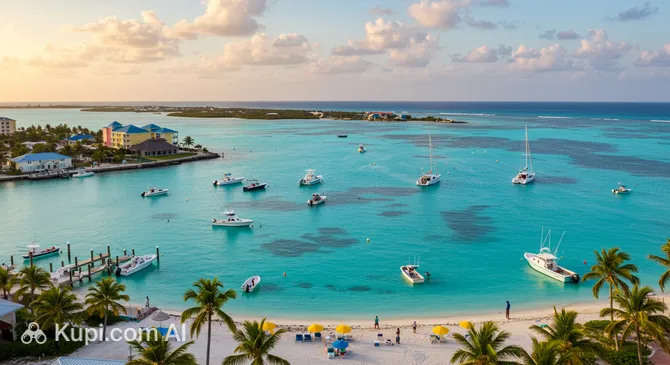
West End is a picturesque gem located on the westernmost tip of Grand Bahama Island. Bathed by the crystal-clear turquoise waters of the Atlantic Ocean, this town is perfect for travelers dreaming of a peaceful getaway far from bustling metropolises. It is here that you can feel the true rhythm of life for which the Bahamas are famous: leisurely, relaxing, and filled with the sound of the surf.

West End. Illustration.
Source: Kupi.com AI

Despite being the oldest settlement on the island, West End maintains the cozy atmosphere of a small resort with a population of about 13,500 people. You won't find tall skyscrapers or hustle and bustle here, but you will encounter the sincere hospitality of the locals. The unique history of West End gives this place a special charm, making it attractive not only for beach lovers but also for those who appreciate cultural flavor.

The town is a true paradise for fans of water adventures. Tourists come here for world-class deep-sea fishing, snorkeling among picturesque reefs, and peaceful kayaking trips through mysterious mangroves. The best way to end the day here is at one of the seaside restaurants, enjoying local delicacies and a stunning sunset. West End is an excellent choice for those seeking inspiration and communion with nature.

Weather Overview

The climate in West End is typical of the Bahamas: perpetual summer reigns here, tempered by pleasant ocean breezes. Thanks to its location, the town pleases tourists with comfortable conditions almost all year round, making it an excellent destination for both beach vacations and active water activities.

The warmest period is summer, especially August, when the average temperature reaches 28°C, with maximums approaching 29°C. Winter months bring a welcome freshness: in January and February, the air warms to an average of 21–23°C. This time is perfect for those who want to avoid exhausting heat while enjoying mild warmth.

Expect a hot summer with frequent but usually brief rains, and a comfortable, moderately dry winter. The highest number of rainy days occurs from May to September, though rains are rarely prolonged. To choose the perfect dates for your trip and know what to expect from the elements, you will find a detailed weather in West End breakdown by month very useful.

Interesting Facts

In addition to the main attractions, West End holds many fascinating secrets and historical legends that make it a unique spot on the map of the Bahamas. Here are a few facts that will help you get to know this amazing region better:

  • Smuggling Capital: In the early 20th century, during the Prohibition era in the USA, West End played a key role in illegal alcohol supplies. Thanks to its proximity to Florida, the town became an ideal base for sending rum and other spirits on high-speed boats to Miami, becoming a legend among adventurers of that time.

  • Fishing Records: The coastal waters are considered some of the richest in the Bahamas for sport fishing. West End is famous for catches of giant marlin, tuna, and barracuda, and annual tournaments attract professionals from all over the world.

  • Secrets of the Deep: Many stories of shipwrecks are associated with the town. Local legends say that ancient treasures may still be hidden in the coral reefs off the coast, which invariably sparks the imagination of divers and adventure seekers.

  • The Spirit of Junkanoo: Despite its resort status, folk traditions are carefully honored here. Guests of the town can witness vibrant Junkanoo-style festivals—with infectious Bahamian music, dancing, and colorful costumed parades.

Old Bahama Bay. Illustration.
Source: Kupi.com AI

Traveler photos:

How to Get There

Planning a trip to this picturesque corner of the Bahamas begins with choosing a route. Since West End is located on Grand Bahama Island, the main way to arrive here is by air, often with a connection in Florida or neighboring major cities of the archipelago. You can find out more details on how to get to West End to choose the most convenient option for you.

The most convenient and closest transportation hub is Grand Bahama International Airport (IATA: FPO). It is located in the city of Freeport, just 30.9 km from West End. This is the island's main airport, serving both domestic and international flights. A trip from the airport to your hotel by taxi or rental car will take approximately 60–70 minutes, allowing you to enjoy the island views along the way.

Many tourists also choose to transit through the USA. For example, Miami International Airport (IATA: MIA) in Miami Beach is a giant hub receiving flights from all over the world. It is located about 165 km from West End (across the ocean). After arriving here, travelers usually transfer to a short flight to Grand Bahama or use a ferry service. Similarly, you can use Fort Lauderdale–Hollywood International Airport (FLL), located in the city of Fort Lauderdale.

For clarity, here is summary information on the main airports:

AirportPassenger trafficDistance
Grand Bahama International Airport559 81231 km
Palm Beach International Airport7.8 mln112 km
Bimini International Airport250 000113 km
Fort Lauderdale-Hollywood International Airport35.2 mln135 km
Opa-locka Executive Airport157 km

It is important to note that there is no rail service on Grand Bahama Island itself. There is no train station in the town of West End. However, if you are traveling through Florida before departing for the Bahamas, you can use trains. For example, West Palm Beach Station in the city of West Palm Beach or MiamiCentral Station in Miami Beach allow you to comfortably reach departure ports or airports. The distance from these stations to West End is more than 100 km in a straight line across the ocean, so you will then need water or air transport.

Below is a list of the nearest mainland train stations that may be useful when planning a complex itinerary:

StationPassenger trafficDistance
West Palm Beach Station1.3 mln108 km
Fort Lauderdale Station300 000133 km
Fort Lauderdale Railway Station42 586138 km
Aventura Brightline Station555 000142 km
Miami BL Station1 mln158 km

Main Attractions

Attractions:

West End is a place where history intertwines with natural beauty. There are no huge theme parks here, but there are unique corners for which travelers cross the ocean. The main points of interest are connected either to the rich marine world or to the intriguing past of this oldest settlement on the island.

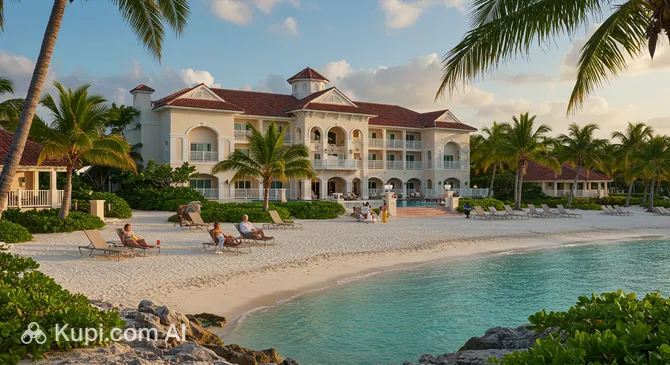
The absolute center of tourist life is Old Bahama Bay. This is not just a resort, but a true symbol of luxury vacationing on the western tip of Grand Bahama. The complex attracts guests with its magnificent marina, which serves as an official port of entry for yachtsmen. Tourists value this place for its impeccable white sand beaches and the opportunity to organize deep-sea fishing or eco-tours right from the pier.

Old Bahama Bay. Illustration.
Source: Kupi.com AI

Traveler photos:

For lovers of the underwater world, Paradise Cove and the famous Deadman's Reef are must-visit spots. This is one of the few places on the island where you can experience world-class snorkeling right from the shore without renting a boat. The reef protects the lagoon, creating calm swimming conditions where you can encounter sea turtles, rays, and hundreds of species of colorful fish.

History buffs should take a look at the Star Hotel. This is the oldest hotel on Grand Bahama Island, which preserves the atmosphere of the early 20th century. The building is shrouded in legends from the Prohibition era, when West End was a hub for alcohol smuggling. Although the hotel has survived many hurricanes and does not always function at full capacity, it remains an important monument of architecture and history, reminding us of the turbulent times when famous gangsters were rumored to have visited.

Local Cuisine

The culinary scene in West End is a true paradise for foodies, where the gifts of the Atlantic play the leading role. Since the ocean is literally a few steps away, fish and seafood reach the kitchen at their freshest. The king of the local table is rightfully conch (a giant sea snail). Tourists should definitely try it in various forms: from a refreshing salad with lime, vegetables, and spices to the famous "conch fritters"—appetizing, crispy dough balls with pieces of conch.

For a more substantial lunch or dinner, local chefs will offer you "cracked conch"—tender, well-tenderized conch meat fried in breadcrumbs, or a thick, spicy fish soup. Classics lovers will appreciate fried fish (snapper or grouper) and grilled lobster. As a side dish, rice and peas (peas n' rice), sweet fried plantains, and hearty cornmeal flatbreads known as "johnny-cakes" are traditionally served.

The food culture in town is relaxed and democratic. Street food is popular here: small markets and roadside stalls offer juicy skewers and grilled fish, and for dessert, coconut and pineapple treats. If you want to enjoy dinner in a more refined setting with a view of the yachts, you should visit the restaurants at the Old Bahama Bay resort, where Bahamian culinary traditions are combined with high service.

A gastronomic introduction to West End wouldn't be complete without local drinks. On a hot day, freshly squeezed tropical fruit juices are perfectly refreshing. In the evening, it's time for the famous Bahamian rum. Bars will offer you many rum-based cocktails, the most popular being the sweet and strong "Bahama Mama" or the fruity "Goombay Smash"—ideal companions for watching the sunset.

Travel Tips

Preparing for a trip to West End is the key to a carefree vacation, as this remote corner of Grand Bahama Island lives by its own rules. To make you feel comfortable and confident from the first minutes of your stay, we have gathered a list of the most relevant practical recommendations.

  1. Clothing and Essentials. The climate here is tropical, so bring light clothing made from natural fabrics (cotton, linen) and comfortable beach shoes. The sun is very intense, so a hat, high-quality sunglasses, and sunscreen with high SPF are mandatory. For evening walks, especially in winter months, it's worth taking a light sweater or windbreaker, as a cool breeze can blow from the ocean. Also, don't forget a plug adapter: the American standard (types A and B) is used here.

  2. Transport. West End is located at a significant distance from the central part of the island and Freeport airport. Public transport here is poorly developed and runs irregularly. The most convenient way to get around is car rental. This will give you the freedom to visit remote beaches and restaurants. Taxis are available, but long-distance trips can be expensive.

  3. Finances. The official currency is the Bahamian dollar, which is pegged to the US dollar at a 1:1 ratio. US dollars are accepted everywhere on par with local currency. Major hotels and restaurants accept cards, but for purchases in small shops, paying for taxis, or street food, be sure to have cash (preferably in small bills). Tips are usually 15% of the bill.

  4. Health and Safety. West End is a quiet and safe place, but basic precautions (do not leave belongings unattended on the beach) won't hurt. Be sure to use repellents, especially in the evening: the proximity of mangroves means the presence of mosquitoes. Pharmacies exist, but the choice of medications may be limited, so bring specific drugs with you. Drink only bottled water.

  5. Communication. The official language is English, spoken by all locals, albeit with a characteristic Bahamian accent that takes some getting used to. Wi-Fi is available in most hotels and cafes, but the speed may be lower than usual. For constant connectivity, you can purchase a local SIM card (providers BTC or Aliv), but it's best to do this immediately upon arrival at the airport or in Freeport.

  6. Local Etiquette. Bahamians are very friendly and religious people. It is customary to greet strangers on the street and bus drivers. An important rule: beachwear is appropriate only on the beach or by the pool. Entering shops, banks, or walking around town in swimsuits and trunks is considered bad form and a show of disrespect.

  7. What to Avoid. Don't try to rush staff in cafes or shops. A relaxed pace of life, known as "island time," prevails here. Showing impatience or aggression will not speed up the process but will only spoil the mood for you and those around you. Just relax and embrace this leisurely pace.

  8. Extra Tip. Keep in mind that Sunday in the Bahamas is a day for church and family rest. In West End, many shops and small restaurants may be closed or operate on a reduced schedule. Plan your grocery shopping and important errands for other days of the week.

By following these simple tips, you can avoid minor troubles and fully immerse yourself in the atmosphere of tranquility for which West End is famous. May your Bahamian adventure be filled only with positive emotions and bright discoveries!

Entertainment & Nightlife

Entertainment and nightlife in West End have their own unique, one-of-a-kind character. Unlike bustling Freeport or Port Lucaya, you won't find neon signs of huge nightclubs or discos operating until dawn here. Evening leisure in this corner of Grand Bahama is primarily about a relaxed atmosphere, long dinners to the sound of the surf, and chatting with friendly locals in cozy bars.

The center of attraction for tourists seeking comfort and high-level service is the Old Bahama Bay resort complex. Evenings here begin with watching breathtaking sunsets at the poolside bar or at Teaser’s Tiki Bar. This is the perfect place to enjoy a tropical cocktail, live music (which often plays on weekends), and a romantic setting. The dress code here is "resort casual": elegant shorts and shirts are quite appropriate.

If you want to immerse yourself in authentic Bahamian life, it's worth heading outside the resort to visit local establishments. One of the most colorful places is the Chicken Nest bar and restaurant. This is a no-frills establishment where locals gather to play a game of pool or dominoes, drink ice-cold Kalik beer, and discuss the news. A simple, friendly atmosphere reigns here, and the fun often spills out onto the street.

Nightlife in West End winds down quite early. Most restaurants close their kitchens around 9:00 PM–10:00 PM, although bars may stay open until midnight, especially on Friday and Saturday. Prices in local "shacks" (small bars) are quite democratic: beer costs about 4–6 dollars, and cocktails are 8–12 dollars. In hotel restaurants, prices will be higher, reflecting the level of the resort.

Safety and transport are important aspects of evening leisure. West End is considered a safe area, but the streets here are poorly lit. For nighttime travel, it is strongly discouraged to walk along the highways. It is almost impossible to catch a taxi on the street at night, so it is worth arranging a return trip time with a driver in advance or using a rental car. If you decide to visit local bars, carry cash (Bahamian or US dollars), as cards are not accepted everywhere.

During the day, entertainment in West End is more active. While the nightlife has not yet come into its own, tourists go deep-sea fishing, which is considered some of the best in the world here, or explore underwater beauties with a mask and snorkel. You can also have a picnic in coastal parks or simply stroll along the historic waterfront, enjoying the peace and quiet of this ancient settlement.

Parks & Museums

West End is not the kind of town where you will find huge botanical gardens or museum complexes with lines at the entrance. Here, culture and nature are intertwined much more closely: the town itself resembles an open-air museum where every building whispers stories of pirates and smugglers, and the endless beaches and manicured waterfronts serve as the main parks. This is a place for those who prefer living history and natural beauty over formal excursions.

Speaking of green zones and natural attractions, it is impossible to overlook the coastline. One of the most picturesque locations is the area around Old Bahama Bay. Although it is a resort area, its landscape design and beach access make it an excellent place for walks. Here you can enjoy views of the marina, where yachts from all over the world are moored, and relax in the shade of palm trees, listening to the sound of the Atlantic. This is an ideal starting point for eco-tours or simply contemplative relaxation.

Old Bahama Bay. Illustration.
Source: Kupi.com AI

Traveler photos:

Another important natural corner, even if located a bit away from the settlement center, is the Paradise Cove area. This is not a classic city park, but rather a natural preserve by the water. The main value here is the famous Deadman's Reef. Tourists come here not for benches and alleys, but for the chance to see an untouched underwater ecosystem right by the shore. This place vividly demonstrates the natural richness of the western part of Grand Bahama Island.

As for cultural heritage, the role of the city's main "museum" is played by its historic architecture. In West End, there are no traditional galleries with paintings, but there are buildings that are exhibits in themselves. The most iconic of these is considered the Star Hotel. Built in the 1940s (and its predecessor stood here even earlier), it is the oldest hotel on the island. Its walls remember the Prohibition era, when West End was a capital of rum running. A visit to this place allows you to immerse yourself in the adventurous atmosphere of the last century.

It is also worth paying attention to St. Mary Magdalene Anglican Church. This is the town's architectural landmark and an important spiritual center. The building has repeatedly suffered from hurricanes but was restored each time by the local community, symbolizing the resilience of West End residents. A walk around the church and through the adjacent old streets will give you a better idea of the islanders' daily life and traditions than any museum display.

For those looking for hidden gems, we suggest finding the local Heritage Park by the water. This is a small public space where festivals and regattas are often held. On ordinary days, it is quiet and peaceful, but this is exactly where you can see commemorative markers and plaques telling about the town's prominent residents and the region's maritime traditions. It's a great place to watch the sunset and chat with local old-timers, who will happily share legends not recorded in any guidebook.

Getting Around

The public transport system in West End differs significantly from the familiar infrastructure of major metropolises. You won't find a metro, trams, or trolleybuses here. Since this is a small and fairly secluded settlement on the western tip of the island, the transport network is poorly developed and mainly oriented towards connection with the administrative center—Freeport.

The only form of public transport is shared taxis, which locals call "jitneys". These are small minibuses that run along the main roads. It is important to know that they do not have a strict minute-by-minute schedule: departure often occurs as the cabin fills up, and headways can be unpredictable. Stops are often made upon passenger request at any safe place along the route.

The payment system here is extremely conservative: only cash is accepted. There are no travel cards, mobile apps, or contactless terminals on the buses. Payment is handed to the driver upon boarding or exiting (it's better to clarify this point when getting on). Both local currency and US dollars are accepted for payment. It is strongly recommended to carry small bills (1, 5, 10 dollars), as the driver often does not have change for large banknotes.

For tourists deciding to use a jitney, there are a few practical tips. First, transport runs primarily during daylight hours, from about 7:00 AM to 6:00 PM–7:00 PM. It is practically impossible to leave by bus late in the evening. Second, to catch a ride, you just need to go out to the main road and raise your hand—there might not be any designated bus stop shelters.

Given the irregularity of public transport, the most popular alternative is car rental. This provides freedom of movement and allows you to explore remote beaches. However, remember that traffic here is left-hand. Rental points are usually located near the airport or in Freeport; the choice of cars is limited in West End itself.

Taxi services are also available, often waiting near hotels and the marina. Taxis are a reliable but rather expensive way to get around, especially for long distances. Most cars do not have meters, so the cost of the trip must be agreed upon with the driver strictly before boarding. For local movement around resort territories (for example, Old Bahama Bay), tourists often use rental bicycles or golf carts.

Accommodation

The choice of accommodation in West End, unlike lively Freeport, is more intimate and exclusive. You won't find an endless succession of high-rise hotels or noisy budget hostels here. The main focus is on secluded, high-class relaxation that combines comfort with natural beauty. Tourists are offered a choice between staying at a full-service resort or renting private property.

The heart of the tourist infrastructure and the most famous place to stay is Old Bahama Bay. This is a luxury resort complex located at the westernmost point of the island. It is ideal for those accustomed to a high level of service: it offers guests spacious suites, well-maintained beaches, and direct access to the marina. This place is especially valued by travelers arriving on their own yachts and sport fishing enthusiasts who want to live within walking distance of the pier.

Old Bahama Bay. Illustration.
Source: Kupi.com AI

Traveler photos:

In addition to the main resort, the vacation rentals segment is popular in West End. Along the coast, you can find cozy villas, cottages, and condominiums that are rented out daily or for long periods. Families with children or large groups of friends often choose this option, as having their own kitchen and terrace allows them to organize their daily life independently and feel like a local resident. Most of these properties are on the beachfront, offering stunning ocean views.

Booking Tips:

  • Plan ahead. Since the number of high-quality accommodation options in West End is limited, it's worth booking several months before your trip. This is critically important during major fishing tournaments (usually in spring and early summer) and during the peak winter season, when demand significantly exceeds supply.

  • Price range. The town belongs to the category of destinations with accommodation costs ranging from mid-range to high. There are practically no budget "backpacker" options here. Expect prices consistent with "luxury" and "premium" levels, especially when it comes to the Old Bahama Bay resort.

  • Booking methods. Hotels can be booked through major international online platforms or on official websites. To find private villas and apartments, it is recommended to use specialized rental services, carefully studying the cancellation conditions and reviews from previous guests.

Nearby Cities

For those who want to explore the surrounding area, West End serves as an excellent starting point for day trips to several interesting nearby locations:

The closest and most convenient option is Freeport, located just a 40-minute drive away. This is the bustling commercial center of Grand Bahama Island, where a completely different atmosphere reigns. Tourists go there for shopping at the Port Lucaya Marketplace, visiting the Garden of the Groves botanical garden, and a variety of restaurants and entertainment not found in quiet West End.

If you are ready for a short flight or a sea voyage, it is worth visiting the capital of the archipelago—Nassau. This city offers immersion into colonial history, tours of ancient forts, and the famous Queen's Staircase. Also of interest is Marsh Harbour in the Abaco Islands, which is famous for its yachting culture and serves as a gateway to picturesque reefs and cays.

CityPopulationDistance
Freeport45 94537 km
Walkers Cay85 km
Palm Beach9 175106 km
West Palm Beach115 877108 km
Lantana11 559108 km

These nearby destinations provide insight into the diverse culture and landscapes of the region.

Shopping & Souvenirs

General Overview: Shopping in West End is the polar opposite of the hustle and bustle of major shopping metropolises. You won't find multi-story department stores or endless rows of global brand boutiques here. Purchases in this corner of Grand Bahama Island are more of a souvenir and practical nature. The town is famous for its authenticity, so the main value of local shopping is the opportunity to purchase unique handmade items, the freshest seafood, and essential goods in a relaxed, friendly atmosphere.

Main Shopping Areas/Streets: There is no dedicated shopping street in the usual sense in town. Commerce is concentrated mainly along the coastal road (Bayshore Road) and in the marina area. Small shops and stalls are scattered throughout the settlement, offering goods for both locals and tourists. Special attention should be paid to the shops on the territory of the Old Bahama Bay resort, where you can find high-quality beachwear, accessories, and branded souvenirs with island symbols.

Shopping Centers: There are no major shopping centers in West End itself. The "mall" format is absent here. If your goal is large-scale shopping with visits to brand boutiques, jewelry salons, and duty-free shops, it is recommended to head to neighboring Freeport (about a 40-minute drive), where the famous Port Lucaya Marketplace is located.

Markets: West End's market culture is inextricably linked to the sea. Since the town is considered the island's fishing capital, improvised fish markets emerge right at the docks when fishermen return with their catch. You can buy the freshest fish and lobsters here. Also, small kiosks and stalls of local artisans are often found along the roads, selling homemade baked goods, fruit, and folk crafts.

Souvenirs: From West End, it's worth bringing back items that reflect the spirit of the Bahamas. The most popular souvenirs are:

  • Straw Goods: Woven hats, baskets, and bags are a traditional Bahamian craft.
  • Shell Jewelry: Local artisans create beautiful accessories from conch shells.
  • Rum and Sauces: A bottle of local rum or a spicy pepper sauce will be a great gastronomic reminder of your trip.
  • Wood Carvings: Hand-carved figurines of marine life by local craftsmen.

Hours and Payment: Shops in West End operate at a relaxed pace, often called "island time." Typically, retail outlets are open from 9:00 AM or 10:00 AM to 5:00 PM–6:00 PM, but small private shops may close for siesta or work on a flexible schedule. Most shops are closed on Sunday. Major points (for example, at the hotel) accept credit cards, but for purchases from street vendors and in small shops, be sure to carry cash (Bahamian or US dollars).

Tax Free: The Bahamas offers a duty-free (Tax Free) system for tourists on certain categories of goods (jewelry, watches, perfume, etc.) purchased in licensed stores (usually with the Global Blue logo). However, in the small settlement of West End, such shops are hard to find; this option is mainly available in the large shopping zones of Freeport and Nassau. Always check for VAT refund possibilities before purchasing and keep your receipts.
Reached the end of the page?

That means the route is fully explored