Support

Blumenau

About

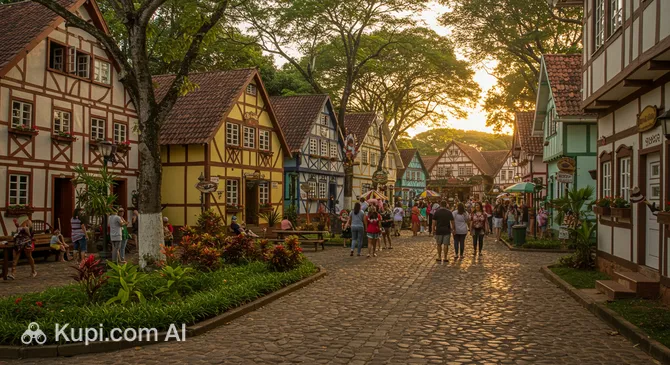
Blumenau is a wonderful city, a true slice of Europe nestled in the heart of Brazil. It stretches along the banks of the picturesque Itajaí-Açu River, approximately 140-160 kilometers from Florianópolis, the capital of the state of Santa Catarina. From the very first moment, Blumenau charms visitors with its unique atmosphere: well-kept houses with flower-filled balconies, cobbled streets, and tidy parks create the impression that you have stepped into an old Bavarian town.
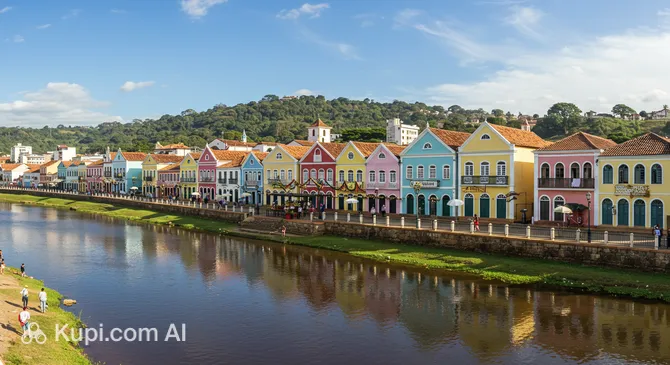
Blumenau. Illustration.
Source: Kupi.com AI

With a population of around 360,000 people, Blumenau is one of the largest cities in the state and is rightfully considered the center of German culture in South America. Founded by German immigrants, the city carefully preserves its heritage, which is evident in its architecture, traditions, and even the local way of life. At the same time, Blumenau is a modern and dynamically developing city that has managed to maintain its unique character and hospitality.

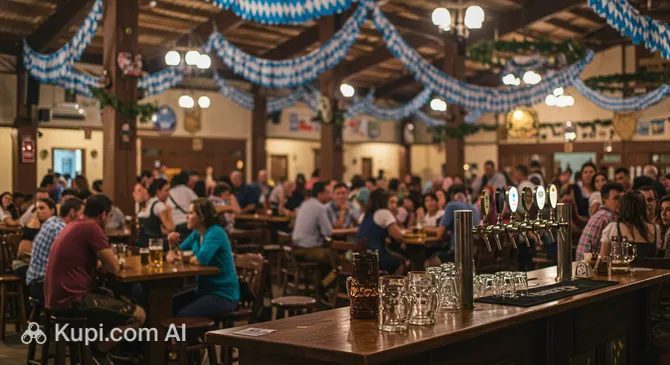
For tourists, Blumenau offers a delightful blend of cultures and eras. The city attracts visitors with its characteristic half-timbered architecture, numerous green parks perfect for leisurely strolls, and a rich museum scene. One of the city's main highlights is the famous Oktoberfest — the second largest in the world after Munich's, attracting thousands of visitors. Additionally, here you can enjoy unique gastronomic delights that combine German and Brazilian culinary traditions.

If you are looking for a place where you can not only relax but also immerse yourself in a unique culture, learn about fascinating history, and enjoy European charm in South America, Blumenau will undoubtedly be a pleasant discovery for you.

You can find more interesting facts on the history of Blumenau page.
Weather Overview

Blumenau has a humid subtropical climate. Summer, especially from December to March, is warm and quite rainy, with average temperatures around 23-24°C (January is the warmest, with an average temperature of 24.1°C and highs up to 27.8°C). Winter, from June to August, is milder and drier; average temperatures during this time stay around 16-17°C, with July being the coolest month (averaging 15.9°C). Rainfall is significantly less frequent in winter than in summer. Expect warm summers with frequent rain and cooler, drier winters. For a more detailed look at the weather conditions in different months, you can study the climate of Blumenau.

Average monthly temperature

Average monthly precipitation

Interesting Facts

Beyond its famous festivals and European architecture, Blumenau hides many fascinating stories and facts. These lesser-known details make it even more alluring for curious travelers.

  • The city was founded in 1850 by a German pharmacist named Hermann Otto Blumenau, who not only gave the settlement his name but also attracted the first families of German immigrants here. His legacy is immortalized, notably, at Dr. Blumenau Square.

  • While many know about the famous Oktoberfest in Blumenau, not everyone realizes its true scale. This holiday is the second largest Oktoberfest in the world after Munich's, annually attracting hundreds of thousands of visitors to Vila Germânica Park, where the main festivities take place.

  • There are several unique museums in Blumenau that reveal its history more deeply. For example, the Colonial Family Museum (Museu da Família Colonial) offers a glimpse into the lives of the first German settlers, while the Beer Museum tells the history of brewing, which is so vital to the city.

  • One of the natural landmarks and symbols of German heritage is Morro Spitzkopf, whose name translates from German as "sharp head." This peak, standing at about 938 meters, was a popular climbing destination as early as the 19th century and still attracts hiking enthusiasts today.

Blumenau Beer Museum. Illustration.
Source: Kupi.com AI

Traveler photos:

How to Get There

When planning a trip to this colorful "German" corner of Brazil, it is important to think through your route in advance. The city itself does not have its own passenger airport, so travelers usually fly into neighboring cities and then continue their journey by road. You can explore all ways to get to the city on a separate page, and below we will look at the main transport hubs.

The most convenient and closest option is Navegantes Airport (IATA: NVT). Please note that it is not located in Blumenau, but in the city of Navegantes, approximately 42 km from your destination. This is a regional airport with average passenger traffic, handling many domestic flights. The journey from here by taxi or transfer will take about 45–50 minutes, making it the fastest way to reach the city.

Another popular option is Hercílio Luz International Airport (IATA: FLN). It is located in the city of Florianópolis, the capital of the state of Santa Catarina, about 98 km from Blumenau. This is a large and modern airport with a high volume of flights. The trip from here by bus or car will take approximately 1.5–2 hours, depending on traffic.

If you are looking for more international flight options, consider Afonso Pena International Airport (IATA: CWB). It is located in the city of São José dos Pinhais (Curitiba metropolitan area), about 154 km from Blumenau. This is the largest transport hub in the region. The trip from the airport to Blumenau will take about 2.5–3 hours by ground transport.

For convenience, here is a summary of the main airports:

AirportPassenger trafficDistance
Navegantes Airport2.2 mln42 km
Joinville-Lauro Carneiro de Loyola Airport487 00081 km
Hercilio Luz International Airport4.5 mln98 km
Correia Pinto Regional Airport25 000149 km
Afonso Pena International Airport5.6 mln154 km

As for rail connections, they are practically non-existent for passenger transport in this part of Brazil. Blumenau does not have a train station that accepts regular long-distance trains. The main ground transportation remains comfortable intercity buses, which arrive at the city bus station (Rodoviária de Blumenau), or rental cars.

Main Attractions

Blumenau, an enchanting city with a strong German heritage, offers tourists many interesting places to visit. Here, everyone will find something to their liking, from picturesque parks to informative museums reflecting the region's rich culture and history.

One of the city's main landmarks is Vila Germânica Park. This is not just a park, but an entire complex built in the style of a traditional German village. This is where the famous Oktoberfest in Blumenau takes place, the second largest in the world after Munich's. During the rest of the year, the park also attracts visitors with its architecture, souvenir shops, restaurants serving German cuisine, and various cultural events. A stroll through its streets allows you to immerse yourself in the atmosphere of old Germany.

Vila Germânica Park. Illustration.
Source: Kupi.com AI

Traveler photos:

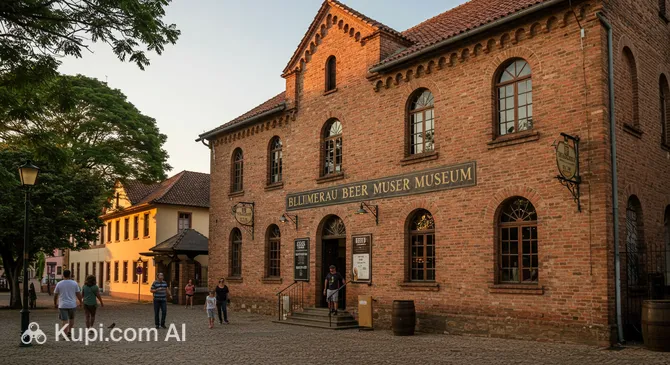
For fans of the brew, the Beer Museum of Blumenau is a must-visit. Located in the historic building of a former brewery, the museum tells the history of brewing in the region, starting from the first German settlers. Here, you can see vintage equipment, learn about production technologies, and, of course, taste local beers. It is a great place to gain a deeper understanding of one of Blumenau's key traditions.

Blumenau Beer Museum. Illustration.
Source: Kupi.com AI

Traveler photos:

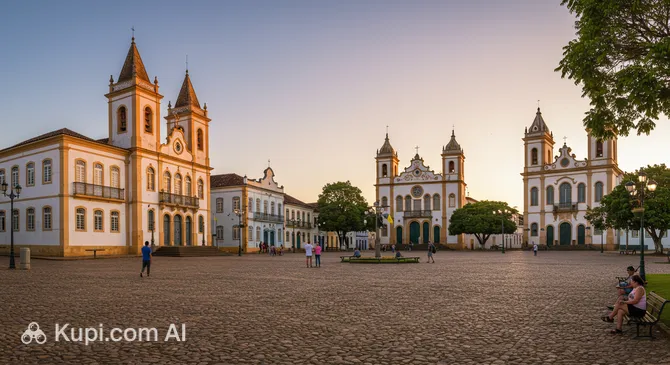
The heart of the city's historical part is Dr. Blumenau Square. This square is named after the city's founder, Hermann Bruno Otto Blumenau. A monument to the founder stands here, and the square itself is surrounded by beautiful buildings reflecting the architectural styles of past eras. It is a popular spot for walks and photos, as well as a starting point for exploring the historic center.

Dr. Blumenau Square. Illustration.
Source: Kupi.com AI

Traveler photos:

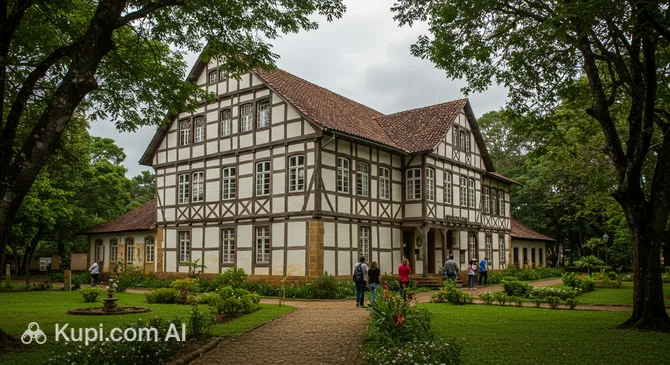
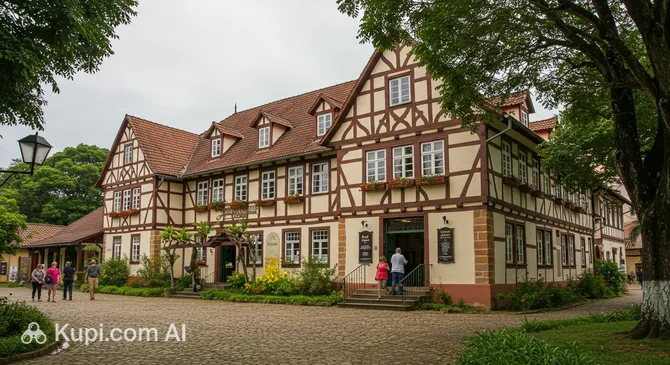
To better understand the life of the first settlers, it is worth visiting the Colonial Family Museum. The museum is located in a complex of several old houses built in the traditional German half-timbered style. Inside, the setting of a typical 19th-century German immigrant home is recreated, with original furniture, household items, and personal belongings. The exhibition allows you to dive into the past and learn about the hardships and achievements of the first colonists who shaped the unique look of Blumenau.

Colonial Family Museum. Illustration.
Source: Kupi.com AI

Traveler photos:

Local Cuisine

The cuisine of Blumenau is a fascinating blend of German culinary traditions and vibrant Brazilian flair. Travelers here should certainly try classic German dishes, such as various wurst sausages, hearty schnitzel, and sauerkraut. These dishes, prepared according to old recipes, convey the spirit of the city's European heritage.

Local pastries deserve no less attention. Fragrant breads, apple pies, delicate strudels, and traditional gingerbread make a wonderful accompaniment to a cup of coffee or tea. These treats can often be found in local confectioneries and markets, where they are prepared with great care, reflecting the German influence on the region's gastronomy.

A special pride of Blumenau is its craft beer. The city is famous for its breweries, where various styles are brewed using German techniques: from light lagers to rich ales. To dive deeper into the beer culture, you can visit the Beer Museum of Blumenau, which tells the history of brewing in the region. German snacks like pretzels, salted nuts, and smoked cheeses are traditionally served with beer. Besides beer, you can always find refreshing Brazilian juices and, of course, excellent coffee.

Blumenau Beer Museum. Illustration.
Source: Kupi.com AI

Traveler photos:

The dining culture in Blumenau is diverse. Locals and tourists alike enjoy visiting traditional restaurants, such as Norden, which offers German and Brazilian cuisine, as well as cozy bars and pubs like Stannis Pub, where you can enjoy local beer in an authentic atmosphere. Farmers' markets offer fresh produce, homemade sausages, and cheeses, while street food delights with both German and Brazilian specialties, creating a lively and welcoming gastronomic environment.

Blumenau's gastronomic scene particularly comes to life during festivals. The most famous is undoubtedly Oktoberfest in Blumenau, which attracts thousands of beer and German culture enthusiasts. In addition, the city hosts other food festivals where you can meet local producers, try various dishes, and simply have a great time enjoying the unique fusion of cultures.

Oktoberfest Blumenau. Illustration.
Source: Kupi.com AI

Traveler photos:

Travel Tips

Welcome to Blumenau, a charming corner of Brazil with a European soul! To ensure your trip goes smoothly and leaves only pleasant impressions, we have prepared some practical tips to help you better navigate this hospitable city.

  1. Clothing and Essentials: The climate in Blumenau is subtropical and humid. In summer (December-February), it is hot and humid, so bring light, breathable clothing. In winter (June-August), it can be cool, especially in the evenings, so a sweater or light jacket will come in handy. Be sure to bring comfortable shoes, as the city is great for walking, especially if you plan to visit Oktoberfest or explore the parks. Don't forget sunscreen, a hat, and a power adapter (type N is used in Brazil).
  2. Transport: It is convenient to get around Blumenau by city buses — this is the main form of public transport. Taxis and popular ride-hailing apps (like Uber or 99) are also available. If you plan to explore the surroundings, such as the scenic Vale Europeu region, renting a car may be a good option.
  3. Finances: The local currency is the Brazilian Real (BRL). You can exchange money at banks or exchange offices (casas de câmbio). Credit and debit cards are widely accepted in most shops, restaurants, and hotels. International cards usually work at ATMs, but it's best to check with your bank beforehand. Carrying a small amount of cash for minor expenses is always useful. Tips in restaurants are often already included in the bill (around 10% as "serviço"), but if not, leaving a tip is considered good etiquette.
  4. Health and Safety: Pharmacies (farmácias) are easily found throughout the city, some of which operate 24 hours. If medical assistance is needed, it is better for tourists to go to private clinics or hospitals. Blumenau is considered a relatively safe city, but as with anywhere, basic precautions should be taken: keep an eye on your belongings and avoid poorly lit or deserted streets after dark.
  5. Communication: The official language is Portuguese. In tourist areas and major hotels, staff may speak English, but in general, English proficiency is not very widespread. Learning a few basic phrases in Portuguese (e.g., "Olá" — hello, "Obrigado/Obrigada" — thank you, "Por favor" — please) will be very helpful and appreciated by locals. A SIM card with internet access can be purchased at mobile shops or at the airport. Wi-Fi is available in most hotels, cafes, and shopping centers.
  6. Local Etiquette: Brazilians, and residents of Blumenau in particular, are known for their friendliness and hospitality. When meeting, it is customary to greet with a handshake while maintaining eye contact. Openness and smiling are valued in communication. The dress code in most places is quite casual, but for visiting churches, you should choose more modest attire.
  7. What to Avoid: Try not to display expensive jewelry or large sums of money in public to avoid attracting unnecessary attention. It's also best to avoid comparing Brazil with Argentina, especially in the context of football, unless you are sure of your companion's mood — it can be a sensitive topic.
  8. Special Feature of Blumenau: The city is famous for its Oktoberfest — the second largest in the world! If your trip falls in October, be sure to visit this grand celebration of beer and German culture. Book your accommodation and tickets in advance. Also, don't miss the opportunity to try local dishes with strong German influence and visit Vila Germânica — the center of German culture and the festival venue.

We hope these tips help you enjoy every moment of your stay in Blumenau. This city with its rich history and culture is sure to leave you with warm memories. Have a pleasant trip!

Entertainment & Nightlife

Blumenau, famous for its German heritage and the renowned Oktoberfest, offers tourists not only daytime entertainment but also a fairly active nightlife. As darkness falls, the city comes alive, offering various options for those seeking fun and new experiences.

The main nightlife activity is concentrated in several key areas. Rua XV de Novembro and its surrounding streets in the city center are popular spots for evening strolls and gathering in bars. Also worth noting is the Vila Germânica district, especially during festivals, where the festive atmosphere doesn't fade until late at night. Here you can find establishments for every taste — from traditional German beer halls to modern bars and clubs.

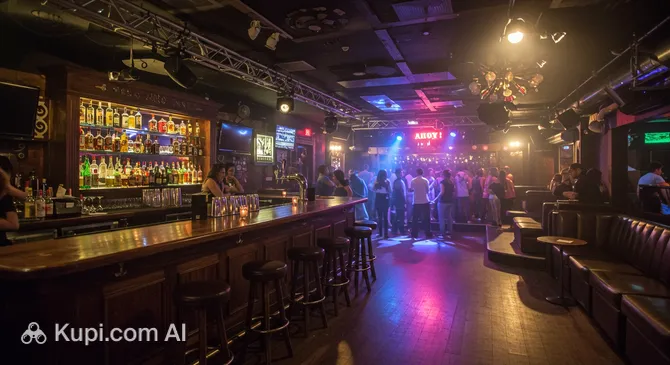
Ahoy! Tavern Club. Illustration.
Source: Kupi.com AI

Traveler photos:

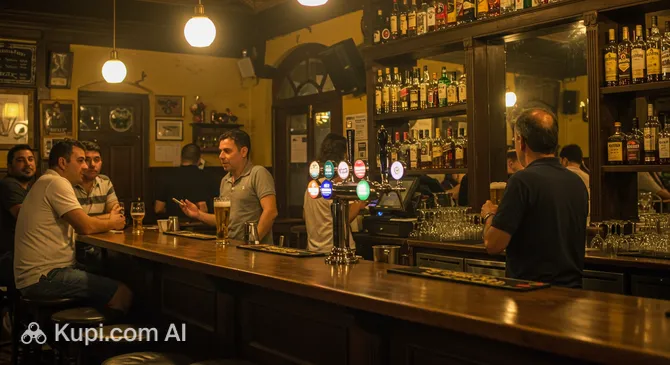
Among the popular nightspots, Ahoy! Tavern Club stands out, known for its energetic atmosphere and a variety of musical genres, from rock to electronic music. Another notable place is Stannis Pub, offering a large selection of craft beers and a cozy setting for socializing with friends. For fans of club music and dancing until dawn, Don Pub is a great choice. Of course, one cannot forget the famous Oktoberfest in Blumenau, which, although a seasonal event, turns the city into one giant party with music, dancing, and, naturally, beer.

Stannis Pub. Illustration.
Source: Kupi.com AI

Traveler photos:

The atmosphere in Blumenau's nightspots is generally relaxed and friendly. The dress code is usually casual, unless there are special themed parties. Most bars start filling up around 9:00 PM - 10:00 PM, while clubs come alive after midnight and stay open until the early morning, especially on weekends. Average prices for drinks and club entry are quite affordable but can vary depending on the venue and event. At night, it is most convenient to get around the city by taxi or using ride-hailing apps. The central areas are considered relatively safe for nighttime walks, but standard precautions should always be taken.

Don Pub. Illustration.
Source: Kupi.com AI

Traveler photos:

As for daytime entertainment, Blumenau also has plenty to offer. Visitors can stop by the Beer Museum to learn more about the region's main pride, or the Hering Museum, dedicated to the history of the textile industry. For family outings, a stroll through Vila Germânica Park is ideal, as it frequently hosts various events and fairs. Also interesting to visit is the Colonial Family Museum, which tells the story of the daily lives of the first German settlers.

Parks & Museums

Blumenau, known for its rich German heritage, offers guests not only famous festivals but also many opportunities for cultural enrichment and outdoor recreation. The city is proud of its well-maintained parks, where you can enjoy tranquility, and interesting museums that preserve its unique history.

Among the city's green zones, the famous Vila Germânica Park stands out. This is not just a park, but a true cultural complex that hosts the world-famous Oktoberfest and other major events every year. Here you can stroll through the picturesque grounds, styled after a German village, and visit souvenir shops and restaurants. For those looking for a more traditional place for relaxation and sports, Ramiro Ruediger Park (Parque Ramiro Ruediger) is an excellent choice. This is a vast green area with a lake, running and cycling paths, and sports fields, popular among locals for picnics and active recreation. Also worth visiting is Juscelino Kubitschek Square, known as Prainha — a charming spot by the Itajaí-Açu River, ideal for a leisurely walk.

Juscelino Kubitschek Square (Prainha). Illustration.
Source: Kupi.com AI

Traveler photos:

Blumenau's cultural life is equally rich. Be sure to check out the Beer Museum of Blumenau, which presents the history of brewing in the region, starting from the first German colonists. The exhibition includes old equipment and explains the role of beer in local culture. Another important museum is the Hering Museum, dedicated to the history of the famous Hering textile company, which contributed immensely to the development of the city and all of Brazil. You can immerse yourself in the daily life of the first settlers at the Colonial Family Museum, which houses authentic furniture, clothing, and photographs from the 19th century.

Hering Museum. Illustration.
Source: Kupi.com AI

Traveler photos:

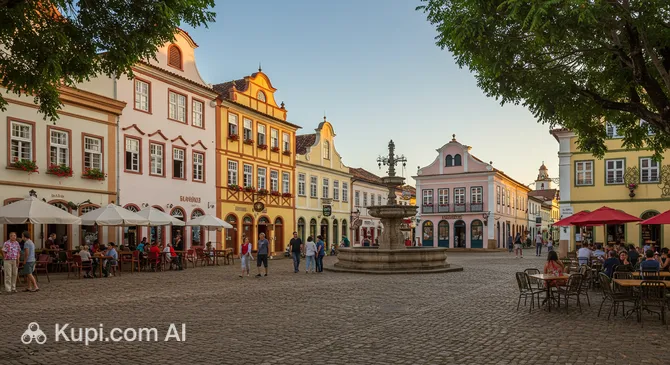
The historical heart of the city is Dr. Blumenau Square, named after the city's founder. This is an iconic spot surrounded by beautiful buildings, where city events are often held.

Dr. Blumenau Square. Illustration.
Source: Kupi.com AI

Traveler photos:

For the full experience, take a walk down Rua XV de Novembro — the city's main artery, where many traditional German half-timbered buildings have been preserved. To see Blumenau from an unusual perspective, climb one of the hills surrounding the city for beautiful panoramic views.

Getting Around

The public transport system in Blumenau is primarily represented by a bus network managed by the BluMob company. It is a modern and fairly extensive system covering most areas of the city and suburbs. Buses are the main way for many residents to get around and a convenient option for tourists.

Fares can be paid in several ways. The most common is using a rechargeable transport card known as the Cartão BluMob. It can be purchased and topped up at special self-service terminals, at the bus station (Rodoviária), or at BluMob service points. Cash payment is also possible directly to the conductor or driver when entering the bus, but using a card is often more economical and convenient. Various types of cards exist, including standard, student, and senior cards. The cost of a single trip when paying by card is usually slightly lower than when paying in cash.

Tourists are advised to purchase a transport card for convenience and savings. Tickets or cards are validated when entering the bus through a turnstile. Bus schedules can be found on the official BluMob website, in mobile route planning apps (e.g., Moovit or Google Maps often integrate local data), or directly at bus stops (though the information there might be less detailed). Buses usually run from early morning until late evening, but service frequency may decrease on weekends and holidays, as well as at night.

In addition to buses, other methods of transportation are available in Blumenau. Taxis can be found at designated stands or called by phone. Ride-hailing services via mobile apps (such as Uber or 99) are also popular. For short distances or exploring the city center, walking is a great option, as many attractions are compactly located. The city is also developing infrastructure for cyclists, and there are bicycle rental points, which can be a pleasant alternative for touring picturesque areas.

Accommodation

In Blumenau, you will find a variety of accommodation options to suit any budget and preference. The city offers a wide choice, from cozy guest houses (pousadas) and budget hotels to comfortable middle-class hotels and short-term rental apartments. For those seeking more luxury, suitable options can also be found, especially during major festivals.

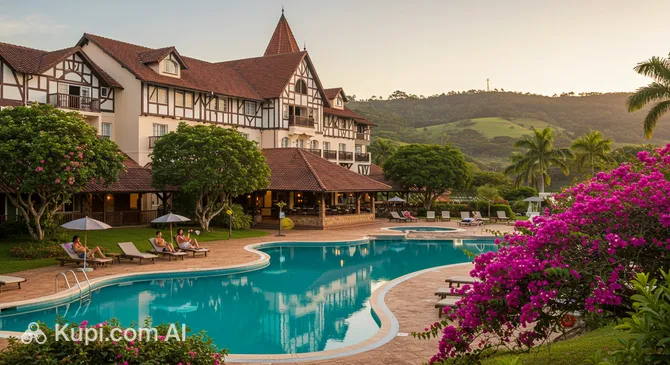
The most popular areas for tourists to stay are the city center (Centro), where many shops, restaurants, and historical attractions are concentrated, and the areas surrounding Vila Germânica Park, which are especially in demand during the famous Oktoberfest. Staying in these areas provides easy access to major points of interest and transport hubs. Among the well-known accommodation options, the Blumenau Resort Hotel is worth mentioning, offering a comfortable stay.

Blumenau Resort Hotel. Illustration.
Source: Kupi.com AI

Traveler photos:

The price range for housing in Blumenau varies from budget to mid-range and high, depending on the season, comfort level, and location. During the peak tourist season, especially during Oktoberfest, prices can rise significantly, so it is recommended to book accommodation in advance. To search and book, it is convenient to use popular online platforms or contact the hotel websites directly.

Nearby Cities

For those who want to explore the surrounding areas, Blumenau serves as an excellent starting point for day trips to several interesting nearby locations:

CityPopulationDistance
Gaspar57 98112 km
Indaial54 85416 km
Guabiruba18 43021 km
Pomerode27 75922 km
Timbo36 77422 km

These nearby destinations offer a variety of experiences. For instance, Brusque is known for its textile fairs and religious shrines, while the closest town, Gaspar, offers opportunities for outdoor activities, including paragliding. Coastal cities like Itajaí and Navegantes will delight beach and seascape lovers, and Camboriú is in close proximity to the famous resort of Balneário Camboriú. Each of these trips will allow you to get to know the rich culture, history, and picturesque landscapes of the Santa Catarina region better.

Shopping & Souvenirs

Blumenau, known for its rich German heritage, offers tourists interesting shopping opportunities. The city is famous for high-quality textile products, original handicrafts, and, of course, souvenirs related to beer culture, especially during the famous Oktoberfest in Blumenau. Here you can find both modern shopping centers and cozy little shops with local flavor.

The main shopping street in Blumenau is Rua XV de Novembro. This is a busy thoroughfare in the city center, lined with many shops selling clothes, shoes, accessories, as well as souvenir stalls and cafes. A walk down this street will allow you to soak up the city's atmosphere and find interesting items. The side streets connected to it may also hide curious shops.

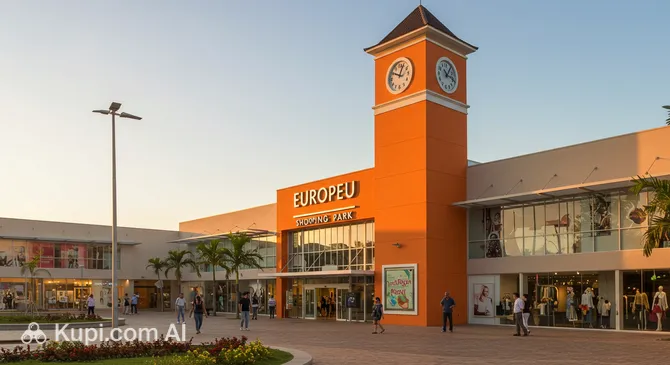
For those who prefer shopping in large complexes, Blumenau offers several modern shopping centers. One of the most popular is Neumarkt Shopping, which offers a wide range of goods — from famous clothing brands to electronics and home goods. Another large shopping complex is Shopping Park Europeu, which also offers a variety of stores, a food court, and entertainment options for the whole family.

Neumarkt Shopping. Illustration.
Source: Kupi.com AI

Traveler photos:

Europeu Shopping Park. Illustration.
Source: Kupi.com AI

Traveler photos:

Although Blumenau is not as well known for its traditional markets as some other Brazilian cities, fairs are held periodically, especially during city festivals. At such fairs, you can purchase products from local artisans, farm produce, and unique souvenirs. During Oktoberfest, the area of Vila Germânica Park turns into a lively shopping zone with many stalls.

As souvenirs from Blumenau, tourists often choose high-quality textiles — clothing, tablecloths, towels — which is not surprising, as the region is famous for its textile industry. Items with German symbols, traditional Bavarian costumes (Trachten), beer mugs, and various merchandise related to Oktoberfest are also popular. Don't forget to try and bring home local sweets and craft beer.

Most shops in Blumenau are open from Monday to Friday, usually from 9:00-10:00 AM to 6:00-7:00 PM. On Saturdays, shops are typically open in the morning, until about 1:00-2:00 PM. Shopping centers like Neumarkt Shopping and Shopping Park Europeu operate on a more flexible schedule, including weekends, and are usually open longer. Brazilian Reais (BRL) are accepted everywhere, as are credit and debit cards from international payment systems (Visa, Mastercard, etc.). In smaller shops and at fairs, it is preferable to have cash on hand.

Regarding the Tax Free system, it is not as widespread in Brazil as in some European countries. However, when making large purchases in some tourist-oriented shops, it's worth checking with the sellers about the possibility of obtaining VAT refund documents. This usually requires presenting a foreign passport and making a purchase over a certain amount.

Reached the end of the page?

That means the route is fully explored