Support

Farroupilha

About

Farroupilha is a true emerald on the map of southern Brazil, nestled comfortably in the state of Rio Grande do Sul. The city lies among the picturesque hills of the Serra Gaúcha, where the air is filled with the aromas of vineyards and the freshness of the Atlantic Forest.
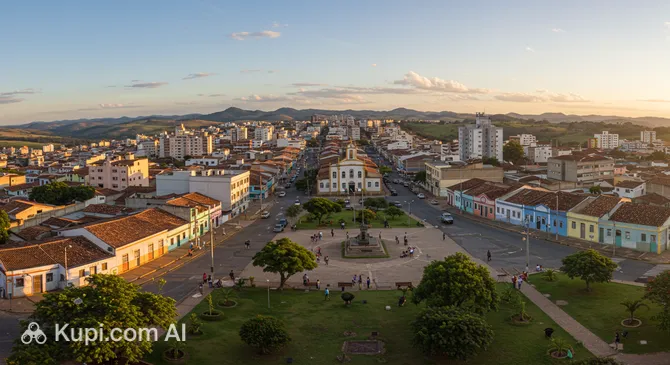
Farroupilha. Illustration.
Source: Kupi.com AI

Thanks to this location, the city enjoys a mild climate and stunning nature: summers are not too hot, and in winter, you can even see a light coating of frost on the green slopes. With a population of about 73,000 people, Farroupilha does not feel like a bustling metropolis, yet it possesses developed infrastructure and a special provincial charm.

The city holds an important place in the region as a center of the wine industry and the cultural traditions of Italian immigrants, who founded it in the late 19th century. A walk through Farroupilha is a journey through cozy streets with colorful houses, wine cellars, family restaurants, and squares where live music often plays in the evenings.

Everything here invites a leisurely holiday, cultural discovery, and the enjoyment of gastronomic finds. Farroupilha is the perfect place for those seeking not only natural beauty but also the heartfelt warmth of the locals, inviting everyone to discover this charming corner for themselves.

You can find more interesting facts on the history of Farroupilha page.

Weather Overview

The weather in Farroupilha is characterized by warm summers and mild winters. Summer months, such as January, bring average temperatures around 23.0°C, with highs reaching 27.7°C and a moderate amount of rainfall (about 6 mm) spread over approximately 18 rainy days. In winter, for example in July, the average temperature is about 13.7°C, with lows down to 9.0°C and less precipitation (about 4 mm) occurring over 10 days. Overall, expect warm summers with occasional rainfall and cool winters with less precipitation. For a more detailed forecast and climate information, you can visit the Farroupilha's Climate page.

Average monthly temperature

Average monthly precipitation

Interesting Facts

In addition to its picturesque landscapes and hospitality, Farroupilha holds many fascinating stories and little-known details that make this corner of Brazil truly unique. Ready to learn some interesting facts about this city?

  • Farroupilha is rightfully considered the "Grape Capital" of Brazil. Every year, the famous Grape Festival (Festa da Uva) is held here on a grand scale, turning the city into one large celebration site with colorful parades, fine wine tastings, and joyful festivities that attract visitors from all over the country.

  • The city's history is closely intertwined with the lives of Italian immigrants who arrived here in the late 19th century. Their rich cultural heritage is still vividly reflected in the architecture of old churches, the traditions of family-run wineries, and even in the language—many locals still speak Venetian, a northern Italian dialect, today.

  • Farroupilha is home to one of the oldest wineries in Brazil, founded back in the 19th century. Local wines, which have repeatedly won prestigious international awards, are the pride of the region, and fascinating tours of ancient wine cellars have become a must-do for all guests.

  • The surrounding hills of Farroupilha are shrouded in mystery and legend. Old-timers say that in these parts, you can still stumble upon abandoned mine shafts where gold and precious stones were once extracted. Some legends even mention treasures hidden in the vicinity of the city.

How to Get There

When planning a trip to this picturesque corner of the state of Rio Grande do Sul, it is worth thinking about your route in advance. Most often, tourists combine a flight with a trip by bus or a rental car. You can find more details about all available options by following the link: how to get to Farroupilha.

The most convenient option for most travelers is Hugo Cantergiani Regional Airport (IATA: CXJ). Farroupilha itself does not have its own airport, so this air hub, located in the neighboring city of Caxias do Sul, is the closest—the distance is only about 15.7 km. A taxi or transfer from here will take no more than 20–30 minutes, making it an ideal choice for domestic flights.

If you are flying from abroad or from afar, the main hub will be Salgado Filho Airport (IATA: POA). This is a large international airport located in the state capital, Porto Alegre, approximately 87 km from Farroupilha. Due to the high passenger traffic, many flights land here. The journey from Porto Alegre airport to your destination by intercity bus or car will take about 1.5–2 hours along the scenic roads of the Serra Gaúcha region.

For convenience, here is a summary of the main airports in the region:

AirportPassenger trafficDistance
Hugo Cantergiani Regional Airport449 38816 km
Salgado Filho International Airport7.5 mln87 km
Passo Fundo Airport284 551145 km
Correia Pinto Regional Airport25 000202 km
Humberto Bortoluzzi135 200231 km

Regarding rail connections, in this region of Brazil, trains are not used as the primary method of intercity passenger travel. There are no regular long-distance trains to Farroupilha. The railway here is mainly for tourist or freight purposes (such as the famous "Maria Fumaça" tourist train in neighboring cities).

Therefore, buses and cars remain the main ground transport. Farroupilha Bus Station (Rodoviária de Farroupilha) receives regular services from Porto Alegre, Caxias do Sul, and other major cities in the state. The roads in this region are in good condition, and a car journey is a pleasure thanks to the beautiful views of the hills and vineyards.

Main Attractions

Farroupilha, a charming city in the state of Rio Grande do Sul, offers travelers a unique blend of cultural heritage, religious significance, and natural beauty. When planning a trip here, be sure to include several key sites in your itinerary to get a deeper sense of this corner of Brazil.

The Sanctuary of Our Lady of Caravaggio (Santuário de Nossa Senhora de Caravaggio) is, without exaggeration, the heart of Farroupilha and one of the most significant pilgrimage sites in the country. This majestic temple, dedicated to the Virgin of Caravaggio, attracts hundreds of thousands of believers and tourists annually. Beyond its spiritual importance, the sanctuary impresses with its architecture and peaceful atmosphere, offering visitors moments for reflection and contemplation.

Nature lovers and fans of scenic landscapes should head to the Salto Ventoso waterfall. This natural cascade, located near the city, is a popular spot for outdoor recreation. The sound of falling water, lush greenery, and the opportunity for beautiful photography make it an attractive destination for a short excursion. Here, you can enjoy the beauty of nature and take a break from the city bustle.

Parque dos Pinheiros is the main city park and a favorite leisure spot for both locals and visitors of Farroupilha. With its shady alleys, a lake, and picnic areas, the park is ideal for leisurely walks, sports, or simply spending a pleasant time in nature within the city limits. It is a great place to relax and enjoy the calm surroundings.

Serra Gaúcha Wineries: Farroupilha is part of the famous Serra Gaúcha wine region, renowned for its traditions established by Italian immigrants. Visiting local wineries (vinícolas) is a wonderful opportunity to learn about the winemaking process, taste local varieties, and discover more about the wine culture that is an integral part of the region's identity. Many wineries offer tours and tastings, immersing guests in an atmosphere of hospitality and rich flavors.

Local Cuisine

The cuisine of Farroupilha is a delightful blend of Italian culinary traditions and Brazilian flair, making it truly unique. The main gastronomic symbol of the city, which is definitely worth trying, is the famous "galeto"—tender chicken masterfully grilled with aromatic herbs. Usually, "galeto" is served with appetizing polenta, homemade pasta, and various sauces, creating a hearty and unforgettable meal.

The surroundings of Farroupilha are famous for their vineyards, and this is reflected not only in the production of excellent wines but also in local desserts. Travelers should look out for original sweets such as grape mousse, pies with juicy grape filling, and even refreshing ice cream made from fresh grape juice. These treats perfectly demonstrate the richness of the local natural bounty.

Farroupilha's city markets and fairs are the heart of the local gastronomic life. Here, farmers offer an abundance of fresh vegetables, various cheeses, quality smoked meats, and, of course, freshly baked bread made from old recipes. At the fairs, you can taste popular street food, such as crispy "pastel" pastries with various fillings or hearty "polenta-fritta." This is a great way to have a quick and tasty snack while immersing yourself in the authentic atmosphere of the city.

Speaking of drinks, one cannot fail to mention the local wines for which the region is so famous. It is also worth trying traditional Brazilian cachaça or refreshing natural juices made from exotic fruits. The food culture in Farroupilha is diverse: locals and tourists alike enjoy both substantial lunches in restaurants serving "galeto" and quick snacks at busy markets and street stalls.

For a full immersion into the gastronomic world of Farroupilha, it is worth visiting the city in the fall when colorful gastronomic festivals take place. During these holidays, you can not only taste the best local wines and delicacies but also participate in exciting masterclasses on preparing traditional dishes, feeling the true spirit and hospitality of this Brazilian gem.

Travel Tips

Planning a trip to the charming Farroupilha? To make your journey through this corner of Brazil as comfortable and pleasant as possible, we have prepared some practical tips. They will help you better navigate the area and avoid potential inconveniences.

  1. Clothing and Essentials: The climate in Farroupilha, as in the entire region of Rio Grande do Sul, is temperate with clearly defined seasons. In summer (December-March), it is warm and sunny, so bring light clothing, a hat, and sunscreen. In winter (June-August), it can be quite cool, especially in the evenings, so sweaters, a jacket, and closed shoes will come in handy. In the transitional seasons, the weather is changeable, so layering is your best friend. Be sure to bring comfortable shoes, as the city and its surroundings are great for walking. Don't forget a plug adapter (Brazil uses types N and C).
  2. Local Transport: It is most convenient to get around Farroupilha by taxi or by using ride-hailing apps (such as Uber or local equivalents). Public transport consists of buses, but this may not be the most convenient option for tourists due to the language barrier and specific routes. If you plan to explore the Serra Gaúcha wine region, renting a car might be a good idea, as it provides freedom of movement.
  3. Finance: The local currency is the Brazilian Real (BRL). You can exchange money at banks or exchange offices (casas de câmbio), but it's better to do this in larger cities upon arrival. Credit and debit cards (Visa, Mastercard) are accepted in most shops, restaurants, and hotels. However, it's always useful to have some cash on hand for small purchases or in case cards aren't accepted somewhere. ATMs (caixas eletrônicos) are fairly common. Tips in restaurants are often already included in the bill (about 10% as "serviço"); in other cases, it's at your discretion but always appreciated for good service.
  4. Health and Safety: Pharmacies (farmácias) are easy to find, and many operate 24/7 (plantão). If medical assistance is needed, tourists should go to local hospitals (hospitais) or emergency care centers (pronto socorro). Farroupilha is considered a relatively safe city, but standard precautions are still wise: watch your belongings, especially in crowded places, and avoid walking in poorly lit or deserted areas after dark. Do not display expensive jewelry or large sums of money.
  5. Communication: The official language is Portuguese. The level of English proficiency among the local population may not be high, especially outside the tourist infrastructure. Learning a few basic phrases in Portuguese, such as "Olá" (Hello), "Obrigado/Obrigada" (Thank you), "Por favor" (Please), and "Quanto custa?" (How much does it cost?) will be very helpful in communication. A local SIM card can be purchased at mobile phone shops; Wi-Fi is available in most hotels and many cafes.
  6. Local Etiquette: Brazilians, and residents of Farroupilha in particular, are known for their friendliness and hospitality. When meeting, it is customary to greet with a handshake, and with well-known people, with a hug and a kiss on the cheek (the number depends on the region). Openness and smiling are valued in communication. Don't hesitate to ask for help—they will likely try to assist you.
  7. What to Avoid: Try not to get into heated arguments about politics or football unless you are sure of the other person's mood—it might be taken the wrong way. Also, avoid comparing Brazil with Argentina, especially in the context of football, if you want to avoid an awkward situation.
  8. Regional Specialty: Farroupilha is the heart of the Serra Gaúcha wine region and is known as the "Capital of Muscat." Be sure to visit local wineries (vinícolas) and taste the wines, especially the sparkling and Muscat varieties. This region is also famous for its Italian culture, which is reflected in the architecture, cuisine, and traditions. Don't miss the chance to try local cuisine with an Italian accent.

We hope these tips make your stay in Farroupilha even more pleasant and rewarding. We wish you an unforgettable journey through this colorful Brazilian city!

Entertainment & Nightlife

When the sun sets over the picturesque hills of Farroupilha, the city doesn't go to sleep but offers its guests and residents cozy options for evening relaxation. Although Farroupilha, located in the state of Rio Grande do Sul, is better known for its industrial potential and winemaking traditions, you can find pleasant spots to unwind after a busy day.

Nightlife in Farroupilha is mainly concentrated around the central streets, especially those adjacent to the main squares like Praça da Matriz, or along busy avenues such as sections of Rua Júlio de Castilhos. You won't find massive nightclubs with world-class DJs like in Brazil's megacities, but there is a more intimate and soulful atmosphere. To find current popular spots, tourists should look for traditional Brazilian bars known as botecos, where you can try local drinks, including the region's excellent wines, and snacks. Family restaurants (restaurantes familiares) are also popular, many of which offer live music—often popular Brazilian rhythms or local folk tunes. In the evenings, pizzerias and other establishments serving Gaúcho and Italian cuisine come alive, reflecting the cultural heritage of the region. A good way to find a suitable place is to walk around the center in the evening, look at the signs, or ask for advice from locals or at your hotel.

The atmosphere in Farroupilha at night is usually calm and friendly. The crowd is mostly local, allowing for a deeper dive into the city's daily life. Most establishments do not have a strict dress code; a comfortable and neat style is welcomed. Bars and restaurants usually stay open until midnight or slightly later, especially on weekends. To catch the most lively atmosphere, it's best to head out for a walk after 8:00 PM.

In terms of safety, the central districts of Farroupilha, particularly the well-lit streets around the main points of interest, are considered safe enough for evening walks. However, as in any city, it is worth taking basic precautions: do not leave valuables unattended and avoid poorly lit or deserted alleys. For nighttime travel, you can use local taxis or ride-hailing apps. Prices in establishments are generally moderate, making evening leisure accessible.

During the day, Farroupilha also offers interesting leisure options. Visitors can check out local museums to learn more about the history and culture of immigrants, especially the Italians. Parks and green zones provide excellent opportunities for walks and outdoor relaxation. While there are no large amusement parks in the city, its surroundings are rich in natural beauty and wineries that organize tours and tastings.

Parks & Museums

The city of Farroupilha invites its guests to enjoy both its picturesque green corners and its rich cultural heritage. Everyone will find something here, whether it's a quiet holiday in nature or an introduction to the region's history.

Among the natural attractions, Parque dos Pinheiros stands out particularly. It is a popular place among locals and tourists for walks, picnics, and sports. Shady alleys, well-kept lawns, and playgrounds make it ideal for families. Another impressive natural site worth visiting while in the area is the Salto Ventoso waterfall. Although it may be located slightly outside the city limits, its beauty and power attract nature lovers and photographers, offering scenic walking trails.

For those interested in history and culture, Farroupilha offers several interesting museums. The Casa de Pedra Museum (Museu Casa de Pedra) is a unique opportunity to peek into the past, as the museum is located in a historical stone house and its exhibition tells the story of the region's first settlers. Another important cultural site is the Casa de Bona Municipal Historical Museum (Museu Histórico Municipal Casa de Bona), which houses artifacts and documents recounting the city's foundation and development, with a special focus on the heritage of Italian immigrants.

A significant architectural and spiritual center is the Sanctuary of Our Lady of Caravaggio (Santuário de Nossa Senhora de Caravaggio). It is not only a pilgrimage site but also an impressive structure that attracts visitors with its architecture and atmosphere of peace. A visit to the sanctuary allows you to touch an important part of the region's cultural life.

For a more authentic experience, check out the local craft fairs, where you can find unique handmade souvenirs. Also, don't miss the chance to explore the gastronomic routes in the surrounding area, many of which are dedicated to winemaking and traditional Italian cuisine, which is an integral part of Farroupilha's culture.

Getting Around

Public transport in Farroupilha is primarily represented by a bus network, which is the main way to get around the city for many residents and tourists. Buses connect various districts of the city, providing access to the main points of interest.

The fare payment system on buses is usually quite simple. Most often, tickets can be purchased directly from the conductor or driver when entering the bus for cash. In some Brazilian cities, there may also be transport cards that can be topped up and used for multiple trips, which can be a more economical and convenient option for longer stays. Information on the availability of such cards and where to purchase them is best clarified on-site, for example, at the bus station or in tourist information centers.

Buses in Farroupilha usually run on a schedule, which may be less frequent in the evenings and on weekends. You can try to find routes and schedules at bus stops or ask local residents. Ticket validation typically occurs upon entry: you either pay the conductor or tap your transport card on a special device.

In addition to buses, in Farroupilha, as in many cities in Brazil, taxi services are available. This is a more expensive but more comfortable way to get around, especially if you are traveling with luggage or in a group. It is also worth checking for the availability of popular ride-hailing apps (like Uber or local equivalents), which may offer competitive prices. The possibility of renting bicycles or the presence of car-sharing systems is best checked upon arrival, as their availability can vary.

There are likely no unique or historical types of transport, such as an old metro or cable cars, in Farroupilha, given the size of the city. The transport system is focused on practicality and meeting the daily needs of residents. For tourists, the most convenient way to explore the city may be a combination of walking through the center and using buses or taxis for longer trips.

Accommodation

In Farroupilha, tourists can find a variety of accommodation options to suit different preferences and budgets. Guests have access to economical guesthouses and hostels as well as comfortable mid-range hotels. Additionally, short-term rental apartments are popular, making them an excellent choice for family vacations or trips with friends.

When choosing a place to stay, many travelers prefer areas closer to the center of Farroupilha. This location provides easy access to major attractions, shops, restaurants, and transport hubs. If you are looking for a more peaceful and secluded atmosphere, it is worth considering options in quiet residential neighborhoods, slightly away from the busy central streets.

The city features various hotels offering comfortable living conditions. Although Farroupilha may not have a large number of hotels from well-known international chains, local hotels often win guests over with their coziness, sincere hospitality, and individual approach to every guest. You can find both small family-run inns and larger local hotels with a good level of service. If specific recommended hotels were available in the data, we would be happy to mention them.

To ensure the best accommodation option, especially during the peak tourist season or during major events in Farroupilha, it is recommended to book your stay well in advance. Most hotels and apartments are available for booking through popular online platforms. You can also always consider the possibility of booking directly through the official websites of the hotels or by contacting them by phone. The price range varies from budget offers to mid-range and higher-class options, allowing every traveler to find the ideal accommodation according to their plans and financial means.

Nearby Cities

For those looking to explore the surroundings, Farroupilha serves as an excellent starting point for day trips to several interesting nearby locations. This region, particularly known as the Serra Gaúcha, is famous for its winemaking and Italian immigrant culture.

Among the most notable destinations for short trips are:

  • Caxias do Sul: The largest city in the Serra Gaúcha region, known for its rich Italian heritage and the famous Grape Festival (Festa da Uva). Here you can visit numerous wineries, learn about the culture of Italian immigrants, and appreciate the city's developed infrastructure.
  • Bento Gonçalves: The recognized capital of Brazilian winemaking. The city attracts tourists with its picturesque Valley of the Vineyards (Vale dos Vinhedos), the opportunity to taste excellent local wines, and a charming ride on the "Maria Fumaça" vintage steam train, which follows a wine route.
  • Garibaldi: The national center of sparkling wine production in Brazil. Visitors can explore wine cellars, learn about the process of creating champagne-style wines using traditional methods, and, of course, enjoy their refined taste. The city also preserves the atmosphere of Italian colonization in its architecture and traditions.

Below is a table with information about some of the cities closest to Farroupilha that may also be of interest for day trips:

CityPopulationDistance
Caxias do Sul435 56417 km
Carlos Barbosa30 24117 km
Garibaldi35 44018 km
Bento Goncalves121 80318 km
Feliz12 35926 km

These nearby destinations allow for a deeper immersion into the diverse culture, history, and picturesque landscapes of the Serra Gaúcha region, making your trip even more rewarding and memorable.

Shopping & Souvenirs

Shopping in Farroupilha is an opportunity to purchase unique local goods and souvenirs that reflect the culture and traditions of the Serra Gaúcha region. The city may not be a major global shopping hub, but it offers interesting options for those who value authenticity. Farroupilha is known for its winemaking, especially the production of Muscat wines, as well as its textile industry (knitwear) and footwear.

The main shopping spots are generally concentrated in the central part of the city. Walking through the main streets, you will find a variety of shops: from small clothing and shoe boutiques of local production to shops selling souvenirs and food products. Look for signs saying "malhas" (knitwear) and "calçados" (shoes) to find items from local factories.

While Farroupilha may not boast giant malls, you can find smaller-scale shopping centers or commercial galleries where various shops, cafes, and sometimes entertainment zones are gathered under one roof. They offer comfortable conditions for shopping, especially in hot or rainy weather.

For those looking for fresh local produce or handmade items, it's worth checking out the city fairs or markets if any are held during your visit. Here you can buy fruits, vegetables, cheeses, and sausages directly from producers, as well as unique souvenirs from local artisans. Often, these fairs take place on weekends.

From Farroupilha, it is definitely worth bringing back the famous local wines, especially the sparkling Muscat, as the city holds the title of "National Capital of Muscat." Also, look for high-quality knitwear (malhas) and footwear, which the region is famous for producing. Don't forget about products traditional to Serra Gaúcha: cheeses, sausages, jams, and other delicacies with an Italian flavor. Original souvenirs would also include items related to the Gaucho culture.

Most shops in Farroupilha are open from Monday to Friday from approximately 9:00 AM to 6:00 PM or 7:00 PM, and on Saturdays usually until lunch (around 1:00 PM - 2:00 PM). Some supermarkets and shops in malls may have longer working hours, including on Sundays. Payment is accepted in Brazilian Reals (BRL). Credit and debit cards (Visa, Mastercard) are widely used; however, cash may be required in small shops or at markets.

The possibility of a tax refund (Tax Free) in Brazil exists for foreign tourists when purchasing certain goods in participating stores. This is usually processed at large retail outlets, and the refund is made at the airport upon departure from the country. It is recommended to clarify Tax Free information directly in shops when making large purchases.

Reached the end of the page?

That means the route is fully explored