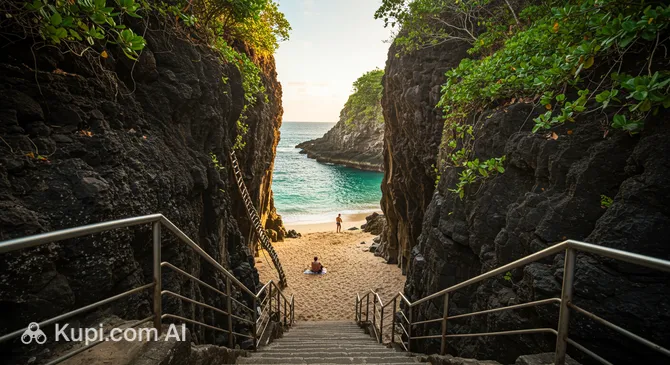
Imagine emerald islands lost in the vast waters of the Atlantic—this is what the Fernando de Noronha Conservation Area looks like. This unique volcanic archipelago is located about 350 kilometers off the coast of Brazil. Consisting of 21 islands, it is a true natural treasure where rugged cliffs meet white sands and turquoise waters.
Fernando de Noronha Environmental Protection Area. Illustration.
Source: Kupi.com AI
Traveler photos:
The main hub of life is the town of Fernando de Noronha, though most of the archipelago's territory is strictly protected by the state. In 2001, this location was granted UNESCO World Heritage status. It is more than just a resort; it is a vital scientific and ecological base, playing a key role in preserving the marine ecosystems of the South Atlantic.
Travelers are drawn here by the incredible biodiversity: from endemic bird species to a rich underwater world. The conservation area is famous for its strict visiting rules, which help maintain the pristine purity of the beaches and the safety of their inhabitants, making every visit a truly exclusive experience.
Contacts
To plan your trip and check the latest visiting rules for the reserve, we recommend using the official resources. Below are the main contact details for the conservation area.
The main magnet for visitors is the crystal-clear water, considered some of the best in the world for diving and snorkeling. Underwater, you can expect to encounter sea turtles, graceful rays, and schools of tropical fish, and if you're lucky, you might see dolphins and even whales in their natural habitat.
Beach lovers should head to the famous shores of Baia do Sancho and Baia dos Porcos, which regularly appear on lists of the world's most beautiful beaches. For those who prefer active recreation on land, scenic eco-trails lead to panoramic viewpoints and historical ruins.
Keep in mind that visiting requires a special environmental access card, which is valid for 10 days and costs about $65 for foreign tourists. These funds go toward maintaining the fragile natural balance of the islands. Evenings here are often spent birdwatching or enjoying marine fishing in designated areas.
Getting There
The journey to this secluded corner of the planet lies through the sky. The archipelago can be reached exclusively by air. Regular flights to the island depart from major Brazilian cities—Recife and Natal—with the flight over the Atlantic taking about an hour.
After landing at the local airport, getting around is simple: regular buses operate on the island, taxi services are available, and many visitors prefer to rent buggies. Most picturesque beaches and viewpoints can be reached on foot while enjoying the sea breeze.
It is important to remember that you must obtain a special access card for the national park before your trip. This can be done online or directly upon arrival. Note that the island's infrastructure is unique: many roads remain unpaved, preserving the pristine character of this protected area.
Nearest city: Fernando de Noronha
History & Facts
The history of this amazing place began in the early 16th century when the archipelago was first charted by European navigators. For a long time, the islands served as a strategic outpost in the Atlantic, changing hands between various colonial powers, which left behind ancient defensive forts whose ruins can still be seen today.
In the 20th century, the perception of the archipelago shifted: Brazil recognized its exceptional ecological value. In 1988, a national marine park was established here, marking a turning point for the preservation of local ecosystems. The status of a protected area helped safeguard the unique flora and fauna from the aggressive impact of civilization.
Global recognition came in 2001 when UNESCO added Fernando de Noronha to the World Heritage list. Experts noted the incredible biodiversity and the islands' key role in the reproduction of Atlantic marine life, calling them an "oasis of life" in open waters.
Time Needed
To do more than just see the sights and truly feel the rhythm of life in this protected archipelago, we recommend planning for at least 3–5 days. This timeframe allows you to visit the most beautiful bays, hike the main eco-trails, and set aside time for diving.
If you plan to take diving seriously or want to explore every remote corner of the islands, a week-long vacation would be the ideal option. There is no need to rush here—the atmosphere itself encourages leisurely contemplation of nature and the marine horizons.
Working Hours
The conservation area and national marine park welcome guests daily. However, access to certain beaches, such as the famous Atalaia Beach, or specific tourist routes may be limited by time or the number of visitors per day to minimize the environmental impact.
The operating hours of specific sites may vary depending on tides and weather conditions. We strongly recommend checking current information on the official website of the reserve or confirming details at the information center upon arrival at the archipelago.
Nearby
Exploring the surroundings beyond the main eco-trails will allow you to feel the island's atmosphere more deeply. Nearby locations offer both historical walks among ruins and cozy spots to relax after a full day at the beach.
Name
Distance
Forte do Boldró
0.5 km
Tamar Project Visitor Center (Fernando de Noronha)