Support

Fernando de Noronha

About

Welcome to Fernando de Noronha, a breathtaking volcanic archipelago located in the Atlantic Ocean that serves as a true sanctuary for nature lovers. Renowned for its undeveloped beaches, crystal-clear waters, and rich marine ecosystem, this destination offers an exclusive escape into pristine wilderness. Situated approximately 354 kilometers off the northeast coast of Brazil, the archipelago consists of 21 islands and islets, though only the main island is inhabited.

The region is famous for its tropical climate and stunning geological formations. Despite its global fame, the island maintains a peaceful atmosphere with a small population of approximately 3,500 residents. To preserve its delicate environment, the number of visitors is strictly limited, ensuring that the natural beauty remains unspoiled. The history of Fernando de Noronha is equally captivating, evolving from a strategic military outpost and prison to its current status as a protected national marine park.
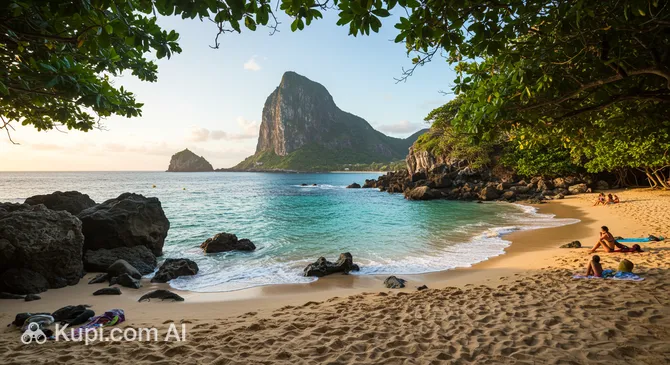
Fernando de Noronha. Source: Kupi.Binoculars

Travelers flock here to experience some of the best diving and snorkeling in the world. As a designated UNESCO World Heritage Site, the waters are teeming with life, including sea turtles, rays, and the famous spinner dolphins that can often be seen frolicking in the bays. Be sure to visit Baía do Sancho, frequently voted as one of the most beautiful beaches on the planet, where turquoise waters meet dramatic cliffs covered in lush vegetation.

Whether you are looking to explore vibrant coral reefs, hike along scenic trails, or simply relax on secluded sands, Fernando de Noronha promises an unforgettable adventure. It is a destination that truly embodies the concept of paradise, inviting you to disconnect from the world and reconnect with nature.
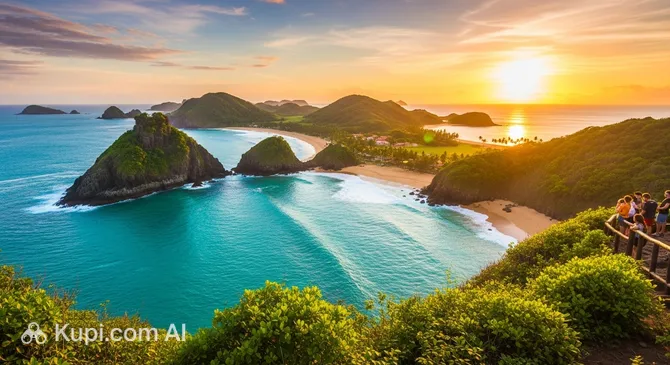
Weather Overview

The climate in this archipelago is distinctly tropical, ensuring warm and pleasant conditions for visitors year-round. Temperatures are remarkably stable, with average daily values consistently hovering between 25°C and 27°C. The warmest period typically occurs from March to May, where maximum temperatures can reach around 27.8°C, while August is generally the coolest month, though it remains mild with averages near 25.5°C.

Rainfall patterns vary significantly throughout the year, affecting the frequency of wet days rather than drastic temperature changes. Travelers should expect a wetter season during the first half of the year; for instance, April can see up to 28 wet days. In contrast, the months from September to November offer a drier experience, with November recording as few as 9 wet days. For a more comprehensive breakdown to help schedule your activities, you can consult the guide to the weather in Fernando de Noronha.

Interesting Facts

Beyond the postcard-perfect scenery and world-class diving spots, Fernando de Noronha holds intriguing secrets and administrative quirks that make it unique among Brazilian destinations. Here are some fascinating details that often surprise visitors:

  • No Childbirth Allowed: One of the most unusual facts about the island is that practically no one is "born" here anymore. Due to the lack of a fully equipped maternity ward for high-risk cases, expectant mothers are required to travel to the mainland, typically to Recife, to give birth, ensuring the safety of both mother and child.

  • A Unique Time Zone: The archipelago operates on its own time zone, known as Fernando de Noronha Time (FNT). It is one hour ahead of the official Brasília time, meaning visitors here are among the very first in the country to witness the sunrise each day.

  • One of the Shortest Highways: The island is home to the BR-363, which is roughly 7 kilometers long. It is widely famous for being the second-shortest federal highway in Brazil, connecting the harbor to the airport and cutting across the main inhabited areas.

  • A Shark Nursery: The protected waters of the Fernando de Noronha Marine National Park serve as a natural nursery for shark species, particularly lemon and nurse sharks. Despite their high concentration, incidents are extremely rare because the marine ecosystem is so balanced and well-preserved that the sharks do not see humans as food.

Fernando de Noronha Marine National Park. Source: Kupi.Binoculars

How to Get There

Since Fernando de Noronha is an archipelago located off the coast of Brazil, travel options are naturally limited to air and sea. The vast majority of visitors arrive by plane, as this is the fastest and most practical method. For a detailed breakdown of routes and travel tips, you can read more about how to get to Fernando de Noronha.

The islands are served by the Fernando De Noronha Airport (IATA: FEN), which is conveniently located on the main island itself. This facility primarily handles domestic flights connecting from major Brazilian cities such as Recife and Natal. Because the airport is situated just 1.2 km from the central area, the transfer to most accommodations is extremely quick. A taxi or shuttle ride typically takes around 20 minutes, including the time needed for luggage collection and exit procedures.

For clarity, here is a summary of the main airport:

Airport Name City Passenger Traffic Km from City
Fernando De Noronha Airport Fernando de Noronha Small 1.2

Given its oceanic location, Fernando de Noronha is not accessible by land transport. There are no railway stations or bus connections linking the archipelago to the mainland. While cruise ships occasionally stop at the island, flight remains the primary and most reliable means of entry for tourists.

Main Attractions

Fernando de Noronha is a paradise for nature enthusiasts, boasting some of the most spectacular landscapes and marine life in Brazil. The island's attractions range from pristine beaches tucked away between cliffs to historical fortifications that offer a glimpse into the archipelago's strategic past. Whether you are an avid diver, a surfer, or simply seeking tranquility, the variety of sights here is truly impressive.

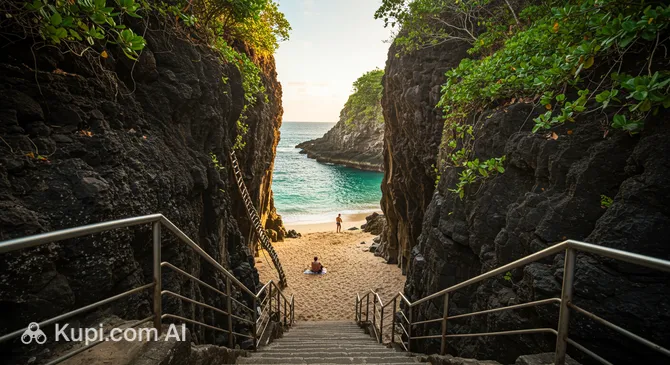
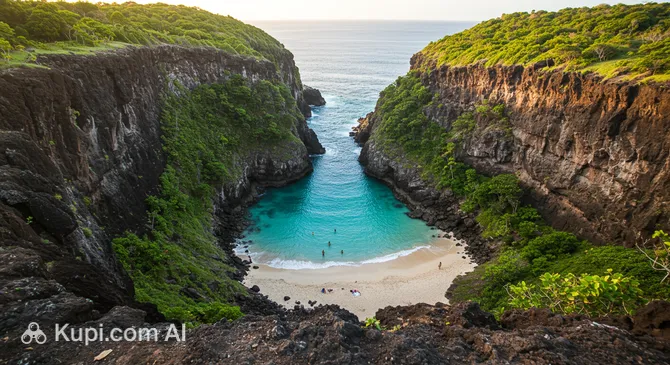
Widely considered one of the most beautiful beaches in the world, Baía do Sancho is an absolute must-visit. Access to this secluded haven is an adventure in itself, requiring visitors to climb down steep ladders through a rock crevice or arrive by boat. The effort is rewarded with golden sands and emerald waters that are perfect for snorkeling, offering high visibility and abundant marine life, including rays and turtles.

Baía do Sancho. Source: Kupi.Binoculars

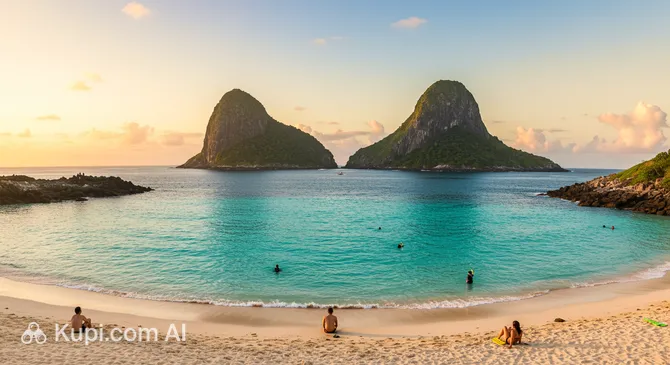
For those chasing waves and iconic views, Cacimba do Padre Beach is the place to be. This expansive stretch of sand is famous for its powerful surf, often hosting international championships. It is also home to the Morro Dois Irmãos (Two Brothers Hill), two identical rock formations rising from the water that have become the defining postcard image of Fernando de Noronha.

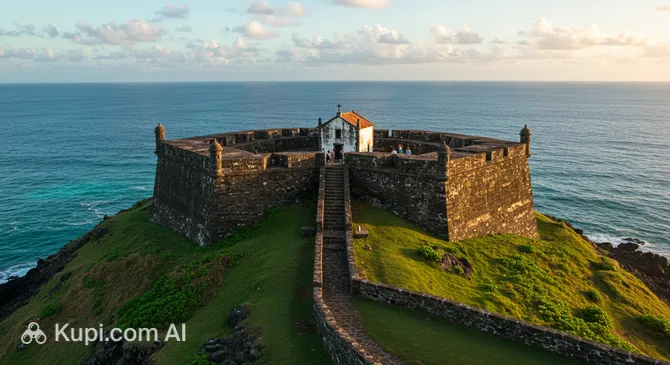
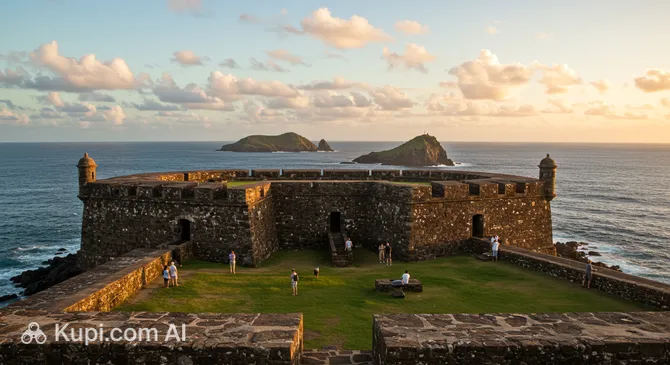
To connect with the island's history, a visit to the Fort of Our Lady of Remedies is essential. Built in the 18th century over the ruins of an old Dutch fortification, this site stands atop a hill overlooking the main village. While the structure itself is a fascinating ruin, the primary draw is the panoramic view it offers of the coastline, making it a popular spot to watch the sunset.

Fort of Our Lady of Remedies. Source: Kupi.Binoculars

Located conveniently close to the village of Vila dos Remédios, Praia do Cachorro is one of the most accessible and beloved beaches on the island. It is famous for the "Buraco do Galego," a deep natural rock pool that forms at low tide, allowing bathers to relax in calm, crystal-clear water. The beach has a lively atmosphere and serves as a great starting point for exploring the nearby coastline.

Local Cuisine

The culinary scene in Fernando de Noronha is a vibrant mix of fresh ingredients and Northeastern Brazilian traditions. Given its location in the middle of the Atlantic, it is no surprise that seafood dominates the local menus. Visitors can indulge in exquisite dishes featuring fish, shrimp, and octopus, often seasoned with coconut milk, dende oil, and tropical fruits that add a unique sweetness to savory plates.

One of the island's most curious delicacies is the "Tubalhau," a dumpling traditionally made from shark meat. While the island is a marine sanctuary, this dish remains a cultural symbol of the region's relationship with the sea. Beyond the exotic, you will find plenty of comfort food, including rich fish stews and tapioca crepes, ensuring that every meal is a memorable part of the travel experience.

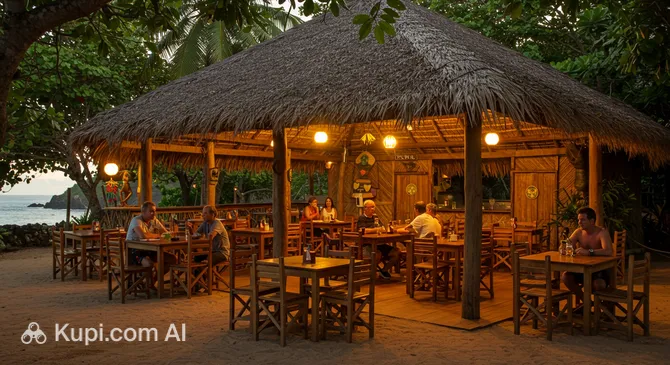
For a taste of contemporary island cuisine, Xica da Silva Restaurant is a renowned establishment. It is famous for its sophisticated yet rustic ambiance and dishes that highlight the best of local produce, such as their signature shrimp in pumpkin.

Xica da Silva Restaurant. Source: Kupi.Binoculars

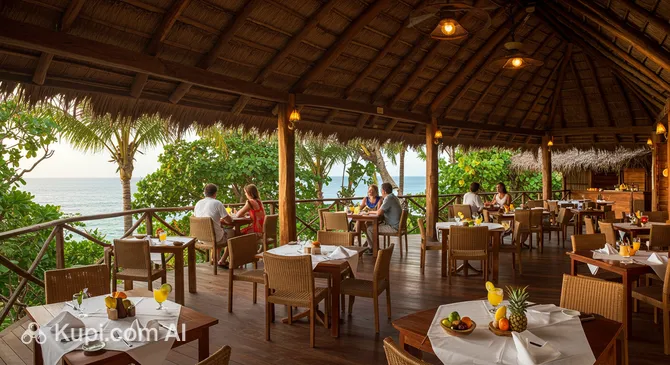
Another excellent option for dining with a view is the Varanda Noronha Restaurant. As the name suggests, its airy balcony offers a relaxing setting to enjoy hearty Brazilian meals. It is a favorite spot for visitors looking to unwind after a day of exploration while enjoying generous portions of high-quality seafood.

Varanda Noronha Restaurant. Source: Kupi.Binoculars

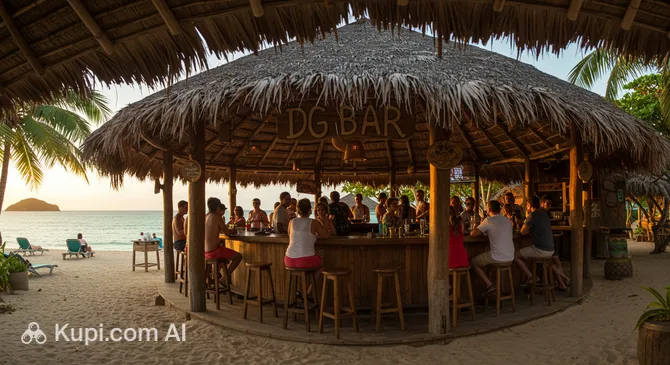
If you are looking for a lively atmosphere to enjoy drinks and light bites, the Dog Bar is the place to be. Located in the historic Vila dos Remédios, this eclectic spot is known for its artistic decor and creative snacks. It serves as a perfect hub for socializing, offering a mix of good music and refreshing cocktails.

Dog Bar. Source: Kupi.Binoculars

Travel Tips

Preparing for a trip to Fernando de Noronha requires a bit more foresight than the average beach holiday due to its remote location and strict environmental regulations. To help you navigate the logistics of this island paradise, here is a collection of essential tips for a smooth and hassle-free experience.

  1. Clothing and Gear: The climate is tropical and humid, so pack lightweight, breathable clothing and plenty of swimwear. Since reaching the most beautiful beaches often involves hiking down rocky paths or ladders, bring sturdy sandals or comfortable sneakers. A high-SPF, reef-safe sunscreen and a hat are mandatory, as the equatorial sun is very intense.

  2. Transportation: The most iconic way to explore the island is by renting a dune buggy, which handles the dirt roads perfectly. For a budget-friendly alternative, a reliable public bus runs frequently along the main highway (BR-363) connecting the port to the beach areas. Hitchhiking is also a common and safe practice here.

  3. Finances: The currency is the Brazilian Real (BRL). While most restaurants and inns accept credit cards, the island's internet connection can be unstable, causing card machines to fail. It is crucial to bring a sufficient amount of cash for daily expenses, as ATMs are scarce, frequently out of service, or run out of money.

  4. Health and Safety: Fernando de Noronha is very safe regarding crime, but you should be cautious with nature. There is a small public hospital for basic needs, but complex medical issues require evacuation to the mainland. Bring a personal first-aid kit and all necessary prescription medications, as the local pharmacy has limited stock.

  5. Communication: Portuguese is the main language. While tour guides and hotel staff usually speak English, it is less common in small shops, so having a translation app or knowing basic phrases like "Obrigado" (Thank you) is helpful. Be prepared for slow or non-existent Wi-Fi and mobile data; many visitors embrace this as a chance to digitally detox.

  6. Local Etiquette: The island vibe is extremely relaxed and welcoming. It is customary to greet locals with a friendly "Bom dia" (Good morning) or "Tudo bem?" (How are you?). The dress code is casual everywhere, so you will fit in perfectly wearing flip-flops to dinner.

  7. What to Avoid: Strict environmental laws protect this sanctuary. Never touch, chase, or feed marine wildlife such as sea turtles, sharks, or dolphins, and avoid standing on coral reefs. Additionally, do not attempt to take shells, rocks, or sand home as souvenirs; luggage is often scanned at the airport, and fines are heavy.

  8. Save Time at the Airport: All visitors must pay an Environmental Preservation Tax (TPA) based on the length of their stay. A great life hack is to pay this fee online through the official government website before your trip. This allows you to skip the long payment queue upon arrival and head straight to the beach.

By keeping these practical tips in mind, you can focus entirely on enjoying the breathtaking scenery and unique wildlife of the archipelago. Respect the local rules that keep this sanctuary pristine, and Fernando de Noronha will reward you with an unforgettable adventure.

Entertainment & Nightlife

Entertainment in Fernando de Noronha is less about bustling nightclubs and more about connecting with the island's natural rhythms. As the sun begins to dip, visitors and locals alike gather to witness one of the island's most spectacular daily events. The Forte do Boldró is widely considered the premier spot for this ritual. Perched atop a cliff, the ruins of this 18th-century fortification offer a commanding view of the ocean and the iconic Two Brothers (Morro Dois Irmãos) rock formations. The atmosphere here at dusk is magical, often accompanied by live music and a shared sense of awe as the sky turns fiery orange.

Forte do Boldró. Source: Kupi.Binoculars

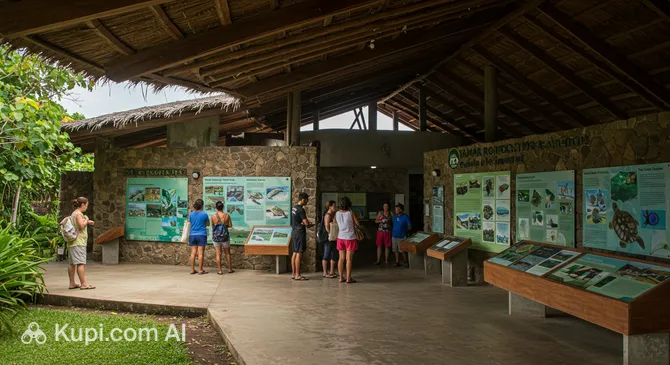
For a mix of education and evening activity, the Tamar Project Visitor Center (Fernando de Noronha) is a cultural hub. Dedicated to the conservation of sea turtles, the center hosts nightly lectures that are a staple of the island's social life. These engaging talks cover topics ranging from marine biology to shark behavior, providing visitors with a deeper understanding of the ecosystem they are exploring. It is also a great place to buy souvenirs that support conservation efforts and to learn about the turtles that nest on the island's shores.

Tamar Project Visitor Center (Fernando de Noronha). Source: Kupi.Binoculars

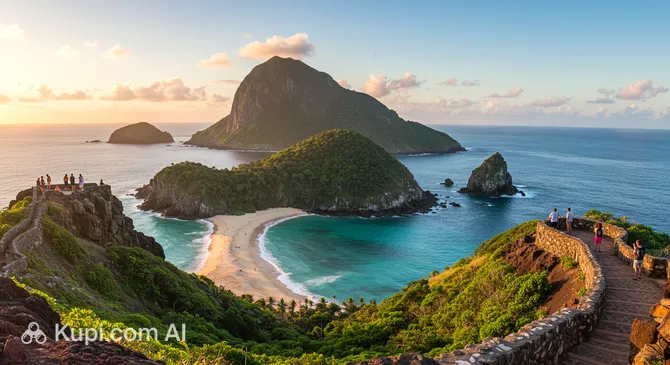
Those seeking a more rugged adventure during the day should head to Lion's Lookout Beach (Praia do Leão). Named after a rock formation that resembles a resting sea lion, this beach is located on the southeastern side of the island facing the open Atlantic. It is famous for its wild beauty and serves as the main nesting site for green turtles. While swimming requires caution due to strong currents, the landscape offers a dramatic backdrop for photography and contemplation, far removed from the more crowded areas.

Lion's Lookout Beach. Source: Kupi.Binoculars

Beyond specific sites, the entire archipelago is encompassed by the Fernando de Noronha Environmental Protection Area. This designation ensures that hiking and exploration are regulated to preserve the landscape. Walking along the ecological trails is a popular pastime, allowing tourists to spot endemic bird species and enjoy panoramic viewpoints. Whether you are trekking along the cliffs or simply enjoying the tranquility of the protected zones, the island offers endless opportunities to be entertained by the sheer power and beauty of nature.

Parks & Museums

Fernando de Noronha is essentially one vast ecological sanctuary, where the line between civilization and wilderness is beautifully blurred. The archipelago is divided into two main conservation units, ensuring that its lush landscapes and rich marine life remain protected for future generations. While the island is famous for its outdoors, it also offers insightful cultural venues that explain its complex history and ecological significance.

The crown jewel of the archipelago is the Fernando de Noronha Marine National Park. Covering approximately 70% of the main island and all the secondary islets, this park is a sanctuary for biodiversity. It is home to the most pristine beaches, such as Sancho and Leão, and offers a network of hiking trails. One of the most sought-after experiences here is the Atalaia trail, which leads to a natural pool teeming with marine life; however, access is strictly controlled to minimize environmental impact.

Complementing the national park is the Fernando de Noronha Environmental Protection Area. This zone encompasses the inhabited parts of the island, including the villages and the airport. It represents a unique model of coexistence where sustainable tourism meets daily life. Visitors can enjoy more accessible beaches and viewpoints here without the need for the specific National Park ticket, making it a perfect area for casual exploration and sunset watching.

Fernando de Noronha Environmental Protection Area. Source: Kupi.Binoculars

For those interested in the marine inhabitants of the island, the Shark Museum (Museu dos Tubarões) is a fascinating stop. Located near the port, this venue features an exhibition of shark jaws and educational panels that demystify these often-misunderstood predators. It plays a crucial role in educating tourists about the importance of sharks to the ocean's health, fitting perfectly with the island's conservationist ethos.

Another key educational hub is the Tamar Project Visitor Center (Fernando de Noronha). Acting as an open-air museum, it is dedicated to the preservation of sea turtles. The center features life-size replicas, informative displays about the turtles' life cycles, and tanks where visitors can sometimes see recuperating animals. It serves as the heart of environmental education on the island, connecting visitors with the research efforts taking place on the beaches.

To delve into the human history of the archipelago, a visit to the Memorial Noronhense is highly recommended. Located in the Vila dos Remédios, this small museum houses photographs, documents, and artifacts that tell the story of Noronha's past as a prison and a strategic military base. It provides essential context to the ruins and fortifications scattered across the island, transforming a scenic trip into a culturally enriching journey.

Insider Tip: Access to specific trails in the Marine National Park, such as the Atalaia, requires scheduling in advance at the ICMBio visitor center. Slots are free but extremely limited and vanish within minutes of opening, so be prepared to queue early in the morning to secure your spot.

Getting Around

Public transport in Fernando de Noronha is straightforward and specifically designed to serve the small population and visitors of this compact archipelago. Given the island's limited size and protected status, there are no complex rail networks, metros, or trams. Instead, the public transportation system relies entirely on a single, efficient bus route and a variety of road-based alternatives that make navigating the main island simple and stress-free.

The core of the public transport system is the local bus service, affectionately known by locals as the "ônibus." There is just one main line that traverses the island from end to end, connecting the Port of Santo Antônio to Sueste Beach. This route runs along the BR-363 highway, the island's primary artery, passing through key neighborhoods such as Vila dos Remédios, Vila do Trinta, and Floresta Nova. It is a reliable and budget-friendly way to reach many of the main beaches and trailheads without the need for a private vehicle.

Payment for the bus is simple and old-fashioned, requiring no travel cards, apps, or complex validation systems. Passengers pay the fare directly to the driver or conductor in cash upon boarding. The price is a fixed flat rate regardless of the distance traveled, making it very affordable. Tourists are strongly advised to carry small bills and coins in the local currency, as getting change for large banknotes can sometimes be difficult for the drivers.

The buses typically operate daily from early morning, around 7:00 AM, until late in the evening, approximately 11:00 PM. They run on a fairly regular schedule, usually passing every 30 minutes. Stops are clearly marked along the highway, often indicated by blue signs or small shelters. Since the island is small, the bus is never too far away, but patience is key as schedules can be somewhat flexible depending on the flow of passengers.

For those seeking more freedom or traveling at night when buses are less frequent, taxis are a popular alternative. Taxis on the island are regulated and safe, typically operating with fixed price tables rather than meters. Drivers carry a laminated chart listing the set fares between different points on the island, so you can confirm the cost of your ride before getting in. They can be hailed on the street, found at designated stands near the airport and town center, or called by phone/hotel reception.

The most iconic mode of transport for tourists, however, is the dune buggy. Renting a buggy is the preferred choice for many visitors as it offers the flexibility to explore dirt roads and secluded beaches that the public bus does not reach. While not "public" transport, it is the standard way to get around. Additionally, the island has a unique culture of "carona" (hitchhiking). It is considered very safe and common for locals and tourists to offer or accept rides, fostering a friendly community atmosphere. For shorter distances, renting an electric bicycle is becoming an increasingly popular, eco-friendly option to navigate the hilly terrain.

Accommodation

Accommodation in Fernando de Noronha is quite different from typical beach destinations. You will not find massive all-inclusive resorts or high-rise hotel chains here due to strict environmental protection laws. Instead, the island is characterized by its charming pousadas (inns), which range from simple, family-run guesthouses to sophisticated, eco-friendly boutique lodges. The atmosphere is intimate and rustic, with lodgings designed to blend seamlessly into the natural landscape.

The most convenient area to stay is undoubtedly Vila dos Remédios. As the historic center of the island, it places you within walking distance of many restaurants, shops, and accessible urban beaches like Praia do Cachorro. Staying here is ideal for travelers who want to be close to the action and minimize their reliance on taxis or buggies for evening activities.

Praia do Cachorro. Source: Kupi.Binoculars

Just across the main road from the center lies Floresta Nova, a residential neighborhood that offers a quieter atmosphere while remaining very central. For those willing to stay a bit further out in exchange for tranquility or potentially lower rates, Vila do Trinta and Vila do Boldró are excellent alternatives. These areas often provide a more local feel, though having a rented buggy or using the public bus becomes more necessary for getting around.

Travelers should be aware that accommodation prices in Fernando de Noronha are generally higher than on the Brazilian mainland. Options typically fall into three categories:

  • Home Stays (Pousadas Domiciliares): These are the most budget-friendly options, where locals rent out rooms in their homes. They are clean and hospitable but offer basic amenities.
  • Mid-Range Inns: These offer standard hotel comforts such as air conditioning, private bathrooms, and hearty breakfasts, striking a balance between comfort and cost.
  • Luxury Lodges (Pousadas de Charme): These top-tier accommodations feature premium services, infinity pools, and gourmet dining, often boasting spectacular ocean views and high levels of privacy.

Booking Tip: Since the number of tourists allowed on the island is strictly capped, rooms can sell out months in advance, particularly for the high season (December to March). It is essential to book your accommodation as soon as your flights are confirmed to ensure you find a place that suits your budget and preferences.

Nearby Cities

As an remote archipelago situated in the middle of the Atlantic Ocean, Fernando de Noronha is naturally isolated from the rest of Brazil. Unlike typical destinations, it has no bordering towns or immediate neighbors. The closest urban centers are located across the water on the mainland, roughly 370 to 400 kilometers away. These cities, primarily situated in the state of Rio Grande do Norte, serve as the nearest geographical points of contact and are essential for logistics and air travel connections.

The following table lists the closest cities on the continent, ordered by their distance from the island:

City Population Distance (km)
Natal 980,588 375
São Gonçalo do Amarante 87,668 387
Ceará-Mirim 68,141 388
Parnamirim 202,456 390
Macaíba 69,467 393

Among these, Natal is the most significant for visitors, serving as a major gateway with direct flights to the archipelago. Although Fernando de Noronha is politically part of the state of Pernambuco, its geographical proximity to the coastline of Rio Grande do Norte makes these mainland cities its closest neighbors in terms of straight-line distance.

Shopping & Souvenirs

Shopping in Fernando de Noronha is a modest and relaxed affair, mirroring the island's laid-back lifestyle. Visitors should not expect sprawling shopping centers, luxury fashion houses, or extensive duty-free zones. Instead, the retail scene consists of small, charming boutiques and local vendors offering beach essentials, handicrafts, and unique souvenirs. Due to the logistical challenges of transporting goods to the remote archipelago, prices for imported items, sunscreen, and even basic necessities tend to be significantly higher than on the Brazilian mainland.

The primary hub for commerce is Vila dos Remédios, the island's historic center. Here, tourists can stroll through the quiet streets and find a selection of shops selling swimwear, resort attire, and accessories perfect for the tropical climate. This area is also where you will find the highest concentration of services, including pharmacies and small convenience stores, making it the most convenient spot to pick up supplies before heading to the beaches.

It is important to note that there are **no shopping malls** on the island. The commercial landscape is characterized by standalone shops and small galleries rather than large department stores. This absence of heavy commercialization helps preserve the rustic charm of the destination, ensuring that the breathtaking nature remains the main attraction for all who visit.

While there isn't a large central market, visitors can often find local artisans displaying their work in the main squares or near popular tourist sites. These small stalls are excellent for finding unique, handmade jewelry and wood carvings that reflect the island's marine culture. For food and daily supplies, there are a few small supermarkets, often referred to as "mercados," scattered across the inhabited areas like Vila do Trinta and Floresta Nova, though the variety of fresh produce can vary depending on the arrival of supply ships.

One of the best places to buy meaningful gifts is the shop at the Tamar Project Visitor Center (Fernando de Noronha). Proceeds from purchases here, which range from plush turtles to branded apparel and eco-friendly accessories, go directly towards marine conservation efforts. Other popular souvenirs include locally produced crafts, "I Love Noronha" t-shirts, and artisanal jewelry made from natural materials like seeds and coconut shells.

Most shops operate from around 9:00 AM to 7:00 PM, though some may close for a lunch break in the afternoon or have shorter hours on Sundays. When it comes to payment, carrying cash (Brazilian Reals) is highly recommended. While many establishments accept credit and debit cards, the island's internet connection is notoriously unstable, leading to frequent failures in card terminals. Having cash on hand ensures you won't be caught out when buying gifts or water.

There is no tax-free shopping or VAT refund scheme available for tourists in Fernando de Noronha. All prices displayed are final, and given the high cost of doing business on the island, bargaining is not a common practice in established stores.

Reached the end of the page?

That means the route is fully explored