Support

Francisco Beltrao

About

Francisco Beltrão is an important center in the southwestern part of the state of Paraná, combining the dynamics of a modern city with the coziness of the Brazilian hinterland. Located in a picturesque area, this city attracts travelers looking to experience the authentic, non-touristy side of a vibrant country like Brazil. With a population of about 79,000, it is large enough to offer guests developed infrastructure and comfort, yet it retains a quiet and friendly atmosphere.

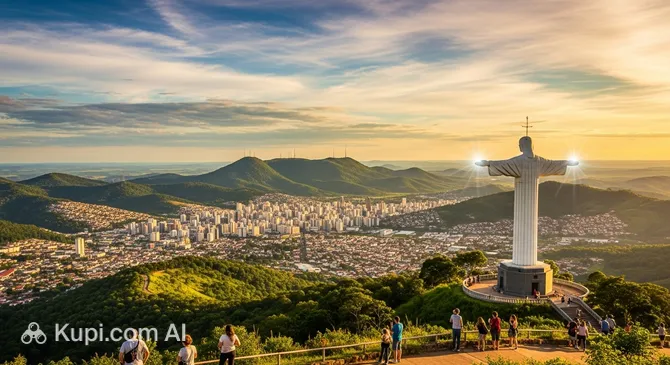
Francisco Beltrao. Illustration.
Source: Kupi.com AI

The architectural highlight and pride of the local residents is the majestic Nossa Senhora da Glória Concathedral. Its tall tower with an observation deck offers a stunning panorama of the city blocks and the surrounding area. Walking through the center, you can notice how the history of Francisco Beltrão is harmoniously interwoven with modernity. Another iconic point of attraction is the statue of Christ the Redeemer on Morro do Calvário, reached by a scenic path popular with both pilgrims and tourists.

The city is also famous for its well-maintained green zones. Alvorada Park is a favorite spot for walking, picnics, and relaxing by the lake, where you can enjoy the fresh air and silence. Francisco Beltrão is definitely worth a visit if you are looking for harmony between the urban environment and nature, as well as a desire to feel the warm hospitality of the south of the country.

Weather Overview

The climate of Francisco Beltrão can be characterized as comfortable subtropical, with clearly defined seasonal changes. Summer here is generally warm: in January, the average temperature is about 23.7°C, and during the day, the air often warms up to 28.0°C. During this period, the highest amount of precipitation is observed—rain can occur up to 19 days a month, which should be considered when planning your trip.

Winter brings noticeable coolness, but severe cold is rare. The coolest month is July, with an average temperature of 15.6°C and nighttime lows reaching 10.4°C. At this time of year, there is less precipitation, especially in July and August. If you want to know what weather in Francisco Beltrão is expected for the dates of your visit, we recommend checking the current forecast.

Spring and autumn delight with moderate warmth: in April and October, average temperatures stay around 20–21°C. October, however, can be quite rainy, with up to 16 days of precipitation. Expect a warm summer with frequent rains and cool, drier winters, which allows you to enjoy your trip at any time of year with a properly selected wardrobe.

Average monthly temperature

Average monthly precipitation

Interesting Facts

Beyond its main attractions, Francisco Beltrão holds many fascinating secrets that reveal themselves only to the most curious travelers. This city surprises not only with its landscapes but also with unusual stories hidden behind the facades of buildings and street names.

  • Brazilian "Big Ben": The majestic 100-meter cathedral tower (Torre da Concatedral) is famous for more than just its height and observation deck. Its electronic bell is programmed to exactly replicate the chimes of London's famous Big Ben, creating an unexpected acoustic atmosphere in the heart of this Brazilian city.

  • A Church Made of 30,000 Stones: In the Industrial district, you'll find the unique Santa Catarina Chapel, which locals call the "Stone Church." It is built from 30,000 pieces of basalt; interestingly, this material was not sourced locally—the heavy stones, weighing up to 40 kg each, were specifically brought in from the neighboring state of Rio Grande do Sul.

  • A "Ducky" Past: The settlement was originally named "Vila Marrecas" due to the abundance of wild ducks (marrecas) on the local river. The city received its current name in honor of engineer Francisco Gutierrez Beltrão, who designed the region's road network, though ironically, he never lived in the city itself.

  • Legendary Unity: The city is proud of a historical event in 1957 known as the "Settlers' Revolt" (Revolta dos Posseiros). This is a rare example for the region where thousands of local residents united and peacefully defended their land rights against large companies, which permanently tempered the character of the townspeople and became an important part of local folklore.

How to Get There

When planning a trip to this picturesque region of Brazil, it is worth thinking about logistics in advance. For a comfortable arrival in Francisco Beltrão, travelers most often choose to fly into one of the major regional air hubs located nearby and complete the final leg of the journey by land. You can find out more about how to get to Francisco Beltrão by studying the optimal connections and routes.

One of the most convenient options for landing is Chapecó Airport (IATA: XAP), located in the neighboring state of Santa Catarina. Chapecó Airport is located about 123 km from the city and serves as an important transport hub for domestic flights. A trip from the terminal to Francisco Beltrão by rental car or taxi takes about 2–2.5 hours and allows you to enjoy the beauty of the local landscapes.

Another popular choice is Cascavel Airport (IATA: CAC), which is approximately 128 km from the city. Cascavel Airport regularly receives flights from the country's major metropolises, providing a stable connection to the region. The drive by car or bus from here takes about 2.5–3 hours via high-quality Paraná state highways.

For those who want to combine the trip with a visit to the famous waterfalls, arriving via Cataratas Airport (IATA: IGU) in Foz do Iguaçu is an excellent solution. This international hub is located 153 km from the destination. Cataratas Airport has a developed infrastructure and welcomes many tourists. The transfer will take a bit longer, about 3.5–4 hours, but this is compensated by the opportunity to see one of the main natural attractions of the continent.

Below is a summary of the nearest airports that are convenient for a trip to Francisco Beltrão:

AirportPassenger trafficDistance
Chapeco Airport617 000123 km
Cascavel Airport408 000128 km
Cataratas del Iguazu International Airport1.6 mln147 km
Cataratas International Airport2.1 mln153 km
Alejo Garcia Airport41 512193 km

Main Attractions

Despite its status as a provincial city, Francisco Beltrão has several iconic sites that allow for a deeper understanding of the culture and lifestyle of this region. The main attractions here are linked to religious history, the beauty of the local nature, and the memory of the first settlers, creating an interesting itinerary for the traveler.

Nossa Senhora da Glória Concathedral is the unquestionable symbol of the city and a landmark visible from almost anywhere. This is not just a church, but an impressive architectural monument with a 100-meter-high tower. Tourists should climb to the observation deck, located at a height of about 75 meters, which offers a breathtaking 360-degree panorama of the city blocks and green surroundings. The view is especially impressive in clear weather when you can truly appreciate the scale of the city.

For lovers of quiet outdoor relaxation, a visit to Alvorada Park is a must. This is Francisco Beltrão's main recreational area, featuring a large artificial lake surrounded by shaded paths and well-kept lawns. Here, you can not only take a stroll or have a picnic but also observe the local fauna—waterfowl are often found in the park, creating an atmosphere of connection with nature right within the city limits.

To touch the region's past, visit the Museum of Colonization, located within the Jaime Canet Júnior Exhibition Park. The exhibition is housed in a traditional wooden house and stores everyday objects, tools, furniture, and photographs of the first residents who developed these lands. This place provides a vivid representation of the challenges and achievements of the era that shaped the modern look of southwest Paraná.

You can conclude your tour with an ascent to Morro do Calvário. At the top of this hill stands a statue of Christ the Redeemer, reached by a scenic path often used by pilgrims during religious holidays. This spot attracts tourists not only for its sacred significance but also for the opportunity to see the city from a different perspective, especially during sunset when the valley is painted in soft golden tones.

Local Cuisine

The gastronomic scene in Francisco Beltrão is a vivid reflection of the region's multicultural history, where the traditions of Brazilian gauchos are harmoniously intertwined with the heritage of Italian and German settlers. The food here is hearty, soulful, and usually served in generous portions, making an introduction to the local cuisine a real treat for food lovers.

The main dish, without which it's impossible to imagine the south of the country, is churrasco (barbecue). In local steakhouses, meat is prepared masterfully, but the region's particular pride is the "costela fogo de chão"—beef ribs that are slow-roasted over an open fire for many hours until the meat begins to fall off the bone. Another important menu item, recalling the Italian roots of many residents, is galeto—juicy grilled spring chicken, traditionally served with fried polenta, homemade pasta, and a radicchio salad with bacon.

Among drinks, chimarrão is the unquestionable symbol of local hospitality. This hot, tonifying infusion of yerba mate is drunk from a special gourd (calabash) through a metal straw (bombilha). You will often see locals with thermoses in parks and squares—it is an important social ritual. Among cold drinks, fresh tropical fruit juices are popular, as is the classic caipirinha. Also, the craft brewing culture is actively developing in the state of Paraná, so it's worth trying the local beers.

The dining culture in the city is very democratic. At lunchtime, "comida por quilo" (food by the kilo) restaurants are most popular, where for a fixed price per gram you can try dozens of different dishes, from salads to feijoada. In the evening, the epicenters of life become the churrascarias, operating on the "rodízio" system (unlimited meat service to the table), and cozy cafes where coffee is served with cuca—a traditional German cake with fruit filling and a sweet crumble topping.

Travel Tips

Welcome to Francisco Beltrão! To ensure your trip to this cozy and hospitable corner of Brazil is as comfortable as possible, we have prepared a list of useful recommendations. This city is known for its quiet pace of life and high level of safety; however, knowing the local specifics will help you adapt faster and avoid minor inconveniences.

  1. Clothing and Seasonality: The weather here is changeable, so the principle of layering your clothes is your best friend. In summer (December-February), it is hot and humid; be sure to bring light clothes, sunscreen, and an umbrella—tropical downpours occur frequently. In winter (June-August), the temperature can drop to +10°C or lower, so a warm sweater or light jacket will be necessary. For walks in Alvorada Park and the climb to the statue of Christ, choose comfortable closed-toe shoes.

  2. Transport: Public transport consists of buses, but their schedule can be complicated for a tourist. The most convenient way to get around the city is by using taxi apps (such as Uber or 99), which work reliably and are inexpensive. If you plan to visit neighboring waterfalls or regional attractions, renting a car is the best solution.

  3. Finances: The currency is the Brazilian real (BRL). Bank cards (Visa, Mastercard) are accepted almost everywhere, including small cafes and shops. However, it's still worth having some cash for buying souvenirs at fairs or paying for small services. Tips in restaurants (10%) are usually already included in the bill as a "taxa de serviço"; leaving extra money is not mandatory but appreciated.

  4. Health and Safety: Francisco Beltrão is considered a safe city, and you can comfortably walk in the center even in the evening. Nevertheless, observe basic precautions and do not leave your belongings unattended. It is not recommended to drink tap water—buy bottled water instead. Pharmacies (Farmácias) are frequent, and there are 24-hour points in the center.

  5. Communication: The main language is Portuguese. Few people here know English, so download an offline translator to your smartphone. For staying connected, it is better to buy a local SIM card (operators Vivo, TIM, or Claro); this can be done at mobile phone stores or some pharmacies (a passport is required). Wi-Fi is available in most hotels and restaurants.

  6. Local Etiquette: People in the south of the country are very friendly and tactile. When meeting, it is customary to shake hands, and women may exchange a symbolic kiss on the cheek. A universal gesture of approval and gratitude is a thumbs-up (joinha); use it freely, it always brings a smile.

  7. What to Avoid: Be careful with the "OK" gesture (a ring made of the thumb and index finger)—in this region, it is considered an offensive equivalent of the middle finger. Also, avoid discussing club football with fanatical locals unless you understand the subject deeply—it is almost a religion here.

  8. Local Advice: If you are invited to drink chimarrão (traditional mate tea), never touch the metal straw (bombilha) with your hands and do not try to adjust it—this is considered a serious breach of etiquette. Simply drink the beverage until you hear the characteristic gurgling sound and pass the calabash back to the host.

Francisco Beltrão charms with its simplicity and soulfulness. By following these simple tips, you can easily find common ground with the locals and enjoy the atmosphere of the authentic hinterland without any extra worries. We wish you an unforgettable journey!

Entertainment & Nightlife

The nightlife in Francisco Beltrão is a pleasant discovery for those who expect only peace and quiet from a small city. Thanks to the presence of universities and an active youth population, a lively and friendly evening leisure culture has formed here. Traveling through Brazil, you will notice that even far from the megacities, the cities do not sleep when the sun goes down: the central streets fill with music, the aromas of local cuisine, and the clinking of glasses.

The epicenter of evening activity is traditionally the City Center (Centro), especially the area around the main square and Rua Ponta Grossa. Most establishments are concentrated here and on the neighboring avenues (for example, Avenida Júlio Assis Cavalheiro). The crowd is very diverse, ranging from students to families. The dress code in most places is casual, so jeans and a t-shirt will be appropriate almost everywhere.

Fans of live music and quality brews should definitely check out Formosa Pub. This establishment has earned an excellent reputation for its interior, wide selection of craft beers, and regular performances by local rock groups and cover bands. If you prefer more open spaces, you can find bars in the center with summer terraces, perfect for warm evenings.

Those who prefer the atmosphere of a classic pub with the opportunity to play billiards will like Havana's Snooker Bar. Groups often gather here to watch football matches or simply chat in a relaxed setting over a game of snooker. Prices in Francisco Beltrão's establishments are pleasantly surprising compared to large tourist centers, and the average check for dinner with drinks is quite affordable.

In terms of safety, nighttime walks in the city center are generally not a cause for concern, as the streets are well-lit and patrolled. However, to return to your hotel late at night, it is better to use a taxi or popular apps (Uber, 99), which work reliably here. This will save you from having to navigate unfamiliar neighborhoods on your own.

While the nightlife is bustling, daytime entertainment also deserves attention. Culture lovers should check the schedule at Espaço da Arte, the city's main theater and cultural center, which frequently hosts plays and concerts. For a quiet daytime break, Parque Ambiental Irmão Cirilo (Irmão Cirilo Environmental Park) is perfect, offering forest trails where you can rest from the city's hustle and bustle before a busy evening.

Parks & Museums

Francisco Beltrão is a city where the urban landscape harmoniously coexists with the rich nature of Paraná state. For tourists, this opens up great opportunities: here you can not only immerse yourself in the region's history by visiting museums but also escape the hustle and bustle in well-kept parks that locals take great pride in.

Among the green zones, the undisputed leader is Alvorada Park (Parque Alvorada). These are the true "lungs" of the city and a hub for everyone who loves active recreation. A huge artificial lake, surrounded by running and cycling paths, creates ideal conditions for morning jogs or leisurely evening walks. There are many shade trees to hide under from the Brazilian sun, and well-equipped playgrounds and fitness areas make the park a popular spot for families.

For those seeking a closer connection with wilderness, Parque Ambiental Irmão Cirilo (Irmão Cirilo Environmental Park) is of interest. This protected corner allows you to see the vegetation characteristic of the region, including the majestic Araucaria trees—the symbol of the state. The park offers several ecological trails passing through the forest, where you can encounter small wild animals and observe birds in their natural habitat.

The cultural life of the city is closely linked to the memory of the pioneers. The main guardian of history is the Museum of Colonization (Museu da Colonização), located within the Jaime Canet Júnior Exhibition Park. The museum building itself is a historical exhibit—a typical wooden house of the first settlers. Inside is an impressive collection of everyday objects, photographs, and documents telling of the difficulties of developing these lands and the famous "Settlers' Revolt" of 1957.

Another unique institution is the Ecomuseu Jorge Baleeiro de Lacerda (Jorge Baleeiro de Lacerda Ecomuseum). This museum focuses on environmental education and the preservation of water resources, which is extremely important for a region rich in rivers. Interactive exhibits and educational programs make it interesting not only for adults but also for young travelers wanting to learn more about the interaction between humans and nature.

In terms of architecture and symbolism, the complex on the Morro do Calvário hill is noteworthy. Although this place primarily has religious significance due to the statue of Christ and the chapel, it also functions as an excellent observation deck and park area. Climbing up here is a ritual that allows you to enjoy the silence and panoramic views of the city, which are especially beautiful in the hours before sunset.

Insider Tip: If you find yourself in Alvorada Park on a weekend evening, look for local families with thermoses. This is the best time and place to see the real culture of mate (chimarrão) consumption and perhaps start a conversation with friendly locals who are often willing to share their favorite drink with tourists.

Getting Around

The transport system in Francisco Beltrão is quite simple and logical, perfectly matching the steady pace of life in this Brazilian city. Since the city is relatively small, there is no subway, tram, or trolleybus system. The main and only form of public transport is city buses, which connect the center with residential areas and the outskirts.

The bus network covers the main routes a tourist might need. Most lines converge at the central terminal (Terminal Urbano), located in the very heart of the city. This is a convenient starting point for any trip. Buses are generally clean and safe. The schedule is adhered to fairly strictly, but intervals between trips may increase on weekends and holidays, which should be considered when planning your day.

The fare payment system is very guest-friendly. While locals use refillable electronic cards, there is no need for a tourist to get a pass for just a few trips. You can pay the fare in cash (reais) directly upon entering the bus. Usually, the conductor or driver accepts the money. It is recommended to have small bills on hand, as change for large banknotes may not be available.

The most popular and comfortable alternative to buses are taxis and ride-hailing apps. Popular apps like Uber and 99 work reliably in Francisco Beltrão. This is the most convenient option for travelers who do not speak Portuguese: the trip cost is known in advance, and the payment is charged to a linked card. Cars arrive quickly, and trip prices across the city remain very affordable.

For those planning to explore not only the city streets but also the picturesque surroundings of the region, renting a car is an excellent solution. Rental points are available in the city, but it's better to book a car in advance. The roads in the center are in good condition, and navigation is intuitive. Additionally, the central part of the city is compact enough for walking tours, which allow for a better view of the architecture and a chance to soak up the local atmosphere.

Accommodation

The hospitality infrastructure in Francisco Beltrão is primarily focused on practicality and home-like comfort. Travelers should not expect pompous luxury or giant resort complexes here; however, the city is ready to offer a decent choice of accommodations that meet the quality standards common in a country like Brazil. The core of the hotel stock consists of reliable mid-range business hotels and traditional small guesthouses—pousadas—where guests are greeted with sincere warmth.

A strategically sound decision for most tourists is to stay in the City Center (Centro). By choosing a hotel in this area, you will be at the epicenter of city life: the main architectural landmark—Nossa Senhora da Glória Cathedral—as well as the best restaurants and shops will be within walking distance. This is an ideal option for those traveling without a car, as the main locations are compactly situated. If you are looking for privacy and quiet, consider accommodation options in the residential neighborhoods adjacent to Alvorada Park.

The pricing policy of local hotels will be a pleasant surprise with its affordability compared to popular coastal tourist destinations or large metropolises. Even in budget options, the price almost always includes a traditional breakfast—a generous buffet with fresh tropical fruits, juices, cold cuts, and the famous cheese bread (pão de queijo). Apartment rentals are also gaining popularity in the city, which is convenient for longer stays.

Booking Tip: During normal times of the year, you can find a free room even on the day of arrival. However, the situation changes drastically during major events, such as the Expobel agricultural fair, or during religious holidays. During these periods, the demand for housing rises sharply, so we strongly recommend booking rooms in advance—at least 3–4 weeks before your planned trip.

Nearby Cities

For those who want to explore the surrounding area, Francisco Beltrão serves as an excellent starting point for day trips to several interesting nearby places. The southwest region of Paraná state is characterized by a high density of small but unique towns, each of which can offer the traveler something special.

The nearest large neighbor is Pato Branco, located less than an hour's drive away. This is the technological capital of the region, where it's worth heading for more intense urban leisure, shopping, and to see modern architecture. Lovers of quieter outdoor relaxation will enjoy Dois Vizinhos. The city is famous for its Lago Dourado (Golden Lake), which is an ideal place for picnics and evening walks.

If you are interested in ecotourism and water landscapes, pay attention to the city of Capanema. It is located near the border with Argentina and offers picturesque views of the Iguazu River, as well as opportunities for active outdoor recreation. Below is information about the nearest settlements that are convenient for a day visit.

CityPopulationDistance
Marmeleiro13 9008 km
Sao Lourenco do Oeste21 79236 km
Dois Vizinhos41 03837 km
Pato Branco79 01142 km
Sao Jorge d'Oeste9 02844 km

These nearby destinations provide an insight into the diverse culture and landscapes of the region.

Shopping & Souvenirs

Shopping in Francisco Beltrão is more practical and local than entertainment-oriented. As an important commercial hub in southwest Paraná, the city offers an excellent selection of everyday goods, clothing, and electronics. You won't find luxury boutiques of international brands here, but you can appreciate quality products from regional manufacturers and the cozy trading atmosphere characteristic of inland Brazil.

The heart of the city's commercial life is the Center (Centro). The main activity is concentrated around the main square (Calçadão) and adjacent streets. Avenida Júlio Assis Cavalheiro is the main shopping artery, home to stores selling clothes, shoes, cosmetics, and appliances. A walk down this street allows you to combine shopping with viewing urban architecture and visiting cafes. National retail chains and private shops with affordable prices predominate here.

For those who prefer comfortable shopping under one roof, the main attraction is Shopping Aquárius. Although it is smaller than the giant malls of the metropolises, this shopping center serves an important function in the city. Here you can find fashion stores, accessories, a food court, and a cinema. It is a popular meeting place for locals where you can escape the heat or rain and make necessary purchases in a relaxed setting.

Local markets and fairs reflecting the agricultural power of the region deserve special attention. Be sure to visit the Farmer's Market (Feira do Produtor), which usually operates in the mornings on specific days of the week (most often Wednesdays and Saturdays). This is the best place to buy the freshest fruits, vegetables, homemade pastries, and so-called "colonial products" (produtos coloniais)—cheeses, salami, jams, and wine produced by descendants of European immigrants according to old recipes.

As souvenirs from Francisco Beltrão, it is worth bringing back items related to the gaucho culture, which is very strong here. An excellent gift would be a set for preparing mate: a cuia (traditional gourd bowl) and a bombilha (metal straw). Items made of genuine leather, wooden handicrafts, and, of course, gastronomic souvenirs—local honey, craft beer, or a pack of quality locally produced yerba mate—are also popular.

Most shops operate Monday to Friday from 09:00 to 18:00, often with a lunch break. On Saturday, trading usually goes until 12:00 or 13:00, although large supermarkets and the shopping center are open longer. Credit and debit cards (Visa, Mastercard) are accepted almost everywhere, as is the country's popular instant payment system, Pix. Cash may only be needed at small street fairs or when buying souvenirs from artisans.

The Tax-Free system for foreign tourists is not widespread in this region. Shops in Francisco Beltrão generally do not process VAT refund documents, so you should not count on this option when planning your budget. Prices here are often already lower than in major coastal tourist centers.
Nearby cities

Reached the end of the page?

That means the route is fully explored