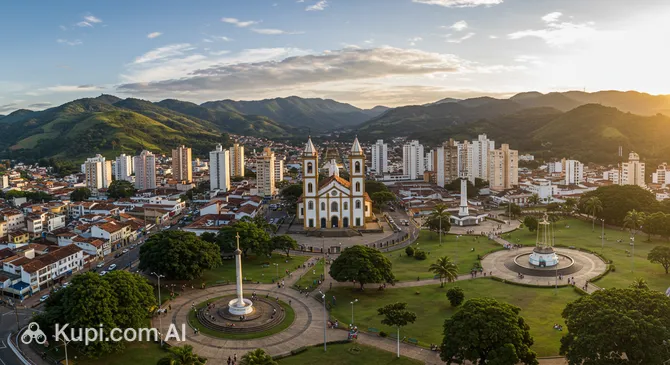
Gravataí is a dynamically developing city in the state of Rio Grande do Sul, located in southern Brazil. Despite its industrial status, the city maintains the atmosphere of a cozy suburb, being situated just 23 kilometers from the regional capital, Porto Alegre. It is home to more than 255,000 people, and the city's modern appearance blends harmoniously with its rich past.
Gravataí. Illustration.
Source: Kupi.com AI
Delving into the historical heritage of the city, one can learn that it originated in 1763 as a settlement of the Guarani Indians. Today, Gravataí is primarily known as a major industrial center, home to one of the country's key automotive clusters. This makes it an important economic hub, attracting specialists and business travelers from all over South America.
For tourists, the city offers a peaceful getaway from the capital's hustle and bustle, a chance to experience local culture at annual festivals, and historical churches to visit. Gravataí serves as an excellent starting point for those who want to explore the southern states of the country, enjoy traditional hospitality, and see "working" Brazil without embellishment.
Weather Overview
Gravataí is located in a humid subtropical climate zone, which is characteristic of southern Brazil. The weather here is marked by distinct seasonality: summers are usually hot and humid, while winters are mild but can sometimes be quite cool due to winds from the south. Precipitation is distributed relatively evenly throughout the year, although the peak rainfall often occurs in September and the spring months.
The summer period, lasting from December to March, is characterized by average temperatures around +25°C, with daytime highs often reaching +30°C and above. In winter, in July and August, the thermometer averages around +15°C, but nighttime temperatures can drop to +10°C. If you want to know the current forecast, it's worth checking the city climate in advance before your trip.
Thanks to the flat terrain, the weather in Gravataí depends largely on the proximity of the river and oceanic air masses. Summer is a great time to visit local festivals, while the mild spring and autumn are ideal for tours of industrial complexes and walks to natural attractions such as Itacolomi Hill.
Average monthly temperature
Average monthly precipitation
Interesting Facts
Gravataí is a city with a surprising history and unique industrial significance, hiding many curious details.
Indian Heritage: The city was founded in 1763 as a settlement of the Guarani Indians called Aldeia de Nossa Senhora dos Anjos, making it one of the oldest settlements in the region.
Automotive Capital: It is home to one of the most modern automotive plants in South America, owned by General Motors, which has turned the city into a vital industrial hub.
Floral Symbol: Gravataí is famous for its Bromeliad Festival — these exotic plants are a true symbol of local natural diversity.
Sporting Spirit: The city annually hosts participants of the International Cycling Tour (Volta Ciclística Internacional de Gravataí), attracting professional racers from all over the world.
Mysterious Airport: Despite having an international IATA code (GCV), the local airfield is used almost exclusively for private flights and industrial needs.
How to Get There
The accessibility of Gravataí is due to its advantageous position within the Greater Porto Alegre metropolitan area. The city is crossed by important federal and regional highways, such as BR-116 and RS-118. A car trip from the state capital usually takes 30 to 50 minutes, though it is worth noting that traffic jams often occur during peak hours due to heavy industrial traffic.
For air travelers, the main gateway to the region is the Salgado Filho International Airport (POA) in Porto Alegre, located about 25–30 km away. From there, Gravataí can be reached by taxi, Uber, or intercity buses that depart from the Rodoviária terminal every 15–30 minutes. Detailed information on routes and schedules can be found on the page describing how to get to the city.
There is no classic passenger rail service in the city itself, so the main emphasis is on an extensive network of bus routes. Comfortable buses connect Gravataí not only with its immediate neighbors but also with more distant cities in the state of Rio Grande do Sul.
Station
Passenger traffic
Distance
2
18 km
2
18 km
Luiz Pasteur station
1
20 km
Sítio Ferroviário de Caxias do Sul
1
87 km
1
241 km
Main Attractions
While Gravataí is primarily known as an industrial center, it hides several interesting locations for those who appreciate history and nature. One of the main architectural landmarks of the city is the Igreja Matriz Nossa Senhora dos Anjos. This majestic building, highly rated by visitors, reflects the region's colonial past and serves as the spiritual heart of the local community.
Nature lovers and outdoor enthusiasts should check out Morro Itacolomi. This is a popular spot for short hikes, offering panoramic views of the surroundings from its summit. Also nearby is the Cascatinha Mato Fino waterfall — a picturesque corner where you can take a break from the city noise and enjoy the cool water on a hot day.
For a deeper immersion into local culture, we recommend visiting the Agostinho Martha Municipal Museum. Its exhibits are dedicated to the history of the land's development and the lives of the first Guarani settlers. The museum is located in a historical building and carefully preserves artifacts that tell the story of the transformation of a small village into a powerful modern municipality.
Local Cuisine
The gastronomy of Gravataí is a vivid reflection of the traditions of Rio Grande do Sul, where the cult of meat is paramount. The main dish here is undoubtedly churrasco (Brazilian barbecue). Be sure to visit local grill bars, such as Toscana Galeteria, where tender meat cooked over charcoal is served accompanied by fresh salads and traditional farofa.
In addition to meat delicacies, Italian and German cuisine is popular in the city—a legacy of European migrants. In establishments like Armazem Scottino or Rodapizza, you can enjoy excellent pizza and pasta. For lunch, locals often choose "buffet" or "al peso" (pay by weight) restaurants, such as Al Peso, which offers a huge selection of dishes ranging from feijoada to fresh fish.
Among drinks in Gravataí, as in all of Brazil, strong aromatic coffee and refreshing caipirinha lead the way. South American mate tea (chimarrão) is also highly regarded, which locals often drink from special gourds right on the streets or in parks. For evening relaxation, products from local breweries, which are becoming increasingly popular in the region, are a great choice.
Travel Tips
Preparing for a trip to Gravataí will help you make your visit to this industrial center as comfortable and safe as possible.
Clothing and Essentials: Choose light clothing made from natural fabrics for the summer, but be sure to bring a windbreaker for cool evenings. If you plan a walk to the hills, comfortable athletic shoes are absolutely necessary. Don't forget a plug adapter (Brazil uses Type N).
Transport: For moving around the city, it is best to use Uber — it is reliable and inexpensive. If you decide to go to Porto Alegre by bus, try to avoid peak hours (07:00–09:00 and 17:00–19:00) to avoid getting stuck in traffic.
Finances: The local currency is the Brazilian Real. Cards are accepted almost everywhere, even in small cafes, but a small supply of cash for markets and small purchases won't hurt. ATMs are easiest to find in shopping centers.
Health and Safety: Overall, the city is safe, but stick to general rules: do not walk alone in industrial zones at night. In summer, be sure to use insect repellents, especially near the river.
Communication: The main language is Portuguese. Not everyone understands English, so download an offline translator and learn basic phrases: "Obrigado" (thank you) and "Por favor" (please).
Local Etiquette: Brazilians are very friendly and open. Greetings are often accompanied by a handshake or a light hug. In restaurants, it is customary to leave about 10% as a tip (often already included in the bill as "serviço").
What to Avoid: You should not display expensive jewelry or gadgets in uncrowded places. Also, try not to criticize local football — it is a topic taken very seriously here.
Gravataí will show you its best side if you show a little curiosity about its daily life and respect for local traditions. Have a nice trip!
Entertainment & Nightlife
The entertainment scene in Gravataí is more of a quiet, family-oriented nature rather than a wild nightlife destination. Major shopping centers and central squares, where residents gather in the evenings, often become the centers of social life. Nonetheless, you can find decent places to relax, such as Dena’s Gourmet or the cozy Fialho's Bar, where it is pleasant to spend time with a glass of local beer or a cocktail.
Special events occupy a significant place in the city's calendar. The annual Bromeliad Festival attracts flora lovers from across the region, turning the city into a vibrant blooming garden. Gravataí also hosts stages of the International Cycling Tour (Volta Ciclística Internacional de Gravataí), making it a point of attraction for sports and active lifestyle fans.
If you are looking for large-scale nightclubs or major concerts by world stars, most locals prefer to head to neighboring Porto Alegre. Thanks to its proximity to the metropolis, guests of Gravataí can easily combine quiet evenings in the suburbs with the rich cultural program of the state capital, returning to their hotel by taxi or ride-sharing apps.
Parks & Museums
The city's museum life is centered around the Agostinho Martha Municipal Museum. This museum is a must-visit for anyone who wants to understand the city's roots. Its collections cover the period from pre-colonial times to the present day, with a special emphasis on the daily life of the first settlers and the history of production that shaped the modern look of the municipality.
For outdoor walks, residents often use cozy city squares like Praça da Bíblia, which serve as oases of greenery amidst the urban development. Although there are no giant parklands within the city itself, moderate greenery and well-kept squares in residential areas create a pleasant atmosphere for evening strolls.
If you desire more large-scale natural landscapes, you should head to the surrounding hills. Morro Itacolomi essentially replaces a country park for city dwellers — it is a favorite spot for those who want to enjoy the silence, go trekking, or simply have a picnic with a view of the industrial landscapes of the Gravataí River valley.
Getting Around
The public transport system in Gravataí is mainly represented by an extensive network of bus routes. Municipal buses connect residential neighborhoods with industrial zones and the city center, though tourists should note that they can be very crowded with factory workers during morning and evening hours.
Intercity communication is excellently organized: buses to Porto Alegre run regularly and are the main way to travel between the cities of the metropolitan area. Fare payment is usually possible both in cash to the conductor and with special transport cards. Since there is no metro in the city, buses remain the only budget-friendly option for getting around.
For maximum comfort and to save time, it is recommended to use the Uber app or local taxi services. This is especially relevant for trips to industrial areas or remote natural attractions. If you plan to travel a lot around the region, renting a car will be the best solution, as it will allow you to be independent of schedules and traffic on the main highways.
Accommodation
Accommodation options in Gravataí are primarily geared toward business travelers and specialists visiting industrial enterprises. The city is dominated by mid-range hotels and modern apartments offering comfortable conditions for both short-term and long-term stays. Most hotels are concentrated along the main transport arteries and in the central part of the city.
If you are planning a visit, consider renting accommodation through popular services, as the choice of traditional hotels may be limited. Daily apartment rentals in new residential complexes often turn out to be a more profitable and convenient option, especially if you value having your own kitchen and a home-like atmosphere.
It is recommended to book accommodation in advance, especially during major industrial exhibitions or local festivals. At other times, finding a vacant room is usually not a problem. The price range here is lower than in neighboring Porto Alegre, making Gravataí a budget-friendly option for those willing to spend a little time commuting to the state capital.
Nearby Cities
Thanks to its location in the heart of the state's industrial belt, Gravataí serves as an excellent starting point for exploring the surroundings and neighboring cities. An extensive road network makes it easy to plan day trips, discovering the diversity of southern Brazil.
Just 23 kilometers away is Porto Alegre — the cultural and economic capital of the region, where museums, theaters, and the picturesque Guaíba riverfront await you. Neighboring Cachoeirinha and Canoas are also worth noting, as they are closely connected to Gravataí through shared infrastructure and offer their own options for shopping and walking. If you are interested in the region's history, check out the ancient Viamão or the small but cozy Esteio.
Exploring nearby cities will allow you to better understand the contrasts of the state of Rio Grande do Sul, where modern industrial giants sit alongside quiet colonial settlements and nature reserves.
Shopping & Souvenirs
Shopping in Gravataí is focused on daily needs and offers a selection typical of a large Brazilian suburb. Most commercial activity is concentrated in the city center and near major transport interchanges. Here you can find small specialized shops as well as supermarket chains where everything from clothing to electronics is available.
Modern shopping centers operate in the city, serving not only as places for purchases but also as leisure hubs with food courts and cinemas. Such malls often feature popular Brazilian clothing and footwear brands. For more extensive shopping, locals often head to the malls in neighboring Canoas or Porto Alegre, where the selection of international brands is significantly wider.
As original souvenirs from Gravataí, you can bring back items made by local artisans, especially if your visit coincides with one of the city festivals. Live bromeliads or souvenirs featuring their image are in special demand. Shops usually operate from 9:00 AM to 7:00 PM, and major shopping centers stay open until 10:00 PM. Bank cards of international payment systems are widely accepted for payment.