Support

Ilha Solteira

About

Ilha Solteira is a cozy and authentic city located in the western part of the state of São Paulo. Situated on the picturesque banks of the Paraná River, it serves as a wonderful destination for those wishing to see the real Brazil away from bustling tourist routes. Its strategic position on the border with the state of Mato Grosso do Sul makes it a convenient starting point for traveling through this colorful region.

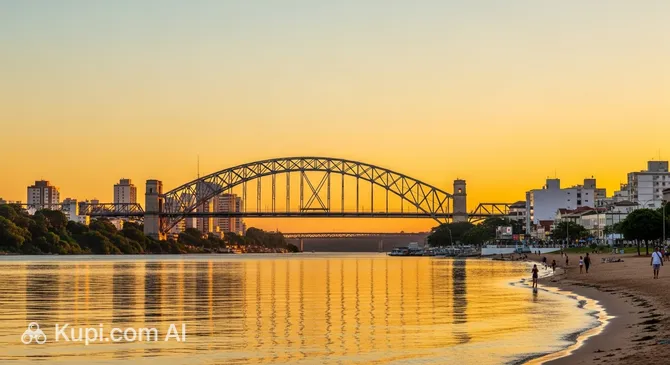
Ilha Solteira. Illustration.
Source: Kupi.com AI

The city's special atmosphere harmoniously combines provincial tranquility and youthful energy. The streets are literally immersed in greenery, and the population of about 26,000 is known for its warmth and hospitality. Although the city is considered relatively new, the history of Ilha Solteira is inextricably linked to large-scale land development projects and the construction of a hydroelectric power plant, which shaped its unique appearance.

Tourists are primarily drawn here by natural beauty and wide opportunities for active leisure. Proximity to the reservoir and the grand dam creates ideal conditions for water activities, beach holidays, and fishing. The city's well-maintained embankments are excellent locations for leisurely strolls, allowing visitors to enjoy views of the water's surface.

If you are looking for a place where modern comfort meets pristine nature, Ilha Solteira is a great choice. This hidden gem of the region will give you a sense of peace and the opportunity to relax your soul surrounded by picturesque landscapes.

Weather Overview

The climate in this region of Brazil is conducive to travel year-round, but it has distinct seasonal characteristics. In general, expect hot summers with frequent tropical downpours and warm but very dry winters, which is typical for this part of the state of São Paulo.

The period from December to March is characterized by high temperatures, regularly exceeding 31°C, and high humidity. January is considered the "wettest" month: precipitation can fall for up to 21 days, so an umbrella will be an indispensable accessory. However, it's during this time that nature looks its most lush and green.

With the onset of the local winter (June–August), the situation changes drastically. Rains practically stop—for example, in July, an average of only one rainy day is recorded. Days remain comfortable and warm (up to 28°C), but nights bring a noticeable freshness, with temperatures dropping to 16–17°C. Interestingly, the peak heat often occurs at the beginning of spring: in September, the thermometer can reach 34°C.

To choose the ideal time for your visit, considering your preferences for temperature and rainfall, we recommend checking the detailed weather in Ilha Solteira before planning your trip.

Average monthly temperature

Average monthly precipitation

Interesting Facts

In addition to its picturesque landscapes, Ilha Solteira holds many fascinating details related to its unusual origins. Here are a few facts that will help you look at this corner of Brazil from a new perspective.

  • Born from Energy. This is one of the youngest cities in the region, which did not develop spontaneously over centuries but was created artificially in the late 1960s. Ilha Solteira appeared on the map solely due to the construction of a grand hydroelectric power plant on the Paraná River, initially serving as a settlement for engineers and dam builders.

  • A University Phenomenon. Despite its modest population (just over 26,000 people), the city is a significant educational center. It houses a campus of the prestigious São Paulo State University (UNESP), which fills the streets with student energy and ensures scientific conferences and youth festivals are constant features on the cultural calendar.

  • A Resort for Anglers. Thanks to the massive reservoir formed after the construction of the power plant, Ilha Solteira has become the unofficial capital of water sports in this part of the state. Sailing enthusiasts, water skiers, and, of course, fishermen—who consider the fishing here some of the best in the region—all flock here.

  • Thoughtful Planning. Since the city was designed from scratch for the families of specialists, it features an orderliness unique for a provincial town. The infrastructure and residential blocks were pre-planned for comfortable living, creating a sense of coziness and organization rarely found in older cities.

How to Get There

When planning a trip to this picturesque corner of the state of São Paulo, it is important to think through the logistics in advance, as the city is located far from the regional capital. Most often, tourists combine a flight with ground transport. You can find more details on how to get to Ilha Solteira by exploring the available routes and types of transport.

The most convenient option for arrival is Araçatuba Airport (IATA: ARU). It is worth noting that Ilha Solteira does not have its own airport, so you will fly into the city of Araçatuba, which is approximately 124 km from your destination. This is the nearest air hub, and a trip from there by taxi or intercity bus will take roughly 3.5 hours. Despite the relatively small passenger flow, Araçatuba Airport accepts regular flights and is convenient for transit.

If you need more frequent flights or connections, consider São José do Rio Preto Airport (IATA: SJP). This is a major regional hub located in the city of São José do Rio Preto, about 206 km from Ilha Solteira. The road journey from here takes longer—around 5.5 hours; however, São José do Rio Preto Airport offers a wider geography of flights and developed infrastructure.

For clarity, here is a summary of the main airports through which you can reach the city:

AirportPassenger trafficDistance
Tres Lagoas (Plinio Alarcom)23 00050 km
Aracatuba Airport97 373124 km
A. De Barros Airport309 000194 km
Sao Jose do Rio Preto Airport768 000207 km
Dr Gastao Vidigal Airport38 026245 km

As for rail connections, getting to Ilha Solteira by train in the traditional tourist sense is not possible. Passenger rail transport in this region of Brazil is poorly developed, and there are no direct routes to the city. The main alternative to planes is comfortable intercity buses that connect Ilha Solteira with São Paulo and neighboring large cities. The roads here are of good quality, so a road trip is also an excellent way to enjoy the state's landscapes.

Main Attractions

Ilha Solteira is a city born of energy, and its main attractions are inextricably linked to the Paraná River and engineering achievements. There are no ancient ruins here, but there is an impressive scale of modern architecture and magnificent spots for water recreation that attract travelers from across the region.

The Ilha Solteira Hydroelectric Power Plant (Usina Hidrelétrica) is not just an industrial facility, but the very heart of the city and the reason for its founding. As one of the largest dams in Brazil, it is striking in its size. Tourists can take a guided tour of the station to see the giant turbines in operation and learn how the power of water is converted into electricity. From the crest of the dam, a breathtaking panoramic view of the Paraná River and its surroundings opens up, which is especially impressive at sunset.

For fans of relaxed recreation, the main point of attraction is Praia Catarina. This freshwater beach on the reservoir's shore is the perfect place to escape the tropical heat. It features excellent infrastructure: snack kiosks, sports courts, and swimming areas. Locals and tourists come here not only for sunbathing but also for water sports, fishing, or a simple picnic by the water in the shade of the trees.

Another iconic spot is Praia da Marina. Located slightly closer to residential areas, it also offers access to water activities. This place is particularly popular among fans of sailing and kayaking. The calm river surface and well-maintained embankment make the Marina an excellent location for evening strolls when the heat subsides and the city fills with freshness from the river.

One cannot miss the Energy Generation Monument (Monumento à Geração de Energia). This sculptural composition has become a symbol of the city, reflecting its industrial soul and origin story. The monument is located in the center and serves as a popular photo spot, reminding guests that Ilha Solteira is a city that literally "grew" from electricity and water.

Local Cuisine

The gastronomic scene of Ilha Solteira is a vibrant reflection of the soul of São Paulo state, enriched by the gifts of the Paraná River. Local cuisine will surprise you with its combination of traditional Brazilian flavors and an emphasis on the freshest river products. People here love to eat heartily and tastily, turning every meal into a small celebration.

The main pride of local chefs is dishes made from freshwater fish. Be sure to try the fried tilapia with its crispy crust or the delicate stewed pintado. Family restaurants located along the embankment often serve rich fish soups, which are considered a trademark of the city. For meat lovers, they prepare classic Brazilian churrasco—juicy grilled meat whose aroma wafts through the streets, especially on weekends.

Street food in Ilha Solteira deserves special attention and is perfect for a quick snack. While strolling, it's worth trying pastel—hot pastries with various fillings—or tasting hearty cassava croquettes. Those with a sweet tooth will enjoy fried bananas and traditional doughnuts, often sold at city fairs. The region is also famous for corn-based dishes, including delicious flatbreads.

As for drinks, the hot climate dictates its own rules. The best choice would be freshly squeezed juices from tropical fruits grown on local farms. It's a real explosion of vitamins and freshness that will help restore your strength after walks in the sun.

The food culture here is closely linked to socializing and outdoor relaxation. Tourists and locals alike often visit farmers' markets, where you can buy not only ready-made meals but also fresh vegetables, fruits, and natural honey. Additionally, the city regularly hosts gastronomic festivals that allow for a closer look at the culinary traditions and hospitality of the residents.

Travel Tips

A trip to Ilha Solteira promises to be filled with sun and water activities, but it's worth preparing in advance for a visit to this specific corner of São Paulo state. We have gathered practical recommendations to help make your holiday comfortable, safe, and truly carefree.

  1. Clothing and Sun Protection. The climate here is hot and humid for most of the year. Bring light clothing made from natural fabrics, comfortable sandals, and definitely swimwear—city life revolves around the water. The sun here is very active, so a high SPF cream, a hat, and sunglasses are not just accessories, but a necessity for your health.
  2. Getting Around the City. Ilha Solteira features flat terrain and wide streets, making it ideal for walking and cycling (there are many bike paths). Public transport consists of buses, but they can run at long intervals. For trips to the beaches or the dam, it's more convenient to use a taxi or a rental car.
  3. Money and Payments. The local currency is the Brazilian Real. Hotels, supermarkets, and restaurants accept cards without issues, but for small expenses (buying coconut water on the beach, souvenirs at the fair), always have cash on hand. There are ATMs in the city, but exchange offices are few, so it's better to change currency in advance at a major airport upon arrival in Brazil.
  4. Health and Safety. The city is considered quiet and safe compared to metropolises, but you shouldn't leave valuables unattended on the beach. Due to the proximity to water and the tropical climate, be sure to use mosquito repellent, especially in the evening. Drink only bottled water to avoid stomach acclimatization issues.
  5. Language Barrier and Connectivity. The primary language of communication is Portuguese. Few people here know English, mainly students from the local UNESP university. We recommend downloading an offline translator and learning a few basic phrases. For stable internet, it's better to buy a local SIM card (operators Vivo or TIM), as public Wi-Fi is not available everywhere.
  6. Interacting with Locals. The city's residents ("ilhenses") are very hospitable and value simple human interaction. It's customary to greet staff in shops and even strangers in the elevator. The dress code here is very casual: shorts and flip-flops are appropriate almost everywhere except official institutions, so relax and feel at home.
  7. What to Avoid. Categorically do not swim in unequipped areas near the hydroelectric dam—currents can be strong and unpredictable. Also, avoid walking in deserted areas along the river after dark to avoid encountering wild animals that sometimes come to the water.
  8. Tip for Anglers. If you plan to fish (one of the main activities here), remember that there are strict fishing regulations in the country. During certain spawning periods, fishing may be prohibited or restricted (the "piracema" period). Be sure to check the current rules at the local tourist center or a tackle shop to avoid fines.

By following these simple tips, you can avoid minor troubles and fully immerse yourself in the unique atmosphere of Ilha Solteira. Enjoy the warm welcome, the majestic Paraná River, and the peaceful rhythm of life in this amazing "city of energy"!

Entertainment & Nightlife

Nightlife in Ilha Solteira has a unique flavor shaped by its status as a university town. You won't find pretentious mega-clubs with strict face control here; instead, there is an atmosphere of friendliness, youth, and endless celebration. Evening entertainment in the city is primarily about socializing, outdoor music, and student-friendly prices.

The epicenter of evening activity is the so-called Centros Comerciais (open-air shopping centers) located in various zones of the city. This is where bars, snack bars ("lanchonetes"), and small pubs are concentrated. From Thursday to Saturday, these places fill with young people. Tables are often set out right on the sidewalks, and visitors enjoy cool drinks to the sounds of live music—ranging from traditional Brazilian sertanejo and pagode to classic rock.

One of the main points of attraction is Paiaguás Square (Praça dos Paiaguás). This is the cultural heart of the city, where concerts, festivals, and city holidays regularly take place. In the evening, groups of friends gather here to discuss news, listen to street musicians, or simply take a walk. The atmosphere in the square is as relaxed and safe as possible, making it an excellent place to start the evening.

If you are looking for a more romantic setting, head to the embankments. In the evening, kiosks on the beaches (for example, at Praia Catarina) continue to operate, offering fish snacks and drinks. Nighttime gatherings by the water under the starry sky are a popular leisure activity for both locals and tourists. Improvised luais (beach parties) with guitars are often held here.

Traveler Tips:

  • Dress Code: Extremely casual. Shorts, T-shirts, and sandals are appropriate in almost any bar or restaurant in the city. The main things are comfort and protection from the heat.
  • Safety: Ilha Solteira is a quiet city, and walking here at night is safe, especially in central districts and well-lit areas. However, as elsewhere, it is worth keeping an eye on your personal belongings.
  • Transport: Public transport runs infrequently at night. For getting between the beach and the center, it is better to use taxis or motorcycle taxis (moto-táxis), which are very popular and inexpensive here.

The city's daytime cultural program, while not as extensive as in major metropolises, is worth attention. Art lovers should visit the Rachel Dossi House of Culture (Casa da Cultura Rachel Dossi), which hosts exhibitions by local artists and theatrical performances. For moviegoers, the Cine Paiaguás cinema offers the latest releases in a cozy atmosphere. You can also spend pleasant time in the city parks, enjoying the shade of exotic trees and observing the local fauna.

Parks & Museums

Ilha Solteira is rightfully considered one of the "greenest" cities in the state of São Paulo. Being pre-planned, the city is harmoniously integrated into a landscape where urbanism exists alongside rich nature. For tourists, there are excellent opportunities to get to know the local flora and fauna, as well as to immerse themselves in the cultural life that carefully preserves the history of this unique settlement's creation.

One of the main natural attractions not to be missed is the Wildlife Conservation Center (Mantenedouro de Fauna Silvestre). This is not just a zoo, but an important research complex dedicated to animal rehabilitation and the preservation of the region's biodiversity. Visitors can see typical representatives of Brazilian fauna here: giant anteaters, monkeys, tapirs, and many species of vibrant tropical birds, including macaws. A walk through the center is a great chance to see Brazil's wildlife at arm's length in comfortable conditions.

Although Praia Catarina is often mentioned as a beach, it also functions as an extensive park area. The vast territory, planted with shady trees, is ideal for picnics and quiet relaxation on the grass. Here, nature transitions smoothly into the water's surface of the reservoir, creating picturesque landscapes that can be admired for hours while escaping the city bustle.

The city's cultural life is centered around the Rachel Dossi House of Culture (Casa da Cultura Rachel Dossi). This is the main art space in Ilha Solteira, where exhibitions of local artists, photographers, and sculptors are regularly held. The building itself is a hub for the creative intelligentsia: it hosts theatrical productions, dance performances, and workshops reflecting the modern rhythm of city life.

To understand how this oasis of civilization emerged in the middle of nowhere, it is worth visiting the Memory Hall (Sala de Memória). This small but informative museum is dedicated to the history of the hydroelectric plant's construction and the city's founding. The exhibition features old photographs, documents, the tools of the first builders ("barrageiros"), and models showing the stages of the grand dam's construction. This place allows you to appreciate the scale of human effort that turned the river's energy into electricity and life.

Among the architectural objects, a special place is held by the famous Water Tower (Caixa D'Água). Thanks to its unusual shape, resembling a giant concrete wine glass or bowl, it has become an unofficial symbol of the city. The tower is visible from many points in Ilha Solteira and serves as an excellent landmark, while its modernist design emphasizes the city's engineering origins.

Insider Tip: Be sure to visit the city plant nursery (Viveiro de Mudas). This is a place little known to tourists where seedlings are grown for city greening and forest restoration. An incredible silence and freshness reign here, and staff often allow visitors to walk between rows of exotic plants while explaining the region's flora.

Getting Around

The transport system in Ilha Solteira differs significantly from metropolises: you won't find a metro, trams, or trolleybuses here. The city is compact and so cleverly designed that getting from one point to another is easy. The main form of public transport is buses, which locals call the "Circular". They run along the main streets, connecting residential blocks ("zones") with the center, the university campus, and the embankments. The routes are simple and clear, and intervals are usually between 30 to 60 minutes, though buses may run less frequently on weekends.

The most popular and fastest way to get around for those who don't want to wait for a bus is the motorcycle taxi (moto-táxi). This is a characteristic feature of small cities in the region: you ride as a passenger on a motorcycle, get a helmet, and quickly reach your destination for a small fixed fee. Moto-táxi stands are scattered throughout the city and are easily recognized by the clusters of motorcyclists in vests. This is an excellent option for solo tourists wanting to save time and money.

Classic taxis are also available but are more often ordered by phone or found at designated ranks in the center (Ponto de Táxi). Ride-hailing apps (such as Uber or 99) work in the city, though the number of cars may be limited, especially at night or early in the morning. If you are planning a trip to a neighboring city's airport or a remote beach, it is more reliable to arrange with a driver in advance.

Ilha Solteira is an ideal city for bicycle lovers. Thanks to the flat terrain and wide streets, the bicycle is a full-fledged mode of transport here, used by many students and locals. The city is equipped with an extensive network of bike paths (ciclovias), allowing for safe travel between districts. Bike rental points are not common, so if you plan a long stay, it's worth considering rental options from private individuals or hotels.

Regarding fares, cash dominates on buses and moto-táxis. On buses, payment is made to the conductor or driver upon entry; the fare is fixed and very affordable. Cards and contactless payments are not accepted everywhere, so tourists are strongly advised to always carry small bills and coins. Validators and electronic travel passes, common in major capitals, are practically not used for tourist purposes here.

Walking remains an excellent alternative to transport. Thanks to the thoughtful city layout, most shops, restaurants, and attractions are within walking distance of each other. Navigating is easy: the city is divided into zones, and the streets have a clear structure, minimizing the risk of getting lost.

Accommodation

The choice of accommodation in Ilha Solteira, much like the city itself, is characterized by practicality and coziness. You are unlikely to find luxury five-star resorts of international chains here; however, tourists have a decent choice of accommodation options that cover basic traveler needs. The hotel sector is mainly represented by small middle-class city hotels, budget guesthouses, and traditional Brazilian pousadas (mini-hotels) with a homey atmosphere.

A particularly popular option in this region is renting so-called "ranchos". These are country houses or cottages located closer to the banks of the Paraná River and the reservoir. This option is ideal for large groups, families with children, or fishing enthusiasts who want to be closer to nature and the water. Ranchos are often equipped with barbecue areas and swimming pools, offering more privacy than a standard hotel room.

When choosing an area to stay, consider the goals of your trip:

  • City Center: If walking distance to shops, banks, and restaurants is important to you, choose hotels in central zones (closer to Paiaguás Square). This is convenient for those visiting for business or who want to be in the heart of city life.
  • Coastal Zone: For a relaxed holiday, water sports, and fishing, it is better to look for accommodation (most often ranchos or guesthouses) in the Marina area or closer to the beaches. However, keep in mind that in this case, you will likely need a car or a taxi for grocery shopping.

Booking Tip: Ilha Solteira is a university town and a popular destination for fishing tourism. During major university events (exams, festivals, graduations), as well as during fishing tournaments or long weekends, the demand for accommodation spikes. We strongly recommend booking rooms in advance, as the best options are taken very quickly.

The price range in the city can be described as budget and moderate. The cost of living here is significantly lower than in the state capital or at coastal resorts. You can book a room in most hotels through popular international online platforms, though many private pousadas and rancho owners prefer direct communication via messengers or phone, which often allows for better rates during long stays.

Nearby Cities

For those looking to explore the surroundings, Ilha Solteira serves as an excellent starting point for day trips to several interesting nearby locations:

Três Lagoas. Located directly on the opposite bank of the Paraná River, this city is effectively the gateway to the state of Mato Grosso do Sul. The journey there is impressive in itself, as the road passes across the majestic hydroelectric dam. Known as the "City of Waters," Três Lagoas attracts tourists with its picturesque lakes (lagoons) within the city limits, as well as its more developed infrastructure, restaurants, and shopping opportunities that may be lacking in smaller settlements.

Andradina. Located less than an hour's drive away, Andradina bears the proud nickname "Land of the Cattle King," a nod to its agricultural roots. However, today tourists are drawn here by a modern shopping mall with a cinema and stores. Additionally, the city is rapidly developing its tourism sector thanks to the opening of a large-scale thermal water park, which has become a great place for family fun and escaping the heat.

Jales. If you are willing to drive a bit further, it is worth visiting this city, known as the regional grape capital. Jales is famous for its mild climate and agritourism. Here you can learn about the traditions of fruit growing in the tropics and feel the steady rhythm of life in the Brazilian hinterland while enjoying local hospitality.

CityPopulationDistance
Pereira Barreto25 76734 km
Aparecida do Taboado24 74546 km
Santa Fe do Sul31 34850 km
Castilho19 87351 km
Andradina57 25052 km

These nearby destinations provide insight into the diverse culture and landscapes of the region, harmoniously complementing a holiday on the Paraná River.

Shopping & Souvenirs

Shopping in Ilha Solteira is calm and practical, fully matching the steady pace of life in this small town. You won't find the massive multi-story malls with luxury brands typical of metropolises here. Instead, trade is focused on meeting the daily needs of residents and students, as well as providing tourists with everything necessary for outdoor recreation. The city offers compact shopping zones where you can buy quality summer clothing, beach accessories, and, of course, water sports equipment.

A feature of Ilha Solteira's layout is its clear zoning, so retail outlets are grouped into so-called Centros Comerciais (commercial centers). The most bustling spot is the central part of the city, especially around Paiaguás Square (Praça dos Paiaguás). Strolling through the adjacent alleys, tourists will find many small clothing boutiques, shoe stores, and electronics shops. This is an ideal place for a leisurely promenade where shopping can be combined with a break at a cafe.

The city's main shopping complex is considered Ilha Shopping. It is worth noting that this is a small shopping center that serves as an important social space. People come here not only for purchases but also to spend time with family or friends while escaping the daytime heat. The complex features a food court with various snack bars and a cinema, making it a popular leisure spot. However, do not expect a wide selection of major international brands here—for large-scale shopping, locals usually head to neighboring large cities.

The true flavor of local life can be felt at the city markets. The most popular event is the Feira Livre (street fair), which usually takes place on Friday evenings and Sunday mornings. It is not just a place for trade but an important part of the social culture. Here you can buy the freshest tropical fruits, homemade cheeses, and sweets, as well as try the famous street fast food—fried "pastel" pastries with sugarcane juice. The atmosphere at the fair is always festive and friendly.

If you are looking for something to bring back as a memento of your trip to Brazil, pay attention to the products of local artisans. The Aartis craft association (Associação dos Artesãos) is active in the city, with members creating unique souvenirs: embroidery, ceramics, wooden items, and decorative home objects. Gastronomic souvenirs like local honey or fruit sweets also make excellent gifts. Given the city's status as a fishing resort, quality fishing tackle, sold here in specialized stores in a wide range, would be a good purchase.

Most shops in the city are open from Monday to Friday from 09:00 to 18:00, and on Saturdays they close around 13:00. Ilha Shopping and supermarkets stay open longer, often until 22:00, including weekends. Regarding payment, credit and debit cards are accepted almost everywhere, even in small kiosks and at the market. However, for small purchases, it is recommended to carry some cash in Reais.

A Tax-Free refund system in Ilha Solteira, as in most small inland cities, is not available for tourists. This service is typically only available at major international airports or specialized stores in metropolises, so you should not count on a VAT refund here.
Reached the end of the page?

That means the route is fully explored