Support

Cemitério Bizantino

About

Imagine dazzling white miniature temples and Gothic spires that seem to sprout directly from the rugged grey cliffs. This is the Byzantine Cemetery (Cemitério Bizantino), also known as the Santa Isabel Necropolis. Located in the picturesque town of Mucugê, this site is considered one of the most unusual and visually captivating monuments that Brazil is proud of.
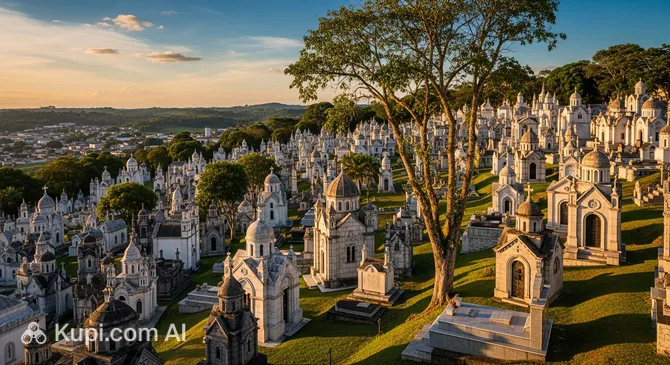
Byzantine Cemetery
Byzantine Cemetery. Иллюстрация. Источник: Kupi.com AI

Built in the mid-19th century, this unique necropolis is nestled at the foot of the majestic Serra do Sincorá rocky cliff in the heart of the Chapada Diamantina National Park. Its main feature is its whitewashed brick headstones, designed in a Neo-Gothic style with elements of Classicism. Although called "Byzantine," the architecture of the complex is a wonderful example of local vernacular tradition, harmoniously integrated into the natural landscape.

Since 1980, the cemetery has been recognized as a national historical and landscape heritage site. It serves not only as a resting place but also as a symbol of the "diamond rush" era, becoming a must-see stop for anyone wishing to see the truly mystical and majestic side of Brazilian history.

Contacts

If you are planning to visit this unique site, it is helpful to have basic contact details on hand. The Byzantine Cemetery is an open monument, so special prior booking is usually not required, but you can contact the local tourist information center for further details.

Below are the official location details for the site:

How to contactContact
AddressМукуже - Mucugê, Мукуже - Баия, 46750-000, Бразилия

What to Do

The main thing to do here is to take a leisurely, contemplative walk. You can get a close look at the famous jazigos — snow-white tombs decorated with elegant arches, obelisks, and medieval ornaments. The contrast between the man-made white structures and the rugged grey rocks of Serra do Sincorá creates incredibly photogenic views, so be sure to bring your camera.

From the heights of the necropolis, a wonderful panorama of the city opens up, especially beautiful in the rays of the setting sun. In the evening, the cemetery is transformed by special lighting that highlights the architectural details of the mausoleums and gives the place an even more mysterious appearance. It is an ideal location for those seeking silence, peace, and an opportunity for reflection surrounded by majestic nature.

A visit to the cemetery can easily be combined with a walk through the historic center, an inspection of the old mansions once owned by wealthy diamond mine owners, or a visit to the Museu Vivo do Garimpo to better understand the context of the lives of the people who created this unique monument.

Getting There

Getting to this unique necropolis is easy, as it is located right at the foot of a large rocky cliff on the outskirts of the town. The main route follows the BA-142 highway, which connects the main settlements of the Chapada Diamantina region.

If you are already in the town center, you can take a pleasant walk. A marked trail about 600 meters long leads from the historic part of town to the entrance of the cemetery. Be prepared for a slight climb (about 200 meters), which will reward you with panoramic views.

Travelers from neighboring towns, such as Lençóis or Ibicoara, will find it most convenient to use a car or an intercity bus. Distances can vary from 20 to 100 km. In the town itself, you can also hire a taxi or join an organized tour with local guides, who often include a visit to the cemetery in their sightseeing itineraries.

Ближайший город: Mucugê

History & Facts

The history of the Byzantine Cemetery is closely linked to the dramatic events of the mid-19th century. In 1855, a cholera epidemic broke out in the region, claiming the lives of nearly half the city's population. Local priest Seraphim banned traditional burials inside the Church of Santa Isabel, and new graves began to be built right at the foot of the majestic cliffs.

The town itself owes its prosperity to the "diamond rush." After prospector Cazuza do Prado discovered the first precious stones here in 1844, a flood of immigrants arrived. It is believed that the influence of European settlers (possibly from Italy) shaped the unusual architectural appearance of the necropolis. Despite its name, the architectural style is more vernacular — it literally "grows" from the rocks, mimicking the shapes of the dwellings of local prospectors (garimpeiros).

For a long time, the cemetery remained in the shadows until it was "rediscovered" by cultural heritage researchers in the 1970s. In 1980, the site received official status as a national historic monument from IPHAN. The location gained wide fame in the country in the early 90s, serving as the setting for the popular Brazilian soap opera "Pedra sobre Pedra."

Interestingly, although the cemetery is a protected monument, it remains active. In 2011, to preserve its historical appearance, modern vertical burial niches (gavetas) were added to avoid disturbing the integrity of the ancient snow-white mausoleums.

Time Needed

To leisurely explore this unusual site, take memorable photos, and enjoy the views, most tourists need between 1 and 2 hours. This is quite enough time to follow the short trail and stroll between the rows of snow-white headstones.

If you are passionate about architecture or professional photography, we recommend setting aside a little more time, especially closer to sunset, when the shadows from the Serra do Sincorá cliffs create a whimsical play of light on the white walls of the mausoleums.

Working Hours

The Byzantine Cemetery is typically open to the public daily, from 08:00 to 18:00. This schedule is in effect throughout the week, from Monday to Sunday, with no lunch break.

As the site is protected, access hours may occasionally change depending on the season or restoration work. For the most up-to-date information before your trip, it is recommended to check the city's official tourism website or inquire at the local information center.

08:00–18:00

Nearby

Exploring the surroundings of the cemetery will allow you to dive deeper into the atmosphere of this old mining town. After visiting the necropolis, it's worth strolling through the charming streets, where the mansions of diamond barons and welcoming establishments with local cuisine have been preserved.

Below are some interesting places within walking distance:

NameDistance
Dona Nena Homestyle Food Restaurant0.6 km
Beco da Bateia0.7 km
Sabor da Picanha Restaurant0.8 km
Bia Maria Café0.8 km
Tiburtino Waterfalls3.2 km

Reached the end of the page?

That means the route is fully explored