Support

Sao Gabriel da Cachoeira

About

São Gabriel da Cachoeira is a fascinating destination that stands out as one of the most culturally diverse places in the Amazon region. Often referred to as the "Capital of the Indigenous Peoples," this city offers a profound connection to the native roots of the continent. Located in the northwestern part of the state of Amazonas, it sits on the banks of the majestic Rio Negro, surrounded by dense rainforest and unique geological formations.

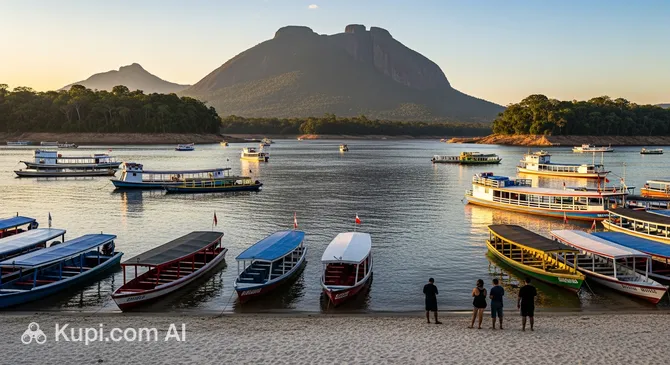
Sao Gabriel da Cachoeira. Source: Kupi.Binoculars

For travelers exploring Brazil, this municipality provides an experience unlike any other. It is situated in a region known as the "Cabeça do Cachorro" (Dog's Head) due to the shape of the territory on the map, bordering Colombia and Venezuela. The city is renowned for its multicultural atmosphere, where indigenous languages such as Nheengatu, Tukano, and Baniwa are official alongside Portuguese, reflecting the vibrant heritage of its approximately 46,000 inhabitants.

The history of São Gabriel da Cachoeira is deeply intertwined with the river and the forest, shaping a community that lives in harmony with its environment. Visitors are often drawn here to witness this unique cultural blend and to explore the breathtaking natural scenery. The city serves as the primary gateway for expeditions to the Pico da Neblina, the highest mountain in the country, which challenges adventurers with its rugged beauty.

Beyond extreme trekking, the area offers serene white-sand river beaches that appear during the dry season, providing a stark contrast to the dark waters of the Rio Negro. Whether you are an anthropology enthusiast or a nature lover seeking the raw beauty of the jungle, São Gabriel da Cachoeira invites you to discover a truly authentic side of the Amazon.

Weather Overview

The climate in São Gabriel da Cachoeira is typically tropical, defined by consistent heat and significant humidity year-round. Temperatures are remarkably stable, with monthly averages generally ranging from 26°C to 28°C. The warmest period usually occurs around September and October, where daytime highs can reach approximately 31.5°C, while nights remain comfortable with minimums around 23°C to 24°C.

Precipitation is a defining feature of the local environment, with rain occurring frequently throughout the calendar. Expect warm days with regular rainfall, as the region typically records between 22 and 29 wet days per month depending on the season. Travelers should plan for this constant moisture when packing. For specific details on what to expect during your travel dates, consult the guide to weather in Sao Gabriel da Cachoeira. Despite the frequent rains, the consistent warmth makes it possible to enjoy the outdoors at almost any time.

Interesting Facts

Beyond its lush rainforests and river beaches, Sao Gabriel da Cachoeira holds cultural depths and local legends that few visitors know about. This unique municipality offers a glimpse into a side of the Amazon where ancient traditions and modern life seamlessly intertwine.

  • A Multilingual Territory: This municipality is widely recognized as the most indigenous in Brazil, with the vast majority of its population belonging to various ethnic groups. Reflecting this vibrant heritage, the city has adopted three co-official indigenous languages alongside Portuguese: Nheengatu, Tukano, and Baniwa.

  • The Sleeping Beauty: The Serra de Curicuriari mountain range, prominently visible from the city, is affectionately known by locals as "Bela Adormecida" (Sleeping Beauty). When viewed from the river beaches, the mountain's silhouette bears a striking resemblance to the profile of a woman lying down.

  • The Petrified Snake: Local folklore speaks of a giant snake that once haunted the region before being turned to stone. Residents often point to a specific rock formation or rise on D. Pedro Massa Avenue, claiming it is the petrified body of the legendary creature buried beneath the street.

  • Equatorial Proximity: The city is situated just a few kilometers south of the Equator line. While the municipality's vast territory spans across both hemispheres, the urban center experiences the unique climatic conditions of the equatorial zone, with consistent day lengths throughout the year.

  • Remote Accessibility: Highlighting its secluded nature, the city is not connected by road to the state capital, Manaus. Travelers must arrive either by a multi-day boat journey navigating the Rio Negro or by plane, a journey that preserves the region's pristine environment.

How to Get There

Reaching this remote municipality in the heart of the Amazon is an adventure in itself, as the city is isolated from the rest of the country by the dense rainforest. There are no road connections to major urban centers, and the region is not served by a railway network. Consequently, travel is almost exclusively limited to air and river transport. For a detailed guide on planning your journey, you can read more about how to get to Sao Gabriel da Cachoeira.

For most international and domestic tourists, the primary gateway is via the state capital, Manaus. You will likely first fly into Eduardo Gomes International Airport (MAO) in Manaus, which receives flights from major Brazilian cities and some international destinations. From there, you can take a connecting regional flight directly to São Gabriel da Cachoeira Airport (SJL). This flight offers a quick and comfortable transfer, saving days of travel time compared to river routes.

Alternatively, navigating the Rio Negro is a popular option for locals and adventurous travelers. Boats depart from the Port of Manaus and head upstream. You can choose between "express boats" (known as ajatos), which take approximately 24 to 30 hours, or traditional slow boats that can take several days. The slow boats provide a unique experience where passengers sleep in hammocks and enjoy the passing scenery of the Amazon, though this requires a flexible schedule.

Main Attractions

Sao Gabriel da Cachoeira is a destination where nature and culture intertwine deeply, offering visitors a chance to explore the Amazon in its most authentic form. The city's main landmarks are not just scenic spots but are steeped in local legends and indigenous history, making every visit a learning experience.

One of the most iconic sights is the Serra da Bela Adormecida (Sleeping Beauty Mountain Range). Dominated by the Curicuriari Mountains, this formation creates a stunning silhouette against the horizon that resembles a woman lying down. It is considered a postcard symbol of the region and is best admired from the riverbanks or high viewpoints. According to local indigenous mythology, the mountain represents a figure from their ancestral stories, adding a layer of spiritual significance to its natural beauty.

During the dry season, typically from September to January, the receding waters of the Rio Negro reveal Praia Grande. This spectacular river beach features a long stretch of pristine white sand that contrasts beautifully with the dark, tea-colored waters of the river. It is a favorite spot for both locals and tourists to swim, relax, and watch the sunset, offering a refreshing escape from the tropical heat in a setting that feels almost oceanic.

For those interested in the rich cultural heritage of the area, the Wariró House of Indigenous Products is an essential stop. Managed by the Federation of Indigenous Organizations of the Rio Negro (FOIRN), this cultural center and shop showcases the artistry of the region's 23 ethnic groups. Visitors can admire and purchase authentic handicrafts, such as intricate basketry, ceramics, and bio-jewelry, directly supporting the local communities and their traditional way of life.

Adventure seekers and history enthusiasts should hike up Morro da Fortaleza. This hill is home to the ruins of an 18th-century fortification built by the Portuguese to guard the territory. Beyond its historical value, the site features ancient petroglyphs carved into the rock, known as the "Stone of the Tapir." Reaching the top rewards hikers with one of the best panoramic views of the city, the winding river, and the majestic Sleeping Beauty mountain range in the distance.

Another rewarding trek is the climb to Morro da Boa Esperança. Located near the city center, this hill offers a trail marked by the Stations of the Cross, leading to small chapels at the summit. The hike provides a mix of spiritual reflection and physical activity, culminating in a breathtaking lookout point where you can take in the vastness of the surrounding rainforest and the urban layout of this unique Amazonian municipality.

Local Cuisine

The culinary scene in Sao Gabriel da Cachoeira is a gastronomic journey into the heart of the Amazon, deeply rooted in indigenous traditions that have been preserved for centuries. Unlike the cuisine found in other parts of Brazil, the food here is defined by the "Rio Negro" style, where the forest provides almost every ingredient. The local diet is heavily based on manioc (cassava), river fish, and a rich variety of native fruits, offering flavors that are distinct, earthy, and often completely new to visitors.

The undisputed star of the local table is Quinhapira. Often called the "Dish of the Gods," this spicy fish stew is the ultimate symbol of hospitality in the region. It is traditionally prepared with fresh river fish cooked in a broth of black tucupi (a reduction of manioc juice that is sweeter and thicker than the yellow variety found elsewhere) and seasoned with a blend of peppers, such as the potent murupi or jiquitaia (a powdered pepper mix). It is almost always served with beiju, a crisp, white unleavened flatbread made from tapioca, which is dipped into the broth to soak up the intense flavors.

For the adventurous eater, Sao Gabriel da Cachoeira offers one of the most unique delicacies in the world: ants. The maniwara and saúva ants are widely consumed and considered a treat, not just survival food. They are typically roasted or fried and mixed with manioc flour (farofa). Locals describe the taste as surprising, with notes resembling lemongrass, ginger, or even mint. Another staple technique is moquém, a method of smoking fish slowly over a fire, preserving the meat and giving it a distinct smoky aroma that permeates the air around meal times.

To quench your thirst, you must try the local fruit juices, which are incredibly diverse. exotic Amazonian fruits like cubiú (Amazonian tomato), cupuaçu, and buriti are transformed into refreshing drinks. A traditional beverage worth trying is Aluá, a fermented drink made from corn, pineapple, or manioc, often served at celebrations. For a quick energy boost, locals often drink xibé, a simple mixture of water and manioc flour that is both hydrating and filling.

The best place to dive into this food culture is the Municipal Market. Here, you can see the daily catch of fish like the massive piraíba or the colorful tucunaré, and buy bags of crunchy ants or bottles of black tucupi to take home. During the dry season, the river beaches such as Praia Grande become open-air dining rooms. Small stalls and kiosks pop up on the white sands, serving fried fish and cold drinks directly by the dark waters of the Rio Negro, creating an unforgettable dining atmosphere under the Amazonian sky.

Travel Tips

Visiting São Gabriel da Cachoeira is a true expedition into the heart of the Amazon, requiring a bit more preparation than your average holiday. To help you navigate this remote and culturally rich municipality, we have compiled essential practical advice for a smooth and respectful journey.

  1. Pack for the Jungle Climate. The weather is hot and extremely humid year-round, so bring lightweight, breathable clothing that dries quickly. A high-quality raincoat or poncho is indispensable, as sudden downpours are frequent. For hiking up Morro da Fortaleza or exploring the forest, sturdy, closed-toe shoes are a must. Don't forget swimwear for the river beaches and a hat for sun protection.
  2. Master Local Transport. There is no need to rent a car here. The most common and efficient way to get around the urban area is by mototaxi. They are affordable, readily available, and can navigate the streets easily. Regular taxis are also available, but ride-hailing apps like Uber generally do not operate in this remote region. Walking is also a viable option for exploring the town center.
  3. Cash is King. While some hotels, restaurants, and larger shops accept credit and debit cards, internet connectivity issues can often render card machines useless. Furthermore, smaller vendors and boat operators deal strictly in cash. There are bank branches (typically Banco do Brasil, Bradesco, and Caixa) with ATMs, but they can run out of money or face technical outages. It is highly advisable to arrive with a sufficient supply of Brazilian Reais (BRL).
  4. Health and Hydration. Insect repellent is your best friend; apply it generously to protect against mosquitoes. Ensure your Yellow Fever vaccination is up to date before traveling to the Amazon. Pharmacies are available in the town center, but they may not be open 24/7, so bring a personal kit with essential medication. Always drink bottled or filtered water to avoid stomach issues.
  5. Communication Challenges. Portuguese is the primary language for communication with visitors. English is rarely spoken, so downloading an offline translation app or learning basic Portuguese phrases is very helpful. Mobile signal exists (Vivo is often the most reliable carrier in the region), but data speeds can be slow or unstable. Wi-Fi is available in many hotels but don't expect fiber-optic speeds.
  6. Respect Indigenous Culture. You are in the most indigenous municipality in Brazil. Always ask for permission before taking photographs of people, especially elders or those in traditional attire. Be patient and polite; the pace of life here is dictated by the river and the sun, not by the clock.
  7. Permits for Indigenous Territories. A critical rule to follow is to never enter specific indigenous villages or protected reserves without authorization. Much of the surrounding land is demarcated territory. If you wish to visit specific communities, you must obtain a permit, usually arranged through the Federation of Indigenous Organizations of the Rio Negro (FOIRN) or authorized tour operators.
  8. Support Local Artisans. When buying souvenirs, look for the "Selo de Origem" (Seal of Origin) or shop at recognized centers like the Wariró House. This ensures that your money goes directly to the artisan families and supports sustainable practices rather than buying mass-produced items that do not benefit the local community.

By keeping these tips in mind, you will be well-equipped to enjoy the breathtaking nature and unique cultural tapestry of São Gabriel da Cachoeira. Embrace the adventure, respect the local rhythm, and you are sure to have an unforgettable experience in the "Dog's Head" of the Amazon.

Entertainment & Nightlife

Nightlife in São Gabriel da Cachoeira is a reflection of its unique Amazonian identity: informal, welcoming, and deeply connected to the river and local rhythms. Unlike the polished clubs of large metropolises, the evening entertainment here centers around open-air gatherings, social dances, and rustic bars where the atmosphere is unpretentious and vibrant. The city comes alive after the sun sets, with the cool evening air inviting locals and visitors to fill the streets and waterfront establishments.

The heart of the action is often found along the Orla (waterfront) and the main avenues of the city center. Here, you will find a mix of kiosks and bars where plastic tables are set up on the sidewalk, allowing patrons to enjoy the breeze from the Rio Negro. The soundtrack to the night is almost invariably a mix of Forró, Sertanejo, and Caribbean rhythms, reflecting the region's border location. The dress code is casual; shorts and flip-flops are the norm, even for a night out dancing.

For those looking to experience the local party scene, Clube do Índio is a well-known venue that frequently hosts lively events. It is the place to go if you want to dance until the early hours to the sound of live bands playing energetic regional music. Another excellent option for a more relaxed vibe is Varanda do Sabiá. Located with a view of the river, it is perfect for sipping tropical cocktails made with local fruits like cupuaçu while watching the transition from dusk to night. Visitors seeking a cultural touch should check out Bar do Caboclo, which often features indigenous-inspired decor and serves regional snacks that pair perfectly with a cold beer.

Practicality is key when enjoying the night here. Mototaxis are the primary and most efficient mode of transport; they are inexpensive and readily available to zip you between the center and your accommodation. It is highly recommended to carry cash, as card machines can be unreliable due to internet connectivity issues. In terms of safety, the city is generally peaceful, but it is wise to stick to populated, well-lit areas and avoid walking alone in the outskirts late at night.

While the nightlife is spirited, daytime entertainment in São Gabriel da Cachoeira offers a different kind of thrill. Instead of traditional amusement parks or large theaters, the city offers natural and cultural wonders. You can spend your day exploring the Casa da Cultura to admire indigenous art, hiking the trails of Morro da Boa Esperança for panoramic views, or cooling off in the waters of Praia Grande during the dry season, which acts as the city's main recreational hub under the sun.

Parks & Museums

Sao Gabriel da Cachoeira offers a unique blend of cultural and natural attractions where the boundaries between urban life and the Amazon rainforest blur. While the city does not boast traditional manicured city parks or vast classical museums, it serves as a living exhibition of indigenous heritage and pristine nature. The "green spaces" here are the surrounding jungle and riverbanks, and the "museums" are dynamic centers celebrating the living traditions of the Rio Negro peoples.

Pico da Neblina National Park is the most significant natural area associated with the municipality. Although the peak itself is a challenging expedition away, the park's territory encompasses vast swathes of biodiversity surrounding the region. It is a haven for biologists and extreme trekkers, protecting the highest point in Brazil. For visitors staying closer to town, the experience of this park is felt in the lush vegetation and the rich wildlife that encroaches upon the city limits, offering a constant reminder of the Amazon's grandeur.

Closer to the urban center, the Orla de São Gabriel serves as the city's main public park and social gathering space. Located along the banks of the Rio Negro, this waterfront promenade offers stunning views of the river and the distant Sleeping Beauty mountains. It is a perfect spot for a late afternoon walk, where locals congregate to enjoy the breeze, exercise, or simply admire the sunset reflecting off the dark waters. The area often hosts small cultural events and is the best place to feel the pulse of the city.

In terms of cultural preservation, the Wariró House of Indigenous Products functions as the city's most important cultural gallery. Far more than just a shop, it is a showcase of the artistic excellence of the 23 indigenous ethnic groups of the Rio Negro. Visitors can view and purchase authentic artifacts, including intricate sieve baskets, ceramics, and wooden carvings. The space provides a tangible connection to the ancestral techniques passed down through generations, effectively acting as a living museum of indigenous anthropology.

For a glimpse into the colonial and religious history of the area, the Cathedral of São Gabriel stands as a key architectural landmark. Built by Salesian missionaries, the church is not only a place of worship but also a historical monument that tells the story of the European presence in the region. Its architecture and the surrounding mission buildings offer a quiet retreat and a perspective on the complex history of interaction between missionaries and the local indigenous populations.

For a truly authentic experience, look beyond the buildings and explore the local community centers often managed by FOIRN (Federation of Indigenous Organizations of the Rio Negro). While not museums in the strict sense, these spaces frequently hold meetings and exhibitions that are open to the public, offering a raw and unfiltered insight into the contemporary political and social life of the indigenous communities.

Getting Around

The public transport system in Sao Gabriel da Cachoeira is significantly different from what you might expect in larger metropolitan areas. Due to its remote location in the Amazon and its relatively small population, there are no metros, trams, trains, or extensive municipal bus networks. Instead, the city relies on a more informal and practical transport structure suited to its compact urban layout and the surrounding jungle environment.

The most common and efficient way to get around the city is by mototaxi. These motorcycle taxis are ubiquitous and serve as the primary mode of transit for locals and visitors alike. They are easily recognizable, with drivers typically wearing numbered vests. Mototaxis are perfect for navigating the local streets quickly and enjoying the breeze in the tropical heat. Standard car taxis are also available, though they are fewer in number. You will mostly find them waiting at the airport upon flight arrivals, at the port, or they can be called by phone.

Payment for transport is almost exclusively cash-based. There are no electronic travel cards, passes, or mobile payment systems for transit here. It is essential to carry Brazilian Reais in small denominations, as drivers frequently do not have change for high-value notes. Fares for mototaxis are generally fixed and very affordable for trips within the town center, while taxi rides may vary. It is highly recommended to confirm the price of the ride with the driver before hopping on, especially for longer distances or trips to the airport.

For tourists, navigating this system is straightforward but requires a bit of old-school interaction. Since global ride-sharing apps do not operate in the region, you cannot rely on your smartphone to book a car. To catch a ride, simply wave down a mototaxi on the street or ask your hotel reception to call a trusted taxi driver. While transport is readily available during the day, it can be harder to find late at night, so plan your return trips in advance if you are out for the evening.

Given the city's location on the banks of the Rio Negro, water transport is also a key part of the local "network." Small speedboats, known as voadeiras, act as water taxis to transport people to nearby river beaches like Praia Grande or to communities across the river. Additionally, the city center is compact enough that walking is a viable and pleasant alternative for short distances, allowing you to explore the local shops and waterfront at your own pace.

Accommodation

When planning a stay in Sao Gabriel da Cachoeira, one of the most remote corners of Brazil, travelers should adjust their expectations to match the adventurous nature of the destination. You will not find international luxury hotel chains or sprawling resorts here. Instead, the accommodation landscape is dominated by small, family-run pousadas (inns) and modest hotels that offer a warm welcome and essential comforts. The hospitality in this region is genuine, reflecting the friendly and relaxed culture of the Upper Rio Negro.

Most accommodation options are concentrated in the city center or along the waterfront facing the river. Staying in the center offers convenient access to local shops, the municipal market, and restaurants, making it easy to get around on foot or by mototaxi. Hotels located near the riverbanks often provide the added bonus of scenic views, where you can watch the sunrise over the dark waters of the Rio Negro and the distant mountains from your window or a shared veranda.

In terms of amenities, simplicity is the standard. Rooms typically come equipped with the basics: a private bathroom, a television, and, most importantly, air conditioning—an absolute necessity given the region's year-round tropical heat and humidity. While many establishments offer Wi-Fi, connection speeds can be slow or intermittent due to the city's isolation, so it is a good opportunity to disconnect. Breakfast is almost always included in the daily rate and is a highlight of the stay, often featuring fresh Amazonian fruits, juices, and traditional tapioca.

For a more immersive experience, some visitors choose to stay in community-based lodgings or eco-tourism spots situated a bit further from the urban core. These options provide a closer connection to nature and indigenous culture but may have more rustic facilities. Regardless of where you choose to stay, it is highly recommended to book in advance, especially during local festivals or the dry season when the river beaches appear. Note that while some larger hotels accept credit cards, smaller guesthouses may prefer or require payment in cash, so it is wise to arrive prepared.

Nearby Cities

For those looking to explore the surroundings, Sao Gabriel da Cachoeira serves as an excellent base for day trips to several interesting nearby locations:

While travel in the Amazon often involves covering significant distances, the region is home to several fascinating municipalities. Tefé is a major historical center and serves as the gateway to the Mamirauá Sustainable Development Reserve, offering incredible wildlife viewing opportunities. Tabatinga, situated on the triple border with Colombia and Peru, provides a unique cultural mix where visitors can experience the traditions and cuisines of three different nations in one place.

City Population Distance (km)
Santa Rita 134940 456
Coari 85910 619
Tabatinga 67182 553
Tefe 62444 443
Benjamin Constant 39484 572

These nearby destinations offer a glimpse into the diverse culture and landscapes of the region.

Shopping & Souvenirs

Shopping in Sao Gabriel da Cachoeira is an experience far removed from the glitz of modern shopping malls or high-street fashion. Instead, it offers a unique opportunity to engage directly with the rich cultural heritage of the Amazon. The city is known as the "Capital of Indigenous Peoples," and its commercial landscape reflects this identity. Visitors will find that the best items to purchase are authentic handicrafts, local food products, and goods that support the sustainable livelihoods of the native communities. The shopping scene here is rustic, informal, and deeply connected to the rhythms of the river and the forest.

Main Shopping Areas

The commercial heart of the city is concentrated in the Centro (Downtown) area, particularly along the main avenues that run parallel to the Rio Negro. Here, you will find a variety of small, family-owned shops selling everything from clothing and hammocks to trekking gear and electronics. The streets are bustling during the day, with vendors often setting up stalls on the sidewalks. A stroll along the waterfront (Orla) can also reveal small kiosks selling local treats and simple souvenirs, offering a pleasant atmosphere with views of the river.

Shopping Malls

Travelers should be aware that there are no shopping malls in Sao Gabriel da Cachoeira. The retail environment is composed entirely of street shops and small commercial galleries. If you are looking for luxury brands or international chains, you will not find them here. The charm of shopping in this municipality lies in its simplicity and the authenticity of the local trade, which caters primarily to the practical needs of residents and the specific interests of eco-tourists.

Markets

For a true taste of local life, a visit to the Municipal Market is essential. Located near the port, this market is the hub of gastronomic commerce in the city. It is the best place to see the incredible variety of Amazonian fish, such as tucunaré and piraíba, arriving fresh from the river. Wandering through the stalls, you will find bags of crunchy toasted ants (a local delicacy), bottles of black tucupi, and distinct varieties of manioc flour. It is a vibrant, sensory experience where you can observe the daily routine of the locals and discover ingredients found nowhere else in Brazil.

Souvenirs and Local Crafts

The highlight of shopping in Sao Gabriel da Cachoeira is undoubtedly the indigenous handicrafts. The premier destination for this is the Wariró House of Indigenous Products (Casa Wariró). Managed by the Federation of Indigenous Organizations of the Rio Negro (FOIRN), this establishment ensures fair trade and high quality. Here, you can purchase exquisite items such as arumã basketry (sieves and tipitis), wooden benches carved in the shape of animals, and beautiful ceramics. Another popular souvenir is bio-jewelry, made from Amazonian seeds and fibers. Buying here guarantees that your money directly supports the artisan families and their traditions.

Opening Hours and Payment

Shops in the city typically open around 8:00 AM and close by 6:00 PM on weekdays, often taking a break for lunch around midday. On Saturdays, many businesses close in the early afternoon, and on Sundays, most of the commerce is shut down, except for some essential food markets or bakeries. Regarding payment, cash is king. While some larger stores and the Wariró House may accept credit or debit cards, the internet connection in the region is notoriously unstable, frequently rendering card machines useless. It is highly recommended to withdraw sufficient Brazilian Reais (BRL) before you start your shopping to avoid any inconvenience.

Tax-Free Shopping

Brazil does not have a standard Value Added Tax (VAT) refund system for international tourists similar to those found in Europe or parts of Asia. Therefore, the price you see on the tag is the final price you pay. Given the remote nature of Sao Gabriel da Cachoeira, tax-free shopping is not a concept that applies to the local economy.
Reached the end of the page?

That means the route is fully explored