Support

Sorocaba

About

Sorocaba is a dynamic and welcoming city nestled among the picturesque hills and green valleys of the state of São Paulo. Located just 90 kilometers west of the metropolis, it successfully blends the rhythm of modern life with the cozy charm of the South American countryside. This city in Brazil serves as an important transport and industrial hub while maintaining its allure through a harmonious fusion of urban landscapes and nature.

With a population of approximately 645,000, Sorocaba is one of the region's significant centers. Here, a developed infrastructure exists alongside extensive park areas, creating a comfortable environment for both residents and visitors. Sorocaba's history is particularly noteworthy, reflected in local traditions and cultural sites, turning the city into an interesting mosaic of the past and present.
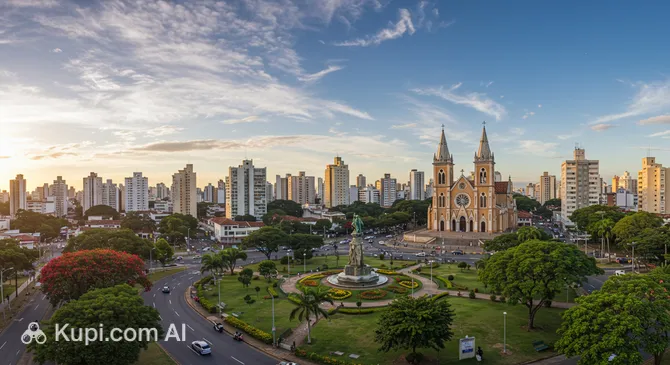
Sorocaba. Illustration.
Source: Kupi.com AI

For tourists, the city offers unique opportunities for active and educational leisure. Sorocaba is famous for its impressive network of bike paths, stretching over 100 kilometers, allowing visitors to comfortably explore the city's corners by bicycle. Additionally, travelers are drawn to the famous zoo, considered one of the best in Latin America, and various museums where one can immerse themselves in the region's atmosphere.

Visiting Sorocaba is an excellent choice for those seeking new experiences off the beaten tourist path. The city invites guests to enjoy its authentic atmosphere, stroll through shaded alleys, and discover genuine Brazilian hospitality.
Weather Overview

Weather:

The climate in Sorocaba is characterized as humid subtropical, making visits to the city comfortable almost any time of year. Seasons are clearly defined: hot and humid summers are followed by mild and dry winters. To choose the ideal dates for your trip and prepare for nature's whims, the current weather in Sorocaba with detailed monthly statistics will be useful.

The summer period, which lasts from December to March in the Southern Hemisphere, brings warmth and heavy rainfall. The average temperature during this time stays around 24°C, while daytime highs often reach 28–29°C. January is considered the rainiest month, with up to 22 days of precipitation recorded. During this season, tourists are strongly advised to carry a reliable umbrella or raincoat.

Winter (June–August) is a time of clear skies and pleasant coolness. Average thermometer readings drop to 18–19°C, and nights become crisp—around 12–13°C, so a warm sweater or light jacket will be necessary for evening walks. This is the ideal season for sightseeing as rain occurs very rarely: for instance, in July, there are only about 2 rainy days.

Average monthly temperature

Average monthly precipitation

Interesting Facts

Beyond its main attractions, Sorocaba holds many fascinating secrets and historical features. This city in Brazil can surprise travelers with an unusual blend of rich traditions and bold modern solutions.

  • Tropeiros Heritage: In the 18th century, the city was a vital point on the legendary "tropeiro trail"—a cattle driving route. During this period, Sorocaba became a key commercial center for the country's interior, and its famous annual fairs gathered merchants from all over the region, laying the foundation for its economic prosperity.

  • City of Bicycles: One of Sorocaba's striking calling cards is its impressive cycling infrastructure. With over 100 kilometers of bike paths, the city is a paradise for active leisure enthusiasts, making the bicycle one of the unofficial symbols of local life.

  • Street Art and Tradition: Sorocaba is home to a unique Museum of Contemporary Art, where innovation intertwines with tradition. Additionally, local artists often turn city walls into canvases: walking through the streets, you can find many hidden murals telling stories of the city's past and present.

  • Green Oases: The city is proud of its ecological zones, such as Biquinha Park and the Campolim Ecological Park. These are favorite spots for family picnics, where green hills are reflected in clear ponds, and observant visitors can spot rare birds and enjoy the silence of nature.

How to Get There

Sorocaba boasts excellent accessibility thanks to its location in one of Brazil's most developed regions. Although the city itself does not have an airport with scheduled passenger flights, travelers can easily reach it from several major aviation hubs in the state of São Paulo. To plan your route in detail, we recommend exploring all the ways to get to the city, including ground transport.

The nearest major hub is Viracopos (VCP). While there is no airport in the city of Sorocaba itself, you can fly into this terminal, which formally belongs to the São Paulo transport hub (located in the Campinas area) and is just 62.6 km from Sorocaba. This is often the fastest option: the journey by taxi or rental car takes about 50–60 minutes.

For international flights, São Paulo-Guarulhos International Airport (GRU) is the most frequent choice. It is located about 103 km from Sorocaba. This is the country's main gateway with a huge passenger flow. The journey from here to Sorocaba by bus or taxi takes about 1 hour and 40 minutes, depending on the traffic density of the metropolis.

Also convenient is Congonhas (CGH) airport, located within the city of São Paulo, approximately 86 km from Sorocaba. It mainly serves domestic flights. Travel time to Sorocaba is about 1.5 hours. Regular bus services and transfer options are available from all the listed airports.

For your convenience, here is a summary of the main airports:

AirportPassenger trafficDistance
Sao Paulo Catarina Airport32 km
Viracopos Airport12.5 mln63 km
Sao Paulo/Congonhas Airport22 mln86 km
Sao Paulo-Guarulhos International Airport41.3 mln103 km
Sao Jose dos Campos85 000168 km

Main Attractions

Sorocaba is a city where the modern rhythm of life intertwines with rich traditions. In addition to its famous parks and zoo, there are several iconic spots that have become real points of attraction for tourists and locals alike. These locations offer a unique combination of history, gastronomy, and entertainment.

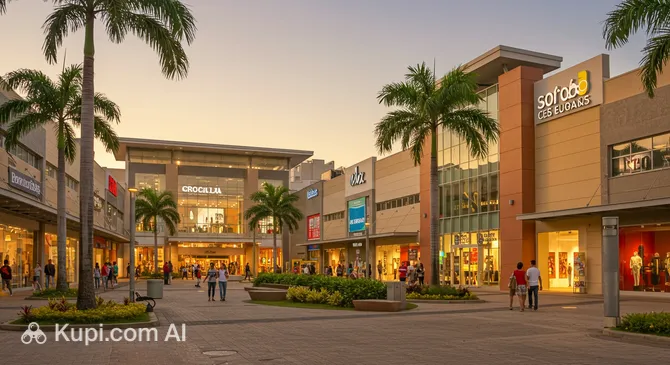
One of the most interesting architectural and cultural attractions is Pátio Cianê Shopping. This place is unique because it is located in the restored buildings of the old "Cianê" textile factory. Walking through its wide aisles, you can enjoy the early 20th-century industrial aesthetic, which harmoniously coexists with modern storefronts. For tourists, it is not just a shopping center, but an opportunity to touch the city's industrial past in a comfortable setting.

Pátio Cianê Shopping. Illustration.
Source: Kupi.com AI

Traveler photos:

A visit to Sorocaba is incomplete without experiencing its gastronomic symbol. The legendary Padaria Real Centro is known far beyond the city limits thanks to its famous coxinha—a traditional Brazilian dish. Travelers come here specifically to try this delicacy, which many consider the best in Brazil. The establishment's atmosphere is steeped in history and comfort, making it the perfect spot for a delicious break.

For those looking for large-scale entertainment and shopping, Shopping Cidade Sorocaba is well worth a visit. This modern complex, located in the northern part of the city, impresses with its size and variety of leisure activities. Cultural events and exhibitions are often held here, making it an important center of social life. Tourists value this place for its excellent infrastructure and the ability to find everything they need in one location.

Nature lovers and families with children might also be interested in the Pet Shop and Aquarium. Despite the name, this place attracts visitors with the opportunity to observe various inhabitants of the aquatic world. It is an excellent stop for those who want to diversify their itinerary and show children colorful fish and other animals in a calm environment.

Local Cuisine

The gastronomy of Sorocaba is a true journey through the flavors of Brazil, where the traditions of the state of São Paulo intertwine with modern culinary trends. One of the main delights for tourists is starting the day with fresh "pão de queijo" (cheese bread). Their aroma fills the streets from early morning, making them the perfect snack for a walk around the city. Locals often pair them with a cup of strong Brazilian coffee ("cafezinho").

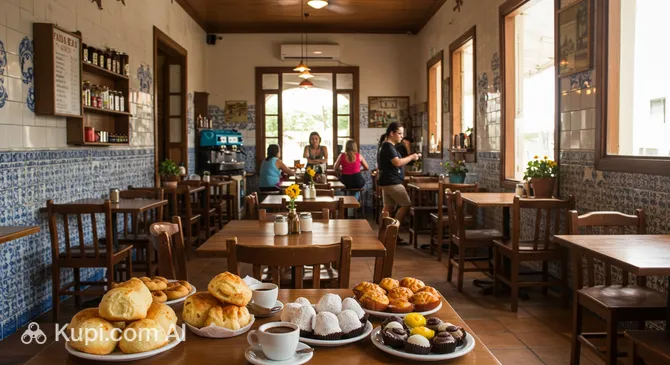
When speaking of the city's iconic dishes, it's impossible not to mention the famous coxinha—a teardrop-shaped croquette filled with chicken. In Sorocaba, this dish is treated with special affection. The legendary place to try what is perhaps the best coxinha in the region is Padaria Real Centro. This establishment has become a true gastronomic symbol of the city, attracting foodies from all over.

Padaria Real Centro. Illustration.
Source: Kupi.com AI

Traveler photos:

Street food here is a separate story, full of vibrant colors and flavors. Be sure to try "pastel"—a crispy fried pastry with various fillings, ranging from ground beef to cheese and heart of palm (palmito). An excellent place to get acquainted with this dish is Tammy Pastelaria, which follows traditional recipes. The perfect accompaniment to such a meal is freshly squeezed sugar cane juice ("caldo de cana") or tropical fruit juice.

On weekends, restaurants and cafes follow the tradition of serving feijoada—a thick and hearty stew of black beans and various types of meat. This dish is meant to be eaten slowly, in the company of friends or family. In Sorocaba's historic market, you can also find everything the local cuisine is proud of: from appetizing meat delicacies to exotic fruits worth buying to take home.

As for drinks, the city comes alive in the evening thanks to its culture of bars and "botecos." Locals love to gather over a glass of ice-cold draft beer ("chopp") or enjoy a national caipirinha. To immerse yourself in the authentic atmosphere, stop by Botequim do Neno, where drinks are served with traditional snacks, creating a cozy environment for evening relaxation.

Throughout the year, Sorocaba transforms into a gastronomic hub due to numerous festivals. These events gather guests from across the state, offering masterclasses from local chefs and tastings. In the evenings, stalls with fried snacks and desserts open in the squares, providing a great excuse to linger longer on your walk and enjoy the hospitality of this Brazilian city.

Travel Tips

A trip to Sorocaba promises to be comfortable and rewarding, as this city successfully combines the developed infrastructure of the state of São Paulo with a relaxed provincial atmosphere. To ensure your trip goes smoothly, we have prepared a list of practical recommendations to help you avoid common tourist mistakes and adapt more quickly to the local rhythm of life.

  1. Clothing and Technology. The climate in Sorocaba is warm, so your wardrobe should primarily consist of items made from natural, breathable fabrics (cotton, linen). Be sure to bring comfortable shoes: the city is hilly, and walks in the parks require comfort. Don't forget sunscreen and a hat, even in winter. An important detail: the network voltage here is usually 127 V (not 220 V, as in some other states of Brazil), and the sockets are Type N (three-pin) or C. We recommend bringing a universal adapter.

  2. Transport. The most convenient and safe way for a tourist to get around is via the Uber or 99 taxi apps. They work consistently, prices are affordable, and they eliminate the language barrier problem when explaining your route. If you decide to use public transport, look for the BRT (Bus Rapid Transit) system. You cannot pay the driver in cash; you will need to purchase a refillable transport card at the terminals.

  3. Finance and Tipping. The national currency is the Brazilian Real (BRL). International bank cards (Visa, Mastercard) are accepted almost everywhere, from major restaurants to street kiosks selling coconut water. However, it’s worth carrying some cash (in small denominations) for markets or tipping parking attendants. In restaurants, a service charge (10%) is usually already included in the bill as "taxa de serviço"; leaving anything extra is not mandatory but appreciated.

  4. Health and Safety. Sorocaba is considered one of the safest cities in the state, but basic precautions are necessary: don't wear expensive jewelry openly and keep an eye on your smartphone in crowded streets. Drink only bottled water; tap water is safe for brushing your teeth, but drinking it is not recommended. Pharmacies (Farmácias) are common, and large chains (like Drogasil) are open late or 24/7.

  5. Communication. The primary language is Portuguese. English is not widely spoken, even in the service industry. We strongly recommend downloading an offline translator and a city map in advance. For mobile connectivity, it's best to buy a local SIM card (Vivo, Claro, TIM) at service shops in malls (you'll need your passport), as roaming can be expensive and Wi-Fi isn't available in all cafes.

  6. Local Etiquette. Brazilians are very open and tactile. A greeting is often accompanied by a handshake or even a light hug if you already know each other. The universal gesture for approval, greeting, and gratitude is a thumbs up ("joia"). Don't be surprised if locals start a conversation in a queue or an elevator—it's common to be friendly here.

  7. What to Avoid. It is strongly discouraged to walk alone on deserted streets or in parks after sunset. Also, avoid the "OK" gesture (making a ring with your thumb and index finger)—in this region, it is considered offensive and rude; use a "thumbs up" instead.

  8. Gastronomic Tip. While in Sorocaba, don't miss the chance to try the local pride—the coxinha at Padaria Real. It's not just food, it's part of the city's cultural code. Locals eat it with their hands, holding the "tail" (the pointed top), but the cafe will always offer utensils. And remember: on Sundays, many shops and establishments located outside of malls may be closed or have reduced hours.

Sorocaba is a city that opens up to those ready to embrace its warm climate and the sincere hospitality of its residents. By following these simple tips, you will feel confident and safe, enjoying every moment of your adventure.

Entertainment & Nightlife

Nightlife in Sorocaba vibrantly reflects the energetic character of this Brazilian city. As a major university and industrial center, it offers a variety of entertainment that comes alive after sunset. The main activity traditionally begins on Thursday and lasts through the weekend, when locals fill the streets to unwind after the work week and enjoy socializing.

The epicenter of evening leisure and the trendiest venues is the prestigious Campolim district. This is where high-end bars, pubs with live music, and nightclubs are concentrated. Walking along the district's avenues, you can hear the rhythms of many different genres—from the country's popular sertanejo to rock and electronic music. It is the perfect place to sample signature cocktails and see Sorocaba's stylish crowd.

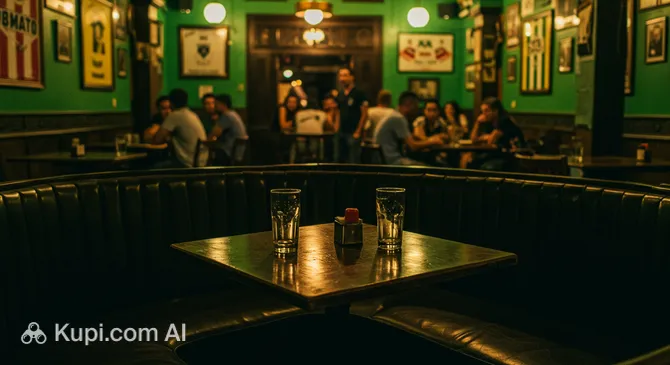
For those seeking an authentic atmosphere, it's worth checking out Botequim do Neno. This is a classic example of a Brazilian "boteco"—a bar with a relaxed setting where it’s easy to strike up a conversation with locals. People come here for ice-cold draft beer (chopp) and traditional snacks that perfectly complement the venue's friendly vibe.

Botequim do Nino. Illustration.
Source: Kupi.com AI

Traveler photos:

If you find yourself hungry after a party or looking for a late-night dinner, the iconic Padaria Real Centro is a lifesaver. Although it is a bakery, it is a popular meeting point at any time of day. Residents and tourists alike come here specifically to taste their famous coxinha—a hearty snack that has become one of the city's gastronomic symbols.

For a more relaxed and romantic evening, large complexes like Pátio Cianê Shopping are perfect. In the evening, cinemas and restaurants operate here, and the building's historic architecture with its effective lighting is ideal for leisurely strolls. This is a safe and comfortable option for couples or those who want a break from the loud music of nightclubs.

Practical Tips for Tourists:

  • Opening Hours: Bars usually start filling up after 8:00 PM, while the peak of activity in nightclubs is around midnight.
  • Dress Code: Most venues accept casual or "esporte fino" (elegant casual) styles. Keep in mind that beachwear or flip-flops might not be allowed in the clubs of the Campolim district.
  • Safety and Transport: Sorocaba is a relatively safe city, but walking long distances at night is not recommended. The most reliable way to get around after dark is using apps like Uber or 99.
  • Prices: Entry fees and drink prices are generally lower than in the state capital, though the price tag in prestigious Campolim venues can be on par with the metropolis.

Parks & Museums

Sorocaba harmoniously combines the dynamics of a developed city with the comfort of green zones, offering tourists a rich selection of places for strolls and cultural leisure. The city is famous for its well-maintained parks and museums, which carefully preserve the region's history and allow visitors to relax away from the urban hustle surrounded by nature.

Among the natural attractions, a special place is held by the "Quinzinho de Barros" Municipal Zoo (Parque Zoológico Municipal Quinzinho de Barros). It is one of the largest and most respected zoos in Latin America, actively working to conserve rare animal species. Spacious enclosures nestled in greenery create a sense of a natural habitat. Another gem is the "Irmãos Villas-Bôas" Botanical Garden. Its hallmark is the impressive glass and metal structure known as the "Crystal Palace," which houses exotic plants surrounded by a magnificent rose garden.

The city's cultural life is closely linked to its industrial and transport past. The Sorocabana Railway Museum (Museu da Estrada de Ferro Sorocabana) is located in a historic building and tells the story of how the development of railway communication turned Sorocaba into a vital trade hub. Here you can see old locomotives, photographs, and railway tools. It is also worth visiting the Sorocaba Historical Museum, which immerses visitors in the daily life and traditions of the first settlers and the city's development through the centuries.

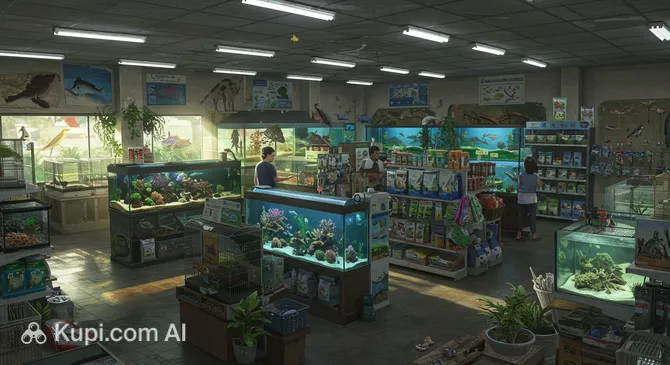
For lovers of the aquatic world, the Pet Shop and Aquarium will be an interesting discovery. Despite its modest name, this place attracts visitors with its aquariums featuring various species of fish and marine inhabitants. It is an excellent location for a family visit, where you can get to know the underwater fauna in a calm environment.

Pet Shop and Aquarium. Illustration.
Source: Kupi.com AI

Traveler photos:

The city's historical character is complemented by architectural monuments such as the São Bento Monastery (Mosteiro de São Bento). Built in the 17th century, it is one of the city's oldest buildings and impresses with its austere beauty and spiritual atmosphere. The temple's interior has preserved features of colonial Baroque, attracting connoisseurs of art and history.

If you are looking for seclusion away from popular tourist paths, check out Biquinha Park (Parque da Biquinha). This is a cozy natural corner with springs and thick vegetation, ideal for a quiet picnic or a morning jog. Locals value it for its cool atmosphere and the chance to feed ducks by a small pond while enjoying the quiet in the heart of the city.

Getting Around

The public transport system in Sorocaba is well-developed and based on bus services. There are no subways or trams in the city, but their functions are performed by the modern BRT (Bus Rapid Transit) network. High-speed buses run along dedicated lanes, connecting remote districts with the center. This is the fastest way to get around this city in Brazil while avoiding traffic jams.

Cash is rarely used to pay for fares. The primary method of payment is a unified transport card, which can be purchased and topped up at terminals in major transfer hubs such as Terminal Santo Antônio and Terminal São Paulo. Mobile applications like Cittamobi are also popular, allowing users to pay for tickets via QR codes and track bus movements in real time.

An important feature for tourists is the integration system: within the city terminals, transferring from one route to another is free, provided you do not leave the turnstile area. Buses run from early morning until midnight, but intervals may increase during the night, which is worth considering when planning late trips.

Sorocaba has an extensive network of bike paths, making cycling a popular alternative to public transport. The city operates a bike-sharing system called Integrabike, which is integrated with the transport card. Often, the first hour of use is free, which is convenient for short trips between attractions and parks.

For comfortable travel, especially with luggage or in the evening, taxi services and popular ride-hailing apps like Uber and 99 are available. Cars can be called through the apps, where the fare is fixed in advance. This is a reliable and safe option for tourists who do not speak Portuguese.

Accommodation

Sorocaba offers travelers a decent selection of accommodation options that match its status as a major regional center. The city's hotel infrastructure caters to both business travelers visiting industrial enterprises and tourists arriving for leisure and shopping. Here you can find everything from budget hostels and simple business hotels to comfortable apartments and full-service hotels.

When choosing a place to stay, consider two main areas that are most convenient for tourists:

  • Campolim: This district is considered the most prestigious and modern in the city. Higher-class hotels, often belonging to well-known chains, are concentrated here. Staying in Campolim puts you within walking distance of the best restaurants, bars, and shopping centers. It's the ideal choice for those who value comfort, safety, and a well-developed local infrastructure.

  • Centro (Downtown): If your budget is limited or you want to be closer to historical sites and museums, the city center is a good option. Budget hotels and guesthouses predominate here. The main advantage of the district is its excellent transport links, making it easy to reach any point in Sorocaba by bus.

Since the provided list does not include specific hotels, we recommend relying on reviews from popular booking platforms. The city features both local Brazilian chains and international brands, guaranteeing familiar standards of quality.

Booking Tip: Sorocaba is an active business city, so hotels can be full of business travelers on weekdays. To guarantee the best room at a favorable price, try to book your accommodation in advance, especially if you plan to visit during major exhibitions or festivals.

Overall, the price range for accommodation in Sorocaba is lower than in the state capital, São Paulo. Most accommodation facilities fall into the mid-range segment, offering a good price-to-quality ratio. Booking is available through all major international online platforms, making the trip planning process simple and convenient.

Nearby Cities

For those who want to explore the surroundings, Sorocaba serves as an excellent starting point for day trips. The city's location in Brazil allows you to reach several unique tourist locations within thirty minutes to an hour, each with its own distinctive flavor.

Just 30 km away is the famous city of Itu, known throughout the country as the "city of exaggerations." Tourists go there to take photos with the giant traffic light and the huge phone booth in the main square, as well as to stroll through the charming historic center with its museums and antique shops. Another popular destination is São Roque, often called the "Land of Wine." This city is famous for its "Wine Route" (Roteiro do Vinho), where you can visit local wineries, enjoy tastings, and dine in restaurants with views of the vineyards. Very close by, practically merging with Sorocaba, is Votorantim, which attracts nature lovers with its waterfalls and the picturesque Itupararanga Dam.

CityPopulationDistance
Votorantim117 7949 km
Aracoiaba da Serra31 32113 km
Salto de Pirapora45 86021 km
Capela do Alto19 48225 km
Ipero33 36725 km

These nearby destinations provide insight into the diverse culture and landscapes of the region, making your trip even more rich and memorable.

Shopping & Souvenirs

Shopping in Sorocaba is an engaging activity that allows you to combine pleasant purchases with an immersion into local culture. The city is an important commercial center for the region, so you can find everything here: from large retail chains and designer boutiques to colorful markets and small shops with handmade crafts. Tourists value Sorocaba for its variety of prices and range, as well as the convenient location of its shopping zones.

The heart of street commerce is traditionally the City Center (Centro). The main pedestrian arteries are Rua da Penha and Boulevard Braguinha. Life here is bustling from early morning: hundreds of stores offer clothes, shoes, accessories, and electronics at very democratic prices. For those seeking more exclusive items and luxury brands, it's worth heading to the Campolim district. This is a modern and prestigious part of the city, where fashionable boutiques and high-end salons are concentrated.

For those who prefer comfortable shopping with air conditioning and entertainment, the local malls are a must-visit. One of the most notable is Pátio Cianê Shopping. It is located in the restored buildings of an old textile factory in the city center, giving your shopping experience a unique industrial chic atmosphere. Another popular location is Shopping Cidade Sorocaba, located in the northern part of the city. This is a massive complex with a wide choice of stores, a food court, and a cinema, perfect for a family day out.

Cidade Sorocaba Shopping Mall. Illustration.
Source: Kupi.com AI

Traveler photos:

To get a real taste of local life, stop by the Municipal Market (Mercado Municipal). The air here is filled with the scent of spices, and fresh exotic fruits, tobacco, and traditional products are sold. If you happen to be in town on a Sunday, don't miss the famous Feira da Barganha—a massive flea market that is a true cultural phenomenon in Sorocaba. You can find antiques, handicrafts, and the most unexpected items there.

Common souvenirs from Sorocaba include items related to the history of the "tropeiros" (muleteers), such as high-quality leather goods like belts, hats, or bags. Also popular are gastronomic gifts: local cachaça, coffee from regional fazendas, and traditional sweets (doces) such as pumpkin or fig preserves.

Shops in the malls are usually open from 10:00 AM to 10:00 PM (on Sundays, hours may be reduced). Street shops in the center typically operate from 9:00 AM to 6:00 PM on weekdays and until noon on Saturdays. Credit and debit cards (Visa, Mastercard) are accepted almost everywhere, though it's better to have some cash Reais for markets and small kiosks.

It is important to note that in Brazil, the Tax Free refund system for foreign tourists is almost never applied in retail. The prices shown on the price tags are final, and you should not expect a VAT refund upon leaving the country.

Reached the end of the page?

That means the route is fully explored