Support

Ruse

About

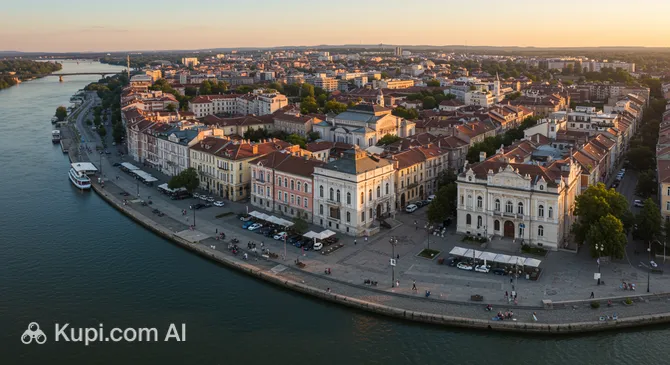
Ruse is a true architectural gem located on the majestic banks of the Danube. As the fifth largest city in Bulgaria, it is often called "Little Vienna" for its unique European charm and elegance. Situated in the northeast, right on the border with Romania, Ruse serves as an important gateway to Europe and a major regional transport hub, home to about 144,000 people.

Ruse. Illustration.
Source: Kupi.com AI

A special atmosphere is created by elegant building facades, spacious boulevards, and cozy squares reminiscent of the streets of the Austrian capital. The unique history of Ruse can be traced in every stone of the city center, where Western European influence harmoniously intertwines with local traditions. Walks along the waterfront, offering picturesque views of the river and the green expanses of the opposite bank, provide a sense of peace and freshness.

The city is a recognized cultural center, boasting an opera house, a philharmonic orchestra, an art gallery, and numerous museums that can surprise even seasoned travelers. Ruse is ideal for those who want to discover new facets of the country, enjoy art, and immerse themselves in the atmosphere of old Europe, away from the bustling seaside resorts.

Weather Overview

The climate in the city is characterized by pronounced seasonality, which allows for planning various types of recreation throughout the year. Summer in Ruse is truly warm, and at times hot: in July and August, average temperatures reach 25°C, and during daytime hours, the air often warms up above 30°C. This is a great time for walking, although you should be prepared for the fact that June can be quite a rainy month.

Winters here are cool but generally mild. In January, the coldest month, the average temperature is about 2°C, and light frosts are possible at night. The transition seasons—spring and autumn—provide travelers with the most comfortable conditions: May and September delight with pleasant warmth without exhausting heat. September, moreover, is one of the driest months of the year.

Expect hot summers with periodic precipitation and cool winters with variable cloudiness. To know exactly what clothes to bring, we recommend checking in advance what the weather in Ruse will be like during your trip.

Average monthly temperature

Average monthly precipitation

Interesting Facts

Ruse is not just about beautiful facades, but a city with a rich history full of amazing details. Besides the main attractions, many fascinating secrets are hidden here, making a walk through the streets a real adventure.

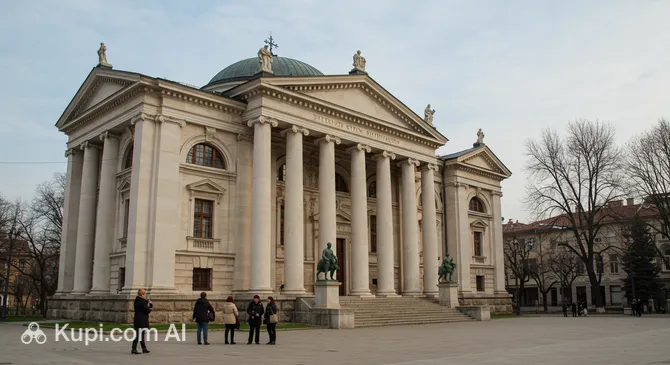
Pantheon of National Revival Heroes. Illustration.
Source: Kupi.com AI

Traveler photos:

  • The city rightfully prides itself on its unofficial status as an "open-air museum": there are about 200 architectural monuments from the late 19th and early 20th centuries. Among them, the majestic Freedom Monument, created by the famous Florentine sculptor Arnaldo Zocchi in 1908, stands out in particular.

  • Ruse is home to the unique Fleet Tower, built in 1884 according to the project of architect Franz Grünanger. Originally, this structure was intended for meteorological observations, and today it continues to serve as a reminder of the region's important maritime traditions.

  • One of the most mysterious spiritual shrines is the Holy Trinity Church, erected at the beginning of the 17th century. It is an underground church, which was characteristic of construction during the Ottoman rule, and unique ancient frescoes have been preserved inside.

  • To preserve the memory of great figures of the past, an impressive Pantheon of the Bulgarian National Revival Heroes was created in the city. Also, cultural heritage is carefully kept by numerous museum complexes, including the Baba Tonka and Nikola Obretenov House-Museum.

How to Get There

Ruse, located on the border with Romania, is an important transport hub connecting the Balkans with Central Europe. Thanks to its favorable geographical location, tourists have several convenient route options. You can find more details on how to get to Ruse by exploring all available methods, including flights and rail connections through neighboring cities.

There is no airport in the city of Ruse itself, but you can fly to Henri Coandă International Airport (OTP) in Bucharest, which is only 83 km from Ruse. This is the most popular option due to its proximity and the large number of flights. The journey from there by taxi or transfer will take about 2.5 hours. You can also consider a flight via the Bulgarian coast: Varna Airport (VAR) is located in the city of Varna, approximately 165 km from Ruse. A trip from Varna will take 2.5–3 hours by road.

For clarity, here is summary information on the main airports:

AirportPassenger trafficDistance
Bucharest Henri Coanda International Airport15.9 mln83 km
Veliko Tarnovo South Bus Station750 00089 km
Varna Airport1.5 mln165 km
Craiova Airport598 090175 km
Burgas Airport1.8 mln189 km

Railway communication also plays an important role, especially for those traveling through Romania. The nearest major international hub to Ruse is Bucharest North Railway Station, located about 69 km away. From there, you can reach Ruse by taxi or bus in about 2 hours. This is a convenient option for transit passengers arriving in the Romanian capital by train.

Below is information about the nearest railway stations:

StationPassenger trafficDistance
Bucharest North Station10 mln68 km
Buzau Railway Station161 km
Focșani Railway Station228 km
Mărășești Railway Station247 km
Adjud Railway Station269 km

Main Attractions

Ruse is often called "Little Vienna" not only for its architecture but also for its rich cultural program. The city offers travelers unique collections and exhibitions that are hard to find in other parts of Bulgaria. A stroll through the local museums and parks will allow you to gain a deeper understanding of the history of this Danube region.

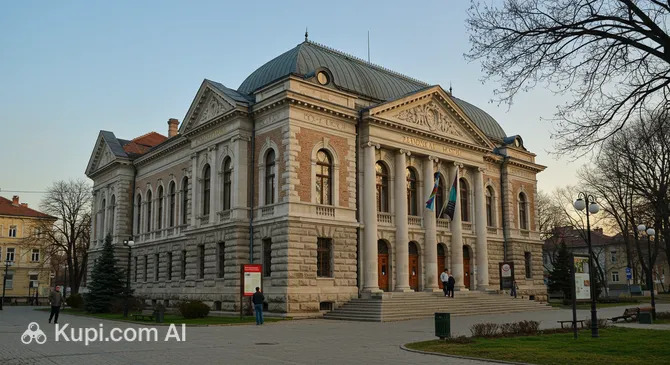
One of the city's main treasures is the Ruse Regional Historical Museum. This place is a must-visit for anyone interested in antiquity. Its funds hold more than 140,000 exhibits, but the real jewel is the famous Borovo Treasure—a luxurious silver service belonging to Thracian kings. The exhibition covers periods from prehistoric times to the present day, telling the story of life in the region on the banks of the Danube.

Regional Historical Museum Ruse. Illustration.
Source: Kupi.com AI

Traveler photos:

Fans of engineering and railway history should visit the National Museum of Transport and Communications. It is located in the building of Bulgaria's first railway station, built back in 1866. Here you can see unique steam locomotives, vintage carriages, and even the personal carriage of Sultan Abdul Aziz. The atmosphere of the old station and the opportunity to touch the history of transport development make this museum one of the most interesting in the country.

For a family visit, the Eco Museum is ideal, introducing guests to the natural wealth of the region. This is a modern interactive complex where the centerpiece is a huge freshwater aquarium with fish inhabiting the Danube. Additionally, it features an impressive collection of fossils, including a life-size model of a mammoth, and dioramas demonstrating wildlife.

If you want to take a break from museum halls in the fresh air, head to the Rosarium. This is a picturesque spot in Youth Park, where thousands of rose bushes of various varieties are planted. Bright flower beds, well-kept alleys, and floral scents create the perfect setting for a quiet walk and beautiful photos, especially during the blooming season.

Local Cuisine

The gastronomy of Ruse is a fascinating journey where Bulgarian traditions intertwine with the influence of neighboring cultures brought by the waters of the majestic Danube. Local cuisine is famous for its diversity and generosity, and the proximity to the river dictates the main rule: you must try the fish. Danube fish, prepared in the form of a rich soup, baked with vegetables, or simply fried until crispy, is considered a true hallmark of the city.

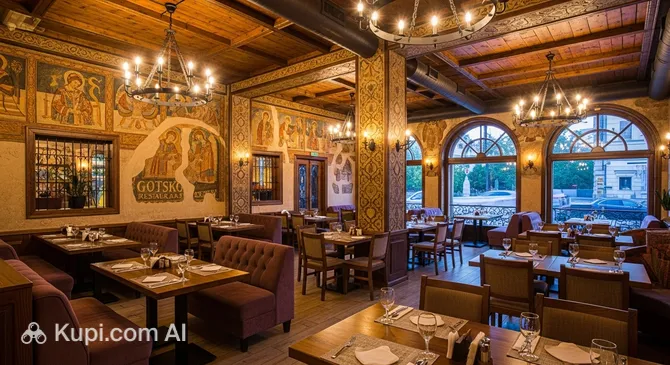
In addition to fish delicacies, you will find classic national hits on the menus of local establishments. Don't miss the opportunity to order banitsa—a traditional flaky pastry with cheese, perfect for breakfast. Meat lovers will enjoy kavarma—a hearty stew of meat and vegetables often cooked in clay pots according to ancient recipes. To get acquainted with local cuisine in a cozy atmosphere, you can visit Gotsko Restaurant, where traditions of hospitality are honored.

Gotsko Restaurant. Illustration.
Source: Kupi.com AI

Traveler photos:

The food culture in Ruse is diverse: from leisurely dinners in restaurants to street food snacks. Hot pastries are popular on the city streets, and you can always find fresh local cheeses, thick yogurt, and aromatic honey at farmers' markets. If you prefer modern gastronomic trends and want to enjoy a cup of excellent coffee or a late breakfast, it's worth visiting Sapiens Specialty Coffee & All Day Brunch.

As for drinks, it is customary to accompany a meal with a glass of local wine or rakia—a strong fruit brandy that is the pride of Bulgaria. Recently, craft drink culture has also been developing in the city. To appreciate a selection of interesting beers and spend an evening in a relaxed atmosphere, tourists and locals often choose Za RazBIRAchi Craft Bar. Additionally, gastronomic festivals are regularly held in Ruse, where you can taste dishes from not only Bulgarian but also neighboring Romanian cuisine.

Travel Tips

Welcome to Ruse! To ensure your journey to this elegant Danube city is as comfortable as possible and leaves only pleasant memories, we have prepared a selection of useful recommendations. These tips will help you feel confident and avoid typical tourist mistakes.

  1. Clothing and Seasonality. The climate here has its own characteristics: summers can be hot and humid, so choose light natural fabrics and definitely wear a hat. In winter, due to winds from the river, it feels colder than the thermometer shows, so a windproof jacket is a must. Most importantly—bring comfortable flat shoes, as the historical center is paved with cobblestones, and long walks in heels can be an ordeal.
  2. Transport. The city center is compact enough to explore on foot. For trips to remote areas, it is convenient to use buses and trolleybuses (tickets are bought from the driver or at kiosks). Taxis in Ruse are inexpensive, but we strongly recommend calling a car through official dispatch services or apps to avoid inflated rates that you might encounter when hailing a car from the street.
  3. Finances. The official currency is the lev (BGN). Although Bulgaria is a modern country and cards are accepted in supermarkets, hotels, and most restaurants, you will definitely need cash. Small souvenir shops, street food, and tickets to some museums are often paid for only in cash. It is better to change money at bank branches, avoiding street exchange offices with unfavorable rates.
  4. Health and Safety. Ruse is a quiet city, but standard safety rules apply here too: do not leave your belongings unattended in crowded places. An important nuance for summer trips: due to the proximity of the Danube, there may be many mosquitoes in the evening, so be sure to bring repellents. Pharmacies are common, but there are few 24-hour ones—keep a minimal set of necessary medications with you.
  5. Communication. Locals speak Bulgarian. Thanks to the Cyrillic alphabet, it will be easy for you to read signs and navigate the city. Young people often speak English, and the older generation may understand Russian. For a stable connection, we recommend buying a local SIM card (A1, Yettel, or Vivacom) at mobile phone stores, as public Wi-Fi is not always reliable.
  6. Local Etiquette. Remember the famous Bulgarian peculiarity that often confuses tourists: a nod of the head here means "no," while shaking it from side to side means "yes." Be careful when communicating! It is also customary to greet staff when entering small shops and cafes—a simple "Zdraveite" will win people over.
  7. What to Avoid. It is strictly not recommended to change currency with private individuals on the street—the risk of fraud is very high. Also, try not to engage in political disputes or compare local culture with neighboring countries in a negative way—Bulgarians are very proud of their national identity.
  8. Bonus: River Walk. Don't miss the chance to see the city from the water. If time and weather permit, ask about short boat trips on the Danube. The view of the "Little Vienna" architecture from the river, especially at sunset, reveals the city from a completely new, romantic side.

We hope these practical tips help you easily plan your trip and avoid minor troubles. Enjoy the Danube landscapes, unique architecture, and the hospitality of Ruse!

Entertainment & Nightlife

The nightlife in Ruse, much like the city itself, is characterized by elegance and a steady pace. You won't find the endless noise of a metropolis here, but you will discover many cozy places with a soulful atmosphere. The epicenter of evening activity is the central part of the city, especially the area around Freedom Square and the Aleksandrovska pedestrian street. At dusk, the "Little Vienna" architecture is beautifully illuminated, and locals and tourists fill the outdoor terraces, creating a lively and friendly environment.

For lovers of bar culture, Ruse offers an excellent selection of venues—from stylish lounges to atmospheric pubs. If you appreciate rock music, informal socializing, and want to immerse yourself in an authentic environment, it's worth checking out the Tangra Beer Pub. This is a place with character, where fans of good music and draft drinks often gather. Overall, the dress code in the city's bars is casual: casual style will be appropriate almost everywhere.

Those who prefer a more classic entertainment format, including shopping and cinema, will enjoy Mall Rousse. This is a large shopping and entertainment center where you can not only update your wardrobe but also spend the evening watching a film in a modern cinema or having dinner at the food court. It's a great option for family leisure or a quiet evening in bad weather.

When it comes to daytime entertainment and active recreation, the city does not disappoint either. On hot days, the Olympia Sports Complex is popular. Here you can swim in the pool, cool off, and recharge before an evening promenade. Additionally, there are theaters in the city, including the famous Ruse Opera, which offers a rich repertoire for art lovers.

Practical Tips and Safety: Nightlife in Ruse starts after 8:00 PM, and the peak of fun in clubs occurs around midnight. Prices for cocktails and entrance tickets are significantly lower here than in Sofia or at the seaside resorts. The city center is considered safe for night walks, as the streets are well-lit and patrolled. However, if you stay out late or plan a trip to a remote area, it's better to call a taxi through official apps or by phone—it's inexpensive and reliable.

Parks & Museums

Ruse harmoniously combines European architectural aesthetics and natural tranquility, offering tourists many green oases and cultural spaces. The city and its surroundings are rich in places where you can relax from the bustle while enjoying the fresh air or immerse yourself in the study of Bulgaria's heroic past.

The heart of the city's green zone is rightfully considered Youth Park (Park na mladezhta). This is a favorite walking spot for locals, stretching along the majestic Danube. Shady alleys lead to the waterfront, offering picturesque views of the river. This is where the famous Rosarium is located, delighting the eye with thousands of blooming buds. The park is ideal for morning runs, leisurely promenades, or picnics surrounded by centuries-old trees.

If you are ready to venture outside the center, be sure to visit the Rusenski Lom Nature Park, located just 20 km from the city. This is a unique reserve with deep canyons, river valleys, and cliffs. Here, nature is closely intertwined with history: ancient churches and monasteries included in the UNESCO World Heritage List are hidden in the rocks. This place will provide unforgettable impressions for fans of ecotourism and hiking trails.

The cultural program of Ruse is not limited to large museums; there are intimate but very significant places. Special attention should be given to the Baba Tonka and Nikola Obretenov House-Museum. The exhibition is dedicated to one of the most respected families in Bulgarian history, whose members played a key role in the national liberation movement. Visitors can see the revolutionaries' personal belongings, weapons, and documents, immersing themselves in the atmosphere of the struggle for independence.

Another monumental symbol of memory is the Pantheon of the Bulgarian National Revival Heroes. This majestic building with a gilded dome, erected on the site of an old cemetery, houses the bones of hundreds of national heroes, writers, and educators. The interior decoration and scale of the structure inspire awe and allow for a better understanding of the spirit of the Bulgarian people.

Strolling through the center, it's impossible to miss the architectural focal point of the main square—the Freedom Monument. This statue, created at the beginning of the 20th century, has become a symbol of the city and depicts a female figure holding a sword and pointing north, from where the liberation troops arrived. A cozy square is laid out around the monument, where people often arrange meetings and hold city festivities.

Insider Tip: For those looking for romance and beautiful stories, we recommend finding the "Kaliopa House" (Museum of Urban Life). Legend has it that this elegant mansion was given by Governor Midhat Pasha to his beloved, the beautiful Kaliopa. The house's interiors perfectly recreate the luxurious atmosphere of a wealthy Ruse family's life at the end of the 19th century.

Getting Around

The public transport system in Ruse is quite compact and easy to use, making moving around the city comfortable for tourists. Since the historical center, nicknamed "Little Vienna," is best explored on foot, you will mostly need transport for trips to the railway station, bus stations, or to remote park areas such as Lipnik Park.

The basis of the city transport network consists of buses and trolleybuses. Trolleybus communication is particularly well-developed here and covers most key routes, connecting residential areas with the center and industrial zones. Transport runs regularly, usually with intervals of 10–15 minutes during peak hours, and most lines operate from early morning (around 05:00) until 23:00.

Payment for travel in Ruse is organized traditionally but with elements of modernization. For a single trip, a ticket is most often purchased directly from the driver when entering the vehicle. The fare is about 1.50 leva (BGN). We recommend always having small coins with you, as the driver may not have change for large bills. The purchased ticket must be kept until the end of the trip in case of checks by inspectors.

A popular and affordable alternative to public transport is the taxi. Official services operate in the city, with cars painted yellow. Trips around the city are inexpensive, but tourists should be careful: always check if the meter is on when boarding, or clarify the approximate cost with the dispatcher in advance. Avoid private drivers offering services at stations, as their rates can be significantly inflated.

For outdoor enthusiasts, Ruse offers excellent opportunities for cycling. There are convenient bike paths along the Danube waterfront and in Youth Park, allowing you to enjoy river views during your ride. If you plan to move exclusively within the central part of the city, walking remains the best choice: distances here are small, and the architecture is worth seeing from somewhere other than a bus window.

Accommodation

The city of Ruse offers travelers a decent choice of accommodation that will satisfy both budget tourists and lovers of comfort. Classic mid-range city hotels (3–4 stars) predominate here, often located in renovated historical buildings, allowing you to fully immerse yourself in the "Little Vienna" atmosphere. The private apartment rental segment is also gaining popularity in the city, which is an excellent solution for families with children or those planning a long stay.

The most attractive area to stay is undoubtedly the historical center. By choosing a hotel near Freedom Square or the Aleksandrovska pedestrian street, you will be within walking distance of the main museums, restaurants, and architectural monuments. Living in the center allows you to enjoy evening walks without the need for public transport. If you are looking for a more romantic setting and picturesque views, you should pay attention to the hotel complexes located along the Danube waterfront.

The pricing policy in Ruse will pleasantly surprise you: the cost of living here is generally significantly lower than in Sofia or at Bulgaria's popular seaside resorts. You will easily find both economical guesthouses and more elegant options with modern service. For searching and booking rooms, it is most convenient to use popular international online aggregators. Although the city is rarely overcrowded with tourists, during the summer season and during major festivals, it is recommended to book accommodation in advance to guarantee the best view from the window and the optimal price-quality ratio.

Nearby Cities

For those who want to explore the surroundings, Ruse serves as an excellent starting point for day trips to several interesting nearby locations:

CityPopulationDistance
Giurgiu61 3538 km
Zimnicea14 05853 km
Alexandria45 43453 km
Svishtov44 35955 km
Jilava12 22356 km

Just an hour and a half away is Veliko Tarnovo—the ancient capital of Bulgaria, which consistently fascinates tourists with its unique architecture. The city is situated on three hills, and old houses seem to hang over the bends of the Yantra River. The main point of attraction here is the majestic Tsarevets Fortress, where a spectacular light and sound show telling the story of the Second Bulgarian Kingdom takes place in the evenings.

Fans of monumental art and history should head to Shumen. The city is famous for its giant "Founders of the Bulgarian State" memorial complex, which rises on a plateau and is visible for dozens of kilometers. Additionally, you can visit the famous Tombul Mosque—the largest in the country and one of the most significant in the Balkans—and take a walk to the ruins of the ancient Shumen Fortress.

No less interesting is Pleven, which attracts travelers with its spacious green areas. Kaylaka Park, located in a picturesque river canyon, is particularly popular for those looking to take a break from the city bustle. The city is also famous for its museums, the most well-known being the "Pleven Panorama 1877," which immerses visitors in the events of the Liberation War.

These nearby destinations provide an insight into the diverse culture and landscapes of the region.

Shopping & Souvenirs

Shopping in Ruse harmoniously complements the atmosphere of this elegant city. You won't find the bustle of giant metropolises here, but you can enjoy leisurely shopping surrounded by beautiful architecture. The range varies from well-known international brands to unique products from local artisans, allowing you to combine a wardrobe update with the search for authentic Bulgarian souvenirs.

The main shopping artery of the city is Aleksandrovska Street. This is a lively pedestrian zone passing through the very center, where the ground floors of historical buildings are occupied by numerous boutiques, clothing, shoe, and cosmetic stores. A walk here provides aesthetic pleasure: you can move from one store to another while admiring Baroque and Neoclassical facades, taking breaks in outdoor cafes.

For those who prefer a modern "all-in-one" shopping format, Mall Rousse serves as the center of attraction. This is a large shopping and entertainment complex located in the eastern part of the city. Dozens of stores of popular European brands, sporting goods, electronics, and accessories are gathered under its roof. Here you can also find a large supermarket, which is convenient for buying groceries or local delicacies before leaving.

To get a real taste of local life, it's worth checking out the city markets. The Central Municipal Market offers a rich selection of fresh seasonal vegetables and fruits grown in the fertile Danube valley. You can also purchase homemade honey, nuts, spices, and traditional dairy products directly from farmers here.

As souvenirs from Ruse, tourists most often bring home products based on the famous Bulgarian rose: oils, cosmetics, perfumes, and even jams. Painted Trojan ceramics with characteristic patterns, embroidered tablecloths, and leather goods are also popular. Don't forget to look out for local wines and rakia—the region is famous for its winemaking traditions, and a bottle of a quality drink makes an excellent gift.

Most shops in the city center are open from 09:00 or 10:00 until 19:00, and may close earlier on Saturdays. Shopping centers are usually open until 21:00 every day. The primary currency for transactions is the Bulgarian lev (BGN). Bank cards are accepted almost everywhere, including supermarkets and restaurants, however, for purchases at markets or in small souvenir shops, it is better to have cash with you.

Tourists permanently residing outside the European Union can use the Tax Free system when making large purchases at partner stores. Look for "Tax Free Shopping" stickers in shop windows and don't forget to ask the seller for a special voucher to arrange a tax refund upon leaving the country.
Reached the end of the page?

That means the route is fully explored