Support

Ouagadougou

About

Welcome to Ouagadougou, the vibrant capital and largest city of Burkina Faso. Affectionately known as "Ouaga" by locals and frequent travelers, this bustling metropolis serves as the administrative, communications, and cultural heart of the nation. It is a city where traditional West African heritage blends with modern urban life, creating a unique and energetic atmosphere that captivates visitors.

Located in the Centre Region, Ouagadougou is home to a growing population of approximately 2.5 million people. The city is situated on the central plateau, characterizing it with a hot, semi-arid climate typical of the Sahel. Despite the heat, the city's wide, tree-lined avenues and lively public spaces make it a welcoming destination for exploration.

The city has deep roots in the region's past, serving as the historic capital of the Mossi Kingdom. Exploring the history of Ouagadougou reveals a fascinating narrative of resilience and tradition that continues to influence its culture today. From its origins as a royal center to its current status as a hub for African cinema and arts, the city tells a compelling story.
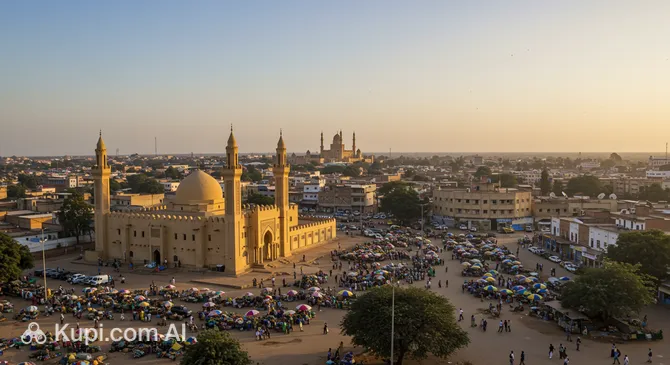
Ouagadougou. Source: Kupi.Binoculars

Travelers will find plenty of unique attractions to enjoy. The Bangr Weogo Park is a massive urban forest that offers a refreshing escape with its diverse flora and fauna, perfect for walking or jogging. For a taste of local culture, the Village Artisanal de Ouagadougou is a must-visit, where you can watch skilled artisans create beautiful textiles, pottery, and jewelry. Additionally, the National Museum of Music showcases an impressive collection of traditional instruments, highlighting the country's rich musical heritage.

Whether you are attending the famous FESPACO film festival or simply enjoying the local cuisine in a street-side café, Ouagadougou offers a warm and authentic experience. We invite you to discover the rhythm and hospitality of this dynamic West African capital.
Weather Overview

Ouagadougou experiences a hot semi-arid climate characterized by three distinct seasons, influencing the best times for travel. The hot dry season peaks between March and May, where temperatures rise significantly. April is typically the warmest month, with average temperatures around 33.8°C and daily highs reaching nearly 40°C, so visitors during this period should plan for the heat.

The rainy season brings a change in atmosphere from June through September. August is the peak of this humid period, featuring approximately 24 wet days and cooler average temperatures of about 26.8°C. While the rain brings relief from the intense heat, travelers should be prepared for frequent showers and cloudy skies.

For many, the ideal time to visit is during the cooler dry season from November to February. During this window, the weather in Ouagadougou is pleasant and sunny, with no precipitation and comfortable average temperatures ranging from 25.7°C to 28.4°C. January is particularly refreshing, with minimum temperatures dropping to around 18.2°C, offering perfect conditions for exploring the city.

Interesting Facts

Beyond the main attractions, Ouagadougou holds many fascinating secrets that reveal the soul of the Sahel. This city is not just a political capital but a repository of ancient traditions and unique architectural feats that often surprise visitors.
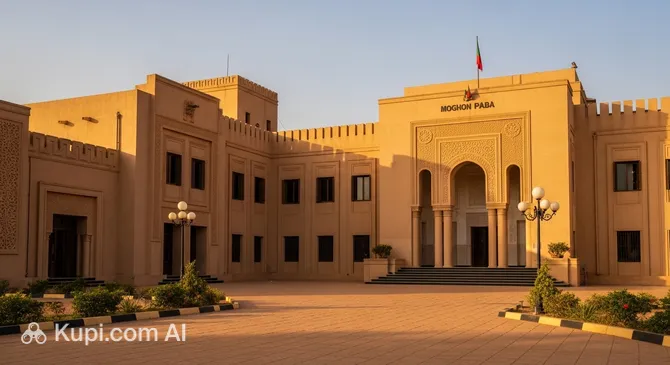
Mogho Naba Palace. Source: Kupi.Binoculars
  • Every Friday morning, a centuries-old ritual known as the "False Departure" takes place at the Mogho Naba Palace. During this ceremony, the Emperor of the Mossi people simulates leaving for war to defend his kingdom, only to be persuaded by his subjects to stay and maintain peace, a powerful symbol of the value placed on stability over conflict.

  • The city's name, often shortened to "Ouaga," is derived from the term "Wogodogo," which dates back to the 15th century. It translates to "the place where people get honor and respect," reflecting the deep-rooted culture of hospitality that continues to define the local community today.

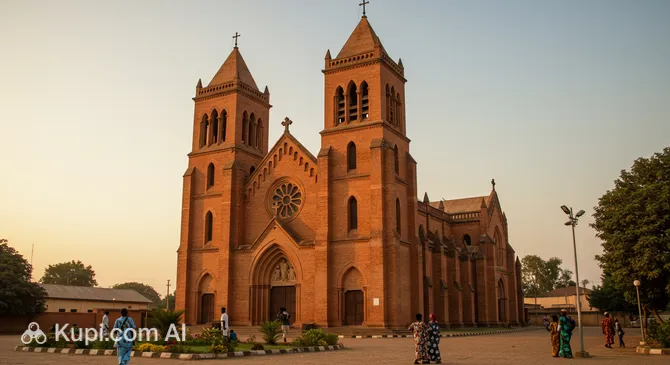
  • The Ouagadougou Cathedral is a remarkable example of religious architecture adapted to the local environment. Built in the 1930s, it is one of the largest structures in the region constructed almost entirely from red mud bricks, blending Romanesque design with traditional West African building materials.

  • Ouagadougou is widely recognized as the "Hollywood of Africa" due to its central role in the continent's film industry. It is home to a unique monument called the Place des Cinéastes, which is dedicated to celebrated African directors and features a structure resembling camera lenses and film reels.

How to Get There

Planning a trip to the heart of West Africa usually involves flying, as air travel is the most practical method for international visitors. For a comprehensive guide on all transport options, including land routes, you can read more about how to get to Ouagadougou on our detailed page.

The primary entry point for travelers is Ouagadougou International Airport (IATA: OUA). Conveniently located within Ouagadougou itself, the airport is situated just 2.2 km from the city center, ensuring a quick and hassle-free transfer upon arrival. A taxi or shuttle ride to the downtown area typically takes about 25 minutes, depending on traffic. As a key transport hub with medium passenger traffic, Ouagadougou International Airport connects the capital to various regional and international destinations, making it the standard choice for most tourists.

For clarity, here is a summary of the main airport:

Airport Name City Passenger Traffic Km from City
Ouagadougou International Airport Ouagadougou Medium 2.2

Main Attractions

Ouagadougou is a city where history and modernity converge, offering visitors a distinct mix of cultural landmarks and artistic expressions. While the streets themselves are alive with the buzz of daily life, several key sites stand out as essential stops for anyone looking to understand the spirit of Burkina Faso's capital.

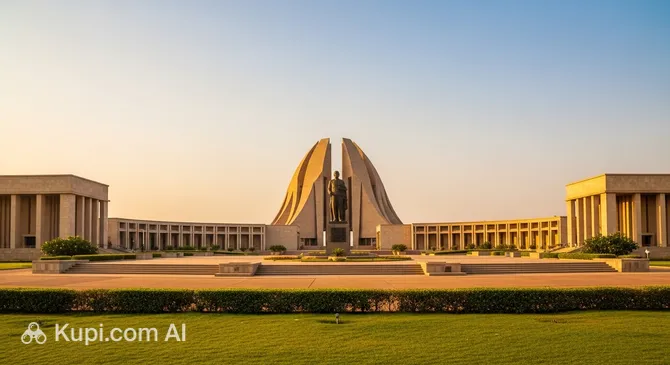
One of the most profound experiences in the city is a visit to the Thomas Sankara Memorial. This site is dedicated to the visionary leader often hailed as the "Che Guevara of Africa," whose revolutionary ideas continue to resonate across the continent. The memorial features a commanding statue that captures Sankara's determination and charisma, standing as a beacon of African self-reliance. Visitors can explore exhibits that delve into his political philosophy and the enduring impact of his presidency, making it a deeply moving destination for history enthusiasts and those seeking inspiration from the country's past.

Thomas Sankara Memorial. Source: Kupi.Binoculars

A short distance away, the Ouagadougou Cathedral (Cathedral of the Immaculate Conception) dominates the skyline with its impressive scale and Romanesque-inspired design. As one of the largest places of worship in West Africa, it serves as a spiritual anchor for the local Catholic community. Stepping inside, travelers are greeted by a vast, cavernous nave where the temperature drops pleasantly, offering a cool and serene sanctuary away from the bustling city streets. The cathedral's atmosphere is one of quiet reflection, characterized by its high arches and the solemn beauty of its interior.

Ouagadougou Cathedral. Source: Kupi.Binoculars

For a deeper understanding of the region's traditional roots, the Mogho Naba Palace stands as a crucial symbol of customary authority. It is the official residence of the Moro Naba, the Emperor of the Mossi people, who continues to wield significant moral and cultural influence alongside the modern state. While the inner quarters remain private to respect the sanctity of the court, the palace serves as the custodian of customary law and represents the living heritage of the Mossi Kingdom, acting as a bridge between the ancient past and the present day.

Beyond history and religion, Ouagadougou is celebrated for its exceptional craftsmanship, best experienced at KB et Frères. This renowned workshop is the premier destination for high-quality leather goods, a trade for which Burkina Faso is famous. The artisans here are masters of their craft, transforming locally sourced leather into exquisite bags, shoes, and accessories that blend traditional techniques with modern aesthetics. A visit here allows tourists not only to purchase unique, durable souvenirs but also to appreciate the intricate skill and artistry that goes into every handmade piece.

KB et Frères. Source: Kupi.Binoculars

Local Cuisine

The culinary scene in Ouagadougou is a delightful reflection of Burkinabé hospitality, blending traditional West African flavors with French influences. Food here is hearty, flavorful, and often communal. The city is famous for its "maquis"—informal, open-air restaurants that serve as the social hubs of the capital. Dining in a maquis is an essential part of the local experience, where you can enjoy delicious, affordable meals in a lively atmosphere often accompanied by music.

When it comes to signature dishes, Riz Gras (literally "fat rice") is the undisputed king of festive meals. This one-pot dish features rice cooked in a rich tomato and vegetable broth with generous amounts of oil and meat, usually chicken or mutton. Another staple is (also known as Saghbo), a thick paste made from millet, sorghum, or corn flour. While neutral in taste on its own, it transforms when paired with flavorful local sauces such as "sauce gombo" (okra) or "sauce feuille" (baobab or sorrel leaves).

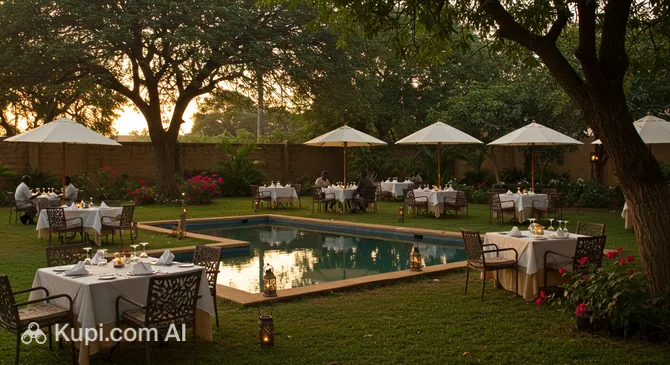
Meat lovers will find their paradise in Ouagadougou's grilled offerings. The most famous specialty is Poulet Bicyclette ("Bicycle Chicken"). These are free-range chickens, traditionally brought to market by bicycle vendors, which are seasoned and grilled over an open flame to perfection. The meat is lean, firm, and incredibly tasty. For a relaxed dining experience where you can sample excellent local and international dishes in a green setting, Le Verdoyant is a popular choice among both expats and locals.

Le Verdoyant. Source: Kupi.Binoculars

No meal in Burkina Faso is complete without trying the local beverages. The traditional welcome drink is Zoom-koom, a refreshing, milky-white beverage made from millet flour, ginger, tamarind, and sugar. It is sweet, slightly spicy, and deeply cooling. For those interested in alcoholic drinks, Dolo is the local sorghum beer, typically brewed in home-style operations and served in calabash gourds. It has a sour, cider-like taste and is a cultural staple during gatherings.

The city also boasts a growing modern dining scene. Places like SIKA Lounge offer a sophisticated atmosphere for those looking to enjoy fine dining or a cocktail in the evening. Whether you are grabbing a quick skewer of "brochette" from a street vendor or sitting down for a full meal, Ouagadougou's food culture is sure to leave a lasting impression.

Travel Tips

Preparing for a trip to Ouagadougou means packing for the Sahel sun and getting ready for warm, genuine interactions with the locals. To help you navigate the city with confidence and ease, we have compiled a list of essential practical tips that cover everything from local customs to getting around.

  1. Clothing and Gear: Due to the hot semi-arid climate, pack lightweight, breathable fabrics like cotton or linen. Light colors are best to reflect the sun. While the city is relatively relaxed, modest clothing is respectful; avoid overly short skirts or shorts. A wide-brimmed hat, good sunglasses, and a sturdy pair of walking shoes are essential. If you are visiting during the Harmattan season (December to February), bring a scarf or mask to protect against dust.

  2. Transportation: The most common way to get around is by the distinctive green taxis. They function more like shared transport, but you can hire one for a private trip ("déplacement"). There is no metro or tram system. Always negotiate the fare before getting in, as meters are rarely used. For safety and comfort, especially at night, it is advisable to ask your hotel or restaurant to call a trusted taxi driver for you rather than hailing one on the street.

  3. Finances: The local currency is the West African CFA franc (XOF). Ouagadougou is very much a cash-based economy. While some high-end hotels and restaurants accept credit cards (mostly Visa), you will need cash for markets, taxis, and smaller eateries. ATMs are available in the city center and near banks, but they can occasionally be out of service, so carry enough cash for daily expenses. Tipping is not mandatory but is highly appreciated; leaving small change at a local "maquis" is a kind gesture.

  4. Health and Safety: Malaria is a risk in Burkina Faso, so bring strong insect repellent and consider taking prophylaxis after consulting your doctor. Drink only bottled water and avoid ice cubes in street stalls. Pharmacies are widely available and marked with a green cross; look for a "pharmacie de garde" for after-hours service. In terms of safety, avoid walking alone in poorly lit areas at night and keep valuables discreet.

  5. Communication: The official language is French, and it is the primary mode of communication in shops, restaurants, and hotels. English is not widely spoken outside of diplomatic circles or major tourist hotels. Learning a few basic French phrases is essential. To truly delight the locals, learn a greeting in Mooré, the local language; a simple "Ne y yibeogo" (Good morning) goes a long way. Wi-Fi is found in hotels and cafes, but buying a local SIM card (Orange, Telecel) is cheap and reliable for data.

  6. Local Etiquette: Greetings are extremely important in Burkinabé culture. Never start a conversation or ask a question without first saying "Bonjour" and asking "Comment ça va?" (How are you?). Handshakes are common, but always use your right hand for shaking hands, eating, or offering money, as the left hand is considered unclean.

  7. What to Avoid: Do not take photographs of government buildings, military installations, or the airport, as this is strictly prohibited. Additionally, never take photos of people without asking for their explicit permission first; many locals may find it intrusive or expect a small tip in return.

  8. Additional Tip: Embrace the culture of bargaining. If you visit the Village Artisanal or any local market, the first price quoted is rarely the final one. Bargaining is expected and is seen as a social interaction rather than a conflict. Keep it friendly, smile, and you will likely walk away with a beautiful souvenir at a fair price.

By keeping these tips in mind, you will be well-equipped to enjoy the vibrant rhythm of Ouagadougou. The city's greatest asset is its people, so approach your travels with an open heart and a smile, and you are sure to have an unforgettable experience.

Entertainment & Nightlife

Entertainment and Nightlife:

When the sun sets and the intense heat of the day subsides, Ouagadougou transforms into a lively hub of music, dance, and social connection. The city's nightlife is characterized by a relaxed and welcoming atmosphere, where locals and visitors mingle in open-air venues known as "maquis" or dance the night away in modern clubs. The vibe here is less about pretension and more about enjoying the rhythm of West African beats, reggae, and international pop under the stars.

The nightlife scene is spread across several districts, but the upscale neighborhood of Ouaga 2000 is a primary destination for those seeking trendy bars, lounges, and nightclubs. This area hosts a cosmopolitan crowd and offers venues with international standards of service and comfort. The city center also remains active, with various streets lined with bars where the energy is palpable and the music plays well into the night.

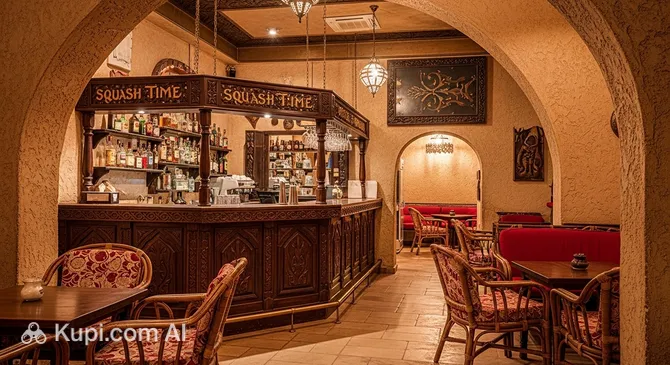
For a spirited taste of the local party scene, Squash Time is a popular choice among both the youth and the expat community. It functions as a vibrant bar and nightclub where the atmosphere is always electric. The venue is known for its lively DJ sets that mix current hits with African classics, making it a staple for anyone looking to experience the dynamic side of Ouagadougou's after-dark entertainment.

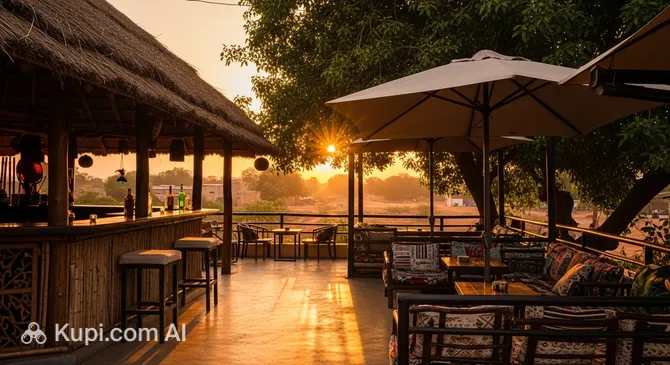
Squash Time. Source: Kupi.Binoculars

If you are looking for a place to enjoy a drink with a pleasant ambiance, Sunset Ouaga is another excellent venue to include in your evening itinerary. It offers a great setting to unwind, socialize, and enjoy a cold beverage. The environment here allows for easy conversation, making it a perfect spot to start your night before heading to louder venues or to simply relax after a day of sightseeing.

Sunset Ouaga. Source: Kupi.Binoculars

Practical advice for navigating the night includes timing your outings correctly. While bars are open earlier, nightclubs typically do not get busy until after 11:00 PM or midnight. The dress code is generally smart-casual; while you do not need formal wear, effortless style is appreciated, and shorts are often too casual for clubs. Prices are usually affordable, with domestic beers and cocktails offering good value.

Regarding safety and transport, it is highly recommended to always use a taxi when moving between venues at night. Walking long distances in the dark is not advisable, even in popular districts. Most venues can call a trusted taxi driver for you, which is the safest and most convenient way to get back to your accommodation.

While the nights are for dancing, daytime entertainment in the city offers a slower pace focused on culture. Before the evening festivities begin, visitors often spend their time exploring local art galleries, the artisan village, or the city's museums. However, it is the transition from the quiet heat of the afternoon to the vibrant pulse of the evening that truly defines the social spirit of the capital.

Parks & Museums

While Ouagadougou is often defined by its bustling streets and vibrant markets, the city also dedicates significant space to preserving its natural environment and cultural heritage. Beyond the immediate urban rush, visitors can find serene green spaces and institutions that meticulously document the rich history and artistic traditions of the Burkinabé people. Exploring these parks and museums offers a deeper understanding of the local way of life.

The crown jewel of the city's green spaces is undoubtedly the Parc Urbain Bangr-Weogo. Located in the heart of the city, this expansive urban park serves as the "lungs" of Ouagadougou. Originally a sacred forest of the Mossi chiefs, it has been transformed into a botanical and zoological sanctuary. Visitors can walk or cycle along shaded trails surrounded by indigenous trees, spotting wildlife such as small antelopes, monkeys, and a variety of bird species. The park also houses a small museum dedicated to the environment and serves as a vital educational center for local schools.

Another refreshing area is the zone surrounding the Tanghin Dams (Barrages), particularly around Barrage No. 2 and No. 3. These water bodies create a cooler microclimate and are lined with gardens and open spaces where locals gather to relax, exercise, or enjoy picnics. The banks of the dams offer a picturesque setting for sunset strolls, providing a rare waterfront atmosphere in the middle of the Sahelian landscape. It is a perfect spot to observe daily life, from fishermen casting nets to gardeners tending to their plots.

For a dive into the country's artistic soul, the National Museum of Burkina Faso is an essential stop. The museum complex itself is an architectural marvel, designed to reflect traditional Sudano-Sahelian building styles with its rounded structures and earth-tone colors. Inside, the collections focus on the ethnography of the country's many ethnic groups. Exhibits include intricate masks used in traditional ceremonies, ancestral statues, and domestic tools, all of which tell the story of the region's diverse cultural tapestry.

Music lovers should not miss the National Museum of Music, located in a beautifully preserved two-story building made of stabilized earth bricks. This unique institution is dedicated to the preservation of traditional musical instruments from across Burkina Faso. The collection features everything from balafons and koras to various drums and wind instruments. It is not just a display of objects; the museum explains the social and ritualistic roles these instruments play in Burkinabé society, making it a fascinating visit for anyone interested in African rhythms.

In addition to formal museums, the Village Artisanal de Ouagadougou (VAO) functions as a living gallery. While it is a market, it is structured to showcase the best of national craftsmanship. Here, you can watch artisans at work in their studios, weaving cotton, casting bronze, or carving wood. It acts as an open-air exhibition of the country's living heritage, where the line between art, culture, and daily life is beautifully blurred.

Insider Tip: For a truly unique cultural experience, look for the Laongo Sculpture Park if you have time for a short excursion just outside the city. It is an open-air museum where granite outcrops have been carved by artists from around the world into stunning figures and abstract shapes, blending art directly with the natural landscape.

Getting Around

Navigating Ouagadougou is an experience that immerses you directly in the city's energetic rhythm. Unlike many European or Asian capitals, the city does not possess a metro, tram, or suburban rail network. Instead, the public transport system relies entirely on road-based options, ranging from formal buses to the ubiquitous fleet of green taxis that color the streets. Understanding how these different modes operate is key to moving around the city efficiently and affordably.

The backbone of the formal public transportation network is managed by SOTRACO (Société de transport en commun de Ouagadougou). These large green buses operate on fixed routes connecting the city center with outlying neighborhoods and suburbs. While they are the most economical way to travel, they are primarily designed for the local workforce and students. For a tourist, using the bus requires a bit of patience and a good understanding of the routes, as schedules can be flexible and the vehicles are often crowded during peak hours.

For most visitors, the iconic green taxis are the most practical solution. These vehicles operate on a dual system that can be confusing for first-timers. You can hire a taxi for a "course" (private trip), which takes you directly to your destination without stops, or you can use it as a shared taxi. In the shared model, the driver picks up multiple passengers heading in the same general direction. This makes the ride significantly cheaper, but it may take longer to reach your stop. If you want a private ride, you must explicitly state that you want a "déplacement" when hailing the driver.

In recent years, modern ride-hailing apps have started to enter the market, offering a more familiar alternative for international travelers. Services like Yango allow users to book rides via a smartphone, providing a fixed price and the convenience of tracking the vehicle. This bridges the gap between the traditional negotiation-based taxi system and the comfort of modern service standards, making it an increasingly popular choice for those who prefer to avoid haggling.

The payment system across the city is almost exclusively cash-based. Whether you are taking a SOTRACO bus or a green taxi, you will need to pay the driver or conductor directly. There are no travel cards or digital transit passes for short-term visitors. Prices for buses are fixed and very low, while taxi fares must be negotiated before you enter the vehicle. It is essential to carry small denominations of the local currency, as drivers often do not have change for large bills.

Practical advice for using transport in the city centers on timing and negotiation. The public transport network operates primarily during the day, with service frequency dropping significantly after dark. If you plan to be out late, it is safer and more reliable to arrange a private taxi pick-up in advance or use a ride-hailing app. When hailing a street taxi, always agree on the fare before the wheels start turning to avoid misunderstandings upon arrival.

A unique feature of Ouagadougou's traffic is the sheer dominance of two-wheeled vehicles. While there are no formal bike-sharing schemes for tourists, the "moto" is the king of the road here. You will see locals transporting everything from furniture to livestock on mopeds. While adventurous tourists might be tempted to rent a scooter to blend in, it is recommended to stick to four-wheeled transport due to the chaotic nature of the traffic flow and the specific unwritten rules of the road that local riders follow.

Accommodation

Where to Stay:

Accommodation in Ouagadougou covers a broad spectrum, catering to everything from international business travelers and diplomats to backpackers seeking authentic local experiences. The city offers a mix of high-end luxury hotels, comfortable mid-range guesthouses, and budget-friendly hostels. While the hospitality sector is growing, the style of accommodation often reflects the city's dual character: the modern, upscale developments and the lively, traditional urban core.

When choosing where to stay, the location largely depends on the purpose of your visit. The City Center (Centre-Ville) is the best area for tourists who want to be within walking distance of the central market, cultural attractions, and the vibrant street life. Staying here immerses you in the daily rhythm of the capital, with easy access to restaurants and transport. In contrast, the Ouaga 2000 district is the modern administrative heart of the city. This area is characterized by wide boulevards, embassies, and luxury villas. It is the preferred location for those seeking tranquility, high-security standards, and top-tier amenities, although it is further from the traditional hustle and bustle.

The price range varies significantly between these zones. In the city center and older neighborhoods, you can find affordable guesthouses and small hotels that offer basic but clean rooms with air conditioning or fans. In Ouaga 2000, prices reflect international standards, with establishments offering swimming pools, conference centers, and fine dining. Booking methods also differ; while major luxury hotels can be booked easily via global online platforms, many smaller, family-run guesthouses prefer direct contact via phone or email and often accept cash payments upon arrival.

Booking Tip: Ouagadougou hosts several major international events, most notably the FESPACO film festival, which takes place every two years (usually in February or March). During this time, and during major regional conferences, accommodation can be fully booked months in advance. It is highly recommended to secure your reservation well ahead of time if your travel dates coincide with these busy periods.

Nearby Cities

For those looking to explore the surroundings, Ouagadougou serves as an excellent base for day trips to several interesting nearby locations.

One of the most popular excursions is to Tanghin-Dassouri, located just a short drive west of the capital. This town is the gateway to the famous sacred crocodile pond of Bazoulé. Here, visitors can witness the unique bond between the villagers and the crocodiles, which are considered totems and treated with reverence. It is a rare opportunity to see these reptiles up close in a culturally significant setting.

Further afield lies Koudougou, the third-largest city in the country, known for its rich history and vibrant culture. It is the heart of the nation's textile industry and the birthplace of Faso Dan Fani, the traditional woven cotton fabric that is a symbol of Burkinabé identity. A visit here offers a chance to explore local markets and see skilled weavers at work.

To the northeast, Kaya serves as a major hub for leather craftsmanship and tanning. Known as the "city of leather," it is an excellent destination for those interested in traditional arts. The local market is bustling with artisans selling high-quality handmade leather goods, from bags to sandals, showcasing techniques passed down through generations.

City Population Distance (km)
Koudougou 160207 91
Kaya 122949 92
Kongoussi 53641 106
Tanghin-Dassouri 43675 24
Yako 38689 103

These nearby destinations offer a glimpse into the diverse culture and landscapes of the region.

Shopping & Souvenirs

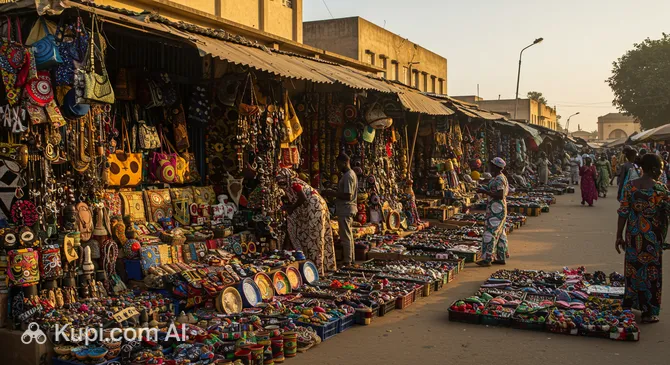
Shopping in Ouagadougou is a vibrant and colorful experience that centers less on high-end luxury boutiques and more on authentic craftsmanship and bustling open-air commerce. The city is a treasure trove for travelers seeking unique, handmade items that reflect the rich cultural heritage of West Africa. From dusty, energetic markets to quiet artisan workshops, the capital offers a diverse range of goods, with a particular emphasis on textiles, leather, and metalwork.

The heartbeat of the city's commercial life is undoubtedly the Grand Marché, locally known as Rood Woko. Located in the city center, this sprawling marketplace is the largest in the country. It is a sensory overload of sights and sounds where you can find everything from colorful fabrics and spices to electronics and household goods. For a more curated experience specifically designed for visitors, the Village Artisanal de Ouagadougou is the premier destination. Here, hundreds of artisans work in cooperative studios, selling high-quality bronze statues, wood carvings, and jewelry directly to the public in a relaxed, hassle-free environment.

While the traditional market scene dominates, modern shopping habits are slowly taking root. There are no massive mega-malls comparable to those in Europe or Dubai, but the city does host several smaller shopping centers and well-stocked supermarkets, such as Marina Market and the commercial areas in the upscale Ouaga 2000 district. These spots are ideal for travelers looking for imported goods, groceries, or air-conditioned comfort while browsing for international brands.

When it comes to souvenirs, Burkina Faso is famous for its exceptional leatherwork. Visitors should look for handmade bags, sandals, and belts, which are renowned for their durability and style. A standout location for these goods is KB et Frères, a celebrated workshop where the tradition of leather crafting is elevated to an art form. In addition to leather, the "Faso Dan Fani"—a traditional hand-woven cotton cloth—is a national symbol and makes for a beautiful and meaningful gift. Bronze figurines, created using the ancient lost-wax technique, are also popular keepsakes found throughout the city's stalls.

Most shops and markets generally operate from around 8:00 AM to 6:30 PM, Monday through Saturday. Sunday hours can be limited, with many smaller businesses closing for the day. Payment is almost exclusively in cash (CFA Francs), especially in markets and artisan workshops. Credit cards are rarely accepted outside of major hotels, supermarkets, and a few high-end boutiques. Bargaining is an essential part of the shopping culture in markets; it is expected that you negotiate the price, but always do so with a smile and a sense of humor.

Travelers should note that tax-free shopping or VAT refund schemes for tourists are not standard practice in Burkina Faso. The price you agree upon or see on the tag is the final price you pay. Therefore, it is best to focus on the value of the unique craftsmanship rather than looking for tax rebates.

Nearby cities

Reached the end of the page?

That means the route is fully explored