Support

Chetwynd

About

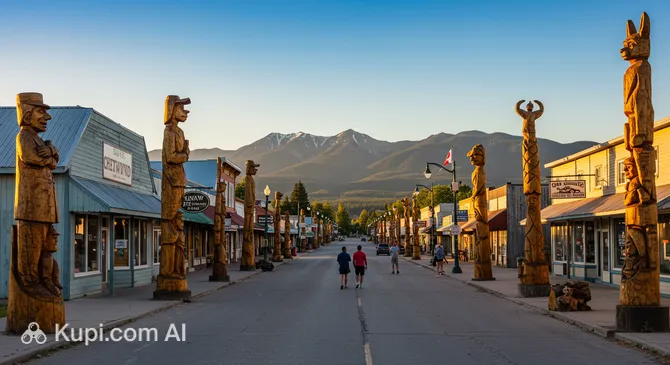
Chetwynd is a cozy corner tucked away among dense coniferous forests and picturesque hills in northeastern British Columbia. Located at the foot of the Rocky Mountains, this small town reveals the true northern beauty that Canada is so famous for. Thanks to its convenient location at the junction of Highways 97 and 29, it serves as an important transportation hub and an ideal starting point for exploring the region.

Chetwynd. Illustration.
Source: Kupi.com AI

Despite its modest size and population of about 2,450 people, the town has a special charm. An atmosphere of tranquility prevails here, and the history of Chetwynd is inextricably linked with the development of the region and the pioneer spirit. It is a place where neighbors know each other, and the genuine hospitality of the locals makes tourists feel at home instantly.

The town's main draw is its nature. Chetwynd is the gateway to wild expanses and majestic mountains, offering excellent opportunities for hiking, fishing, and camping by crystal-clear rivers. Additionally, the town is known for its unique urban environment, adorned with numerous wooden sculptures created by chainsaw artists, which turn an ordinary walk through the streets into a visit to an open-air museum.

If you are looking for a place to take a break from the hustle and bustle of the city and breathe in the fresh taiga air, Chetwynd is an excellent choice. It is a great opportunity to see the country's authentic northern character and enjoy a slow pace of life surrounded by magnificent landscapes.

Weather Overview

The climate in Chetwynd is characterized by pronounced seasonality, typical for northern British Columbia. Summers here are generally mild and pleasant, making it an excellent time for tourism. In July, the warmest month of the year, the average temperature stays around 16.0°C, and during the day the air warms up to a comfortable 21.6°C. However, be prepared for precipitation: June and July are the wettest months, with up to 14 days of rain recorded.

The winter period requires serious preparation, as the weather becomes truly frosty. In January and February, average figures drop to -10°C, and minimum temperatures can reach -14.9°C. When planning a trip in the cold season, be sure to check the current weather in Chetwynd to bring enough warm clothing. Despite the low temperatures, winter precipitation is low — only about 1 mm per month, although there can be many overcast days.

The transition seasons here pass quite quickly. As early as May, the air warms up to an average of 9.8°C, and September retains remnants of summer warmth with average values around 10.6°C before a noticeable cooling begins in October. In general, expect moderately warm summers with occasional rain and cold, frosty winters.

Average monthly temperature

Average monthly precipitation

Interesting Facts

In addition to its main attractions, Chetwynd holds many fascinating secrets and features that make it a truly unique place. Here are a few facts to help you get to know this northern town better:

  • Open-Air Museum. Chetwynd is famous for its annual International Chainsaw Wood Carving Championship. Every summer, masters from all over the world create masterpieces here using chainsaws, and today more than 120 wooden sculptures decorate the town streets, available for viewing at any time.

  • Railway Heritage. The town owes its development to transport infrastructure. It emerged as a station in the 1950s during the construction of the Pacific Great Eastern Railway line, and the railway still plays a key role in the life of the local community.

  • A Taste of Real Canada. Local residents are particularly proud of their family farms. For tourists, this is a great opportunity to try the freshest local products and get an inside look at how farmers live in this northern region.

  • Love for Winter. The cold season here is a reason for celebration, not sadness. Residents cherish the traditions of winter fun, organizing ice festivals and mass snowmobile and ski outings, turning the harsh climate into an advantage.

How to Get There

Traveling to this picturesque corner of British Columbia requires a bit of planning, as the town is remote from major metropolitan areas. The main route for tourists usually involves a flight to one of the regional air hubs followed by a car trip. If you want to plan your route in detail, we recommend reading all ways to get to the city on a separate page.

Chetwynd itself does not have a civilian airport that accepts regular commercial flights. The most convenient option is considered to be Fort St. John (IATA: YXJ). This airport is located in a neighboring city, just 82 km from Chetwynd. The trip by taxi or rental car along the scenic highway will take you approximately 1 hour.

An alternative is Grande Prairie Airport (IATA: YQU), located in the city of Grande Prairie at a distance of about 183 km. The journey from there takes about 2 hours and 15 minutes. Travelers also often choose Prince George Airport (IATA: YXS) — a large regional hub 212 km away (about 2.5 hours drive). Both of these airports offer a good selection of flights and car rental services.

For convenience, here is a summary of the main airports:

AirportPassenger trafficDistance
Fort St. John49 21382 km
Grande Prairie Airport270 474183 km
Prince George Airport450 494212 km

As for trains, it is important to consider the specifics of the region. There is no direct rail connection to Chetwynd, so it is not possible to get here solely by train. The nearest passenger station that accepts regular flights is in the city of Prince George. The distance from the station to Chetwynd is about 210 km, which will have to be covered by bus or car.

Below is information about the nearest major railway station:

StationPassenger trafficDistance
Prince George Railway Station211 km

Main Attractions

Despite its modest size, Chetwynd offers tourists a unique combination of cultural sites and stunning natural beauty. The town and its surroundings are an ideal place for those who want to see the "real" Canada, where art exists side-by-side with the wilderness.

The absolute signature of the town is the famous Chetwynd Chainsaw Carvings collection. Chetwynd holds the unofficial title of the chainsaw carving capital of the world, and walking along its streets is like visiting an art gallery. More than 150 intricately carved figures of bears, eagles, loggers, and mythical creatures decorate the avenues and squares. These works are created by master carvers from all over the world during the annual championship, and the collection is constantly growing, making every walk through town a small discovery.

History buffs should visit the Little Prairie Heritage Museum. This cozy museum complex allows you to travel back to the mid-20th century and learn how the region's first settlers lived. The exhibition includes a restored 1949 post office building, a traditional log cabin, and a schoolhouse. It houses household items, tools, and archival photographs that tell the story of the hardships and joys of life in northern British Columbia before the arrival of modern civilization.

For fans of outdoor activities and landscape photography, Moberly Lake Provincial Park, located northwest of the town, is a must-visit. This picturesque lake, surrounded by forests, is a popular spot for pike and trout fishing, as well as kayaking and swimming in the summer. The park is equipped with convenient camping and picnic areas where you can enjoy peace and fresh air away from the city noise.

Another natural gem of the region is Gwillim Lake Provincial Park. It is located slightly south of Chetwynd and attracts tourists with its panoramic views of the Rocky Mountain foothills. The park offers excellent opportunities for hiking along forest trails, and the lake itself is famous for its clear water. It is a wonderful place to observe wildlife in their natural habitat, including moose and deer, which often come down to the water.

Local Cuisine

Chetwynd's culinary scene is a reflection of its northern character: simple, hearty, and home-style food. You are unlikely to find molecular haute cuisine restaurants here, but you can enjoy honest large portions and genuine hospitality. Local establishments are focused on feeding travelers and residents after an active day outdoors, so the menu is dominated by meat dishes, thick soups, and classic North American comfort food.

While here, you should definitely try the traditional Canadian poutine — a hot mix of french fries, cheese curds, and thick brown gravy. Given that the region is famous for its farms, dishes made from local beef deserve special attention: juicy steaks and homemade burgers are prepared excellently here. Also, thanks to the abundance of lakes in the area, fresh freshwater fish, such as lake trout, often appears on the menu during the season.

As for drinks, adult travelers should order the legendary "Caesar" cocktail — a spicy Canadian variation of the Bloody Mary with the addition of clam broth, which is made almost everywhere here. Beer lovers will appreciate the assortment of craft ales and lagers from small British Columbia breweries, widely available in local pubs. Among non-alcoholic drinks, hot chocolate and coffee are popular, perfectly warming you up in cool weather.

The dining culture in the town is very relaxed. Locals and tourists usually eat in small family cafes, roadside diners, and pizzerias with a laid-back atmosphere. In summer, local farmers' markets become a great alternative to restaurants, where you can buy fresh pastries, homemade wild berry jams, and seasonal produce grown in the Peace River Valley.

Travel Tips

Chetwynd is a town with a rugged but hospitable northern character, so proper preparation for the trip plays a key role for a comfortable holiday. To ensure your journey to this picturesque corner of British Columbia goes smoothly, we have gathered the most important practical recommendations.

  1. Clothing and Gear. The weather here is changeable, so the principle of layering is your main rule. Even in summer, evenings can be cool, so a windbreaker and a fleece jacket are a must. In winter, serious gear will be required: thermal underwear, a windproof parka, and insulated shoes with non-slip soles. If you plan on hiking, be sure to bring trekking boots and insect repellent — there are many mosquitoes in the forests in summer.

  2. Transport. Public transport in Chetwynd is poorly developed and practically not suitable for tourist purposes. The optimal option is renting a car. This will give you freedom of movement between lakes and parks. Taxi apps like Uber may not be available here, but local taxi services operate. In winter, make sure the car is equipped with winter tires, as roads are often snow-covered.

  3. Finances. The official currency is the Canadian Dollar (CAD). Credit and debit cards (Visa, Mastercard) are accepted in most shops, hotels, and gas stations. However, it is recommended to have some cash (50-100 dollars) for paying in small shops or at farmers' markets. Tipping culture here is standard for North America: in cafes and restaurants, it is customary to leave 15–20% of the bill.

  4. Health and Safety. Chetwynd is a safe town with a low crime rate. The main danger is not people, but wildlife. When walking in the forest and even on the outskirts of town, remember the possibility of meeting bears or moose; buy special "bear spray" and learn the rules of behavior. There are pharmacies in town, but they do not work around the clock, so it is better to bring a supply of personal medications with you. The emergency number is 911.

  5. Communication and Language. The main language of communication is English. Locals speak quite clearly, but knowing basic phrases will be a plus. Mobile service and 4G work perfectly within the town limits but can disappear literally 10–15 km away from it. Important tip: download offline maps of the region in advance, as Wi-Fi and cellular networks are often unavailable in the mountains and national parks.

  6. Local Etiquette. People in northern Canada are very friendly and open. It is customary to say hello to shop assistants, bus drivers, and even just passers-by on quiet streets. Observe distance and patience in queues. Special attention is paid to cleanliness: littering in nature is considered the height of indecency; always carry all waste away with you.

  7. What to Avoid. Categorically avoid feeding wild animals, even if they seem cute and approach close to the road — it is dangerous and illegal. Also, do not underestimate distances and weather conditions: do not set off on long trips with a half-empty tank of gas, as there may be no gas stations on the highways for a hundred kilometers.

  8. Insider Tip. Be sure to pick up a guide map to the wooden sculptures at the Visitor Centre. It's not just a list of locations, but a well-thought-out route. Try to find the sculptures hidden in less obvious places, not just on the main avenue — this will turn your walk into an exciting quest.

By following these simple tips, you can avoid everyday troubles and focus entirely on the beauty of northern nature. Chetwynd awaits those who respect local traditions and are ready for small adventures away from the big cities!

Entertainment & Nightlife

Nightlife in Chetwynd is not about loud big-city clubs with neon signs, but rather a cozy atmosphere of northern hospitality, where the evening is spent in slow conversation over a pint of beer. After sunset, the town quiets down, and the center of activity shifts to local pubs and bars, which serve as the main meeting places for both residents and tourists. Here, it is customary to relax and discuss the day's events after fishing or mountain walks, so the dress code in these establishments is as relaxed as possible: comfortable casual clothes, jeans, and fleece shirts are perfectly appropriate.

Most evening life is concentrated along the town's main transport arteries — Highway 97 and Access Road. This is where the key establishments are located where you can have dinner and stay for a few cocktails. One of the most popular spots is Link's Pub & Grill. This is a classic Canadian pub that regularly broadcasts hockey games and serves excellent burgers. The atmosphere here is always lively, especially on Fridays and Saturdays when large groups gather.

Another focal point for evening relaxation is Table 12 Taphouse. This establishment is famous for its selection of drinks and more modern setting. Here you can not only have a drink but also a hearty dinner: the menu offers high-quality steaks and barbecue. If you are looking for a place with history, stop by The Lion Tavern — a traditional tavern that stays open late and lets you feel the true spirit of a British Columbia working town.

When planning your evening, keep in mind that most kitchens close around 9:00–10:00 PM, although the bars themselves may stay open until midnight or 1:00 AM on weekends. For getting around after dark, it is strongly recommended to use a taxi, as public transport does not run at night, and the distances between hotels and venues can be significant. The town is safe for evening walks; however, it is better to stick to lighted streets in the center and avoid the outskirts to avoid encounters with wildlife that sometimes wander into populated areas.

As for daytime entertainment, Chetwynd offers great opportunities for active leisure. The hub of activity is the Chetwynd & District Rec Centre — a modern sports complex with a swimming pool, climbing wall, and ice arena, where the whole family can have a great time. You can diversify your cultural program with a walk along the avenues featuring wooden sculptures or a visit to the town library, which periodically hosts film screenings and community events.

Parks & Museums

Chetwynd is a town where the boundaries between art and the wilderness are practically blurred. Here, green zones flow seamlessly into endless forests, and cultural heritage is displayed not in dusty halls, but right on the streets. For tourists, this is a great opportunity to combine fresh air walks with immersion in the history and creative atmosphere of the region.

Among the natural areas, Pine River Breaks Provincial Park deserves special attention. This place is strikingly different from the familiar alpine landscapes: here you will find picturesque canyons and open meadows descending to the river. The park is ideal for those seeking solitude and wanting to enjoy views of the Pine River valley. There are no developed campgrounds here, which allows nature to be preserved in its pristine form, and the hiking trails offer encounters with the unique flora of the arid climate.

For a more relaxed holiday within the town limits, visit Windrem Creek Park. It is a true green oasis in the center of Chetwynd, popular among local families. The park is equipped with convenient walking paths passing through wooded terrain and along the creek, as well as picnic areas. In winter, a skating rink is set up here, and in summer it is an ideal place to hide from the sun in the shade of the trees after exploring the town's attractions.

The cultural life of the town is centered around its unique history and crafts. The main keeper of memory is the Little Prairie Heritage Museum. This is not just a building with exhibits, but an entire open-air historical complex. Visitors can step inside an old post office, a general store, and a schoolhouse to see for themselves the life of the first settlers. The collection of antique agricultural machinery and household items clearly demonstrates how Canada developed in this harsh but resource-rich land.

The role of the town's main art gallery is performed by Chetwynd's street network itself, turned into the Chainsaw Carving Gallery. Although it is not a museum in the classic sense, the collection of more than 150 works is a key cultural site. Each sculpture — from realistic depictions of wild animals to fantastic subjects — has a plaque with the master's name and the year of creation, allowing you to trace the evolution of carving styles over recent decades.

Insider tip: If you want to see something unusual, head to the Peace Canyon Dam located nearby. Although it is a technical structure, there is an excellent information center with an exhibition about dinosaurs whose tracks were found in this region, and an observation deck with a breathtaking view of the power of the water.

Getting Around

Given Chetwynd's compact size and small population, the public transport system here is not developed like in large metropolitan areas. There are no subways, trams, or trolleybuses in the town. The transport network is adapted to the needs of a small community, so tourists should think about their methods of movement in advance so as not to depend on a rigid schedule.

The only type of public transport is buses operated under the regional BC Transit network. Routes here connect the town center with residential areas and neighboring settlements, such as Dawson Creek. However, it is worth considering that trips are infrequent: usually, it is a few buses a day, oriented toward the work schedules of local residents. On weekends and holidays, service may be completely stopped.

The fare payment system is as simple and conservative as possible. Cash is accepted on buses, and drivers do not give change, so it is important to prepare the exact amount in coins in advance. The cost of a trip around town is very affordable. For those planning to stay for a long time, there are monthly passes or ticket books (packs of 10) that can be purchased at the municipal building or at the Rec Centre.

Ticket validation happens upon entering the bus: you either drop coins into a special receiver or present your ticket to the driver. Mobile apps for fare payment or contactless bank cards are generally not used on local buses. It is best to check the current schedule on the official BC Transit website in the South Peace Region section, as information at stops is not always updated promptly.

The most popular alternative to buses is local taxi services. There are several local companies operating in Chetwynd that can be called by phone. Ride-sharing apps or taxi aggregators (like Uber) common for big city residents will likely be unavailable here. A taxi will be your savior if you need to get to your hotel late at night or reach remote natural attractions.

For a full exploration of the region, renting a car remains the most convenient option. This will give you complete freedom of movement between the lakes, parks, and museums scattered at a considerable distance from each other. If you plan to see only the town center and the famous wooden sculptures, then walking is perfectly fine: the central part of Chetwynd is compact and convenient for walking.

Accommodation

The choice of accommodation in Chetwynd perfectly matches the character of this small northern town: you won't find luxury five-star resorts or huge hotel complexes here, but there is an abundance of cozy and functional options. The hotel stock primarily consists of reliable mid-range hotels, classic roadside motels, and bed and breakfasts (B&Bs), catering to both travelers exploring the highway and those who have come to the region for work.

The geography of accommodation here is extremely simple and convenient for transit tourists. Most hotels and motels are concentrated along the main transport artery — Highway 97 (John Hart Highway) and North Access Road. Staying in this zone provides walking access to supermarkets, gas stations, and popular cafes, and also allows for a quick departure on your route the next morning. This is a strategically convenient area that eliminates the need to wander through residential neighborhoods looking for a place to stay.

For those who prefer to be closer to nature, campgrounds and recreational sites in the surrounding areas are a great alternative to standard rooms. During the summer season, many tourists choose to stay on the shores of Moberly Lake or in provincial parks, where you can pitch a tent or rent an RV site. This allows you to combine an overnight stay with fishing and relaxation by the water, enjoying the silence of the northern forest and the starry sky.

Accommodation prices in Chetwynd can be described as moderate, though costs can vary depending on the season. Summer is the peak period, when seasonal workers and participants in wood carving festivals add to the flow of tourists, causing demand for rooms to rise sharply. Booking tip: it is highly recommended to look for accommodation in advance, several weeks before your trip. This can be done through major online platforms, but for small family-run motels, direct phone booking is sometimes more effective.

Nearby Cities

For those who want to explore the surrounding area, Chetwynd serves as an excellent starting point for day trips to several interesting nearby locations:

Just an hour's drive to the east is the historic city of Dawson Creek. This legendary place is known worldwide as "Mile 0" of the Alaska Highway. Travelers come here to take a souvenir photo at the famous Mile 0 Post, visit the historic museum village, and immerse themselves in the atmosphere of the days when the great northern road was being built. The city is also famous for its art gallery located inside a converted grain elevator, which is a unique architectural solution in itself.

If you head north, you will reach Fort St. John, often called the "Energetic City." It is the largest community in the Peace River region, offering a wider choice of urban entertainment. Here you can visit the North Peace Cultural Centre, go shopping, or relax at the modern Pomeroy Sport Centre. The drive there takes less than an hour, making it an ideal option for an easy and untiring trip.

For those willing to drive a bit further for shopping and big-city entertainment, Grande Prairie or Prince George may be of interest. Although the journey there will take more than two hours each way, these cities are important regional centers with museums, theaters, and large shopping malls.

CityPopulationDistance
Hudson's Hope90041 km
Fort St. John20 15579 km
Dawson Creek13 00088 km
Beatton River112 km
Summit Lake170 km

These nearby destinations provide an insight into the diverse culture and landscapes of the region.

Shopping & Souvenirs

General Overview: Shopping in Chetwynd is more practical and local than recreational. You should not expect large outlets or boutiques of famous international brands here. The main value of local shopping is the opportunity to purchase everything you need for a trip into the wilderness, replenish food supplies, and find truly unique handmade products. The town is famous for its artisans, so the main interest for tourists lies in craft shops and specialized gear stores.

Main Shopping Districts and Streets: The town's commercial life is concentrated along the main transport artery — Highway 97 (John Hart Highway) and the adjacent North Access Road. This is where the main shops, pharmacies, and service centers are located. A walk along this zone will allow you to find most necessary goods, from casual style clothing to fishing tackle. The compactness of the town allows you to visit key shopping points on foot or quickly reach them by car.

Shopping Areas: Due to the small size of the town, there are no giant malls here. Trade is concentrated in small shopping plazas and stores located along the highway. In these shopping rows, local residents make their daily purchases. Here you can find grocery supermarkets, home goods stores, a post office, and several small boutiques with clothing and gifts. These are convenient places to buy everything at once in a calm environment without the hustle and bustle of big cities.

Markets: A special flavor is added to the town by the Chetwynd Farmers' Market, which operates seasonally, usually on Fridays during the warm season (from May to September). This is the best place to get acquainted with local gastronomy. Farmers from the Peace River Valley bring fresh vegetables, homemade pastries, honey, and wild berry jams here. In addition to products, local artists and craftsmen often exhibit their work at the market, offering jewelry and home decor.

Souvenirs: The main souvenir to bring from Chetwynd is directly related to its unofficial title as the chainsaw carving capital of the world. In local souvenir shops and directly from the carvers, you can purchase wooden sculptures of various sizes — from miniature bear figurines to impressive statues for the garden. Also popular are leather goods, traditional Canadian blankets, and, of course, maple syrup, which is sold in grocery stores.

Opening Hours and Payment: Most shops are open Monday through Saturday from 9:00 AM to 6:00 PM. Large supermarkets may stay open longer, until 9:00 PM, and operate on Sundays, while small private shops are often closed on the weekend. Bank cards (Visa, Mastercard) are accepted almost everywhere, even in small kiosks. However, for visiting the farmers' market, it is recommended to have some cash in Canadian dollars.

Tax Free: Tourists should be aware that Canada does not currently have a tax refund program (GST/HST) for regular tourist purchases (clothing, electronics, souvenirs) upon leaving the country. Prices on tags are usually indicated without taxes, so the final amount at the checkout will be about 12% higher (a combination of federal and provincial taxes).
Reached the end of the page?

That means the route is fully explored