Support

Cold Lake

About

Cold Lake is a cozy city nestled on the shores of one of Alberta's deepest and clearest lakes. It is a place where nature meets comfort, creating ideal conditions for those seeking seclusion and tranquility away from bustling metropolises. The city is surrounded by dense forests and picturesque landscapes that attract travelers wishing to experience an authentic northern flair.

Geographically, the city is located in the northeast of the province, approximately 290 kilometers from Edmonton, very close to the Saskatchewan border. Majestic Canada is famous for its natural wealth, and Cold Lake is a shining example. With a population of about 15,000 people, it maintains the atmosphere of an intimate and friendly community where every guest feels at home.
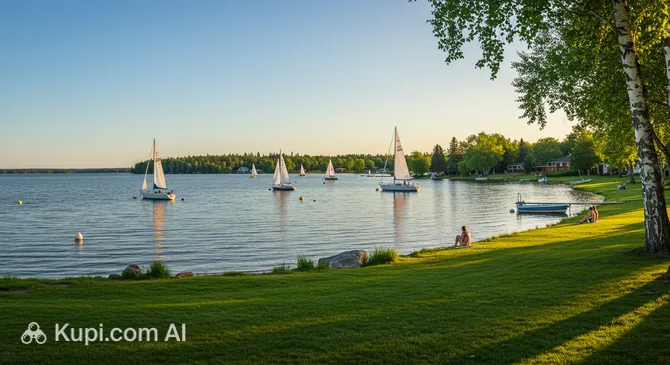
Cold Lake. Illustration.
Source: Kupi.com AI

Special attention should be paid to the local nature. The eponymous lake provides endless opportunities for outdoor activities, from its famous fishing to sailing and kayaking. In summer, Kinosoo Beach becomes the center of attraction with its soft sand and well-maintained grounds, while the surrounding forests are ideal for hiking and wildlife viewing.

Although today it is a developed tourist and administrative center, Cold Lake history holds many interesting chapters about the region's development. Getting to know the city's past helps one better understand its unique character and traditions of local hospitality.

This city is perfect for a family vacation, a trip with friends, or a romantic weekend. Here you can forget the hustle and bustle, enjoy the fresh air, and witness stunning sunsets over the water. Cold Lake invites everyone who wants to recharge and touch the beauty of the Canadian wilderness.
Weather Overview

The climate in Cold Lake is characterized by pronounced seasonality, offering travelers completely different conditions depending on the time of year. Summer here is pleasant and not exhaustively hot, which is ideal for outdoor activities. The warmest month is July, with an average temperature of about 18.2°C and daytime highs up to 23.2°C. However, the summer period, especially June and July, also sees the highest number of wet days—up to 14 per month.

Winter in this region is authentically Canadian: frosty and snowy, yet relatively dry. In January and February, average temperatures drop to -13°C, and night frosts can reach -18°C. This time of year requires serious preparation and warm gear, although the low humidity helps the cold feel more manageable.

Spring and autumn pass quite quickly here. While the air warms up to a comfortable 17°C during the day in May, freezing temperatures return by November. Before planning your trip, we recommend checking the detailed weather in Cold Lake so that the whims of nature don't catch you by surprise.

Overall, expect a warm summer with periodic rain and cold, dry winters.

Average monthly temperature

Average monthly precipitation

Interesting Facts

Beyond its main attractions, Cold Lake holds many fascinating secrets and features that make this city a truly unique spot on the map. Here are a few facts that will help you see it in a new light:

  • Impressive Depth. The eponymous lake on whose shore the city stands is considered one of the deepest and clearest in Alberta. Its maximum depth reaches 99 meters, and the water surface covers 373 square kilometers. Thanks to the water's purity, more than two dozen species of fish live here, making the reservoir a true paradise for anglers.

  • Aviation Capital. Cold Lake is home to one of Canada's largest military bases — CFB Cold Lake. This location is interesting not only for its strategic importance but also for its openness to tourists: there is an aviation museum where you can see real fighters and learn about the history of flight, and grand air shows are periodically held here.

  • The "Northern Pearl". The city earned this poetic nickname for its incredible natural landscapes and, in particular, for its stunning sunsets. Summer and autumn evenings, when the sky is painted in bright and saturated colors, become a favorite subject for photographs by thousands of travelers.

  • Year-round Extremes. The local Kinosoo Ridge Snow Resort is a center of attraction not just in winter. While people ski and snowboard during the cold season, in summer the slopes turn into a destination for picnics and zip-lining with picturesque views of the lake.

How to Get There

When planning a trip to this picturesque corner of Alberta, it is important to consider logistics in advance, as the city is far from major metropolises. Most often, tourists choose a combined route: a flight to the nearest major air hub, followed by ground transportation. You can find more details on how to get to Cold Lake to choose the most convenient option for you.

There is no civilian airport in Cold Lake itself that accepts regular passenger flights. The main "gateway" to the region is Edmonton International Airport (IATA: YEG). It is located in the city of Edmonton, approximately 259 km from Cold Lake. This is a major transport hub receiving flights from all over the world. The journey from the airport to your destination by rental car or intercity bus will take about 3–3.5 hours.

Another option is Fort McMurray International Airport (IATA: YMM), located in Fort McMurray. It is approximately 253 km from Cold Lake. This is a regional airport with less passenger traffic, but it may be convenient for certain routes. Travel time by taxi or transfer will be about 3 hours.

For clarity, here is a summary of the main airports:

AirportPassenger trafficDistance
Fort McMurray International Airport367 627253 km
Edmonton International Airport7.9 mln259 km

Rail service in this region is less developed than air travel. There is no passenger railway station in Cold Lake itself. The nearest significant point is the Edmonton Railway Station (XZL), located in Edmonton, about 241 km from Cold Lake. Trains from the national VIA Rail network arrive here. From the station, tourists will need to continue their journey by bus or car, which takes about 3 hours.

Below is information about the nearest railway station:

StationPassenger trafficDistance
Edmonton Railway Station241 km

Main Attractions

Cold Lake offers guests a harmonious blend of outdoor activities and educational excursions. The main points of interest here are connected to the majestic lake and the region's rich aviation heritage. Regardless of the season, in this picturesque corner that Canada is so proud of, there are places capable of surprising travelers.

Kinosoo Beach. This is perhaps the most popular summer location in the city, situated on the northern end of the lake. The beach is famous for its soft sand and crystal-clear water, regularly landing it on lists of the best swimming spots in the country. The name refers to an ancient Cree legend about a mythical giant fish dwelling in the depths. There are designated picnic areas, volleyball courts, and a promenade, making the beach an ideal spot for family relaxation.

Cold Lake Air Force Museum. Since the city is inextricably linked with aviation, this museum is a must-visit. It is dedicated to the history of CFB Cold Lake and military aviation in general. Visitors can examine an impressive collection of aircraft in the open-air display, including legendary fighters, and explore interactive exhibits inside the building that tell the story of the daily lives of pilots and technical personnel.

Cold Lake Marina. Considered the largest inland marina in Western Canada, it is the heart of the city's aquatic life, where hundreds of yachts, motorboats, and sailboats are moored. A walk along the breakwater offers stunning panoramic views of the lake, especially at sunset. For tourists, it is an excellent starting point for the fishing the region is so famous for, or for a peaceful boat trip.

Cold Lake Provincial Park. Located just away from the city's hustle, this park attracts ecotourism enthusiasts. It features a network of scenic trails winding through dense forests and along the shoreline. The park provides excellent opportunities for camping, birdwatching, and observing wildlife in their natural habitat, allowing for complete immersion in the northern wilderness.

Local Cuisine

The culinary scene in Cold Lake is a true kaleidoscope of flavors, where the culinary traditions of Indigenous peoples blend harmoniously with classic Canadian cuisine and modern trends. Its proximity to one of Alberta's deepest lakes dictates the main rule of the local menu: the fish here is always fresh and incredibly delicious. Walleye, pike, and trout are the stars of the table, prepared in dozens of ways: from baking over an open fire with aromatic herbs to hot smoking.

Meat lovers should look for game dishes. Venison, duck, and goose are often found on the menus of cozy family establishments and at farmers' markets. Locals are happy to share the secrets of preparing these products. For dessert, be sure to try homemade pies with wild berries gathered from the surrounding forests, or traditional smoked fish soup—the taste of the true North.

Street food is also an important part of the city's food culture, especially in the warm season. Strolling along the waterfront, you can find food trucks and kiosks offering juicy burgers with fresh fish, unusual snacks made from wild-grown herbs, or classic Canadian fries with maple syrup. On weekends, gastronomic festivals with tastings and live music are frequently held here.

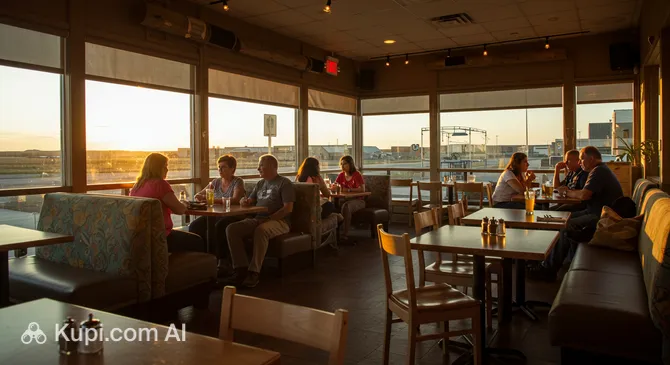
Mamacita's. Illustration.
Source: Kupi.com AI

Traveler photos:

For those who want to relax in a pleasant setting, the city offers various establishments. For example, the restaurant Mamasita is an excellent spot for dinner. And if you want to get to know local beverages, it's worth visiting Cold Lake Brewing & Distilling Co. Here they brew craft beer and create spirits that reflect the character of this rugged but beautiful land.

Travel Tips

Preparing for a trip to Cold Lake requires attention to detail, as this city combines a rugged northern climate with incredible opportunities for outdoor activities. To ensure your introduction to the region Canada is so famous for goes perfectly, we've gathered the most important recommendations for travelers.

  1. Clothing and Gear. Weather in Alberta is changeable, so layering is your best friend. Even in summer, evenings by the water can be cool, so a fleece jacket and a windbreaker are essential. In winter, high-quality thermal clothing and warm boots with non-slip soles are necessary. Note: in summer, mosquitoes are plentiful in wooded areas, so be sure to bring a strong repellent.
  2. The Transportation Issue. Cold Lake is a city where a car is a necessity rather than a luxury. Public transport is limited and does not cover all tourist locations, such as remote parts of the park or the marina. We recommend renting a car immediately upon arrival in Edmonton. Taxi apps work, but wait times can be long and fares high.
  3. Finances and Payment. The official currency is the Canadian dollar (CAD). Visa and Mastercard are accepted almost everywhere, from supermarkets to small cafes. However, carrying a little cash (5–20 dollar bills) is useful for tipping or shopping at farmers' markets. The tipping culture here is standard for North America: it is customary to leave 15–20% of the bill.
  4. Health and Safety. The city is very safe regarding crime, but nature requires caution. Wild animals, including bears and moose, live in the surrounding forests, so do not stray from marked trails and never leave food unattended. Pharmacies (Shoppers Drug Mart and others) operate on standard schedules; 24-hour locations are rare, so it's best to pack a personal first-aid kit in advance.
  5. Communication and Internet. The primary language of communication is English; knowledge of French is less common here than in the east of the country. Wi-Fi is available in most hotels and restaurants, but the signal can drop in nature. For stable connection and navigation, it's better to buy a local SIM card (providers like Telus, Rogers, or Bell)—starter packs are sold in large shopping centers.
  6. Local Etiquette. Residents of Cold Lake are known for being open and friendly. It is customary to greet strangers while walking, hold doors open, and wait your turn in a line-up. Be polite and don't forget the "magic words"—"please" and "thank you." Being overly pushy or speaking loudly in public places can be perceived as rudeness.
  7. What to Avoid. It is strictly forbidden to attempt to enter the territory of the CFB Cold Lake military base or to photograph checkpoints—it is an active military installation. Also, avoid littering in nature: substantial fines are imposed for trash left on the beach or in the forest, and locals are very protective of their land's cleanliness.
  8. Tip for Anglers. Fishing is the city's main "highlight," but it is strictly regulated. Before casting a line, be sure to purchase a license (Alberta Sportfishing Licence). This can be done online or at local gear shops (e.g., Canadian Tire). Fishing without a license is considered poaching and is punishable by law.

Cold Lake is a place where nature dictates the rules, but in return, it offers unforgettable emotions and peace. By following these simple practical tips, you will ensure a safe, comfortable, and impression-filled holiday on the shores of one of the province's deepest lakes.

Entertainment & Nightlife

Despite its reputation as a quiet city, Cold Lake knows how to surprise guests with a variety of leisure activities. Bustling festivals, cozy movie nights, and exciting entertainment coexist harmoniously here, allowing every traveler to find something to their liking after sunset or on weekends.

Festivals and Events

The city's event calendar is packed with activities that attract tourists from all over the province. In summer, the main event is Aqua Days, held at Kinosoo Beach. This festival includes cardboard boat races, foam parties, and live music right by the water. For adrenaline seekers, the Extreme Mudfest in August is a unique combination of off-road mud racing and music concerts.

The city doesn't hibernate in winter: February features the Snow Fever festival. The event takes place at the Kinosoo Ridge Snow Resort and offers snow-filled fun for the whole family. And, of course, the famous Cold Lake Air Show cannot go unmentioned. Held every two years, it gathers thousands of spectators to witness aerobatic maneuvers performed by top pilots from Canada and other countries.

Nightlife and Gaming

The center of attraction for those seeking excitement in the evening is Casino Dene. Located just a few minutes' drive south of the city, it offers not only slot machines and poker tables but also a rich entertainment program. The casino's lounge area regularly hosts local musical groups and comedians, and the complex's restaurant is known for its excellent menu.

Within the city itself, nightlife is centered around pubs and sports bars. Establishments like Thumpers Bar & Grill or Legends Western Bar are popular with locals. Here you can play billiards, watch hockey games on big screens, and enjoy the laid-back atmosphere of the Canadian heartland.

Cinema and Shopping

For a more relaxed evening, Grand Square Cinema is ideal. This theater shows all the major world premieres and is a favorite leisure spot for families and couples. If you prefer shopping, head to Tri-City Mall or stroll through the boutiques in the city center, where you can find unique souvenirs and goods from local artisans.

Parks & Museums

Cold Lake offers tourists not only water activities but also a rich cultural program combined with peaceful walks through green spaces. The city carefully preserves its history, and local parks allow you to enjoy the beauty of the region's nature, which Canada is so proud of, at any time of year. Here, you can easily alternate educational excursions with outdoor relaxation.

One of the main natural gems is Cold Lake Provincial Park. This is a vast territory where dense boreal forests meet sand dunes and wetlands. Of particular interest to nature lovers is the trail around Hall's Lagoon, where you can observe nesting pelicans, grebes, and other waterfowl. The park is equipped with convenient trails for hiking in summer and cross-country skiing tracks in winter, making it a center for year-round ecotourism.

For those who prefer longer journeys, the famous Iron Horse Trail passes through the region. Part of the Trans Canada Trail, it is set along the route of a former railway. In the Cold Lake area, this path is ideal for walking, cycling, or ATV riding. The historic route allows you to see untouched corners of Alberta and feel the scale of the Canadian wilderness while staying on a safe, maintained path.

The cultural heart of the city beats at the Cold Lake Museums complex. This unique site brings four exhibitions together under one roof, located in the historic building of a former Cold War-era radar station. In addition to the aviation exhibit mentioned earlier, it houses the Oil and Gas Museum, which tells the story of the industry that shaped the region's economy. Visitors can see real drilling equipment and learn about the hard work of the first oilmen.

The same complex houses the Indigenous Heritage Gallery. It is dedicated to the history and culture of the Denesuline and Cree tribes who have inhabited these lands since time immemorial. The exhibition includes traditional clothing, household items, beadwork, and tools. This place allows for a deeper understanding of the spiritual connection local residents have with the land and the legends surrounding the lake and nearby forests.

History buffs will also find the Heritage Gallery interesting, which transports guests back to the time of the first pioneer settlers. It recreates daily life from the early 20th century, from the interiors of an old school and hospital to a barbershop and general store. A walk through the gallery halls creates a time-travel effect, showing how a small trading post transformed into a modern city.

Insider Tip: After visiting the museums, be sure to linger at the Radar Hill lookout. From here, you'll find perhaps the best panoramic view of the active airbase. If you're lucky, you might see CF-18 Hornet fighters taking off or landing from a unique perspective not available from other points in the city.

Getting Around

The transport system in Cold Lake is compact and simple, perfectly matching the size and pace of life of this small city. You won't find subways, trams, or trolleys here. The primary and only form of public transport is city buses, operated by the municipal service Cold Lake Transit. The route network is designed to connect the two main parts of the city: the north (Cold Lake North), where the beach and marina are located, and the south (Cold Lake South), where shopping centers and major services are concentrated.

The main and most pleasant feature of local transport for tourists is the free fare. City authorities abolished ticket fees on all Cold Lake Transit routes to encourage residents and guests to use the buses. You don't need to look for kiosks to buy passes, deal with validators, or download payment apps. Just hop on the bus at any stop and take a seat.

Despite the free service, tourists should keep the schedule in mind. Buses do not run 24/7: service usually starts early in the morning and ends in the early evening (around 6:00–7:00 PM), and there may be no service at all on Sundays and holidays. Intervals are about 40–60 minutes. We strongly recommend checking the current schedule on the city's official website or finding printed booklets at the information center so you don't miss the last bus.

If you need to get somewhere late at night or visit remote natural attractions, the best alternative is a taxi. Several local companies operate in the city. It's customary to call for a car, as "flagging down" a taxi on the street in a small town is difficult. Popular international ride-sharing apps (like Uber) may operate sporadically or have very few available drivers, so it's more reliable to rely on local dispatch services.

For complete freedom of movement, experienced travelers choose car rentals. This is the most convenient way to explore the surroundings, get to the Provincial Park, or reach the ski resort, where public transport does not go. Additionally, cycling is popular during the warm season: the city is crisscrossed with a network of scenic paths, including the famous Millennium Trail, which links the north and south parts of the city.

Accommodation

Where to stay:

Cold Lake offers guests a variety of accommodation options, ranging from familiar city comfort to total immersion in nature. The city's hotel infrastructure consists mainly of mid-range hotels, classic roadside motels, and cozy Bed & Breakfasts. Travelers shouldn't expect luxury five-star world-class resorts here, but the local hospitality and cleanliness of the rooms leave a very pleasant impression.

When choosing accommodation, it's important to understand the city's division into two main zones. Cold Lake North is most popular with tourists: it is located directly by the water, near the marina and beach. Staying here puts you within walking distance of the main entertainment and scenic walking areas. Cold Lake South is the commercial hub with shopping malls and convenient highway access. This area is suitable for those on a business trip or planning to use a car for frequent excursions out of town.

Since Canada is famous for its outdoor recreation culture, campsites and resorts deserve a special mention. During the summer season, many tourists prefer to rent spots for tents or RVs in Cold Lake Provincial Park. This is a budget-friendly and romantic way to live surrounded by forest, waking up to birdsong while still having access to basic amenities.

Booking Tip: High season here falls in the summer, especially in July and August, when major festivals and air shows take place. During this period, demand for housing rises sharply, so it is recommended to book rooms or campsite spots 2–3 months before your trip. In winter, finding a vacancy is much easier, except for holidays.

The price range in the city can be described as average. The cost of living is quite democratic compared to major tourist centers in the province. Large international online aggregators are convenient for booking, but many small motels and private cottages also accept reservations directly by phone or through their own websites.

Nearby Cities

For those who want to explore the surrounding area, Cold Lake serves as an excellent starting point for day trips to several interesting nearby locations:

The closest and most unique option for a visit is Lloydminster. This city is unique because it is located right on the border of two provinces — Alberta and Saskatchewan. The main attraction for tourists here is the opportunity to stand with one foot in one province and the other in the neighbor, by the famous border markers in the city center. Additionally, Lloydminster offers great opportunities for shopping and learning about settler history at the local cultural center.

If you are willing to spend a bit more time on the road, it is worth visiting Edmonton — the capital of Alberta. It is a major metropolis where life hums around the clock. The main draw here is the legendary West Edmonton Mall — not just a shopping center, but a true entertainment city with a massive water park, ice rink, and indoor amusement park. Edmonton is also famous for its museums and the picturesque river valley, perfect for walking.

CityPopulationDistance
Bonnyville14 50043 km
Moose Lake54 km
St. Paul90 km
Meadow Lake5 000119 km
Lac La Biche2 300121 km

These nearby destinations allow you to get a sense of the region's diverse culture and landscapes, complementing a peaceful lakeside holiday with vibrant urban experiences.

Shopping & Souvenirs

Shopping in Cold Lake is a blend of practicality and provincial charm. Since the city is the primary commercial center for the entire Lakeland region, you can find both large retail chains with familiar assortments and unique local shops. Travelers shouldn't expect the massive fashion boutiques found in metropolises, but the city, where Canada is so welcoming, offers great opportunities to buy essentials and find memorable gifts.

Main Shopping Districts

Primary retail activity is concentrated in the southern part of the city (Cold Lake South), which locals often still refer to as Grand Centre. The central artery here is 50th Avenue and its surrounding streets. This area is home to small family-owned stores, cozy clothing and home goods boutiques, and specialty shops. A stroll through this part of town allows you to immerse yourself in the local community atmosphere and find items not seen in mass-market stores.

Shopping Malls

The largest and most popular shopping destination is Tri-City Mall, located on 51st Street. This is a classic indoor shopping center housing popular brands and services under one roof. Here, tourists can visit the Winners clothing store, find sporting gear at Sport Chek, or browse bookstore and gift departments. The mall is convenient for its compactness and large parking lot, making it an ideal place to restock supplies or buy warm clothing if the weather suddenly turns.

Markets

For those looking for authentic products and handmade items, the Cold Lake Farmers' Market is a true find. It operates on Thursday afternoons (usually from 3:30 PM to 6:30 PM) inside the Energy Centre. It is a meeting place for local farmers and artisans living by the motto "Make it, bake it, or grow it." Here you can buy fresh pastries, homemade wild berry jam, honey, as well as unique jewelry and decor created by local craftsmen.

Souvenirs

The choice of souvenirs in Cold Lake is quite unusual. A must-visit is the Hamel’s Meats butcher shop. It became world-famous for its beef jerky, which is so delicious and high-quality that it was even taken into space by Canadian astronauts. A bag of this delicacy makes for an excellent and tasty gift.

It is also worth checking out the gift shop at the Air Force Museum. It offers a wide selection of themed items: from model airplanes and clothing with airbase branding to commemorative coins. Art lovers will enjoy the works of local artists inspired by northern nature, which can be found in the city's small galleries.

Hours and Payment

Most shops in Cold Lake are open from 9:00 or 10:00 AM until 6:00 PM, while large shopping centers and supermarkets stay open until 9:00 PM. On Sundays, hours are often reduced, and small private shops may be closed entirely. Canadian dollars (CAD) and major international credit cards are widely accepted. Cashless payments are available even with many market vendors, but having a little cash for small purchases is always useful.

Tax Free

Tourists should be aware that Canada does not currently have a general VAT refund program (GST/HST) for standard purchases (clothing, electronics, souvenirs) when leaving the country. The visitor tax refund program was abolished several years ago. There are only narrow exceptions for certain pre-purchased tour packages, so you should not count on a refund for shopping in stores.

Reached the end of the page?

That means the route is fully explored