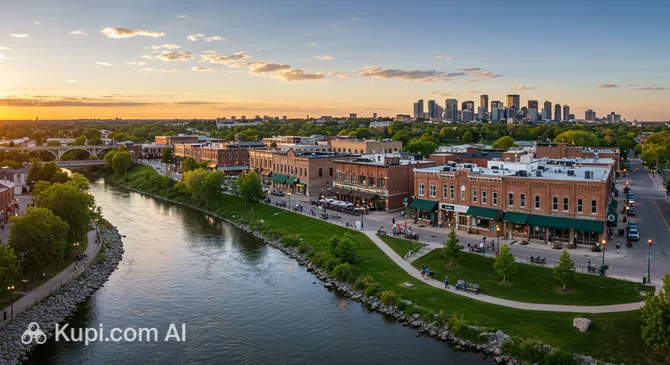
St. Albert is a wonderfully harmonious and cozy city located in the province of Alberta, on the northwestern outskirts of the dynamic metropolis of Edmonton. Founded in 1861 by missionary Albert Lacombe, it is considered one of the oldest settlements in Canada. Today, it is home to about 65,000 people, and the atmosphere of the city is permeated with tranquility, family comfort, and deep respect for its heritage.
St Albert. Illustration.
Source: Kupi.com AI
Geographically, St. Albert stretches along the banks of the picturesque Sturgeon River. Thanks to its abundance of greenery and attention to ecology, the city deservedly bears the title of "The Botanical City." It is an ideal place for those who want to enjoy the benefits of modern urban infrastructure while staying in close proximity to nature. The city's rich history and cultural diversity are reflected in its architecture and local traditions.
St. Albert attracts tourists with its magnificent parks, historical chapels, and its famous farmers' market, which is considered the largest outdoor market in Western Canada. A visit to this city is an invitation to leisurely strolls along shaded alleys and an introduction to authentic Canadian hospitality.
Weather Overview
St. Albert is characterized by a classic continental climate with clearly defined seasons. Summers are usually warm and comfortable, with an average July temperature of about +18.2°C, although daytime air often warms up to +24°C and above. This is the best time to visit botanical gardens and walk along the river, though you should be prepared for brief, refreshing rains.
Winters in the city are frosty, snowy, and quite long. The coldest month is February, with an average temperature of about -11.5°C, while nighttime temperatures can drop significantly lower. Snow cover creates excellent conditions for winter sports but requires warm clothing. You can always check the current weather in St. Albert before your trip to pack your suitcase correctly.
Spring and autumn in this region are short but very picturesque. In May, nature wakes up rapidly, and the average temperature rises to +11.8°C. Precipitation is distributed moderately throughout the year, peaking in June and July, which keeps the famous greenery of "The Botanical City" in ideal condition.
Average monthly temperature
Average monthly precipitation
Interesting Facts
St. Albert is a city with a rich past and many curious details that make it unique on the map of Alberta.
The city received its name in honor of the Catholic missionary Albert Lacombe, who founded a mission here to help the Métis in the mid-19th century.
St. Albert is officially the sixth most populous city in Alberta, while maintaining the charm of a small, cozy community.
The city is widely known as "The Botanical Arts City" due to its large-scale landscaping programs and magnificent botanical park.
The local St. Albert Farmers' Market is the largest outdoor market in Western Canada, attracting hundreds of vendors and thousands of visitors every Saturday during the summer.
For a long time, St. Albert was separated from Edmonton by vast fields, but today it is part of a single economic corridor while maintaining its administrative independence.
How to Get There
St. Albert has excellent transportation accessibility, being a key northern suburb of Edmonton. The main route to the city lies through the provincial capital, with which St. Albert is connected by modern expressways, such as Anthony Henday Drive. Detailed information on how to get there will help you plan your route as efficiently as possible.
The main air gateway to the region is Edmonton International Airport (IATA: YEG). It accepts flights from major cities in North America and Europe. The journey from the airport to the center of St. Albert by car or taxi will take about 30–40 minutes, depending on traffic.
Railway communication is provided via the station in Edmonton, serving VIA Rail trains. From the station, you can easily reach St. Albert by bus or taxi. For travelers who value freedom of movement, car rental directly at the airport or in the center of the neighboring metropolis is recommended.
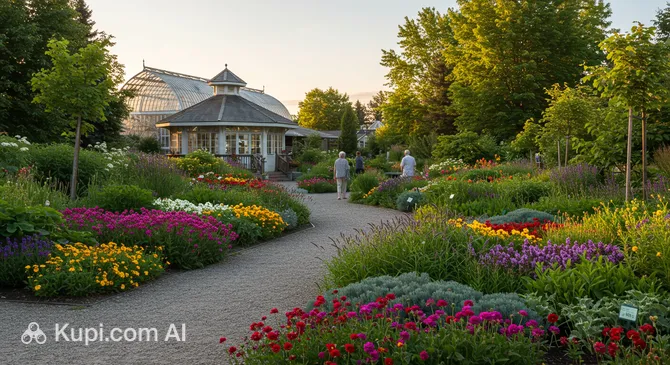
St. Albert is famous for its natural areas and family recreation spots. One of the city's gems is the St. Albert Botanic Park. This is a vast territory with themed gardens where you can see rare plant species and enjoy peace away from the city noise. The gardens are especially beautiful during the blooming period when the park turns into a kaleidoscope of colors.
St. Albert Botanic Park. Illustration.
Source: Kupi.com AI
Traveler photos:
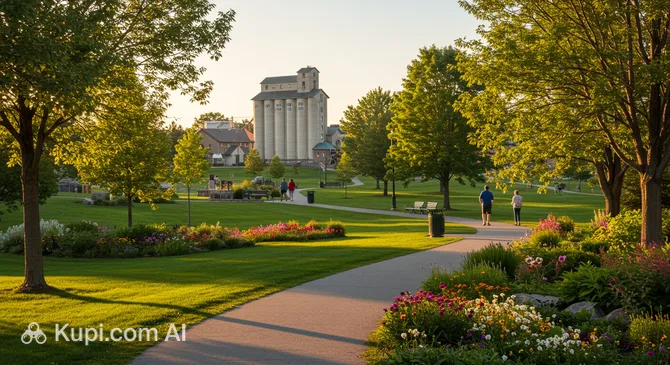
For outdoor enthusiasts, Lions Park is ideal. It is a popular spot among locals, offering excellent conditions for picnics, hiking, and sports. The park is situated in a picturesque location and serves as a great starting point for exploring the river valley.
Lions Park. Illustration.
Source: Kupi.com AI
Traveler photos:
If you are traveling with children, be sure to stop by the Woodlands Water Play Park. This is a modern area with water attractions that becomes a real lifesaver on hot summer days. The park is equipped with everything necessary for a safe and fun time for the whole family.
Local Cuisine
St. Albert's gastronomic scene is a blend of classic Canadian traditions and modern culinary trends. The main focus here is on fresh, local products. This is why a visit to the famous farmers' market is a must for every foodie: here you can try artisanal cheeses, homemade pastries, and the famous Canadian maple syrup.
For a cozy breakfast or afternoon snack, places like Tealicious Blend, known for its selection of teas and desserts, or Toast, which serves excellent coffee and original brunches, are ideal. Steakhouses serving Alberta's famous beef and cozy pubs with craft beer are also popular in the city.
Toast. Illustration.
Source: Kupi.com AI
Traveler photos:
Evening dinner in St. Albert often takes place in restaurants with river views or in quiet establishments in the city center. The local cuisine reflects the multicultural nature of the country, so you can easily find both traditional poutine (french fries with cheese curds and gravy) and high-level international dishes.
Travel Tips
St. Albert is a welcoming and safe city, and a visit here will bring plenty of pleasure if you keep a few practical nuances in mind.
Clothing and Essentials: The climate here is continental. In summer, bring light clothing and sunglasses, and in winter, wear multi-layered warm gear as the cold can be severe. Comfortable shoes are a must for walking in the parks.
Transport:Renting a car is recommended for maximum freedom. If you plan to use buses, download the St. Albert Transit app to track the schedule.
Finances: The official currency is the Canadian Dollar (CAD). Cards are accepted everywhere, but a small amount of cash is useful for purchases at the farmers' market.
Health and Safety: The city is considered one of the safest in Canada. Pharmacies can be found in any large shopping center, such as St. Albert Centre.
Communication: The primary language is English. French is encountered less frequently, despite historical roots. Free Wi-Fi is available in most cafes and public libraries.
Local Etiquette: Canadians are very polite. Don't forget to say hello and thank the staff. Tips in restaurants are usually 15–20% of the bill.
What to Avoid: Do not leave trash in parks or on trails—local residents are very proud of their city's ecology. Also, avoid walking on the ice of water bodies in the spring.
Extra Tip: Be sure to visit the farmers' market on Saturday morning—it is the best way to feel the true spirit of the city.
Plan your trip in advance, and St. Albert will reveal itself to you as one of the most charming places in Canada!
Entertainment & Nightlife
Despite its reputation as a quiet suburb, St. Albert offers a decent selection of evening entertainment. The heart of the city's cultural life is the Arden Theatre, which regularly hosts theatrical productions, live music concerts, and dance performances. In the evening, the city center comes alive in cozy pubs and bars where a relaxed and friendly atmosphere prevails.
Those looking for quality relaxation should check out Dicey Reilly's, a classic Irish pub with an excellent selection of drinks and a lively atmosphere. If you are looking for something more refined, visit the Boutique Bar Gallery, where art meets cocktail culture. For those who prefer stylish dinners followed by relaxing with friends, Nineteen (XIX) is a perfect choice.
For larger-scale nightlife and clubs, residents often head to neighboring Edmonton, which is only a 20-minute drive away. In St. Albert itself, the nightlife is safe and oriented towards comfortable socializing. Taxis and ride-sharing services operate around the clock, ensuring an easy return to the hotel after a pleasant evening.
Parks & Museums
The main pride of the city is the St. Albert Botanic Park. It is not just a garden, but a real open-air museum of living nature. It features collections of roses, lilies, and ornamental shrubs adapted to the northern climate. Walking trails and seating areas make it a favorite spot for photo shoots and quiet reflection.
For those interested in history, the Father Lacombe Chapel is a must-visit—it is the oldest surviving building in Alberta, built in 1861. This chapel serves as a historical museum, telling the story of the region's first settlers and missionaries. It is also worth stopping by Lions Park, where natural beauty is combined with well-equipped leisure areas.
If you are looking for entertainment for the whole family, Woodlands Water Play Park offers active recreation on the water. Overall, St. Albert places a huge emphasis on preserving its green zones, making it one of the most pleasant cities for walking in Canada.
Getting Around
The public transportation system in St. Albert is represented by the St. Albert Transit (StAT) bus network. It provides convenient communication not only within the city but also connects it to key points in Edmonton, including the University of Alberta and the Government Centre. Buses run regularly, are clean, and are equipped for passengers with disabilities.
Fares can be paid with cash, transit passes, or electronic cards. For tourists, it is convenient to purchase day passes if many trips are planned. The city has a well-developed network of bike lanes and pedestrian trails, making the bicycle an excellent alternative for getting around during the warmer months, especially along the river and park zones.
Nevertheless, St. Albert remains a city where the car is the primary mode of transportation. Most shopping centers and attractions have free parking. Taxis and Uber services are available via mobile apps and operate promptly in any part of the city.
Accommodation
The choice of accommodation in St. Albert allows you to find the perfect option for both a short business trip and a long family vacation. The city is dominated by high-quality mid-range hotels, cozy guesthouses, and spacious apartments. Many tourists prefer to stay in the St. Albert Centre area for quick access to shops and restaurants.
Apartments offered through short-term rental services in quiet residential neighborhoods, such as Trumpeter or areas near Big Lake, are particularly popular. Here you can find penthouses with beautiful views and family suites with fully equipped kitchens. Many accommodations in the city are pet-friendly.
During peak summer seasons, especially during major festivals or the farmers' market operations, it is recommended to book accommodation in advance. The price range here is quite affordable compared to central Edmonton, while the level of comfort and quiet is significantly higher.
Nearby Cities
St. Albert is an ideal base for those who want to explore central Alberta. Thanks to its convenient location, you can easily take several exciting day trips from here.
The undisputed leader to visit is Edmonton, located just 15 kilometers away. The provincial capital offers cultural recreation in museums, shopping in the giant West Edmonton Mall, and walks through the North Saskatchewan River valley. It is also worth noting the small town of Morinville, famous for its cozy atmosphere and historic cathedral, and Spruce Grove, known for its sports facilities and parks.
Exploring the surroundings of St. Albert will allow you to see the diversity of Canadian landscapes—from endless plains to modern urban scenery. Each of these destinations is accessible within a short car ride.
Shopping & Souvenirs
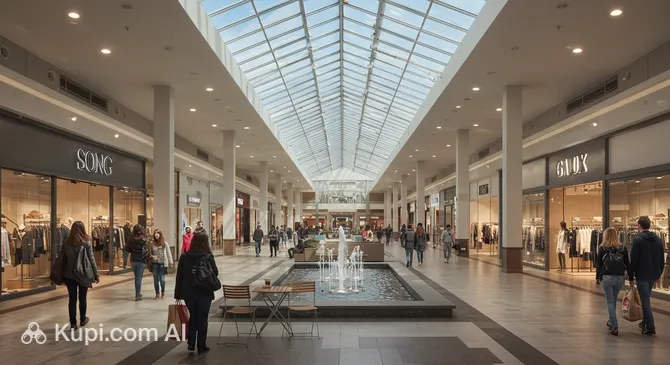
Shopping in St. Albert offers a pleasant combination of large shopping malls and unique local shops. The primary shopping destination is St. Albert Centre. This is a modern shopping complex featuring popular international brands, electronics stores, clothing boutiques, and cozy food courts.
St. Albert Centre. Illustration.
Source: Kupi.com AI
Traveler photos:
However, the true soul of local shopping is revealed at the St. Albert Farmers' Market. Every Saturday from June to October, you can find unique handmade souvenirs, local delicacies, honey, and botanical products here. It is the best place to buy something truly authentic, made by Alberta artisans.
Shops in the city usually operate from 10:00 AM to 9:00 PM on weekdays and slightly shorter hours on weekends. Card payments are accepted everywhere. If you want even more variety, the legendary West Edmonton Mall is just a 20-minute drive from St. Albert.