Support

Slave Lake

About

Slave Lake is a picturesque and welcoming town located in the northern part of the province of Alberta. It serves as a true gateway to wilderness adventures and attracts travelers with its calm, peaceful atmosphere. Situated on the southeastern shore of Lesser Slave Lake, this town is ideal for those seeking a connection with nature and a chance to escape the hustle and bustle of major metropolitan areas.

Despite its relatively small size, with a population of about 7,000, the town is an important regional center for tourism and recreation. When traveling through Canada, it is worth including this spot in your itinerary, especially if you appreciate water sports and camping. The climate here is typical for the north: warm, sunny summers perfect for beach holidays give way to snowy winters that attract ice fishing and snowmobiling enthusiasts.
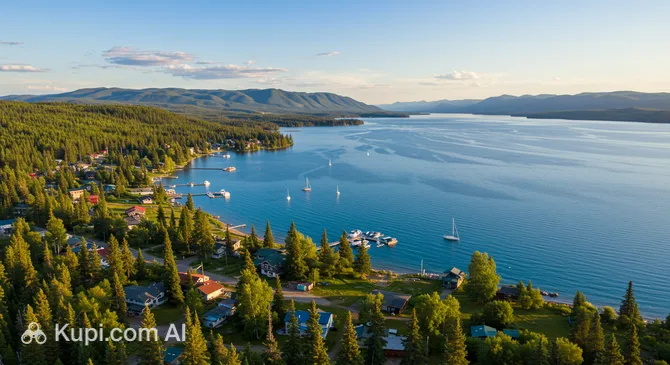
Slave Lake. Illustration.
Source: Kupi.com AI

The main magnet for tourists is the region's nature. In the immediate vicinity lies Lesser Slave Lake Provincial Park, offering excellent opportunities for hiking and birdwatching. Devonshire Beach is particularly popular—a wide stretch of natural sand where annual sandcastle building competitions are held. For those who want to see the surroundings from above, the Marten Mountain Viewpoint is a must-visit, offering a breathtaking panorama of the endless lake.

The town has undergone an interesting development path, transforming from a small settlement into a comfortable place for living and tourism. The fascinating history of Slave Lake, linked to the fur trade, forestry, and the resilience of local residents in the face of natural elements, gives this place a special character.

Slave Lake is an excellent choice for a family vacation or an active weekend. Come here to catch the biggest fish, walk the forest trails, or simply enjoy the magnificent sunsets over the water in the heart of Alberta.

Weather Overview

The climate in Slave Lake is typical for northern Alberta, with distinct seasons, each offering its own opportunities for relaxation. To ensure your vacation is as comfortable as possible, we recommend checking the weather in Slave Lake in advance and choosing appropriate clothing.

Summer is the most pleasant time for tourists here. In July, the warmest month, the average temperature is 17.7°C, and daytime highs often reach 21.8°C. However, summer is when the most precipitation occurs: June and July record 14 to 16 wet days, so a light raincoat in your luggage won't go amiss.

Winter brings serious cold. The frostiest month is usually February, with an average temperature of -11.7°C and lows dropping to -15.6°C. Despite the low temperatures, winter sees the minimum amount of precipitation (about 1 mm per month), providing dry and clear weather, ideal for active winter recreation.

Transition seasons, spring and autumn, can be cool but picturesque. May already offers warmth up to 14.6°C during the day, while September retains some summer comfort with average figures around 11.9°C. Expect moderately warm summers with occasional rain and cold, mostly dry winters.

Average monthly temperature

Average monthly precipitation

Interesting Facts

In addition to popular beaches and scenic views, Slave Lake holds many fascinating secrets and unique features that not all travelers are aware of. This town and its surroundings are a true treasure trove for nature and history lovers, full of unexpected discoveries.

  • The Naming Mystery: Contrary to common misconceptions, the name of the town and lake has nothing to do with the institution of slavery. The name comes from the Slavey Indigenous people. Historically, the neighboring Cree tribes called them "Awokanek," which early explorers translated as "slaves" or "strangers," and this linguistic confusion became fixed on geographical maps.

  • "Bird Funnel": The region is known for a unique natural phenomenon that ornithologists call the "Point Pelee effect." Marten Mountain and the wide expanse of the lake create a natural corridor that funnels migrating birds into a narrow strip of land. Because of this, the Lesser Slave Lake Bird Observatory (LSLBO) is located here—the northernmost migration monitoring station in Canada, where scientists band thousands of birds annually.

  • Lake Record-Breaker: Lesser Slave Lake is the largest lake located entirely within Alberta that can be reached by car. Although Lake Athabasca is larger, it shares its waters with the neighboring province of Saskatchewan, making Slave Lake a unique destination for water tourism within the region.

  • The Nomadic Town: The historical center of Slave Lake wasn't always where it stands today. After a devastating flood in the 1930s, the decision was made to move the settlement, previously known as Sawridge, to higher ground. The "Old Town" remained in history, while modern Slave Lake grew in its new, safe location.

  • Dunes in the Taiga: Devonshire Beach surprises tourists with sand of a quality often compared to oceanic coasts. Here, you can see genuine natural sand dunes formed by the wind, which is a rare sight in the boreal forest zone.

How to Get There

When planning a trip to this picturesque corner of Alberta, it's wise to think through the logistics in advance, as the town is somewhat distant from major transportation hubs. You can find out more about how to get to Slave Lake to choose the most convenient route for you, whether it's renting a car or arranging a transfer.

The town of Slave Lake itself does not have a large passenger airport that handles regular long-distance flights. The main arrival point for most tourists is Edmonton International Airport (IATA: YEG). It is located in the city of Edmonton, approximately 232 km from Slave Lake. The trip from there by rental car or bus will take about 2.5 to 3 hours along a scenic highway. This is the largest air hub in the region, receiving flights from all over the world.

Another option could be Grande Prairie Airport (YQU), located in the city of Grande Prairie. The distance to the center of Slave Lake is about 261 km, and the ground travel time will be approximately 3 hours. You might also consider flying through Fort McMurray International Airport (YMM), located in the city of Fort McMurray (270 km from the destination); the drive from there will take about 3–3.5 hours.

For clarity, here is a summary of the main airports:
AirportPassenger trafficDistance
Edmonton International Airport7.9 mln232 km
Grande Prairie Airport270 474261 km
Fort McMurray International Airport367 627270 km

For fans of rail travel, keep in mind that there is no direct train to the resort itself. The nearest major station is Edmonton Railway Station (XZL), located in the city of Edmonton. It is about 205 km from Slave Lake. From the station, you will need to transfer to a bus or taxi, which will take about 2.5 hours on the road.

Below is information about the nearest railway station:
StationPassenger trafficDistance
Edmonton Railway Station205 km

Main Attractions

The town of Slave Lake and its surroundings offer travelers a unique combination of beach relaxation and immersion in the wilderness of the Canadian north. Most of the iconic spots here are connected to the magnificent lake and the dense forests surrounding the town. Here is a list of locations you should definitely visit to feel the atmosphere of this region.

Lesser Slave Lake Provincial Park is the heart of the region's tourism. The park covers the picturesque coastline and forested areas, offering excellent conditions for camping, hiking, and wildlife viewing. In summer, the park is full of life: tourists hike forest trails, ride bicycles, and have picnics, while in winter, it turns into an ideal place for snowshoeing and cross-country skiing.

One of the most famous natural attractions is Devonshire Beach. This beach is considered one of the best in Alberta thanks to its soft white sand and natural dunes, which are quite rare in the northern forest zone. The long shoreline and shallow entry into the water make it a wonderful place for family swimming, building sandcastles, and taking long walks at sunset.

For those who want to learn more about the local ecosystem, the Boreal Centre for Bird Conservation is open. This is a modern educational and research center housed in a unique building constructed according to ecological standards. Inside, visitors will find interactive exhibits telling the stories of the taiga's avian inhabitants and their migration. The center works closely with the nearby bird observatory, and educational programs for children and adults are frequently held here.

To see the scale of Alberta's "inland sea," it's worth heading up to the Marten Mountain Viewpoint. This is the highest point in the vicinity accessible by car. From the top, a breathtaking panorama opens up over the endless expanse of Lesser Slave Lake and the green carpet of the forest. Several popular hiking trails also start from here, including the path to the scenic Lily Lake.

Local Cuisine

The culinary scene in Slave Lake reflects the rugged yet hospitable character of northern Alberta. You won't find pretentious fine-dining restaurants with dress codes here, but you can enjoy honest, hearty, and incredibly delicious food prepared from local products. The main emphasis is on the freshness of ingredients, especially those gifted by the nature of this region.

The king of the local table is undoubtedly the fish. Since the town sits on the shore of a rich body of water, fresh-catch dishes are a must-try for any tourist. Walleye is particularly popular. Local chefs prepare it simply but with heart: most often, the fillet is breaded and fried to a golden crust and served with French fries or fresh vegetables. You can try this dish in coastal cafes or cook it yourself at one of the specially equipped picnic spots if you're lucky enough to catch a fish yourself.

Don't forget that you are in the province of Alberta, which is world-famous for its beef. Establishments in Slave Lake will offer you excellent steaks and juicy burgers made from local meat. For those who want to try something more exotic and authentic, look for bison dishes on the menu. Bison meat is valued here for its lean properties and rich flavor, which is perfectly showcased in burger patties or stews.

As for drinks, the local bar culture is closely tied to Canadian traditions. The main cocktail worth ordering is the Caesar. This spicy drink based on vodka, Clamato juice (tomato juice with clam broth), spices, and Worcestershire sauce was invented in Calgary but has become a national treasure. The craft brewing culture is also flourishing in the region; you can always find interesting ales or lagers from small Alberta breweries in local pubs.

The dining culture in Slave Lake is very democratic. Locals and tourists prefer cozy diners, family pizzerias, and pubs with a relaxed atmosphere. In summer, the "street food" format is popular: food trucks often appear at town festivals and near Devonshire Beach, offering everything from classic Canadian poutine (French fries with cheese curds and gravy) to sweet pies made with Saskatoon berries, which grow abundantly in these latitudes.

Travel Tips

Preparing for a trip to Slave Lake requires attention to detail, as the town is surrounded by wild northern nature. To ensure your trip is comfortable and safe, we have compiled a list of practical recommendations to help you feel confident in any situation.

  1. Clothing and Gear. Weather in Alberta is changeable, so the best principle is layering. In summer, be sure to bring a light windbreaker and a fleece for cool evenings by the lake, as well as comfortable closed-toe shoes for forest walks. In winter, it is critically important to have quality thermal underwear, a warm down jacket, and waterproof winter boots. An important detail: in summer, there are many insects in the forests, so a powerful repellent is a necessity.

  2. Transportation. In a town of about 7,000 people, public transport is poorly developed and not suitable for tourism. The optimal choice is renting a car. This will give you the freedom to visit remote beaches and viewpoints. Taxi services exist, but their fleet is limited, and popular ride-sharing apps (like Uber) may be unstable or completely unavailable.

  3. Finances. The official currency is the Canadian dollar. Bank cards are accepted almost everywhere: in hotels, supermarkets, and gas stations. However, it is recommended to have some cash (5–20 dollar bills) for small purchases at markets or for firewood at campgrounds. It is customary to leave a tip of 15–20% of the bill in restaurants and cafes.

  4. Health and Safety. Slave Lake is a safe town, but the main risks are related to nature. Bears live in the surrounding forests, so make noise while hiking to warn animals of your presence and carry bear spray. There is a hospital in town for emergencies, and pharmacies follow standard schedules (there may not be 24-hour ones), so it's best to pack a personal first aid kit in advance.

  5. Communication. The primary language is English. There is stable Wi-Fi in tourist areas and hotels, but mobile signals may drop as you go deeper into the provincial park or on remote highway sections. We suggest downloading offline maps to your smartphone beforehand so you aren't dependent on network coverage.

  6. Local Etiquette. Small Canadian towns have an atmosphere of friendliness. It is common to greet people on walking trails even if you are strangers and to hold doors open in public places. Special attention is paid to cleanliness: littering in nature is considered bad form and a serious violation.

  7. What to Avoid. Feeding wildlife is strictly prohibited—it is dangerous and punishable by heavy fines. Also, avoid speeding on rural roads, especially at dusk and dawn; the risk of collisions with deer or moose in this region is very high.

  8. Fishing License. If you plan to fish on Lesser Slave Lake, remember that it is strictly regulated. You must purchase an Alberta Sportfishing Licence online or at local shops. Catch rules change frequently, so always check the current limits to avoid issues with fish and wildlife officers.

Slave Lake is a place where you can truly reset and relax from the city bustle. By following these simple tips and respecting local rules, you can focus on the main thing—enjoying the magnificent landscapes and unique atmosphere of Canada.

Entertainment & Nightlife

Entertainment and Nightlife

Despite the town's modest size, the evening life in Slave Lake has its own unique northern charm. You won't find pretentious nightclubs here, but you can immerse yourself in the atmosphere of genuine Canadian hospitality. The local entertainment industry is primarily centered in cozy pubs, sports bars, and hotel lounges, where locals and tourists gather in the evenings to discuss the news, watch hockey, or dance.

The epicenter of nightly activity is rightfully considered Dom's Gastropub. This versatile venue transforms depending on the time of day: during the day, it's a great place for lunch, and as night approaches, especially on Fridays and Saturdays, it turns into a real club with a dance floor and a video DJ. The atmosphere is energetic, and it is perhaps the best spot in town for those who want to dance and make new friends. The crowd here is diverse, and the dress code is casual, though a tidy appearance is appreciated.

For sports fans and more traditional bar-goers, the Ridge Tap House, located in the Slave Lake Inn complex, is ideal. It features large screens for game broadcasts, pool tables, and VLT machines. The menu delights with classic snacks, and on weekends, the atmosphere is bolstered by guest DJs. If you are a fan of draft beers, be sure to stop by Dog Island Brewing. This local brewery offers an excellent selection of its own craft beers in a stylish and relaxed setting, perfect for a friendly conversation.

When planning an evening out, keep a few practical points in mind:

  • Opening Hours: Bars are typically open until 1:00 or 2:00 AM on weekends, but kitchens often close earlier—around 10:00 PM.
  • Transportation: Popular ride-sharing apps do not operate in Slave Lake. It is best to travel between venues or return to your hotel using local taxis; it's a good idea to save their numbers in advance. Walking is possible, but distances can be long.
  • Safety: The town is very safe, and crime rates are low. However, given the proximity to the forest, avoid unlit outskirts at night—an encounter with wildlife is more likely than with troublemakers.

If you're looking for something to do during the day besides beach activities, check out the Gilwood Golf and Country Club. This 18-hole course is considered one of the most scenic in northern Alberta and is suitable for players of all levels. The town also has a cinema and a bowling center, providing leisure options in case of bad weather.

Parks & Museums

While Slave Lake is primarily famous for its vast waters and dense forests, the town and its surroundings offer tourists well-maintained green zones and interesting cultural and educational sites. Here, nature harmoniously intertwines with the region's history, creating excellent conditions for a calm and informative holiday.

Parks and Green Spaces

If you want to relax within the town limits, be sure to visit Schurter Park. This is a favorite spot for local families, located in a scenic area by Sawridge Creek. The park is ideal for picnics thanks to its equipped BBQ areas and covered gazebos. In summer, a popular splash park operates here, providing relief on hot days, while spacious green lawns attract fans of frisbee and quiet reading on the grass.

For more secluded walks, Hilda Eben Park is a good choice. This is a quiet green zone connected to the town's pedestrian trail system. Here, you can enjoy the silence while walking among the trees and feel the rhythm of life in a small Canadian town. The park serves as an excellent starting point for morning jogs or an evening stroll before dinner.

Of course, one cannot forget the region's natural gem—the vast areas around Lesser Slave Lake. Although technically part of the provincial park, the beach areas and adjacent forests are perceived as a natural extension of the urban environment, where you can watch birds and enjoy views characteristic of the northern part of Canada.

Museums and Cultural Centers

The town's main cultural and educational site is the Boreal Centre for Bird Conservation. This is not just a scientific station, but a real modern nature museum. The building itself is an exhibit—it was built to LEED Gold standards of ecological architecture. Inside, visitors will find interactive exhibits about the taiga (boreal forests) and their avian inhabitants. Here you can learn why this region is so important for bird migration and even participate in educational programs.

For those interested in the history of settling these lands, a short trip to the neighboring settlement of Kinuso (about a 40-minute drive) is worth it, where the Kinosayo Museum is located. Although it is outside the town, it is the nearest place to dive deep into the region's past. The museum's collection includes historical buildings, agricultural machinery, and artifacts telling the stories of early settlers, the fur trade, and Indigenous culture. It's a great opportunity to see how people lived in the harsh northern conditions a century ago.

Insider Tip: Be sure to walk the Allarie Trails. This is a network of routes passing through various town and forest landscapes. Locals know that it is here, away from the main tourist spots, that you can encounter deer grazing right at the town limits and take the most atmospheric photos of the forest without extra people in the frame.

Getting Around

The public transport system in Slave Lake is significantly different from what tourists are used to seeing in major metropolitan areas. Due to the town's small size (population around 7,000), there is a complete absence of typical urban transport modes such as subways, trams, trolleys, or regular scheduled buses. The town is designed for personal vehicle use, so travelers should plan their transportation methods in advance.

The primary and essentially only alternative to a personal car for moving within the town is taxi services. Several local companies operate in Slave Lake. Cars usually do not cruise the streets looking for passengers, so you are unlikely to "catch" a taxi by waving your hand. You must call to book in advance. Keep in mind that popular international ride-sharing apps (like Uber and similar) may not work here or may have a critically low number of drivers.

The payment system in local taxis is quite simple. Most drivers accept both Canadian dollars in cash and bank cards, although terminals may not always work stably due to connectivity issues in remote areas. There are no transit passes, transport cards, or mobile apps for fare payment in the town. The trip cost is usually calculated by the meter or is fixed for certain zones (e.g., from the center to the beach); an average trip around town will cost 10–20 dollars.

For tourists planning active recreation and visits to attractions outside the town limits (such as the Provincial Park or Marten Mountain), renting a car is not just a recommendation but a necessity. There are rental points in the town itself, but the selection of vehicles may be limited, so it's better to book transport in advance or rent a car immediately upon arrival at Edmonton airport. This will give you full freedom of movement and allow you not to depend on taxi schedules.

In the warmer months, bicycling becomes a popular alternative for moving around the center and coastal areas. Slave Lake has a network of scenic walking and cycling paths connecting residential areas with parks and the lake. Although there is no full-scale city bike-share with automated stations, bikes can often be rented at sports shops or visitor centers. The town itself is quite compact, and many infrastructure facilities are within walking distance if you are staying in the central part.

Accommodation

The choice of accommodation in Slave Lake perfectly reflects the character of this northern town: there are no pretentious five-star skyscrapers, but there is an abundance of cozy and functional options for nature lovers and road trippers. The hotel sector focuses on practicality and comfort, offering tourists a range from reliable mid-range chain hotels and roadside motels to scenic campsites and lakeside cottages.

Geographically, the accommodation zones can be roughly divided into two parts. The first is the town center and the area along the highway. Most hotels are concentrated here, which is very convenient for those who want to be close to shops, restaurants, and gas stations. The second popular area is the shore of Lesser Slave Lake. Accommodations in this zone (primarily campsites and resorts) are chosen by those who come for Devonshire Beach, fishing, and complete immersion in nature, sacrificing urban infrastructure for a sunset view.

The core of the lodging options consists of mid-range hotels. Well-known North American hotel brands are represented here, guaranteeing a familiar standard of quality: clean rooms, hot breakfast, and Wi-Fi. Large independent hotel complexes also operate in the town, offering an expanded range of services, including their own restaurants and conference rooms. This is an excellent choice for those who value stability and comfort after a long drive or a day outdoors.

A special niche is occupied by nature-based accommodation. Given the region's popularity as a summer destination, many equipped campsites and RV parks are located around the town. Some of them offer small cabins for rent, which is a great alternative to a tent for those who want romance but aren't ready to give up a roof over their heads.

Booking Tips and Prices:

  • Seasonality: Summer is the peak season. In July and August, especially during fishing tournaments or festivals, finding a free room can be difficult. It is highly recommended to book your accommodation 2–3 weeks before your trip.
  • Prices: The price range in Slave Lake can be described as moderate. The cost of a standard double room in a hotel usually varies within a mid-range budget, increasing on weekends. Budget options are represented by motels and tent sites.
  • How to Book: Most hotels and large campsites are available on popular international online booking platforms. However, for booking spots in small private campgrounds or provincial parks, it is better to use direct websites or phone calls.

Nearby Cities

For those looking to explore the surrounding area, Slave Lake serves as an excellent starting point for day trips to several interesting nearby locations:

The absolute center of attraction is the provincial capital — Edmonton. The drive there takes about 2.5–3 hours, but it is well worth it. The city offers a contrasting change of scenery: from the silence of the lake to the rhythm of a metropolis. It is home to the famous West Edmonton Mall with its water park and amusement park, as well as the Royal Alberta Museum and an art gallery. It is the perfect option for shopping and cultural leisure.

On the way to the capital, slightly closer to Slave Lake, is the picturesque St. Albert. This city is known as the "Botanical Arts City of Canada." It is famous for its magnificent gardens and parks, as well as its rich history as one of the province's oldest settlements. Here, you can walk along the banks of the Sturgeon River and visit historic grain elevators.

If you head west, you can visit Grande Prairie. This city is the gateway to the Peace River region. The main point of interest for tourists here and in the surrounding area is paleontology. Nearby is the Philip J. Currie Dinosaur Museum, which is a fascinating discovery for families with children and ancient history enthusiasts.

CityPopulationDistance
High Prairie2 500110 km
Whitecourt9 736138 km
Falher1 100162 km
Fox Creek2 174162 km
Morinville9 848179 km

These nearby destinations allow you to get a sense of the diverse culture and landscapes of the region.

Shopping & Souvenirs

Shopping in Slave Lake is more practical in nature: people don't come here for high fashion or luxury brands, but for quality preparation for outdoor adventures. Local commerce is well-adapted to the needs of travelers heading to the lake, so you can easily find everything you need—from picnic groceries to professional fishing gear.

Most commercial activity is concentrated in the Cornerstone area and along Main Street. Here you will find large chain stores and supermarkets such as Walmart and Sobeys. These are key points for tourists renting cottages or staying in campgrounds: here you can buy provisions, charcoal for the grill, insect repellent, and beach supplies at standard prices. Most major stores operate seven days a week and are open until late evening.

Given the region's specifics, stores selling outdoor goods are of particular interest. If you forgot your fishing rod or a warm jacket at home, stop by Canadian Tire or specialized fishing shops. The assortment of tackle, boat accessories, and outdoor clothing here is impressive, and consultants can often give useful advice on the current conditions of the water body.

For unique souvenirs and local flavor, head to small private boutiques and souvenir sections in visitor centers. Slave Lake and its surroundings are rich in Indigenous culture, so handmade items make excellent gifts: traditional moccasins, beadwork, dreamcatchers, or wood carvings. Items with Canada symbols and images of Alberta's wildlife are also popular.

During the warmer months, the Slave Lake Farmers Market becomes a point of attraction. It operates seasonally and brings local producers together under one roof. Here you can buy fresh home-baked goods, honey from local apiaries, wild berry jams (Saskatoon berry jam is particularly prized), as well as knitwear and ceramics. Visiting the market is not just about shopping; it's an opportunity to chat with locals and feel the cozy atmosphere of a small northern town.

Reached the end of the page?

That means the route is fully explored