Support

Bonnyville

About

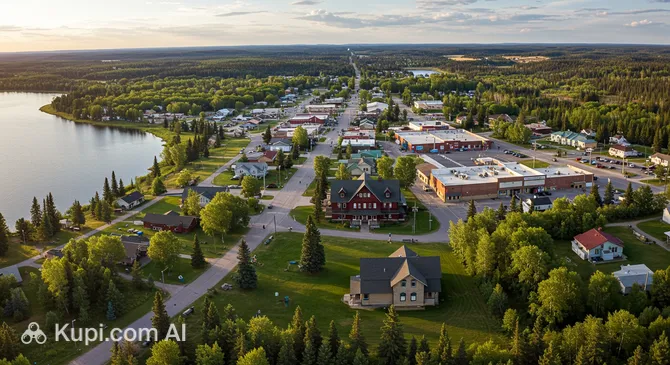
Bonnyville is a cosy and picturesque town located in northeastern Alberta. It offers a wonderful blend of modern convenience and the pristine beauty of the wilderness, creating the perfect environment for a calm and relaxed getaway.

Bonnyville. Illustration.
Source: Kupi.com AI

This community of approximately 14,500 people is surrounded by dense coniferous forests and endless prairies. Canada is famous for its impressive natural landscapes, and this region is a shining example of that. The town serves as an important administrative and cultural hub, attracting travellers with its authenticity and harmony with the environment.

The atmosphere here is steeped in hospitality. The rich history of Bonnyville is reflected in local traditions that residents carefully pass down from generation to generation. Walking through the streets, you can feel a special connection to the past and sense you are part of a tight-knit community where everyone is happy to share a story about their home.

For tourists, the town offers many opportunities for active leisure. The main points of interest are the pristine lakes and rivers located just a few minutes' drive from the centre. Here, you can hike along scenic trails, enjoy some fishing, or simply have a picnic against the backdrop of magnificent natural park scenery.

If you are looking for a place to escape the hustle and bustle of big cities and slow down, Bonnyville is an excellent choice. Come here to explore cosy street cafes, breathe in the fresh air, and discover the true soul of the Canadian province.

Weather Overview

The climate in this region features distinct seasonality, offering travellers completely different experiences depending on the time of year. To choose the perfect time for your visit and pack your suitcase correctly, it is useful to know what weather in Bonnyville to expect.

Summers here are pleasant and fairly warm. The hottest month is July, with an average temperature of 18.4°C and daytime highs around 23.6°C. However, travellers should be prepared for precipitation: June and July are the wettest months, when the number of rainy days can reach 14–15. May and September offer cooler but comfortable conditions with temperatures ranging from 11°C to 12°C.

Winters in Bonnyville are truly Canadian — frosty and bracing. The coldest period falls in January and February, when average figures drop to -13°C, and night frosts can reach -18.1°C. Despite the low temperatures, the winter months are characterised by low precipitation (about 1 mm), which makes the air dry.

Expect warm summers with occasional rain and cold, dry winters.

Average monthly temperature

Average monthly precipitation

Interesting Facts

In addition to its natural beauty and cosy streets, Bonnyville holds many fascinating stories and features that only reveal themselves to curious travellers. Here are a few facts to help you get to know this Canadian town better.

  • Named after a pioneer. The town owes its name to the French explorer François Benoit Bonnyville. In the 19th century, he was the first to begin developing these lands, paving the way for future settlers, hunters, and fishermen attracted by the region's rich natural resources.

  • The town's green heart. A unique feature of Bonnyville is the botanical garden located right in the centre. It houses a collection of rare plants characteristic of Alberta. This spot has become a true local landmark: in summer, it hosts colourful flower festivals and educational gardening workshops.

  • A trail for explorers. Hiking enthusiasts will appreciate the famous Grand Allée trail, which stretches for about 15 kilometres. The route passes through scenic forests and fields, making it an ideal place for birdwatching and photographing wildlife in its natural habitat.

  • Hockey traditions. As in many parts of the country, hockey here is not just a sport, but a vital part of the cultural code. The local team regularly participates in regional tournaments, and the winter season in town is always accompanied by ice festivals and public skating sessions that bring residents of all ages together.

How to Get There

When planning a trip to this region of Canada, it is important to think about your route in advance, as the town is located some distance from major transport hubs. You can find all the ways to reach the town in more detail on our dedicated page, and below we cover the main arrival options.

Bonnyville itself does not have an airport with scheduled passenger flights, so the most convenient option is to fly into one of the nearby major cities. Most often, tourists choose Edmonton International Airport (IATA: YEG). It is located in the city of Edmonton, approximately 216 km from Bonnyville. A trip by rental car or transfer from there will take about 2.5–3 hours.

An alternative option is Fort McMurray International Airport (YMM). This aviation hub is in the city of Fort McMurray, about 267 km from Bonnyville. The journey by land will take around 3 hours.

For your convenience, here is a summary of the main airports:

AirportPassenger trafficDistance
Edmonton International Airport7.9 mln216 km
Fort McMurray International Airport367 627267 km

If you prefer rail travel, please note that there is no passenger railway station in Bonnyville itself. The nearest major hub is the Edmonton Railway Station (XZL). it is about 199 km from Bonnyville. From there, you will need to continue your journey by bus or taxi.

Below is information regarding the nearest railway station:

StationPassenger trafficDistance
Edmonton Railway Station199 km

Main Attractions

Bonnyville, located in the heart of Alberta's Lakeland region, offers tourists a harmonious blend of natural beauty and cultural heritage. Although the town is small, it features unique spots that allow visitors to experience the true spirit of the Canadian prairies and enjoy the outdoors.

One of the main natural gems within the town limits is Jessie Lake. This spot is considered a paradise for birdwatchers and nature lovers, as it lies on important migration paths for thousands of birds. Convenient walking trails are laid out along the shore, perfect for morning runs or leisurely evening strolls while observing wildlife in its natural habitat.

For those wanting to learn more about the region's past, a visit to the Bonnyville & District Museum is a must. Here, you can see historic buildings, artefacts from the lives of early settlers, and learn about the development of the fur trade. The museum's landmark is the seven-metre statue of Angus Shaw — a famous explorer and trader whose figure majestically welcomes guests to the town.

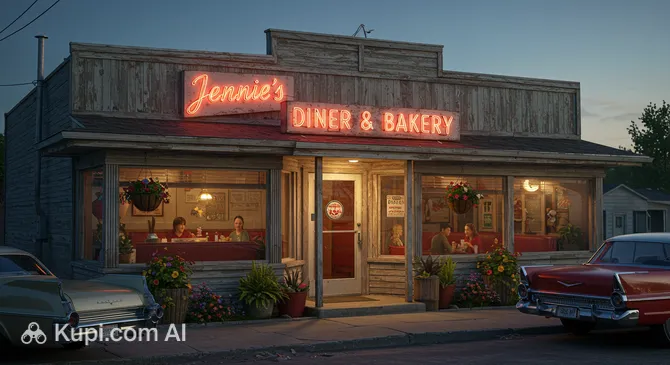
Jennie's Diner & Bakery. Illustration.
Source: Kupi.com AI

Traveler photos:

Unique gastronomic locations that have become local legends should not be overlooked either. A particular favourite among residents and tourists is Jennie’s Diner & Bakery. This establishment is decorated in a classic 1950s style: the retro interior, vinyl records, and "good old rock and roll" atmosphere transport visitors to another era. They serve hearty home-cooked meals and fresh pastries, making it a great place to relax after a walk.

If you are looking for beach relaxation and camping, it is worth heading to Moose Lake Provincial Park, located just a few kilometres from the town. This is a popular recreation area with sandy beaches, picnic spots, and opportunities for water sports. In summer, the lake becomes a magnet for everyone wanting to swim or go boating surrounded by thick forests.

Local Cuisine

Bonnyville's gastronomic scene is a true reflection of Northern Alberta's generous nature. Local cuisine is based on fresh, eco-friendly products harvested from the surrounding forests and waters. Since the town is surrounded by lakes, fish dishes hold a special place on the menu. You should definitely try the fried walleye or smoked pike — these delicacies are prepared here with great skill. On a cool day, a hearty Canadian fish soup is an excellent choice to warm you up and provide a sense of home comfort.

For meat lovers, the region offers unique taste experiences. Traditional cuisine here is closely linked to hunting, so you will often find game dishes in restaurants. Stewed moose, fragrant venison roast with wild mushrooms, and savoury homemade sausages reflect the rugged but hospitable spirit of the land. Don't miss the chance to try a burger with juicy bison meat — a popular option for a satisfying lunch found in both restaurants and street food stalls.

Those with a sweet tooth will enjoy desserts featuring local berries and honey collected by nearby farmers. Freshly baked buns generously drizzled with maple syrup — the country's sweet symbol — are a classic. It is impossible to imagine the town's life without farmers' markets, where you can sample homemade cheeses and buy organic vegetables. In summer, the culinary scene comes alive during the "Taste of Bonnyville" festival, where chefs compete in creativity, offering guests everything from classics to signature new creations.

If you are looking for a place to soak in a retro atmosphere and try time-tested classics, stop by Jennie’s Diner & Bakery. This establishment is famous not only for its stylish interior but also for its magnificent baking, which perfectly complements a cup of hot coffee or tea after a walk around town. They honour home-cooking traditions, offering guests simple but incredibly tasty food.

Travel Tips

A trip to Bonnyville promises to be an unforgettable immersion into the atmosphere of Alberta's Lakeland, but like any trip to this part of Canada, it requires a bit of preparation. To ensure your holiday goes smoothly and leaves only pleasant memories, we have gathered the most important and tried-and-tested recommendations for you.

  1. Clothing and Gear. The weather here is changeable, so layering is your golden rule. Even in summer, evenings can be cool, so a windbreaker or fleece is essential. In winter, serious gear is required: thermal underwear, a windproof down jacket, and warm boots, as the frosts can be severe. In summer, don't forget a powerful insect repellent — the proximity of the lakes ensures the presence of mosquitoes.
  2. Transport. Bonnyville is a town where a car is a necessity, not a luxury. Public transport is limited and does not cover the tourist routes around the lakes. It is highly recommended to rent a car (preferably an SUV or crossover) to freely explore the surroundings and reach natural parks. Ride-sharing apps are not as active here as in big cities, so it's better to have the contact details of local taxi services.
  3. Finance. The official currency is the Canadian Dollar (CAD). Bank cards are accepted almost everywhere, including petrol stations and supermarkets. However, it is worth carrying a little cash (5–20 dollar bills) for payments at farmers' markets or small souvenir shops. The tipping culture is the same as in the rest of North America: it is customary to leave 15–20% of the bill in cafes and restaurants.
  4. Health and Safety. The town is very safe, and the crime rate is low. The main threat can come from wildlife: deer and moose often appear on rural highways, especially at dawn and dusk. Be extremely careful when driving. There are pharmacies in town, but they are not always open 24/7, so it's best to pack a personal first-aid kit in advance.
  5. Communication. The primary language is English, but due to historical heritage, many Francophones live in the region, so hearing French is not uncommon. Wi-Fi is available in most hotels and cafes. If you need mobile service, it is better to buy a SIM card upon arrival in Edmonton, as the choice of operators in Bonnyville itself may be limited.
  6. Local Etiquette. Residents of Bonnyville are known for their friendliness and simplicity. It is customary to greet bus drivers, shop assistants, and even passers-by on quiet streets. Be polite, hold doors for those behind you, and don't hesitate to ask locals for advice — they will be happy to help.
  7. What to Avoid. It is strongly discouraged to feed wild animals or attempt to approach them for a photo — this is dangerous for both you and the animals. Also, avoid trespassing on private property: much of the land around the town consists of private farms, and entering without permission is considered bad manners and a legal violation.
  8. Tip for Outdoor Enthusiasts. If you plan on fishing at Jessie Lake or Moose Lake, remember that Alberta has strict fishing regulations. Be sure to buy a license (available online or at local shops) and familiarise yourself with the catch limits to avoid heavy fines.

Bonnyville is a place where nature sets the pace of life, and people value sincerity and respect. By following these simple tips, you can avoid minor troubles and fully immerse yourself in the cosy atmosphere of the Canadian prairies, enjoying the fresh air and picturesque sunsets.

Entertainment & Nightlife

The nightlife in Bonnyville differs from that of bustling metropolises with their neon lights and round-the-clock raves. Instead, an atmosphere of cosiness, friendliness, and small-town charm prevails. Evening entertainment in the town is centred around socialising, sports, and good music, allowing tourists to relax after an active day and meet locals in an informal setting.

The hub of social life and major events is the Bonnyville & District Centennial Centre (often referred to by locals as the C2). This is a multi-functional complex that regularly hosts concerts, community celebrations, and, of course, exciting hockey matches by the local team, the Bonnyville Pontiacs. Attending a game is a great way to experience the true Canadian spirit and the passion of the local fans.

For a more intimate evening, local sports bars and lounges are ideal. Popular spots among townsfolk include The Players Lounge and Nick's Lounge. People come here to watch sports broadcasts, play a game of billiards, or simply enjoy a pint of beer with friends. The dress code is very relaxed, and the setting is perfect for long conversations.

If you are looking for gaming excitement, keep in mind that there are no casinos in Bonnyville itself. The nearest gambling establishment, Casino Dene, is located in the neighbouring city of Cold Lake, about a 30–40 minute drive away. For those preferring a quiet evening with a touch of nostalgia, Jennie’s Diner & Bakery is an excellent choice. While known for its baking, its 50s retro interior creates a unique atmosphere for an early dinner before an evening stroll.

In terms of safety, Bonnyville is a very peaceful town. Walking through the central streets after dark is safe. However, it is worth remembering that public transport does not run at night, and hailing a car on the street is virtually impossible. It is recommended to save the numbers of local taxi services in advance, especially if you plan to stay out late at a friend's house or a venue.

Parks & Museums

The cultural and natural life of Bonnyville is inextricably linked to its geographical location and rich past. The town and its surroundings offer tourists a harmonious balance: you can spend the morning watching rare birds on lake trails and dedicate the afternoon to learning about pioneer history in local open-air museums.

Parks and Natural Areas

The main natural attraction within the town is the area around Jessie Lake. This is not just a body of water, but a vital wetland ecosystem used as a migration path for hundreds of bird species. A scenic trail is set up along the shore, perfect for walking and running. Tourists are primarily drawn here for birdwatching opportunities — there are dedicated viewing platforms and information boards available.

Just a few minutes' drive from town is Moose Lake Provincial Park. This is a popular family destination offering sandy beaches and picnic areas surrounded by northern forest. The park attracts water sports enthusiasts: you can rent a boat, go windsurfing, or just swim in the clear water. A well-developed network of campgrounds makes it an excellent base for those wanting to spend a weekend in nature with a tent.

Museums and History

A central piece of the cultural landscape is the Bonnyville & District Museum. This is a large-scale open-air ethnographic complex that transports visitors back to the era of the first settlers. The museum grounds house authentic historical buildings, including an old school, a church, and a hospital, all carefully restored and filled with household items from the early 20th century. The exhibits vividly demonstrate how agriculture and the oil and gas industry developed in the region.

Special attention is given to the fur trade, which played a key role in the formation of Canada. The history of the fur trade is widely represented in the museum collections, telling the story of the interaction between European traders and Indigenous peoples.

Architectural Landmarks

You cannot miss the majestic statue of Angus Shaw, located on the museum grounds. This 7-metre wooden monument is dedicated to the famous explorer and cartographer who founded a trading post in this area at the end of the 18th century. The statue is a symbol of the town and a popular spot for souvenir photos, serving as a reminder of the spirit of adventure inherent to this region.

Insider Tip

If you want to see Jessie Lake at its best, come here at sunset. At this time, the water is painted in incredible shades, and bird activity increases, creating a unique soundscape. For those seeking peace and quiet, we recommend the small walking area at Slawuta Pond — it is a lesser-known but very cosy spot for solitary relaxation.

Getting Around

The public transport system in Bonnyville is significantly different from what residents of major cities are used to. Due to the town's small size and layout, there is no metro, tram lines, or trolleybuses. A classic network of city buses with fixed routes and schedules is also not developed in the traditional sense, so tourists should plan their transportation in advance.

The main means of transport for locals and guests without a personal vehicle is taxis. There are several local companies in town providing transport both within the community and to the surrounding areas. It is important to note that hailing a car on the street is virtually impossible. You must book a taxi in advance by phone. Popular international ride-sharing apps (like Uber) may be unreliable or unavailable in this region, so it is safer to rely on local dispatch services.

Regarding payment for taxi fares, most drivers accept both cash and bank cards. However, when heading out, it is always useful to have a small amount of cash on hand in case of technical issues with the card terminal. The fare is calculated by the meter or is fixed for certain zones; it is best to confirm the price with the dispatcher when ordering.

The most convenient and practical option for tourists is renting a car. Since many natural attractions and parks are outside the town limits, having a car will give you total freedom. Car rental agencies are available both in the town itself and at the nearby airports where travellers usually arrive. To rent a car, you will need an international driving permit and a credit card.

For getting around the centre of Bonnyville during the warmer months, bicycles are a great choice. The town features a network of scenic trails and paths connecting residential areas with park zones, such as the area around Jessie Lake. This is not only an eco-friendly way to get from A to B but also a chance to enjoy the views. However, keep in mind that this option is not viable in winter due to weather conditions.

Walking is only comfortable in the central part of town, where shops, cafes, and some historical buildings are concentrated. Distances here are small, and a walk from one location to another might take only 10–15 minutes. Nevertheless, for trips to supermarkets or outlying areas, it will be difficult to manage without a car or a taxi.

Accommodation

The choice of accommodation in Bonnyville perfectly reflects the character of this small and hospitable town. You won't find massive five-star complexes or high-rise luxury hotels here, but the infrastructure is well-developed for a comfortable stay. The mainstay of the accommodation sector consists of mid-range hotels, reliable chain hotels, and cosy motels that offer all the necessary amenities: from clean linens and hot showers to free Wi-Fi and breakfast.

The layout of the town's accommodation is simple and convenient for tourists. Most hotels are concentrated along the main transport artery — 50th Avenue (Highway 28). By staying in this area, you will be in the centre of the action: supermarkets, cafes, and the main natural attraction, Jessie Lake, will be within walking distance. This is an ideal location for those travelling by car, as it provides quick access to the highway for exploring the surrounding areas.

For nature lovers and budget travellers, campgrounds and RV parks are excellent alternatives. During the summer season, many tourists prefer to stay in these areas, such as near Moose Lake. This allows for significant savings while enjoying a night under the stars surrounded by forest, without sacrificing basic comfort.

When planning your trip, it is important to consider the specifics of the region. Bonnyville is not only a tourist destination but also an important industrial hub. Hotels are often filled with visiting specialists, so looking for a room on the day of arrival can be risky. Book your accommodation in advance, especially if your visit coincides with summer or hockey tournament days.

The price range varies from budget to mid-range. You can book a room through popular international online platforms, but many small motels also accept direct bookings by phone, which can sometimes lead to a better deal.

Nearby Cities

For those wishing to explore the surrounding area, Bonnyville serves as an excellent starting point for day trips to several interesting nearby locations. The town's position allows you to reach major cultural centres and unique natural spots within a few hours.

One of the most popular destinations is Edmonton, the capital of Alberta. The drive takes about two and a half hours, but it is well worth it. The city is famous for its giant West Edmonton Mall, numerous museums, galleries, and vibrant festivals that take place year-round. It is an ideal spot for shopping enthusiasts and those seeking a rich cultural programme.

Closer to Bonnyville is the unique city of Lloydminster. Its peculiarity lies in its geographical location: it sits right on the border between two provinces — Alberta and Saskatchewan. Tourists often come here to take photos at the border markers, symbolically being in two places at once. Additionally, the city offers excellent parks and opportunities for family recreation.

Below is information about nearby cities that may be of interest for a visit:

CityPopulationDistance
Moose Lake11 km
Cold Lake14 96143 km
St. Paul48 km
Lac La Biche2 30097 km
Vermilion4 400102 km

These nearby destinations provide a glimpse into the diverse culture and landscapes of the region, making your trip even more rewarding.

Shopping & Souvenirs

General Overview

Shopping in Bonnyville is more practical and cosy than glamorous. You won't find massive multi-storey malls with luxury brands here; however, the town offers an excellent selection of shops where you can buy everything you need: from quality clothing and outdoor gear to unique products from local artisans. The shopping scene is geared toward the comfort of residents and guests, combining familiar chain supermarkets with charming independent shops.

Main Shopping Districts and Streets

The town's main commercial artery is 50th Avenue, which also serves as the primary transport route. Walking or driving along this street, you will find most of the local shops, boutiques, and service centres. This is where Bonnyville's business life is concentrated: the storefronts of small family-run shops sit alongside popular Canadian retailers, creating a convenient shopping environment.

Shopping Centres and Chain Stores

The town is dominated by small plazas and strip malls. For daily purchases, locals and tourists choose reliable chain stores located within the town. You can stock up on groceries and essentials at supermarkets like Sobeys or No Frills. Household items and affordable souvenirs are easy to find at the popular Dollarama, and for electronics and gadgets, it's worth checking out Best Buy Express. These locations offer a wide range of goods in one place, saving travellers time.

Markets

The Bonnyville Farmers' Market deserves special attention. It's a place where you can truly feel the community spirit. The market operates regularly (usually once a week) and offers fresh produce from local farmers: seasonal vegetables, home-raised meat, honey, and baking. Additionally, local artisans often display their work here, offering handmade jewellery, knitted items, and woodwork that you won't find in regular shops.

Souvenirs

When visiting Canada, and Alberta in particular, it is worth bringing back something authentic. In Bonnyville, look for leather and fur products created by local craftsmen, as well as traditional Indigenous souvenirs. A jar of local honey or maple syrup makes an excellent gift. Sports fans can pick up merchandise for the local hockey team, the Bonnyville Pontiacs — a jersey or cap is a great reminder of Canada's love for hockey.

Opening Hours and Payment

Shops in town are typically open from 9:00 or 10:00 AM to 6:00 PM, Monday through Saturday. Large supermarkets may stay open later — until 9:00 or 10:00 PM. On Sundays, many small shops are closed or operate on a reduced schedule (e.g., 12:00 PM to 5:00 PM). Bank cards (Visa, MasterCard) are accepted everywhere, even in small kiosks, but it's better to have some Canadian dollars in cash for the farmers' market.

Tax Free

Tourists should remember that prices on tags are listed without taxes. At the checkout, Goods and Services Tax (GST) will be added, which in Alberta is 5%. Unlike some European countries, Canada does not currently have a Tax Free refund programme for individual tourists on regular consumer goods taken out in luggage.
Reached the end of the page?

That means the route is fully explored