Support

Whitecourt

About

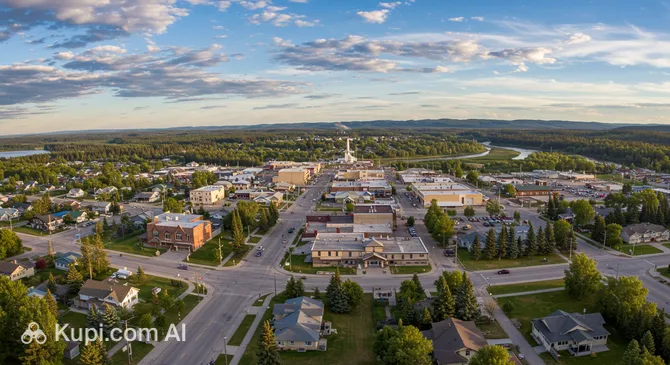
Whitecourt is a picturesque and dynamic town located at the confluence of two majestic rivers: the Athabasca and the McLeod. Situated in the heart of Alberta's woodland, this town attracts travelers with its stunning nature and extensive opportunities for outdoor activities in any season.

This region perfectly demonstrates how diverse and beautiful Canada can be. Despite a relatively small population of about 10,000 people, Whitecourt boasts a developed infrastructure and a unique charm that keeps tourists coming back time and again.

Whitecourt. Illustration.
Source: Kupi.com AI

The region's past is inextricably linked to the development of natural resources. The fascinating history of Whitecourt dates back to trading posts and logging, which transformed a small settlement into an important economic and tourism center. Today, the town proudly bears the title of "Snowmobile Capital of Alberta," offering hundreds of kilometers of well-groomed trails for winter sports.

Among the key attractions is the unique Whitecourt Crater, formed by a meteorite impact—a rare geological site accessible to visitors. For family recreation, Rotary Park is ideal, known for its "river slides" and scenic views. Whitecourt is an excellent discovery for those seeking authentic adventure in the Canadian backcountry.

Weather Overview

The climate in this region features a pronounced seasonality, typical of the province of Alberta. Winters here are long and frosty: in January and February, the thermometer often drops to -15°C and lower. This time of year is characterized by a relatively small amount of precipitation, creating conditions for a dry and snowy winter, perfect for outdoor activities.

The summer season brings long-awaited warmth, but along with it, the majority of the annual precipitation. July is the warmest month, when the air warms up to an average of 22.5°C. However, tourists should remember that June and July are also the rainiest months, with up to 16 days of precipitation recorded during this period.

Expect warm summers with occasional rain and cold, dry winters. To make your trip as comfortable as possible, we recommend checking the detailed weather in Whitecourt in advance and preparing appropriate clothing.

Average monthly temperature

Average monthly precipitation

Interesting Facts

Beyond its main attractions, Whitecourt holds many fascinating secrets and features that reveal themselves only to inquisitive travelers.

  • The youngest crater in the region. One of the most intriguing finds in recent years is the Whitecourt Crater, discovered only in 2007. Scientists have determined that the meteorite fell here about 1,100 years ago, which by geological standards happened literally "yesterday." This is a unique site for a country like Canada, as the crater is perfectly preserved and accessible for hiking.

  • Guinness World Record. The town is called the snowmobile capital for a reason. In 2015, a world achievement was officially recorded here: the largest snowmobile parade. A total of 1,044 riders took part in a single run, confirming the town's status as the province's main hub for winter powersports.

  • Historical name "Sagitawah." Before the arrival of Europeans, this place was known among the Cree Indigenous people as "Sagitawah," which poetically translates as "the place where the rivers meet." This name perfectly describes the geography of the town, standing at the confluence of the Athabasca and McLeod rivers.

  • Unique water slides. In Rotary Park, you will find an attraction rarely seen in typical urban recreation zones—the "River Slides." These are artificial streams with cascades where, in summer, you can safely float down on inner tubes, mimicking a real river rafting experience.

How to Get There

Whitecourt, nestled in the scenic forests of Alberta, is a popular stop for travelers exploring the western part of the country. While the town has excellent road accessibility, there are no direct passenger flights or trains to the town itself. To plan the optimal route, we recommend reviewing the detailed information on the page how to get to Whitecourt.

The main flow of tourists arrives in the region via the major air hubs of neighboring cities. The most convenient option is Edmonton International Airport (YEG). There is no airport in Whitecourt itself that accepts regular commercial flights, so travelers fly into Edmonton, which is about 166 km away. The journey from the airport to downtown Whitecourt by car or bus takes about 2 hours.

Another option to reach this area is flying through Grande Prairie Airport (YQU). It is located in the city of Grande Prairie, approximately 237 km from Whitecourt. This is a regional airport with less passenger traffic, but it can be convenient if you are traveling from the northwest. Travel time by ground transport from here is approximately 2.5–3 hours.

For convenience, here is a summary of the main airports:
AirportPassenger trafficDistance
Edmonton International Airport7.9 mln166 km
Grande Prairie Airport270 474237 km
Red Deer Regional Airport17 000249 km

Rail travelers should note that there is no passenger train station in Whitecourt itself. The nearest major hub is the Edmonton Railway Station (XZL), located in the city of Edmonton. The distance to Whitecourt is about 155 km. This station is served by the national VIA Rail network. Upon arrival at the station, tourists will need to transfer to an intercity bus or rent a car for the remaining journey, which takes about 2 hours.

Below is information about the nearest railway station:
StationPassenger trafficDistance
Edmonton Railway Station154 km

Main Attractions

Whitecourt's main attractions are closely tied to its unique location among dense forests and rivers. The town and its surroundings offer tourists many opportunities to experience Alberta's nature, from picturesque canyons to modern park areas.

One of the town's hallmarks is Rotary Park. This is a favorite vacation spot for both locals and visitors to the region. During the summer months, the park becomes a hub of activity thanks to the famous "River Slides"—an artificial cascade of pools where you can enjoy a fun descent on inner tubes. In addition to water fun, there is a large fishing pond, playgrounds, and convenient picnic areas, making the park an ideal place for family leisure.

For connoisseurs of impressive natural landscapes, Hard Luck Canyon is a must-visit, located just a 20-minute drive south of town. This geological wonder is a deep gorge with sheer sandstone walls, with a small waterfall rushing at the bottom. A convenient walking trail and bridge allow you to descend right to the water to enjoy the cool air and take magnificent photos against the backdrop of the cliffs.

To dive deeper into the history and culture of the region, it is worth visiting the Forest Interpretive Centre. The building itself attracts attention with its architecture, harmoniously integrated into the landscape. Inside, there are museum exhibits telling the story of the forest industry's development, which played a key role in the formation of Whitecourt. The center also houses a visitor information center where you can learn more about routes and events in the town.

Camping and wildlife enthusiasts will love Carson-Pegasus Provincial Park. Located north of the town, this park is famous for its birdwatching opportunities and excellent rainbow trout fishing. Scenic trails passing through mixed forests of aspen and spruce offer peace and a chance to meet forest inhabitants in their natural habitat.

Local Cuisine

Whitecourt's cuisine is a classic reflection of Western Canadian gastronomic traditions, where hearty and warming dishes perfect for the Alberta climate are highly valued. The region's main delicacy is rightfully considered the famous Alberta beef. Travelers should definitely try a local steak or a juicy burger in one of the town's family restaurants or steakhouses. The quality of the meat here is of the highest standard, thanks to the province's developed farming industry.

In addition to meat dishes, you can often find the heritage of Eastern European immigrants on local menus—perogies. They are prepared in a special way here: often fried with onions and bacon or served with sour cream as a hearty side dish. We must not forget the traditional Canadian snack—poutine. This is a hot portion of French fries, generously smothered in thick gravy and topped with cheese curds, which is great for restoring strength after snowmobiling or walking in the woods.

As for drinks, the region's signature is the Caesar cocktail. This spicy drink made with vodka and a mix of tomato juice and clam broth (clamato) was invented right here in Alberta and is extremely popular in local bars. For beer lovers, it's worth checking out craft beer: Whitecourt venues often feature varieties from small provincial breweries experimenting with local ingredients.

The dining culture in Whitecourt is characterized by casualness and a cozy atmosphere. There are no pretentious restaurants with strict dress codes; instead, the town offers many hospitable diners, pubs, and cafes where locals and tourists gather at the same table. Many establishments are geared toward travelers driving along the Alaska Highway, so portions are large and service is fast and friendly.

Travel Tips

Preparing for a trip to Whitecourt is the key to a great vacation, as this town is surrounded by dense forests and wilderness. To ensure your journey to this cozy corner, for which Canada is famous, goes smoothly and comfortably, we have gathered a list of the most important practical recommendations.

  1. Clothing and Gear. Weather in Alberta can be unpredictable. In winter, you will definitely need thermal underwear, a warm windproof parka, a hat, and gloves—the frosts here can be severe. In summer, follow the principle of layering: it can be hot during the day, but evenings are often cool. Also, pack comfortable trekking shoes for walking forest trails and a power adapter (type A and B) if your devices have European plugs.

  2. Transport. Whitecourt is a town oriented toward drivers. Public transport is poorly developed and may not cover tourist routes outside the center. The best solution is renting a car. This will give you the freedom to visit remote attractions like the crater or Hard Luck Canyon. Apps like Uber may work inconsistently here, so keep the numbers of local taxi services handy.

  3. Finances. The official currency is the Canadian dollar (CAD). Bank cards (Visa, Mastercard) are accepted almost everywhere: in hotels, restaurants, and gas stations. However, it is recommended to have a small amount of cash for small purchases at markets or for tips. The tipping culture here is standard for North America: it is customary to leave 15–20% of the bill in cafes and restaurants.

  4. Health and Safety. The town is very quiet, and the crime rate is low. The main danger can come from wild animals. Even close to town, you may encounter deer, moose, or bears. Never feed wild animals and keep a safe distance from them. Pharmacies are located in large supermarkets, but they don't always work 24/7, so it's better to pack a basic first-aid kit in advance.

  5. Communication. The primary language is English. Locals speak quite clearly, but be prepared for specific Canadian slang. Free Wi-Fi is available in most cafes, hotels, and the municipal Visitor Centre. Mobile service in town works excellently but may drop out in the deep forest or at the bottom of canyons.

  6. Local Etiquette. A friendly small-town atmosphere prevails in Whitecourt. It is customary to greet strangers on walking trails, hold doors for those behind you, and smile when making eye contact. Don't hesitate to engage in "small talk" with staff or locals—it's considered polite.

  7. What to Avoid. Categorically avoid leaving trash in nature. Locals are very protective of the ecology and cleanliness of their forests and rivers. Also, avoid entering areas marked as private property or industrial zones (logging sites, oil rigs)—it can be unsafe and may result in fines.

  8. Insect Protection. If you plan a trip in June or July, be sure to stock up on quality repellent. In Alberta's forested areas, mosquitoes and blackflies can be very persistent, and without protection, outdoor recreation can be ruined.

Whitecourt is a place where nature feels closer and the pace of life slows down. By following these simple tips, you can avoid everyday troubles and focus entirely on exploring the scenic expanses and hospitality of this northern land.

Entertainment & Nightlife

Nightlife in Whitecourt is not about the noisy raves of a metropolis, but rather a cozy, friendly atmosphere imbued with the spirit of the Canadian backcountry. Evening entertainment here is concentrated mainly along the main transport artery—Highway 43—where the primary hotels and entertainment complexes are located. The town goes to sleep quite early, so most establishments are geared toward relaxed rest after an active day outdoors or at work.

The main center of the region's nightlife is arguably the Eagle River Casino & Travel Plaza. It is not just a place for gambling, but a full-scale entertainment complex located at the entrance to the town. Here, you can not only try your luck at the gaming tables or machines but also enjoy dinner at a restaurant that stays open longer than typical town cafes. On weekends, the casino often hosts entertainment programs or sports broadcasts that gather a lively crowd.

For those who prefer a classic bar atmosphere, the Crown & Anchor Pub is an excellent choice. This venue is popular with locals thanks to its casual setting. Here you can play a game of billiards, listen to music, and enjoy a pint of local beer. The crowd is diverse but always friendly: from tourists and snowmobilers to forest industry workers. The dress code in Whitecourt venues is as casual as it gets—comfortable jeans and a shirt are appropriate everywhere.

Another popular spot for evening gatherings is Original Joe's Restaurant & Bar. This chain restaurant is known for its comfortable interior and extensive drinks menu. The atmosphere here is calmer than in pubs, making it an ideal place for dinner with friends or family. In summer, there is a pleasant terrace where you can enjoy the long northern sunsets.

When planning an evening out, keep a few practical points in mind. Kitchens in most bars and restaurants close around 9:00 PM–10:00 PM, although the venues themselves may stay open until one or two in the morning, especially on Fridays and Saturdays. The average bill for dinner with drinks is about 30–50 CAD per person. Whitecourt is a safe town, and night walks in the center pose no threat, but streets may be poorly lit outside the main roads.

Public transport does not run at night, so if you plan on drinking alcohol, note down the numbers of local taxi services in advance. Hailing a car on the street is practically impossible; you must order by phone. Distances in town are small, and a trip from the center to most hotels will be inexpensive.

As for daytime and cultural entertainment, Whitecourt offers excellent opportunities for active leisure. The Allan & Jean Millar Centre is a massive sports complex with pools, a lazy river, and fitness zones, perfect for family fun in any weather. Movie lovers can visit the local Vista Theatre, which retains the charm of classic small cinemas and shows the latest releases.

Parks & Museums

Whitecourt harmoniously combines the dynamics of an industrial center with the serenity of northern nature, offering guests well-maintained green zones and cultural spaces that deeply reveal the history of the development of this woodland region.

The heart of summer recreation in the town is rightfully Rotary Park. It is not just a green zone, but a true open-air entertainment center. The main highlight of the park is the famous "River Slides"—a cascade of artificial streams where you can safely float down on inner tubes. In addition to water fun, the park attracts tourists with its picturesque pond, where fishing is permitted, and extensive lawns for picnics, making it an ideal place for family leisure.

For those seeking solitude and authentic wilderness, Carson-Pegasus Provincial Park, located north of the town, is a mandatory stop. This park is famous for its dense mixed forests of aspen, poplar, and spruce, as well as McLeod Lake. Tourists come here for excellent rainbow trout fishing, watching rare bird species, and walking along kilometers of hiking trails laid out along the shoreline.

The cultural and historical heritage of the region is centered in the Forest Interpretive Centre. This unique space serves as the town's main museum. The exhibition is dedicated to the history of the forestry industry, which played a key role in the formation of Whitecourt. Visitors can see historical logging tools, learn about sustainable forestry technologies, and study local flora and fauna through interactive displays. The center's building itself, designed in the style of a traditional lodge, is an interesting architectural object.

While the town does not have major art galleries, the space inside the Interpretive Centre and the local library often serves as a cultural hub, where works by local artists and craftspeople inspired by Alberta's beauty are periodically exhibited.

Insider Tip: If you want to enjoy some quiet time within the town limits, take a walk along the Millar Western Trail system. These paths pass through wooded areas and along the river, opening up unexpected and photogenic views of the valley that few tourists know about.

Getting Around

The transport system in Whitecourt is quite compact and simple, which perfectly matches the size and pace of life of this small town. Since most locals get around in private cars, public transport serves an auxiliary function. Nevertheless, for a tourist without a car, there are accessible ways to move between the main districts.

The backbone of public transport is the Whitecourt Public Transit bus service. The route network is not very extensive and typically connects the two main parts of town: the lower part in the valley (Valley), where the parks and river are located, and the upper part (Hilltop), where shopping centers and residential neighborhoods are concentrated. Buses run on a schedule, which should be checked in advance on the official town website or at the visitor center, as intervals can be significant.

The bus fare system is as simple as possible. The most common method is paying cash to the driver upon entry. It is important to have small bills and coins, as change is usually not provided on buses (you need the "exact change"). For those planning to stay in town for several days, it is more profitable to buy a sheet of tickets or a monthly pass. These are sold at the town office or at the Allan & Jean Millar Centre sports complex.

If you are used to the comfort of taxis, several local services operate in Whitecourt. An important feature: don't count on global apps like Uber or Lyft here—they are virtually non-existent in this region or work very inconsistently. It is better to order a car by phone through a dispatcher. A taxi is a reliable way to get to a restaurant in the evening or reach your hotel if you arrived by bus from another city.

For tourists wishing to visit natural attractions in the surroundings, such as the crater or the canyon, renting a car remains the only alternative and the most convenient option. Public transport does not run outside the town limits. Car rental agencies are located in the town's commercial zone, but it's best to book a vehicle in advance, especially during the summer season.

A unique feature of transport life in Whitecourt is its seasonality. In summer, the town is covered in a network of bicycle and pedestrian paths, making it easy to get from the center to Rotary Park. In winter, Whitecourt lives up to its name as the "Snowmobile Capital": the snowmobile becomes a full-fledged means of transport. Special trails allow snowmobile riders to legally drive right into town to gas stations, hotels, and restaurants, which is a rare sight for most other towns.

Accommodation

Gher to stay:

Whitecourt offers travelers a functional and comfortable selection of accommodations that perfectly meet the needs of transit tourists and outdoor enthusiasts. The town is dominated by mid-range hotels and classic roadside motels offering good value for money. While there are no premium luxury resorts, many hotels provide modern amenities including breakfast, Wi-Fi, and spacious parking designed for large vehicles and snowmobile trailers.

In terms of location, most lodging options are strategically clustered along the main transport artery—Highway 43. Staying in this area (the Highway Corridor) is most convenient for tourists: you will always be in close proximity to restaurants, gas stations, and exits to main routes. This allows you to save time on travel and quickly reach both the town center and natural attractions.

When planning a trip, it is important to consider seasonality. Since Whitecourt holds the title of "Snowmobile Capital of Alberta," hotels can be fully booked by winter sports fans during winter months, especially on weekends. In summer, demand is also high due to transit travelers and business trips. The main booking tip: reserve your room in advance to guarantee availability and the best price.

The price range varies from budget options in simple motels to moderate prices in chain hotels. You can book accommodation through popular international online platforms, which is convenient for comparing prices, but many local motels also readily accept bookings directly by phone or through their own websites.

Nearby Cities

For those looking to explore the surrounding area, Whitecourt serves as an excellent starting point for day trips to several interesting nearby locations:

Edmonton — the capital of Alberta, located about an hour and a half's drive southeast. It is a major metropolis offering tourists a rich cultural program, museums, and the famous West Edmonton Mall, which is a massive entertainment park in itself. A trip here will allow you to dive into the rhythm of a big city, attend festivals, or enjoy the gastronomic variety of its restaurants.

St. Albert — a picturesque city bordering Edmonton to the northwest, known as the "Botanical Arts City." It is famous for its beautiful parks, gardens, and historic district. A river flows through it, with cozy walking paths along its banks. This is an ideal destination for those seeking a combination of natural beauty and cultural relaxation in a calmer atmosphere than the metropolis.

Spruce Grove — another popular community on the way to the provincial capital. The city is known for its sports facilities and well-maintained green zones. It's a convenient place to stop if you're traveling with family, thanks to modern parks and recreation areas like Central Park, which turns into a fairytale skating rink in winter.

CityPopulationDistance
Fox Creek2 17479 km
Edson8 47580 km
Drayton Valley7 300112 km
Stony Plain17 189130 km
Spruce Grove34 066134 km

These nearby destinations provide insight into the diverse culture and landscapes of the region.

Shopping & Souvenirs

General Overview. Shopping in Whitecourt is more practical than recreational. You won't find the massive multi-story malls with luxury brands that metropolises boast. Instead, the town offers a comfortable and calm shopping experience tailored to the needs of locals and travelers heading into the outdoors. The main range of stores focuses on outdoor goods, sports equipment, and everyday items, which perfectly matches the town's status as a hub for adventure tourism.

Main Shopping Areas. The town's commercial life is concentrated mainly along the main transport artery—Highway 43. This is where major chain stores, supermarkets, and service centers are located, where tourists can restock provisions or buy everything needed for camping. For those looking for a more authentic atmosphere, a walk through Downtown is worthwhile. On the streets around 50th and 51st Avenues, you can find small local boutiques, gift shops, and cozy flower shops where service is always accompanied by friendly conversation.

Shopping Centers. There are no giant shopping complexes in Whitecourt, but there are convenient shopping plazas like Midtown Mall. This is a small indoor shopping center in the downtown area, housing clothing stores, pharmacies, and service offices. Power centers along the highway, featuring large retailers like Walmart and Canadian Tire, are also popular. These are the most convenient spots for tourists who need to quickly buy everything in one place before heading into the forest or mountains.

Markets. Of special note is the Whitecourt Farmers Market, which operates seasonally, usually on Tuesdays during the summer. it is located in the local arena or community center building. Here, local farmers and artisans offer fresh baked goods, homemade jams, honey, and unique handmade items. Visiting the market is a great chance not only to buy quality products but also to chat with locals and feel the true spirit of the community.

Souvenirs. Given the town's status as the "Snowmobile Capital of Alberta," clothes or accessories featuring local snowmobile club branding or town logos make excellent souvenirs. In local gift shops and pharmacies, you can also find Indigenous crafts, such as moccasins or beaded jewelry. Don't forget gastronomic souvenirs: maple syrup, locally produced jerky, or craft beer from regional breweries make great gifts.

Opening Hours and Payment. Most shops are open Monday to Saturday from 9:00–10:00 AM to 6:00 PM, while large supermarkets may stay open until 9:00 PM or 10:00 PM. On Sundays, hours are often reduced (usually 11:00 AM to 5:00 PM). Major credit cards (Visa, Mastercard) and debit cards are accepted everywhere. Contactless payment via smartphones is also widespread. Cash may only be needed at the farmers market or for small purchases in private shops.

Taxes. Whitecourt is in the province of Alberta, which is a major advantage for shopping. There is no Provincial Sales Tax (PST), which in other regions of Canada can add 7–10% to your bill. Shoppers only pay the federal Goods and Services Tax (GST) of 5%. It is worth noting that the Tax-Free refund program for international tourists no longer exists, so you won't be able to get the 5% GST back when you leave, but the absence of an additional provincial tax already makes shopping here more profitable.
Reached the end of the page?

That means the route is fully explored