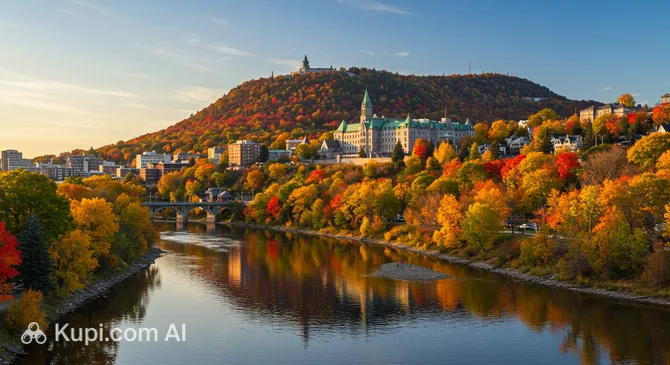
Sherbrooke is a true emerald of the eastern part of the province of Quebec, nestled comfortably at the confluence of the Magog and Saint-François rivers. This picturesque corner of Canada harmoniously combines the dynamics of a major city with the tranquility of the wild. Surrounded by hills and thick forests, Sherbrooke serves as an ideal starting point for exploring the Eastern Townships region, where every traveler will find something to their liking.
Sherbrooke. Illustration.
Source: Kupi.com AI
As one of the province's largest municipalities with a population of about 161,000, the city is famous for its special, youthful energy created by local universities and research centers. Here, French elegance intertwines with the North American rhythm of life. Sherbrooke's history is reflected not only in its architecture but also in a unique project of large-scale street murals that turn a walk through the center into a visit to an open-air museum.
The city enchants with its creative atmosphere: the streets are lined with cozy cafes, art galleries, and boutiques of local designers. In the evenings, Sherbrooke is filled with soft light and the sounds of music, inviting guests to festivals and theatrical performances. It is a place where you can simultaneously recharge with new impressions and find peace for your soul while enjoying the beauty of Quebec's nature.
Weather Overview
Sherbrooke's climate is characterized by pronounced seasonality, offering tourists various conditions for relaxation all year round. Winters here are true Canadian ones: snowy and frosty. In January, the average temperature is about -8.2°C, and night figures often drop to -12.7°C. If you are planning a trip at this time, be sure to pack warm clothes, as the Sherbrooke weather in winter requires serious preparation.
In contrast, the summer months bring long-awaited warmth and are ideal for walks in parks and along the waterfront. July is the warmest month with an average temperature of 20.3°C and maximums around 25°C. Expect a fairly warm summer, but be prepared for occasional precipitation: rain is not uncommon here, and even at the height of the season, there are up to 17 wet days per month. The off-season is characterized by a gradual change in temperatures: from spring freshness in April (+5.4°C) to the golden autumn in October (+9.8°C).
Average monthly temperature
Average monthly precipitation
Interesting Facts
In addition to its main attractions, Sherbrooke holds many fascinating secrets that make it a truly unique place. The city wonderfully combines a rich industrial heritage and modern street art, offering tourists non-standard routes for exploration.
City of Murals. Sherbrooke is famous for its impressive collection of wall paintings. More than a dozen huge trompe-l'œil murals are scattered throughout the city, so realistic that passers-by often mistake the painted scenes for reality. These paintings turn the streets into an open-air museum, telling the history of the region in color.
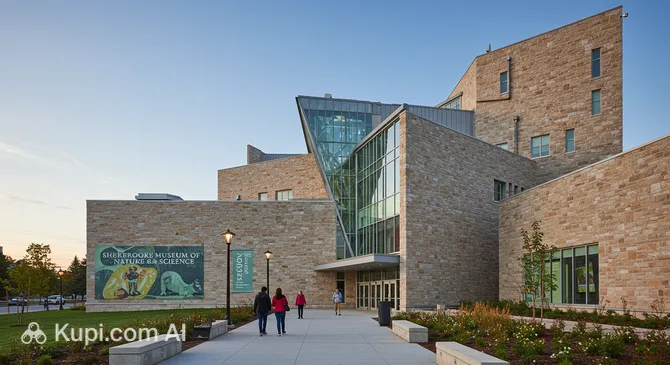
Second Life of Factories. Historically, the city developed as an industrial center at the confluence of two rivers, where numerous mills operated. Today, these industrial giants haven't disappeared but have been transformed into cultural sites. One such building now houses the Sherbrooke Museum of Nature and Science, demonstrating how harmoniously the past can serve the present.
Resort in the City Center. Few cities can boast of having ski slopes right within the city limits. Mont-Bellevue Park is one of the oldest parks in the province, becoming a hub for skiers in winter and offering scenic hiking trails in summer, while remaining a natural oasis amidst urban development.
Student Capital. Thanks to its local university, Sherbrooke possesses an incredibly young and dynamic atmosphere. The institution is considered one of the leading research centers in Canada and attracts researchers from all over the world, which leaves its mark on the city's cultural and intellectual life.
Sherbrooke Museum of Nature and Science. Illustration.
Source: Kupi.com AI
Traveler photos:
How to Get There
When planning a trip to this picturesque corner of the province of Quebec, it's worth thinking about the route in advance, as the city is located some distance from major international transport hubs. You can find out more about how to get to Sherbrooke by considering different options, but the most popular method remains flying into one of the neighboring metropolises followed by a trip by car or bus.
Sherbrooke itself does not have an airport that accepts regular passenger flights, so travelers most often choose Montréal–Trudeau International Airport(IATA: YUL). It is located about 145 km from the city and is the region's largest aviation hub. The journey from there by rental car or special shuttle (Aéronavette) usually takes about 1.5–2 hours, depending on traffic.
An alternative option could be Québec City Jean Lesage International Airport(IATA: YQB), located in Quebec City. The distance to the center of Sherbrooke is about 159 km, and the travel time by ground transport will be approximately 2 hours. This option is especially convenient if you want to combine a visit to Sherbrooke with a tour of the provincial capital.
Below is information about the nearest airports for planning your route:
As for rail connections, there are currently no direct long-distance trains to Sherbrooke. Tourists often use the Downtown Railway Station(Gare Centrale) in Montreal, which is located approximately 131 km from the destination. From the station, Sherbrooke can be reached by bus or car in about an hour and a half to two hours.
You can also consider arriving at the Quebec City Railway Station (Gare du Palais) in Quebec City (about 165 km). A transfer from this station will take about 2 hours. A train ride to these interchange hubs is a great way to enjoy the landscapes that Canada is famous for before the final leg of the journey.
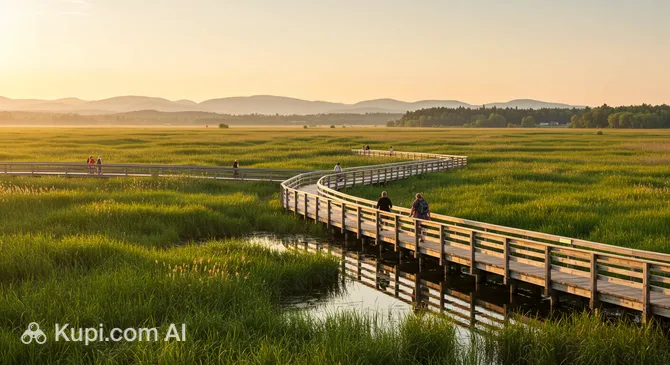
Sherbrooke offers travelers a surprising blend of urban comfort and natural beauty. It's worth starting your acquaintance with the city by visiting a unique natural corner. Marais Réal-D.-Carbonneau is not just a park, but a real ecosystem in the middle of the city. Tourists are drawn here by the picturesque wooden boardwalks and stilt paths laid directly over the water and reeds. It is an ideal place for bird watching and peaceful walks in silence without leaving the city limits.
Réal D.-Carbonneau Marsh. Illustration.
Source: Kupi.com AI
Traveler photos:
For lovers of architecture and history, Domaine-Howard Park is a must-see. This historic complex includes elegant English-style villas surrounded by magnificent gardens, a pond, and greenhouses. Here, you can not only enjoy the aesthetics of early 20th-century buildings but also take atmospheric photos as if transported to another era.
To feel the lively rhythm of the city and taste local delicacies, head to the Marché de la Gare. Located in a scenic spot near the Lac-des-Nations promenade, this market is the heart of the region's gastronomic life. Here you can buy fresh farm products and handmade souvenirs or simply enjoy the festive atmosphere, especially during the summer season.
Nearby is another iconic spot — Siboire Dépôt. This establishment is located in an old railway station building and is considered an important tourist point. Visitors come here to appreciate how carefully the historical architecture has been preserved and to relax in an authentic interior after long walks.
Local Cuisine
Sherbrooke's gastronomic map clearly reflects the richness and diversity of Quebec cuisine. In local restaurant menus, classics take pride of place — the famous poutine and appetizing tourtière meat pies. The city is famous for using fresh farm products: here you can enjoy handmade cheeses, smoked fish, and seasonal vegetables grown nearby. It is a true paradise for gourmets, where French culinary traditions intertwine with North American heartiness.
Special attention should be paid to desserts and pastries. Maple syrup is added to many dishes here, creating unexpected and delicious combinations. Pastry lovers will appreciate the quality of local croissants and baguettes, which are baked according to old recipes. A perfect example of this approach is Les Vraies Richesses — a place where you can taste the "true riches" of the baker's art and enjoy a cozy atmosphere.
The city is also known for its coffee shops and developed craft brewing culture. Tourists are invited to try original types of local beer and cider, which are very refreshing after walks along the hilly streets. In the evening, it's worth stopping by King Hall — a popular bar with an excellent selection of drinks, where you can immerse yourself in the city's informal life.
In summer, Sherbrooke turns into a large stage for gastronomic festivals. Street food trucks and markets offer the freshest berries, local wines, and snacks from the region's best chefs. The dining culture here is democratic: locals enjoy visiting exquisite restaurants as much as cozy family bistros or street food stalls.
Travel Tips
A trip to Sherbrooke promises to be comfortable and memorable if you consider a few local peculiarities in advance. We have collected a list of practical recommendations for you that will help avoid awkward situations and make you feel at home in this cozy corner of Quebec.
Clothing and Adapters. The weather here is changeable and depends on the season. In winter, a warm parka, a hat, and non-slip shoes are necessary, while in summer, light clothing and a raincoat will be useful due to high humidity. Note that Canada uses Type A and B sockets (American standard) with a voltage of 110–120 V, so buy an adapter for charging your gadgets in advance.
Getting Around. Public transport is represented by a reliable STS (Société de transport de Sherbrooke) bus network covering the main areas and university campuses. However, for trips to the picturesque surroundings and neighboring towns, renting a car is highly recommended. Taxi apps like Uber also work smoothly here.
Money and Tipping. The local currency is the Canadian dollar (CAD). Bank cards are accepted almost everywhere, even in small kiosks, but having a little cash for small expenses won't hurt. Remember the strong tipping culture: in restaurants, bars, and taxis, it is customary to leave 15–20% of the bill, as the service charge is usually not included.
Safety and Pharmacies. Sherbrooke is a calm and safe city with a large student population. Pharmacies (e.g., Jean Coutu or Pharmaprix chains) often work until late evening and sell not only medicines but also basic necessities. For emergency services (police, ambulance, fire), use the single number 911.
Language Nuance. The official and main language of communication is French. Although many locals speak English, it is better to start a conversation with a polite greeting in French. For connection, it's most convenient to use an eSIM or buy a local SIM card (Rogers, Bell, Telus) in shopping malls; free Wi-Fi is available in most cafes and hotels.
Rules of Politeness. Quebecers are very friendly and value mutual respect. When entering a shop or boarding a bus, it is customary to greet the staff or driver (a simple "Bonjour" works wonders). In queues, keep your distance and follow strict order — attempting to go ahead of others will be perceived very negatively.
What Not to Do. A common tourist mistake is immediately addressing passers-by in English without first asking if they speak it. Also, avoid loudly comparing the local dialect with European French or discussing political topics regarding Quebec's status — these are sensitive issues for locals.
Landscape and Footwear. Sherbrooke is located on hilly terrain, and many streets in the center have significant inclines. Be sure to bring comfortable shoes with flat soles for long walks, especially if you plan to explore the famous urban mural route on foot.
Sherbrooke is open and friendly to guests who respect its traditions and measured pace of life. We hope these simple tips help you relax and get the most pleasure from getting to know this original and hospitable city!
Entertainment & Nightlife
Entertainment and nightlife:
As a lively university city, Sherbrooke offers guests a rich and diverse evening program. At sunset, the epicenter of life shifts to the historic center (Centre-Ville), where old architecture harmoniously neighbors modern entertainment venues. Rue Wellington is rightfully considered the heart of nightlife: this is where the most popular bars, pubs, and terraces are concentrated, where you can meet both rowdy groups of students and those who appreciate a more relaxed atmosphere.
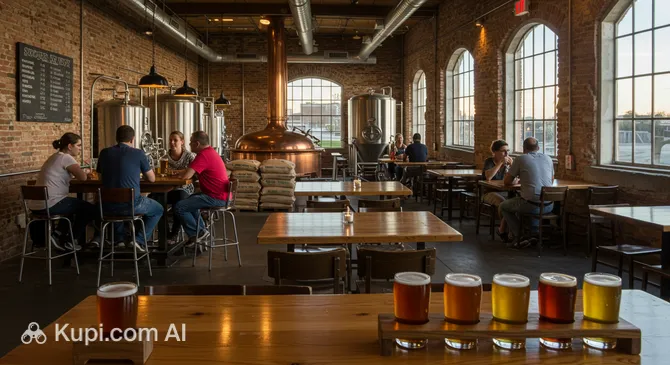
Microbreweries occupy a special place in the city's culture. One of the most colorful establishments is Siboire Dépôt. This brewpub is located in a renovated old railway station building, which gives it a unique atmosphere. High ceilings, brick walls, and the smell of malt create the perfect backdrop for tasting local craft beer. This place is great for starting an evening with friends.
Siboire Dépôt. Illustration.
Source: Kupi.com AI
Traveler photos:
If you prefer a more intimate setting and elite drinks, it's worth checking out King Hall. This bar is famous for its impressive whiskey list and a huge selection of draft beers, including rare varieties. A spirit of a classic English pub reigns here: dim lighting, comfortable furniture, and slow conversations. The dress code in most Sherbrooke establishments is casual, and a casual style will be appropriate almost everywhere.
For fans of sports excitement and bright emotions, a hockey match can be an evening's entertainment. Palais des Sports Léopold-Drolet is the home arena for the local team, where exciting games are regularly held. The atmosphere in the stands is energizing, making it a great way to feel the true Canadian spirit.
In terms of safety, Sherbrooke is a very calm city. The main streets are well-lit, and night walks do not cause concern. Bars usually close around 3:00 AM. Prices in establishments are generally lower than in metropolises like Montreal. Despite the compactness of the center, it is recommended to call a taxi or use popular ride-sharing apps to return to your hotel late at night, as public transport runs infrequently at that time.
During the day, the city offers a change to a more measured pace. Travelers can visit local theaters or go shopping. For example, Les Galeries Quatre Saisons provides excellent shopping opportunities between excursions. It's also worth spending time in museums and walking through parks, which serve as a wonderful complement to the active nightlife.
Parks & Museums
Sherbrooke wonderfully balances urban dynamics and the peace of nature, offering travelers extensive green areas and a rich cultural program. The city is proud of its heritage, which is carefully preserved in museums, and its parks serve not just as places for relaxation, but as centers of active life at any time of year.
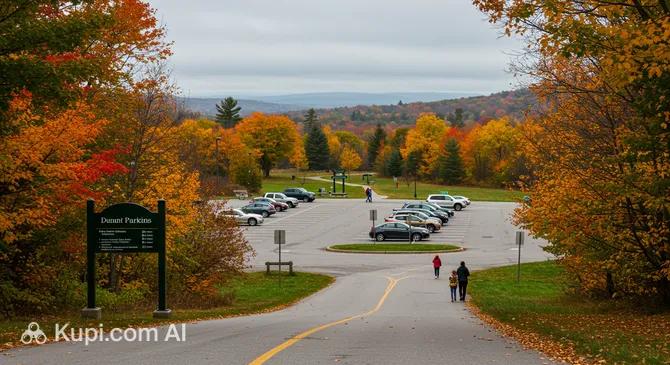
The heart of the city's green zone is rightfully considered Mont-Bellevue Park (Dunant parking). It is Sherbrooke's largest park, covering an area of about 200 hectares. In summer, there are miles of hiking and mountain biking trails, and in winter, the slopes turn into a popular ski center right within the city. Climbing to the top, you can enjoy a panoramic view of the city and its surroundings, making this a must-visit spot for nature and photography enthusiasts.
Mont-Bellevue Park (Dunant Parking Lot). Illustration.
Source: Kupi.com AI
Traveler photos:
For a more measured and aesthetic holiday, Domaine-Howard Park is ideal. This historic corner transports visitors to the atmosphere of the early 20th-century English aristocracy. The park surrounds elegant villas built for the family of Senator Howard and is famous for its well-tended gardens, pond, and greenhouses. In summer, it is especially pleasant to stroll among the flower beds and ancient trees, enjoying the silence and architectural harmony.
The cultural life of the city is impossible to imagine without its museums. The main point of attraction for curious tourists is the Sherbrooke Museum of Nature and Science. Located in a former hosiery factory building, it offers interactive exhibitions that will interest both adults and children. The displays tell about the formation of the region's landscape, local fauna, and scientific discoveries, turning the learning process into an exciting adventure.
Art lovers should pay attention to the Musée des beaux-arts de Sherbrooke (Sherbrooke Museum of Fine Arts). It specializes in the work of artists from the Eastern Townships region and houses an impressive collection of Quebec art. The gallery often hosts temporary exhibitions, allowing a look at the cultural code of the province through the prism of painting and sculpture.
A unique feature of Sherbrooke is its "museum without walls" — the famous urban mural route. Huge trompe-l'œil wall paintings are scattered throughout the center, bringing scenes from the city's past to life. A walk along this route turns into a real quest, where every turn reveals a new chapter of history.
Insider Tip: If you want to touch the history of the region's English heritage in a more intimate setting, visit the Uplands cultural center in the Lennoxville area. Here you can not only tour an old estate but also attend a traditional English tea service held on the veranda during the summer season.
Getting Around
The public transport system in Sherbrooke is simple, efficient, and focused on bus service. There is no metro or tram in the city, so the main carrier is the STS (Société de transport de Sherbrooke). The bus network is well-developed and connects the city center (Centre-Ville), university campuses, major shopping centers, and residential areas. The buses here are modern, comfortable, and generally strictly adhere to the schedule.
For fare payment, tourists can use several methods. The most accessible option for a single trip is paying cash to the driver upon entry. It is critical to have the exact amount in coins, as the payment devices do not give change and drivers do not change bills. The cost of a single trip is about 4 CAD. The ticket entitles you to transfer to another route within a certain time (usually 90 minutes), but for this, you must ask the driver for a special paper transfer when paying.
If you plan to stay in the city for several days and use transport frequently, it makes sense to purchase a La Vermeilleuse smart card. This is a reloadable card that allows you to pay for trips at a reduced rate. You can buy and top it up at authorized points of sale, which are often found in pharmacies (e.g., Jean Coutu chain) or local convenience stores ("dépanneurs") marked with the STS logo. Validation of the card is done by simply tapping it against the reader when entering the bus.
Transport usually runs from early morning (around 6:00 AM) until midnight, however, the frequency of trips depends on the route and the day of the week. Intervals increase on weekends and holidays. For trip planning, it is highly recommended to install the Transit app on your smartphone or use Google Maps. These services are perfectly integrated with the STS system, show current schedules, and allow you to track bus arrivals in real time.
As an alternative to buses, taxis and popular ride-hailing services like Uber are widely used in Sherbrooke. This is especially convenient at night when public transport stops operating. Bicycle infrastructure is also developing in the city, but tourists wishing to rent a bike should keep in mind the landscape: Sherbrooke is located on hills, so moving on two wheels may require certain physical effort unless you choose an electric bike.
Accommodation
Accommodation in Sherbrooke is diverse and generally more affordable compared to neighboring Montreal or Quebec City. The city offers a wide range of housing: from classic mid-range chain hotels and comfortable motels to cozy Bed & Breakfasts, which are a hallmark of the province of Quebec. Travelers can find both modern apartments for long-term stays and budget hostels geared toward a younger audience.
When choosing a place to stay, you should consider the purpose of your visit. The Downtown (Centre-Ville) area is an ideal choice for those who want to be in the thick of things. Staying here puts you within walking distance of the famous street murals, the scenic Lac-des-Nations promenade, and the gastronomic Wellington Street. Another popular area is Lennoxville, located slightly to the south. It attracts tourists with its English architecture, quiet atmosphere, and the feel of an old university town, offering accommodation in charming historic buildings.
For those traveling by car, hotels and motels located along major highways and in shopping areas like Plateau-Saint-Joseph can be a convenient option. Parking is easy to find here, and access to the city center is just a 10–15 minute drive away. These areas are often chosen by families and transit tourists who value functionality and comfort.
Booking Tip: Sherbrooke is a popular destination not only in summer but also during the "Golden Autumn" period, when the surrounding forests turn incredible colors. During these peak seasons, as well as during major university events, the demand for housing rises sharply. We strongly recommend booking rooms in advance, at least a few weeks before your trip, to guarantee the best choice and price.
The price range in the city varies from budget to mid-range. There are few luxury five-star international resorts here; the emphasis is on coziness, cleanliness, and Quebec hospitality. Booking is available through all major international online aggregators, but many small hotels and B&Bs welcome direct booking through their websites or by phone, sometimes offering guests pleasant bonuses like free breakfast or late check-out.
Nearby Cities
For those who want to explore the surrounding area, Sherbrooke serves as an excellent starting point for day trips to several interesting nearby locations:
One of the most picturesque destinations is Lac-Brome, located less than an hour away. This place, especially the Knowlton area, is famous for its English charm and Victorian architecture. People come here to enjoy a relaxing holiday by the lake, visit numerous antique shops and boutiques, and taste the famous local duck, which is considered the gastronomic pride of the region. in autumn and winter, the landscapes here become especially cozy and photogenic.
For a family trip, Granby is ideal. This city is known far beyond the province thanks to its large-scale zoo (Zoo de Granby), which is among the largest in North America. In addition to observing exotic animals, you can have a great time at the Amazoo water park or stroll through well-kept parks and nature trails surrounding Lake Boivin. It is a dynamic city where nature harmoniously combines with entertainment.
History and culture lovers should head to Drummondville. The main point of attraction here is the open-air ethnographic complex "Village Québécois d'Antan." Visitors can immerse themselves in the atmosphere of the 19th century, look into old houses, and get acquainted with traditional crafts. In addition, the city is considered the poutine capital of the world, and it is here that the famous festival dedicated to this national dish takes place.
City
Population
Distance
Magog
25 358
25 km
Coaticook
8 698
31 km
Maricourt
—
34 km
Val-des-Sources
7 000
41 km
Lac Brome
58 889
59 km
These nearby destinations provide insight into the diverse culture and landscapes of the region.
Shopping & Souvenirs
Shopping in Sherbrooke is a pleasant combination of visits to modern shopping complexes and leisurely strolls through atmospheric boutiques. The city is the commercial center of the Eastern Townships region, so a wide range of goods is presented here: from famous global brands to unique products by local artisans. A special charm is added to shopping by the fact that many stores are located in historic buildings, creating a cozy atmosphere for finding gifts and souvenirs.
If you are looking for authentic items and designer clothing, head to the city center (Downtown), especially Rue Wellington Nord. This is the main shopping artery of the historic district, where independent bookstores, decor shops, jewelry workshops, and boutiques of Quebec designers are concentrated. A walk here allows you to combine shopping with sightseeing and relaxing in one of the many coffee shops. It's also worth paying attention to Rue King, which crosses the city and offers many diverse shops and services.
For those who prefer large-scale shopping in one place, several major malls operate in the city. Le Centre Sherbrooke is often at the center of attention. It is a popular place for family shopping, where clothing, shoe, and accessory stores are gathered under one roof. Another important point of attraction is Les Galeries Quatre Saisons. This is a large indoor complex offering a wide range of everyday goods, electronics, and fashion clothing, making it a convenient place to replenish your wardrobe in any weather.
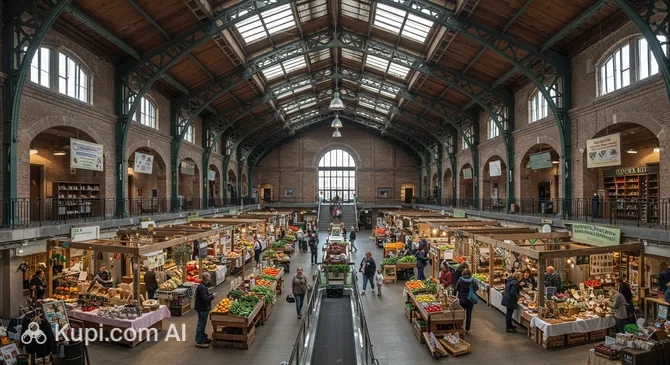
The real soul of local trade is the Marché de la Gare (Station Market). Located in a picturesque spot by the Lac-des-Nations, this market is a must-visit for gourmets. Here, farmers from all over the region offer the freshest cheeses, meat delicacies, pastries, fruits, and vegetables. In summer, it is especially lively: outdoor stalls with flowers and handicrafts open, and in winter, the market turns into a cozy Christmas fair.
Sherbrooke Train Station Market. Illustration.
Source: Kupi.com AI
Traveler photos:
When choosing souvenirs from Sherbrooke, look for Quebec's gastronomic brands. First and foremost, of course, is maple syrup and products based on it: butter, candies, and even maple whiskey. Also popular are alpaca wool products from local farms, natural cosmetics, and handmade jewelry, which can be found in small shops in Downtown. Art lovers will appreciate the works of local artists often exhibited in the city's galleries.
Shops in Sherbrooke are usually open from 9:30 or 10:00 AM to 5:30 or 6:00 PM from Monday to Wednesday. On Thursday and Friday, extended hours apply — shopping centers close at 9:00 PM, which is very convenient for tourists. On weekends, shops generally work until 5:00 PM. Payment is possible almost everywhere by bank cards (Visa, MasterCard); cash may only be needed at small street stalls or markets.
Regarding tax refunds (Tax Free), tourists should know that the GST/HST refund program for foreign visitors was abolished at the federal level in Canada. Therefore, the prices indicated on price tags (to which provincial and federal taxes will be added at the checkout, totaling about 15%) are final and not subject to refund upon leaving the country.