Support

Boa Vista

About

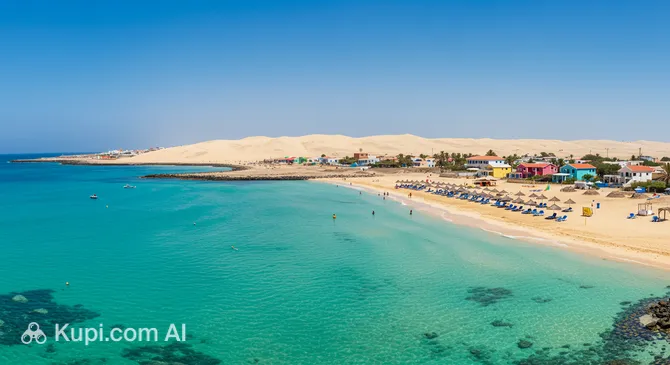
Boa Vista is a mesmerizing island destination that promises tranquility, untouched beauty, and a unique connection with nature. Known as the "Island of Dunes," it offers a serene escape for travelers seeking endless stretches of white sand and turquoise waters. Located in the Barlavento group of the archipelago of Cape Verde, Republic Of, this island is the easternmost point of the country, situated closest to the African continent.

The geography of the island is defined by its desert-like landscapes, volcanic formations, and an arid climate that ensures sunshine throughout most of the year. While the island has seen development in tourism, it retains a wild and pristine atmosphere. The history of Boa Vista is deeply intertwined with the production of salt and the cultivation of dates, which shaped the local economy and culture long before it became a haven for beach lovers.

Boa Vista. Source: Kupi.Binoculars

Visitors are often drawn to the spectacular Viana Desert, a mini-Sahara formed by wind-blown sands from mainland Africa, and the breathtaking Santa Monica Beach, widely considered one of the most beautiful beaches in the world. The island is also a crucial nesting ground for loggerhead turtles, making it a vital spot for wildlife observation and conservation efforts.

Whether you are looking to explore the shipwreck of the Cabo Santa Maria or simply relax by the ocean, Boa Vista offers an unforgettable experience. It is the perfect destination for those wishing to disconnect from the bustle of modern life and immerse themselves in a warm, welcoming, and scenic environment.

Weather Overview

Boa Vista enjoys a dry, tropical desert climate characterized by abundant sunshine and consistent warmth throughout the year. The weather is generally stable, making it a reliable destination for beach holidays regardless of the season. The island is known for its arid conditions, ensuring that clear blue skies are the norm rather than the exception.

Temperatures on the island are mild and comfortable. The coolest months are typically January through March, where average temperatures hover around 22°C, with lows rarely dropping below 20°C. As the year progresses, the heat increases slightly, peaking in September with average temperatures of 27.2°C and highs reaching up to 29°C. To help you pack appropriately for your specific travel dates, you can consult the detailed guide to the weather in Boa Vista.

Rainfall is extremely scarce on the island. From November to June, precipitation is virtually non-existent, with 0mm of rain and zero wet days recorded. A very brief and light wet season occurs around August and September, where you might experience about 6 to 7 wet days per month, though the actual accumulated rainfall remains negligible at around 1mm. Expect warm, dry days for the vast majority of the year, with only a very slight chance of brief showers in late summer.

Interesting Facts

Beyond the main attractions, Boa Vista holds many fascinating secrets that reveal its rich maritime history and ecological importance. From pirate battles to underwater giants, the island offers intriguing stories for those willing to explore deeper.

  • A Sanctuary for Giants: While the turtles are famous, the waters surrounding the island serve as a vital breeding ground for humpback whales. Between February and May, these majestic creatures migrate to the warm archipelago waters to mate and give birth, offering spectacular whale-watching opportunities close to the shore.

  • The "Gift" Shipwreck: The iconic wreck of the Cabo Santa Maria is surrounded by local lore. It is said that when the Spanish freighter ran aground in 1968, it was carrying a valuable cargo of sports cars, food, and medicines intended as gifts from the Spanish government to South America, which were subsequently salvaged by the islanders.

  • Defense Against Pirates: Situated on the small Ilhéu de Sal Rei just off the coast, the ruins of the Fort of the Duke of Bragança stand as a testament to the island's turbulent past. The fortress was originally constructed in the 19th century to protect the island's lucrative salt pans and trade routes from frequent pirate raids.

  • The Pottery of Rabil: The former capital, Rabil, preserves a unique artisanal tradition found nowhere else in Cape Verde. Local artisans use the red clay found near the Ribeira do Rabil to handcraft distinctive ceramics, a skill passed down through generations that remains a symbol of the local cultural heritage.

How to Get There

Reaching this stunning island destination is an exciting part of the journey, with air travel being the most practical and common method for international visitors. For those planning their trip and looking for detailed logistics, you can read more about how to get to Boa Vista to explore all available transport options.

The most convenient entry point is Rabil Airport (IATA: BVC), also known as Aristides Pereira International Airport. Located directly on the island of Boa Vista, it welcomes both domestic flights and international charters. Since the airport is situated just about 10 km from the main areas, the transfer is quick and easy. A trip by taxi or bus to the city center typically takes approximately 35 minutes.

Travelers may also connect through Amilcar Cabral International Airport (IATA: SID). Although this major hub is located about 73 km away from Boa Vista, it serves as a primary gateway to the archipelago with high passenger traffic. From here, visitors can take a short domestic flight or a ferry to reach their final destination. Another alternative is the Nelson Mandela International Airport (IATA: RAI) in Praia, located roughly 147 km away, which also offers connections to the island.

For clarity, here is a summary of the main airports:

Airport Name City Passenger Traffic Km from City
Amilcar Cabral International Airport Sal Rei High 73.1
Nelson Mandela International Airport Praia Medium 146.8
Rabil Airport Boa Vista Medium 9.8
Cesaria Evora International Airport Mindelo Medium 253.5
Sao Filipe Sao Filipe Small 223.9

Boa Vista does not have a railway network. Once you arrive on the island, the primary means of getting around are taxis, rental cars, and the local "aluguer" minibuses, which offer a scenic and authentic way to explore the diverse landscapes.

Main Attractions

The Shipwreck of Cabo Santa Maria is one of the most iconic and haunting sights on Boa Vista. Located on the northern coast, this Spanish cargo ship ran aground in 1968 and has remained there ever since, slowly surrendering to the power of the Atlantic Ocean. Today, the rusting skeleton of the vessel creates a striking contrast against the vibrant turquoise waters and the pristine white shore. It is a favorite spot for photographers and history enthusiasts, offering a tangible connection to the island's maritime past and a surreal, cinematic atmosphere.

For a landscape that feels almost otherworldly, a visit to the Viana Desert is essential. Situated in the interior of the island, this "mini-Sahara" is composed of fine white sand carried over the ocean by winds from the African mainland. The rolling dunes are interspersed with sparse vegetation and black volcanic rocks, creating a serene and silent environment perfect for exploration. Walking barefoot on the warm sand, especially during the golden hours of sunrise or sunset, provides a peaceful escape and a unique perspective on the island's diverse geography.

Santa Monica Beach is widely regarded as the crown jewel of Cape Verde's coastline. Stretching for approximately 18 kilometers along the southwest of the island, this endless expanse of sugar-white sand and crystal-clear water is often completely deserted, offering an unparalleled sense of isolation and tranquility. It is the perfect location for long, meditative walks, sunbathing in complete privacy, or simply admiring the sheer magnitude of nature's beauty without the crowds found at more commercialized resorts.

Another spectacular coastal gem is Praia de Chaves, famous for its towering sand dunes that slope dramatically directly into the ocean. This beach offers a dynamic landscape where the desert truly meets the sea. Visitors can enjoy exhilarating activities like sandboarding down the dunes or simply relax by the water's edge. The beach is also home to the historic Chimney of Chaves, a remnant of an old ceramic factory, adding a touch of industrial heritage to the breathtaking natural scenery.

Local Cuisine

The culinary scene in Boa Vista is a delightful reflection of its island geography and cultural heritage, offering a blend of African and Portuguese influences. As you might expect from an island surrounded by the rich Atlantic, fresh seafood is the undisputed star of the local table. The catch of the day often goes straight from the fishing boats to the grill, ensuring that dishes featuring tuna, wahoo, and octopus are incredibly fresh and flavorful.

One dish you simply cannot leave without trying is Cachupa, the beloved national dish of Cape Verde. This hearty slow-cooked stew is made with corn (hominy), beans, cassava, and sweet potato, often enriched with fish, meat, or chorizo. It comes in two main varieties: Cachupa Rica (rich), typically served as a main meal with more meat, and Cachupa Refogada, a fried version often served for breakfast with a fried egg. Another island specialty is the Cape Verdean lobster, which is grilled to perfection and is widely considered a gastronomic highlight of Boa Vista.

For those with a sweet tooth, the local dessert tradition is simple yet delicious. The most popular way to end a meal is with a slice of goat cheese (queijo de cabra) paired with sweet papaya jam. This combination of salty and sweet flavors provides a perfect balance and is a staple in households and restaurants alike.

When it comes to drinks, the island has a strong identity. The national spirit is Grogue, a potent rum made from distilled sugar cane. It can be drunk neat, but many visitors prefer it as Pontche, a smoother cocktail where the Grogue is mixed with molasses, citrus, and sometimes cloves. If you prefer something lighter and non-alcoholic, the local fruit juices, such as tamarind or baobab (bouye), are refreshing choices under the hot sun. Beer lovers should try Strela, the local Cape Verdean lager found everywhere.

The food culture in Boa Vista is relaxed and unpretentious. Most of the dining action is centered in the main town of Sal Rei, where you can find everything from charming family-run eateries to breezy beach bars. Locals and tourists often mingle in these open-air restaurants, where the atmosphere is frequently enhanced by live Morna music, creating a soulful backdrop to a memorable dinner by the sea.

Travel Tips

Planning a trip to Boa Vista is the first step toward a relaxing getaway, but knowing a few local practicalities will ensure your island adventure is truly "No Stress." These tips are designed to help you navigate the unique environment and culture of this beautiful destination with ease and confidence.

  1. Clothing and Gear: Boa Vista is known for its constant trade winds, so while the days are hot and sunny, the evenings can feel cooler. Pack breathable summer clothing and swimwear, but definitely bring a light windbreaker or sweater for breezy nights. Since the terrain is sandy and rocky, sturdy sandals and comfortable walking shoes are essential. Don't forget a high-quality sun hat with a strap (to keep it from blowing away) and sunglasses to protect against the strong glare.

  2. Transportation: There is no public metro or bus system on the island. The most authentic way to travel is by Aluguer, shared minibuses (often Toyota Hiace vans) that run between towns; they are cheap and a great way to meet locals. Taxis are widely available and are usually distinctively painted pickup trucks. For exploring the dunes and remote beaches, renting a 4x4 vehicle or a quad bike is highly recommended, as standard cars cannot handle the desert terrain.

  3. Finances: The official currency is the Cape Verdean Escudo (CVE), but Euros are widely accepted in hotels, restaurants, and by taxi drivers. However, you will likely receive change in Escudos. Credit cards (Visa and Mastercard) work in major establishments, but cash is king in smaller shops and local markets. ATMs are available in the main town of Sal Rei and at the airport, but it is wise to carry enough cash for daily expenses.

  4. Health and Safety: The most important health rule is to never drink tap water; always opt for bottled water to avoid stomach issues. Pharmacies are primarily located in Sal Rei and may close on Sundays, so bring a basic first-aid kit and any prescription meds you need. The island is generally very safe, but standard precautions apply: avoid leaving valuables unattended on secluded beaches and be mindful of strong ocean currents when swimming.

  5. Communication: The official language is Portuguese, but the day-to-day language is Cape Verdean Creole (Kriolu). English is spoken in most hotels and tourist-focused businesses, but learning a few words like "Olá" (Hello) or "Obrigado" (Thank you) goes a long way. To stay connected, you can purchase a local SIM card from providers like CVMóvel or Unitel in Sal Rei, as hotel Wi-Fi can sometimes be spotty.

  6. Local Etiquette: The local motto is "No Stress," and this reflects the pace of life. Service in restaurants may be slower than you are used to, so patience is key. Cape Verdeans are incredibly hospitable (a concept known as Morabeza); a handshake is a common greeting for both men and women. It is polite to ask for permission before taking photographs of locals, especially in rural villages.

  7. What to Avoid: Do not ignore the warning flags on beaches. The Atlantic currents around Boa Vista can be deceptively strong, and swimming is unsafe on many northern and eastern beaches. Also, avoid walking on sand dunes that are marked as protected nature reserves, especially during turtle nesting season, to prevent disturbing the wildlife.

  8. Water Conservation: Boa Vista is a desert island where fresh water is a precious and scarce resource produced mainly through desalination. As a responsible tourist, try to minimize your water usage by taking shorter showers and reusing towels, helping to preserve the island's limited supply.

By keeping these practical tips in mind, you will be well-prepared to embrace the laid-back rhythm of Cape Verde. Enjoy the endless beaches, the warm hospitality, and the unique charm that makes Boa Vista such a special place to visit.

Entertainment & Nightlife

Entertainment in Boa Vista is a reflection of the island's soul: laid-back, welcoming, and deeply connected to music. Unlike high-energy party destinations, the nightlife here is defined by the concept of "Morabeza"—the Cape Verdean art of hospitality. The evenings are less about thumping basslines and more about enjoying a cold drink with your feet in the sand, listening to the soulful rhythms of local musicians, and watching the stars over the Atlantic.

The heartbeat of the island's social life is the town of Sal Rei. As the sun begins to dip below the horizon, the focus shifts to the beach clubs along Praia de Estoril and Praia de Cabral. These areas transform from daytime sunbathing spots into atmospheric venues where travelers and locals mingle. The main square in Sal Rei, Praça de Santa Isabel, also comes alive in the evenings, with families and friends gathering at the surrounding kiosks and open-air cafes to enjoy the cooling breeze.

For a quintessential Boa Vista evening, you should visit the Wakan Bar. Located directly on the beach, this venue is famous for its artistic decor, relaxed beanbag seating, and creative cocktails. It is widely considered the best spot on the island to watch the sunset while enjoying a "Caipirinha" or a local "Pontche." Another standout venue is the Morabeza Beach Bar, which offers a more immersive experience. Here, you can enjoy dinner by candlelight, often accompanied by live bands playing traditional Cape Verdean music or energetic African dance performances around a bonfire.

The atmosphere in these venues is casual and unpretentious. There is no strict dress code; shorts, sandals, and light summer shirts are the norm. The music scene is vibrant, oscillating between the melancholic melodies of Morna and the upbeat, accordion-driven rhythms of Funaná. Most bars stay open until around midnight or 1:00 AM, though on weekends, some local discos may keep the party going later for those who want to dance.

Practical advice for a night out includes carrying cash, as smaller bars may not accept cards. Prices are generally affordable, with beers costing around 2-3 Euros and cocktails between 5-8 Euros. For transportation, it is highly recommended to use the distinctive blue and yellow taxis. They are plentiful in Sal Rei and can be easily hailed or called by your venue's staff. While the main areas of Sal Rei are safe for walking, it is wise to avoid unlit stretches of the beach at night and to take a taxi back to your hotel if you are staying outside the town center.

While nightlife is the main evening draw, daytime entertainment offers a different pace. The island lacks large amusement parks or grand theaters, focusing instead on cultural and natural experiences. You can visit the Museu dos Náufragos (Shipwreck Museum) to learn about the island's maritime history or explore the local artisan workshops in Rabil to see pottery being made. For a bit of adventure, many visitors join quad bike tours or catamaran cruises, which serve as the island's primary form of active entertainment.

Parks & Museums

While Boa Vista is primarily celebrated for its endless beaches and desert landscapes rather than lush urban gardens, the island offers unique protected areas and cultural venues that provide a deeper understanding of its heritage. The "green spaces" here are often rugged nature reserves teeming with biodiversity, while the museums are intimate spaces dedicated to preserving the island's maritime history and artisanal traditions.

Parque Natural do Norte is one of the island's most significant protected areas, encompassing a diverse range of landscapes in the northeastern part of Boa Vista. This rugged terrain is a stark contrast to the sandy southern beaches, featuring volcanic rock formations and wild coastlines. It is a haven for birdwatchers, as it serves as a nesting site for the majestic osprey and other seabirds. Within this park, visitors can also find the Farol de Morro Negro, an abandoned lighthouse that offers panoramic views of the Atlantic and the untamed surroundings, perfect for those who enjoy hiking off the beaten path.

Just off the coast of the main town, the Ilhéu de Sal Rei is a small, uninhabited islet that functions as a natural sanctuary. Accessible by a short boat trip, it offers a peaceful escape where visitors can explore the remains of historical fortifications and observe local marine life. The waters surrounding the islet are calm and rich in biodiversity, making it an excellent spot for snorkeling. The islet provides a unique vantage point to look back at the town of Sal Rei and appreciate the island's coastal geography.

For a dive into the island's fascinating history, the Museu dos Náufragos (Shipwreck Museum) in Sal Rei is a must-visit cultural hub. This privately, family-run museum is located in a traditional building and offers a captivating look at the many ships that have met their fate along Boa Vista's treacherous "Coast of Good Hope." The exhibits include artifacts recovered from wrecks, historical maps, and artistic pieces created from ocean debris. It provides a compelling narrative about the island's relationship with the sea and the importance of conservation.

In the former capital of Rabil, the Escola de Olaria (Pottery School) serves as a living museum of the island's most famous craft. While not a museum in the traditional sense, this workshop is the custodian of Boa Vista's ceramic heritage. Visitors can watch artisans molding the local red clay into distinctive water jugs and decorative tiles, using techniques that have remained unchanged for generations. It is an educational experience that connects tourists directly with the island's artistic roots.

Architecturally, the Church of Santa Isabel in Sal Rei stands as a prominent landmark. Situated in the main town square, this colonial-style church with its pastel yellow and blue façade is a focal point for the local community. Nearby, the historic Jewish Cemetery offers a quiet and poignant reminder of the Jewish families who migrated here from Morocco in the 19th century, contributing significantly to the island's commercial development.

For a truly authentic experience, take a walk to the old Salinas (salt pans) just outside of Sal Rei. These historic sites, where salt was once harvested for export, gave the town its name ("King's Salt"). Although production has ceased, the geometric pools remain, often attracting wading birds and offering a glimpse into the industry that once drove the island's economy.

Getting Around

The public transport system in Boa Vista is quite different from what you might find in major metropolitan cities. There are no subways, trams, trains, or large scheduled municipal buses operating on the island. Instead, the local transport network is informal, relaxed, and relies primarily on shared minibuses and taxis. This simplicity reflects the island's laid-back atmosphere, but it requires visitors to adjust their expectations regarding schedules and connectivity.

The most authentic and common way to travel between towns is by using the Aluguer. These are shared minibuses, typically Toyota Hiace vans, or sometimes open-back pickup trucks with benches. They serve as the main public transport for locals, connecting the capital, Sal Rei, with other villages like Rabil, Estância de Baixo, and the northern or eastern settlements. There are no fixed timetables; an Aluguer departs from its designated "station" (usually a central square or a specific street corner) only when it is full. You can also flag them down along the main paved roads if they have space.

Payment in Boa Vista is strictly a cash-based affair. There are no travel cards, mobile apps, or electronic ticket machines. You pay the driver directly, usually upon reaching your destination. The fares are very affordable, typically ranging from 100 to 500 Escudos (approximately 1 to 5 Euros) depending on the distance. While the local currency is preferred, drivers will generally accept Euros, though you may receive change in Escudos. It is advisable to carry small change, as drivers may not always have enough cash to break large bills.

For tourists, taxis are often the most practical alternative, especially for travel in the evenings or to specific beaches not served by the main road network. Taxis are easily identifiable, often painted in a cream or white color, sometimes with a colored stripe. Unlike the shared vans, taxis can be hired for private trips to any part of the island. Most taxis do not use meters; instead, there are standard fixed rates for popular routes (e.g., Airport to Sal Rei, Sal Rei to Marine Club). It is always best to confirm the price with the driver before getting in.

If you prefer more independence, car rentals are available, but they come with a specific recommendation. Due to the island's terrain, which includes cobblestone streets, sand tracks, and desert dunes, renting a 4x4 vehicle is essential if you plan to leave the few paved roads. Standard city cars are generally unsuitable for exploring the island's interior. Additionally, renting quad bikes is a very popular option for day trips, allowing you to navigate the sandy landscapes that regular vehicles cannot reach.

A few practical tips will help you navigate the system smoothly. Aluguers operate mostly during daylight hours, roughly from sunrise until sunset. If you are planning a dinner out in a different town, you should arrange a taxi for your return, as shared transport effectively stops running after dark. When using an Aluguer, patience is key; the "No Stress" motto applies here, and waiting for the van to fill up is simply part of the local experience. Finally, always have a map or your destination written down, as drivers may not speak fluent English, though they are generally very helpful and accustomed to tourists.
Accommodation

Accommodation in Boa Vista caters to two distinct types of travelers: those seeking the comfort and convenience of large-scale luxury, and those looking for a more authentic, independent experience in the heart of the local community. The options range from sprawling all-inclusive resorts situated on pristine dunes to charming, family-run guesthouses (known locally as "residencials") and self-catering apartments.

For visitors who prefer a hassle-free holiday with direct access to the ocean, the areas surrounding Praia de Chaves and Praia de Salines are the most popular choices. Here, you will find vast hotel complexes that offer comprehensive amenities, including multiple pools, entertainment programs, and buffet dining. These resorts are often isolated from the main towns, providing a secluded "oasis" atmosphere perfect for relaxation and sunbathing.

In contrast, staying in the capital city of Sal Rei offers a closer connection to Cape Verdean culture. This area is ideal for independent travelers who want to explore local restaurants, markets, and nightlife on foot. The accommodation here consists mainly of boutique hotels, bed and breakfasts, and rental apartments. Staying in town allows for more interaction with the friendly locals and provides a base for exploring the island at your own pace, rather than being confined to a resort.

Booking Tip: Boa Vista is a prime winter sun destination for Europeans, meaning the peak season runs from December to March. During these months, and especially around the Christmas and New Year holidays, availability can drop quickly while prices rise. It is highly recommended to book your accommodation several months in advance if you plan to travel during this period.

The price range varies significantly depending on your choice of stay. Budget travelers can find comfortable rooms in local guesthouses or apartments in Sal Rei for approximately €30 to €60 per night. Mid-range options and smaller hotels typically range from €70 to €120. The large all-inclusive resorts are at the higher end of the spectrum, often starting from €150 per night for a double room, though this usually includes all meals and drinks. While major resorts should be booked via international online platforms or travel agents, smaller local guesthouses sometimes offer better rates if you contact them directly.

Nearby Cities

For those looking to explore beyond the shores of Boa Vista, the archipelago offers excellent opportunities for island hopping adventures to several interesting nearby locations:

While Boa Vista offers tranquility, the bustling capital city of Praia on Santiago Island provides a vivid contrast. As the political and economic hub of the archipelago, Praia is rich in history and culture. Visitors can explore the Plateau district with its colonial architecture, visit the vibrant Sucupira Market to shop for local crafts and fabrics, or delve into the nation's past at the ethnographic museum. It offers a lively urban experience just a short flight away.

Another captivating destination is Mindelo, located on the island of São Vicente. Known as the cultural capital of Cape Verde, it is famous for its music, art, and vibrant carnival celebrations. The city boasts a beautiful natural harbor, charming cobblestone streets, and a relaxed bohemian atmosphere. It is the birthplace of the famous singer Cesária Évora and is the perfect place to enjoy live traditional music in local bars and restaurants.

For nature lovers, Sao Filipe on the island of Fogo offers a dramatic change of scenery. This picturesque town is celebrated for its well-preserved colonial houses, known as sobrados, and serves as the gateway to the awe-inspiring Pico do Fogo volcano. The imposing black volcanic landscape and the local wine production make it a unique spot for a memorable short getaway.

City Population Distance (km)
Praia 127832 150
Mindelo 70468 249
Sao Filipe 22227 224
Tarrafal 18561 136
Porto Novo 18028 262

These nearby destinations offer a glimpse into the diverse culture and landscapes of the region.

Shopping & Souvenirs

Shopping in Boa Vista offers a relaxed pace distinct from the bustling commercial centers found elsewhere. Here in Cape Verde, the experience is intimate and centered around local craftsmanship rather than sprawling malls or high-end luxury boutiques. Visitors should view shopping as an opportunity to connect with the island's culture, discovering small family-run businesses and supporting local artisans.

The main hub for retail activity is the island's capital, Sal Rei. The town center is compact and pedestrian-friendly, with most shops clustered around the central square, Praça de Santa Isabel. A leisure stroll through these streets reveals a variety of colorful kiosks and boutiques selling everything from beachwear and handmade jewelry to vibrant local artwork. It is the perfect place to browse at your own speed without the pressure of crowds.

Travelers should manage their expectations regarding shopping malls; they simply do not exist on the island in the Western sense. You will not find multi-story complexes with cinemas and food courts. Instead, practical needs are met by "Chinese stores" (lojas chinesas), which are small commercial galleries selling imported general goods. These are the go-to spots for essentials you might have forgotten, such as flip-flops, sunscreen, batteries, or basic clothing.

For a truly authentic slice of daily life, the Mercado Municipal (Municipal Market) in Sal Rei is a must-visit. While it primarily serves locals buying fresh fruits, vegetables, and other produce, the vibrant atmosphere makes it a worthwhile stop for tourists. Upstairs and in the surrounding alleyways, you can often find stalls dedicated to local crafts. Additionally, the fish market near the port offers a lively spectacle in the mornings, providing a fascinating glimpse into the island's vital fishing industry.

When searching for unique souvenirs, Boa Vista has several distinct offerings. The most iconic local product is the clay pottery from Rabil; these hand-molded pieces are unique to the island and support the local school of ceramics. For a taste of the islands to take home, look for a bottle of Grogue (the local sugar cane spirit) or Pontche (Grogue mixed with molasses and citrus). Bags of Cape Verdean coffee and jars of papaya jam also make excellent gifts. Be mindful that many wooden carvings sold in souvenir shops are often imported from mainland Africa, so ask the vendor if you are specifically looking for locally made crafts.

Opening hours typically follow a split schedule that respects the heat of the day. Most shops open between 8:00 AM and 9:00 AM, close for a long lunch break (siesta) from around 12:30 PM to 3:00 PM, and reopen until 7:00 PM. On Saturdays, many businesses close by midday, and Sundays are generally very quiet with most shops remaining closed. Planning your shopping excursions for the morning or late afternoon is highly recommended.

Regarding payment, cash is the primary method of transaction. While a few larger tourist-oriented shops and hotels in Sal Rei may accept credit cards (Visa is more common than Mastercard), smaller vendors, markets, and grocery stores deal exclusively in cash. The local currency is the Cape Verdean Escudo (CVE), but Euros are widely accepted. However, paying in Euros may result in a slightly less favorable exchange rate, and your change will almost always be given in Escudos.

Tax-free shopping or VAT refund schemes are not a standard feature here. Tourists should not expect to find tax-refund counters at the airport. The prices marked on items are generally final, although friendly bargaining is acceptable and sometimes expected at market stalls or with street vendors selling souvenirs.

Reached the end of the page?

That means the route is fully explored