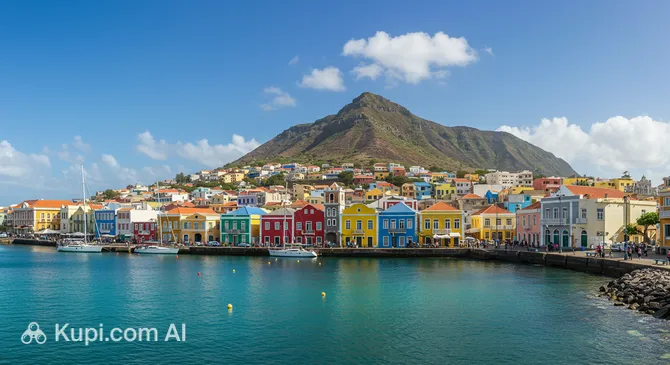
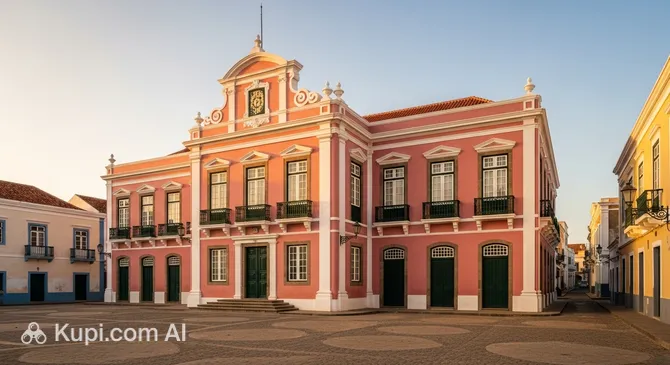
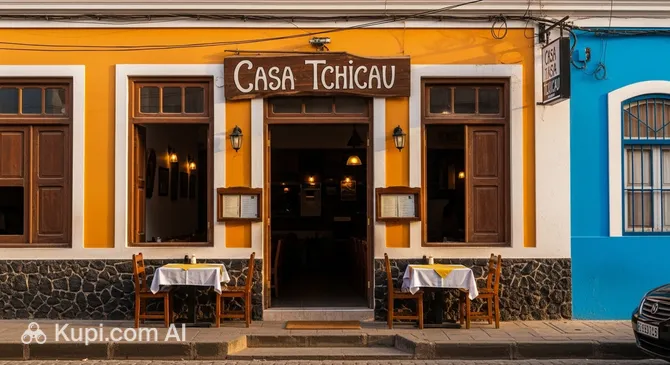
Navigating Mindelo is a straightforward and relaxed experience, much like the city's atmosphere. Since the urban center is relatively compact, the most popular way to get around is simply on foot. Most of the main attractions, restaurants, and the waterfront are located within comfortable walking distance of each other, allowing visitors to soak in the colonial architecture and vibrant street life at their own pace.
For travel beyond the immediate city center or to explore other parts of São Vicente island, the primary form of public transport is the aluguer (collective minibus). These vans, typically Toyota Hiaces, serve as the lifeline of local transit. They do not follow a strict timetable; instead, they depart from designated points—most notably Praça Estrela—once every seat is filled. Aluguers are an authentic and affordable way to travel to destinations like the airport, Calhau, or São Pedro beach.
There is no metro, tram, or complex rail system in the city. However, a limited number of standard urban buses operate on fixed routes, primarily serving local residents commuting to the suburbs. For tourists, these are generally less convenient than aluguers or taxis due to longer waiting times and less frequent service.
The payment system is exclusively cash-based. There are no travel cards, mobile apps, or electronic passes. Passengers pay the driver or the conductor directly upon reaching their destination. Fares are fixed and very inexpensive, usually costing around 100 to 150 CVE for trips to nearby towns. It is essential to carry small change in Cape Verdean Escudos, as drivers may not always have change for large denominations.
Taxis are another popular and reliable alternative, easily identifiable by their beige or cream color. They are plentiful in the city center and can be hailed on the street or found at designated ranks. Taxis in Mindelo are generally metered, but for longer excursions or day trips around the island, it is common to negotiate a fixed price with the driver beforehand. This is a convenient option for travelers who prefer privacy and flexibility over the communal nature of aluguers.
Regarding operating hours, aluguers run frequently during daylight hours but become scarce after sunset. If you plan to stay out late enjoying the nightlife, you should rely on taxis to get back to your accommodation. Taxis operate 24/7, making them the safest and most practical choice for evening transport.
For those who wish to explore the island independently, car rentals are available in the city and at the airport. While the road network is relatively simple, navigating the cobblestone streets of the city center can be bumpy. Alternatively, renting a bicycle or a scooter is a fun way to see the coast, though the strong trade winds can sometimes make cycling a bit of a workout.
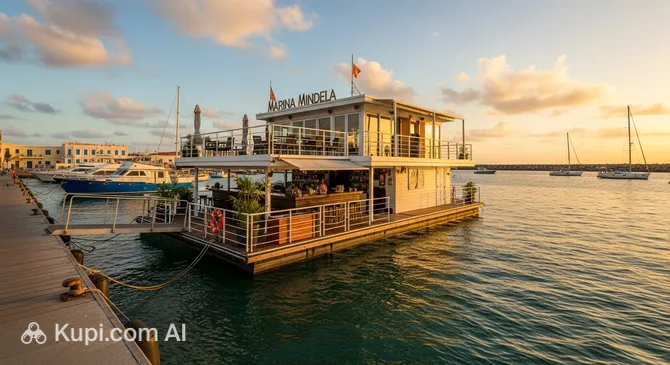
A unique feature of Mindelo's transport landscape is its role as a maritime hub. The Porto Grande is the gateway to the neighboring island of Santo Antão. Regular ferries depart from the harbor, creating a bustling atmosphere as locals and tourists commute across the channel. While not "city transport" in the traditional sense, the ferry terminal is a central node of movement that connects the urban life of Mindelo with the dramatic mountains across the bay.