Support

Sal Rei

About

Sal Rei is a charming coastal town that serves as the administrative center of the island of Boa Vista. Nestled in the stunning archipelago of Cape Verde, Republic Of, this city offers a perfect blend of local culture and seaside tranquility. Despite its modest size, with a population of just over 6,000 residents, it pulses with a warm and welcoming energy that instantly makes visitors feel at home.

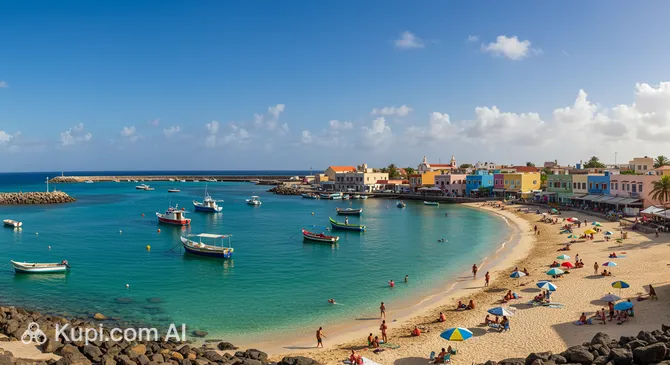
Sal Rei. Source: Kupi.Binoculars

The name Sal Rei translates to "Salt King," a nod to the area's significant role in salt production during earlier centuries. Travelers interested in the deeper roots of this settlement can explore the fascinating history of Sal Rei, which is reflected in its distinctive architecture and the remnants of its trading past. The town is situated on the northwestern coast of the island, benefiting from a dry, sunny climate that is ideal for beach lovers and outdoor enthusiasts.

Visitors are often drawn to the calm waters of the bay, which are protected by the small islet known as Ilhéu de Sal Rei. This natural barrier makes the local beaches, such as Praia de Diante and Praia de Estoril, perfect for swimming and windsurfing. The town center features charming colonial-style buildings known as sobrados, adding a colorful historical backdrop to your strolls. Whether you are looking to savor fresh seafood at a local eatery or simply watch the sunset over the Atlantic, Sal Rei provides an idyllic escape.

Weather Overview

Sal Rei enjoys a pleasant and arid climate, characterized by consistent warmth and abundant sunshine throughout the year. The town is known for its stable weather conditions, making it an ideal destination for beach lovers who prefer to avoid extreme heat or cold.

Average temperatures generally hover between 22.0°C in the cooler month of March and peak at around 27.2°C in September. Rainfall is extremely rare, with most of the year seeing 0mm of precipitation and clear blue skies. The only minor variation occurs in August and September, which may bring a few wet days, though the actual rainfall amount remains negligible. To help you pack accordingly, you can view the detailed weather in Sal Rei guide.

Expect warm, sunny days year-round with virtually no rainfall, except for the occasional brief shower during the late summer season.

Interesting Facts

Beyond the main attractions, Sal Rei holds many fascinating secrets that reveal the depth of its maritime and cultural history. Uncovering these details offers a glimpse into the unique heritage that shaped this coastal settlement.
  • Pirate Defenses: The small islet visible from the harbor, Ilhéu de Sal Rei, houses the ruins of the Duke of Bragança Fort. This 19th-century fortification was originally constructed to defend the town's precious salt warehouses from pirate raids and privateers roaming the Atlantic.

  • Whale Sanctuary: The waters surrounding the city serve as a vital nursery for humpback whales. From February to May, it is common to spot these majestic giants breaching near the coast, making the town a premier base for marine observation in the archipelago.

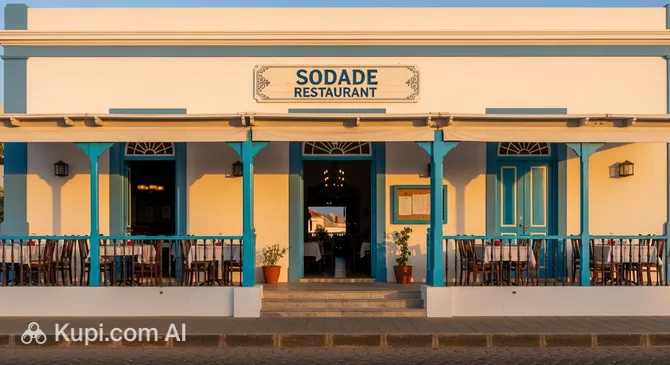
  • Cultural Heart: The city preserves its artistic heritage in restored colonial buildings. One such landmark is the Casa da Cultura, which often hosts music and art exhibitions; visitors here can also find the Sodade Restaurant at Casa da Cultura, blending history with local flavors.

  • Jewish Heritage: Sal Rei was once home to a thriving Jewish community that played a pivotal role in the salt trade during the 19th century. A tangible reminder of this past is the historic Jewish Cemetery located just outside the town center, maintained as a site of memory and respect.

Sodade Restaurant at Casa da Cultura. Source: Kupi.Binoculars

How to Get There

Planning a trip to this picturesque coastal town is the first step toward an unforgettable holiday. While the island's remote charm is part of its appeal, modern connections make the journey relatively smooth. For a comprehensive overview of all travel options and routes, you can read more about how to get to Sal Rei and prepare for your arrival.

The most direct way to reach the city is via Rabil Airport (IATA: BVC), also known as Aristides Pereira International Airport. Located in the town of Boa Vista (Rabil), this facility is situated just 5.9 km from the center of Sal Rei. Due to this close proximity, the transfer is quick and convenient; a trip by taxi or local transport typically takes approximately 30 minutes. As a key transport hub with significant annual passenger traffic, it welcomes flights from various international and domestic locations directly to the island.

Another important entry point for the archipelago is Amilcar Cabral International Airport (IATA: SID). While the data indicates a distance of 61.9 km from Sal Rei, it is crucial to note that this airport is located on the neighboring island of Sal. It serves as a major "Large" scale international gateway. Travelers often fly into this airport and then take a short connecting domestic flight or a ferry to reach Boa Vista. Due to the water crossing involved, a direct taxi ride is not possible, but the airport remains a vital link for reaching the region.

For clarity, here is a summary of the main airports:

Airport Name City Passenger Traffic Km from City
Amilcar Cabral International Airport Sal Rei Large 61.9
Nelson Mandela International Airport Praia Medium 150.3
Rabil Airport Boa Vista Medium 5.9
Cesaria Evora International Airport Mindelo Medium 239.6
Sao Filipe Sao Filipe Small 221.0

Sal Rei does not have a railway station, and there is no train network on the island of Boa Vista. Transportation within the area is primarily conducted by road. Visitors typically rely on taxis, rental cars, or local "aluguer" minibuses to navigate between the airport, the city, and other attractions across the island.

Main Attractions

Sal Rei may be a small town, but it is brimming with character, offering visitors a delightful mix of history, culture, and natural beauty. Exploring its streets and coastline reveals a laid-back atmosphere where colonial heritage meets the vibrant daily life of the locals. From sun-drenched beaches to architectural landmarks, there are several key spots that every traveler should include in their itinerary.

One of the most popular places to relax is Praia de Estoril. Located just south of the town center, this beach is protected from the strong Atlantic winds by the islet of Ilhéu de Sal Rei, creating calm, turquoise waters ideal for swimming and kayaking. It is a favorite among families and those looking to unwind in a safe, tranquil environment while enjoying the view of colorful fishing boats bobbing in the bay.

In the heart of the town lies the Igreja de Santa Isabel, a charming colonial church that overlooks the main square, Praça de Santa Isabel. With its distinctive sand-colored façade and blue details, it serves as a central meeting point and a symbol of the community's faith. Visitors appreciate the peaceful ambiance of the square, where they can sit on a bench, admire the architecture, and watch the world go by.

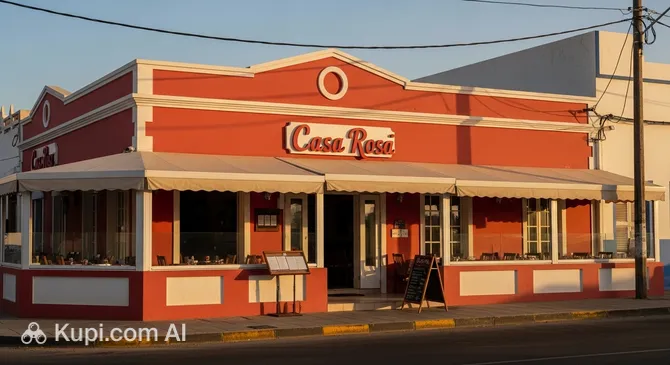
For a taste of local flavor and history, you should visit Casa Rosa. This establishment is not only a place to enjoy delicious food but also a recognizable landmark in the city. Housed in a beautifully maintained building that reflects the town's architectural style, it offers a warm atmosphere that attracts both tourists and residents. It is an excellent spot to experience the hospitality that Cape Verde is famous for.

Casa Rosa. Source: Kupi.Binoculars

Another cultural gem is the Sodade Restaurant at Casa da Cultura. Located within the local cultural center, this venue combines gastronomy with art. It is the perfect place to savor traditional Cape Verdean dishes like cachupa while surrounded by local artwork and, on many evenings, the soulful sounds of live morna music. The setting allows visitors to immerse themselves deeply in the island's artistic heritage.

A short walk along the coast leads to the Chapel of Our Lady of Fatima (Capela de Nossa Senhora de Fátima). Situated on a rocky promontory overlooking the ocean, this small, restored chapel offers one of the best panoramic views in the area. It is particularly enchanting at sunset, providing a serene backdrop for contemplation and photography, with the vast Atlantic stretching out before you.

Local Cuisine

The culinary scene in Sal Rei is a delightful reflection of its island heritage, heavily influenced by the bountiful Atlantic Ocean and a fusion of African and Portuguese traditions. Seafood lovers will find themselves in paradise, as the daily catch brings an array of fresh ingredients directly from the boats to the kitchen. Tuna, wahoo, and serra are staples, often grilled simply to highlight their natural flavors or stewed in rich, aromatic sauces.

No visit to Cape Verde is complete without tasting Cachupa, the country's national dish. This hearty slow-cooked stew is made with corn (hominy), beans, cassava, sweet potato, and meat or fish. It comes in two main varieties: Cachupa Rica, which is rich with meat and vegetables, and Cachupa Refogada, a fried version often served for breakfast with a fried egg. Another local delicacy to look out for is the famous Boa Vista lobster, typically grilled and served with garlic butter, offering a luxurious taste of the coast.

To accompany your meal, you must try the local beverages. Grogue is a potent sugar cane spirit similar to rum, often consumed as a digestif. For something sweeter and smoother, try Ponche, which mixes grogue with molasses, honey, or fruit juices like tamarind and coconut. Beer enthusiasts can enjoy a cold Strela, the local lager that pairs perfectly with a sunny afternoon by the sea. Non-alcoholic options include refreshing juices made from baobab fruit (calabaceira) or hibiscus (bissap).

The food culture in the city is relaxed and welcoming, ranging from casual beach bars to cozy family-run establishments. The local fish market near the port is a vibrant spot where you can witness the heart of the town's food supply chain in action. For those seeking a reliable place to experience authentic local cuisine in a charming setting, Casa Rosa is a popular choice among visitors. Whether you are snacking on pastéis (filled pastries) at a street stall or enjoying a long dinner under the stars, eating here is about savoring the moment.

Travel Tips

Preparing for a trip to Sal Rei is exciting, and a few practical insights can help you settle into the island's relaxed rhythm immediately. These tips are designed to help you navigate local customs, logistics, and the unique environment of Boa Vista with ease.

  1. Clothing and Gear: Boa Vista is known for its abundant sunshine and constant trade winds. Pack lightweight, breathable clothing and swimwear, but do not forget a windbreaker or a light sweater for the breezy evenings. Comfortable walking shoes or sandals are essential for navigating the cobblestone streets, and a universal travel adapter (European Type C or F) is necessary for your electronics.
  2. Transportation: The town of Sal Rei is compact and best explored on foot. For trips to the airport or nearby dunes, taxis are readily available and generally inexpensive; always agree on the fare before starting the ride. To travel across the island like a local, look for the Aluguer (shared minibuses or pickup trucks), which serve as the primary public transport network connecting the city to other villages.
  3. Finances: The official currency is the Cape Verdean Escudo (CVE). While Euros are widely accepted in most restaurants and shops, the exchange rate may vary, and you will likely receive change in Escudos. It is advisable to carry cash for small purchases at local markets. ATMs, marked with the "Vinti4" sign, are reliable and available in the town center for withdrawing local currency.
  4. Health and Safety: Sal Rei is a safe and peaceful destination, but standard precautions apply. The sun is very strong even when it feels cool due to the wind, so high-SPF sunscreen is mandatory. Do not drink tap water; stick to bottled water to avoid stomach upsets. Pharmacies are available in the city center for basic needs, though carrying a personal medical kit is always a good idea.
  5. Communication: The official language is Portuguese, while Cape Verdean Creole is the language of daily life. English is understood in hotels and tourist hotspots, but less so in local grocery stores. Learning simple greetings like "Bom dia" (Good morning) or "Obrigado" (Thank you) is greatly appreciated. For mobile data, you can easily buy a prepaid SIM card from local providers like CVMóvel or Unitel T+.
  6. Local Etiquette: The culture here is defined by Morabeza, a word representing hospitality and kindness. It is customary to greet people when entering a room or a shop. The pace of life is slow and relaxed; interactions are friendly and unhurried, so taking the time to say hello is more important than efficiency.
  7. What to Avoid: Avoid getting impatient or rushing service staff. The local motto is literally "No Stress," and things often happen on "island time." showing visible frustration over a slow coffee or bill is considered rude and counterproductive to the local vibe.
  8. Resource Awareness: Water is a precious resource on this arid island. A specific tip for Sal Rei is to be extremely mindful of water usage; take short showers and reuse towels where possible, as this demonstrates respect for the local environment and community challenges.

By keeping these practical tips in mind, you will be well-equipped to enjoy everything Sal Rei has to offer without any hassles. Embrace the "No Stress" lifestyle, connect with the friendly locals, and have a wonderful time exploring this beautiful corner of Cape Verde.

Entertainment & Nightlife

Entertainment in Sal Rei is defined by the island's natural elements and its relaxed "No Stress" philosophy. Rather than bustling nightclubs or theme parks, the town offers activities that connect visitors with the ocean, the desert landscape, and the rhythmic soul of Cape Verdean culture. Whether you are an adrenaline junkie or looking for a peaceful evening under the stars, there is plenty to keep you occupied.

The undisputed highlight for active travelers is the world-class windsurfing and kitesurfing. The bay of Sal Rei offers excellent conditions for both beginners and pros, thanks to the protective embrace of the offshore islet and the consistent trade winds. Several schools operate along the coastline, offering lessons and equipment rental. For those who prefer a more leisurely pace, catamaran cruises and whale-watching tours (seasonal) provide a fantastic way to see the island from a different perspective.

On land, the adventure continues with quad bike excursions. This is one of the most popular ways to explore the surrounding terrain, allowing you to traverse the sandy tracks leading to the Viana Desert or discover secluded beaches that are difficult to reach by foot. Horseback riding along the shore at sunset is another magical experience, offering a romantic and serene way to enjoy the coastal beauty.

When the sun goes down, the nightlife in Sal Rei is low-key but vibrant with local character. The evening entertainment revolves around open-air beach bars and cozy restaurants where you can enjoy a drink with your feet in the sand. Music is the heartbeat of the town; many venues, including the Sodade Restaurant at Casa da Cultura, host live performances of Morna and Funaná, allowing you to experience the emotional depth of the island's musical heritage while enjoying a meal.

For shopping enthusiasts, the town offers a variety of small boutiques and markets. You can browse for locally made souvenirs, such as colorful paintings, wood carvings, and traditional jewelry. If you are lucky enough to visit in early July, you will witness the Festival of Santa Isabel, the municipality's patron saint. This major event transforms the town with processions, horse races, street food stalls, and concerts, offering a deep dive into the festive spirit of Boa Vista.

Parks & Museums

Sal Rei offers a unique interpretation of "green spaces," where the beauty of the landscape is defined by golden sands, azure waters, and historical squares rather than lush botanical gardens. The city's cultural venues are intimate and deeply connected to its maritime identity, providing visitors with a genuine glimpse into the island's soul and its resilient history.

While traditional grassy parks are rare in this arid climate, the Praça de Santa Isabel serves as the town's central gathering spot and "urban park." This charming square, adorned with colorful flowers and shaded benches, is the social heart of Sal Rei. It is surrounded by colonial architecture and offers a peaceful respite where locals and tourists alike come to relax, chat, and enjoy the slow pace of island life. Just across the harbor lies the Ilhéu de Sal Rei, a small islet that acts as a natural breakwater. It functions as a protected natural area, offering opportunities for snorkeling and birdwatching, and stands as a rugged, untouched counterpoint to the town's sandy shores.

For those willing to venture just outside the immediate city limits, the Viana Desert (Deserto de Viana) acts as a spectacular natural park. Formed by sand blown across the ocean from the Sahara, this "mini-desert" features pristine white dunes dotted with acacia trees and sparse vegetation. It is a surreal and serene environment perfect for hiking or simply admiring the stark, beautiful contrast between the sand and the blue sky.

Culturally, the town preserves its heritage in focused, meaningful venues. The Museu dos Naufrágios (Shipwreck Museum) is a fascinating stop that highlights Boa Vista's reputation as a "graveyard of ships." The museum displays artifacts recovered from the many vessels that have run aground along the treacherous coastline over the centuries, telling stories of trade, tragedy, and survival. It provides excellent context for understanding why the island is so rich in underwater archaeological sites.

Another pivotal cultural landmark is the Casa da Cultura (Cultural Center). Housed in a restored colonial building, this center is the artistic heartbeat of the city, frequently hosting exhibitions of local crafts, paintings, and photography. It is a place where art meets daily life, and it also houses the Sodade Restaurant at Casa da Cultura, allowing visitors to explore the building's architecture and artistic vibe before or after a meal.

History enthusiasts should not miss the Jewish Cemetery, located near the beach of Praia de Cabral. This walled site is a solemn reminder of the Jewish families who settled here in the 19th century to trade in the booming salt industry. The headstones, bearing names of prominent merchant families, offer a tangible link to the town's prosperous past as a commercial hub.

For a truly authentic experience, take a walk to the old Customs House and the pier in the early morning. Watching the local fishermen bring in their catch and repair their nets offers an unpolished, vibrant look at the town's enduring relationship with the sea, far removed from the typical tourist trail.

Getting Around

Navigating Sal Rei is delightfully simple, primarily because the city is compact enough to be explored almost entirely on foot. There is no complex network of subways, trams, or large municipal buses here. Instead, the public transport system is defined by a unique and informal local experience known as the Aluguer. These shared minibuses—or sometimes open-back pickup trucks with bench seating—serve as the lifeline of the island, connecting the city center with the airport, the village of Rabil, and other settlements across Boa Vista.

The Aluguer system operates without official bus stops or strict timetables. In Sal Rei, these vehicles typically gather at a designated spot near the main square or the central market. They depart only when they are full, which is a fundamental rule of travel here. This "leave when ready" approach means you might wait five minutes or thirty, depending on passenger flow. To catch one along the road, you simply wave your hand; if there is space, the driver will stop to pick you up.

Payment is straightforward and old-fashioned, as there are no travel cards, apps, or ticket machines. You pay the driver directly in cash, specifically in Cape Verdean Escudos (CVE). It is customary to pay at the end of the journey when you disembark. Fares are very affordable, typically costing around 100 to 200 CVE for trips to nearby towns like Rabil. It is highly recommended to carry small change, as drivers may not always have enough cash to break large bills.

For those who prefer a more private and on-demand service, taxis are widely available and easily recognizable by their beige or cream color. Unlike the shared minibuses, taxis operate 24 hours a day and can be hailed on the street or found at designated ranks near hotels and the harbor. Most taxis do not use meters; instead, there are standard fixed fares for popular routes, such as the trip to the airport or specific beach resorts. Always confirm the price with the driver before getting into the car to avoid misunderstandings.

Given the adventurous terrain surrounding the city, many tourists opt for alternative transport methods to explore at their own pace. Quad bikes (ATVs) are incredibly popular in Sal Rei, offering a fun way to navigate both the paved roads and the sandy tracks leading to the Viana Desert. Car rentals are also available for those who want air-conditioned comfort, while bicycle rentals provide an eco-friendly option for reaching nearby beaches like Praia de Estoril. Whether you choose a shared van or a rugged quad, getting around is part of the island's relaxed adventure.

Accommodation

Accommodation in Sal Rei offers a refreshing alternative to the massive, isolated all-inclusive resorts found elsewhere on the island of Boa Vista. Here, the focus is on smaller, more intimate lodging options that allow visitors to integrate with the local community. The city provides a wide range of choices, primarily consisting of charming guesthouses (known locally as residencials), modern apartment rentals, and mid-range boutique hotels. This setup is perfect for independent travelers who prefer to explore local restaurants and culture rather than staying within a resort compound.

The location of your stay can shape your experience of the town. One of the most popular areas for tourists is the neighborhood adjacent to Praia de Estoril, located just south of the town center. This area is favored for its direct access to the calmest beach in the bay and its concentration of beach clubs and water sports centers. Alternatively, staying in the town center places you within walking distance of the main square, the harbor, and historical sights, immersing you in the daily rhythm of the locals. For a quieter atmosphere, the area near Praia de Cabral to the north offers a more secluded feel while still being close to amenities.

Pricing in Sal Rei is generally moderate and offers excellent value for money compared to the high-end international chains. Budget travelers can find affordable rooms in family-run guesthouses that offer a warm, authentic welcome. Mid-range options often take the form of "apart-hotels," which combine hotel services with the convenience of a kitchenette—ideal for those who wish to visit the local market and cook fresh seafood. While true luxury properties are scarce within the city limits, the comfort and style of the newer seafront apartments satisfy most visitors seeking a higher standard of living.

When planning your trip, it is important to consider the seasonality of Cape Verde tourism. The peak season runs from November to March, when travelers from Europe flock to the islands to escape the winter cold. During these months, the best accommodations in Sal Rei can fill up quickly. It is highly recommended to book your stay well in advance using major online booking platforms to secure your preferred location and price. For the rest of the year, the pace is more relaxed, and last-minute bookings are often easier to manage.

Nearby Cities

For those looking to explore the surroundings, Sal Rei serves as an excellent base for day trips to several interesting nearby locations:

Just a short distance from the town center lies the broader area of Boa Vista. Often referring to the nearby settlements like Rabil and the island's interior, this region is perfect for a quick excursion. Visitors can explore the Viana Desert with its white sand dunes, visit the historic pottery workshops in Rabil, or simply enjoy the untouched beaches that characterize the island. It offers a peaceful contrast to the main town and is easily accessible by taxi or quad bike.

Although located on a neighboring island, the capital city of Praia is a key destination for those willing to hop across the archipelago. Situated on the island of Santiago, it is the political and economic hub of Cape Verde. A visit here offers a deep dive into the country's history, with bustling markets, colonial architecture in the Plateau district, and a vibrant urban atmosphere that differs significantly from the laid-back vibe of Sal Rei.

Another notable destination is Mindelo, known as the cultural capital of the country. Located on the island of São Vicente, it is famous for its music, art, and the lively Carnival celebrations. While it requires travel by air or sea, it remains one of the most attractive spots for travelers wanting to experience the artistic soul of the islands.

City Population Distance (km)
Praia 127832 154
Boa Vista 100000 15
Mindelo 70468 234
Sao Filipe 22227 221
Tarrafal 18561 134

These nearby destinations offer a glimpse into the diverse culture and landscapes of the region.

Shopping & Souvenirs

Shopping in Sal Rei is a relaxed and authentic experience that reflects the town's unhurried pace of life. Rather than large department stores or luxury fashion boutiques, visitors will find a selection of quaint local shops, colorful markets, and small galleries. The retail scene here focuses primarily on daily necessities, beach gear, and a growing number of artisan stores offering unique Cape Verdean crafts. It is the perfect place to hunt for meaningful keepsakes that tell the story of the island's culture and traditions.

The heart of the shopping activity is concentrated in the town center, particularly around the main square, Praça de Santa Isabel. The streets radiating from this plaza are lined with small boutiques and souvenir shops. A stroll along the waterfront avenue also reveals vendors selling artwork and handicrafts. Unlike busy commercial districts in major cities, these streets are quiet and inviting, allowing you to browse at your own leisure while admiring the colonial architecture.

Travelers looking for sprawling shopping complexes will not find them here. Sal Rei does not have Western-style shopping malls. Instead, the town features small commercial galleries and general stores, often referred to as "Chinese shops," which sell everything from clothing and electronics to household goods at affordable prices. These stores are convenient for picking up forgotten travel essentials like sunscreen, flip-flops, or batteries.

For a taste of local life, the Mercado Municipal (Municipal Market) is a must-visit. Located in the center of town, this two-story building is the hub for fresh produce. On the ground floor, you will find stalls overflowing with colorful fruits and vegetables, such as bananas, papayas, and mangoes, often brought in from other islands. The upper floor often houses small stalls selling crafts and textiles. While not a market for goods, the nearby Fish Market by the port is worth a visit to see the daily catch, offering a vibrant slice of local commerce.

When it comes to souvenirs, Sal Rei offers several distinct local products. The most iconic item to bring home is a bottle of Grogue, the national sugarcane spirit, or its milder, sweeter cousin, Ponche. Traditional pottery, particularly pieces made in the nearby village of Rabil, is highly prized for its craftsmanship. Other popular gifts include bags of Fogo coffee, cans of high-quality local tuna, colorful African fabrics known as panos, and artisan jewelry made from shells or coconut shells.

Store opening hours in Sal Rei typically follow a split schedule. Shops generally open around 8:00 AM or 9:00 AM and close for a lunch break (siesta) from 1:00 PM to 3:00 PM. They reopen in the afternoon until about 7:00 PM. On Saturdays, many businesses operate on a half-day schedule, closing in the early afternoon, and most shops are closed on Sundays. regarding payment, cash is king. While some larger tourist-oriented shops may accept credit cards (Visa and MasterCard), it is essential to carry Cape Verdean Escudos (CVE) for markets, smaller boutiques, and daily purchases. Euros are often accepted, but the exchange rate given may not be favorable.

Tax-free shopping and VAT refunds are generally not a standard feature for tourists in Cape Verde. The prices you see on the shelf are final, and there is no formal system in place for reclaiming sales tax at the airport upon departure. Visitors should focus on the value and uniqueness of the handmade goods rather than seeking tax rebates.
Reached the end of the page?

That means the route is fully explored