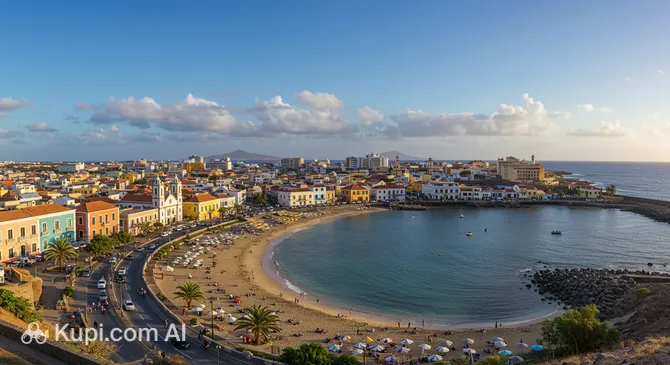
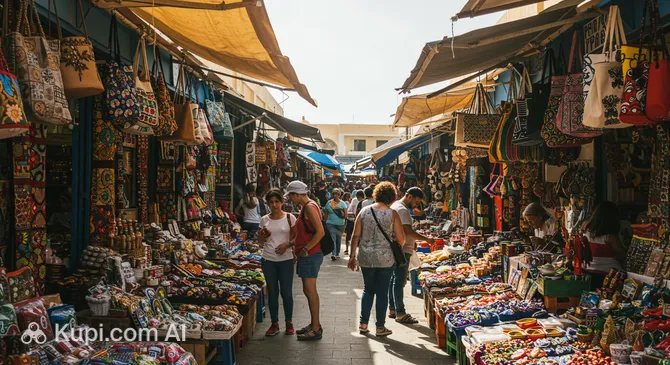
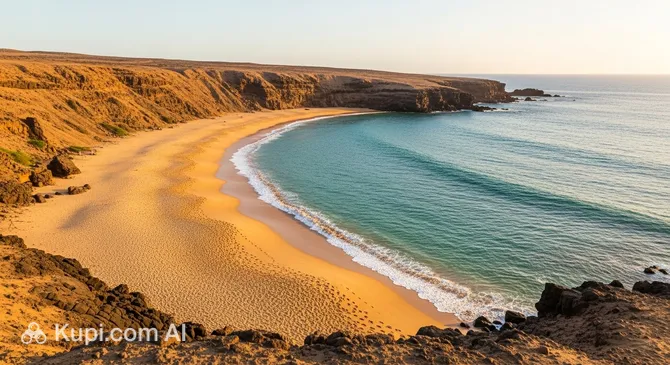
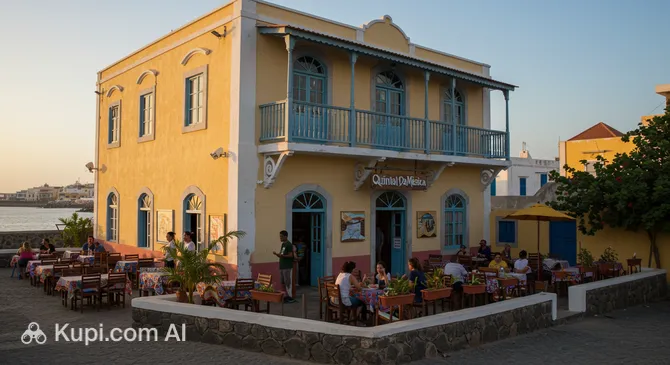
While Praia is primarily known as a bustling administrative and commercial hub, it also boasts significant cultural institutions and charming public spaces that offer a respite from the urban energy. The city's "Plateau" district serves as an open-air museum of sorts, where colonial history meets the daily rhythm of Cape Verdean life, interspersed with squares and galleries that showcase the nation's heritage.
For a breath of fresh air within the city limits, the Praça Alexandre Albuquerque is the most iconic public square. Located in the heart of the historic Plateau, this tree-lined plaza is surrounded by elegant colonial buildings, including the 1920s Town Hall and the Nossa Senhora da Graça Church. It features a classic gazebo and is a favorite meeting spot for locals, offering a peaceful atmosphere perfect for people-watching or enjoying a quiet moment in the shade.
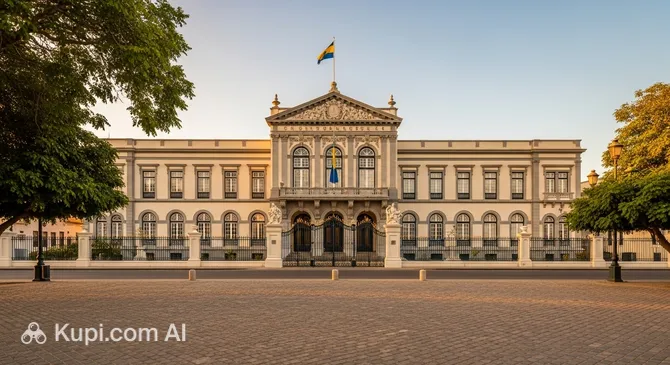
Another key outdoor space is the viewpoint near the Presidential Palace. While not a park in the traditional sense, this area offers sweeping panoramic views of the harbor and the ocean. It stands as a testament to the city's strategic geography and features the statue of Diogo Gomes, the explorer credited with discovering the island of Santiago. The manicured gardens surrounding the palace itself add a touch of greenery to the administrative center, though access inside the gates is restricted.
To dive deeper into the local culture, a visit to the Museu Etnográfico da Praia (Ethnographic Museum) is essential. Housed in a charming historic building, the museum provides a fascinating overview of Cape Verdean traditions. Its collection includes traditional textiles, pottery, musical instruments, and agricultural tools, offering visitors a clear understanding of the archipelago's social history and the daily lives of its people before modernization.
Art enthusiasts should not miss the Palácio da Cultura Ildo Lobo. Named after one of Cape Verde's most beloved musicians, this cultural center is a vibrant venue located near the central square. It hosts rotating art exhibitions, live music performances, and workshops. It is a dynamic space where contemporary Cape Verdean art is celebrated, making it a great place to connect with the modern creative scene of the city.
For a deeper historical perspective, the Sala-Museu Amílcar Cabral is dedicated to the memory of the independence leader. It houses photographs, documents, and personal effects that narrate the struggle for independence, providing crucial context for understanding the nation's political identity. Nearby, the Quartel Jaime Mota, an old military barracks, stands as a striking architectural landmark, further enhancing the historical character of the Plateau.
Insider Tip: If you are interested in botany and willing to take a short trip outside the city limits, the Jardim Botânico Grandvaux Barbosa is located in the interior of the island at São Jorge dos Órgãos. However, within Praia itself, the best "green" experience is often found by walking along the pedestrianized streets of the Plateau in the late afternoon, when the temperature drops and the golden light illuminates the colorful colonial facades.