Support

Sao Filipe

About

Welcome to Sao Filipe, the charming capital of Fogo Island and a place where colonial heritage meets dramatic volcanic landscapes. As the fourth largest city in Cape Verde, it serves as the cultural and economic heart of the island, offering visitors a unique blend of history and natural beauty. The city is renowned for its well-preserved architecture and the stunning views it offers across the Atlantic Ocean towards the neighboring island of Brava.
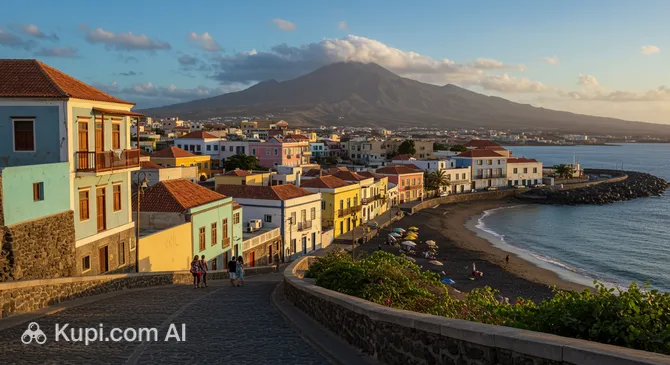
Sao Filipe. Source: Kupi.Binoculars

Perched on high cliffs above black sand beaches, Sao Filipe is home to approximately 22,000 residents. Its location on the southwestern coast of the island provides a distinctive atmosphere, influenced by the imposing presence of the active volcano, Pico do Fogo, located further inland. The city's layout is characterized by colorful buildings and cobblestone streets that invite leisurely exploration.

The city boasts a significant legacy as one of the oldest settlements in the archipelago. Visitors can delve into the history of Sao Filipe by wandering through the historic center, known as Bila Baxo. This area is famous for its sobrados—elegant colonial mansions dating back to the 19th century that reflect the aristocratic past of the island's families. Many of these structures have been beautifully restored and now serve as guesthouses or museums.

Beyond its architectural gems, Sao Filipe is the perfect gateway for adventures on Fogo Island. Travelers are often drawn to the nearby black sands of Praia da Bila, located just below the city cliffs. Whether you are planning to hike the crater of the volcano or simply wish to enjoy the relaxed pace of island life, Sao Filipe offers a warm welcome and an unforgettable travel experience.

Weather Overview

Sao Filipe offers a delightful climate with consistent warmth, making it an ideal year-round destination for travelers. Average temperatures remain gentle and stable, fluctuating between approximately 20.8°C in the cooler month of March and reaching peaks of around 25.1°C in September and October. The variation between seasons is subtle, ensuring comfortable conditions for sightseeing and exploring the island's unique landscapes at any time.

Rainfall is exceptionally scarce in this region, contributing to its arid charm. Expect warm, sunny weather for the vast majority of the year, with only a brief period of occasional wet days occurring primarily in August and September. For the most accurate forecasts and seasonal insights to help plan your packing, you can review the detailed guide to the weather in Sao Filipe.

Interesting Facts

Beyond the main attractions, Sao Filipe holds many fascinating secrets that reveal the depth of its heritage. This historic city offers more than just scenic views, boasting a rich tapestry of cultural traditions and unique geological features.

  • Sao Filipe holds the prestigious title of being the second-oldest town in Cape Verde. Established in the 16th century, it served as a vital hub for commerce and culture, developing a sophisticated society long before many other settlements in the archipelago.

  • The architecture of the city's famous sobrados tells a story of global connection. The high-quality pine wood used to construct the floors and ceilings of these mansions was often imported from the United States, brought by American whaling ships in the 18th and 19th centuries in exchange for supplies and crew.

  • One of the most distinctive local traditions is the Festival of São Filipe, also known as the Festa da Bandeira, celebrated annually in late April. The highlight of this event is the cavalhadas, a series of thrilling horse races held directly on the city streets, a custom deeply rooted in the island's culture.

  • The black sands of Praia da Bila, located beneath the city's cliffs, are famous for more than just their color. Locals believe the sand possesses therapeutic properties due to a high concentration of iodine and titanium, and it is traditionally used to help alleviate rheumatic pains and joint issues.

How to Get There

Reaching Sao Filipe is the first step of your adventure on Fogo Island. Since the city is located on an island in the Cape Verde archipelago, the most common way to arrive is by air, typically connecting through one of the country's larger international hubs. For a detailed guide on all available transport options and routes, you can read more about how to get to Sao Filipe.

The city is conveniently served by its own local airport, Sao Filipe Airport (SFL), which is situated just 2 km from the city center. This facility primarily handles domestic flights from other islands. Upon arrival, the journey to the town center is very short; a taxi or shuttle takes approximately 10 minutes to reach the heart of the city.

For international travelers, the main point of entry into the country is usually Nelson Mandela International Airport (RAI), located in the city of Praia on the neighboring Santiago Island, about 109 km away. From Praia, visitors can take a short domestic flight or a ferry to reach Sao Filipe. Another significant international gateway is Amilcar Cabral International Airport (SID) in Sal Rei, approximately 263 km away, which also connects to Fogo via inter-island flights.

For clarity, here is a summary of the main airports:

Airport Name City Passenger Traffic Km from City
Amilcar Cabral International Airport Sal Rei Large 262.7
Nelson Mandela International Airport Praia Medium 108.7
Rabil Airport Boa Vista Medium 220.1
Cesaria Evora International Airport Mindelo Medium 222.6
Sao Filipe Sao Filipe Small 2.0

Main Attractions

The charm of Sao Filipe is best experienced by exploring its Historic Center, locally known as Bila Baxo. This area is a living museum of colonial Portuguese architecture, featuring rows of colorful sobrados—two-story mansions with terracotta roofs and wooden balconies that date back to the 19th century. A walk through these cobblestone streets offers a peaceful atmosphere and plenty of photo opportunities, allowing visitors to admire the well-preserved heritage that makes this city unique in the archipelago.

Located within a beautifully restored colonial house, the Museu Municipal de São Filipe is a must-visit for culture enthusiasts. The museum provides a fascinating insight into the history of Fogo Island, displaying artifacts related to the island's volcanic origins, the era of slavery, and local traditions. It serves as an educational stop where tourists can learn about the resilience of the local people living in the shadow of an active volcano.

Standing proudly with its bright blue and white façade, the Igreja Nossa Senhora da Conceição is one of the city's most recognizable landmarks. This historic church dates back to the 19th century and offers a serene environment for reflection. Its elevated location provides lovely views of the town and the ocean, making it a perfect spot to appreciate both the spiritual and architectural beauty of Sao Filipe.

While technically located inland, the majestic Pico do Fogo is the undeniable highlight of any trip to the island and is easily accessible from Sao Filipe. As the highest peak in Cape Verde, this active volcano creates a dramatic backdrop for the city. Travelers typically base themselves in Sao Filipe to arrange excursions to the crater, where they can hike the volcanic cone or visit the unique vineyards of Chã das Caldeiras that thrive in the mineral-rich ash.

Local Cuisine

The culinary scene in Sao Filipe is a delightful reflection of Fogo Island's volcanic nature, offering distinct flavors that are hard to find elsewhere in the archipelago. Thanks to the fertile volcanic soil, local produce is exceptionally flavorful, and the city’s gastronomy blends traditional Cape Verdean staples with unique island specialties. Visitors can expect a dining experience that is both rustic and refined, often enjoyed in the atmospheric courtyards of restored colonial mansions.

One of the most iconic local delicacies you must try is Queijo de Fogo. This semi-hard goat cheese is produced locally and has a distinct, slightly salty taste and buttery texture. It is traditionally served as a starter or dessert, often paired with doce de papaia (papaya jam) or honey. This combination of savory cheese and sweet fruit preserves is a beloved staple in Sao Filipe and makes for a perfect light snack.

For a hearty main course, the national dish, Cachupa, is widely available, but seafood lovers will particularly appreciate the abundance of fresh catch. Given the city's coastal location, restaurants frequently serve grilled tuna, wahoo, or lobster, typically accompanied by locally grown vegetables like cassava and sweet potato. The freshness of the ingredients, enhanced by the mineral-rich soil, gives these simple dishes a robust and memorable flavor.

No gastronomic tour of Sao Filipe is complete without tasting the island's famous wine, known locally as Manecom. Fogo is the only island in Cape Verde with a significant wine culture, with grapes grown inside the volcanic crater of Chã das Caldeiras. Whether you prefer red, white, or rosé, these wines are known for their strength and unique volcanic character. To finish your meal, be sure to order a cup of Fogo coffee, renowned globally for its complex aroma and high quality.

Travel Tips

To ensure your visit to the "City of Sobrados" is as smooth and enjoyable as possible, a little preparation goes a long way. These practical tips will help you navigate the relaxed rhythm of Sao Filipe and the unique terrain of Fogo Island with the confidence of a seasoned traveler.

  1. Clothing and Gear: Pack lightweight, breathable fabrics for the warm days in the city, but bring a warm jacket or fleece if you plan to visit the Chã das Caldeiras crater, where temperatures drop significantly at altitude. Since Sao Filipe is famous for its cobblestone streets and steep inclines, comfortable walking shoes or sturdy sandals are essential; leave the high heels at home.

  2. Transportation: The city center is compact and best explored on foot. To reach other parts of the island, such as the volcano or Salinas, the most authentic and affordable option is the aluguer (shared minibus), which departs from specific points in town. Taxis are also readily available for private trips, but agree on the fare beforehand if there is no meter.

  3. Finances: The local currency is the Cape Verdean Escudo (CVE). While some hotels accept Euros, smaller shops and restaurants prefer local cash. ATMs are available around the city center, but they can occasionally be out of service, so it is wise to carry enough cash for daily expenses. Tipping is appreciated but not mandatory; rounding up the bill is a common practice.

  4. Health and Safety: Sao Filipe is generally very safe for tourists, but standard precautions regarding valuables apply. Pharmacies are available in the town center for basic needs, and the regional hospital provides medical assistance if required. Be mindful of the sun; the volcanic landscape offers little shade, so high-SPF sunscreen and a reusable water bottle are must-haves.

  5. Communication: The official language is Portuguese, but the day-to-day language is Cape Verdean Creole (Kriolu). English is spoken in major hotels and tour agencies, but less so in local markets. Downloading an offline translation app and learning basic phrases like Bom dia (Good morning) and Obrigado (Thank you) will go a long way in connecting with locals.

  6. Local Etiquette: Cape Verdeans are known for their Morabeza (warm hospitality). It is polite to greet people when entering a room or passing on the street. Handshakes are the standard greeting. When visiting religious sites like the Nossa Senhora da Conceição church, dress modestly out of respect for local customs.

  7. What to Avoid: Avoid wearing beachwear (bikinis or shirtless) while walking around the historic city center or dining in restaurants, as this is considered disrespectful. Also, do not take photographs of locals without asking for their permission first, especially in rural areas outside the main town.

  8. Local Insight: Embrace the "island time" mentality. Many shops and businesses in Sao Filipe close for a long lunch break (siesta) between 1:00 PM and 3:00 PM. Plan your shopping or errands for the morning or late afternoon to avoid finding closed doors.

By keeping these simple guidelines in mind, you will be well-equipped to immerse yourself in the culture and beauty of Sao Filipe. Relax, respect the local pace, and enjoy the incredible hospitality that makes Fogo Island such a memorable destination.

Entertainment & Nightlife

Nightlife in Sao Filipe is a reflection of the island’s relaxed and soulful character. Rather than bustling neon districts or large-scale nightclubs, the evening scene here revolves around socializing, live music, and enjoying the warm Atlantic breeze. The atmosphere is incredibly welcoming, embodied by the local concept of Morabeza, making it easy for visitors to mingle with residents. The main action is concentrated in the historic center, Bila Baxo, and the areas surrounding the main squares, where the sound of traditional Morna or upbeat Funana music often spills out onto the cobblestone streets.

For those looking to experience the local scene, Pipi's Bar is a popular starting point. Located near the cliffs with a view of the ocean, it offers a laid-back environment perfect for enjoying a cold Strela beer or a cocktail while watching the sunset. As the night progresses, the energy shifts to venues like the Tropical Club. This is one of the few spots in town that stays open late, transforming into a lively dance floor on weekends where locals enjoy Kizomba and Zouk rhythms. Another notable mention is the bar at Tortuga B&B, which often hosts cozy evenings that attract a mix of travelers and locals.

The nightlife in Sao Filipe is generally casual and unpretentious. There is no strict dress code; smart-casual attire is perfectly acceptable everywhere. The most vibrant nights are Fridays and Saturdays, with venues typically becoming busy after 10:00 PM. Prices are very affordable compared to European standards, with drinks and snacks costing a fraction of what you might expect. Most places operate on a cash-only basis, so it is essential to carry sufficient Cape Verdean Escudos.

Safety is rarely a concern in this tight-knit community, and walking around the well-lit areas of the historic center at night is generally considered safe. However, for late-night returns or if you are staying on the outskirts of the city, it is advisable to take a taxi. Taxis are inexpensive and can be easily flagged down or called by your venue's staff. Always agree on the fare before starting your journey if the driver does not use a meter.

Before the evening festivities begin, Sao Filipe offers several daytime entertainment options to fill your schedule. Cultural enthusiasts should visit the Casa da Memória, a charming museum located in a restored colonial house that delves into the island's history and traditions. For nature lovers, a walk down to the black sands of Praia da Bila provides a unique setting for relaxation, while the energetic can explore the city's vibrant morning markets to see the local trade in action.

Parks & Museums

While Sao Filipe is not characterized by vast urban parks in the traditional sense, the city creates a beautiful balance between its built heritage and the natural environment. The public spaces here function as open-air living rooms, offering lush gathering spots that overlook the Atlantic, while the city's museums provide an intimate look into the unique island culture shaped by the volcano.

The heart of the city's outdoor life is arguably Praça 4 de Setembro, commonly known as Praça do Presídio. This historic square serves as the town's central garden and social hub, shaded by established trees and dotted with benches where locals gather to talk. It is particularly famous for its sweeping panoramic views across the ocean to the neighboring island of Brava. In the evenings, the square comes alive with a gentle breeze and a relaxed atmosphere, making it the perfect place to unwind after a day of exploration.

For a more rugged natural experience, the Praia da Bila offers a striking escape just below the city's cliffs. This stretch of black volcanic sand is not a manicured park but a raw, natural area that highlights the island's geological origins. It is a popular spot for a seaside walk to admire the contrast between the dark sand, the blue ocean, and the colorful colonial buildings perched high above on the escarpment.

Culturally, the Museu Municipal de São Filipe is a cornerstone of the city's heritage. Housed in a beautifully restored colonial mansion, or sobrado, the museum offers a deep dive into the history of Fogo. Its exhibits cover a wide range of topics, from the geological formation of the volcanic island to the social history of the colonial era and the legacy of slavery. Walking through its rooms provides a tangible connection to the past and helps visitors understand the resilience of the local community.

Another significant cultural venue is the Casa da Memória. Located in a historic building dating back to the 1820s, this institution is dedicated to preserving the collective memory of Fogo's people. It often features displays related to local traditions, architecture, and the genealogy of the island's families. It is a fascinating stop for those interested in the human stories behind the stone walls of the city.

Architecturally, the city itself feels like an open-air gallery, particularly the Igreja Nossa Senhora da Conceição. This bright blue and white church is not only a place of worship but a landmark of 19th-century architecture that anchors the historic district. Nearby, the well-preserved sobrados of the Bila Baxo area stand as monuments to the island's aristocratic past, with their carved wooden balconies and colorful façades creating a unique urban landscape.

For a truly authentic experience, try visiting the Praça do Presídio just before sunset. It is the magic hour when the heat of the day dissipates, and you can watch the sun dip behind the silhouette of Brava island while the local community comes out to socialize, offering a genuine slice of daily life in Sao Filipe.

Getting Around

Navigating Sao Filipe is a refreshingly simple experience, as the city does not rely on complex networks of metros, trams, or large municipal buses. Instead, the public transport system is informal and centered around alugueres (shared minibuses) and taxis. The city center itself is compact and best explored on foot, allowing visitors to appreciate the cobblestone streets and colonial architecture at a leisurely pace without the need for a vehicle.

The aluguer is the lifeline of local transport for those wishing to travel beyond the city limits to other parts of Fogo Island, such as the volcano crater or the town of Mosteiros. These minibuses, often Toyota Hiaces, do not operate on a strict timetable. Instead, they depart from designated gathering points—typically near the municipal market or main squares—only when they are full. This means you might wait a few minutes or up to an hour, depending on passenger flow. They are an authentic and affordable way to travel, offering a chance to rub shoulders with locals.

When it comes to payment, cash is the only accepted method. There are no travel cards, apps, or electronic ticket machines. You simply pay the driver or the conductor at the end of your journey. Prices are fixed for specific routes but are generally very low. It is highly recommended to carry small denominations of the local currency, as drivers may not always have change for large bills.

Taxis are a popular alternative for those seeking more comfort or privacy. They are easily identifiable, usually painted in a cream or beige color, and can be found at taxi stands near the market, the hospital, or flagged down on the street. Unlike alugueres, taxis can be hired for private trips to specific destinations at any time. While some may have meters, it is standard practice to negotiate and agree on the fare before starting your journey to avoid misunderstandings.

For tourists, understanding the operating hours is crucial. Alugueres are most active in the morning and early afternoon. By late afternoon or evening, finding a shared minibus returning to or from remote villages can be difficult, so plan your return trips accordingly. Taxis operate around the clock, but night fares may be slightly higher.

While there are no car-sharing apps, car rentals are available and are a popular choice for visitors who want the freedom to explore the island's ring road or drive up to Chã das Caldeiras on their own schedule. Renting a 4x4 is often advisable due to the steep and sometimes rugged terrain outside the city. Whether you choose to walk, take an aluguer, or drive, getting around Sao Filipe is safe and straightforward.

Accommodation

Accommodation in Sao Filipe is a refreshing departure from the world of large, impersonal resort chains. Instead, the city is famous for its charming, small-scale lodgings that reflect the island's heritage. The most unique option available to tourists is staying in a sobrado—one of the beautifully restored colonial mansions found in the historic center. These boutique-style guesthouses offer a blend of history and comfort, featuring high ceilings, wooden floors, and inner courtyards. Beyond these heritage stays, visitors can find a selection of comfortable mid-range hotels, functional aparthotels, and budget-friendly pensions (residenciales) that provide warm hospitality and basic amenities.

The most desirable area to stay is undoubtedly the Historic Center (Bila Baxo). Staying here places you within walking distance of the main architectural sights, museums, and restaurants. Many accommodations in this area are perched on the cliffs overlooking the black sand of Praia da Bila, offering spectacular views of the Atlantic Ocean and the neighboring island of Brava, especially at sunset. For those seeking a quieter experience, there are also options slightly further inland or on the outskirts, which often provide more space and gardens, though you may need a taxi to reach the town center.

When planning your trip, it is important to consider the timing of your booking. Sao Filipe has a limited number of rooms, and the city fills up completely during major local events. The most critical time is late April during the Festa da Bandeira (Flag Festival). If you intend to visit during this vibrant celebration, it is highly recommended to book your accommodation several months in advance to secure a spot. For the rest of the year, booking a few weeks ahead is usually sufficient.

In terms of cost, Sao Filipe is generally affordable compared to many international destinations. Prices typically fall into the budget to mid-range categories. You can expect to pay a moderate price for a double room in a well-rated colonial house with breakfast included. While the larger hotels and popular guesthouses are listed on major online booking platforms, many smaller, family-run establishments still rely on direct bookings via email or phone. It is also worth noting that some smaller places may prefer payment in cash (Escudos), so checking payment methods beforehand is a good travel tip.

Nearby Cities

For those looking to explore beyond the shores of Fogo, Sao Filipe serves as an excellent starting point for discovering the wider archipelago. Several fascinating destinations are accessible via short inter-island flights or ferries, offering a diverse range of experiences from bustling urban centers to serene beach retreats.

Located on the neighboring island of Santiago, Praia offers a lively contrast to the quiet charm of Fogo. As the capital city, it features the historic Plateau district with its colonial architecture, vibrant markets like Sucupira, and a rich cultural scene that allows visitors to feel the urban heartbeat of the country.

Also situated on Santiago Island is Tarrafal, a town renowned for having one of the most beautiful golden sand beaches in the region. It is a perfect spot for relaxation and swimming in calm turquoise waters. The area is also home to the historic Tarrafal Camp, a site of significant importance to the nation's history, making it a worthwhile stop for both leisure and learning.

City Population Distance (km)
Praia 127832 106
Boa Vista 100000 224
Mindelo 70468 226
Ribeira Grande 18890 260
Tarrafal 18561 90

These nearby destinations provide a wonderful opportunity to witness the diverse landscapes and distinct cultures that make up the Cape Verde islands.

Shopping & Souvenirs

Shopping:

Shopping in Sao Filipe is a delightful journey into the island's culture and traditions rather than a typical retail therapy experience. The city does not feature large shopping malls or international chain stores. Instead, it offers a charming array of small boutiques, family-run shops, and bustling markets where the focus is on authenticity, local craftsmanship, and the island's renowned gastronomic products.

The most popular souvenirs from Fogo are undoubtedly its edible treasures, which are famous throughout Cape Verde. Visitors should look for the celebrated Fogo coffee, grown organically in the rich volcanic soil of the crater, known for its complex aroma and high quality. Equally sought-after is the local wine, Manecom, which comes in red, white, and rosé varieties and possesses a distinct volcanic character. To complete the culinary trio, pick up some Queijo de Fogo, a delicious semi-hard goat cheese often preserved with a coating of paprika.

For a vibrant slice of local life, a visit to the Mercado Municipal is essential. Located in the heart of the city, this market is a kaleidoscope of colors and scents. Here, vendors sell mounds of fresh tropical fruits like papayas and mangoes, vegetables, and herbs. It is also a great place to find simple local handicrafts and interact with the friendly residents. The atmosphere is lively, particularly in the mornings when the produce is freshest.

Beyond food, the historic center, Bila Baxo, hides several small artisan shops and galleries within its colonial sobrados. These boutiques often sell unique handicrafts, including jewelry made from black volcanic stone, traditional basketry, and embroidery. Purchasing these items not only provides a unique keepsake but also supports the local economy and artisans.

When planning a shopping trip, keep in mind that the pace of life here is relaxed. Most shops observe a traditional siesta, closing around 1:00 PM and reopening after 3:00 PM. Additionally, credit cards are rarely accepted in smaller establishments and markets, so it is highly recommended to carry sufficient cash in Cape Verdean Escudos to cover your purchases.

Reached the end of the page?

That means the route is fully explored