Support

Villarrica

About

Villarrica is a true natural oasis, nestled in the south of Chile. The city is located in the picturesque Araucanía region, surrounded by dense forests, crystal-clear rivers, and majestic mountain peaks. This place literally breathes the freshness of the Andes and attracts travelers with its unique atmosphere of tranquility and harmony with nature.

Villarrica. Illustration.
Source: Kupi.com AI

With a population of about 55,000, Villarrica retains the charm of a small and friendly town, free from the bustle of major metropolises. The main feature of the local landscape is the active, snow-capped Villarrica Volcano, whose peak is visible from almost anywhere in the city. At its foot lies the lake of the same name, which in summer becomes a hub for water sports enthusiasts, beachgoers, and photographers hunting for stunning sunsets.

The city offers plenty of leisure opportunities: from relaxing in famous thermal springs to thrilling skiing and white-water rafting. Despite its status as a popular adventure tourism center, the city carefully preserves its past. The rich history of Villarrica is reflected in its preserved historic buildings and authentic culture, which can be felt just by walking through its cozy streets.

Villarrica is an ideal destination for those who want to lose track of time and take a deep breath of the eucalyptus-scented air. Come here to enjoy the sincere hospitality of the locals, explore national parks, and gain unforgettable impressions from an encounter with authentic Chilean nature.

Weather Overview

The climate in this region is temperate and largely determined by the proximity of mountains and lakes, so the weather in Villarrica has a pronounced seasonality. Summer, which in the Southern Hemisphere lasts from December to February, is the warmest and driest time of the year. In January and February, daytime temperatures often rise to 22–23°C, while nights remains fresh at around 11–12°C. Precipitation during this period is minimal (about 2 mm), and there are very few rainy days—from 6 to 8 per month.

Winter (June to August), on the other hand, brings coolness and high humidity. The average temperature during these months is 6–7°C, while at night the mercury can drop to 3°C. June is the cloudiest month, when it can rain for up to 21 days, and precipitation levels peak at 16 mm. Spring and autumn serve as a smooth transition: in March and November, the air warms up to a comfortable 15–17°C, but the number of rainy days gradually changes.

Expect a warm and sunny summer, ideal for active recreation, and cool winters with frequent precipitation, when the city is wrapped in a special atmosphere of coziness.

Average monthly temperature

Average monthly precipitation

Interesting Facts

Beyond its picturesque views, Villarrica holds many fascinating details in its history and culture. Here are a few facts that will help you better understand this resilient city and its unique atmosphere:

  • A Phoenix City. Founded back in the 16th century, Villarrica was nearly wiped off the map and abandoned several times during historical events. However, each time the settlement was rebuilt, giving rise to many legends about the indestructible spirit and incredible courage of its inhabitants.

  • The Volcano's Breath. The local volcano is one of the most active in South America and frequently emits visible smoke, serving as a reminder of its power. There is a curious local belief that its activity brings special fertility and good luck to the surrounding lands, so residents treat it with great respect.

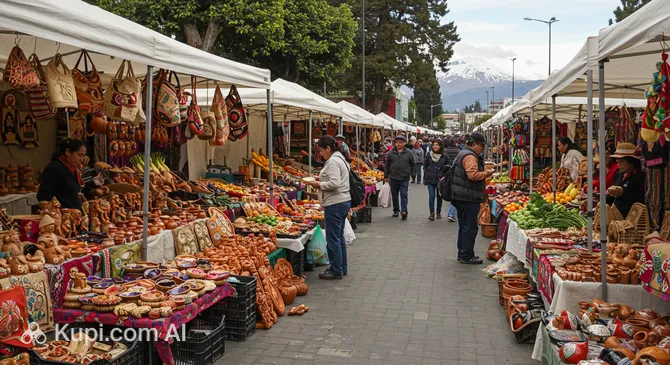
  • Living Mapuche Traditions. Modernity and the culture of the indigenous people are closely intertwined in the city. An excellent place to get acquainted with this heritage is the Fritz Market, where you can find authentic ceramics, textiles, and wooden products created by local craftsmen using ancient techniques.

  • Inspiration for Art. Villarrica has long been a muse for many Chilean artists and musicians. The breathtaking panoramas of the lake and mountains often become central themes in works of national art.

Fritz Market. Illustration.
Source: Kupi.com AI

Traveler photos:

How to Get There

When planning a trip to this picturesque corner of Chile, it is important to think about logistics in advance, as there is no direct air service to the city itself. You can find more details on how to get to Villarrica on our dedicated page, and below we look at the main flight options through neighboring transport hubs.

The most convenient option for most tourists is Temuco Airport (ZCO), located in the city of Temuco. This is the nearest air hub to the resort, situated about 54 km from Villarrica. The journey from here by taxi or transfer takes about 1 hour and 40 minutes. The airport serves a sufficient number of flights, making it the primary arrival point for travelers heading to the Araucanía region.

Another available option is Pichoy Airport (ZAL), located in the city of Valdivia. It is somewhat further away, at a distance of about 84 km from Villarrica. The travel time by car is approximately 2 hours and 30 minutes. This airport may be convenient if you plan to visit the coast as well, or if tickets to Temuco are sold out.

It is also worth mentioning a major international hub — San Carlos de Bariloche International Airport (BRC). Please note that it is located in the city of Bariloche (Argentina), about 226 km from Villarrica. This option is suitable for those making a grand tour of South America and who are prepared to cross the border between the countries.

For clarity, here is a summary of the main airports:

AirportPassenger trafficDistance
Temuco Airport504 14754 km
Pichoy Airport418 00084 km
Chapelco Airport318 166128 km
Canal Bajo Airport303 209164 km
San Carlos de Bariloche International Airport2.4 mln227 km

Main Attractions

Villarrica is a city where nature and the urban environment coexist in wonderful harmony. The main attractions here are closely linked to the picturesque lake and cozy public spaces, allowing tourists to enjoy the relaxed atmosphere of a resort without unnecessary hustle.

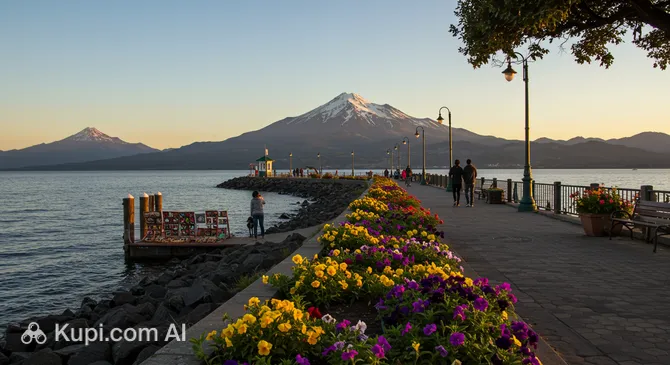
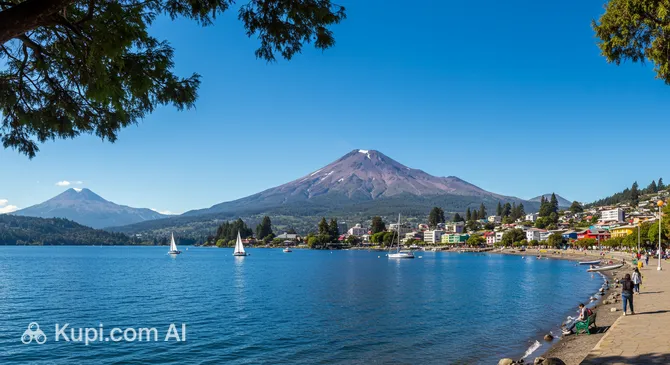
One of the main points of interest is the Villarrica Waterfront. It is an ideal spot for leisurely strolls, offering perhaps the most breathtaking view of the water and the majestic volcano looming in the distance. In summer, the area is full of life: travelers and locals come here to admire the sunsets, ride bicycles, or simply relax on benches while enjoying the fresh lake breeze.

Villarrica Waterfront. Illustration.
Source: Kupi.com AI

Traveler photos:

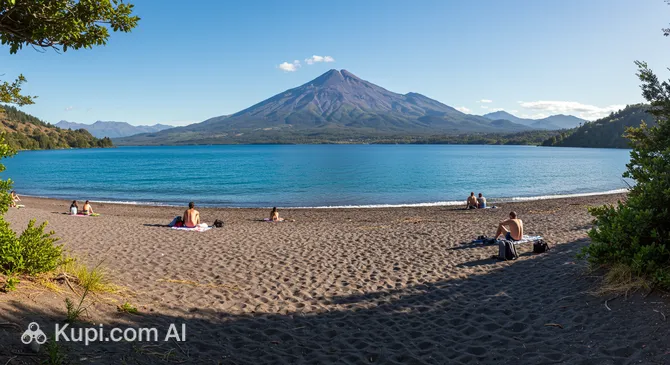
For lovers of sunbathing and water activities, Playa Blanca (Villarrica) is a must-visit. This beach, located on the lakeshore, is famous for its scenic views and calm environment. During the warm season, it is a popular hub for those wishing to swim or rent a kayak, while in the cooler months, the shore turns into a perfect spot for peaceful picnics and nature contemplation.

The true heart of city life is Villarrica's Plaza de Armas. This is not just an administrative center, but a well-kept green oasis where it is pleasant to hide in the shade of trees on a hot day. The square serves as a traditional meeting place and a venue for city events, allowing guests to experience the authentic and steady pace of life in the Araucanía region.

Local Cuisine

Villarrica's gastronomy is a harmonious blend of nature's generous gifts and the rich culinary traditions of southern Chile. Thanks to the proximity of the lake and numerous farms, the local menu is based on fresh fish and organic products. Travelers should definitely try the famous curanto—a hearty and aromatic dish of meat, fish, potatoes, and vegetables, which, according to ancient custom, is cooked on hot stones. No less popular are traditional Chilean empanadas—pastries with various fillings, ranging from gooey cheese to juicy meat or seafood.

Special flavor is added to the local cuisine by the recipes of the indigenous Mapuche people. Here you can discover unusual tastes, such as milcao potato pancakes or mocho cornmeal pies. Those with a sweet tooth will enjoy desserts based on natural honey and wild berries, which are abundant in this region. Villarrica is also famous for its smoked meats and homemade cheeses—these are best sought at farmers' markets, where street food and fresh fruit are also presented in abundance.

As for drinks, there is a great variety: from excellent varieties of Chilean wine to strong liqueurs infused with local berries. In the cooler months, especially after walks along the waterfront or active recreation in the mountains, hot chocolate and herbal teas with medicinal herbs collected in the foothills of the Andes become a true salvation.

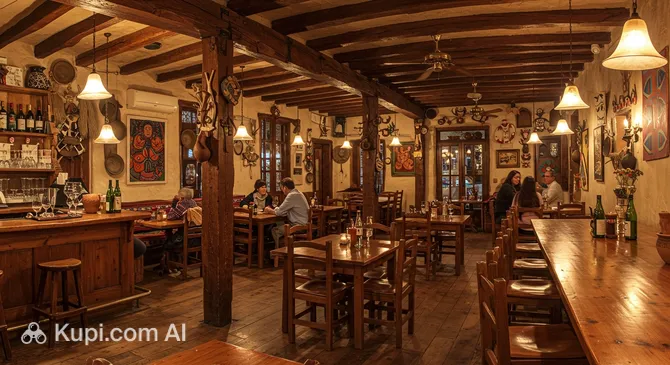
The city's gastronomic scene ranges from simple street stalls to atmospheric establishments. In summer, food festivals are often held here, where you can get acquainted with the creativity of the region's best chefs. If you are looking for a place for a pleasant evening with good food and drinks, pay attention to Delirium Tremens Resto Bar—a popular spot where you can have a great rest after a busy day.

Delirium Tremens Resto Bar. Illustration.
Source: Kupi.com AI

Traveler photos:

Travel Tips

To ensure your trip to this picturesque corner of Chile is as comfortable as possible and leaves only pleasant memories, we have gathered some practical recommendations. This region has its own unique character, which is worth considering when planning your trip.

  • Dress in layers. The weather in Araucanía is changeable even in the middle of summer. A sunny day can suddenly turn to rain or wind, and evenings by the lake can be cool. Be sure to bring a waterproof windbreaker, comfortable trekking shoes, and a warm sweater.

  • Sun protection. Don't be fooled by the cool mountain air: ultraviolet radiation is very strong here, especially at high altitudes and near the water. Sunscreen with a high SPF, a hat, and quality sunglasses are essential items in your gear.

  • Cash. While large supermarkets, restaurants, and hotels accept cards, you will need Chilean pesos to visit craft markets, small cafes, or buy souvenirs from local craftsmen. There are ATMs in the city, but it is better to have a small supply of cash with you.

  • Volcanic activity. Villarrica is located at the foot of an active volcano. This is not a cause for panic, but a cause for awareness. Monitor the color-coded alert levels from local authorities (SERNAGEOMIN) and always follow the instructions of guides if you are heading on a climb.

  • Transport. Public transport is reasonably well-developed, but to fully explore the surroundings—trips to remote thermal springs, waterfalls, or national parks—it is strongly recommended to rent a car. This will give you freedom of movement and the opportunity to see beauties hidden from the average tourist.

Don't forget that sockets here are typically types C and L (220V voltage), so an adapter may be required. And, of course, try to learn a few phrases in Spanish—local residents very much appreciate respect for their culture and language, even if you speak with an accent.

Entertainment & Nightlife

Villarrica is characterized by a calm and steady pace of life, so do not expect loud metropolis-style parties until dawn here. However, this does not mean the city goes to sleep at sunset. Nightlife here has its own special charm: it is cozy, friendly, and invites long, heartfelt conversations over a glass of Chilean wine or a mug of craft beer.

The main evening activity is concentrated in the city center, especially around Camilo Henríquez Street and Pedro de Valdivia Avenue, as well as near the waterfront. Here you will find the most popular bars and restaurants where both locals and travelers gather after climbing the volcano or relaxing by the lake. The atmosphere in these establishments is usually relaxed, the crowd ranges from young people to families, and the dress code is completely democratic: comfortable casual clothes are appropriate everywhere.

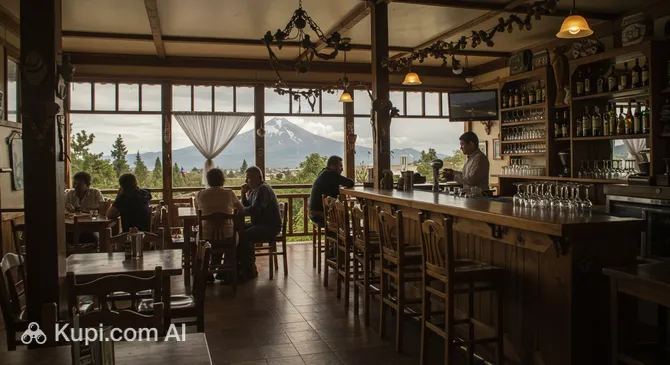
One of the iconic spots to include in your evening itinerary is Cafe-Bar 2001. This is an establishment with history and a classic pub atmosphere, where you can not only have a drink but also a hearty dinner. The place is famous for its hospitality and often becomes a gathering point for those looking for lively conversation and authentic local flavor.

Cafe-Bar 2001. Illustration.
Source: Kupi.com AI

Traveler photos:

Beer lovers and those seeking a laid-back environment should also check out Delirium Tremens Resto Bar. This is a popular bar with an excellent selection of beers and snacks, where pleasant music often plays, creating the right mood for relaxation. During the peak tourist season (January-February), life in such places is bustling until late at night, whereas in the low season, establishments may close a bit earlier, around midnight or 1:00 AM.

In terms of safety, Villarrica is a friendly city, and walking through the illuminated center in the evening is generally safe. Nevertheless, for returning to your hotel late at night, it is recommended to use official taxi services. Cars often wait for passengers near the square or large supermarkets, but it is more reliable to ask a bartender to call a verified radio-taxi for you. Trip prices around town are quite reasonable.

During the day, besides natural beauty, you can also spend time on cultural leisure. Although the selection of museums and theaters is modest, it is worth paying attention to the local Cultural Center (Centro Cultural) or small museum exhibits dedicated to the region's history and the heritage of the Mapuche people. This is a great way to diversify your holiday before diving back into the city's cozy evening atmosphere.

Parks & Museums

While Villarrica is primarily famous as a center for adventure tourism, the city and its surroundings offer guests wonderful opportunities to get acquainted with the natural wealth and cultural heritage of the region. Here, green zones transition smoothly into wild forests, while small museums and cultural spaces carefully preserve the history of indigenous peoples and early settlers.

The main natural treasure is undoubtedly Villarrica National Park, located in close proximity to the city. It is a protected area of over 60,000 hectares where you can see ancient Araucaria forests, volcanic caves, and lagoons. The park is ideal for trekking: trails lead travelers through dense thickets to the foot of the volcano, opening up breathtaking panoramas of the Andes. In winter, this place turns into a ski resort, and in summer, into a paradise for hiking enthusiasts.

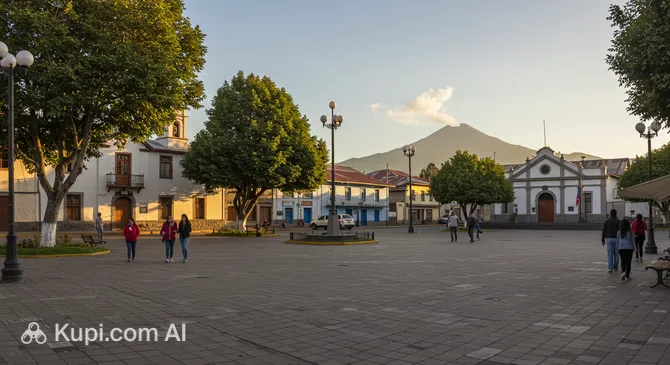
Right in the heart of the urban area, Villarrica's Plaza de Armas serves as a green oasis. This is not just an administrative center, but a true miniature botanical garden where various species of local trees and shrubs are planted. It is pleasant to hide from the sun here, watching the steady life of the city, or to admire the fountain and sculptures that decorate the alleys.

Villarrica Main Square. Illustration.
Source: Kupi.com AI

Traveler photos:

The city's cultural life is closely linked to the heritage of the Mapuche people. One of the key places to explore this theme is the Leandro Penchulef Museum (Museo Leandro Penchulef), located on the campus of the Pontifical Catholic University. Its collection features unique artifacts: silver jewelry, ceramics, textiles, and ritual objects that tell the story of the daily life and beliefs of the indigenous population. This is a small but very informative exhibition that allows for a deeper understanding of the spirit of Araucanía.

Another important cultural point is the Fritz Market. Although technically a trading platform, it essentially resembles an open-air ethnographic museum. Here you can not only see traditional architecture using shingles made from local wood but also observe craftsmen at work. It is a place where culture lives in every product, from woven baskets to carved wooden figures.

Among the architectural landmarks, the Villarrica Cathedral (Catedral de Villarrica) stands out. The building attracts attention with its modern architecture, which harmoniously combines Christian symbols with elements of Mapuche art, such as stained glass and mosaics. This is a place of silence and spirituality, interesting even for those far from religion due to its unusual design.

For those seeking authentic experiences, we suggest stopping by the Municipal Cultural Center (Centro Cultural Municipal). Temporary exhibitions by local artists, photographers, and sculptors, as well as musical evenings, are often held here. It is a great opportunity to see Villarrica through the eyes of its creative residents and perhaps attend a workshop on traditional crafts.

Getting Around

Villarrica's transport system is simple and understandable even for those who find themselves in this region for the first time. Since the city is relatively small, there is no metro or tram, and the main way to get around for locals and tourists is by bus and the shared taxis specific to Chile.

The most popular and convenient form of transport is colectivos. They look like ordinary black sedans but have a sign on the roof with a route number and a list of main stops. These cars run along fixed lines, like buses, but provide the comfort and speed of a taxi. You can stop them with a wave of your hand anywhere along the route if there are free seats (usually they hold up to 4 passengers). This is a great way to quickly get from the center to residential areas.

City buses, called micros here, also actively ply the streets. They are less maneuverable than colectivos, but the fare is slightly cheaper. Special attention should be paid to intercity buses connecting Villarrica with the neighboring resort of Pucón. These buses run very frequently (literally every 10–15 minutes in season) and depart from terminals in the city center or pick up passengers on main streets. This is the most budget-friendly way to travel between the lakes and the volcano.

The payment system here is conservative: cash only. Unlike the capital, where transport cards are used, in Villarrica, you pay the driver upon entry. The fare around the city is fixed and low. We strongly recommend always having small bills (1000 or 2000 pesos) and coins with you, as drivers often do not have change for large banknotes.

For trips at night or with luggage, it is better to use radio-taxi services. They can be found at special stands (for example, near supermarkets or in the square) or called by phone. Ride-hailing apps like Uber may work, but the number of cars is often limited, especially in the off-season, so you should not rely solely on them.

Given the compactness of Villarrica's center, many attractions, cafes, and the waterfront are within walking distance of each other. In summer, the bicycle becomes a great alternative: there are rental points in the city, and the terrain along the lake is flat enough for comfortable rides. If you plan to explore the surrounding national parks and waterfalls at your own pace, the most sensible solution is to rent a car.

Accommodation

The choice of accommodation in Villarrica will pleasantly surprise you with its variety and local color typical of southern Chile. The city offers options for every taste and budget: from affordable backpacker hostels and cozy family guesthouses (hospedajes) to comfortable boutique hotels. However, the most popular type of accommodation in this region remains "cabañas"—detached wooden cabins with a kitchen and sometimes a fireplace, which are ideal for families or groups of friends wanting to experience the atmosphere of country life.

When choosing an area, you should start from the goals of your trip. If walking distance to shops, cafes, and transport terminals is important to you, it is best to stay in the city center, near Villarrica's Plaza de Armas. This is a strategically convenient point from which it is easy to reach any part of the city and find everything you need for daily life.

For those who dream of waking up with a view of the lake and the majestic volcano, hotels and apartments located along the Villarrica Waterfront would be the ideal choice. More expensive and prestigious accommodation options are concentrated here. Living by the water allows you to enjoy scenic sunsets right from your balcony and be just steps away from the promenade areas.

Playa Blanca (Villarrica). Illustration.
Source: Kupi.com AI

Traveler photos:

Beach lovers and those seeking quiet should consider accommodation options a bit further from the center, for example, in the area of Playa Blanca (Villarrica). Here you can find cozy cabin complexes surrounded by greenery, providing privacy and direct access to the lake during warm summer days.

Booking Tip: Villarrica is an extremely popular destination among Chileans, especially during the peak summer season (January and February). During these months, demand for housing is enormous, and the best options are snapped up long before the trip. We strongly recommend booking your accommodation at least 2–3 months in advance if you plan to visit in the middle of summer.

The price range varies from budget options ($20–30 per night in a hostel) to mid-range and high-end ($100 and up for high-quality cabañas or a hotel). You can book accommodation through popular international online platforms; however, many small local cabin complexes prefer direct communication via messengers or social networks, where you can sometimes negotiate a better price for a long-term stay.

Nearby Cities

For those who want to explore the surroundings, Villarrica serves as an excellent starting point for day trips to several interesting nearby locations. The Araucanía region is rich in natural beauty and cultural attractions, which are easily accessible by car or public transport.

First and foremost, you should pay attention to Pucón, located just a 20-minute drive away. This resort town is considered the capital of adventure tourism in Chile: here you will find thermal springs, rafting, and even closer views of the volcano. If you are interested in urban rhythm and history, head to Temuco—the regional capital. Here you can visit a colorful market, museums dedicated to Mapuche culture, and the Pablo Neruda Railway Museum.

CityPopulationDistance
Pucón28 92322 km
Loncoche21 45836 km
Panguipulli11 09141 km
Cunco15 62842 km
Gorbea13 99044 km

These nearby destinations allow you to get an idea of the diverse culture and landscapes of the region, making your journey even more fulfilling.

Shopping & Souvenirs

Shopping in Villarrica is not about chasing global brands or high fashion, but rather an exciting immersion into local traditions and crafts. The city cannot boast of huge shopping malls, but it more than compensates for this with colorful markets, cozy shops, and stores featuring unique handmade goods. Here people buy things that carry the warmth of craftsmen's hands and the spirit of Mapuche culture.

The city's main commercial artery can be called Pedro de Valdivia Avenue (Avenida Pedro de Valdivia) and the adjacent Camilo Henríquez Street. Strolling here, you will find many shops with clothing, outdoor gear, pharmacies, and supermarkets. This is a lively area where it is convenient to combine the purchase of travel essentials with the search for gifts. Many retail outlets are concentrated around the center, with Villarrica's Plaza de Armas serving as a landmark—from here it is easy to reach most shops on foot.

There are no large shopping and entertainment centers in the usual sense in Villarrica. For large-scale shopping and well-known brand boutiques, locals usually travel to neighboring Temuco. In Villarrica itself, trade is concentrated in small galleries and passages, as well as in large chain supermarkets (e.g., Jumbo or Unimarc), where you can buy groceries, Chilean wine, and basic household goods.

A true treasure for tourists is the markets. The most famous and interesting among them is the Fritz Market, located near the waterfront. This place looks like an ethnographic village: the market stalls are built in a traditional style, and the variety of goods is impressive. Here you can not only buy souvenirs but also often see the masters themselves at work.

As souvenirs from Villarrica, it is worth bringing back items that reflect the culture of the region:

  • Wool products: Warm ponchos, hats, sweaters, and socks made from natural sheep's wool or alpaca wool are the perfect gift from this cool region.
  • Wooden crafts: Villarrica is famous for its wood carving. Look for kitchen utensils, decorative plates, and figurines carved from local wood species (e.g., raulí).
  • Mapuche silver: Traditional jewelry of the indigenous people, such as massive breast brooches or earrings, looks very stylish and original.
  • Gastronomy: Be sure to buy a jar of merkén (a smoked chili pepper seasoning), murta berry jam (a local berry), or natural honey.

Shops in the city usually open around 9:30 or 10:00 AM. Large supermarkets operate without breaks until 9:00 or 10:00 PM. However, small private shops and souvenir stores may close for "siesta" from 1:30 PM to 3:30 PM or 4:00 PM. On Sundays, many small shops are closed, but markets and supermarkets continue to operate.

As for payment, bank cards (Visa, Mastercard) are accepted without problems in supermarkets, hotels, and most restaurants. However, at artisanal markets and in small kiosks, terminals may be absent or work intermittently, so it is highly recommended to have Chilean pesos in cash, especially small bills.

The Tax Free system (VAT refund for purchases) in Chile is not as widespread as in Europe, and in regular Villarrica shops, you will not be able to use it. The prices on tags are final and include tax (IVA). Foreign tourists can only get a tax discount (19%) when paying for hotel stays in US dollars or with a foreign bank card, but this rule rarely applies to retail goods.
Reached the end of the page?

That means the route is fully explored