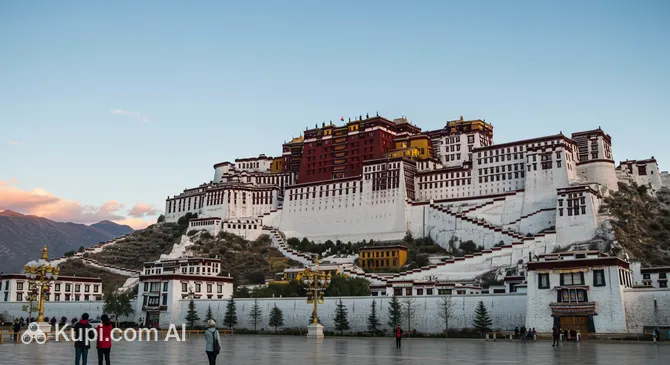
The Potala Palace is a majestic architectural ensemble and an iconic historical monument located in Lhasa, the administrative center of the Tibet Autonomous Region of China. Rising on the Red Hill (Marpo Ri) more than 130 meters above the surrounding valley, the palace dominates the cityscape and offers breathtaking views. It is rightfully considered a symbol of Tibetan culture and spirituality, as well as one of the most impressive and recognizable structures in Asia.
Traveller photos:
Historically, the Potala Palace served as the winter residence of the Dalai Lamas and the center of the Tibetan government. The complex consists of two main parts: the White Palace (Potrang Karpo) and the Red Palace (Potrang Marpo). The White Palace contained the Dalai Lama's living quarters, his offices, reception halls, and other administrative rooms. The Red Palace, the heart of the complex, is entirely dedicated to religious activities and contains numerous chapels, prayer halls, the reliquary stupas of previous Dalai Lamas, and extensive collections of sacred texts and artifacts.
The architectural style of the Potala Palace is unique and monumental. Its massive walls, tapering toward the top, and distinctive facades painted in white and red create a unique and memorable appearance. Inside the palace, there are over a thousand rooms decorated with exquisite frescoes, statues, thangkas (Tibetan scroll paintings), and other works of art reflecting Tibet's rich history and deep spiritual traditions. A visit to this sacred place leaves an indelible impression and offers a glimpse into a centuries-old culture.