Support

May Fourth Square

Nearby places of interest

About

May Fourth Square (also known as Fourth of May Square) is one of the most famous and symbolic landmarks of Qingdao, located in China. This large public space is situated in the coastal part of the city and is a popular spot for both locals and tourists. The square was named in honor of the May Fourth Movement of 1919—a significant event in Chinese history.
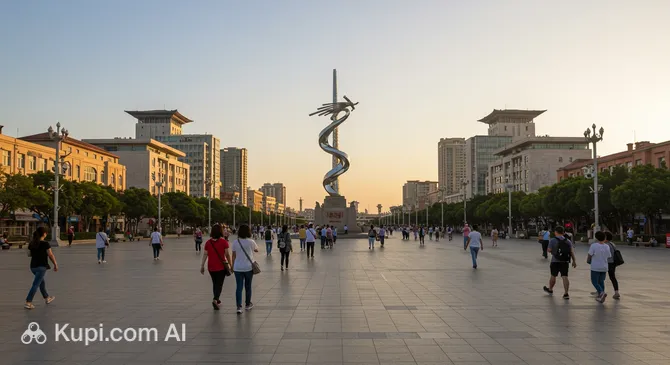
May Fourth Square. Illustration.
Source: Kupi.com AI

Traveller photos:

The central element and main architectural focal point of the square is the famous bright red sculpture "May Wind". This expressive piece of modern art has become not just a symbol of the square itself, but also a hallmark of all of Qingdao. Due to its impressive size and vibrant color, the monument is easily visible from afar and is a favorite subject for photography.

May Fourth Square is more than just an open space; it is an important place for relaxation, walking, and hosting various city events. Visitors can enjoy the sea breeze, admire the modern city skyline, and feel the dynamic pace of life in this coastal metropolis. This location offers a chance to experience modern Chinese culture and see one of the most striking symbols of Qingdao.

Contacts

May Fourth Square is a well-known public space in Qingdao, so specific contact details for visitors are not usually provided. The square is easily accessible by public transport or taxi as it is located in a central and convenient part of the city. For up-to-date information on events held at the square or other details, it is best to contact local tourist information centers.

How to contactContact
Address396M+RW6, Dong Hai Xi Lu, Shi Nan Qu, Qing Dao Shi, Shan Dong Sheng, China, 266071

What to Do

May Fourth Square in Qingdao is an iconic location that offers visitors a variety of experiences. Here, you can take a leisurely stroll through spacious alleys while enjoying magnificent views of the Yellow Sea and the impressive panorama of modern city development. The square is a wonderful place to relax, observe the city's daily life, and immerse yourself in its dynamic atmosphere.

The center of the square features the famous "May Wind" sculpture, which has become a symbol of Qingdao and a favorite photo spot for both tourists and locals. May Fourth Square often serves as a venue for various city events, vibrant festivals, and concerts. As evening falls, the facades of surrounding buildings come to life with colorful light shows, creating a magical atmosphere.

Beyond the square itself, there are many interesting activities to be found in the immediate vicinity. Foodies will appreciate the chance to try fresh seafood at local restaurants. Additionally, it is easy to reach other significant landmarks of Qingdao from here, such as the Olympic Sailing Center and the scenic promenade, which is perfect for walking.

Getting There

Getting to May Fourth Square in Qingdao is quite simple, as it is located right in the city center on the picturesque coast. This makes it highly accessible for tourists wishing to visit one of Qingdao's key attractions. The square serves as a major transport hub and a popular meeting spot.

The most convenient way to reach May Fourth Square is by public transport. Numerous city bus routes pass through this area. Additionally, you can take the metro and get off at the station named "May Fourth Square" (in Chinese 四方广场). A trip from the city's main tourist areas usually takes about 10 to 20 minutes, depending on your location and chosen mode of transport.

For those arriving in Qingdao from other cities in China, the best option is to take a taxi or book a transfer from the railway station or Liuting International Airport. The square is located in close proximity to many popular hotels and other iconic landmarks in Qingdao, making it easy to include in a walking route around the city and enjoy a stroll along the waterfront.

Nearest city: Qingdao

History & Facts

May Fourth Square in Qingdao is more than just a city landmark; it is an important symbol in the history of all of China. It was named after the May Fourth Movement of 1919, a pivotal moment in modern Chinese history. On this day, mass student protests broke out in Qingdao, as in many other cities across the country. These demonstrations were a response to the decisions of the Paris Peace Conference, which transferred former German concessions in Shandong to Japan rather than returning them to China.

The events of May 4, 1919, quickly grew into a nationwide movement uniting students, workers, and intellectuals. Participants advocated not only against unfair international decisions but also for deep internal transformations: modernizing the country, moving away from outdated traditions, and strengthening national sovereignty. The protests in Qingdao became a vital part of this wave of patriotic fervor, demonstrating the Chinese people's desire for independence and renewal.

The central element of the square is the impressive red spiral sculpture titled "May Wind" (五月的风). This monumental composition symbolizes the strength of the people's spirit, the quest for freedom, and the patriotism that drove the participants of the May Fourth Movement. The bright red color of the sculpture is associated with the fire and energy of change. "May Wind" serves as a constant reminder of the importance of civic engagement and the historical events of the early 20th century that had a profound impact on China's subsequent development.

Today, May Fourth Square is a popular recreation spot for locals and a must-see for tourists visiting Qingdao. It is located on the shores of the Yellow Sea, offering beautiful views of the city's promenade and modern architecture. Beyond its historical significance, the square attracts visitors with its atmosphere, serving as a venue for various city events and holidays, and continues to be a symbol of modern China's dynamic development.

Time Needed

When planning a visit to May Fourth Square in Qingdao, you should expect to spend about 1-2 hours exploring it and seeing its main features. This is usually enough time to leisurely walk around the entire area, take memorable photos with the famous "May Wind" sculpture, and enjoy the sea views.

During this time, you will be able to appreciate the scale of the square, soak in its atmosphere, and perhaps watch locals who often come here to relax or practice Tai Chi. If you wish to stay longer—for example, to sit on one of the benches and watch the sunset or visit nearby cafes—your visit could naturally take more time. However, for a basic introduction to the square itself, the suggested time is quite sufficient.

Working Hours

May Fourth Square in Qingdao is a public space and is generally open to visitors at any time, meaning 24/7. This allows city guests and locals to enjoy its atmosphere and iconic landmarks, such as the "May Wind" sculpture, whenever it is convenient for them. No special booking or tickets are required to visit the square itself, as entry is free.

Although the square is always open, it is worth noting that various events, such as light shows or city festivals, are most often held in the evening. For the most up-to-date information on the schedule of such events or any temporary restrictions related to them, it is recommended to check local announcements or tourist information centers in Qingdao.

Nearby

Visiting iconic landmarks like May Fourth Square is often the highlight of a trip. However, to truly feel the atmosphere of Qingdao and make your journey even more fulfilling, it is worth paying attention to nearby attractions. Exploring the surrounding area will allow you to discover new interesting corners, dive deeper into the local culture, and get a more complete picture of the city.

It is common to find other notable sites—from historical monuments and museums to cozy parks and colorful markets—just a few steps or a short ride away from the main tourist site. This is a wonderful opportunity to expand your itinerary and enrich your experience of visiting Qingdao.

Near May Fourth Square, you can also visit the following interesting sites:

NameDistance
Tsingtao Brewery Museum3.9 km

Things to see in nearby cities

Reached the bottom of the page?

Looks like you know this route inside out