Support

Qujing

About

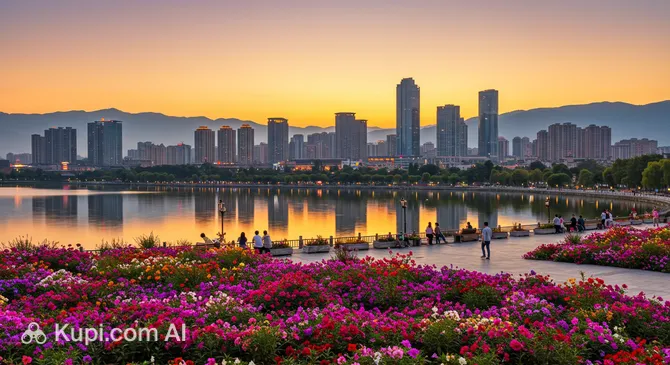
Qujing is an amazing combination of a rapidly growing metropolis and untouched natural beauty, located in the heart of Yunnan Province. Situated on the picturesque Yunnan-Guizhou Plateau at an altitude of about 1,900 meters above sea level, this city in China welcomes guests with fresh mountain air and the hospitality of numerous ethnic groups. With a population of over 6 million people, it is the second most important economic center of the region, while retaining the charm of ancient trade routes.
Qujing
Qujing. Иллюстрация. Источник: Kupi.com AI

The city attracts travelers with its unique landscape: here, modern skyscrapers stand alongside fantastic karst mountains and quiet lakes. The history of the city has many pages related to its strategic position on the way to Southeast Asia, which made it a melting pot of cultures for the Zhuang, Miao, and Buyi peoples. Visiting this region offers a rare opportunity to see authentic China without the crowds of tourists typical of the coastal provinces.

Among the key features of Qujing, its famous hot springs and proximity to the headwaters of the Pearl River are worth highlighting. The city is ideal for those seeking a balance between urban comfort and active outdoor recreation. We invite you to embark on a journey through this dynamic region to personally experience its cultural diversity and natural riches.

Weather Overview

The climate of Qujing is determined by its location on a high-mountain plateau, which gives the city mild and pleasant conditions for most of the year. There is no exhausting tropical heat, and the seasons change quite smoothly. You can find more detailed information by studying the weather in the city by month.

A typical summer in Qujing is moderately warm with daytime temperatures ranging from 18–26°C. This is the monsoon period, so expect frequent, but usually short-lived, rains. Winters here are dry and mild: the thermometer rarely drops below 5–15°C during the day, although frosts are possible at night. Precipitation in the winter period is minimal, making this time of year excellent for excursions.

The best time to visit is considered to be autumn (September–November), when stable clear weather sets in with comfortable temperatures around 15–20°C. Spring is also attractive for tourists; however, at this time, you should be prepared for windy weather and sharp temperature fluctuations between day and night.

Average monthly temperature

Average monthly precipitation

Interesting Facts

  • Qujing is a vital railway hub in southwest China, connecting the country's inland provinces with key ports and trade centers in Southeast Asia.

  • The city is located at an impressive altitude of about 1,900 meters, which provides it with cool summers even when the rest of the country is experiencing sweltering heat.

  • More than eight major ethnic groups live in this region, including the Yi, Hui, and Yao peoples, whose traditions and festivals create the unique cultural character of Qujing.

  • Qujing is considered the gateway to the famous karst landscapes of Yunnan, which began forming millions of years ago and are now listed among the region's natural treasures.

How to Get There

Qujing is an important transport hub that provides excellent connections between Yunnan Province and the rest of the country. Modern highways and an extensive railway network are available to travelers. For more detailed information on routes, you can explore the detailed section on how to get to the city.

The main aviation hub is Qujing Longbanshan International Airport. It is located about 15 km from the city center and handles regular flights from Beijing, Shanghai, and Guangzhou. From the airport, it is most convenient to reach the center of Qujing by taxi or special express buses that run throughout the day.

Railway communication is the pride of the region. Qujing Main Station serves both traditional trains and modern high-speed trains. From here, you can quickly and comfortably reach the provincial capital, Kunming, or head toward Guizhou Province. The station is located within the city limits, making it easy to transfer to local public transport or a taxi.

If you are arriving from abroad, the most convenient option would be to fly into Kunming International Airport (KMG), which is located about 250 km away. From Kunming to Qujing, high-speed trains run regularly, with a travel time of just over an hour.

Main Attractions

One of the most picturesque locations in the vicinity of the city is Nanpan Lake. This body of water, surrounded by whimsical karst hills, has become a favorite spot for photography enthusiasts and boat trips. Tourists come here to enjoy the silence, go fishing, or simply stroll along the well-maintained embankments, admiring the reflection of the mountains in the mirror-like surface of the water.

For those seeking relaxation, the Qujing Renhe resort is a must-visit. It is famous for its healing hot springs. The mineral waters here are rich in beneficial elements, and the baths themselves are located outdoors, surrounded by lush greenery, allowing you to combine wellness treatments with contemplation of the beautiful Yunnan landscapes.

The Qujing Museum will help you dive into the rich past of the region. The museum's exhibition covers a huge span of time — from ancient artifacts to the everyday objects of modern ethnic minorities. Special attention should be paid to the halls dedicated to the culture of local peoples, where unique national costumes and folk crafts are presented. In addition, the city's surroundings abound with karst caves, the exploration of which will be a real adventure for speleology fans.

Local Cuisine

Qujing's gastronomy is a vibrant reflection of Yunnan Province's traditions, where the emphasis is on the freshness of ingredients and an abundance of spices. The main dish that cannot be missed is rice noodles. Here they are served in dozens of variations: from classic spicy soups to stir-fried noodles with wild mushrooms. By the way, mushrooms are a hallmark of the region; thanks to the plateau's humid climate, rare varieties are harvested here and added to stews and hot snacks.

Meat lovers should try local lamb or beef dishes cooked over an open fire with pepper blends. Fish delicacies caught in local lakes are also popular. The general character of the cuisine can be described as moderately spicy and rich, with active use of herbs and roots that have medicinal properties.

Street markets and night food quarters play an important role in Qujing's food culture, where you can try authentic snacks on the go. As for drinks, the absolute leader is Pu'er tea, which is grown in neighboring areas. It is also worth tasting local rice wine, which has a soft and slightly sweet taste. For those who prefer classic restaurants, many establishments specializing in Yunnan "hot pot" are open in the city center.

Travel Tips

Preparing for a trip to Qujing requires attention to detail to ensure your journey through Yunnan is as comfortable as possible. We have gathered key tips for you to help navigate this unique region.

  1. Clothing and gear: Due to the high-altitude location, the weather can be changeable. It is recommended to bring clothes that can be worn in layers. Even in summer, evenings can be cool. Be sure to bring comfortable shoes for walking in the hills and sunscreen.
  2. Transport: The easiest way to get around is the Didi app. For buses, prepare small change in advance or install Chinese payment apps.
  3. Finance: The official currency is the Chinese Yuan (CNY). International payment system cards are rarely accepted, so link your card to Alipay in advance or have a supply of cash.
  4. Health and Safety: The city is safe for tourists, but due to the altitude of 1,900 meters, slight acclimatization is possible in the first days. Drink more water and avoid excessive exertion.
  5. Communication: English is not common here. Be sure to download an offline translator and save screenshots of addresses in Chinese.
  6. Local Etiquette: Greet people with a slight nod. In temples, maintain silence and do not take photos where it is prohibited.
  7. What to avoid: Do not engage in discussions on political topics and do not photograph military or government facilities.
  8. Extra tip: Try to visit a local morning market — it's the best way to see the real life of the city and try the freshest products.

Qujing will give you a lot of bright impressions if you show a little curiosity toward local traditions and stay open to a new cultural experience!

Entertainment & Nightlife

Leisure in Qujing is oriented toward lovers of nature and cultural exchange. During the day, city life revolves around park areas and the shores of Nanpan Lake, where you can rent a boat or ride a bike. For family vacations, modern entertainment centers with play areas and cinemas located in the central part of the city are excellent.

The evening atmosphere of Qujing unfolds in its gastronomic quarters and karaoke zones. Residents of the city love to sing, so KTV centers can be found on almost every major street. For those who prefer a more relaxed vacation, numerous bars and tea houses serve famous Yunnan tea accompanied by live traditional music.

Safety in the city is at a high level, making night walks along the illuminated central streets pleasant and peaceful. If you plan to return to your hotel late at night, it is best to use official taxi services. For fans of bright spectacles, it's worth planning a trip during local festivals, when the streets turn into stages for folk dances and festive processions of ethnic minorities.

Parks & Museums

The central place in the city's natural appearance is occupied by the park at Nanpan Lake. This is an extensive recreational zone where karst cliffs gently slope down to the water. For visitors, there are convenient walking paths, observation decks, and shaded gazebos in a traditional style. The park is ideal for morning jogs or quiet evening strolls when the setting sun paints the mountains in golden tones.

For a deep dive into the ethnography of the region, we recommend visiting the Qujing Museum. This is not just a repository of antiquities, but a modern space telling the story of the life and beliefs of the Zhuang and Miao peoples. The museum's halls feature rare examples of embroidery, musical instruments, and historical documents that help explain how this important node on the path from China to Burma and Laos was formed.

It is also worth looking into the city gardens and small squares scattered throughout Qujing. In them, you can often see locals practicing Tai Chi or playing Mahjong. These green islands allow you to feel the leisurely pace of life in provincial yet prosperous China.

Getting Around

The public transport system in Qujing is represented by an extensive network of bus routes that connect residential areas with the railway station and major attractions. Buses are the most economical way to get around, but it's worth noting that signs and stop names are most often duplicated only in Chinese characters. For navigation, tourists are strongly recommended to use mobile maps.

Taxis are the most convenient and fastest option for traveling around the city. Cars can be caught directly on the street or called through the popular Didi Chuxing app. The cost of rides is quite affordable, but it's important to remember that drivers rarely speak English, so it's better to have the address of your hotel or destination written in Chinese characters. The city is also actively developing electric scooter and bicycle rentals, which is convenient for short trips around the center.

For trips to the suburbs and natural parks, it is best to use intercity buses departing from the central bus station. Payment in city transport is made in cash (through coin receivers at the driver) or using QR codes in payment systems, which have become the standard for all of China. Transport starts running early in the morning and finishes around 21:00–22:00, after which taxis remain the main method of transportation.

Accommodation

The hotel infrastructure in Qujing is capable of satisfying the needs of various categories of travelers. The city center is dominated by modern business hotels and large hotel complexes of 4 and 5-star levels, which offer a high standard of service, gyms, and restaurants with national cuisine.

For tourists who prefer proximity to transport hubs, hotels near the main railway station are an excellent choice. Here you can find both high-quality mid-range chain hotels and budget guesthouses. If your goal is relaxation in nature, it's worth paying attention to resort hotels near Nanpan Lake or in hot spring zones, where an atmosphere of peace and relaxation prevails.

When planning your trip, be sure to book accommodation in advance if your visit falls during the "Golden Week" (early October) or Chinese New Year. During these times, demand for quality rooms increases significantly, and prices may rise. On ordinary days, you can book a hotel through popular international services or directly through Chinese travel platforms.

Nearby Cities

Qujing is an ideal starting point for traveling to the unique corners of Yunnan Province and neighboring Guizhou. A developed network of high-speed roads allows you to plan packed day trips, returning in the evening to the comfort of a city hotel.

The first place to head is the provincial capital — the city of Kunming. The trip by high-speed train takes only about 1 hour. Kunming, known as the "City of Eternal Spring," will delight you with walks along the shores of Lake Dianchi and visits to the famous flower market. This is a great place to get to know a major Chinese metropolis that has preserved the coziness of parks and ancient temples.

For lovers of unusual natural landscapes, the city of Xingyi, located in the neighboring province, is an excellent choice. To get there, it is most convenient to use an intercity bus or train (travel time about 2-3 hours). The main goal of the trip here is the Maling River Canyon and the "Forest of Ten Thousand Peaks." These are fantastic karst formations that are considered among the most beautiful in the world.

Another unique destination is Dongchuan, famous for its "Red Lands." The journey by car or bus will take about 2 hours. People come here for the incredible landscapes: the oxidized soil has a bright red color, which, combined with green crops, creates surreal canvases, especially loved by photographers.

Don't miss the opportunity to explore the surroundings of Qujing: each of these destinations will reveal a new facet of multifaceted China — from ultra-modern cities to breathtaking natural wonders.

Shopping & Souvenirs

Shopping in Qujing is an exciting quest for unique items that combine modern trends and centuries-old traditions. The city is famous for its folk crafts: here you can buy magnificent textiles with handmade ethnic minority embroidery, original ceramics, and wood products. Local spice and tea markets deserve special attention, where the aroma of the famous Pu'er mixes with the scents of dried herbs and mushrooms.

The main shopping arteries are concentrated in the central part of the city. Here you will find modern shopping complexes featuring both popular Chinese clothing and electronics brands, as well as international labels. Stores usually operate from 10:00 to 21:00 or 22:00, and payment is most often made through Alipay or WeChat Pay mobile apps, although cash yuan is also accepted in most places.

As souvenirs from Qujing, tourists most often bring high-quality Yunnan tea, calligraphy sets, and silver jewelry made by local craftsmen. Don't forget to visit food stalls to buy dried mushrooms or unique sauces that will help recreate the taste of Yunnan cuisine when you return home. The Tax-Free system in the city is poorly developed, so it's best to focus on direct purchases in stores.

Reached the end of the page?

That means the route is fully explored