Support

Arboletes

About

Arboletes is a true jewel of the northwest coast, snugly nestled right on the Caribbean Sea. Located in the department of Antioquia on the border with Córdoba, this town is often called the gateway to a tropical paradise. If you are planning a trip to Colombia and looking for a place where lush nature meets a warm sea, this corner of the world is an ideal choice.
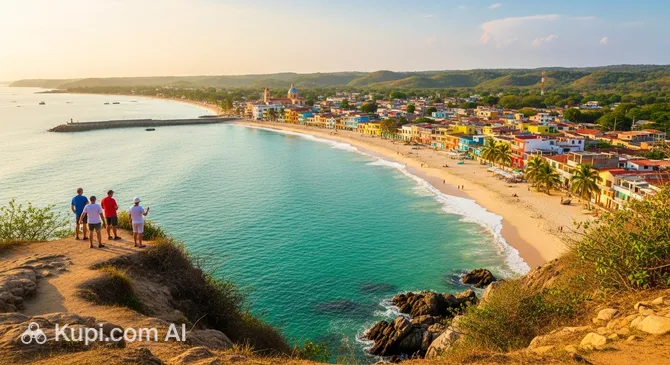
Arboletes. Illustration.
Source: Kupi.com AI

With a population of about 44,560 people, Arboletes retains the charm of a small but welcoming town. There is no hustle and bustle of megacities or excessive crowds of tourists here, allowing you to immerse yourself in an authentic atmosphere and experience the genuine friendliness of the locals. The climate here is perfect for relaxation all year round, gifting guests with warmth and sunny days.

The city's main pride is its magnificent beaches with clean sand and endless palm groves that provide perfect shade. However, it's not just nature that attracts travelers here. The unique history of Arboletes is closely intertwined with the region's geological features, as one of its most famous attractions is a mud volcano. Bathing in its crater is considered the city's trademark and, according to locals, possesses healing properties.

Arboletes offers a wonderful combination of relaxed beach holidays and the opportunity to touch the original culture of the region. It is a place where you can forget about your worries while enjoying the gentle sun and the steady rhythm of coastal life. Be sure to include this town in your itinerary if you are looking for tranquility and new experiences.

Weather Overview

Arboletes features a hot and humid tropical climate that delights warmth-lovers throughout the year. The temperature range is remarkably consistent: average figures fluctuate around 27°C, with daytime temperatures usually warming up to 28–29°C, while nights remain comfortably warm with temperatures not falling below 25°C. Cold weather practically never occurs here, so you are unlikely to need warm clothing.

The main difference between seasons lies in the frequency of rain. The beginning of the year, especially February, is considered the driest period, when the number of rainy days is minimal (about 5 days). However, starting from April and all the way through December, humidity increases. If you are interested in detailed weather in Arboletes to choose your travel dates, note that from May to October, rain can fall almost daily.

Expect consistently high air temperatures year-round, but be prepared for frequent precipitation from late spring to mid-autumn. During this time, short tropical downpours refresh the air without hindering your enjoyment of the holiday, provided you have an umbrella or raincoat handy.

Average monthly temperature

Average monthly precipitation

Interesting Facts

In addition to its main attractions, Arboletes holds many fascinating secrets and legends that reveal themselves only to inquisitive travelers. Here are a few facts to help you better understand the soul of this place:

  • A Natural Fountain of Youth. The Arboletes mud volcano is not just a geological wonder but also a local "elixir of youth." Residents are convinced that bathing in the dense volcanic mud has healing properties and rejuvenates the body. This is one of the few places in the country where you can take such baths right on the seashore.

  • "City of Trees." The city's name has descriptive roots: it comes from the Spanish word "árbol" (tree). Historians believe this name was given because of the impenetrable tropical forests that once completely covered this territory, creating a green canopy over the land.

  • Pirate Past. Local legends say that the tangled mangroves of the coast once served as the perfect hiding place for pirates. Old-timers tell stories of mysterious artifacts and remains of ancient boats still being found in the coastal zone, reminding people of the days of sea raiders.

  • Home of Sea Turtles. Arboletes is an important spot for ecotourism not only because of its birds but also thanks to sea turtles. The quiet beaches surrounding the town serve as a place where these amazing creatures return year after year to lay their eggs, continuing the eternal cycle of life.

How to Get There

When planning a trip to the Caribbean coast of Antioquia, it is important to think through the logistics in advance, as direct access to the city has its specific characteristics. You can find all the ways to get to the city on our dedicated page, and below we will look at the main air hubs that are most convenient for building your route.

There is no airport in the town of Arboletes itself, so travelers usually fly into neighboring large cities. The closest and most convenient option is Los Garzones Airport (IATA: MTR), located in the city of Montería. It is about 66 km from Arboletes. A trip from the terminal to the city center by taxi or bus will take about 2 hours. This is the optimal choice for those flying on domestic flights from Bogotá or Medellín.

If you are planning an international flight, it makes sense to consider arriving via Rafael Núñez International Airport (IATA: CTG) in the city of Cartagena. Although it is located about 202 km from Arboletes, it is the region's largest transport hub, receiving many flights from abroad. The journey from here to the resort will take significantly longer — approximately 5 hours and 25 minutes by road.

For clarity, here is summary information on the main airports located relatively close to the resort:

AirportPassenger trafficDistance
Los Garzones Airport1.5 mln66 km
Tolu Airport110 000118 km
Apartado Airport186 174119 km
Corozal Airport26 419136 km
Monte Libano5 000146 km

Main Attractions

Arboletes is not the kind of place where you will find massive shopping malls or noisy amusement parks. The charm of this town lies in its unique natural treasures. The main points of interest here are connected to the geology and ecosystem of the coast, offering tourists experiences that are hard to replicate in other parts of the country.

Mud Volcano (Volcán de Lodo) — undoubtedly the most famous attraction and the symbol of the city. Its unique feature is its location: the crater is situated literally on the edge of the beach, just a few meters from the sea waves. The density of the mud in the volcano is so high that it is impossible to sink — your body is simply pushed to the surface, creating a weightless effect. After taking a "bath," which is considered therapeutic and beneficial for the skin, tourists head straight to the sea to wash off the mud. This rare combination of natural spa treatments and beach relaxation makes it a must-visit spot.

After the volcano, it is worth spending some time on the city beaches of Arboletes. The coastline here is wide and sandy, framed by dense palm groves that reach right down to the water. The sea in this area is usually calm and warm, making it safe for family vacations. The beaches are perfect for long walks at sunset when the sky over the Caribbean is painted in incredible shades.

For nature lovers, the Hobo River (Río Hobo) will be an interesting discovery. The mouth of this river, which flows into the sea near the town, is a picturesque ecosystem with mangroves. It is an excellent spot for ecotourism: here you can rent a small boat or kayak to enjoy the silence, observe the birds, and see where the fresh river waters mix with the salty waters of the Caribbean basin.

Local Cuisine

The cuisine of Arboletes is a true gastronomic celebration, where vibrant Caribbean traditions and the bounty of local nature intertwine. The foundation of the menu here is the freshest seafood, which reaches the table just a few hours after being caught. Travelers should prepare for an abundance of fish, shrimp, mussels, and crabs, which are prepared with special care, often right over an open fire or grill along the coast.

The main dish that is a must-try is Sudado de pescado. This is a thick and hearty fish soup stewed with vegetables, potatoes, and spices. A special piquancy and tender texture are added to the broth by coconut milk — an ingredient that is essential to the cuisine of this region. The recipe for this dish is often passed down from generation to generation, and every establishment prepares it in its own way, adding secret components.

For a filling breakfast or a quick snack after a swim, the famous Arepa de huevo is perfect. This golden corn cake with an egg inside is fried in oil until crispy and is a street food classic. You can find this treat at local markets and in small kiosks along the waterfront, where the aroma of fresh baking mixes with the sea breeze.

In the hot tropical climate of Arboletes, it's impossible to get by without refreshing drinks. The best way to quench your thirst is natural coconut water, often served right in the green nut. For those with a sweet tooth, keep an eye out for freshly squeezed juices from exotic fruits: mango, papaya, guanabana, and passion fruit. Locals are so proud of their fruits that they often hold gastronomic festivals where you can taste the wide variety of gifts from this fertile land.

Travel Tips

Welcome to Arboletes! To make your trip to this colorful corner of the Caribbean coast of Antioquia as comfortable and carefree as possible, we have prepared a list of practical recommendations. These tips will help you adapt more quickly to the local pace of life and avoid common tourist mistakes.

  1. Clothing and gear for the volcano. Given the hot tropical climate, bring light clothing made of natural fabrics (cotton, linen). The most important tip concerns the main attraction: for a visit to the mud volcano, bring an old swimsuit that you don't mind ruining. Volcanic mud is very dense and can be difficult to wash out of light fabrics.

  2. Transport nuances. Arboletes is a small city, and it is pleasant to move around its center on foot. For trips to the beaches or the surrounding areas, the most popular transport is moto-taxis (mototaxis). This is cheap and fast, but be sure to agree on the price of the trip with the driver before boarding to avoid misunderstandings.

  3. Cash is king. Although some hotels and large restaurants may accept cards, cash rules in Arboletes. Local kiosks, fruit vendors, and moto-taxi drivers only work with Colombian pesos (COP). There are ATMs in the city, but they may not work or may run out of cash, so it is better to withdraw money in advance in Montería or Medellín.

  4. Health and water. Due to the high humidity and proximity to nature, there are many insects here. Be sure to put a high-quality repellent in your first-aid kit and use it before evening walks. Drinking tap water is not recommended — buy bottled water in supermarkets to avoid ruining your vacation with an upset stomach.

  5. Language barrier. Practically no English is spoken in Arboletes. Locals are very friendly and will try to understand you, but for communication, it is better to install an offline translator on your phone. Knowing basic words such as "Hola" (hello), "Gracias" (thank you), and "Cuanto cuesta?" (how much does it cost?) will make your life much easier.

  6. Local etiquette and pace of life. Life on the coast flows slowly and steadily. Don't rush waiters in cafes or staff at the hotel — it is not customary to hurry here. When entering a shop or boarding transport, it is customary to say hello. Politeness and a smile open any doors here faster than persistence.

  7. What to avoid. Do not leave valuables unattended on the beach when you go swimming, especially if the beach is crowded. Also, avoid walking in unlit and remote parts of the shoreline after dark — it is better to stick to central tourist zones.

  8. Hack after the volcano. After dipping into the mud crater, it is customary to go down to the sea to wash off the mud. Local women ("lavadoras") often wait on the shore and, for a small fee (propina), will help you clean off. Do not refuse their services — washing sticky mud out of your ears and off your back by yourself can be very difficult, and for the locals, this is a traditional way to earn a living.

By following these simple tips, you can fully focus on your vacation and enjoy the unique atmosphere of Arboletes. May your journey be filled with bright colors, a warm sea, and pleasant encounters!

Entertainment & Nightlife

Nightlife in Arboletes is a bright reflection of the Caribbean temperament: loud music, dancing until dawn, and a warm, friendly atmosphere. You won't find pretentious private clubs with face control here; instead, the town offers authentic Colombian "rumba," where the boundaries between the establishment and the street often blur. The fun starts around 9–10 PM when the daytime heat subsides and continues until late at night.

The epicenter of evening activity is the area around Parque Principal (the Main Square) and the adjacent "Zona Rosa." This is where most bars and discos are concentrated. A second popular location is the waterfront and beach area, where open-air kiosks and cafes are located. Here you can enjoy music to the sound of the surf while sipping a cold beer or a traditional cocktail. The crowd in these establishments is very diverse: from local fishermen and youth to tourists from all over Colombia, creating a sense of a universal celebration.

The musical accompaniment of an evening in Arboletes is an explosive mix of genres. Vallenato, champeta, reggaeton, and salsa blast from speakers at full volume. There is no dress code in most places: shorts, light shirts, and sandals are the most appropriate attire. If you want to feel the local flavor, stop by the traditional estaderos — open-air bars with a dance floor where it is common to order a bottle of aguardiente (anise-flavored spirit) for the table and dance between the tables.

While specific venue names may change, look for the liveliest spots. Be sure to walk along the beach line toward the mud volcano — there are often straw-roofed bars there offering excellent sunset views. In the city center, look for establishments with open terraces overlooking the square: these are the best places to observe city life and meet local residents.

Practical tips for tourists:

  • Safety: Central areas and the waterfront are safe and well-lit in the evening. However, avoid walking alone on remote, unlit streets or deserted sections of the beach late at night.
  • Transport: The most convenient way to get back to your hotel at night is by moto-taxi. They are easy to catch near the park or bars, but be sure to agree on the price before the trip (usually inexpensive, around 2,000–5,000 pesos).
  • Money: Many nightlife spots only accept cash. Make sure to have small bills in advance, as finding a working ATM at night can be problematic.
  • Prices: Nightlife here is very affordable. Prices for drinks and snacks are significantly lower than in major tourist centers like Cartagena.

If you crave a quiet rest after a wild night, daytime Arboletes offers excellent options for recovery. In addition to the famous mud volcano, you can take a walk to the mouth of the Hobo River or simply relax in a hammock under the palm trees on the beach, enjoying a fresh coconut and the sound of the Caribbean Sea.

Parks & Museums

Arboletes is a city where sandy beaches and shady squares serve as the main exhibition halls, and living nature and colorful architecture are the exhibits. You shouldn't look for grand museum complexes here; the cultural life of this Caribbean corner flows under the open sky, in the rhythm of music and the sound of the surf. For travelers wishing to take a break from the urban bustle, local green zones and cultural sites will provide a sense of comfort and harmony.

The heart of the city's social life is Parque Principal (Main Park). This is a classic central square for Colombian towns, surrounded by trees that provide saving shade during the hot midday hours. Locals love to gather here to discuss the latest news, drink coffee, or simply watch the town's life go by. For a tourist, it's an excellent starting point for walks and the perfect place to feel the true rhythm of Arboletes, especially in the evenings when the park comes alive and fills with music.

Another important natural area is the territory around the Mud Volcano. Although this place is known primarily as a geological phenomenon, the surrounding area is an interesting natural park. Here you can see typical coastal vegetation and enjoy views of the endless sea. This is a space where the boundary between land and water blurs, creating a unique landscape that cannot be found anywhere else in the department of Antioquia.

As for museums, Arboletes offers immersion into culture through live interaction and art rather than through glass display cases. The role of the main cultural center is fulfilled by the House of Culture (Casa de la Cultura). Although it is not a museum in the traditional sense, exhibitions of local artists, dance troupe rehearsals, and musical events are often held here. This is where the soul of the region is kept and passed on — from the rhythms of bullerengue to colorful carnival costumes.

From an architectural standpoint, the Church of the Immaculate Conception (Iglesia de la Inmaculada Concepción), located across from the main park, draws attention. This modest but elegant building is a spiritual symbol of the city and an important landmark. Its light-colored facade contrasts beautifully with the blue sky and green palms, creating a peaceful picture of provincial tranquility.

If you are looking for a truly authentic experience of unity with nature, we suggest heading to the mouth of the Río Hobo. This place is not an officially designated park, but it represents a magnificent natural gallery of mangrove forests. A boat trip here will allow you to see a "different" Arboletes — quiet, green, and full of life, where you can observe herons and iguanas in their natural habitat.

Getting Around

The public transport system in Arboletes is significantly different from what residents of megacities are used to. Due to the city's modest size, there is no metro, trams, or an extensive network of large city buses. The town is so compact that most key locations — the beach, the main square, or the market — can be easily reached on foot in 10–15 minutes. However, if you need to get to a remote hotel or are traveling with luggage, local types of transport come to the rescue.

The most popular and ubiquitous means of transport are moto-taxis (mototaxis). This is a fast and budget-friendly way to get around, used by absolutely all locals. Drivers in bright vests can be found on every corner. A trip within the city limits is very inexpensive, but there are no fixed meters here. There are also "motocarros" — three-wheeled covered carts resembling Asian tuk-tuks. They are ideal for couples or small groups with bags, as they provide better protection from the sun and rain than a regular motorcycle.

There are also classic car taxis in the city, but they are significantly fewer than moto-transport. Usually, they wait for passengers at the bus station or the main square. Ride-hailing apps (like Uber or Cabify) generally do not work here or have very few cars, so you shouldn't rely on your smartphone. The best way to find a car is to ask your hotel receptionist or a waiter in a restaurant to call a trusted driver.

The payment system is extremely simple: only cash is accepted here. No transit cards, validators, or contactless payments are provided in transport. It is crucial to have small bills (1,000, 2,000, or 5,000 pesos) with you, as drivers often don't have change for large banknotes. The main rule for a tourist in Arboletes: always agree on the price of the trip before getting into the vehicle. This will save you from inflated rates upon arrival.

If you plan to travel outside the city, for example, to Montería or other towns in the region, you need to use the services of the local bus station (Terminal de Transportes). Small buses and minibuses depart from there. Tickets are bought at the terminal ticket offices for cash directly before departure. The schedule is often flexible: buses may depart not strictly by the hour, but as the cabin fills up.

As an alternative, many tourists choose to rent bicycles. Although there are no centralized bike rental stations in the city, many hotels and hostels provide bicycles to their guests for free or for a nominal fee. This is a great way to leisurely explore the waterfront and get to the mud volcano while enjoying the sea breeze.

Accommodation

Arboletes is a small town, so you shouldn't look for luxury five-star hotels of international chains or huge "all-inclusive" resort complexes here. The local hospitality industry is characterized by simplicity and home-like comfort. The housing stock consists mainly of small family-run guesthouses, tourist bases, and colorful cottages known locally as "cabañas." This allows tourists to find accommodation for any budget, from budget options to very comfortable beachfront apartments.

When choosing a place to stay, you should focus on two main areas. The most popular among tourists is the coastal zone (Zona Playera). Staying here, you will fall asleep to the sound of the surf and have direct access to the beaches and the famous mud volcano. Along the coastline, there are many small houses and eco-hotels offering hammocks on terraces and views of the Caribbean Sea. The second option is the city center (El Centro), located around the main square. Accommodation here is usually cheaper, and major shops, pharmacies, and restaurants are nearby, which is convenient for handling everyday needs.

The price range in Arboletes can be described as affordable to mid-range. Budget travelers can find inexpensive hostels or camping spots (it is particularly popular to set up tents near the volcano), while more demanding tourists choose private villas or upgraded hotel rooms with air conditioning and a pool. Prices here are significantly lower than in popular resorts like Cartagena or Santa Marta.

Booking tip: Arboletes is a popular destination for domestic tourism in Colombia. During national holidays, especially Holy Week (Semana Santa) and the Christmas holidays (December–January), the town fills up to capacity. If you plan to travel on these dates, it is highly recommended to book accommodation at least a month in advance. At other times of the year, you can find a free room even upon arrival, but it is better to take care of it in advance through online platforms or by contacting owners directly via messengers, as not all local hotels are listed on major aggregator sites.

Nearby Cities

For those who want to explore the surroundings, Arboletes serves as an excellent starting point for day trips to several interesting nearby places:

CityPopulationDistance
Los Cordobas26 7059 km
San Juan de Uraba27 14919 km
Canalete23 52022 km
Puerto Escondido32 74529 km
Monitos29 11755 km

Among the featured destinations, Montería deserves special attention. It is the capital of the neighboring department of Córdoba, often called the "Pearl of the Sinú." A trip here allows you to swap the relaxed beach atmosphere for an urban rhythm. The main attraction is the famous Ronda del Sinú waterfront — a beautiful linear park along the river where you can not only walk in the shade of trees but also see iguanas and sloths roaming freely.

Another interesting option for a visit is Necoclí. It is one of the oldest settlements in the region, boasting a rich history and beautiful nature. Necoclí attracts tourists with its ecological trails, mangroves, and the opportunity to learn about indigenous cultures. The beaches here differ from those in Arboletes, offering new landscapes for sea lovers.

These nearby destinations provide an overview of the region's diverse culture and landscapes.

Shopping & Souvenirs

Shopping in Arboletes is not a chase for global brands in huge malls, but a leisurely introduction to local traditions and crafts. Trade here is concentrated in colorful markets, small family shops, and right on the streets, where you can find unique items that hold the warmth of the hands of Caribbean coast artisans.

The main shopping life hums around the Central Park and on the streets leading to the waterfront. Here, travelers can purchase the main symbol of the region — the sombrero vueltiao. This famous black-and-white hat, woven from "caña flecha" cane fibers, is worn throughout Colombia, but it is on the Caribbean coast that the selection of these items is particularly large. Such a hat will be not only a great souvenir but also a practical accessory protecting you from the hot tropical sun.

In addition to hats, in Arboletes it is worth paying attention to other products of local craftsmen:

  • Jewelry made from coconut and seeds. Local artisans create elegant bracelets, earrings, and necklaces using nature's gifts. These are eco-friendly and very original accessories.
  • Hammocks (Chinchorros). Bright, hand-woven hammocks are an integral part of the local lifestyle. They are durable and will serve as a wonderful reminder of the relaxed holiday atmosphere.
  • Gastronomic souvenirs. Don't leave without traditional sweets — cocadas. This is a dessert made from shredded coconut with the addition of milk, cane sugar, or local fruits, often sold right on the beach.

When going shopping, remember that most souvenir shops and street vendors only accept cash pesos. Bank cards may not be accepted, so it is better to take care of exchanging money in advance. Also, polite and friendly bargaining is quite appropriate here, especially if you are purchasing several items from one seller.

Reached the end of the page?

That means the route is fully explored