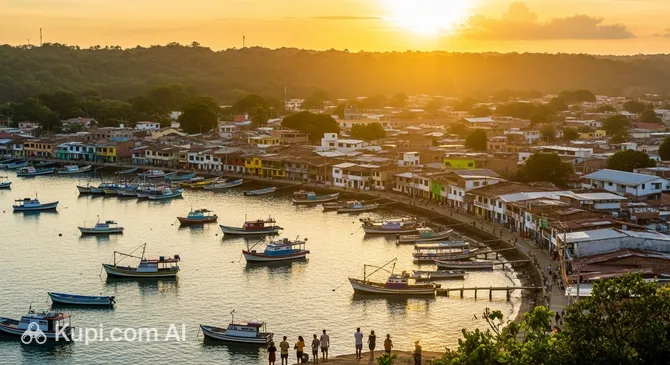
Turbo is a dynamic port city in the department of Antioquia, located on the shores of the picturesque Gulf of Urabá in Colombia. Founded as the settlement of Pisisí, today it is a vital economic and logistics hub for the region, permeated with the atmosphere of a hardworking coastal community.
Turbo. Illustration.
Source: Kupi.com AI
The city's geographical position makes it a "gateway" to the Caribbean Sea for the country's central regions. With a population of approximately 181,000 people, Turbo lives to the rhythm of its port, which specializes in banana exports. The climate here is typically tropical: hot and humid, giving the streets the distinct character of the South American coast.
If you are interested in the past of this region, it is worth looking into its history, which officially began in 1847. While Turbo is not a classic resort, it attracts travelers with its authenticity, bustling markets, and proximity to unique natural areas. A visit to this city allows you to see the real, working Colombia beyond the usual tourist routes.
Weather Overview
In Turbo, a classic tropical climate prevails, characterized by consistently high temperatures and significant humidity throughout the year. Average daily figures usually fluctuate between 28–32°C, and humidity levels reach 80–90%, making the air thick and infused with sea aromas. More detailed weather in Turbo is available in our special section.
The rainy season in the Urabá region lasts from May to November, bringing with it abundant but often short-lived tropical downpours. During this period, rainfall can exceed 250–300 mm per month. The dry season is not as pronounced; however, January and February are considered the most comfortable months to visit, as rain occurs less frequently and a light sea breeze from the gulf helps to better tolerate the daytime heat.
Average monthly temperature
Average monthly precipitation
Interesting Facts
Turbo hides many interesting details that make it a unique spot on the map of South America:
The city is located at the very edge of the famous Darien Gap — the only section of the Pan-American Highway where the road is interrupted by impassable jungles and swamps on the border with Panama.
Until 1741, the settlement bore the resonant name Pisisí, which is still remembered by local elders and historians.
The city's port is the "banana capital" of Colombia, handling the lion's share of exports of the famous Colombian bananas to world markets.
The municipality covers an impressive area of 3,055 km², making it one of the largest by territory in the department of Antioquia.
How to Get There
Turbo is an important transportation hub connecting northern Colombia with the central regions. Most travelers arrive here via the airport or along the Pan-American Highway. To plan your route in advance, check out the detailed information on how to get to the city.
Air service is provided through the small Enrique Espinosa Airport (TRB). It accepts regular flights from Medellín, with a travel time of only about one hour. For those who prefer ground transport, buses depart daily from Medellín; the 340 km journey takes 8 to 10 hours due to the challenging mountain terrain and heavy road traffic.
It should be noted that due to geographical features, there is no direct land connection with neighboring Panama. The port of Turbo is actively used for cargo shipping and coastal navigation, but for tourists, the sea route most often serves only as a way to reach neighboring coastal villages or the beaches of the Gulf of Urabá.
Main Attractions
Although Turbo is primarily known as an industrial center, there are places here to relax by the water. One popular destination is Playa Dulce. This is the city's coastline where locals love to spend time watching the sun set over the Gulf of Urabá. Here, you can feel the true rhythm of life in a Colombian port.
For a more secluded getaway, it is worth heading to the beaches of Turbo in the surrounding areas. These coastal zones are not overloaded with tourist infrastructure, allowing you to see the region's nature in its pristine form. Mangrove forests reaching right down to the water create a unique ecosystem characteristic of this part of Colombia.
The center of city activity remains the Port of Turbo itself. Watching the loading of massive banana boats and the hustle of merchant ships is a unique sight that reflects the economic power of the region. A stroll through the central streets and local markets will allow you to immerse yourself in the daily life of a port city, which differs significantly from the atmosphere of popular tourist metropolises.
Local Cuisine
The gastronomy of Turbo is a vibrant mix of Caribbean traditions and the ocean's generous bounty. The local menu is based on freshly caught fish and seafood. Be sure to try pescado frito (fish fried to a golden crisp), which is usually served with coconut rice and crunchy plantain chips — patacones.
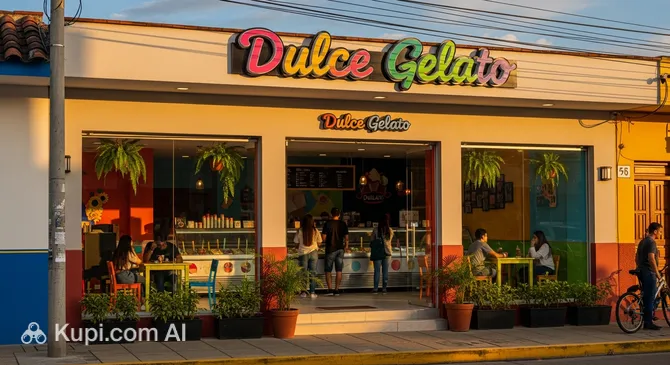
If you are looking for a place with an authentic atmosphere, stop by Las Cholas Bar and Restaurant. Here you can taste traditional sancocho — a hearty soup that, in this region, is often prepared with seafood and local spices. For those wanting to cool off on a hot afternoon, a dessert at Dulce Gelato is the perfect choice.
Dulce Gelato. Illustration.
Source: Kupi.com AI
Traveller photos:
Food culture in the city is closely tied to street markets and small family-run establishments near the port. In addition to fish, it is worth trying tropical juices made from guava and lime, as well as the traditional Colombian drink aguardiente. The simple yet honest and aromatic Creole cuisine of Turbo will not leave fans of culinary discoveries indifferent.
Travel Tips
When planning a trip to Turbo, it is important to remember that it is a working port city with its own unique characteristics. These practical tips will help make your stay here comfortable and safe.
Clothing and Essentials: Choose lightweight clothing made from natural fabrics and be sure to bring insect repellent — in conditions of high humidity and proximity to mangroves, it will be indispensable.
Transportation: The most convenient way to get around the city is by mototaxis (tuk-tuks) or standard taxis. It is cheap and allows you to quickly reach any point in the center or the port.
Finances: The Colombian peso (COP) is used. Cards are accepted at larger outlets, but always keep cash on you for markets and transportation. It is best to look for ATMs at central bank branches.
Safety: Avoid walking alone in the port area and quiet side streets after dark. During the day, the city center is quite safe.
Language and Connectivity: The primary language is Spanish; English is not widely spoken. It is recommended to buy a local SIM card (such as Claro or Movistar) for access to maps and translators.
Local Etiquette: Residents of Turbo are friendly and straightforward. A greeting like "Hola" or "Buenos días" will always help start a dialogue on a positive note.
What to Avoid: You should not photograph port facilities without explicit permission from security, and it is not recommended to engage in discussions about questionable deals with street vendors.
A trip to Turbo will be an opportunity for you to see the real life of the Colombian coast if you follow these simple precautionary rules.
Entertainment & Nightlife
Nightlife in Turbo reflects its character as a working city: there are no flashy clubs, but you can always find a place playing lively music. The hub of evening activity is the small bars and cafes located near the port. On weekends, places like Las Cholas Bar and Restaurant bring locals together to dance to salsa rhythms or sing karaoke.
For a quiet evening, Playa Dulce is an excellent choice, where you can enjoy the sea air and cool drinks. On hot days, many people prefer to stop for a scoop of ice cream at Dulce Gelato before walking along the waterfront.
The crowd in local establishments consists mainly of port workers and sailors, so the atmosphere is simple and casual. If you are looking for large-scale parties or world-class concerts, it is better to head to Medellín, as entertainment in Turbo is more local and authentic in nature.
Parks & Museums
As a young and industrially-oriented city, Turbo does not boast an abundance of museums or art galleries. However, nature lovers will find plenty of interest here. The region's main "green zone" is the extensive mangrove forests surrounding the Gulf of Urabá, which serve as an important natural filter and habitat for many birds.
For outdoor strolls, residents choose the central squares and the coastal area of Playa Dulce. Although this space is not a classic park, it functions as the main public recreation area. Small squares in the city center offer shade during hot hours, but they serve more as gathering points for citizens than full-fledged recreational zones.
Despite the lack of organized museum exhibits, the urban environment of Turbo itself can be seen as a living monument to Antioquia's trading history. Walking past the beaches of Turbo and the port docks, you will see the history of the region's development through the prism of its main activity — seafaring and exports.
Getting Around
The transportation system in Turbo is adapted to the needs of a compact port city. The primary method of transportation for both locals and tourists is mototaxis (tuk-tuks). They are maneuverable, inexpensive, and ideal for short trips between the port, markets, and residential areas. It is customary to agree on the fare with the driver in advance.
Small buses and shared taxis (colectivos) also run through the city, connecting the central part with the outskirts. It should be noted that during peak hours, congestion can occur on the main roads due to the large number of trucks transporting bananas and other goods to the port. Within the city's central zone, it is quite possible to get around on foot, as the main administrative and commercial facilities are located fairly close together.
For trips to neighboring towns, such as Apartadó or Necoclí, it is most convenient to use intercity buses departing from the local terminal. If you need to get to Enrique Espinosa Airport, it is best to call an official taxi, as this ensures comfortable transport for your luggage.
Accommodation
Accommodation in Turbo is primarily geared towards transit travelers, sailors, and port company employees. You won't find luxury five-star hotels here, but there is a wide selection of budget hotels and 2–3 star guesthouses located in the center and near the Enrique Espinosa Airport.
For those planning to stay in the city longer, apartment rentals are available. Such offers are often in demand by expats and specialists working in the logistics sector. The main advantage of housing in central areas is the proximity to banks, shops, and restaurants, such as Las Cholas Bar and Restaurant.
When booking, keep in mind that during major regional holidays or the banana harvest, demand for housing can increase, so it is recommended to reserve spots in advance through popular online services. When choosing a hotel, pay attention to the availability of air conditioning, as the tropical heat and humidity of Turbo can make sleeping without cooled air uncomfortable.
Nearby Cities
Turbo serves as a convenient starting point for exploring the Urabá subregion, where each neighboring city possesses its own unique character. Just 26 kilometers away is Apartadó — the region's largest commercial center with developed infrastructure and shopping complexes. The bus ride there takes about half an hour.
Another interesting destination for a day trip is the coastal town of Necoclí. It is located 37 kilometers to the north and attracts tourists with its sandy beaches and a more relaxed resort atmosphere compared to the industrial Turbo. Also worth noting is Carepa, known for its endless plantations that offer a glimpse into the agricultural wealth of Antioquia.
Exploring the surroundings of Turbo will allow you to see the diversity of the Colombian north: from bustling commercial towns to quiet coastal villages. An extensive network of bus routes makes such trips accessible and easy for any traveler.
Shopping & Souvenirs
Shopping in Turbo is primarily about visiting colorful local markets. The main shopping points are concentrated in the port area and on the central streets. Here you can find an abundance of tropical fruits and the freshest seafood. It is the ideal place to feel the city's spirit and purchase everyday goods at low prices.
If you are looking for souvenirs, pay attention to the products of local artisans. In Turbo, souvenirs made from banana fibers and wood are popular. Although there are no giant shopping malls in the city, small shops offer a wide range of Colombian-made clothing and accessories.
Most shops operate from early morning until sunset, often closing for a break during the hottest hours. Large stores accept bank cards, but in markets and small shops, you will definitely need cash pesos. Don't forget to stop by Dulce Gelato for a refreshing treat after a busy day of shopping.